
Stepping onto your first cruise ship should feel like entering a floating paradise. But that dream quickly turns into a headache when security confiscates your clothes steamer at the terminal.
Cruising operates under entirely different rules than land resorts. Standard packing habits just do not work at sea. Avoid these ten common cruise packing mistakes so you can enjoy a smooth boarding day. Here is your actionable first-time cruise packing list strategy to keep your vacation stress-free.
10 Cruise Packing Mistakes That Quietly Ruin First-Timers’ Trips
1. Packing Travel Documents and Essentials in Checked Luggage
Handing your luggage to the porters at the pier feels like a relief. But those bags undergo security screening and sorting before crew members deliver them to your stateroom door. On busy departure days, delivery can take anywhere from two to eight hours.
If you pack your identification inside those checked suitcases, your vacation hits a wall before it even begins. The U.S. State Department and cruise lines require physical passports and government IDs in hand at terminal check-in. Digital screenshots on your phone will not work.
Accidentally checking your identification forces staff to manually locate your bag in a room filled with thousands of suitcases. That mistake guarantees hours of delays in the terminal.
What Goes in Your Day-One Backpack
Keep your dedicated carry-on close. These essentials should stay with you while your checked luggage heads to the ship.
Passports & Boarding Passes
Keep IDs, passports, and boarding passes in your physical possession at all times.
Daily Medications
Bring a full week’s supply + 2 extra days to cover unexpected travel delays.
High-Value Electronics
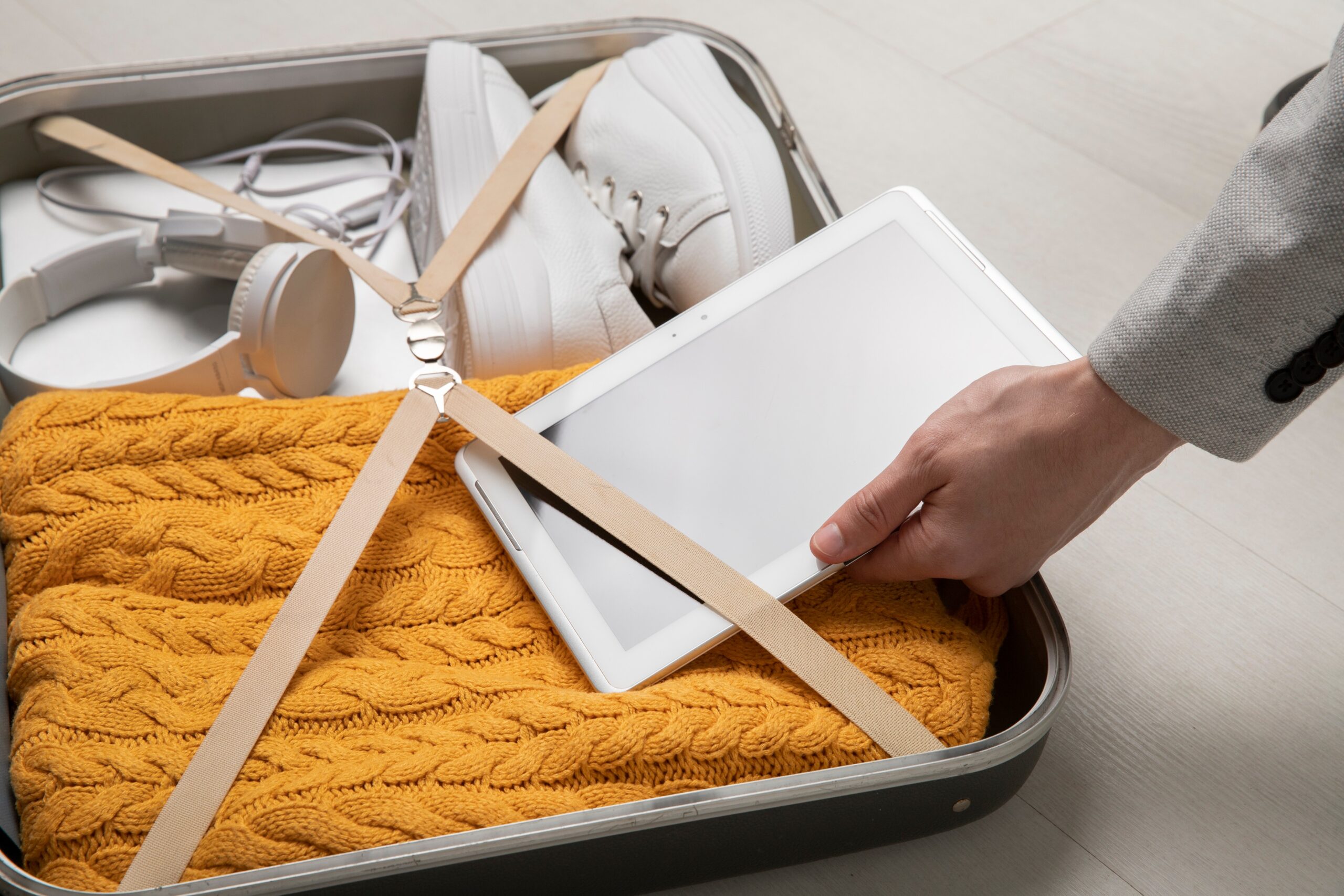
Keep cameras, tablets, and laptops with you instead of placing them in checked luggage.
Change of Clothes
Pack a lightweight outfit + swimwear so you can relax and enjoy the ship immediately.
Treat your carry-on bag like an emergency liferaft until your main luggage arrives at your cabin door.
2. Bringing Banned Heat Appliances (Irons and Clothes Steamers)
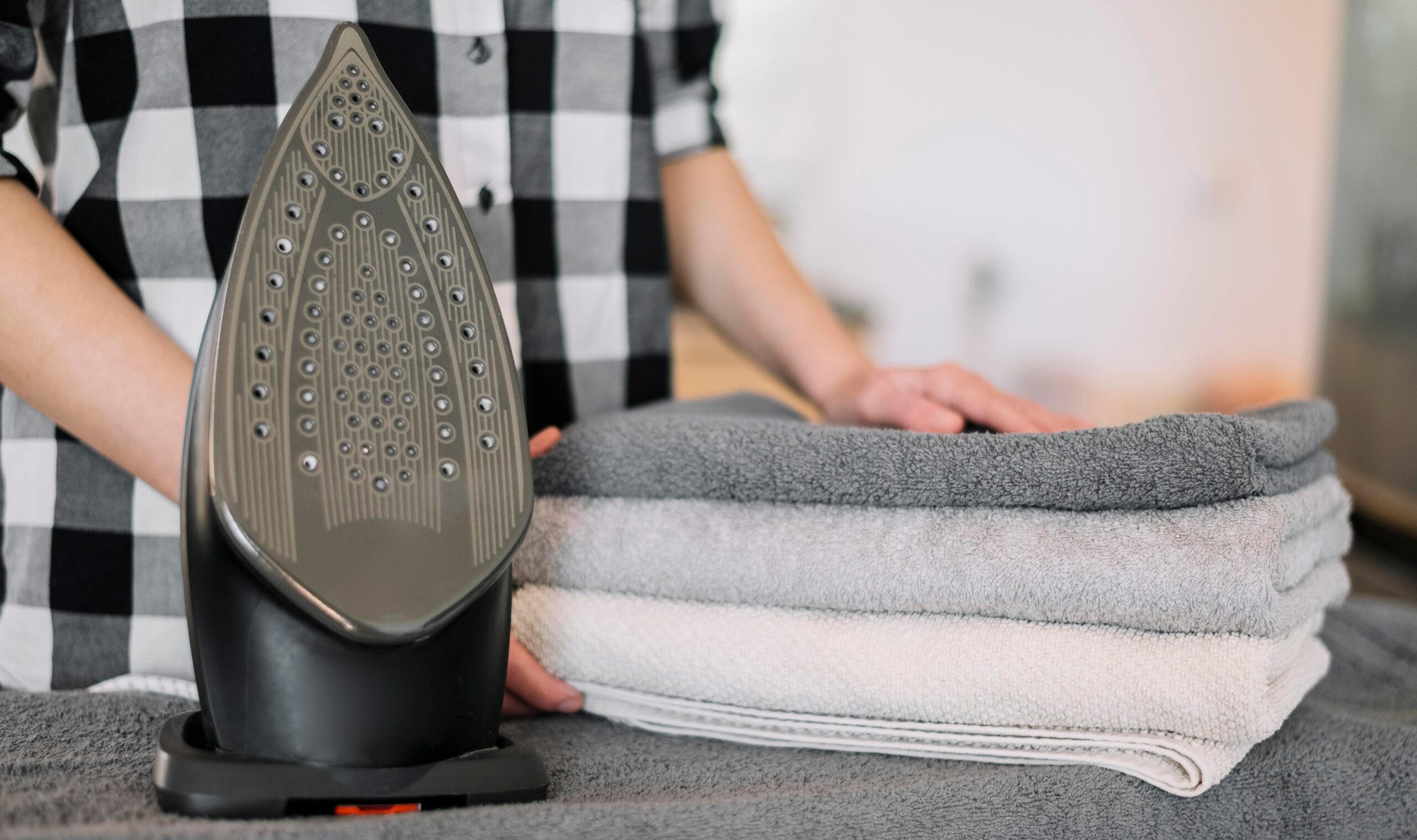
You might want your evening outfits to look crisp, but bringing travel irons or garment steamers is a major problem. Fire is the single greatest safety threat to an ocean vessel. Because of this risk, every major cruise line strictly bans heat-generating laundry appliances.
During baggage screening, automated X-ray scanners flag these items instantly. Security officers pull flagged bags aside, remove the banned appliances, and place your luggage in holding.
You will receive a note directing you to retrieve your bag from security, wasting precious vacation time. Confiscated items sit in storage until you disembark at the end of the cruise.
Beat the Wrinkles
Skip the crumpled-clothes struggle. These simple alternatives keep your cruise wardrobe looking fresh without packing a bulky iron.
Anti-Wrinkle Sprays
Pack a travel-size fabric spray, mist your clothing, gently pull the fabric taut, then smooth the creases away with your hands.
Bathroom Steam Method
Hang clothes on the bathroom door hook during a hot shower. Trapped steam loosens tight creases in about 10 minutes.
Onboard Laundry
Use the ship’s self-service launderette with press irons, or choose professional pressing for a small fee per item.
Knowing what not to bring on a cruise keeps your luggage moving smoothly through terminal security.
3. Packing Surge-Protected Power Strips Instead of Cruise-Approved Adapters
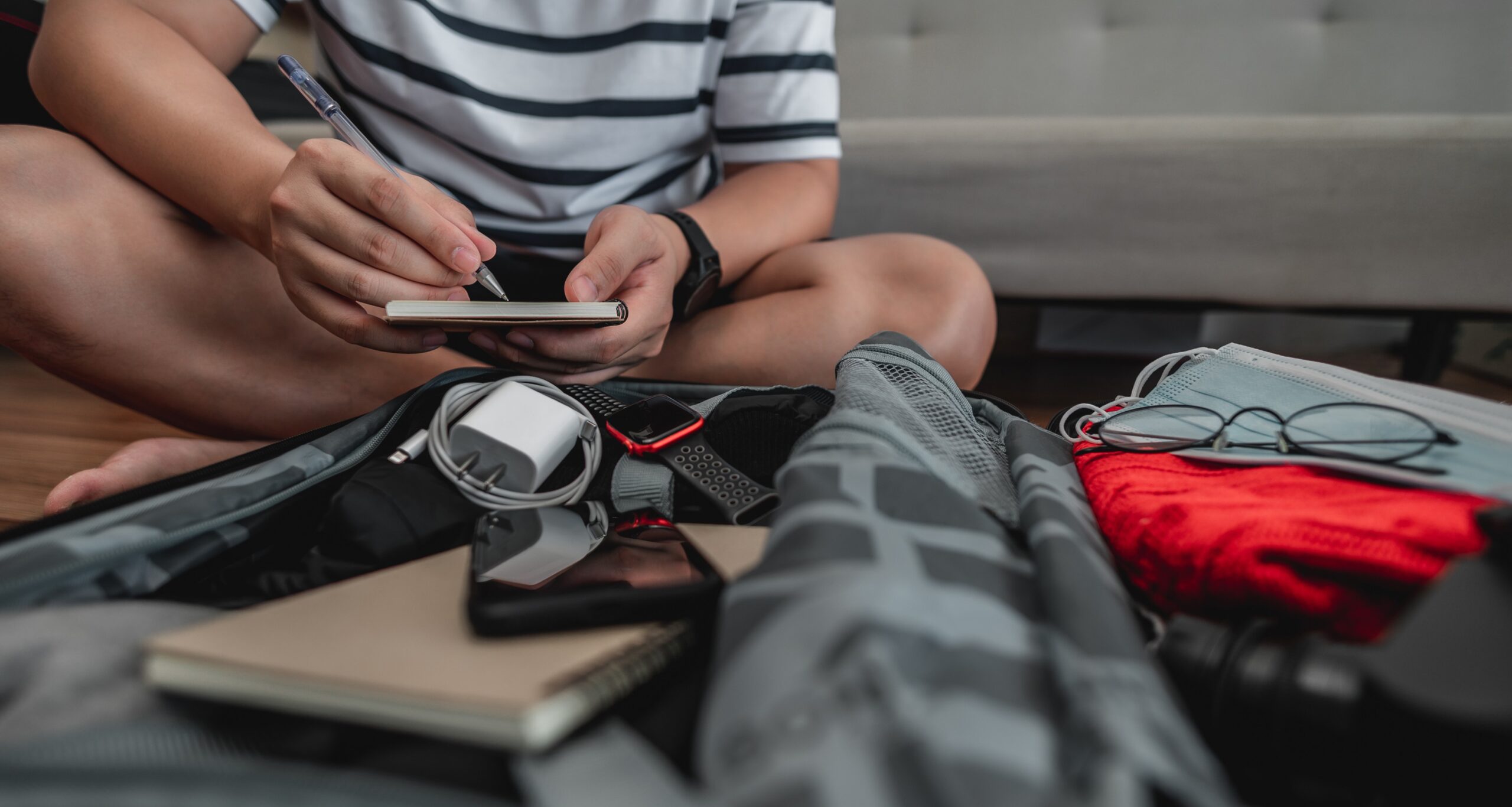
Plugging in multiple phones, smartwatches, camera batteries, and tablet chargers requires extra outlets. Bringing a standard home surge protector seems like a logical solution, but it poses a hidden electrical hazard.
Ship electrical systems use an ungrounded wiring network different from land-based homes. Standard home surge protectors can overheat on a ship’s grid and cause electrical fires. Terminal security confiscates surge-protected strips on sight.
Most cabin desks feature only two standard US outlets and one or two European outlets. Ships built before 2020 rarely have outlets near the bed.
Power Your Cabin
Safely
Keep your devices charged while avoiding overloaded outlets and unnecessary security alerts.
01 · Choose Non-Surge
Look for multi-outlet adapters clearly labeled “non-surge protected” or “cruise safe.”
02 · Pack EU Adapters
Bring inexpensive Type-C European converters. European outlets can give you extra charging ports without overloading the US outlets.
03 · Use USB Hubs
One wall plug with four USB ports can charge several small devices simultaneously without triggering security alerts.
4. Assuming the Ship’s Medical Shop Works Like a Pharmacy
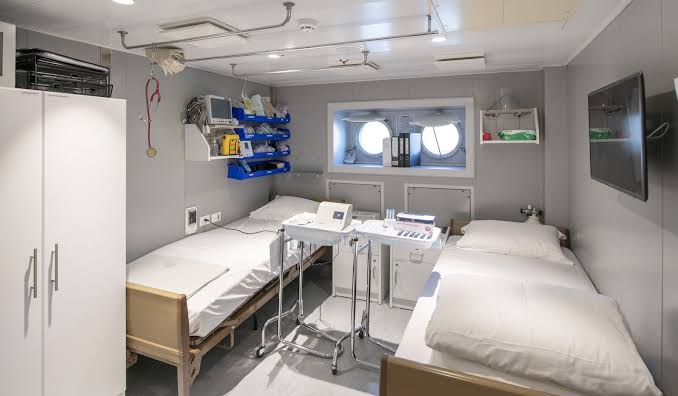
Waking up at sea with a splitting headache, seasickness, or heartburn teaches you an expensive lesson about maritime retail. Ship gift shops carry a very small selection of over-the-counter medications, and those items come with massive price markups.
Expect to pay $15 to $20 for a basic pack of ten ibuprofen pills on board. Worse yet, federal maritime laws require onboard gift shops to remain locked while the ship docks in port. If you get sick while docked, you cannot buy OTC medicines until the ship sails back into international waters.
Visiting the onboard medical center for basic ailments is equally costly. Consultation fees start around $150 before accounting for any administered medications.
Build Your Own $15
“Ship Pharmacy”
Pack a compact gallon zip-top bag with these basic essentials before leaving home.
Motion Sickness
Keep Meclizine (Bonine) handy — it is noted for being less drowsy than traditional Dramamine.
Pain Relief
Pack Ibuprofen or Acetaminophen for headaches, sunburns, and sore muscles.
Stomach Care
Bring Antacids & Imodium for rich buffet dining and sudden stomach upset.
First Aid
Add Blister Bandages & Antiseptic to protect your feet during long port walking tours.
Keeping a personal medical kit in your luggage ensures you never pay double-digit prices for a simple headache pill.
5. Underestimating Stateroom Storage Space (and Over-Cluttering)
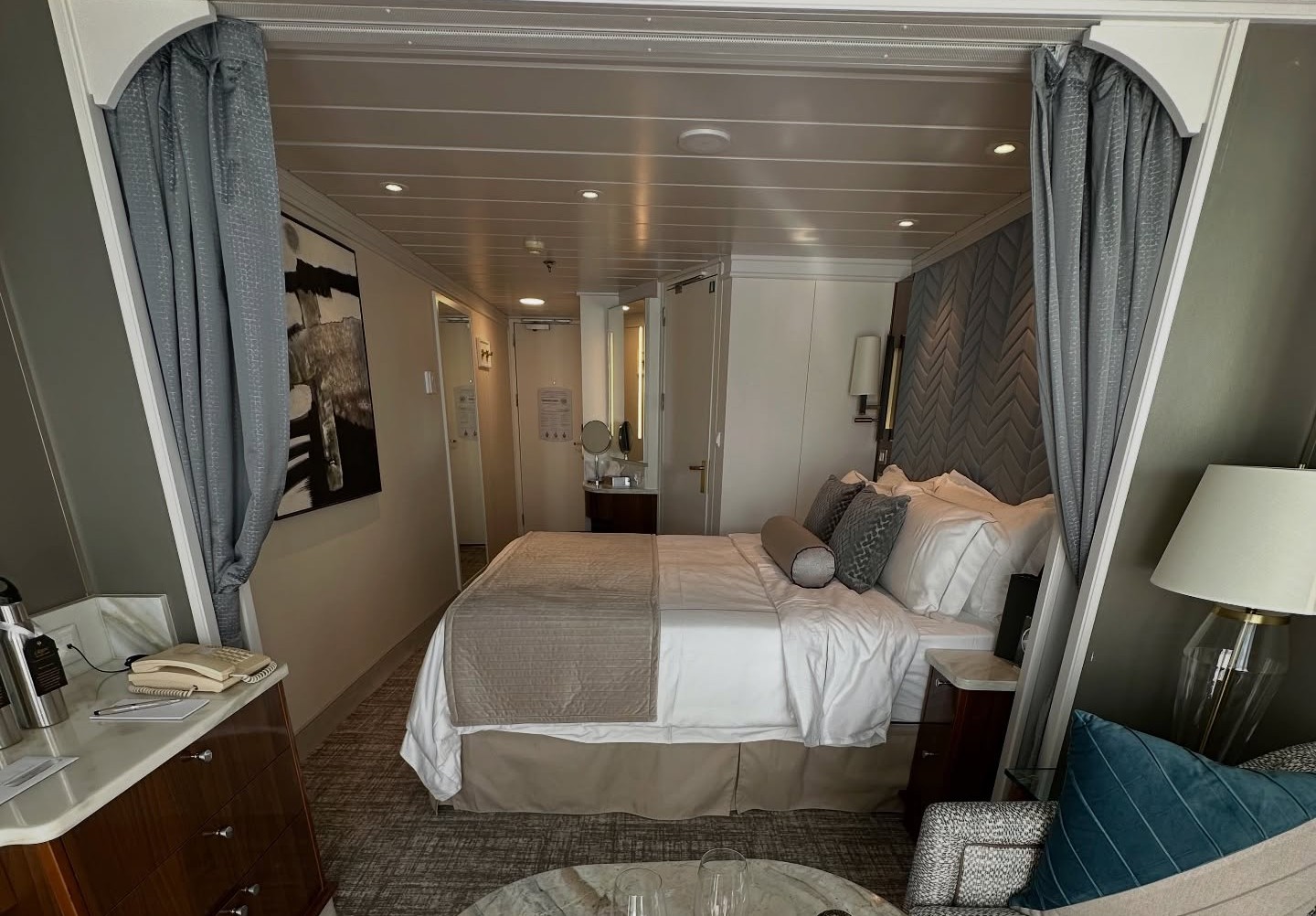
Standard oceanview and balcony cabins average between 150 and 185 square feet. When two adults pack heavy suitcases for a seven-day voyage, desk surfaces and walkways quickly become cluttered.
Leaving clothes, daypacks, excursion tickets, and lanyards strewn across tables makes a small room feel microscopic. Fortunately, cruise ship cabins have a secret structural feature most first-timers miss: the walls and doors are made of solid steel alloy.
Clever Cruise Cabin Organization Hacks
Turn a compact cabin into a calmer, clutter-free space with a few clever storage tricks.
Use Heavy-Duty Magnetic Hooks
Choose 25–40 lb neodymium hooks to hang backpacks, wet coats, hats, and lanyards from cabin walls or the ceiling—keeping valuable floor space clear.
Store Suitcases Under the Bed
Unpack on day one, place clothes in the built-in drawers, then slide empty suitcases flat under the bed to instantly reclaim floor space.
Bring a Pop-Up Laundry Hamper
A collapsible mesh hamper keeps dirty clothes off the carpet and folds neatly into the bottom of your closet when you don’t need it.
6. Packing Only One Swimsuit and Forgetting Day-One Pool Gear
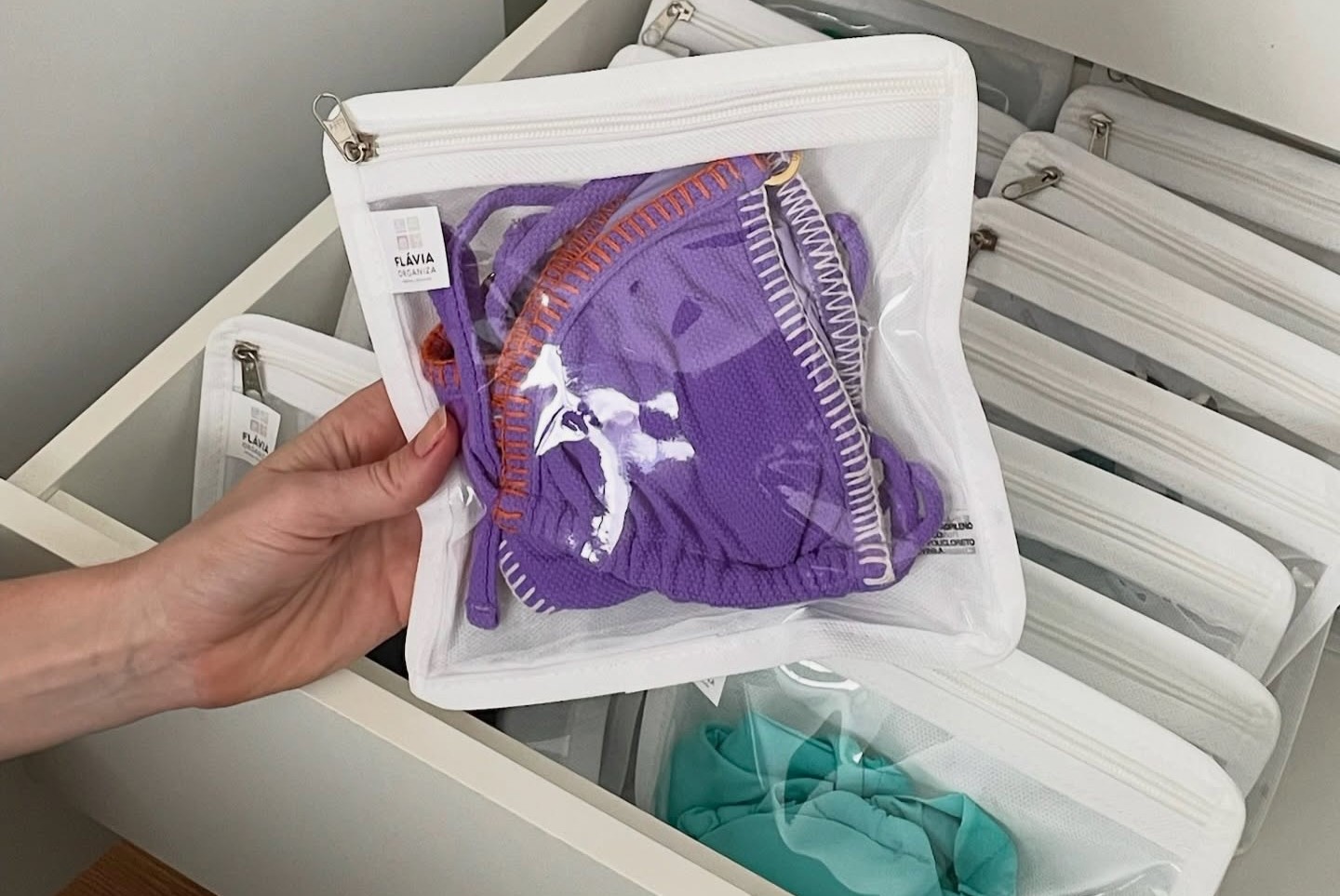
Packing a single swimsuit is a recipe for daily discomfort. High humidity at sea means wet swimwear takes more than 24 hours to dry inside a cabin bathroom or hanging on a balcony line. Putting on a cold, damp swimsuit on morning two is an unpleasant way to start your day.
Another common mistake happens right after boarding. Passengers check all their swimwear inside their main suitcases. They spend their first afternoon standing on the hot pool deck wearing jeans and sneakers while other guests enjoy the water.
Roll one swimsuit, a pair of flip-flops, sunglasses, and a tube of sunscreen directly into your first time cruise packing list carry-on bag. When you board the ship, head straight to the top deck changing rooms, swap into your swimwear, and start your vacation immediately.
7. Ignoring Main Dining Room and Specialty Dress Codes

Modern cruise lines offer relaxed dining, but main dining rooms and specialty restaurants still enforce basic dress codes. Showing up in casual daywear for dinner will get you turned away at the door.
Swimwear, tank tops, baseball caps, bare feet, flip-flops, and frayed denim are strictly prohibited in formal dining venues during evening hours. Even buffet areas require dry cover-ups and footwear at lunch.
Easy Smart Casual Wardrobe
Pack light, mix effortlessly, and keep every outfit polished without bringing a formal wardrobe.
For Men
Pack two pairs of dark chinos or dark-wash jeans with three collared polos or lightweight button-downs.
For Women
Choose two versatile sundresses, or pair dark pants with lightweight blouses for easy outfit changes.
Elevated Footwear
Bring one smart pair of leather sandals, dress shoes, or clean loafers to instantly polish casual looks.
Reviewing what to wear on a cruise dinner prevents embarrassing moments at the dining room entrance.
8. Misunderstanding Alcohol and Beverage Packing Policies
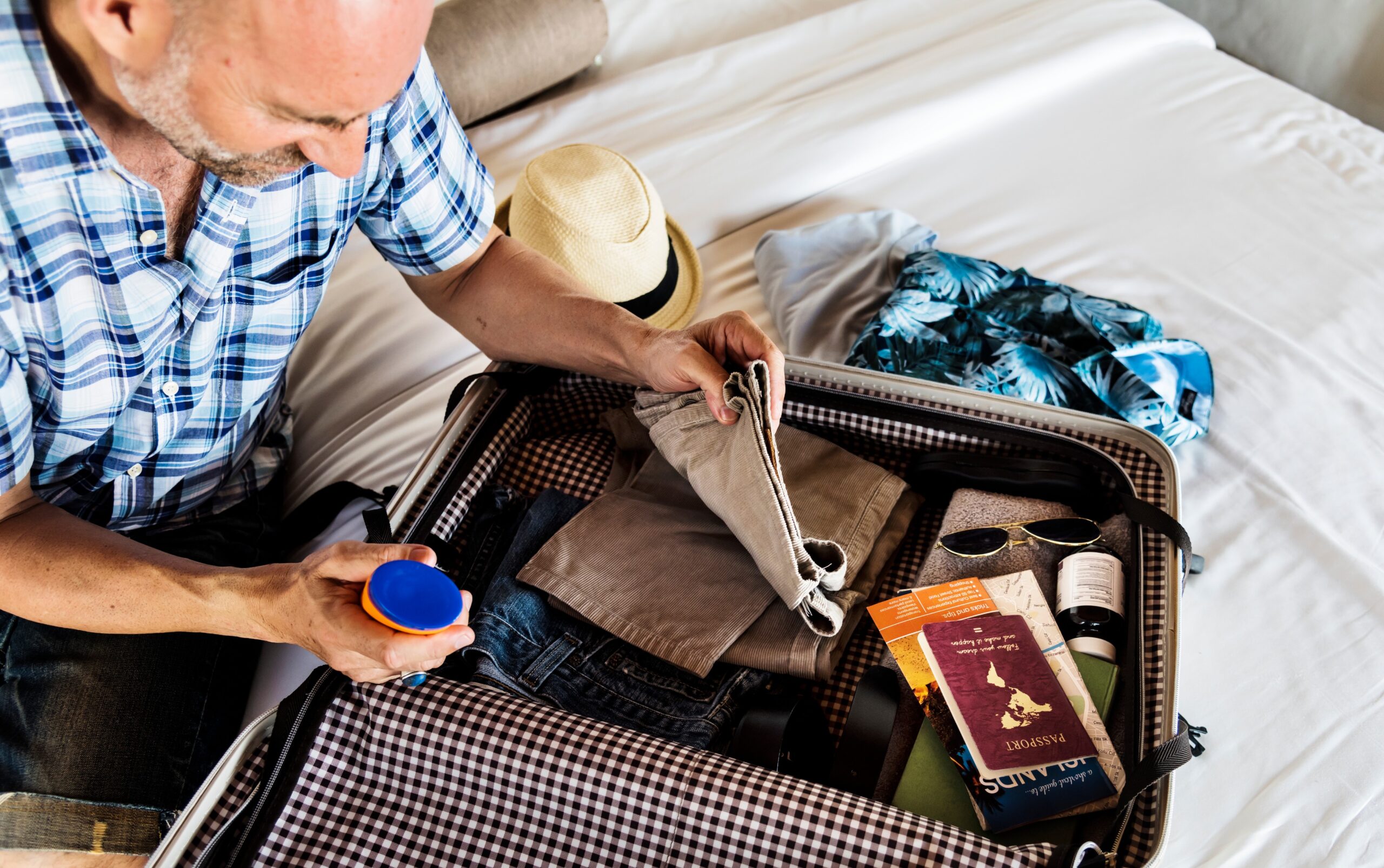
Attempting to sneak hard liquor onboard in unapproved plastic bladders or shampoo bottles is a risky gamble. Luggage scanners easily flag liquid densities, and smuggling alcohol can result in confiscated drinks or flagged guest accounts.
Most major cruise lines allow adults of legal drinking age to bring a limited amount of personal wine or champagne onboard, under strict rules.
Pack Beverage
Allowances Smart
Avoid security delays, packing mistakes, and surprise restaurant charges with these three simple cruise-beverage rules.
01 · Keep Bottles in Carry-On
Put wine bottles in your carry-on bag. Checked luggage can trigger X-ray inspection and lead to hours of manual-delivery delays.
02 · Check Beverage Limits
Some lines, such as Carnival, allow a 12-pack of non-alcoholic cans up to 12 oz, but they must stay in carry-on luggage. Plastic bottles are banned.
03 · Expect Corkage Fees
Personal wine at a specialty restaurant can cost $15–$25 in corkage. Enjoying it inside your stateroom is completely free.
Understanding the cruise alcohol policy saves you money and prevents unnecessary baggage delays.
9. Packing the Wrong Shoes for Shore Excursions and Onboard Activities
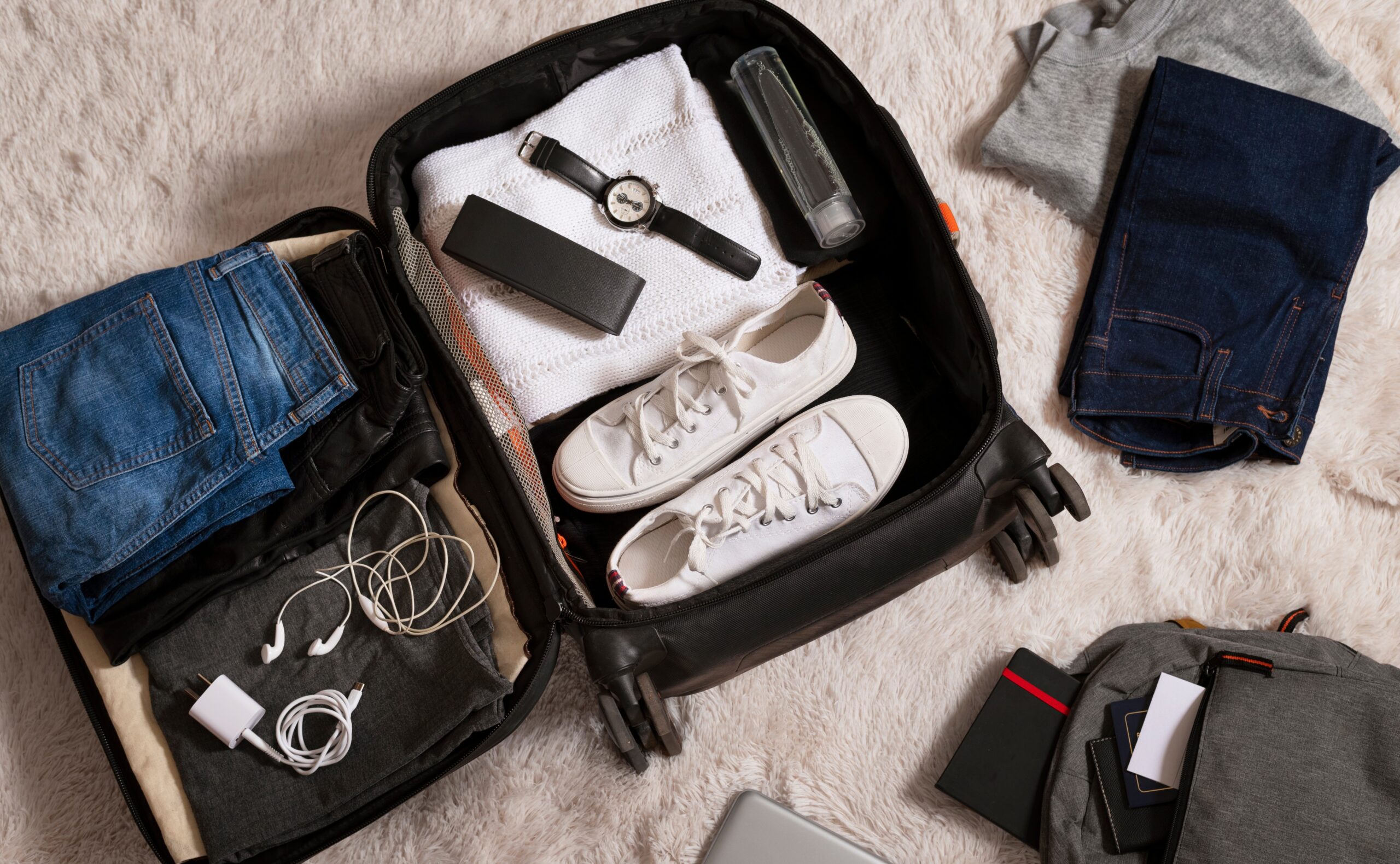
Footwear takes up considerable space in your suitcase, so packing the wrong shoes creates unnecessary bulk. Worse, wearing unsuitable shoes can prevent you from participating in onboard activities or port tours.
Modern cruise ships offer active outdoor features like ropes courses, zip lines, rock-climbing walls, and ice-skating rinks. All of these activities strictly require closed-toe sneakers with good grip. Open-toe sandals, Crocs, or flip-flops are not allowed.
The Rule of Three
Three versatile shoe pairs can cover your cruise, from travel day to Caribbean beaches and elegant dinners.
Walking / Athletic Sneakers
Wear them on travel day to save suitcase space. They’re ready for shore excursions, workouts and onboard sports.
Pool Sandals or Water Shoes
Protect your feet on slippery pool decks and rocky Caribbean beaches with sharp coral.
One Pair of Evening Dress Shoes
Choose versatile dress shoes or sandals that match every dinner outfit without adding unnecessary bulk.
Packing the best shoes for a cruise ensures you stay comfortable on long walking tours without overpacking.
10. Packing Away All Clothes on the Final Night of the Cruise

The last night of a cruise includes a universal luggage collection ritual. To ensure smooth disembarkation morning, crew members collect heavy suitcases from the hallways between 10:00 PM and midnight.
The classic beginner mistake is packing everything away into those checked suitcases, including shoes, outerwear, toothbrushes, daily clothes, and passports.
If you put all your shoes and clothes in the hallway, you will have to walk off the ship on disembarkation morning in pajamas or slippers.
Your Final Night Checklist
Keep a small tote or backpack inside your cabin so your morning essentials stay close and ready.
Complete Outfit & Footwear
Lay out your shirt, pants, and shoes tonight so your morning routine is quick and stress-free.
Toiletries & Medications
Keep your toothbrush, hairbrush, and morning prescriptions somewhere easy to reach.
Travel Identification
Secure your passport, keys, and disembarkation paperwork inside your personal bag.