
Imagine arriving at the airport with your bags packed and boarding pass in hand. You hand over your document at the counter, only to hear the words every traveler dreads: “I’m sorry, you can’t board this flight.” You aren’t expired, but an unnoticed detail just ruined your trip.
Airlines and border agents enforce strict digital and physical entry checks. Every year, thousands of travelers are turned away due to technical oversights like missing blank pages, micro-tears, or name mismatches.
Gate agents check these rules aggressively because airlines face heavy fines often exceeding $3,500 to $5,000 per passenger if they land you in a country that rejects you.
11 Passport Mistakes That Can Get You Turned Away at the Airport
1. Overlooking Country-Specific Passport Validity Requirements

“My passport doesn’t expire for another five months, so I’m good to go.” This single thought grounds thousands of travelers every year.
Having an unexpired document is not enough. Over 70 countries enforce strict passport validity requirements that demand your document remain valid for three to six months beyond your travel dates.
Red Flag Rule: The six-month rule applies to popular destinations like Indonesia, Thailand, the United Arab Emirates, and Egypt. The European Schengen Area requires three months of validity beyond your intended departure date from Europe.
Airlines check these rules in their Timatic database at check-in. If you fail the buffer requirement, staff will deny your boarding pass immediately.
2. Running Out of Blank “Visa” Pages (Endorsement Pages Don’t Count)
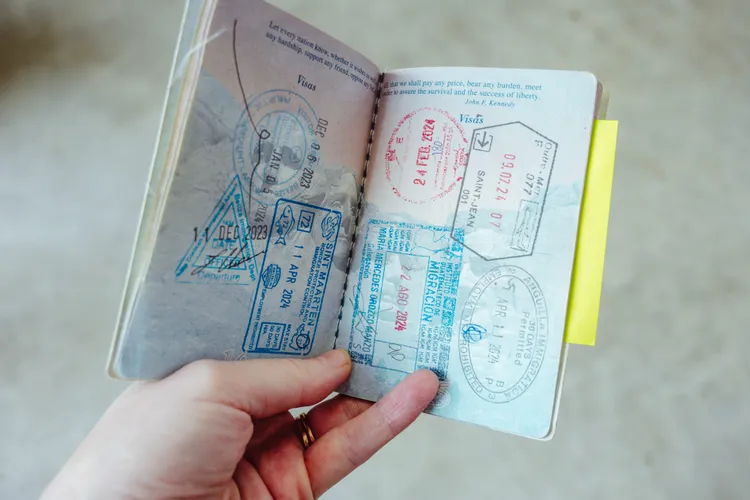
Having a valid expiration date means nothing if your document is full. Many nations require a minimum number of completely blank pages for entry and exit stamps.
Flip through your document right now. Look closely at the page headers. Pages marked “Endorsements” or “Amendments” at the back do not count toward this total. Those pages are reserved for government notifications, not entry stamps. Partially stamped pages with empty corners also do not count if a country requires full, clean pages.
Actionable Step: Open your document and flip past the endorsement section. Count only full pages labeled “Visas.” If you have fewer than four completely blank pages left, submit a renewal before booking international flights.
3. Ignoring Physical Wear, Tears, or Water Stains
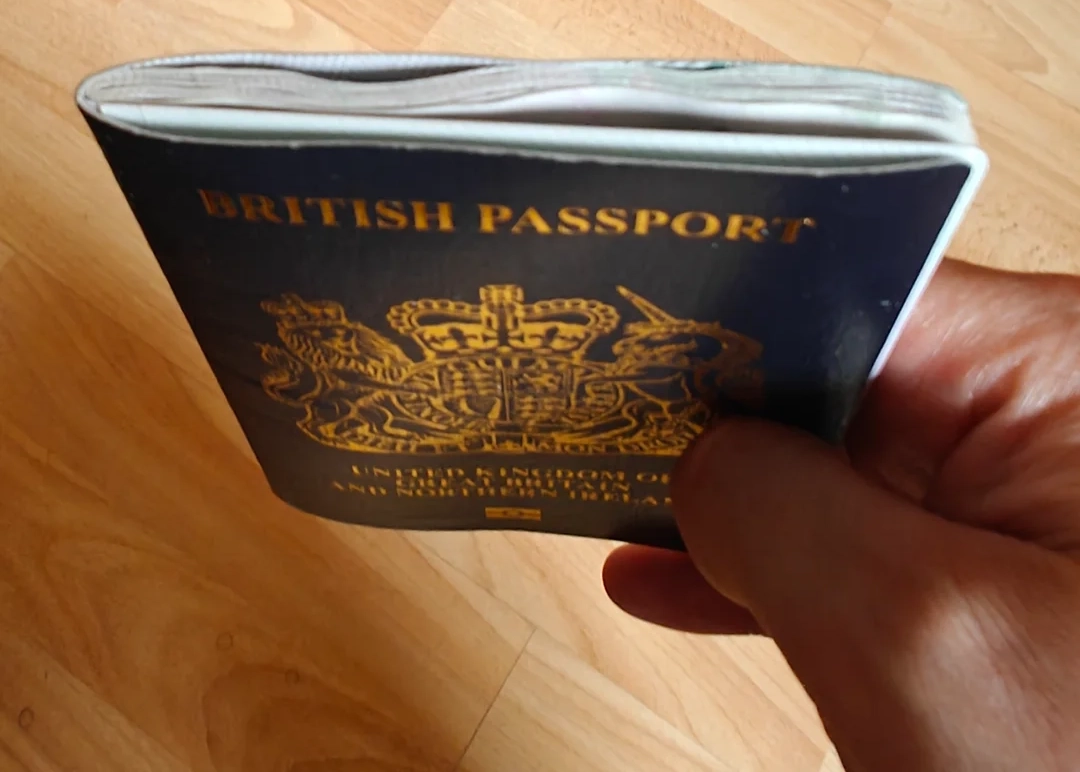
Normal wear and tear happens when you travel. But there is a sharp line between a well-traveled document and an invalid one.
Border agents and e-Gates treat physical damage as a security risk. Small tears can expand inside document scanners. Water stains can obscure security threads or make ink bleed across critical text fields.
Critical Warning: A tear as small as 2mm along the biodata page seam is enough to trigger a rejected entry at immigration.
Your Next Move: Hold your photo page up to a bright light. Flex the page gently. If the plastic film peels away from the paper or the photo, replace the document immediately through urgent processing services.
4. Attempting DIY Passport Repairs
When travelers notice a loose binding or a small tear, their first instinct is often to fix it at home. Keep tape, glue, and staples far away from your official travel documents.
Border forces view self-repairs as intentional document tampering. Taping a torn visa page back into the binding makes agents suspect that pages were swapped or altered.
Deal-Breaker Rule: Taped pages, glued bindings, or staple holes through the cover automatically render your document legally invalid.
If your document tears while you are abroad, do not try to repair it yourself. Visit your local embassy or consulate to apply for an Emergency Travel Document instead.
Solution: If your document suffers structural damage before a trip, do not use household items to fix it. Book an expedited appointment at a regional passport agency for an official replacement.
5. Forgetting the 10-Year Issuance Limit for European Travel
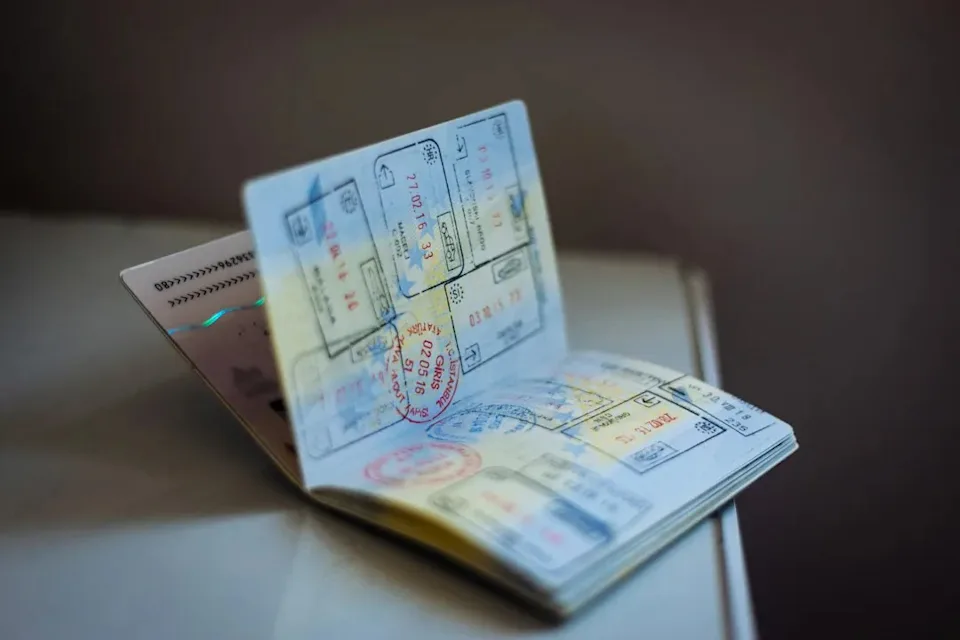
This rule catches frequent long-haul flyers off guard, especially those traveling to Europe.
Under European Schengen Area regulations, your document must be issued within the last 10 years on the day you enter Europe. It does not matter if your country allows extra months to roll over during renewal, giving you an expiration date 10 years and nine months after issue. Europe ignores the expiration date if the issue date is too old.
Hard Rule: If your document was issued on May 10, 2016, and you attempt to enter Europe on May 11, 2026, you will be turned away at the gate—even if the document lists an expiry date in late 2026.
Do This Now: Locate the “Date of Issue” field on your photo page. Ensure that your entry date into Europe falls within exactly 10 years of that date.
6. Name Discrepancies Between Passport and Flight Ticket
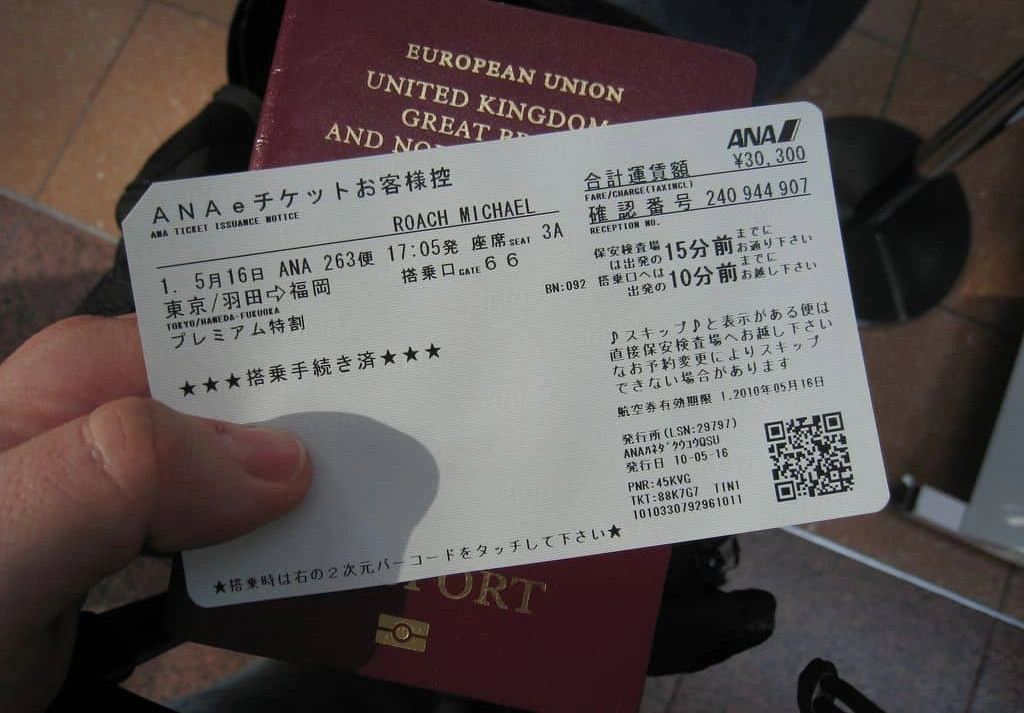
A simple typo on your airline reservation can stop you at automated check-in kiosks and security checkpoints.
Your ticket name must match the Machine Readable Zone (MRZ) the two lines of text at the bottom of your photo page. Common issues include missing legal middle names, transposed hyphenated names, and maiden names used after a recent marriage.
Smart Move: Book every international flight using your exact legal name as printed on the bottom of your photo page, including all middle names.
7. Collecting Unofficial “Souvenir” Passport Stamps
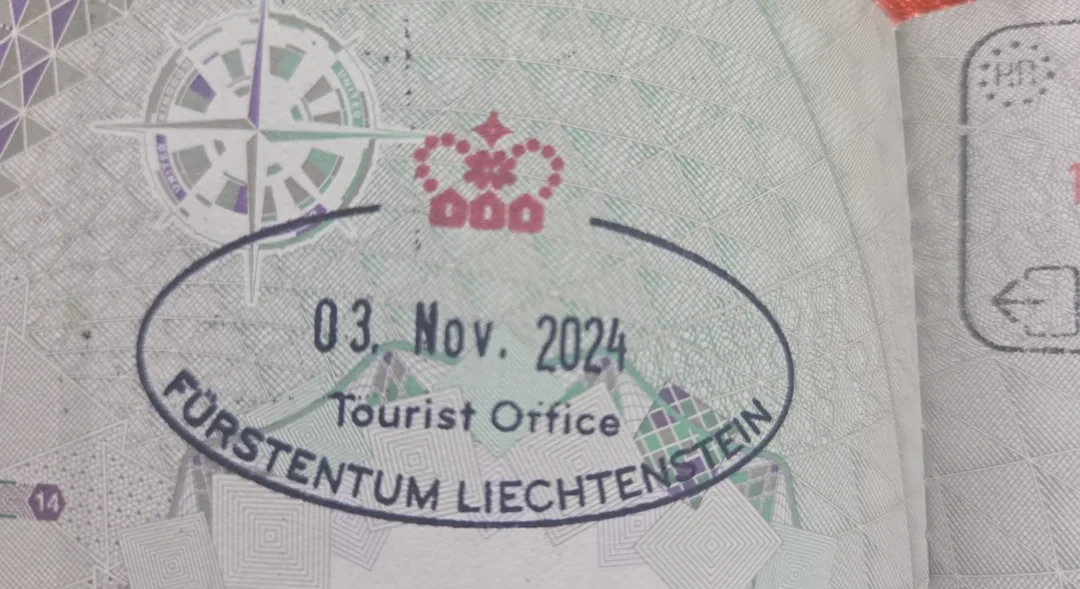
Novelty stamps seem like fun mementos, but that decorative souvenir stamp might cost you your flight.
Tourists often collect non-official stamps at spots like Machu Picchu, Checkpoint Charlie, the Galapagos Islands, or Antarctica. However, your document is official government property. Non-governmental markings are treated as unauthorized alterations.
Non-Negotiable Rule: Border officers in East Asia and Europe routinely turn away travelers with novelty souvenir stamps, marking the entire document as altered.
Pro Tip: Never allow non-immigration staff to mark your pages. If you want souvenir stamps, carry a dedicated tourist travel notebook instead.
8. Failing to Link Passports to Required Digital Permissions
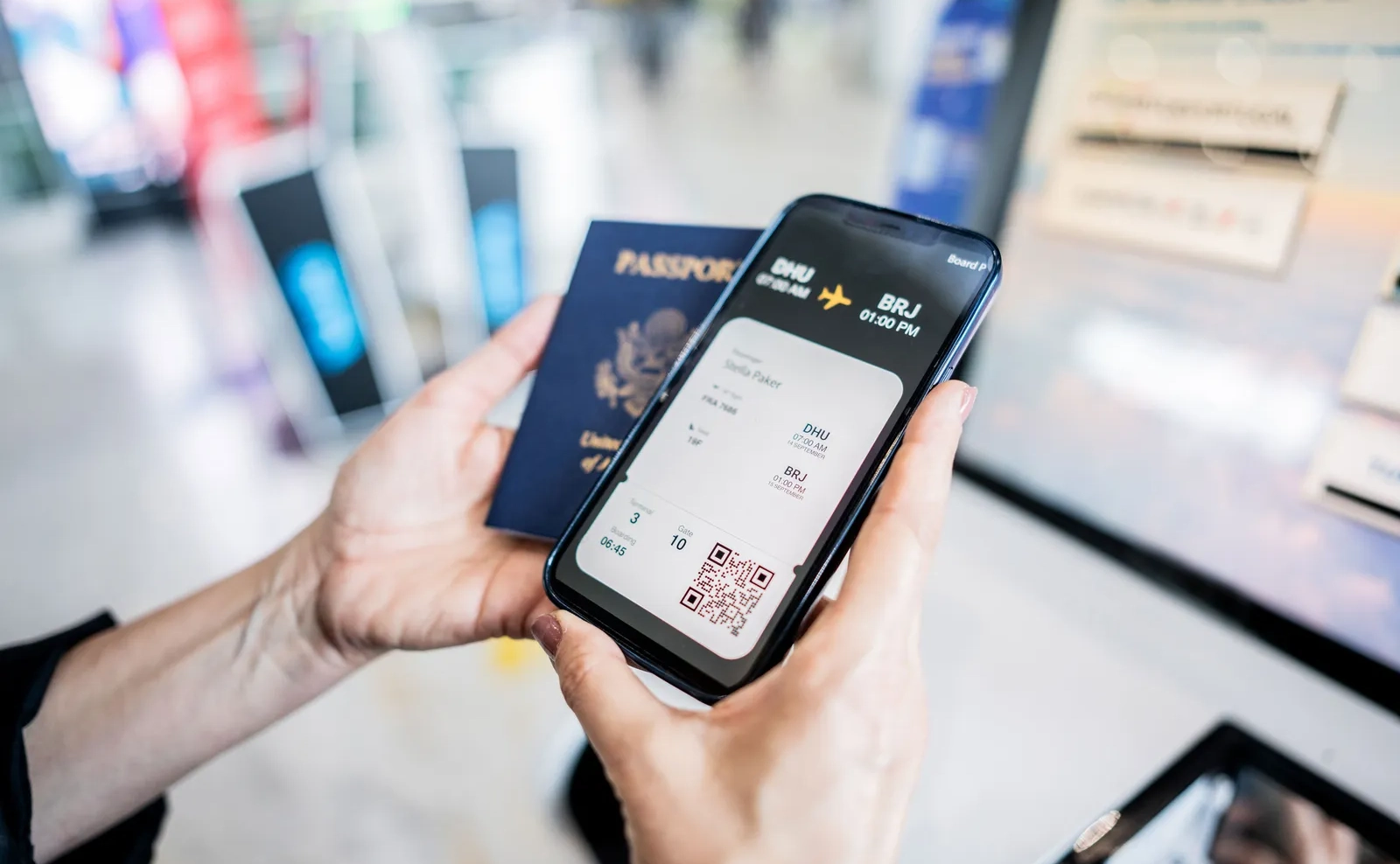
We have entered a new era of digital travel permissions. Many countries require electronic travel authorizations linked directly to your document number before you board.
When you renew your document, your old number is canceled. Any digital authorization linked to that old number becomes instantly invalid.
Gate Denial Alert: Showing up at the airport with a brand-new document while your ESTA or ETA is still tied to your old document number results in an immediate check-in rejection.
The Game Plan: Whenever you get a new document, re-apply for all active digital travel permissions immediately. Double-check that your active authorization matches your current document number 72 hours before flying.
9. Damaged Passport Chips and Machine-Readable Zones (MRZ)
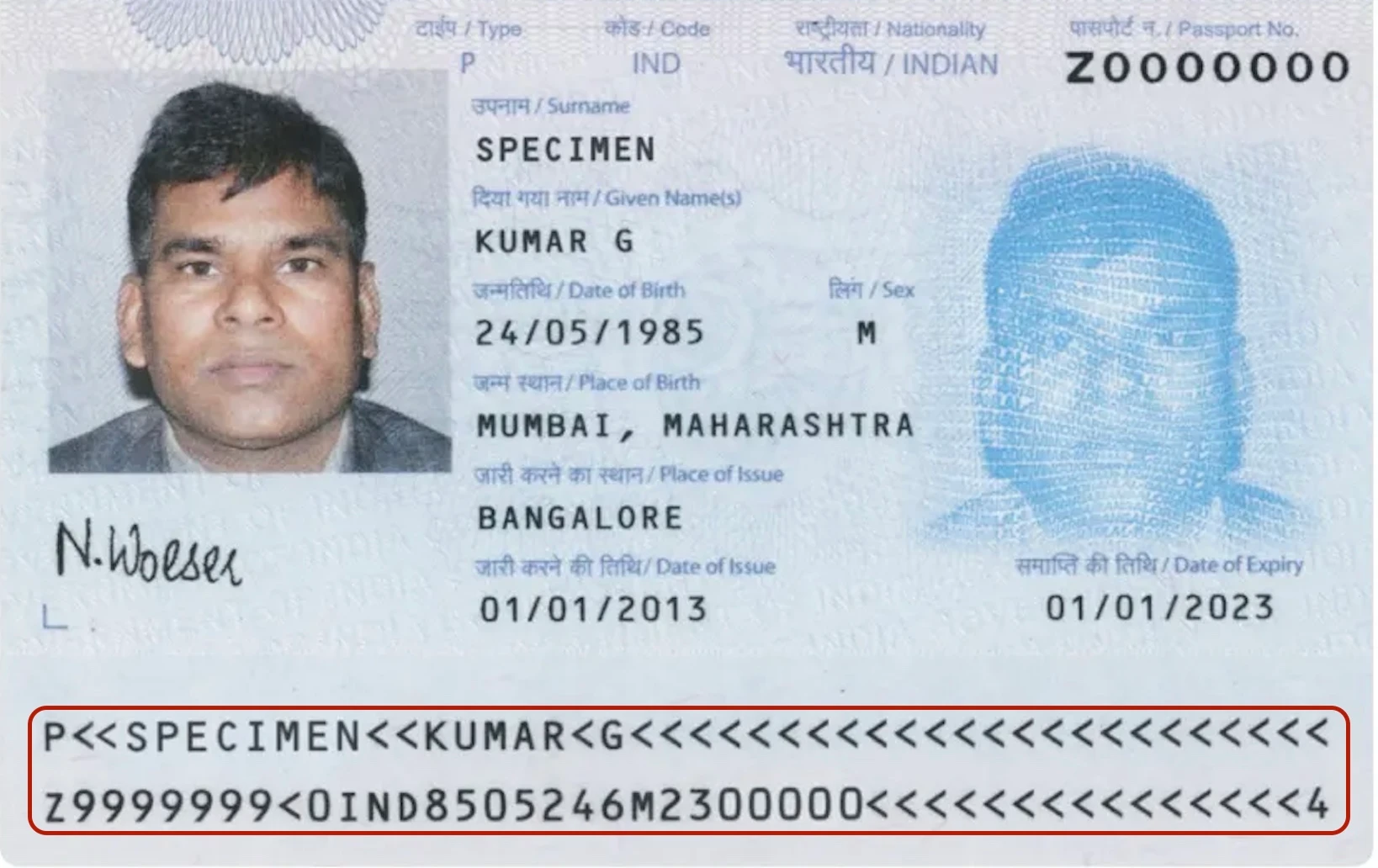
Biometric documents contain an embedded RFID chip inside the cover or photo page. Sitting on your document, bending it in a back pocket, or exposing it to extreme heat can snap the thin antenna surrounding the chip. Scratches across the two-line MRZ barcode at the bottom of your photo page can also stop scanners from reading your data.
When an e-Gate cannot read the chip or the MRZ zone, you are sent to manual processing lines, where border agents may reject damaged documents.
Corrective Action: Protect your document from bending. Never carry it in your back pocket. You can test your chip’s readability before leaving home using NFC-enabled mobile reader apps.
10. Trying to Fly with a Previously Reported “Lost or Stolen” Passport
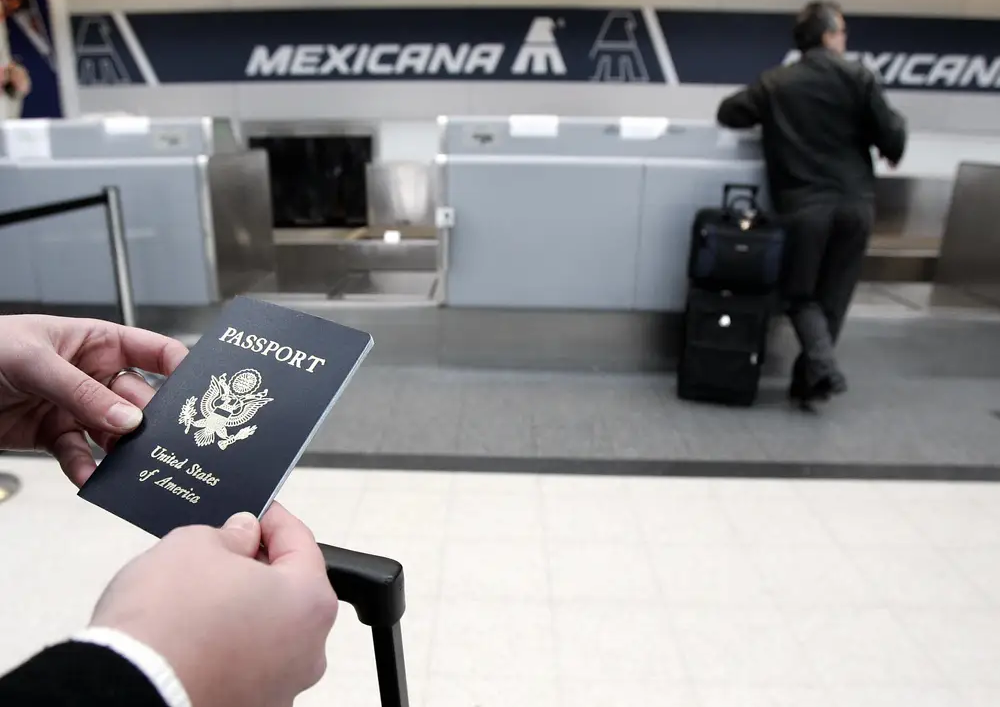
If you lose your document, report it, and then find it tucked inside a coat pocket two weeks later, do not attempt to fly with it.
The moment you report a document missing, state departments cancel its validity and upload its number to Interpol and international border databases.
The Big Mistake: Scanning a canceled document at an airport security checkpoint triggers instant alerts. You face potential detention and questioning at border control for using a revoked document.
Finding a lost document does not undo the cancellation. Once reported lost, that document is permanently revoked.
Prevent This Error: Cut the corners off old, reported-lost documents and store them safely at home. Never place a canceled document back in your travel wallet.
11. Arriving Without Required Proof of Onward Travel
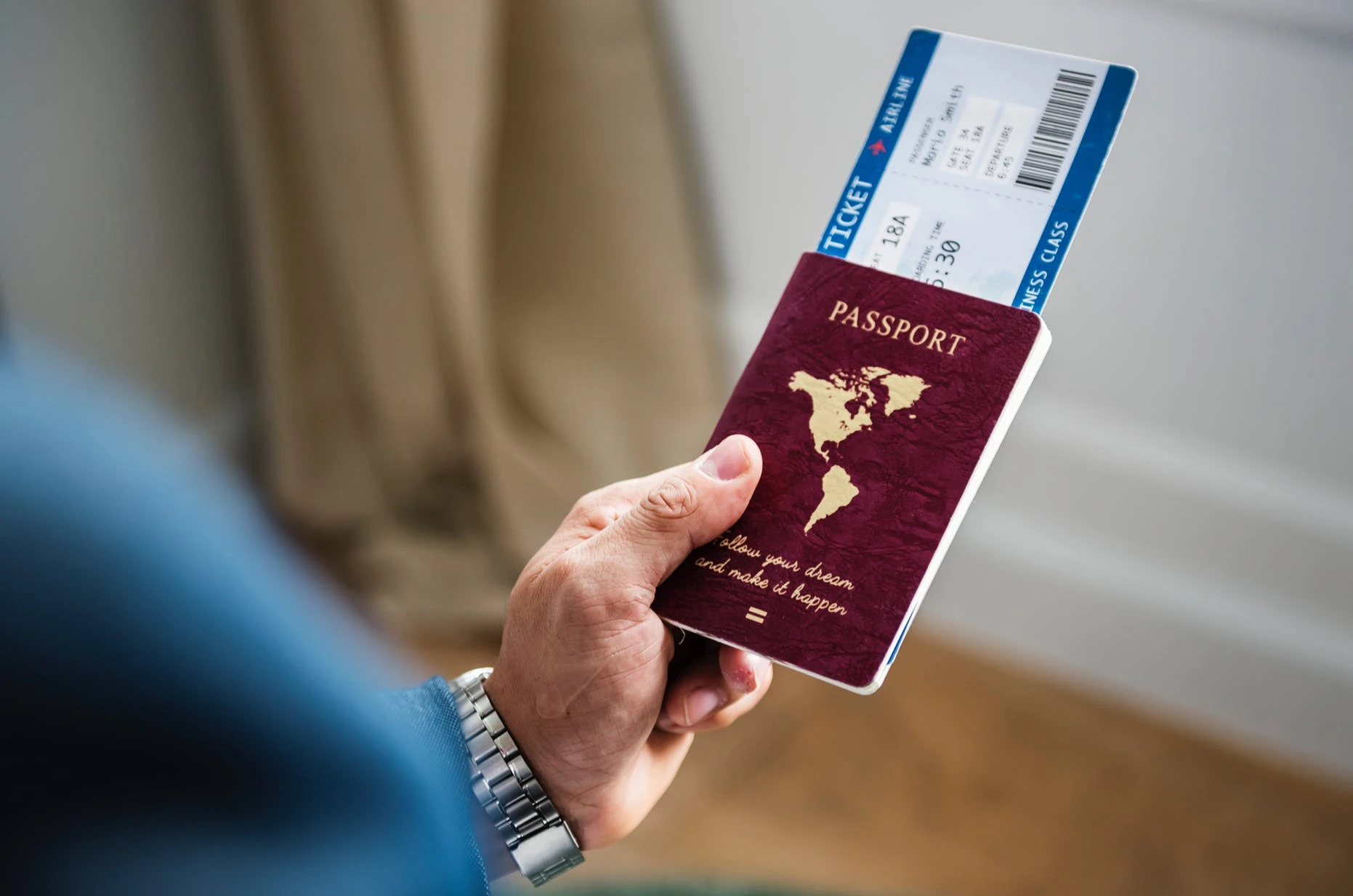
One-way tickets are popular with digital nomads and flexible travelers, but they frequently lead to gate refusals.
Immigration authorities in countries across Central America, Southeast Asia, and South America require visitors to prove they will leave the country before their entry visa expires.
The Workaround: Carry proof of onward travel such as a return flight ticket, an outbound bus ticket, or a transit visa printed or saved on your phone before you step up to the check-in counter.
Passport Ready?
Run this quick document audit before your trip so small passport issues do not become travel delays.
Check Expiry
Make sure your passport has at least 6 months of validity beyond your planned return date.
Verify Issue Date
For your European destination, check that your entry date is within 10 years of issue.
Count Blank Pages
Check that you have 2 to 4 full unused pages labeled for visas.
Inspect for Damage
Look for water stains, peeling film, or tears, especially around the photo page seam.
Verify Names
Match your booking details exactly with the MRZ lines on your photo page.
Update Permissions
Confirm your ESTA, ETA, or ETIAS is linked to your current document number.
Taking five minutes to inspect your document today prevents lost trips, wasted money, and gate refusals tomorrow. Open your document right now, run through this checklist, and save this guide for your next journey.