
The nesting phase of RV ownership is dangerous because you scroll Amazon at 2 AM while convinced you need a specialized tool for everything from holding eggs to cleaning sensors.
Marketing teams do a great job convincing new owners that RV specific always means better and they prey on your fear of breaking something.
The reality in 2025 is that many of these items are obsolete or flimsy and are easily replaced by normal household items.
We are cutting through the fluff to show you the items veteran RVers consistently regret buying so you can save space and money.
1. Stop Buying Expensive RV Safe Toilet Paper
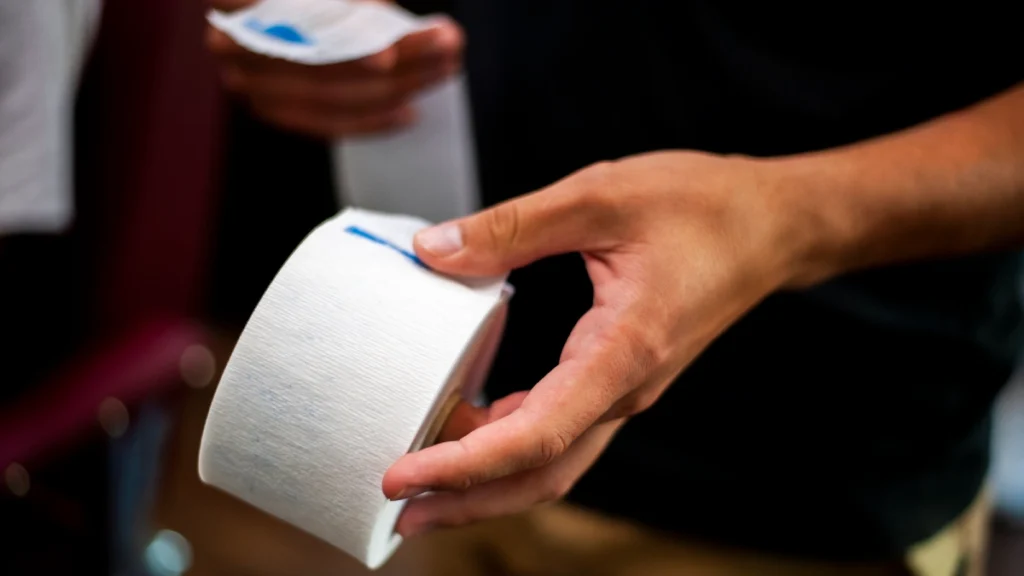
Manufacturers claim you must use special quick dissolve RV tissue or else you will clog your black tank and ruin your plumbing system forever.
It is one of the biggest scams in the camping world because this special paper is thin and rough while costing nearly double the price of regular brands.
Experienced RVers rely on the Jar Test where you put a few sheets in water and shake it to prove that standard septic safe tissue dissolves just as fast. Most generic store brands pass this test easily and save you a fortune over time.
- Buy bulk septic safe tissue from Costco or Walmart like Scott Rapid Dissolve
- Perform the simple jar test yourself with water if you are worried
- Avoid the rough texture and high price of camping store brands
- Save nearly fifty percent per roll by switching to household brands
The RV Toilet Paper Hack
Buy Bulk
Buy septic safe tissue from Costco or Walmart (like Scott Rapid Dissolve).
The Jar Test
Perform the simple jar test yourself with water if you are worried.
Avoid “Camping” Brands
Avoid the rough texture and high price of camping store brands.
- $
Big Savings
Save nearly fifty percent per roll by switching to household brands.
2. Tank Sensor Cleaners Do Not Work
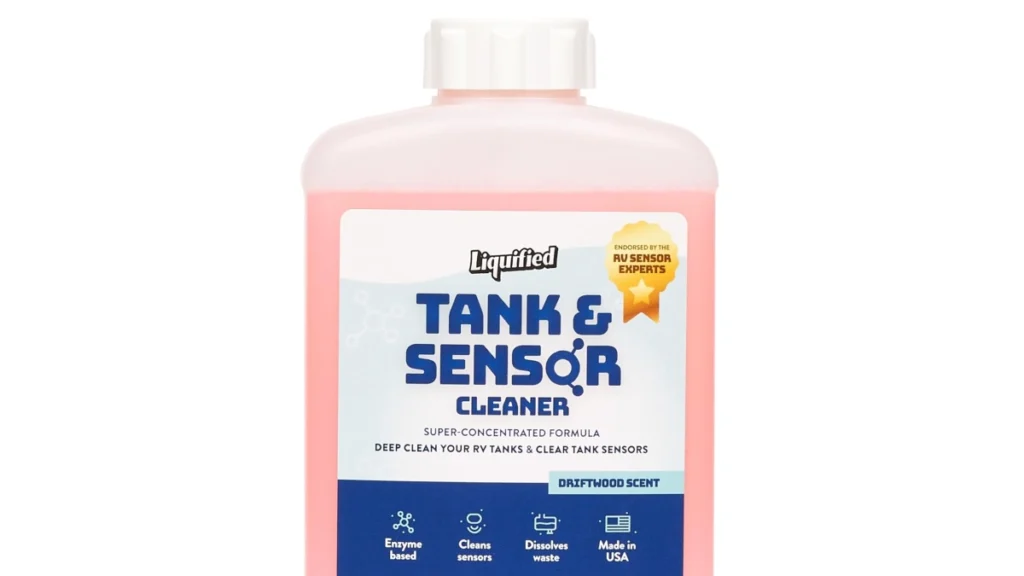
You will see countless ads for wands and chemical cleaners that promise to keep your tank sensors accurate forever but they are selling you a false hope.
Sludge and toilet paper eventually stick to the internal sensor probes which creates a false positive that shows the tank is full when it is actually empty.
Users on community forums widely agree that fighting this buildup is a losing battle because no amount of expensive chemical cleaner fixes it permanently. It is better to change your habits than to keep buying products that fail.
- Use the Geo Method with water softener and dish soap to keep tank walls slick
- Learn to time your dumps based on days of use rather than trusting the light
- Accept that sensors will eventually misread due to inevitable buildup
- Stop wasting money on wands that cannot reach the actual problem areas
3. Weak WiFi Boosters Are Obsolete
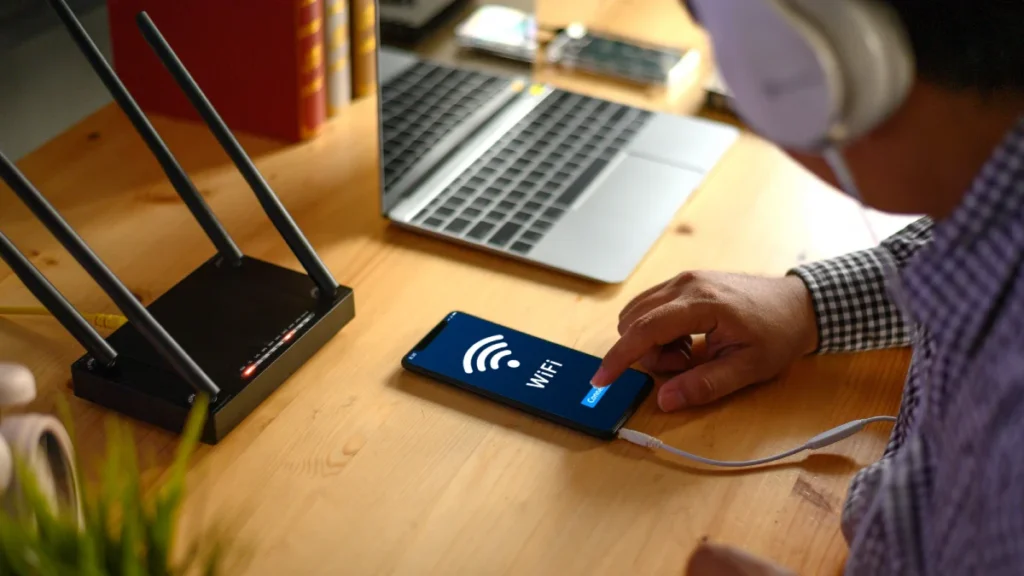
These devices promise to grab a weak campground WiFi signal and blast it through your RV to give you high speed internet anywhere you park.
The problem is that a booster cannot fix a bad source so boosting a throttled or overcrowded signal just gives you a stronger connection to slow internet.
Technology moves fast and relying on old frequency repeaters in 2025 is like using a fax machine when you could just email. With the rise of Starlink and affordable 5G home internet gateways the local WiFi booster is outdated.
- Invest in Starlink if you need a reliable solution for remote work
- Use a dedicated cellular hotspot which is faster and more secure
- Avoid spending money on repeaters that rely on poor campground infrastructure
- Realize that boosting a zero signal still results in zero internet
The Internet & Work Guide
Starlink
Invest in Starlink if you need a reliable solution for remote work.
Dedicated Hotspot
Use a dedicated cellular hotspot which is faster and more secure.
Avoid Repeaters
Avoid spending money on repeaters that rely on poor campground infrastructure.
The “Zero Signal” Rule
Realize that boosting a zero signal still results in zero internet.
4. Ventless Combo Washer Dryers

These machines sound convenient because they wash and dry your clothes in one unit without needing a hole in your RV wall. The reality is that they use cold water condensation to dry clothes which makes the process incredibly slow and inefficient.
A single load can take three to four hours to dry and the clothes often come out feeling damp or wrinkled. This process also adds significant humidity to your RV interior which can lead to mold issues in small spaces.
- Use campground laundromats to do multiple large loads at once
- Buy a portable spin dryer if you prefer to wash clothes by hand
- Avoid the risk of mold caused by the humidity from ventless units
- Save the water that these machines waste during the long drying cycle
5. Integrated DVD and Media Players
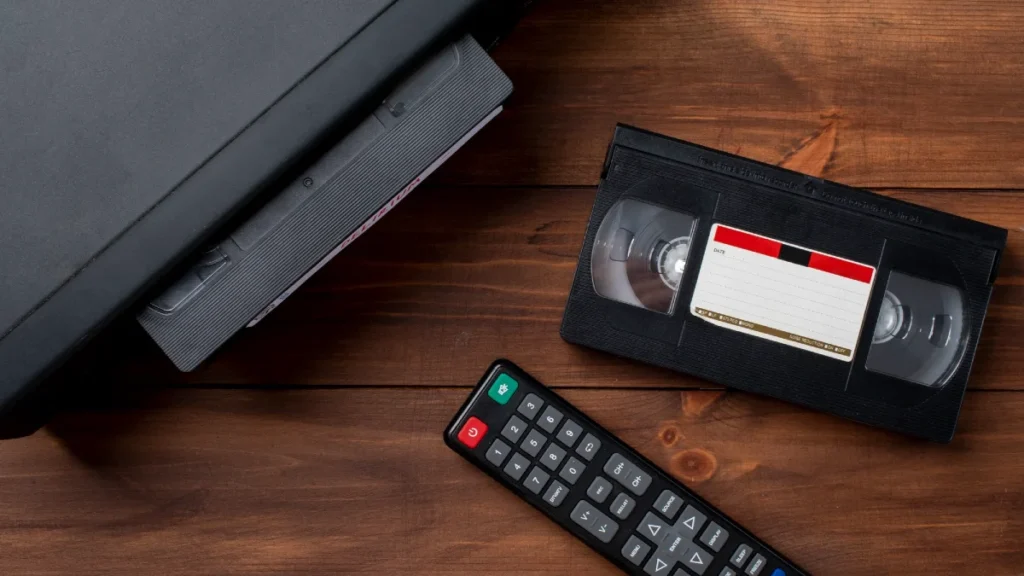
Many new RVs still come with an entertainment center featuring a built-in DVD or Blu Ray player that takes up valuable cabinet space.
Physical media and RVs do not mix well because an RV experiences an earthquake effect every time you drive down the highway.
The constant vibration destroys the delicate laser mechanisms in these players causing them to skip or freeze and eventually die. It makes little sense to store bulky DVD cases when digital storage is so much more efficient.
- Use a Roku or FireStick which takes up zero space and updates automatically
- Rip your movies to a hard drive and run a personal Plex server
- Avoid mechanical failures caused by road vibration and bumps
- Reclaim the cabinet space used by discs and bulky player units
6. Excessive Throw Pillows and Decor
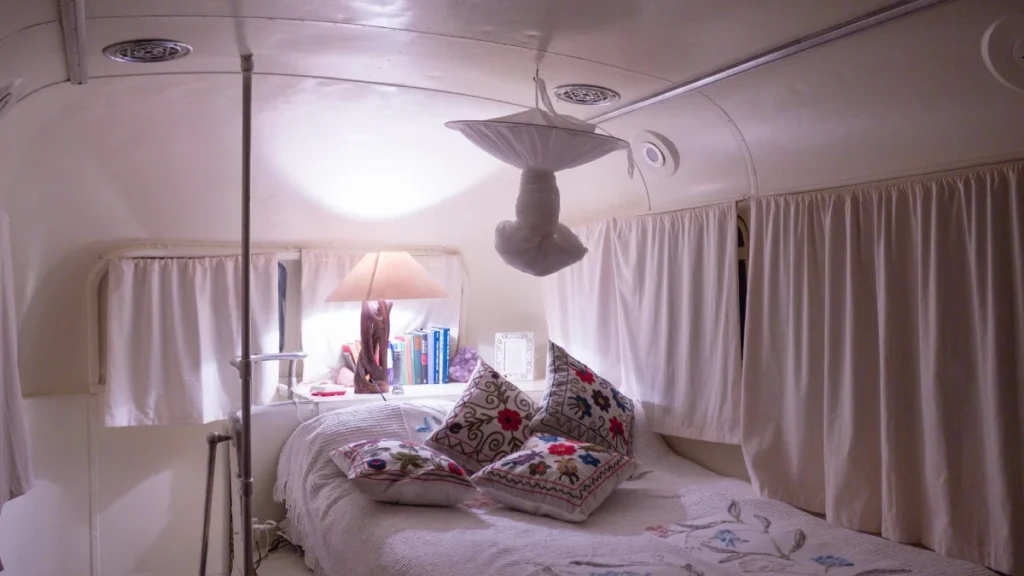
Instagram makes glamping look dreamy with photos of RV beds and couches piled high with fluffy pillows and decorative blankets. The reality check here is the floor test which asks if you have to move an item to the floor just to sit down or sleep.
RVs are tiny and every flat surface is valuable real estate so decorative items usually end up on the dirty floor every night. They collect dust and hide allergens while getting in the way during travel days.
- Keep only one or two pillows you actually use for back support
- Donate the rest to clear up your limited living space
- Avoid items that require constant moving just to use your furniture
- Reduce dust and allergens by minimizing fabric clutter
7. RV Sized Tool Kits
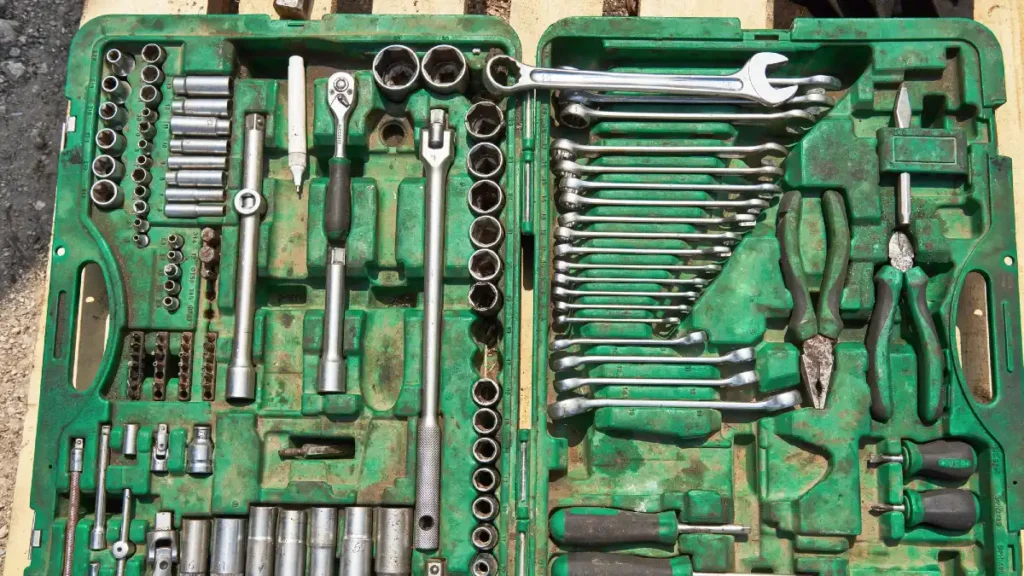
Marketing teams sell compact tool kits that fit perfectly in a drawer but these are usually made of cheap pot metal. The handles are often too short giving you zero leverage when you really need to fix a mechanical issue.
When things break on an RV they usually require significant force like torqueing a lug nut or hammering a stake into hard ground. A plastic toy hammer or a mini wrench will just strip the bolt and potentially hurt your hand during a repair.
- Build your own kit with a canvas bag and standard high quality tools
- Buy a real hammer and a full sized socket set for actual repairs
- Ensure you have a heavy duty torque wrench for wheel maintenance
- Avoid cheap kits that snap or break under pressure
8. The Free Dealer Sewer Hose
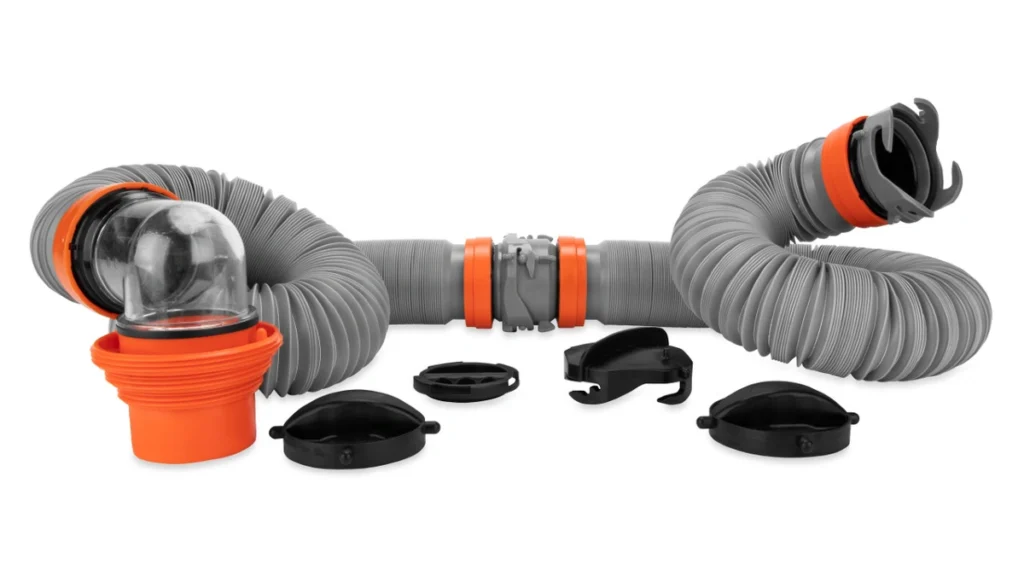
Dealers usually include a starter kit with your purchase that contains a flimsy plastic sewer hose often called the Stinky Slinky.
This plastic is paper thin and develops pinhole leaks almost immediately which can lead to a disastrous mess at the dump station.
The bayonet fittings are weak and often disconnect mid dump which is a horror story you want to avoid. Experienced RVers know to throw this free hose away immediately and buy a proper crush proof version.
- Upgrade immediately to a RhinoFLEX or Viper hose that is crush proof
- Use a clear elbow so you can see when the water runs clear
- Avoid the health hazard of pinhole leaks in cheap plastic hoses
- Trust locking fittings that will not disconnect during use
9. Portable Countertop Ice Makers
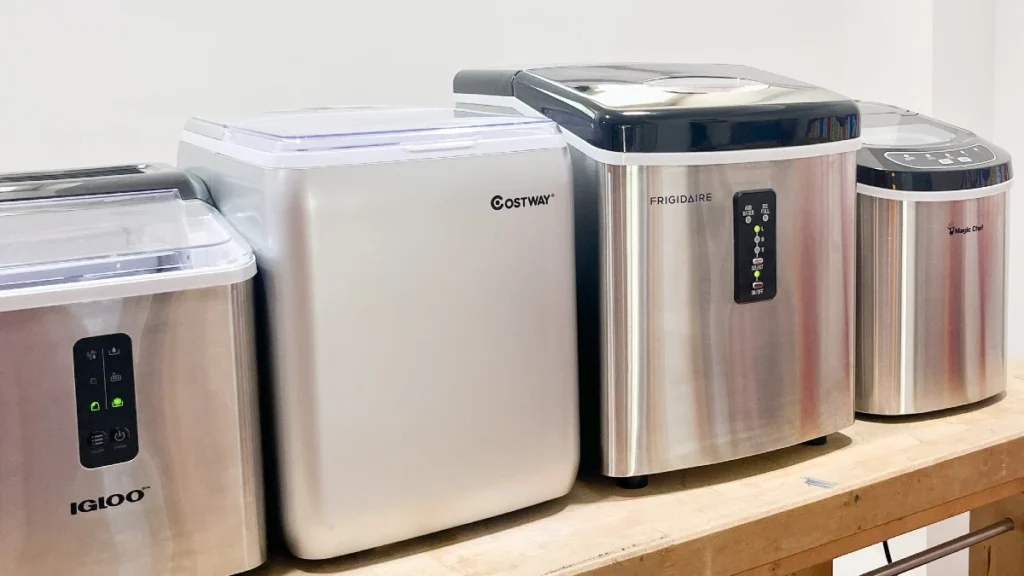
These machines promise you will never run out of ice but they take up about a square foot of counter space which is gold in an RV.
They are also power hogs that draw significant watts continuously while cycling which drains your battery bank fast if you are off grid.
They are prone to mold in the internal lines if you do not clean them constantly and the noise of the compressor can be annoying in a small space.
- Use spill proof silicone trays in your freezer to make ice quietly
- Buy a bag of ice at the camp store for a few dollars
- Save your battery power for lights and water pumps
- Reclaim your limited counter space for food preparation
10. Relying on the Stock Propane Oven
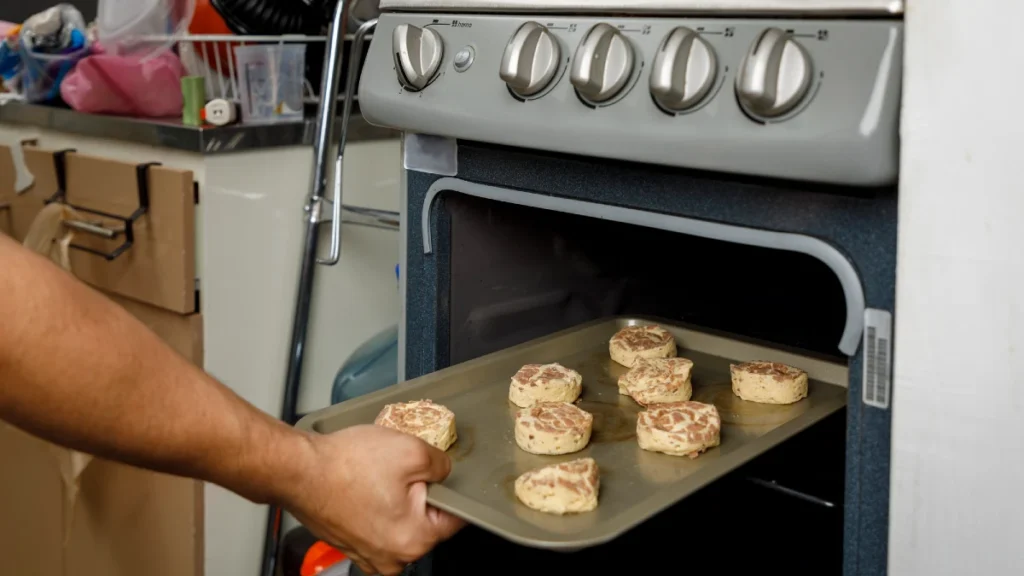
The brochure shows a happy family baking cookies but standard RV propane ovens are essentially metal boxes with a flame at the bottom and no air flow.
This results in the classic RV cooking disaster where your food has a burnt bottom and a raw top. Using the oven in the summer also heats up your entire rig which forces your air conditioner to work harder to keep you cool.
Most full time travelers use their oven for storing pots and pans rather than for actual cooking.
- Buy an air fryer which cooks faster and uses less power
- Use a convection toaster oven for even heat distribution
- Avoid heating up your entire RV interior on hot days
- Use the oven space for storage if you rarely bake
11. Single Use Kitchen Gadgets
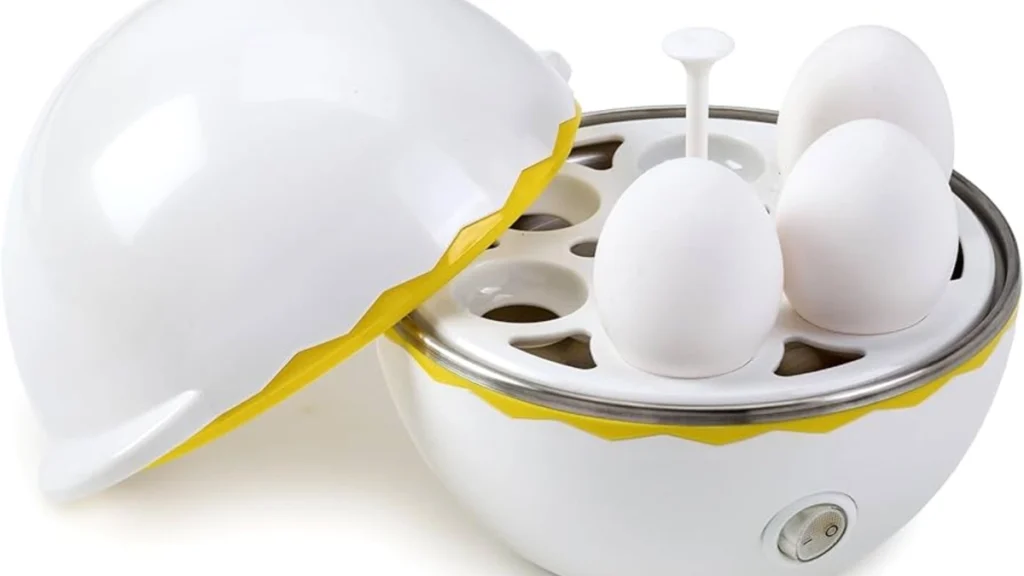
Egg cookers and quesadilla makers look fun but you do not have the drawer space for a gadget that does only one thing. If an item cannot cook soup and sear meat and boil pasta it does not belong in your rig.
Many of these cheap gadgets use inefficient heating elements that trip campground breakers and clutter your limited storage areas. The best kitchen setup relies on versatile tools that can handle multiple types of meals.
- Stick to multi use workhorses like an Instant Pot
- Use a cast iron skillet that goes from stovetop to campfire
- Avoid uni taskers that sit unused in your drawers
- Save power and space by choosing versatile cookware
Kitchen Essentials
Multi-Use Workhorses
Stick to items like an Instant Pot that do it all.
Versatile Cast Iron
Goes straight from the stovetop to the campfire.
Avoid “Uni-Taskers”
Don’t buy gadgets that just sit unused in your drawers.
Save Space & Power
Choose versatile cookware to save power and cabinet space.