
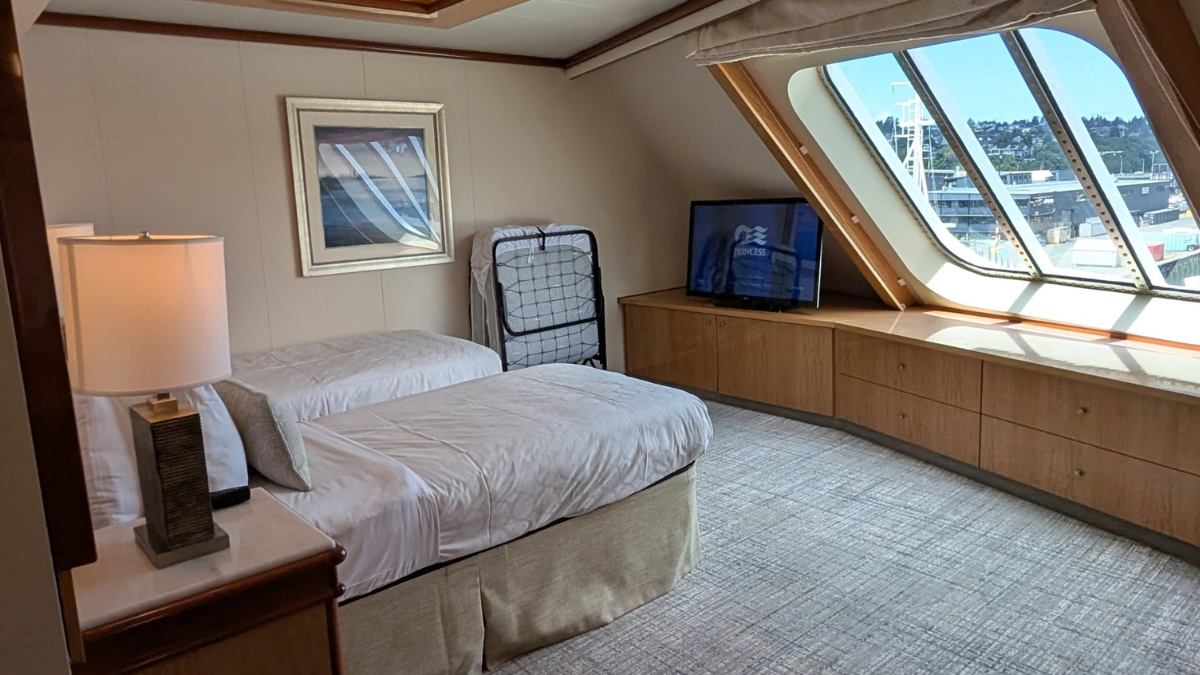
Stepping into a modern cruise cabin feels like walking into a sleek hotel room, right until security confiscates your surge protector at the port and you discover zero power outlets near your bed.
Cruise lines design these tight spaces to optimize efficiency and gently nudge you toward paid onboard services. They rarely advertise the architectural quirks, complimentary steward supplies, or built-in design features hidden inside your room.
By learning a few cruise cabin secrets, you can easily double your storage, secure a quiet night of sleep, bypass tech restrictions, and access free stateroom perks. Here are 12 practical, field-tested best cruise stateroom hacks to master your space on your next voyage.
12 Cruise Cabin Secrets: The Cruise Line Hopes You Never Learn
1. Unlock Hidden Room Space with Magnetic Stateroom Walls
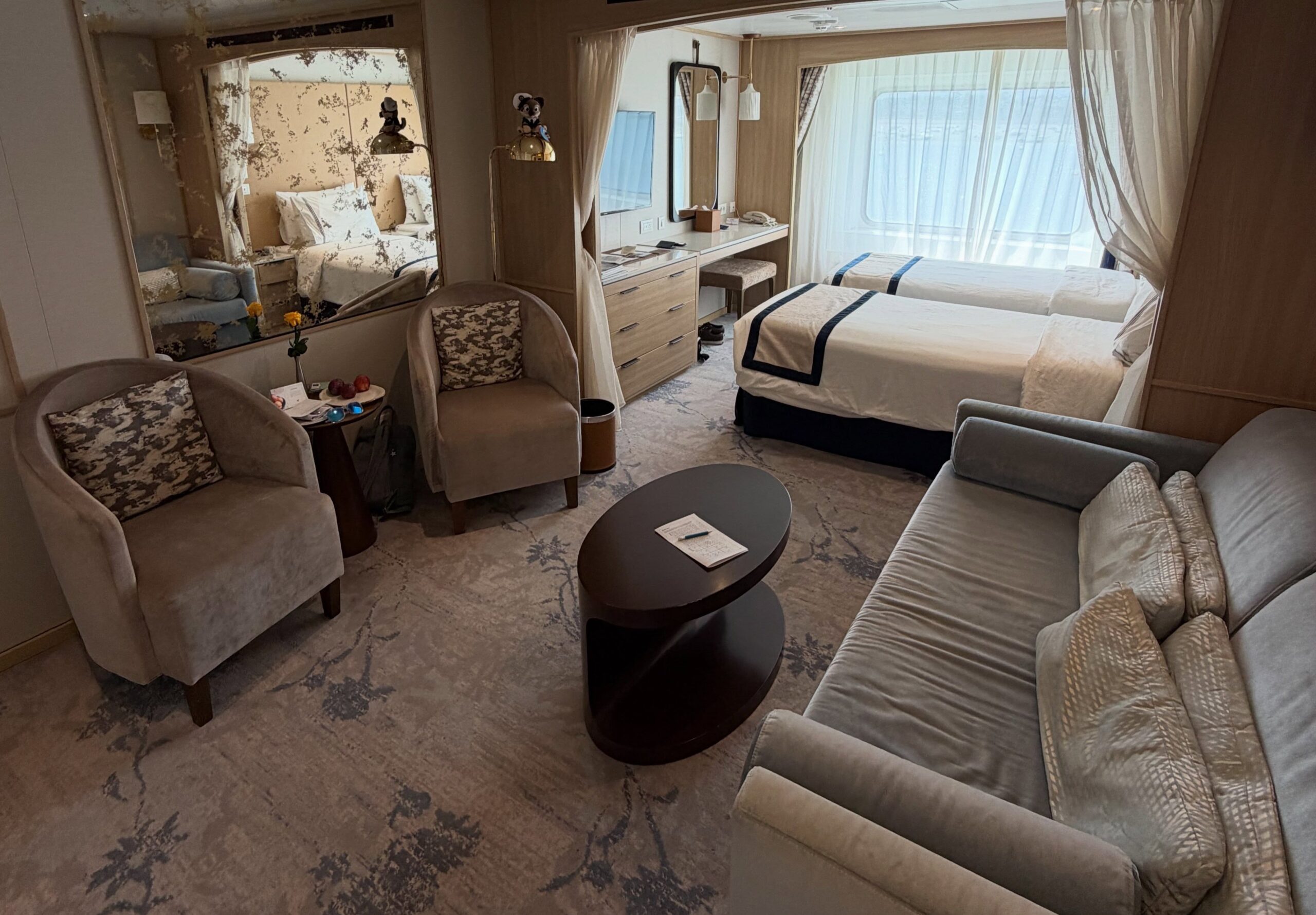
Every modern cruise ship stateroom is built with a 100 percent heavy-duty structural steel frame panel concealed behind thin decorative vinyl. Because the walls and ceilings are made of solid metal, you do not need sticky plastic hooks that fall off or leave marks. Heavy-duty neodymium magnetic hooks rated for 25 to 40 pounds attach directly to any wall surface.
You can use these hooks to hang wet swimwear, heavy daypacks, excursion gear, and jacket layers off the floor. Do not rely on sticky Command strips or over-the-door shoe organizers; over-the-door hooks damage modern magnetic door seals and can lead to property damage fines.
2. Maximize Floor Space Using Built-In Bed Clearance
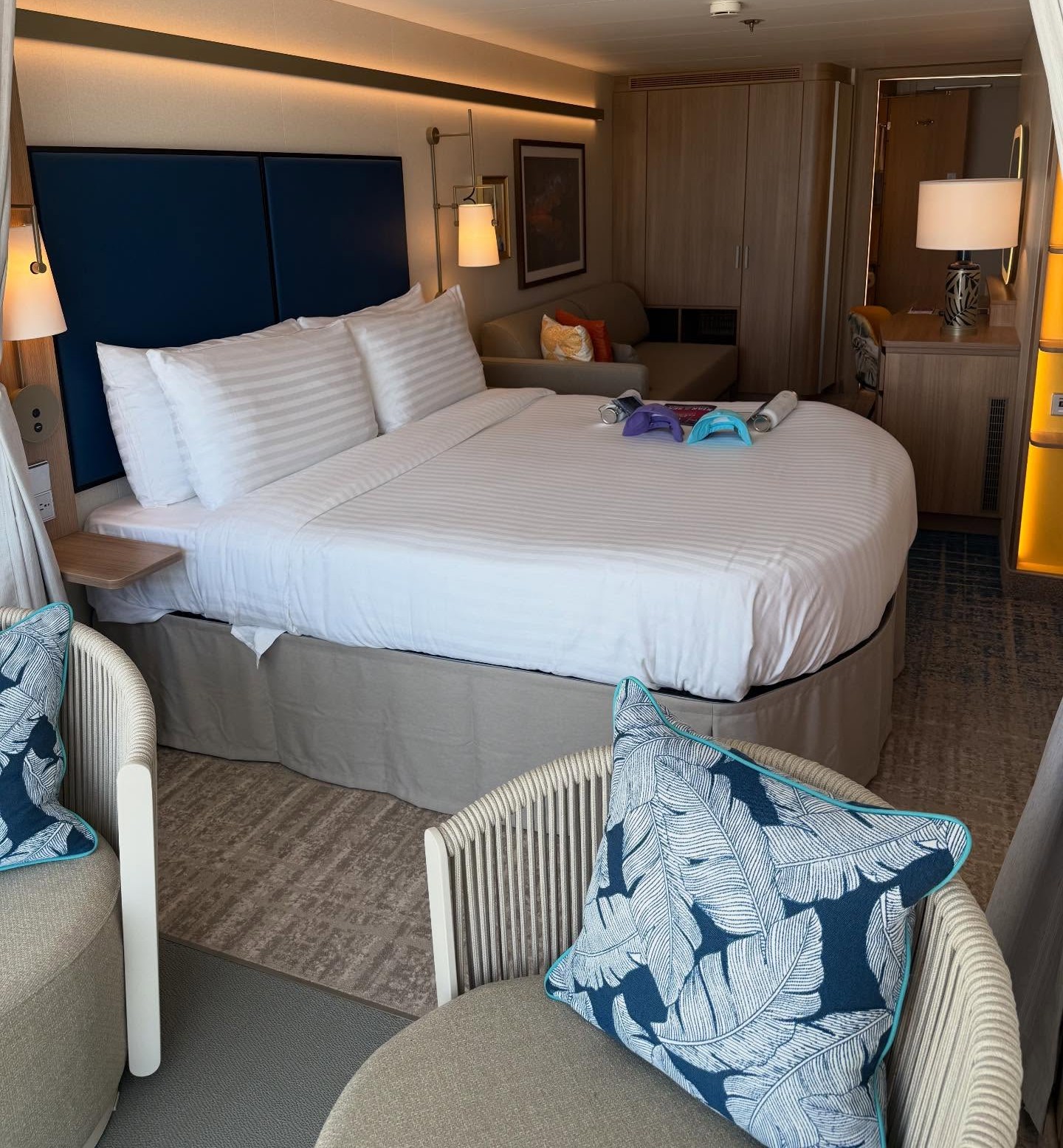
Floor space vanishes quickly once two people unpack their bags inside an oceanview or balcony stateroom. Fortunately, shipbuilders construct cabin bed frames with an elevated clearance of roughly 13 to 14 inches above the carpet.
Smart Storage • Bedroom Hack
Make Your Bed
Store Your Luggage
Turn Empty Cases Into Drawers
Slide full-size hardshell suitcases beneath the bed. Keep them accessible as hidden pull-out storage for dirty laundry or shoes.
Nest Before You Stow
Put smaller carry-ons inside larger suitcases before sliding them away. One compact bundle means more open floor space.
Need More Clearance?
If the luggage frame is tight, lift the bed frame slightly. The flexible mattress base can give you an extra inch of clearance.
Utilizing under-bed clearance keeps your walking path clear and eliminates room clutter without taking up valuable closet shelves.
3. Avoid Noisy Cabins by Reading the Deck Plan “White Space”
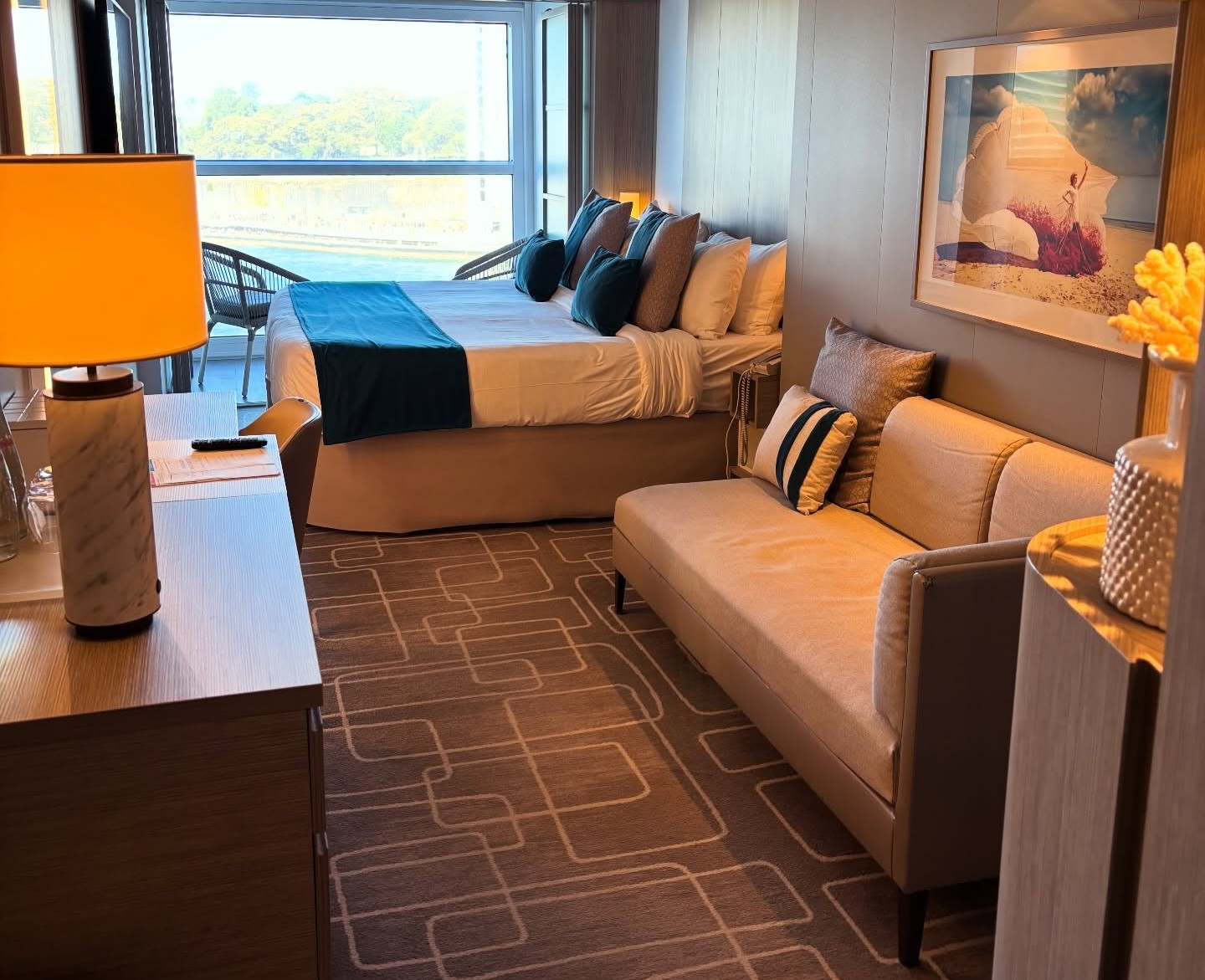
Booking a cabin without reviewing the ship map can ruin your sleep. Deck plan maps contain unmarked blank white spaces surrounding certain stateroom blocks. These blank zones are not empty walls; they represent busy crew service pantries, laundry drop chutes, or ice stations.
The Noise Sandwich
The quietest cabin position is often between two layers of staterooms— away from high-traffic entertainment and mechanical areas.
Choose the Middle
Look for a cabin sandwiched between passenger stateroom decks, rather than directly beside major activity areas.
Avoid the Top
Pool decks, buffets and outdoor gathering spaces can create early-morning footsteps and activity.
Protect Your Sleep
Keep your cabin separated from nightclubs, theaters and busy public spaces whenever possible.
Check What’s Below
Mechanical areas and engine-related spaces can produce late-night vibration and low-frequency noise.
Always follow the “Sandwich Rule” when booking. Choose a cabin sandwiched directly between two other residential passenger decks above and below you. Avoid booking rooms directly over lower-deck anchor winches or forward bow thrusters if you dislike morning docking vibrations.
4. Request Free Stateroom Essentials Beyond the Standard Amenities
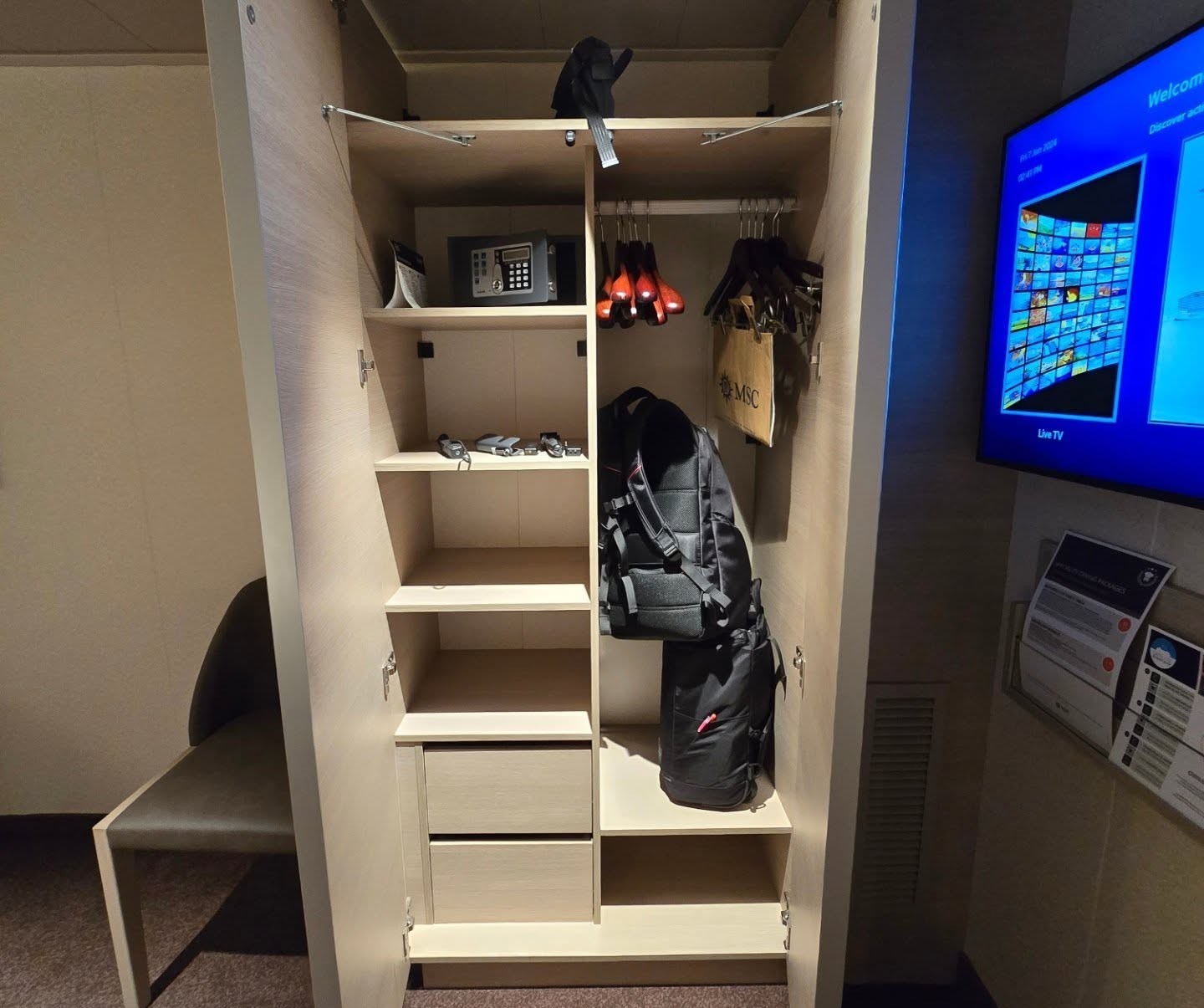
Your stateroom steward manages a dedicated supply pantry stocked with complimentary comfort items that are never listed on the in-room guest menu. Cruise lines store extra guest supplies behind closed doors, releasing them only upon direct request.
Pro Tip: Hand your cabin steward a $20 tip on the first day alongside your written requests. This sets a great tone and ensures fast service throughout your cruise.
5. Power Your Tech Without Getting Gear Confiscated
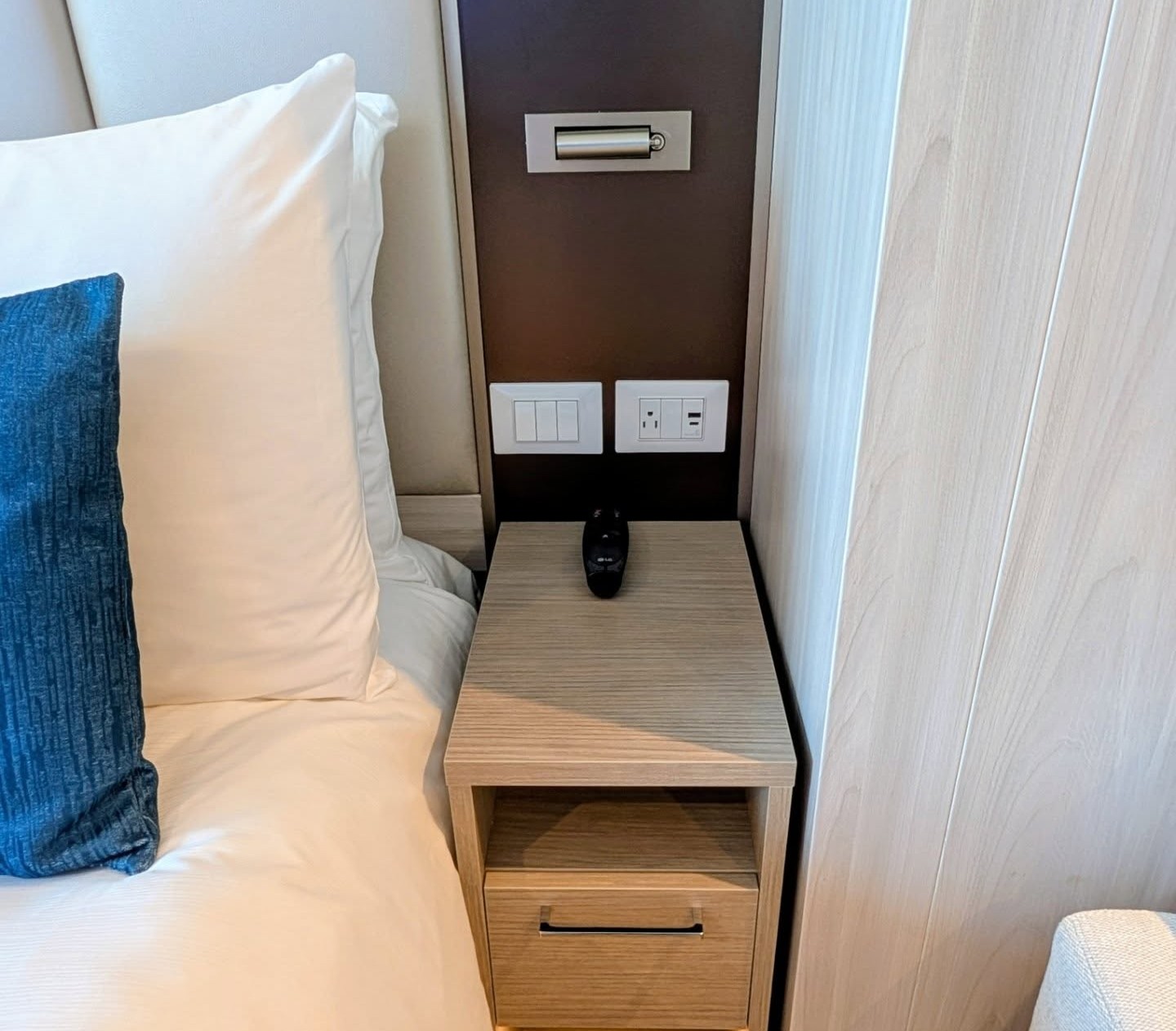
Standard household surge protectors are strictly banned on cruise ships. Marine electrical systems operate on an ungrounded grid, and standard land-based surge suppressors create thermal hazards that can cause electrical fires. Security screeners will confiscate standard power strips at the cruise terminal.
One Journey. Two Power Paths.
Understand how different outlet standards connect to your charging setup — from European 220V power to US 110V USB charging.
European 220V Route
A 220V European wall outlet connects through an EU adapter plug before reaching the charging dock.
US 110V Route
A 110V US outlet feeds a USB power hub, providing a practical connection for your phone or watch.
If you want to plug an external streaming device into your cabin TV, locate the main interactive network cable connected to the back panel. Unplugging that network cable frees the locked software interface, allowing you to manually switch input modes using physical TV buttons.
6. Turn Your Inside Cabin TV into a Virtual Window
Interior staterooms offer fantastic savings, but complete darkness makes telling night from day difficult. Without natural daylight, waking up on schedule for early morning port shore excursions can feel tough.
You can fix this dark environment by turning your stateroom television into a real-time window. Turn your TV screen to the live Bridge Cam broadcast channel before going to bed, then mute the volume completely.
7. Override Room Thermostats and Master Power Switches
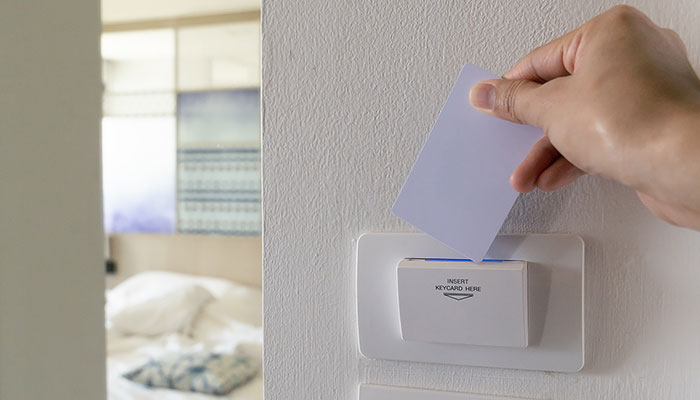
Newer cruise ships feature slot-activated master power switches near the main entrance. The room lights and air conditioner require an active room keycard in the slot to operate, cutting power off when you leave the room.
Balcony doors feature magnetic microswitch sensors inside the door frame. Leaving the handle unlatched disables the air conditioning system automatically, leaving your stateroom hot and humid.
8. Secure Cabin Upgrades Without Paying Full Fare
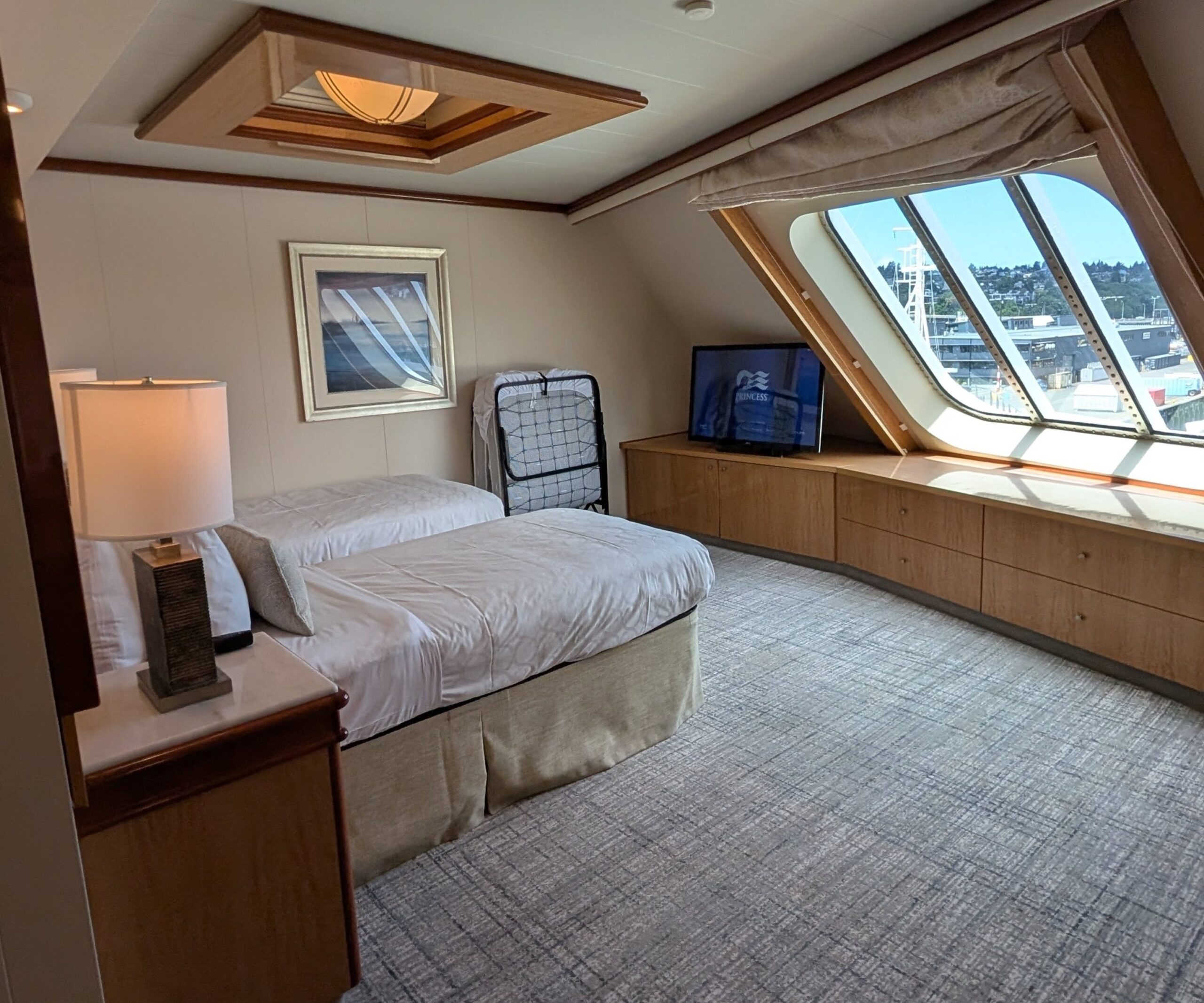
Major cruise lines use dynamic bidding programs like Royal Caribbean’s RoyalUp, Celebrity’s MoveUp, or Norwegian’s Upgrade Advantage to fill unsold premium staterooms shortly before departure.
Bid Smart.
Save More.
A value-focused approach can turn a risky maximum bid into a controlled strategy with significantly better savings potential.
01 · Targeted Upgrade
Widen the Category
Don’t lock yourself into a single suite. A 3-category range gives the bid more room to work.
02 · Offer Amount
Don’t Chase the Ceiling
Instead of bidding the maximum limit, position the offer around $15 above minimum.
03 · Selection Control
Know the Trade-Off
Once the bid is submitted, selection control is lost. The goal is to improve value before giving up that control.
04 · Average Price Saver
Aim for Bigger Savings
A smart value bid can target approximately 35–50% off fare, compared with roughly 10% off full fare.
Remember the trade-off with bidding systems: winning a bid means you forfeit manual cabin selection. The cruise line assigns your room automatically, which can sometimes place you in a guarantee cabin located under busy public decks.
9. Prevent Bathroom Flooding and Counter Clutter
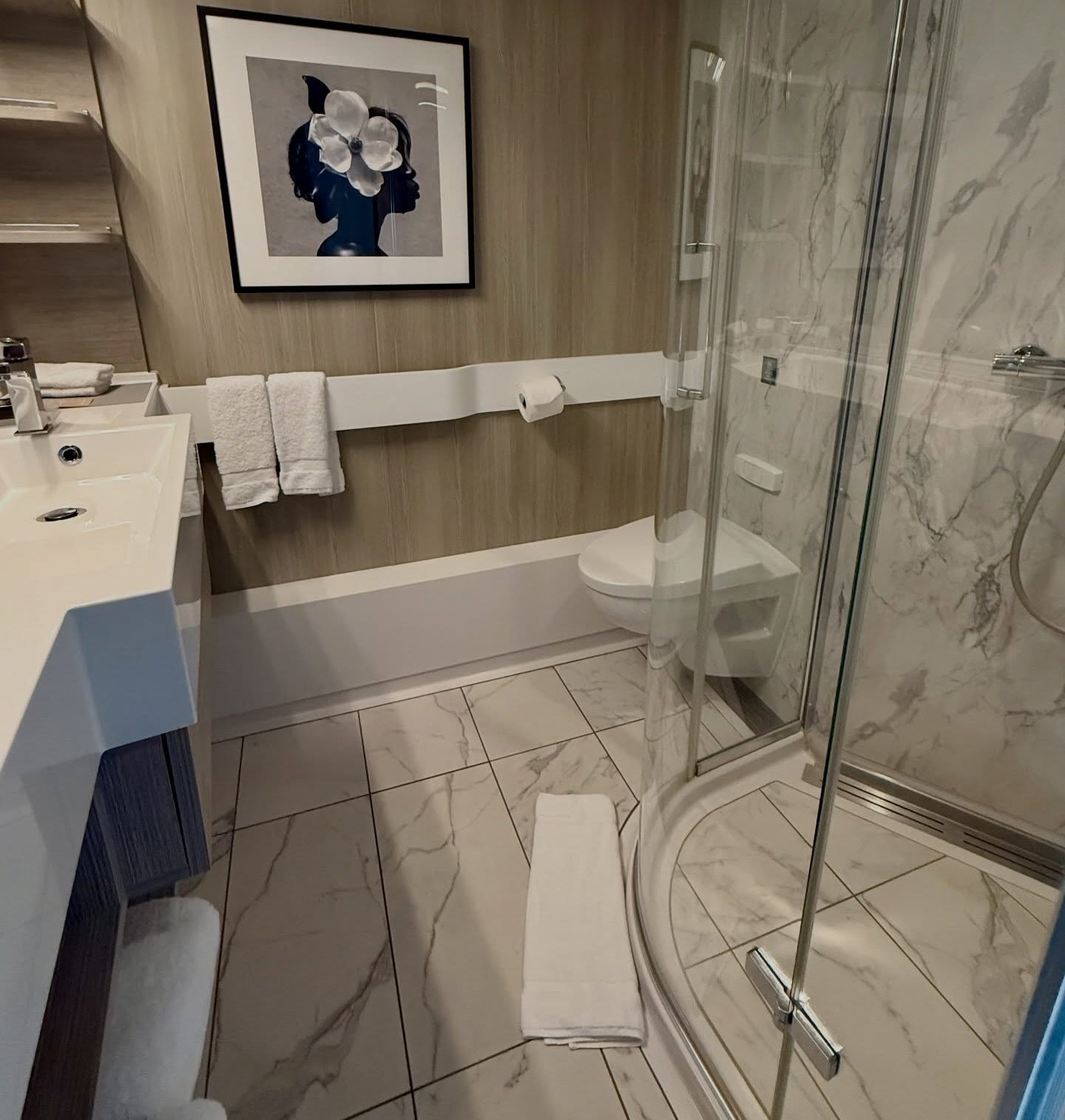
Cruise ship bathrooms use compact, low-lip shower bases designed to drain efficiently when the ship is level. However, subtle ship movement or hair build-up can quickly cause shower water to spill across the floor tile.
KEEP IT CLEAR.
KEEP IT QUIET.
Small packing tricks can free up counter space and keep late-night bathroom trips quiet.
HANG THE CADDY
Clear counter surfaces by hanging a mesh shower caddy directly over your towel hooks.
GO MAGNETIC
Pack motion-sensor LED lights and place them on the steel bathroom door frame for hands-free, low-glare lighting.
SKIP THE OVERHEAD
Avoid overhead lights at night. Otherwise, deafening exhaust fans can switch on and wake your companions.
Positioning a soft LED puck light gives you enough glow to navigate night visits without turning on main lights or running loud fans.
10. Avoid Room Service Fees with Smart Food Hacks
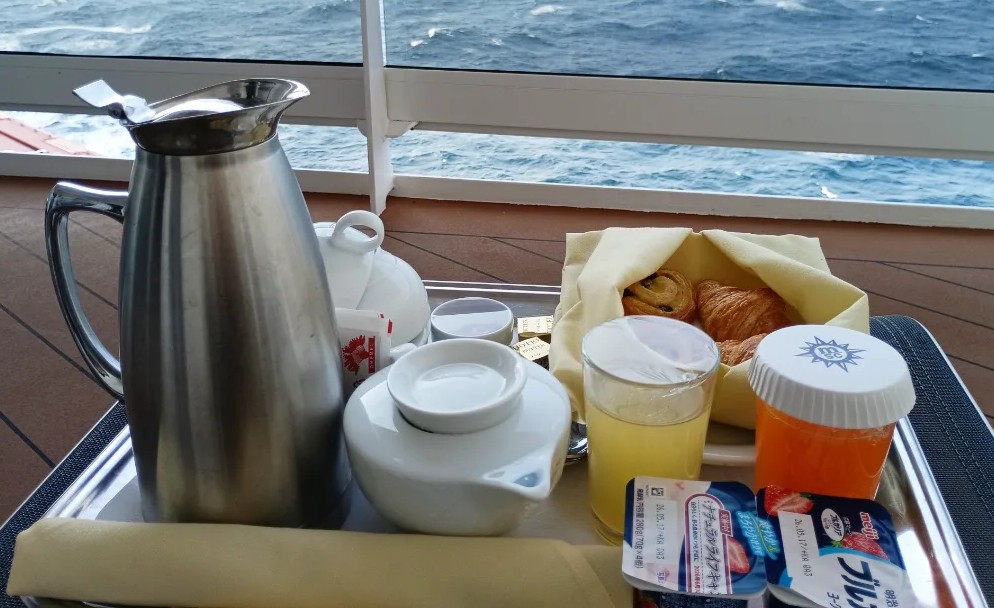
Most major cruise lines charge a $7.95 to $9.95 delivery surcharge on hot room service items. However, simple continental breakfast orders, such as fruit plates, pastries, and black coffee, remain complimentary on many lines when ordered via door hanger cards.
Buffet To Cabin
Build your drink once at the buffet, seal it in a wide-mouth personal thermos, then keep it ready in your cabin.
Buffet Station
Fill up with hot coffee, iced tea, or ice before heading back to your cabin.
Wide-Mouth Thermos
Transfer your drink into a wide-mouth personal thermos for easy carrying.
Cabin Ready
Store your temperature-safe beverage in the cabin and enjoy it later.
Keep in mind that standard cabin mini-coolers are thermoelectric chillers that maintain internal temperatures around 50°F (10°C). They are designed for chilling drinks, not preserving temperature-sensitive medications like insulin. If you need true refrigeration, request a medical cooler from guest services before arrival.
11. Choose the Right Cabin Deck to Prevent Seasickness
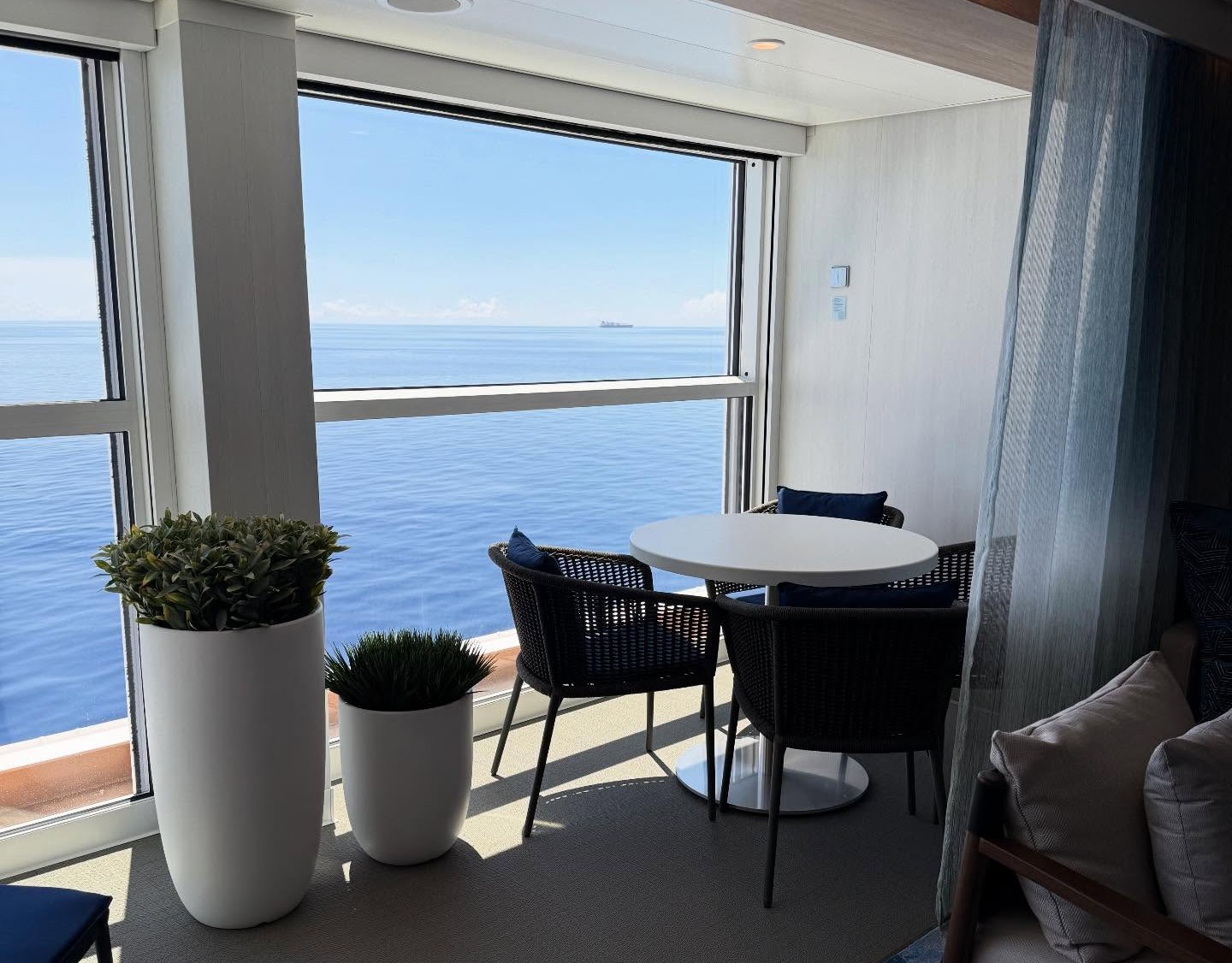
Understanding ship physics helps you select the smoothest cabin location and avoid motion sickness. Ships experience two primary motions: rolling from side to side and pitching up and down at the bow and stern.
Find Your Stable Zone
Ship movement varies by location. Use this quick deck map to understand where motion tends to feel stronger or calmer.
Stable
High Decks
Higher decks can experience more roll as the ship responds to ocean movement.
Mid-Ship
The center of the ship is generally the most stable area for minimizing movement.
Low Decks
Lower decks tend to form a low-motion zone, especially near the ship’s center.
Forward & Aft
The front and rear can experience more pitching movement than mid-ship areas.
Modern underwater stabilizer fins extend from the middle hull, making mid-ship cabins up to 50 percent more stable in rough seas compared to forward or aft staterooms.
12. Maximize Cabin Privacy and Block Out Noise
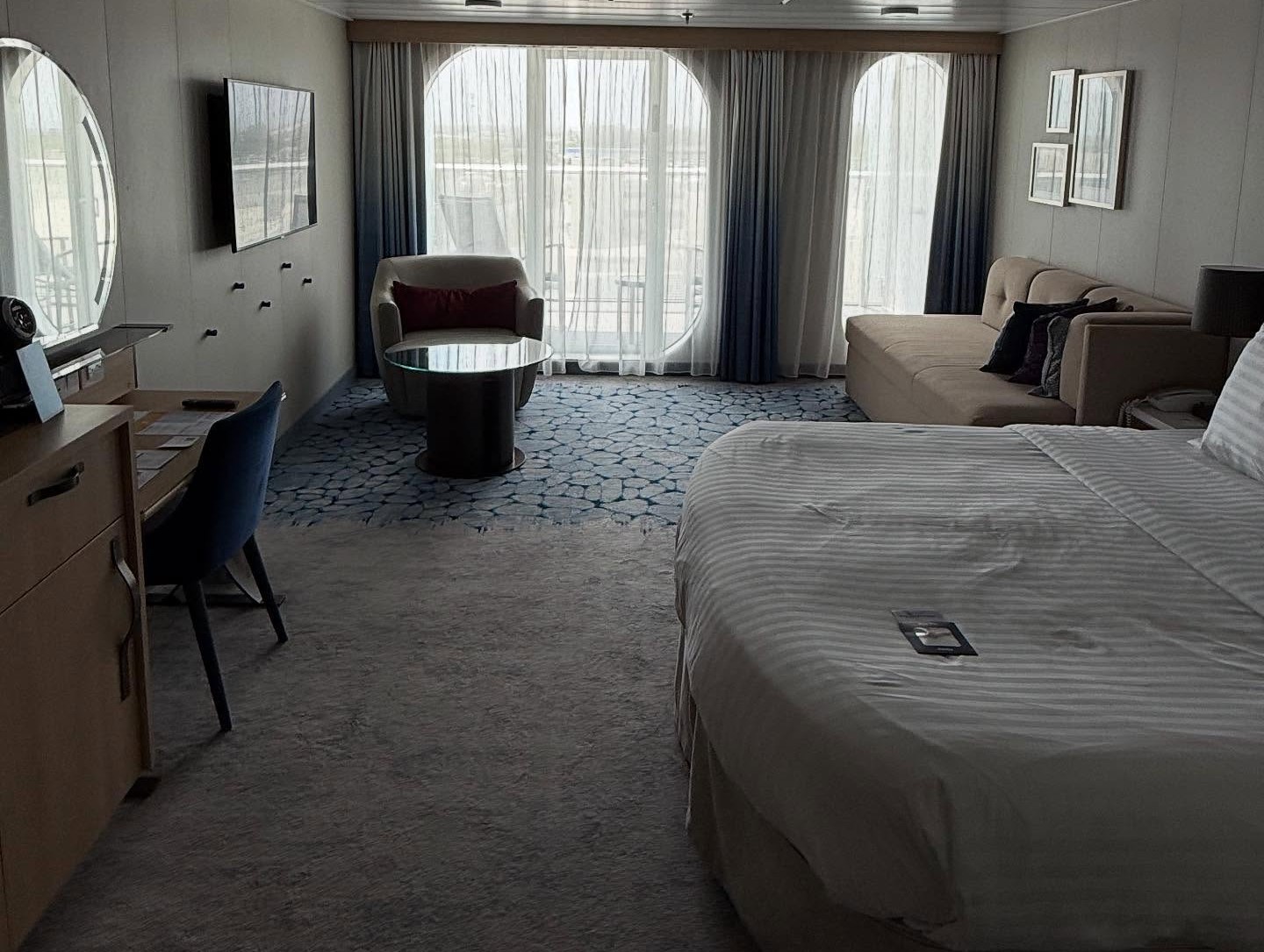
Adjoining cabins feature built-in interior doors that connect adjacent rooms. While convenient for families traveling together, these thin connecting doors let sound pass easily between rooms.
Make Your Adjoining Cabin Quieter
Simple day-one tricks to reduce sound transfer and create a more comfortable shared cruise experience.
Seal the Door Gap
Place a towel draft stopper along the bottom gap of connecting doors to help dampen sound transmission.
Hang Heavy Clothes
Use magnetic hooks across the door frame and hang heavy travel clothes to absorb extra noise.
Ask on Day One
If friends book adjoining balcony rooms, request balcony partition removal from your steward early.
If hallway noise disrupts your sleep, run a magnetic mini travel fan or white noise app to cover background chatter and engine vibration.
Mastering these cruise cabin secrets turns a tight stateroom into a functional, comfortable space. Before booking your next trip, check your ship deck plans carefully and apply these best cruise stateroom hacks to get the best experience possible.