
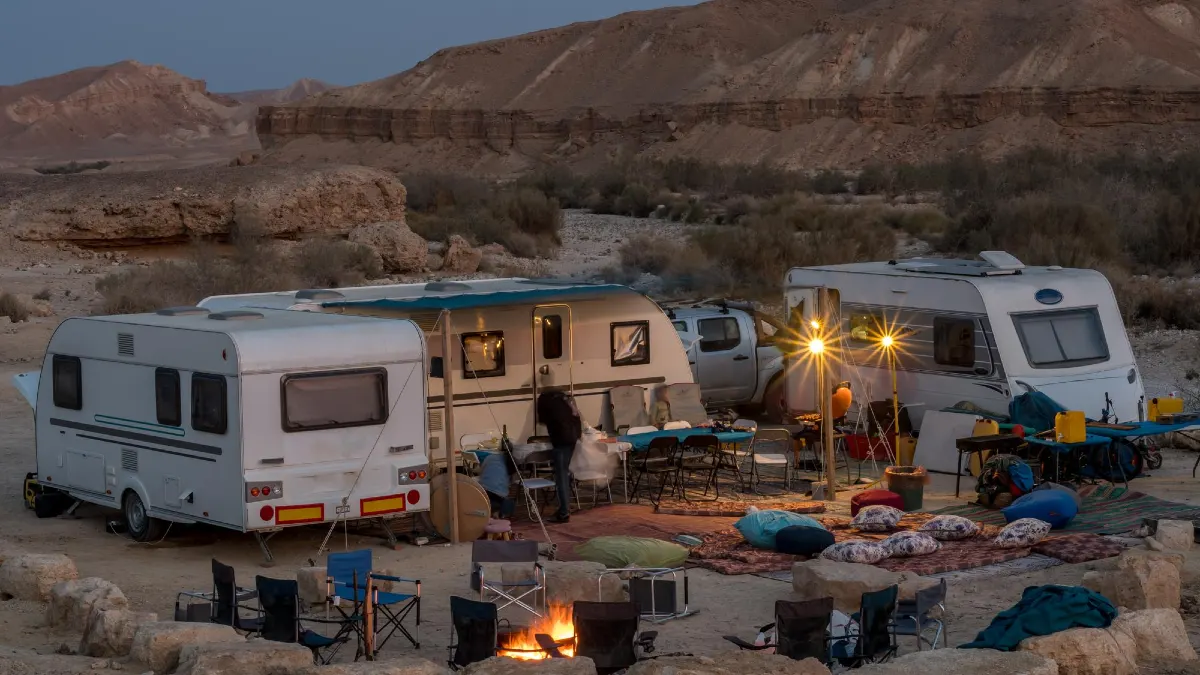
The golden age of cheap and quiet snowbirding is shifting fast in ways that hurt the wallet. What used to be a five hundred dollar a month desert paradise is now often a crowded and dust filled parking lot.
Inflation and extreme weather recovery and hostile local laws are ruining traditional hotspots for many travelers. You might also notice a change in the neighbors because new data shows a massive drop in Canadian snowbirds heading south.
You do not have to settle for overpriced or unsafe campsites this year if you know where to look. Below are the 12 spots you should cross off your list this year and the reasons why they are losing popularity.
Snowbird Exodus Map
1. The Florida Keys Florida
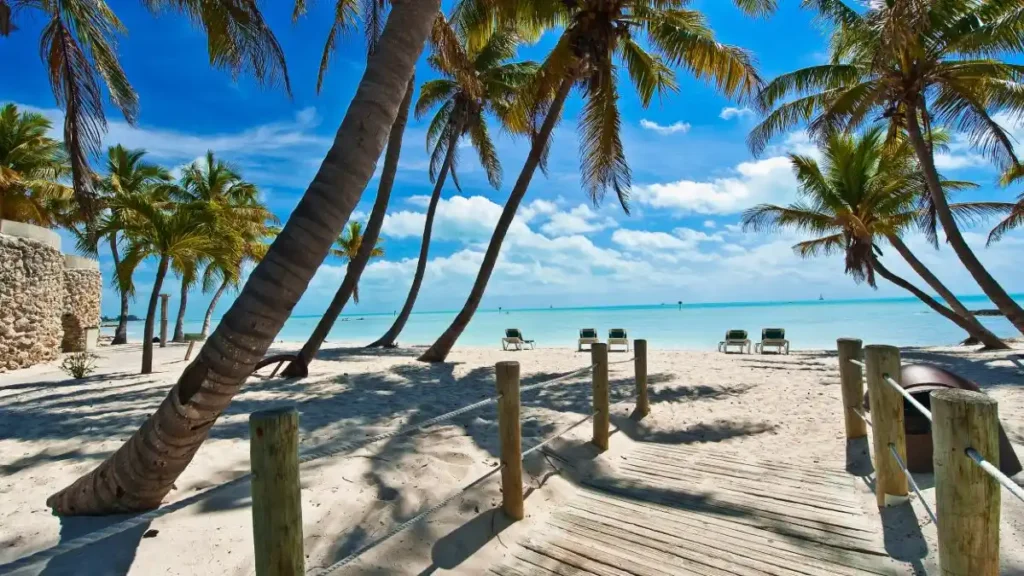
Everyone dreams of parking their rig in the Florida Keys but the extreme cost and insurance spikes are waking them up to a harsh reality. You might expect a laid back island vibe but you often get a bill that rivals a standard home mortgage payment.
The parks here are passing massive insurance premium hikes directly to the camper which makes a monthly stay unaffordable for most. Many travelers are now looking inland toward the Florida Panhandle or southern Alabama where the water is still close but the rent is far lower.
- Nightly rates are hitting over 150 dollars for basic gravel sites without views
- Insurance premiums for park owners have skyrocketed and increased the cost of staying
- Overcrowding is severe so booking less than a year in advance is almost impossible
- Alternative spots like the Florida Panhandle offer similar vibes for a fraction of the price
2. Quartzsite Arizona
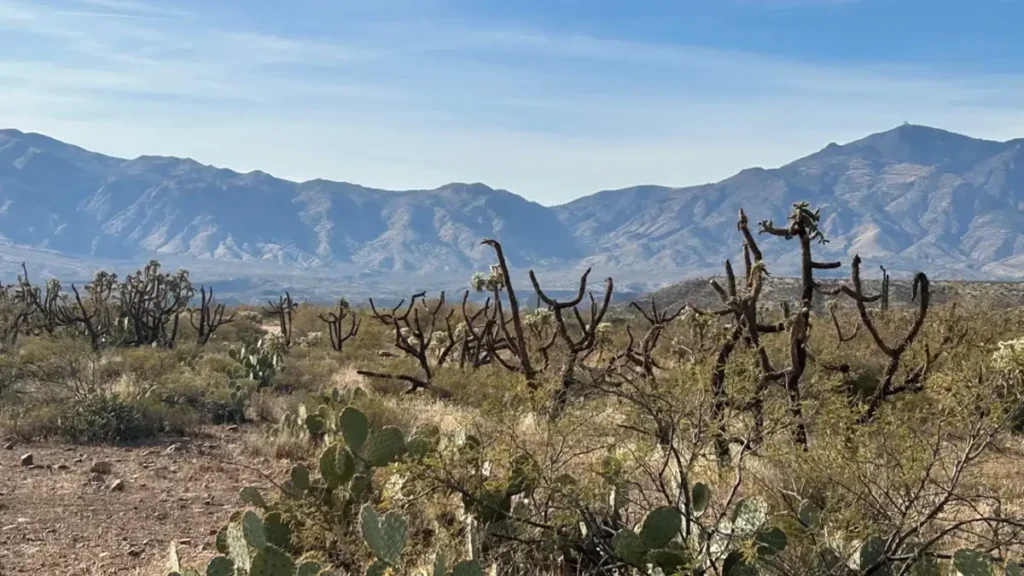
Quartzsite used to be the last bastion of freedom for RVers but the loss of the free spirit atmosphere is the new reality. It holds a reputation as the ultimate gathering place for boondockers yet the open desert is now full of restrictions and fees.
The Bureau of Land Management has increased permit costs and added new rules that make the experience feel regulated rather than wild. Travelers looking for peace are moving to Blythe or smaller pockets near Yuma to escape the crushing dust and noise.
- The free public land is under strict watch with rising permit costs for long term visitors
- Massive crowds create constant dust storms and serious sanitation issues in the desert
- Locals report a strain on resources so getting water or groceries takes hours
- Smaller BLM areas near Yuma offer the same sunsets without the intense overcrowding
The Desert Crowd Trap
Rising Costs
Free land is under strict watch with rising permit costs for long stays.
Dust & Crowds
Massive crowds create constant dust storms and serious sanitation issues.
Resource Strain
Locals report strained resources; getting water or groceries takes hours.
Go to Yuma
Smaller BLM areas near Yuma offer the same sunsets without the crowds.
3. Fort Myers and Sanibel Island Florida
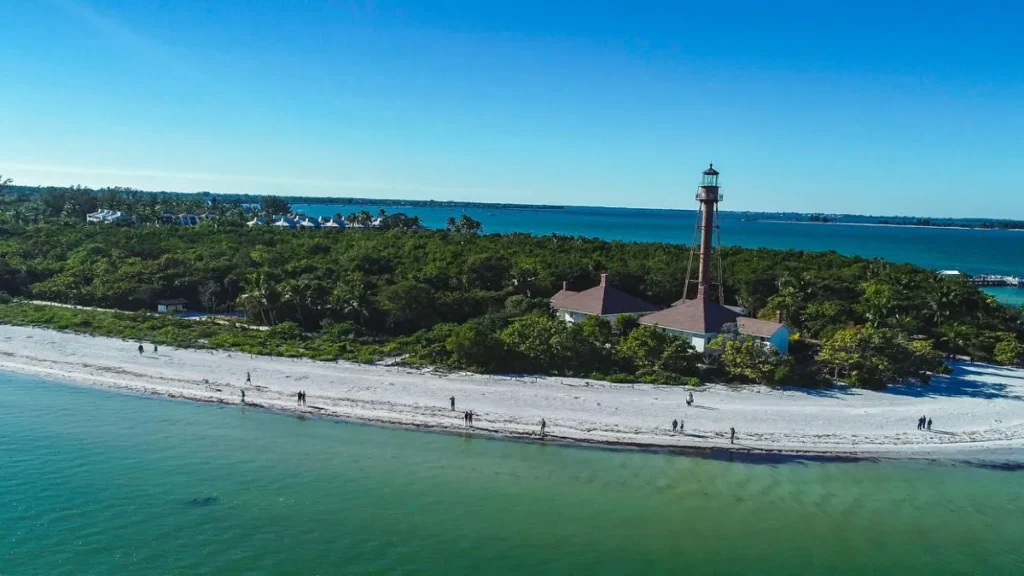
Fort Myers and Sanibel Island remain beautiful but hurricane recovery fatigue is very real for visitors expecting a relaxing winter vacation. You want to relax by the pier but you will likely hear hammers and saws from sunrise to sunset as the area rebuilds.
Many favorite amenities like piers and beachfront parks remain closed or under heavy construction which limits what you can actually do. The constant construction noise has replaced the sound of ocean waves for many disappointed snowbirds.
- The area is still actively recovering from recent major hurricanes like Ian and Milton
- Many beaches and piers are closed or surrounded by construction crews and equipment
- Construction noise is constant and disrupts the peaceful atmosphere retirees expect
- The Space Coast on the east side of Florida is fully open and much quieter
4. Rio Grande Valley Texas
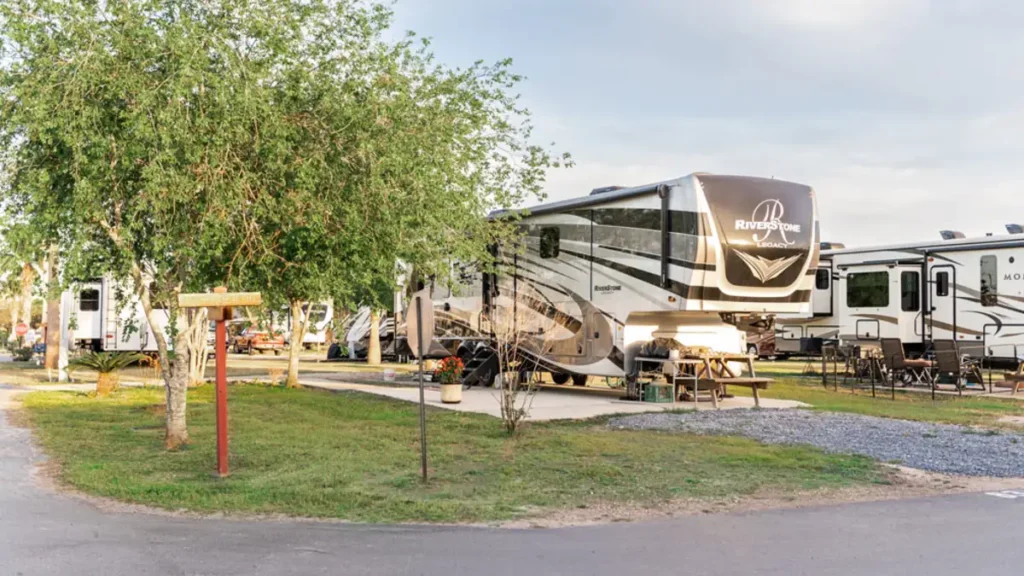
The Rio Grande Valley was once the undisputed king of budget camping but the absence of Canadian visitors has changed the vibe significantly. This area relies heavily on winter visitors from the north to fill the parks and create a sense of community.
Many Canadians are staying home in due to political rhetoric and poor exchange rates which leaves parks feeling empty. The perception of border safety also drives many US RVers further north into the Texas Hill Country regardless of the actual crime statistics.
- Many Canadian regulars are staying home which leaves the parks feeling empty and quiet
- The community atmosphere is fading without the usual events and full campgrounds
- News reports about border safety issues are scaring many potential visitors away
- The Texas Hill Country offers a vibrant and safer feeling culture for a slightly higher price
5. Lake Havasu City Arizona
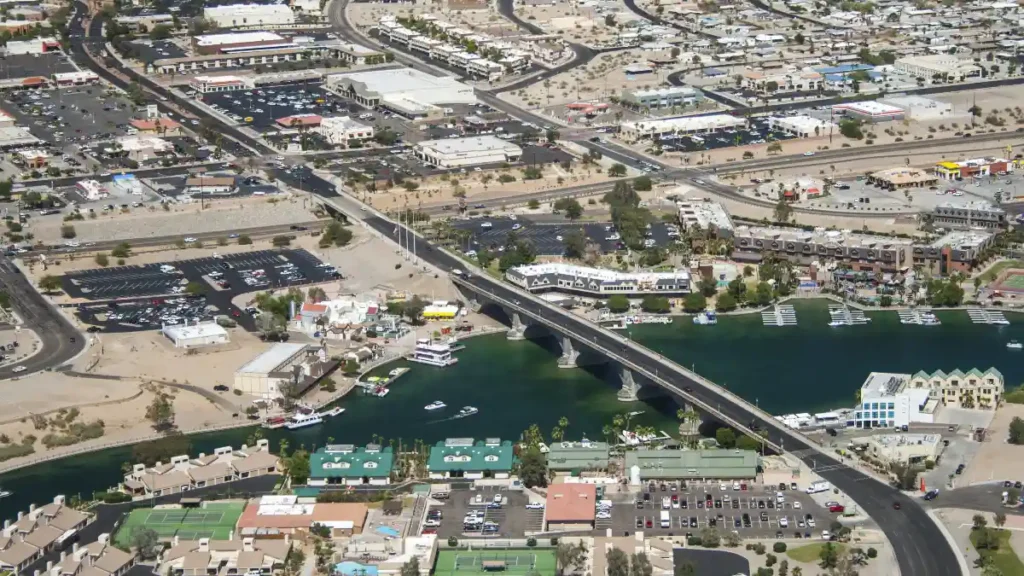
Retirees once loved Lake Havasu City for its easy living but strict regulations are pushing the old guard out of town. You expect a quiet winter retreat but you often get a boat focused party town with a rule book thick enough to be a doorstop.
Parks are enforcing newer restrictions on RV age and many now have strict bans on window air conditioning units. The crowd has shifted from quiet snowbirds to a loud party demographic that keeps the noise levels high late into the night.
- Parks are strictly enforcing limits that ban RVs over ten or fifteen years old
- New rules often ban window AC units which makes cooling older rigs difficult
- The town now caters to a loud party crowd rather than peaceful retirees
- The Parker Strip nearby offers excellent river access with fewer aggressive rules
RV Park Reality Check
Strict Age Limits
Parks are enforcing limits that ban RVs over 10-15 years old.
No Window AC
New rules often ban window units, making cooling older rigs difficult.
Party Crowd
The town now caters to a loud party crowd rather than peaceful retirees.
Parker Strip
Nearby Parker Strip offers excellent river access with fewer rules.
6. San Diego California
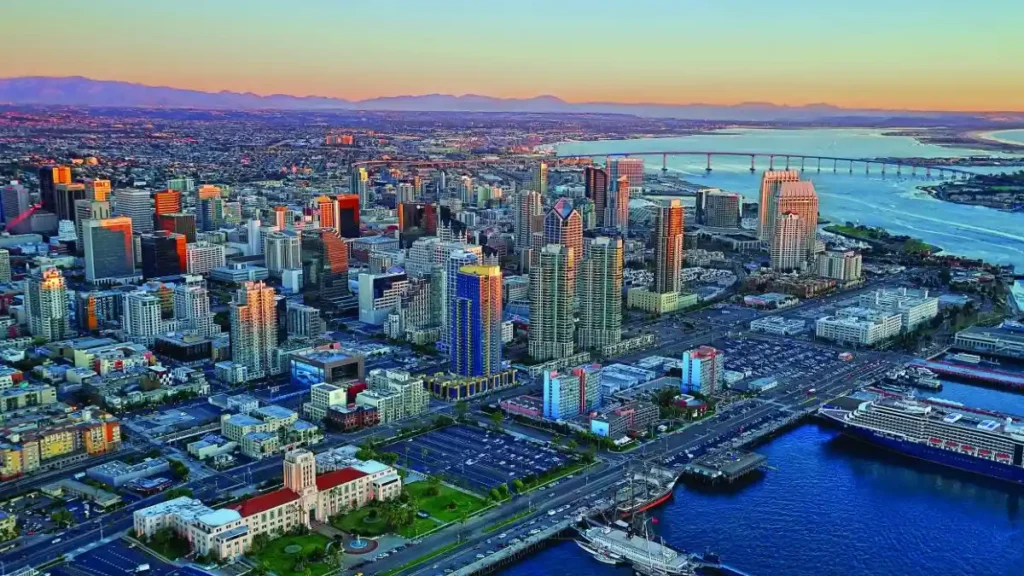
The weather in San Diego is absolutely perfect but gas prices and urban camping bans will ruin the trip for budget conscious travelers. You want to enjoy the coast but you end up worrying about your fuel gauge and the risk of expensive parking tickets.
California gas prices often hover well above five dollars which makes driving a large motorhome painful for your wallet. The city has also ramped up aggressive enforcement against street parking and overnighting which pushes RVers into incredibly expensive resorts.
- Fuel prices in the region are among the highest in the nation
- Strict laws against sleeping in vehicles make it hard to park anywhere for free
- Premium parks in the area now charge luxury hotel rates of over 150 dollars a night
- Many travelers are crossing the border to Baja for cheaper oceanfront sites
7. Moab Utah
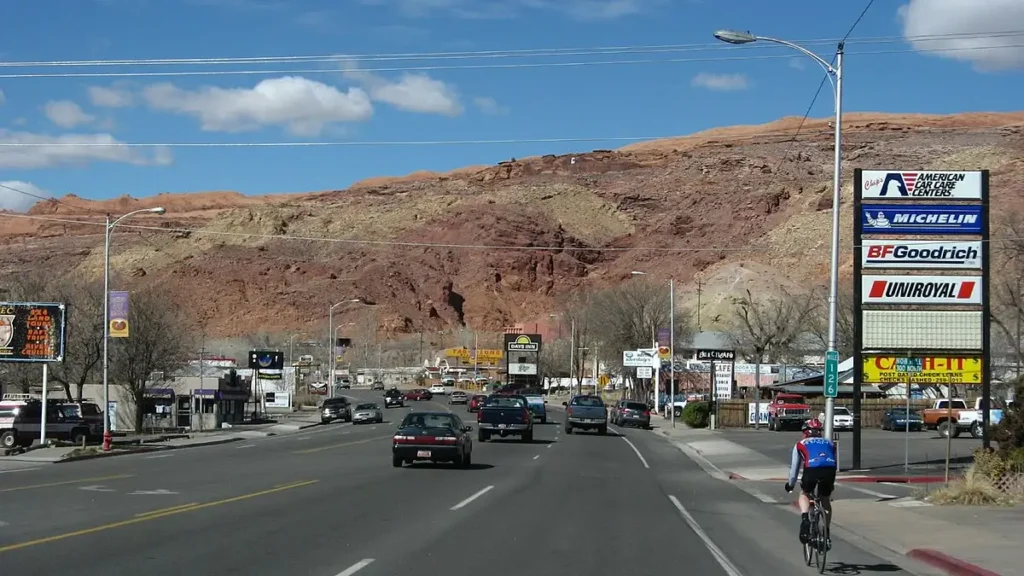
Moab offers some of the most stunning views in the country but reservation systems and crowds block the view for most visitors. You used to be able to just drive in and camp on public land but now you need a reservation just to enter the National Park.
The Bureau of Land Management has moved to designated sites only which means the days of open dispersal camping are gone. Traffic in the town itself is often total gridlock which turns a nature trip into a stressful city driving experience.
- Timed entry systems at Arches National Park make spontaneous trips impossible
- Free dispersed camping is largely gone and replaced by designated paid sites
- Traffic congestion in the main town rivals that of a major city during rush hour
- The San Rafael Swell offers similar red rock views with only a fraction of the crowds
8. Sedona Arizona
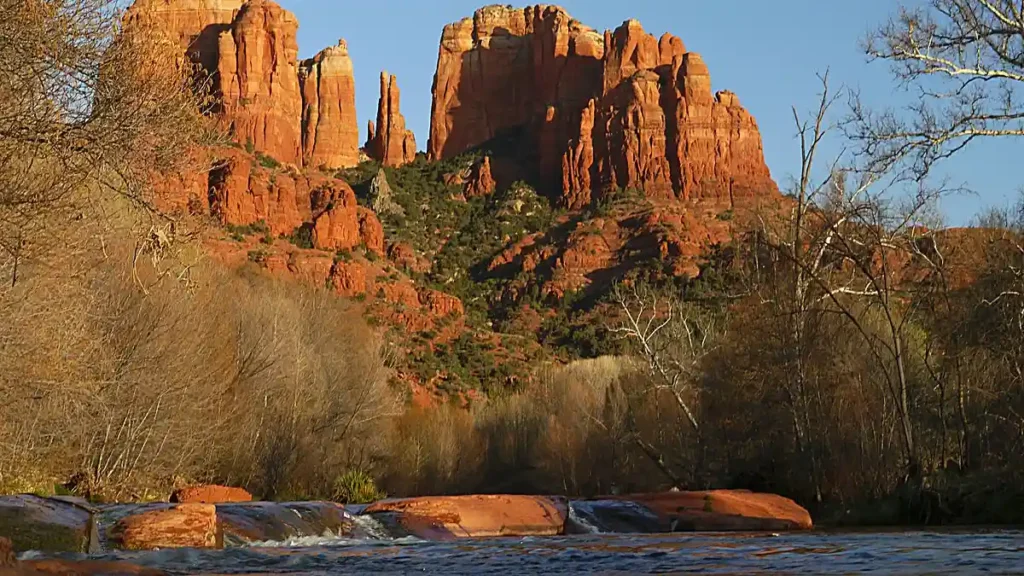
Sedona is famous for its red rocks and vortexes but tourist trap saturation is what you will actually feel upon arrival. It is one of the most beautiful places in America but it is also one of the most frustrating places to drive a large vehicle.
Traffic on the main highway is often at a complete standstill and parking a large rig is nearly impossible. RV parks in the area are priced like luxury hotels and there is almost zero public land left for boondocking nearby.
- Traffic on Highway 179 is often gridlocked and stressful for large RVs
- The Forest Service has closed most nearby forest roads to camping
- Campground prices are extremely high and often exceed 100 dollars per night
- Cottonwood is just twenty minutes away and offers a much cheaper and quieter base
9. Las Vegas Nevada
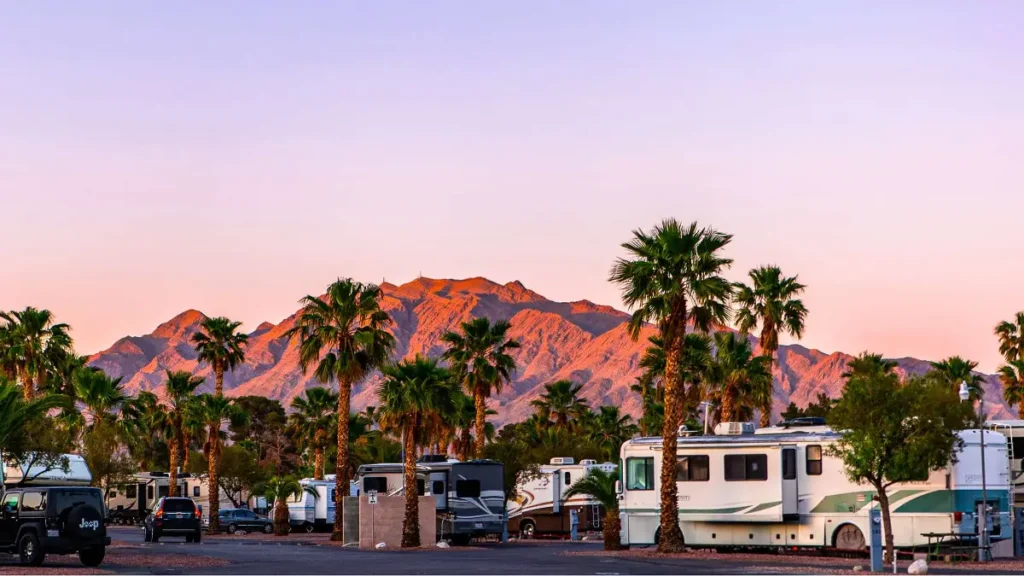
You might go to Las Vegas for entertainment but the price surge in RV parks is no joke for snowbirds on a fixed income. The RV parks used to be a bargain way to see the city but now they charge resort prices for a simple concrete slab.
Parks are increasing rates significantly and adding resort fees that hide the true cost of your stay. It often feels less like camping and more like living in a crowded parking lot surrounded by concrete walls.
- Park rates have increased drastically and pushed out budget travelers
- Hidden daily resort fees are becoming common and adding to the total bill
- The environment feels industrial and lacks the nature most RVers seek
- Pahrump is an hour west and offers luxury RV resorts for much lower prices
10. Austin Texas
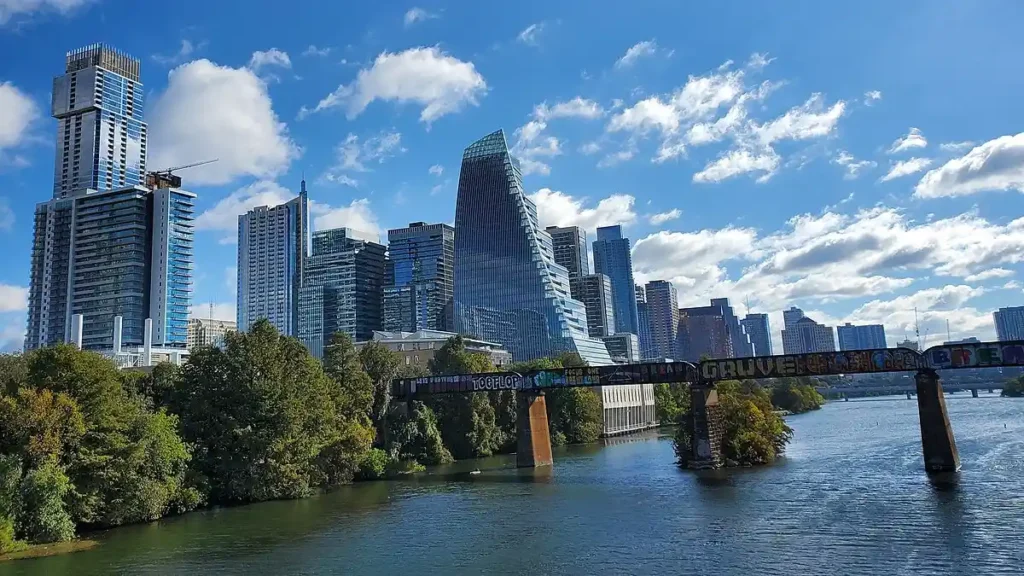
People love the culture in Austin but urban sprawl and traffic make RVing there a nightmare for anyone seeking relaxation. You want live music and barbecue but you get stuck on the interstate for two hours trying to get across town.
Explosive city growth means RV parks that were once outside town are now right next to loud highways. Long term stays also face noise complaints and strict code enforcement crackdowns that make guests feel unwelcome.
- Massive traffic jams make getting in and out of the city incredibly stressful
- Parks that were once quiet are now surrounded by loud highways and development
- Strict city codes are making it harder to stay long term in many areas
- Bastrop offers a piney woods feel near the city without the traffic headache
11. Gulf Shores Alabama
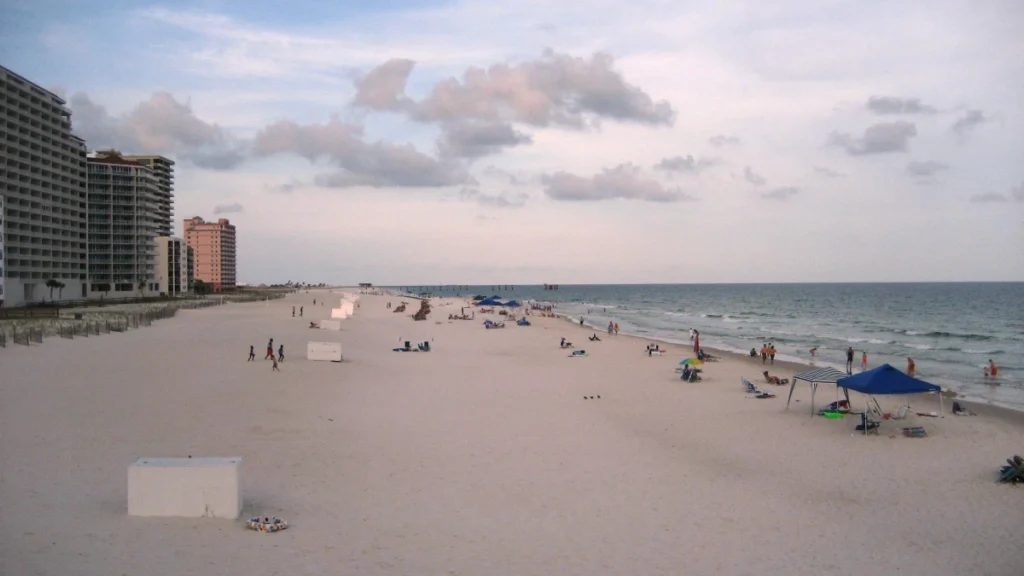
Gulf Shores was the secret budget spot for years but the loss of its hidden gem status hits the wallet hard. It was known as the Redneck Riviera and served as a cheaper alternative to Florida but now it is priced to match its eastern neighbor.
Snowbird monthly rates have jumped twenty to thirty percent in just two years as corporations buy up family owned parks. The secret is out and the parks are packed tight so finding a last minute spot is unlikely.
- Monthly rates for snowbirds have jumped significantly in the last two years
- The area is now just as expensive as many popular Florida destinations
- Crowds have replaced the quiet charm that originally drew retirees here
- The Mississippi Gulf Coast is the new value leader for beachfront camping
12. California Central Coast
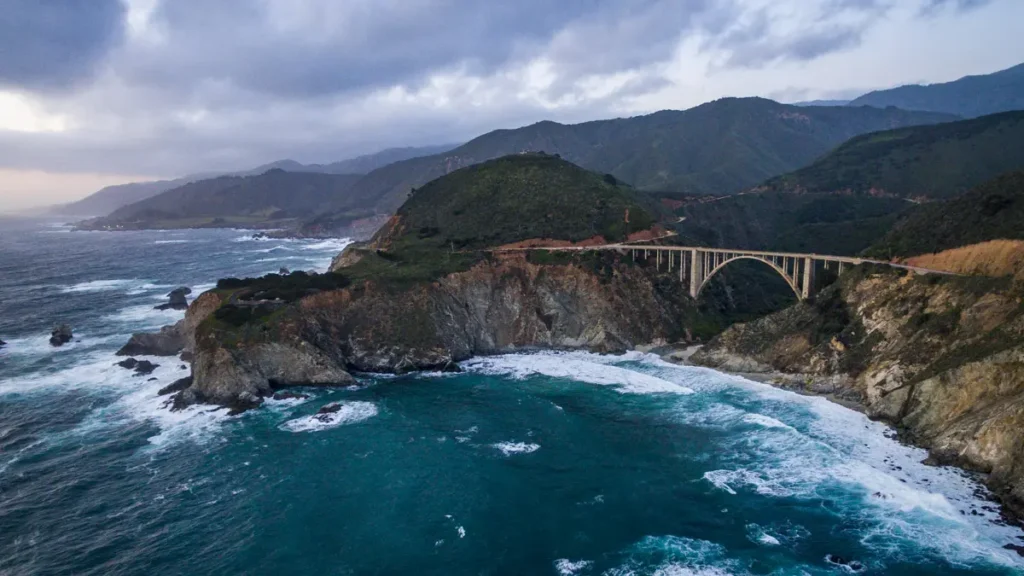
The California Central Coast is a dream drive on paper but infrastructure failures turn it into a detour filled headache. You expect a scenic cruise up Highway 1 but you often find a Road Closed sign that forces you miles out of your way.
Constant closures due to landslides make travel unpredictable and stressful for anyone on a tight schedule. State Parks are booked six months out instantly and fuel costs along this stretch are the highest in the entire nation.
- Frequent landslides cause road closures that force massive detours
- State Park campgrounds are booked instantly the moment they open
- Gas and diesel prices are higher here than almost anywhere else in the US
- The Oregon Coast or inland Paso Robles offer better reliability for travelers
Big Sur Reality Check
Frequent Closures
Landslides cause road closures that force massive detours.
- 🔒
Booked Instantly
Campgrounds are booked the moment they open.
- $$$
Highest Prices
Gas and diesel prices are higher here than almost anywhere else.
Better Options
The Oregon Coast or inland Paso Robles offer better reliability.