

The dealership brochure sold you the dream of open roads and campfires with happy families and sunsets. It did not mention the high labor rates or the massive depreciation cliff waiting around the corner.
Most first year RVers budget for the monthly loan payment and gas but get buried by the invisible ownership costs that nobody talks about. You can fix this before you spend a dime by learning the specific financial leaks that sink new owners.
Here are the thirteen specific money traps and the solutions to help you stay on budget.
RV Money Pit Defender
Journey Complete!
You navigated the first year of RV ownership.
1. The New Rig Depreciation Cliff

Buying a new rig feels great until you try to sell it later. The moment you drive a new motorhome off the lot you lose a massive chunk of your investment immediately.
Most first time buyers do not realize that the warranty work on a new unit can take months. You end up paying a premium price for a vehicle that sits in the shop while losing value every single day.
- New motorhomes lose about 25 to 30 percent of their value in year one
- Buying a unit that is two years old saves you thousands
- Let the original owner pay for the initial factory depreciation
2. The 20 Year Financing Mirage

Dealerships make expensive RVs look affordable by stretching the loan over twenty years. This lowers your monthly payment but drastically increases the total amount of interest you pay over time.
You will likely owe more than the vehicle is worth for the first decade of ownership. This negative equity traps you in a rig you might want to trade in later.
- You often pay double the sticker price once interest is added
- Keep loan terms under ten years to build equity faster
- Check local credit unions for better rates than the dealer offers
The RV Loan Trap
- x2
Double the Price
You often pay double the sticker price once interest is added.
Build Equity
Keep loan terms under 10 years to build equity faster.
Check Credit Unions
Find better rates at local credit unions than dealers offer.
3. The Membership Overload

It is tempting to buy every camping pass available to save money on nightly rates. Many new owners spend thousands upfront on zones and networks they never actually visit during their travels.
These passes only save you money if you strictly follow their specific maps and rules. You often end up camping in places you do not like just to justify the cost.
- Calculate your cost per night based on actual usage
- Buy memberships as you go rather than all at once
- Ensure the network has parks in the regions you plan to visit
4. The Vacation Mode Spending Mentality

Living on the road is a lifestyle and not a permanent vacation. If you treat every stop like a holiday with restaurant meals and daily coffees your budget will crash in the first month.
Cooking your own meals is the single biggest factor in making full time travel affordable. You must shift your mindset from tourist to resident immediately.
- Commit to eating 80 percent of your meals from your own kitchen
- Use slow cookers for cheap and easy travel day meals
- Limit dining out to special local experiences only
5. Under Insuring Your House on Wheels
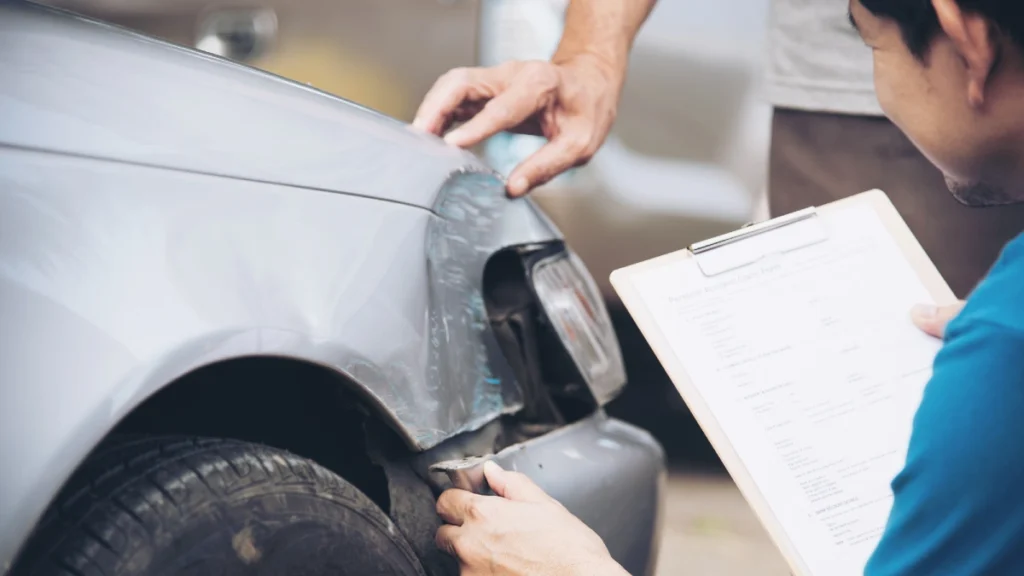
A standard auto policy often stops covering you the moment you park and unhook your trailer. If a tree falls on your rig or a fire starts while you are camping a basic policy might deny your claim entirely.
You need specific coverage that protects your personal belongings and provides emergency housing if the RV is destroyed.
- Ask specifically for full timer coverage if you live in the rig
- Ensure your personal computers and gear are listed in the policy
- Suspend collision coverage during storage months to save cash
Full-Timer Insurance
Full-Timer Coverage
Ask specifically for this coverage if you live in the rig.
- +
List Your Gear
Ensure computers and personal gear are listed in the policy.
Storage Savings
Suspend collision coverage during storage months to save cash.
6. The Tow Vehicle Mismatch
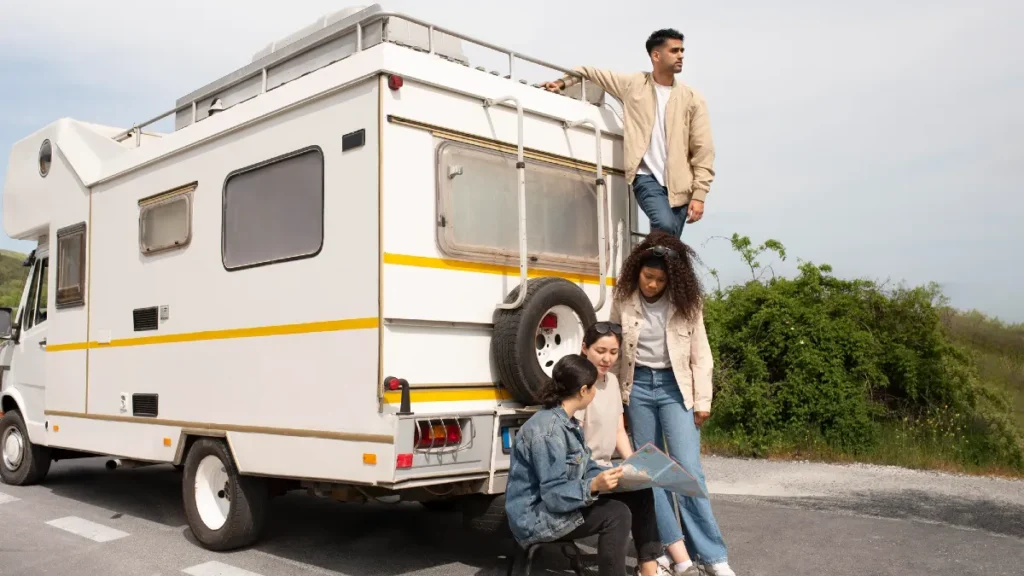
The sales brochure might say your truck can pull the trailer weight but it ignores the payload capacity. The heavy tongue weight of the trailer pushes down on your truck and crushes your suspension.
Once you add passengers and cargo you are often driving an overweight and dangerous vehicle. This causes transmission failure and makes stopping difficult.
- Check the yellow sticker on the driver door jamb for real numbers
- Ignore the brochure dry weights as they are often inaccurate
- Leave a 20 percent safety margin for water and gear
7. Deferred Maintenance and Roof Rot
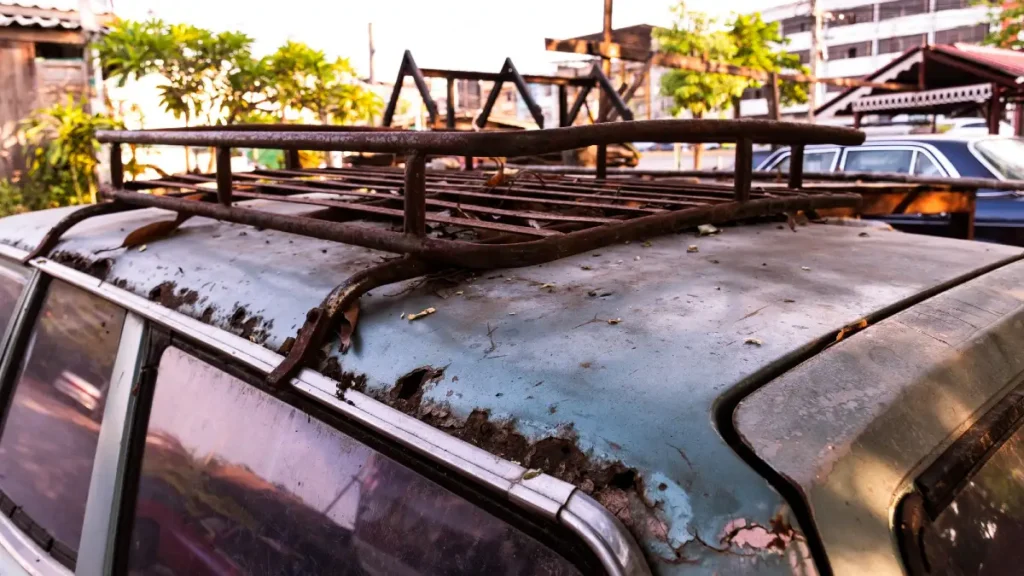
Water is the biggest destroyer of RVs and it works silently inside your walls. A tiny crack in the roof sealant costs just a few dollars to fix but causes thousands in structural damage if ignored.
Most owners wait until they see a stain on the ceiling before they act. By then the wood frame has usually rotted away.
- Inspect your roof sealant every 90 days
- Use proper self leveling sealant made for RV roofs
- Fix small cracks the moment you see them to prevent leaks
8. The Connectivity Sinkhole

Staying online is important but paying for three different services is usually a waste of money. You do not need a satellite dish plus two different cellular hotspots for basic travel.
Most travelers can get by with one solid cellular plan and campground Wi-Fi. Paying hundreds a month for redundancy drains your travel fund quickly.
- Evaluate your actual data needs before buying hardware
- Pause satellite billing services when you are not traveling
- Pick one reliable carrier plan instead of paying for three
Smart Data Plan
Evaluate Needs
Calculate your actual data needs before buying expensive hardware.
Pause Billing
Pause satellite billing services immediately when you aren’t traveling.
One Good Plan
Pick one reliable carrier plan instead of paying for three mediocre ones.
9. Dynamic Pricing and Booking Late
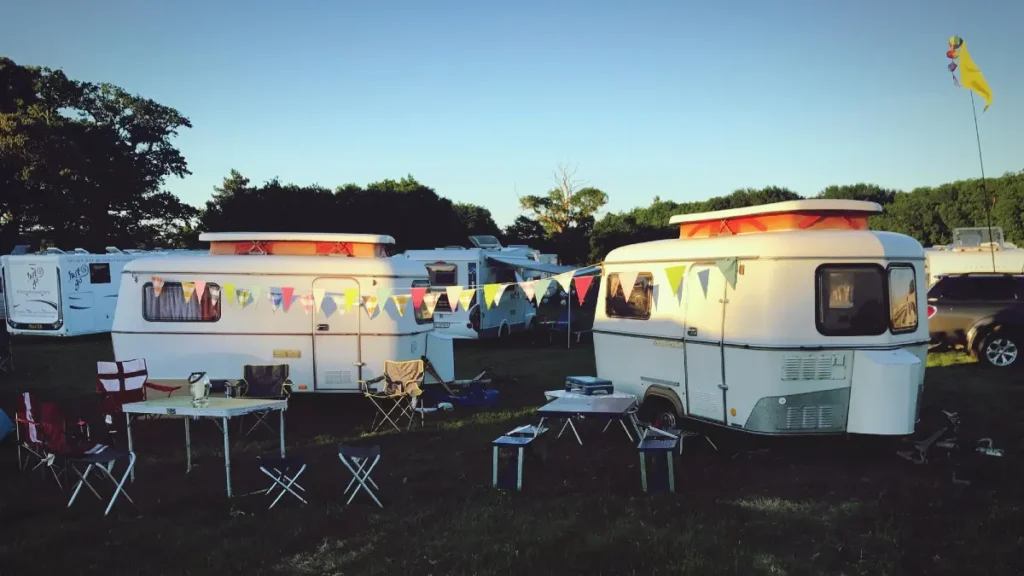
Campgrounds now use airline style pricing where rates go up as the park fills up. Rolling in on a Friday afternoon without a reservation is the most expensive way to camp.
You pay a premium for convenience and often get the worst spot in the park. Planning ahead saves a significant amount of cash over a long trip.
- Book mid week stays for lower nightly rates
- Secure your spots months in advance for popular locations
- Stay longer to take advantage of discounted weekly rates
10. The Amazon Weight Trap

It is easy to fill your storage bays with gadgets and gear you see on social media. Every pound of extra weight hurts your gas mileage and wears down your tires faster.
Most of the fancy accessories people buy end up sitting unused in a storage bin. Keeping your rig light saves fuel and makes travel less stressful.
- Follow the one in one out rule for all new gear
- Avoid heavy gadgets that only serve a single purpose
- Wait until you need an item three times before buying it
11. Fuel Budget Fantasy
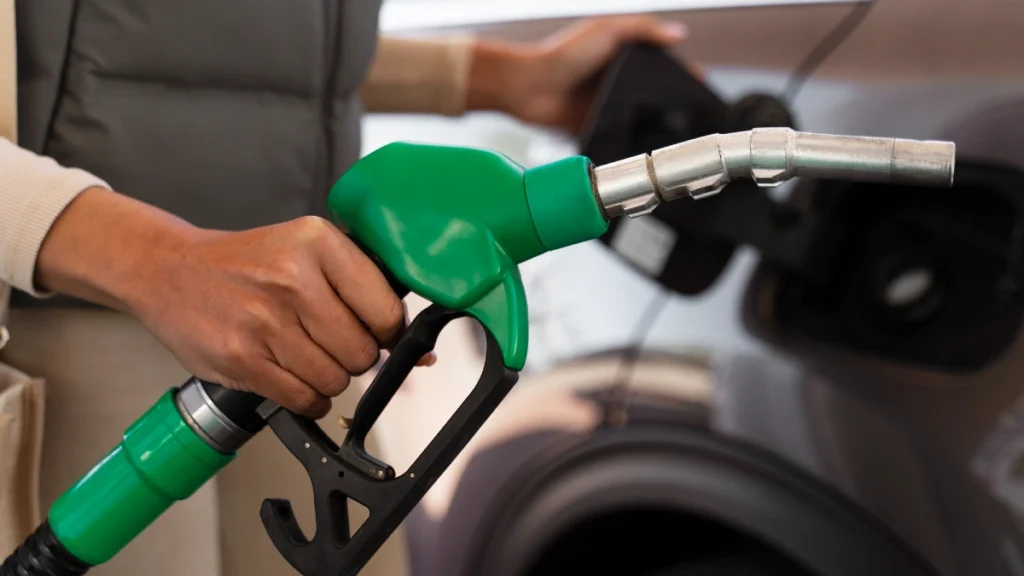
Budgeting for your normal highway gas mileage will leave you stranded and broke. Towing a heavy square box creates massive wind resistance that cuts your efficiency in half.
You need to plan your route based on getting six to ten miles per gallon. A small change in speed or wind direction changes your cost dramatically.
- Slow down to 60 miles per hour to improve efficiency
- Budget for the worst case mileage numbers to be safe
- Expect to get 6 to 10 mpg when towing heavy loads
12. The Extended Warranty Loophole

Extended warranties are profitable for dealerships because they rarely pay out what they cost. The fine print often excludes common repairs or requires you to wait weeks for approval.
You are often better off keeping that money in your own bank account. A personal repair fund gives you instant access to cash when you need it.
- Create a dedicated savings account for repairs
- Read the exclusions list carefully before signing anything
- Skip third party contracts that require pre authorization
13. Ignoring Tire Age
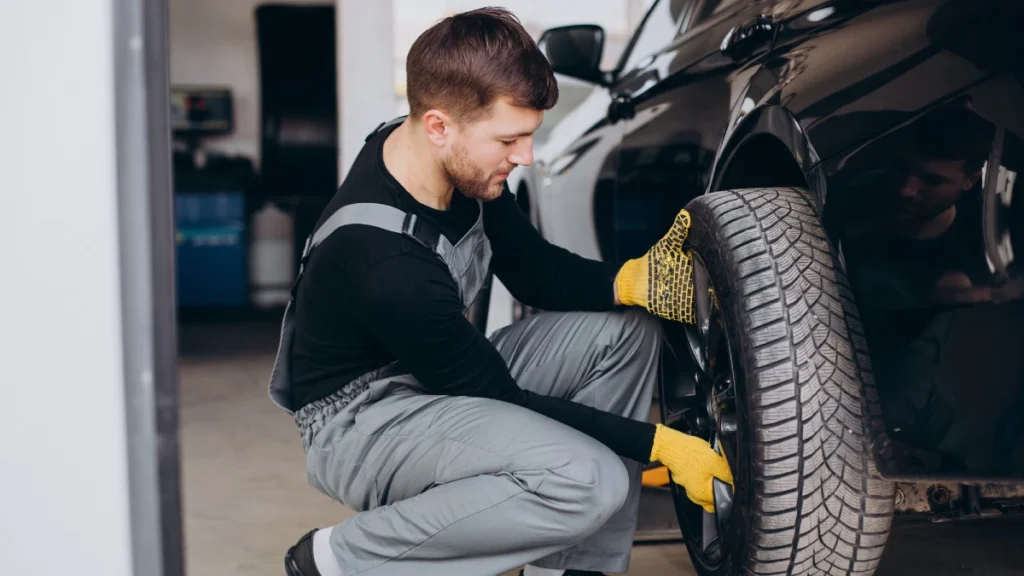
RV tires usually rot from the inside out before the tread ever wears down. The sun damages the rubber compounds and turns your tires into ticking time bombs.
A blowout at highway speeds can rip apart the side of your RV and cause massive damage. You must replace them based on time rather than appearance.
- Check the four digit date code on the tire sidewall
- Replace tires every 5 to 7 years regardless of tread depth
- Cover your tires when parked to stop UV damage
Tire Safety Check
- DATE
Check Date Code
Look for the four digit date code on the tire sidewall.
Replace by Age
Replace tires every 5 to 7 years regardless of tread depth.
Stop UV Damage
Cover your tires when parked to protect them from the sun.