
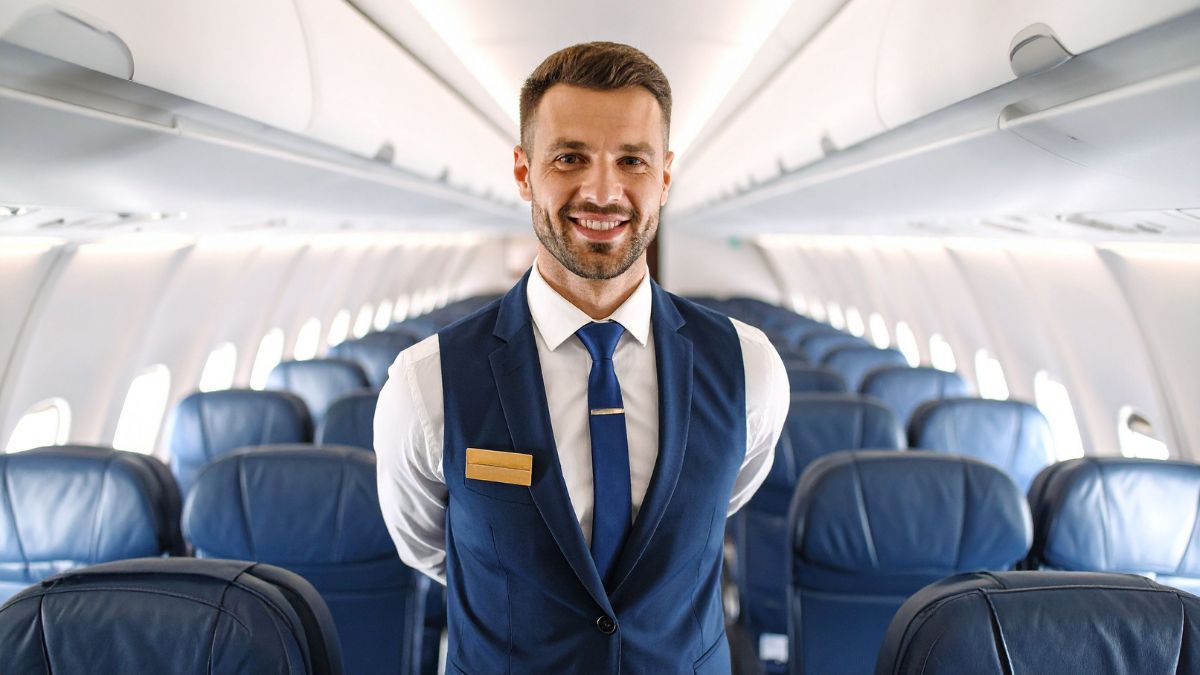
You can board on time, buckle your seat belt, and still annoy the cabin crew before the plane leaves the gate. Many flight attendant pet peeves are not about passengers being mean. They come from small habits that slow boarding, make service harder, invade others’ space, or create safety problems.
And here is the tricky part. You may have done several of them; you were being completely normal. Recent flight attendant interviews mention everything from blocking the aisle to keeping headphones on during drink service.
Crew members have also called out grooming at your seat, rushing forward after landing, and touching attendants to get their attention. Here are 14 common passenger mistakes on planes, why cabin crews notice them, and what you can do instead.
1. Wait For Your Boarding Group Instead Of Crowding The Gate
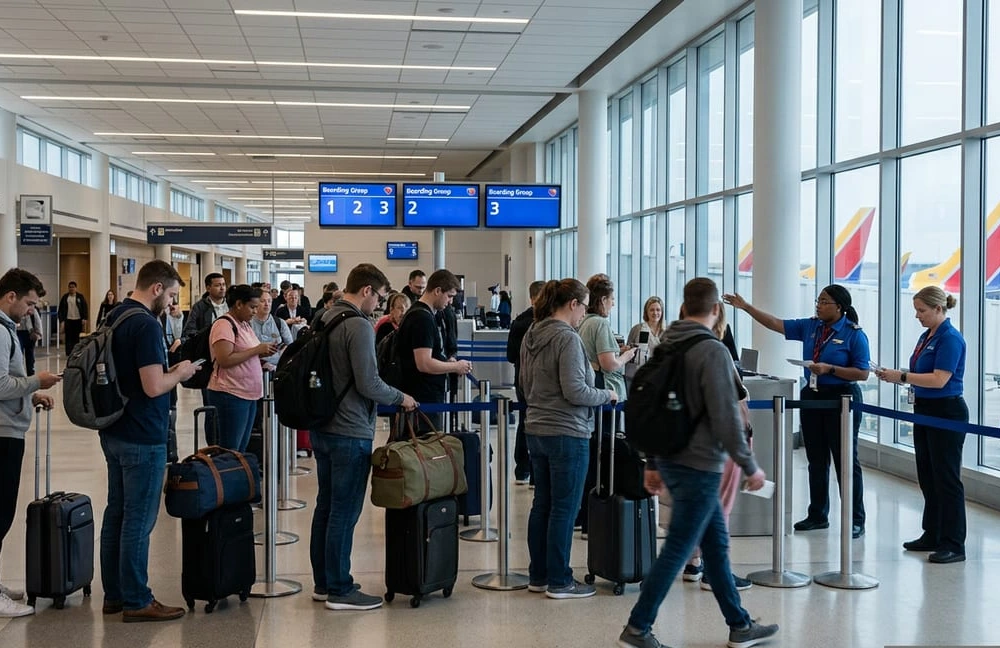
You hear boarding start, and suddenly everyone stands up. Your group is still five numbers away, but you move close to the gate because you do not want to lose overhead space. Ten other people have the same idea.
Trying to scan your pass early may not work either. American Airlines has technology that can flag passengers who attempt to board before their assigned group. The company originally expanded the system to more than 100 airports, and the 2026 reporting indicates that boarding enforcement remains in use.
You gain very little by standing directly beside the boarding lane before your turn. Stay close enough to hear announcements. Leave enough space for the people who are actually boarding.
2. Get Your Stuff Ready Before You Enter The Aisle
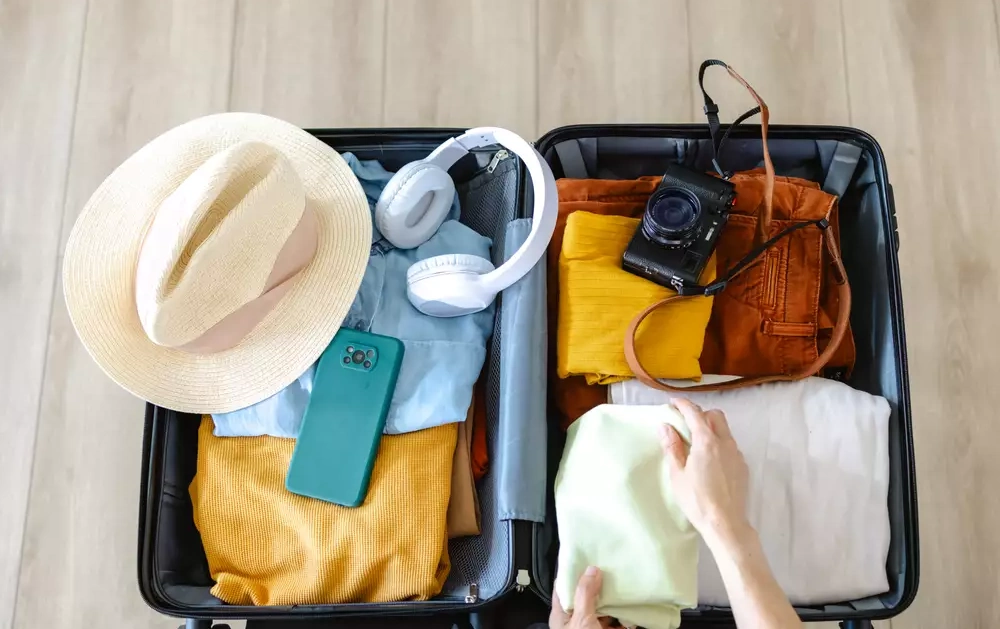
You find your row. Then you stop. You open your carry-on and start searching for your headphones. Then you remember your charger. Then your sweater. Then your water bottle.
The aisle behind you fills with passengers. Flight attendant Ally Case told Southern Living that stopping in the aisle to reorganize belongings can hold up the boarding process. Her advice is to get into your row, store your bag, and settle into your seat.
This is one of those flight attendant pet peeves that is very easy to avoid. Before boarding, put the things you need during the flight somewhere easy to reach. A simple seat kit could include your phone, headphones, charger, medicine, water, and a snack. You can put that small pouch in your personal bag instead of opening your main suitcase again.
3. Stop Treating The Overhead Bin Like It Belongs To You
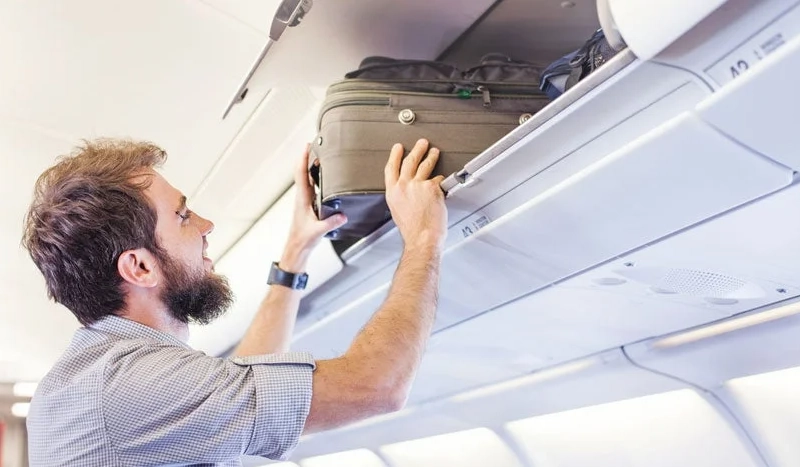
The bin above your seat feels like your storage space. It usually is not. Overhead storage is shared space, and there may not be enough room for every passenger’s larger bag. The FAA says some aircraft have limited bin space and personal items may need to fit beneath the seat.
Problems start when passengers spread several small items across a bin or place a bag many rows away from where they are sitting. Flight attendants have warned that storing luggage far from your row can create problems later because other passengers then have to search farther away for space. That can slow boarding.
There is a safety reason to listen when crew members move or restow bags too. The FAA says falling items from overhead bins can hurt passengers. It also advises travelers to tuck in loose straps and avoid stacking items in the bin.
4. Use The Airport Bathroom Before Boarding When You Can
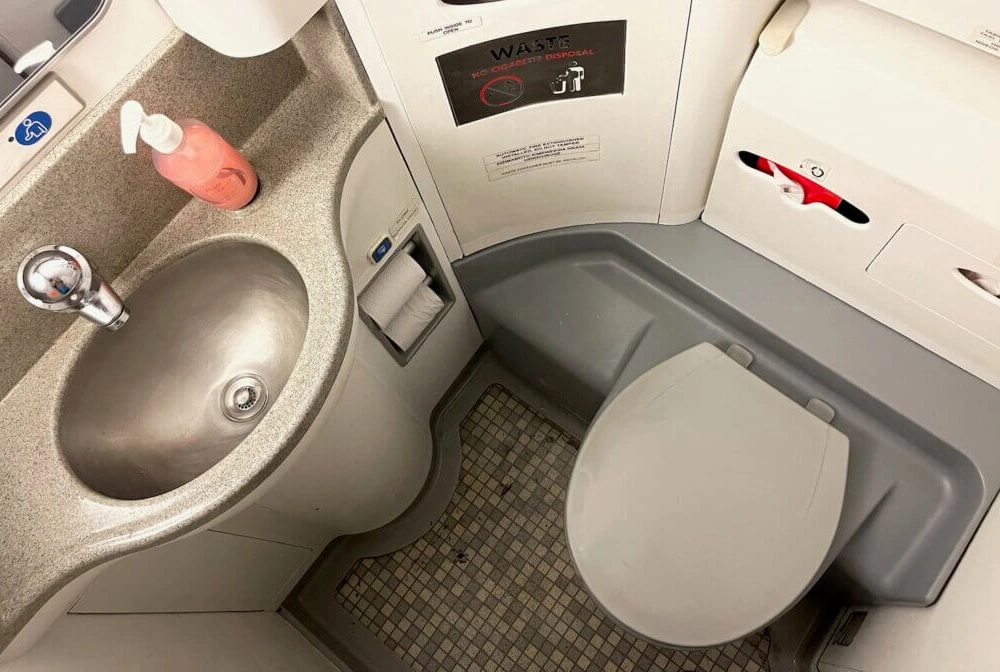
This one surprises people. You step onto the aircraft, find your seat, and suddenly decide it is a good time to visit the bathroom. You may see an empty aisle ahead of you. The crew sees something different.
Flight attendants are trying to finish boarding, check the cabin, handle overhead bags, communicate with other crew members, and prepare the aircraft for departure. Of course, sometimes you genuinely need the bathroom. Medical needs are different.
But if you already know you need to go, the terminal restroom is usually the easier choice.
5. Ask Before Moving Into That Empty Seat
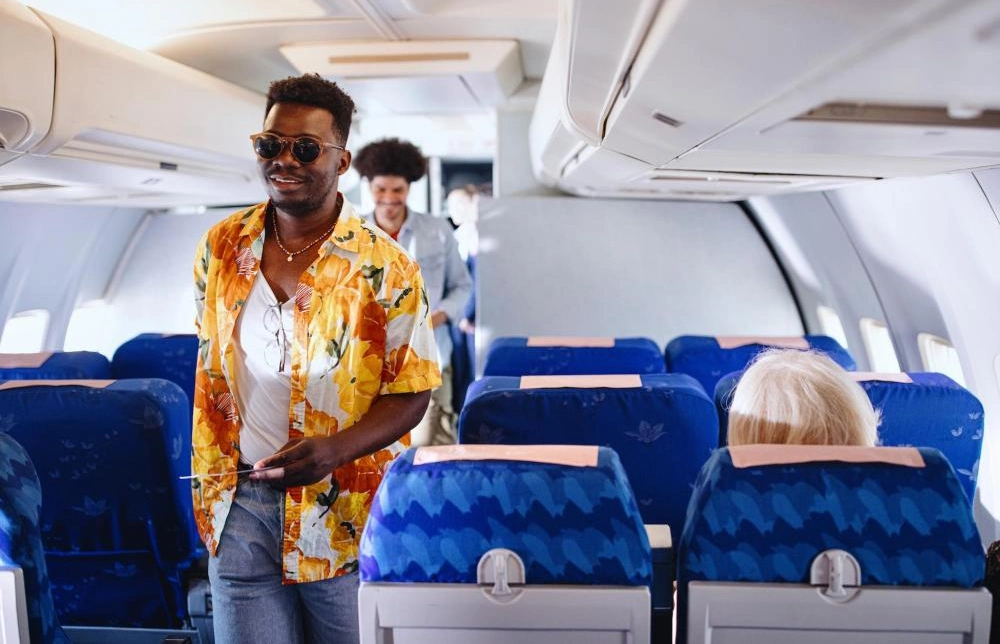
You spot an empty window seat. Your assigned middle seat suddenly looks much worse. It may seem harmless to move before anyone notices. But an empty seat is not automatically yours. Former flight attendant Lia Ocampo told Condé Nast Traveler that passengers should stay in their assigned seats during boarding and ask before switching.
There are several reasons. Another passenger may still be boarding. A family may be waiting for a seat change. Some seats may have special conditions. Crew also need to know where passengers are sitting. On some aircraft, passenger placement can also matter for weight and balance.
You do not need a long speech if you want to move. Wait until boarding is settled and ask politely. Would it be possible for me to move to that empty seat? That is enough.
6. Pay Attention When The Crew Gives Safety Instructions
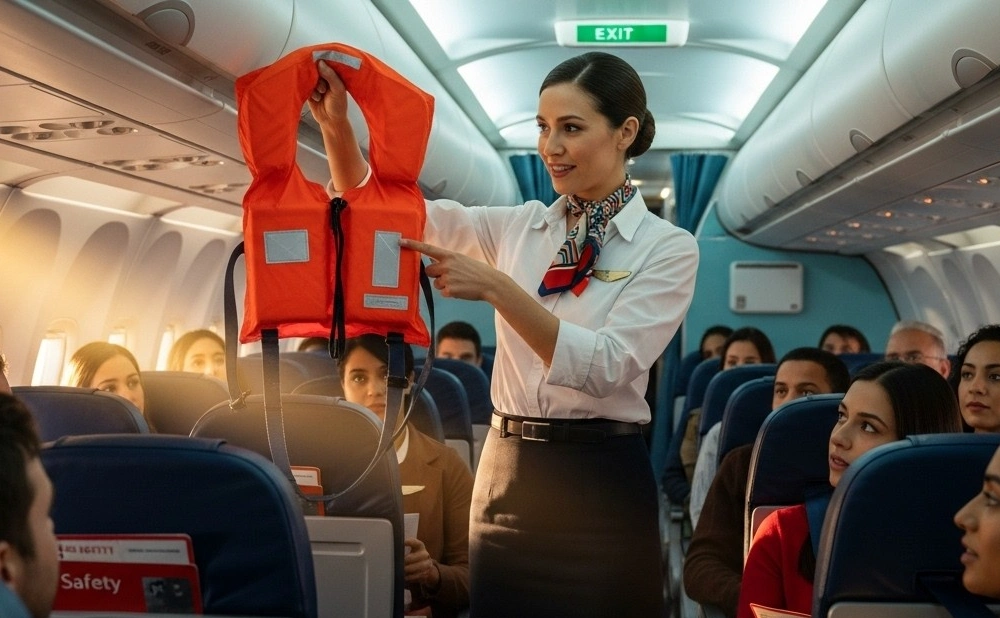
Maybe you have heard the safety speech 100 times. The seat belt works the same way. You know where the exits are. Your phone is more interesting. Still, tuning out completely is a bad habit.
The FAA tells passengers to pay attention to the safety briefing and read the safety card because emergency procedures can differ by aircraft. There is also a big difference between being distracted and refusing a crew instruction.
Federal rules interfere with crew duties as a serious matter. The FAA says it can propose fines of up to $43,658 for each violation in unruly passenger cases. That does not mean looking at your phone during an announcement brings a giant fine.
It means you should separate basic manners from serious refusal. A crew member asking you to stow your laptop, sit down, or follow a safety instruction is doing a safety job.
7. Let The Rows Ahead Of You Leave First
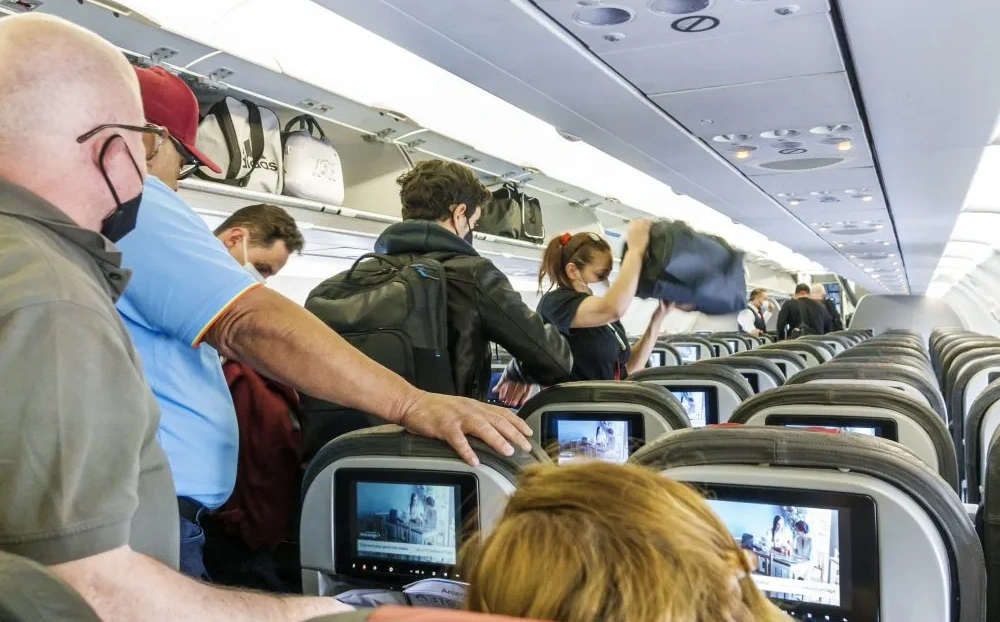
The plane reaches the gate. The seat belt sign turns off. Suddenly half the cabin stands. Some people go further. They grab their bags and charge several rows forward as if a prize is waiting at the door.
Flight attendants interviewed in recent etiquette reports have called out this behavior. Their basic advice is to let passengers leave in an orderly way instead of turning the aisle into a race. If you have a tight connection, tell the crew before landing.
They may be able to give instructions or tell you what options you have. For everyone else, racing from row 27 to row 16 usually creates more crowding than progress.
8. Keep Grooming Out Of Your Seat
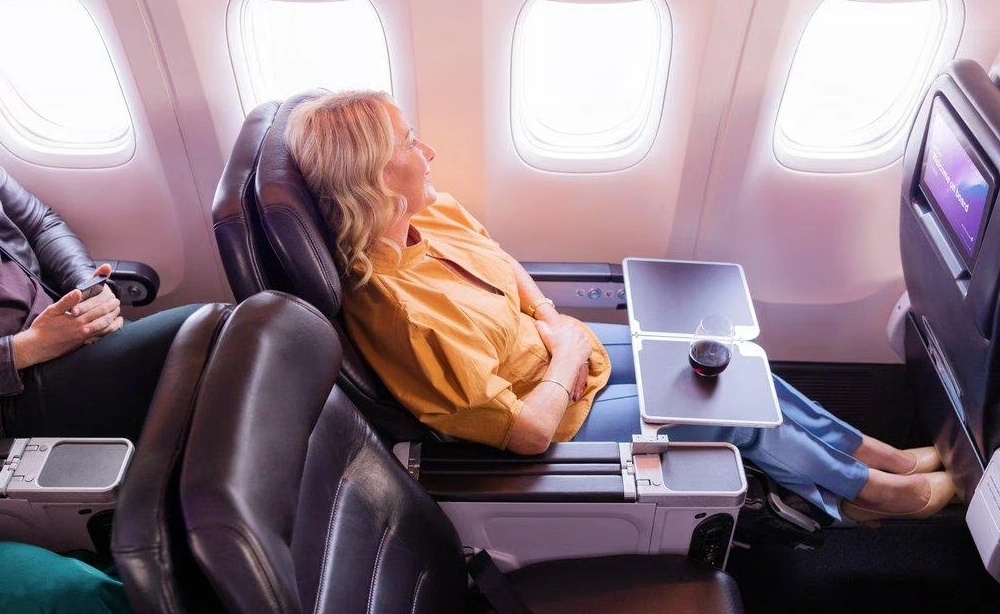
Taking off your shoes may feel comfortable. Clipping your nails may feel like a good use of a long flight. The people sitting 12 inches away may feel very differently. Flight attendants interviewed by Southern Living called out nail clipping, hair brushing, and elaborate grooming routines as poor cabin behavior.
A 2026 Business Insider article gives an even less pleasant example. Flight attendant Leanna Coy said she sees bare feet and dirty diapers on tray tables often enough that she carries disinfecting wipes when she travels.
Still, the basic rule is useful. Your seat is a shared public space. Keep your shoes or socks on. Do not clip nails. Avoid strong scents. Do not turn your tray table into a changing station.
9. Take Your Headphones Off When They Speak To You
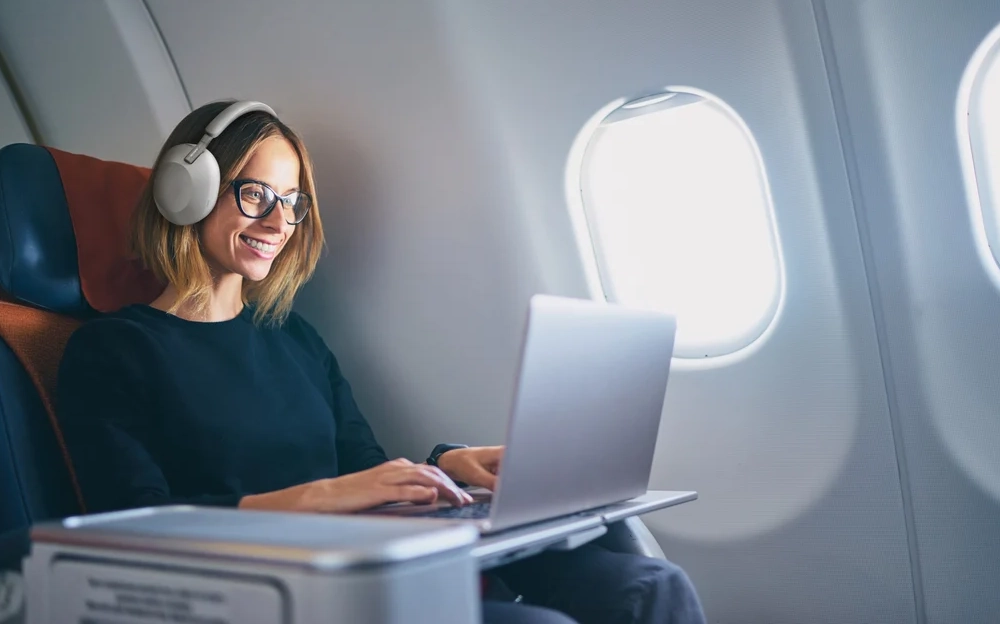
Here is the one that stings. A lot of polite passengers do it. You are watching a movie with noise-cancelling headphones. The drink cart reaches your row. A flight attendant asks what you want. You stare back.
They repeat the question. You pull out one earbud. “What?” Now they repeat everything. Flight attendants interviewed by Southern Living specifically mentioned headphone use during service as a frustration.
It may seem like a tiny delay. But multiply that interaction by dozens or even hundreds of passengers. That is why it can become one of the most common flight attendant pet peeves. The fix takes seconds.
When you see the cart approaching, pause your screen. Take one earbud out. Decide what you want before the attendant reaches you. Then order clearly and say thanks.
10. Do Not Poke Or Grab a Flight Attendant
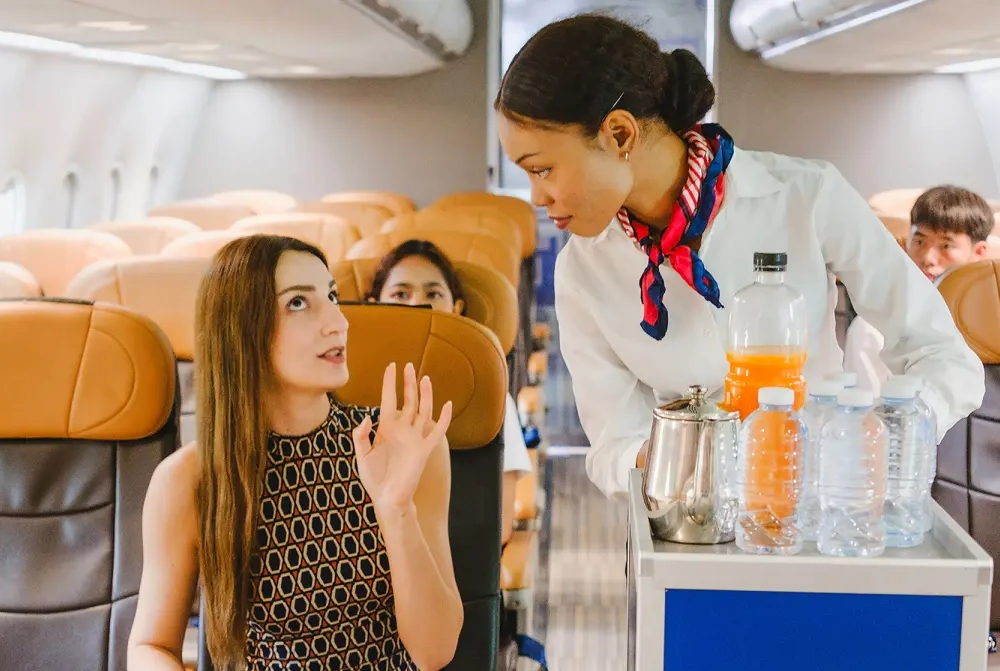
You need something. A flight attendant walks past, so you tap their arm. Maybe you poke their side because they do not hear you. You probably mean no harm. But cabin crew members are still people at work, and grabbing someone to get attention can feel intrusive.
A flight attendant interviewed by Real Simple specifically asked passengers to use words rather than touching crew members. Older flight attendant interviews collected by Condé Nast Traveler have made the same point.
You have several better options. Say “excuse me” when they are nearby. Make eye contact. If you genuinely need help and nobody is nearby, use the call button.
11. Use The Call Button Without Treating It Like Room Service
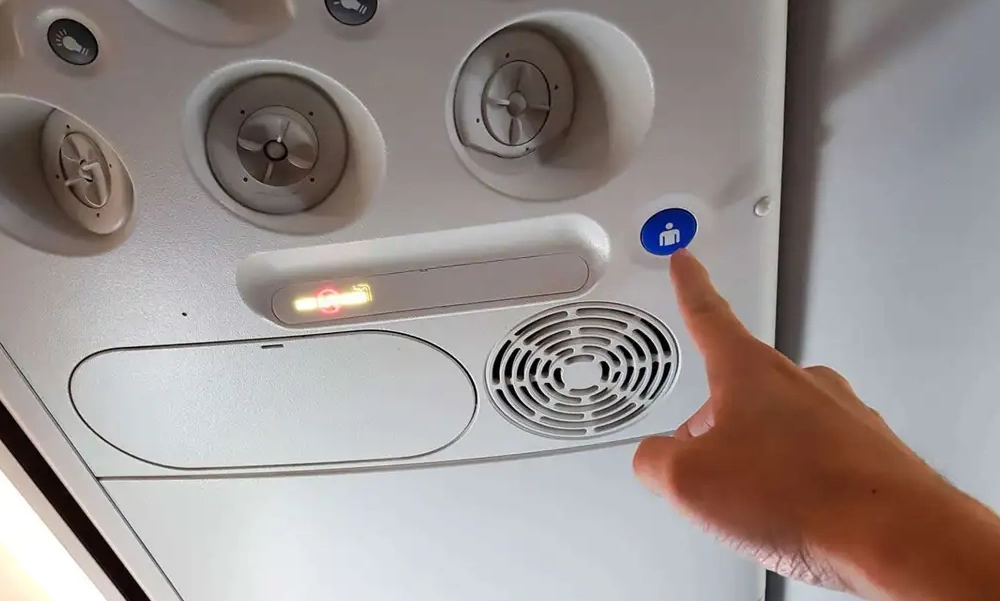
There is plenty of confusing advice about the call button. Some travelers think pressing it is rude. Others press it every time they want another cup of soda. The better answer sits in the middle.
Flight attendants interviewed by AFAR said the button is appropriate for genuine needs, especially medical or safety concerns. But during takeoff, landing, or serious turbulence, crew members may need to remain seated too. Minor requests should wait.
A flight attendant writing for Condé Nast Traveler also explained that a call can sometimes signal a real medical emergency. That is why passengers should never feel afraid to use the button when something is genuinely wrong.
Want someone to collect one empty candy wrapper while the crew is serving meals? That can probably wait.
12. Wait For The Right Time To Hand Over Trash
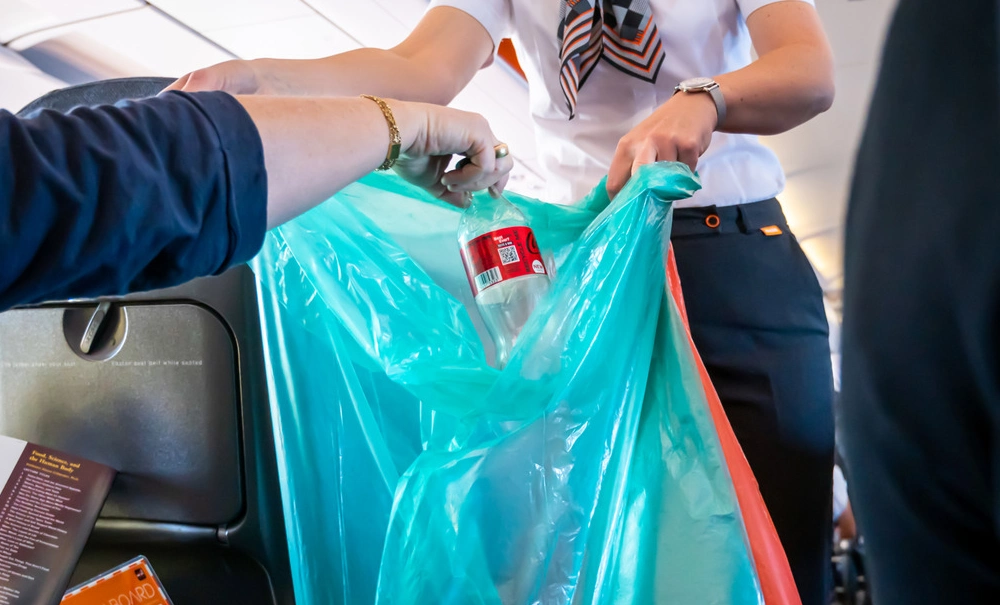
A flight attendant approaches with drinks. You see your chance. You hand them a sticky cup, dirty napkins, banana peel, and whatever else has been sitting in your seat pocket. The problem is timing.
Someone who is serving food or drinks may not be ready to handle dirty waste at that moment. Flight attendants have spoken about this in call button and cabin etiquette interviews. Trash collection usually happens when crew members are prepared to handle waste.
Some items need even more care. If you have a dirty diaper, something with bodily fluids, or another unusual item, do not leave it on a tray table or push it into the seat pocket. Ask a crew member how they want you to dispose of it.
Coy’s 2026 account of seeing dirty diapers on tray tables shows why this is more than a small manners issue.
13. Check Behind You Before Reclining Your Seat
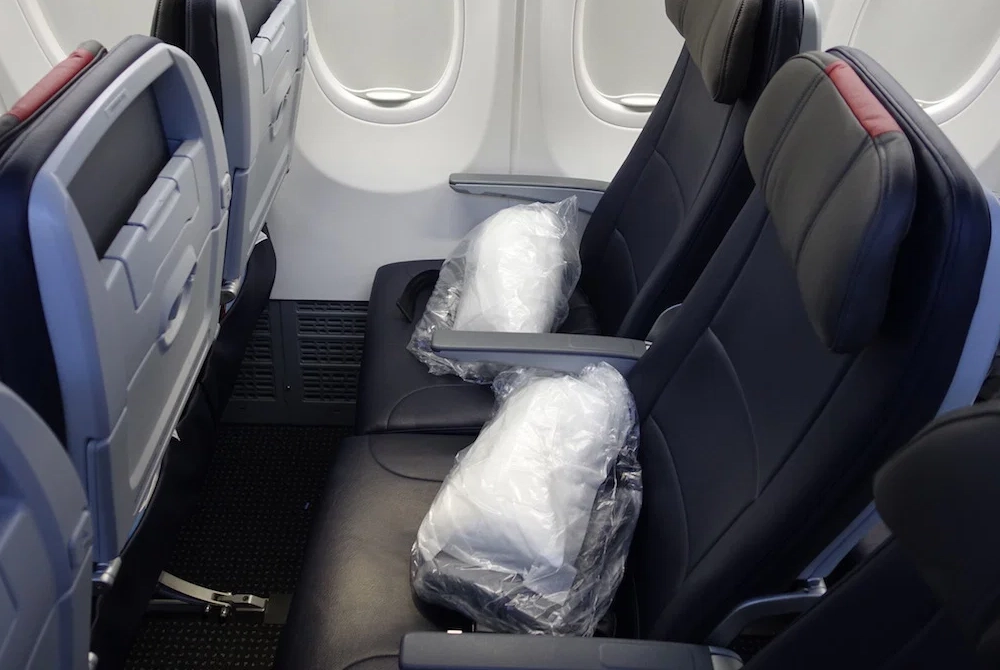
Yes, your seat reclines. That does not mean you need to launch it backward at full speed. The person behind you may have a laptop open. Their drink may be on the tray. They may be eating.
Flight attendants interviewed by Southern Living recommend checking behind you and reclining gradually instead of suddenly dropping the seat backward. Real Simple gives similar advice. Look behind you first and move the seat slowly.
Reclining itself is not automatically rude. The issue is awareness. You are using a feature that changes another passenger’s space. A two-second glance can prevent a spilled drink, a trapped laptop, or an argument.
14. Stop Drinking Before The Crew Has To Stop You
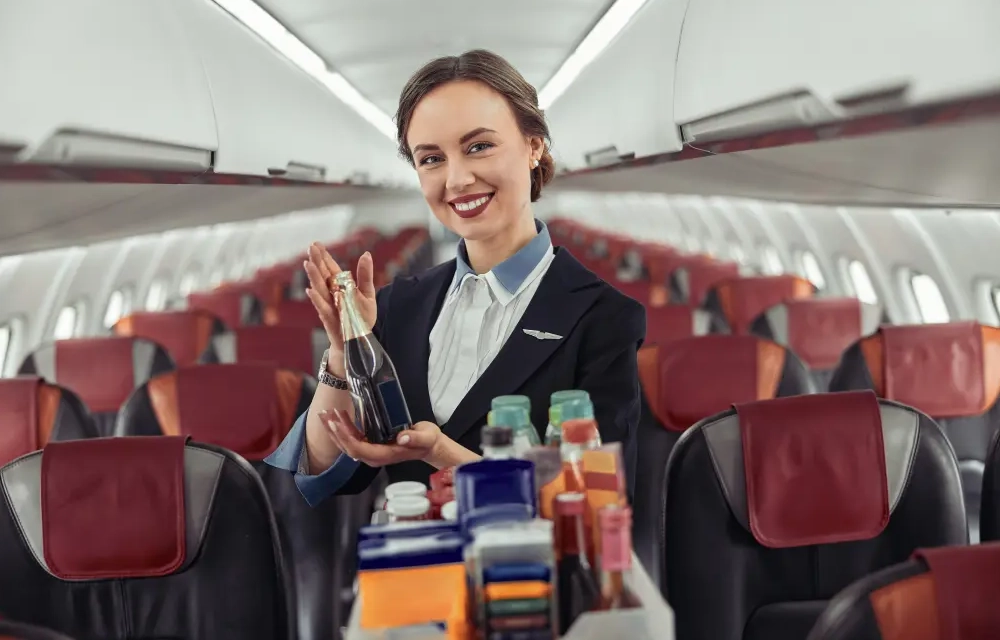
An airport drink is one thing. Getting so drunk that cabin crew has to decide whether you can safely fly is very different. Flight attendant Leanna Coy wrote in August 2026 that intoxication is the most common reason she personally has had passengers removed from flights.
Again, that is her experience rather than an industry-wide statistic. The actual rules are clear. The FAA says airlines cannot allow a passenger who appears intoxicated to board. It also says passengers cannot drink alcohol aboard the aircraft unless the alcohol is served by the airline.
This rule is still actively enforced. In May 2026, the FAA proposed a $165,000 civil penalty against Alaska Airlines over allegations that intoxicated passengers were allowed to board 11 flights during an earlier period.
The larger issue is safety. A drunk passenger may have trouble following instructions. They may also become harder to manage if something goes wrong.
The FAA says unruly passenger incident rates have fallen more than 80 percent from the record highs of early 2021, but recent increases show the problem has not disappeared. Having a drink is your choice. Making the crew manage your intoxication makes it everyone else’s problem.
The Best Airplane Etiquette Is Surprisingly Simple
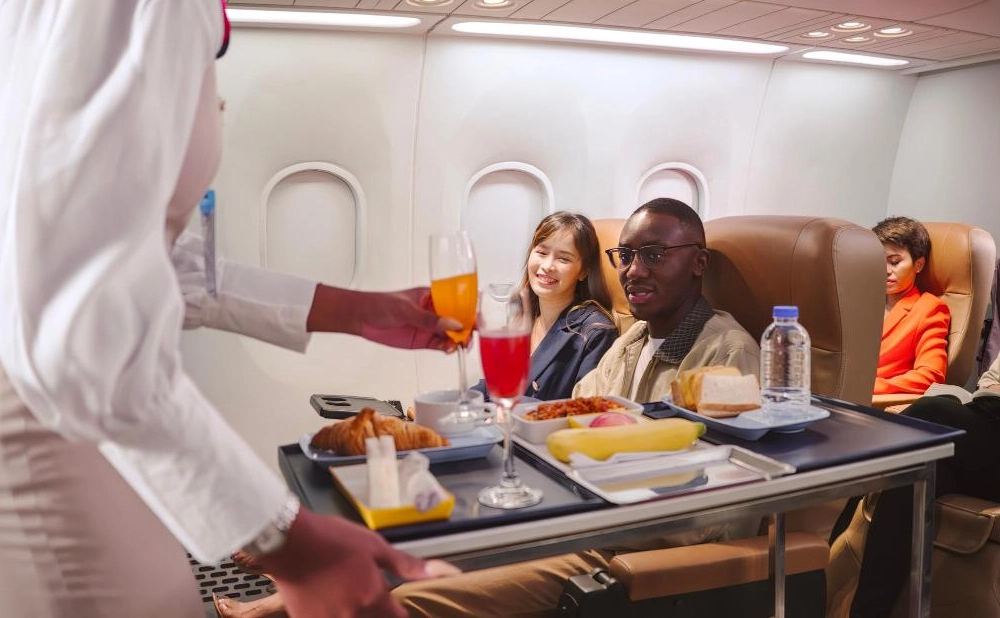
Most of these mistakes come down to three things. Awareness. Timing. Respect. You share the aisle. You share the overhead bins. You share a small cabin with a lot of strangers. Cabin crew also have safety duties that matter far more than getting you another drink.
You do not need to become the perfect passenger. Just notice what is happening around you. Get your belongings ready before boarding. Listen when crew members speak. Give people space. Keep your hands to yourself. And take that earbud out when someone is trying to ask what you want to drink.