
Some of the most beautiful places on Earth now have a strange problem. They do not need more visitors. They need better ways to handle the people already coming.
That matters if you are planning a big trip. You may spend thousands of dollars to see a famous view, then find packed streets, full parking lots, long lines, damaged trails, and hundreds of people trying to take the same photo.
This does not mean you should stop traveling. It means you should travel smarter.
Some of the most breathtaking places to visit are already using visitor limits, reservation systems, cruise controls, and trail rules. Santorini has a cruise passenger limit. Mount Fuji limits daily climbers on its busiest route. Machu Picchu controls how many people can enter each day.
Here are 15 places where tourism pressure is already changing how people visit, plus what you can do to enjoy them with fewer crowds.
15 Breathtaking Places to See Before the Crowds Ruin Them Forever

Why Are Beautiful Places Getting So Crowded?
The problem is not simply that more people travel. The bigger problem is that many visitors want to be in the same small place at the same time.
Social media can make this worse. One beach, bridge, mountain view, or village becomes famous. Soon thousands of travelers are trying to recreate the same photo.
Small towns and fragile natural areas feel that pressure much faster than large cities. Trails wear away. Parking fills. Local roads stop moving. Residents can struggle to use places that were built for everyday life.
Travel officials are responding with reservations, visitor limits, trail controls, and systems that spread people across different times and places. UNESCO has also supported methods that manage visitor numbers and spread tourism more evenly.
For you, there is a simple lesson.
Do not just choose where to go. Choose when and how to go.
1. Venice, Italy: Stay After the Day Crowds Leave
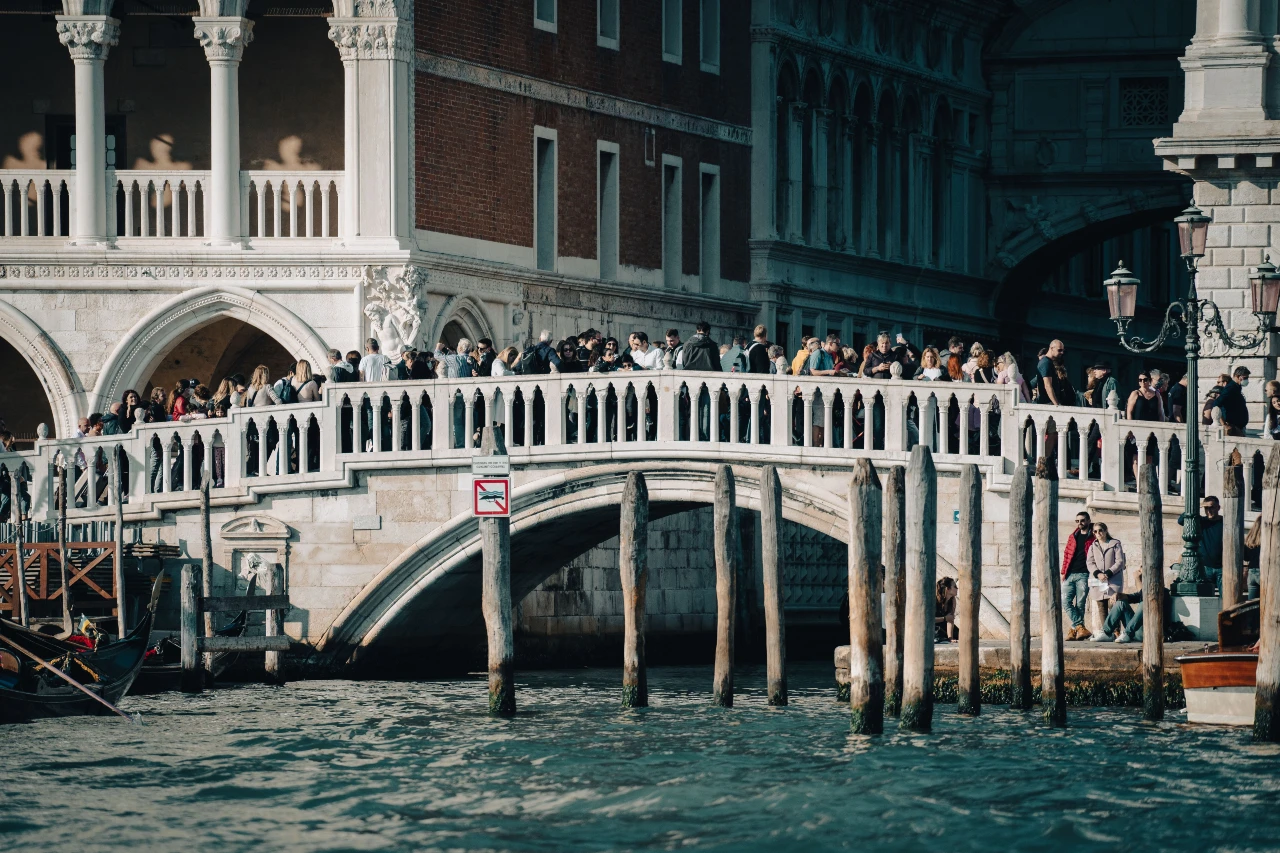
Venice can feel completely different early in the morning. Quiet canals reflect old buildings while workers prepare cafes and small boats move through the water.
A few hours later, the busiest parts of the city can be packed.
Venice has been testing ways to control heavy day visitor traffic. In 2026, the city applied an access fee on 60 selected days between April 3 and July 26.
City figures later showed 679,553 paid access vouchers. Officials also reported that the average daily number of paid vouchers was lower than in 2024.
The 2026 fee period has already ended, so travelers visiting later in the year should not assume the same rule is active. Always check the official Venice site before your trip because these rules can change.
The better way to see Venice is simple.
Stay overnight.
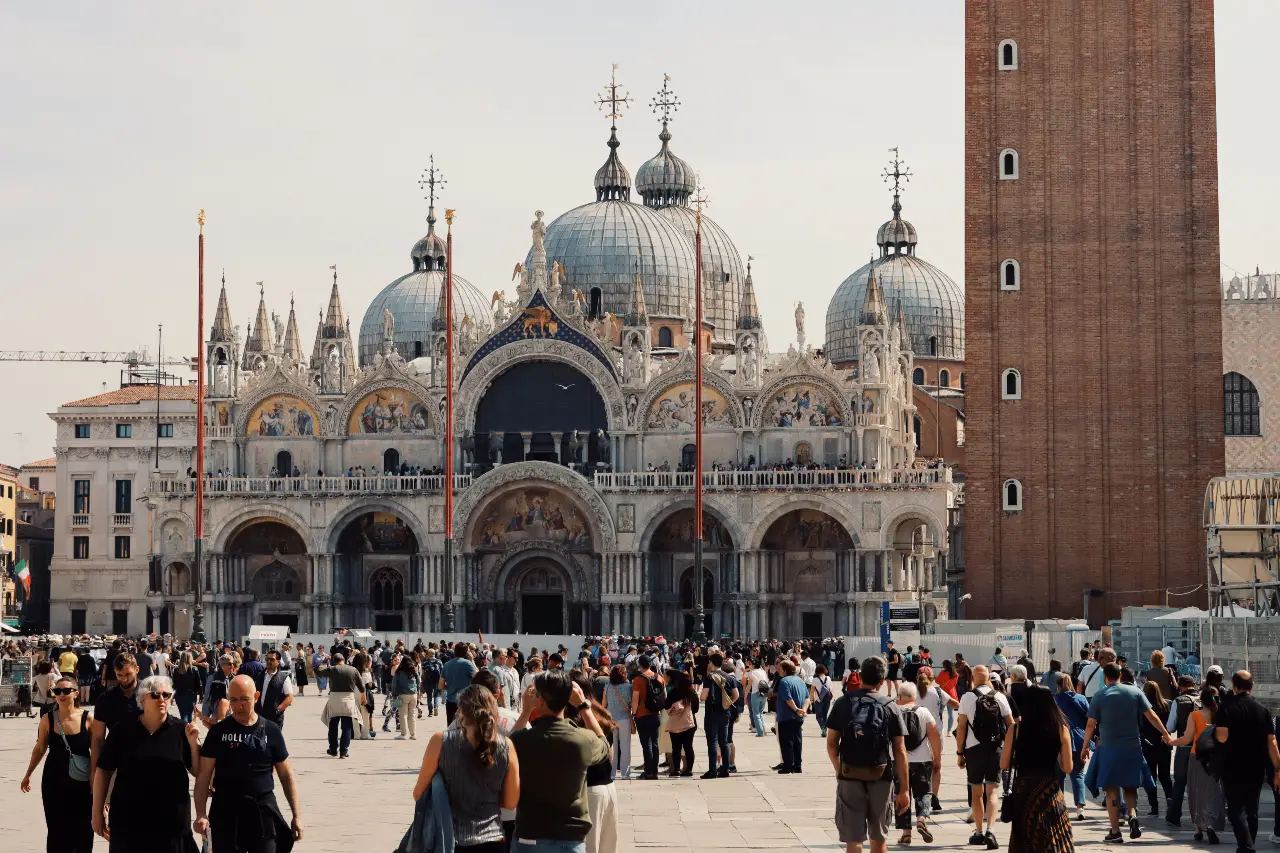
Many day visitors focus on St. Mark’s Square, the Rialto Bridge, and a few nearby streets. If you sleep in Venice, you can explore before many day groups arrive and after they leave.
Spend time in Cannaregio and Castello too. You will see more of the city and spend money in areas beyond its busiest sights.
Go smarter
Best lower pressure window: November, January, or early March
Crowd warning: Late morning through afternoon near major sights
Do this instead: Stay at least one night and walk early
2. Santorini, Greece: Do Not Let Oia Be Your Whole Trip

Santorini’s cliffs, white homes, and deep blue sea look almost unreal. That beauty is also why the island can feel overwhelmed during busy summer days.
The pressure is especially clear when cruise passengers arrive.
Santorini’s official 2026 port policy sets a maximum of 8,000 cruise passengers per day. Cruise requests that exceed the island’s capacity can be moved to another date.
That number tells you something important.
Crowding here is not just a complaint on social media. Local officials are actively trying to manage it.
Many visitors rush straight to Fira and Oia. This puts thousands of people into a small area, often at similar times.
Stay overnight instead.
Then visit Oia early or later in the evening. Spend part of your trip in Pyrgos, Emporio, or Akrotiri.
Late April, May, late September, and October can also give you a better balance between pleasant weather and lower visitor pressure.
Go smarter
Best lower pressure window: May or October
Crowd warning: Midday when cruise groups are active
Do this instead: Sleep on the island and explore beyond Oia
3. Dubrovnik, Croatia: Check the Cruise Schedule First
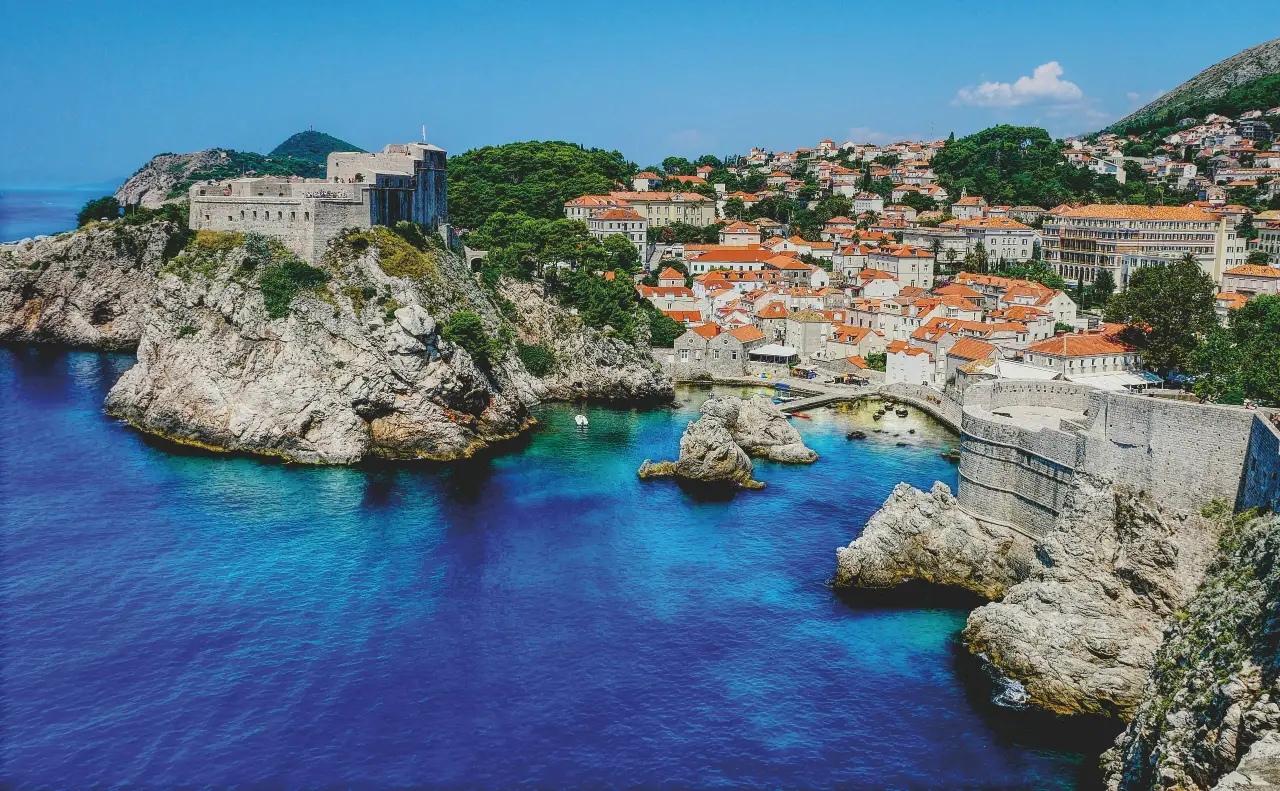
Dubrovnik’s old stone streets were built centuries before modern cruise tourism.
That difference in scale matters.
When several large groups arrive close together, the old city can feel crowded very quickly. Narrow streets and famous sites such as the city walls concentrate visitors into the same areas.
Dubrovnik Port Authority expected 461 cruise calls and 661,094 cruise passengers during 2026. By the end of June, more than 235,000 cruise passengers had already arrived.
You can use that information to your advantage.
Before choosing your main sightseeing day, check the port’s cruise schedule. A day with fewer large arrivals may feel very different from a heavy cruise day.
If possible, stay overnight in Dubrovnik.
Walk the Old Town early in the morning. Visit the walls before the busiest part of the day, then return in the evening when some tour groups have left.
That one planning step can improve the trip more than adding another attraction.
Go smarter
Best lower pressure window: Spring or early autumn
Crowd warning: Heavy cruise arrival days
Do this instead: Check the port schedule before planning Old Town sightseeing
4. Hallstatt, Austria: A Tiny Village Facing Huge Demand
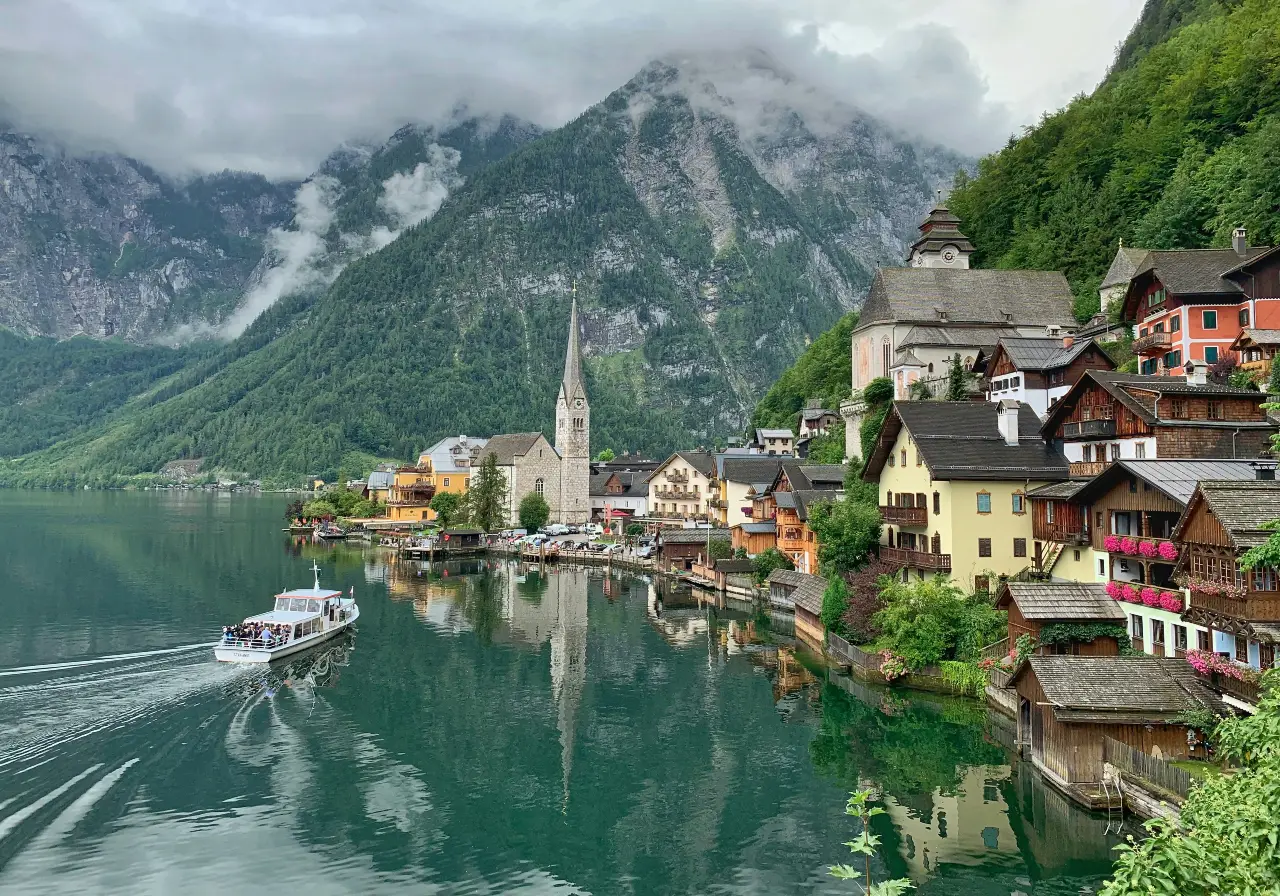
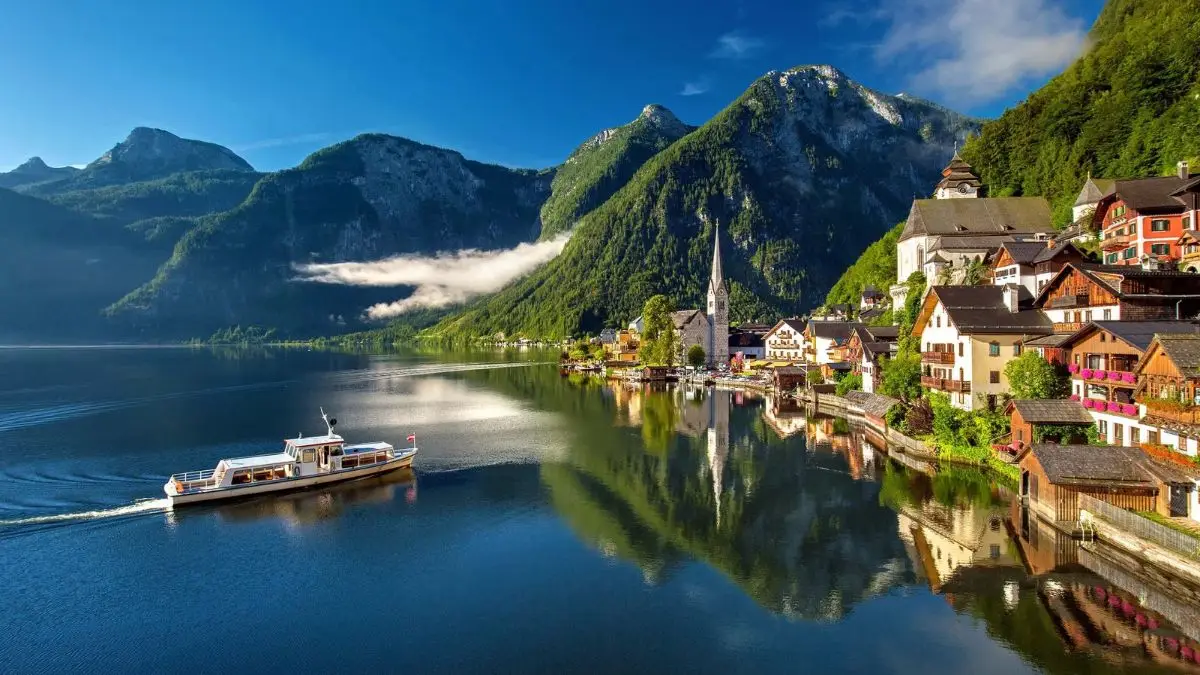
Hallstatt looks peaceful in photographs.
A lake sits below steep mountains. Historic homes line the shore. A church tower rises above the village.
The problem is size.
Hallstatt is small, but its fame is global. A 2026 visitor and transport study found support for a possible target of no more than 5,500 day visitors. An Austrian report also said peak days can bring as many as 10,000 day visitors.
That is a huge number for such a small place.
If Hallstatt is high on your list, do not treat it like a quick photo stop between bus rides.
Stay overnight in the village or nearby.
Then walk through Hallstatt early, before many day groups arrive. You will have more space and a better chance to notice details that disappear when the streets become crowded.
April and October can also be worth considering.
No month is guaranteed to be quiet, but avoiding the busiest summer period helps.
Go smarter
Best lower pressure window: April or October
Crowd warning: Peak day tour hours
Do this instead: Stay nearby and visit early
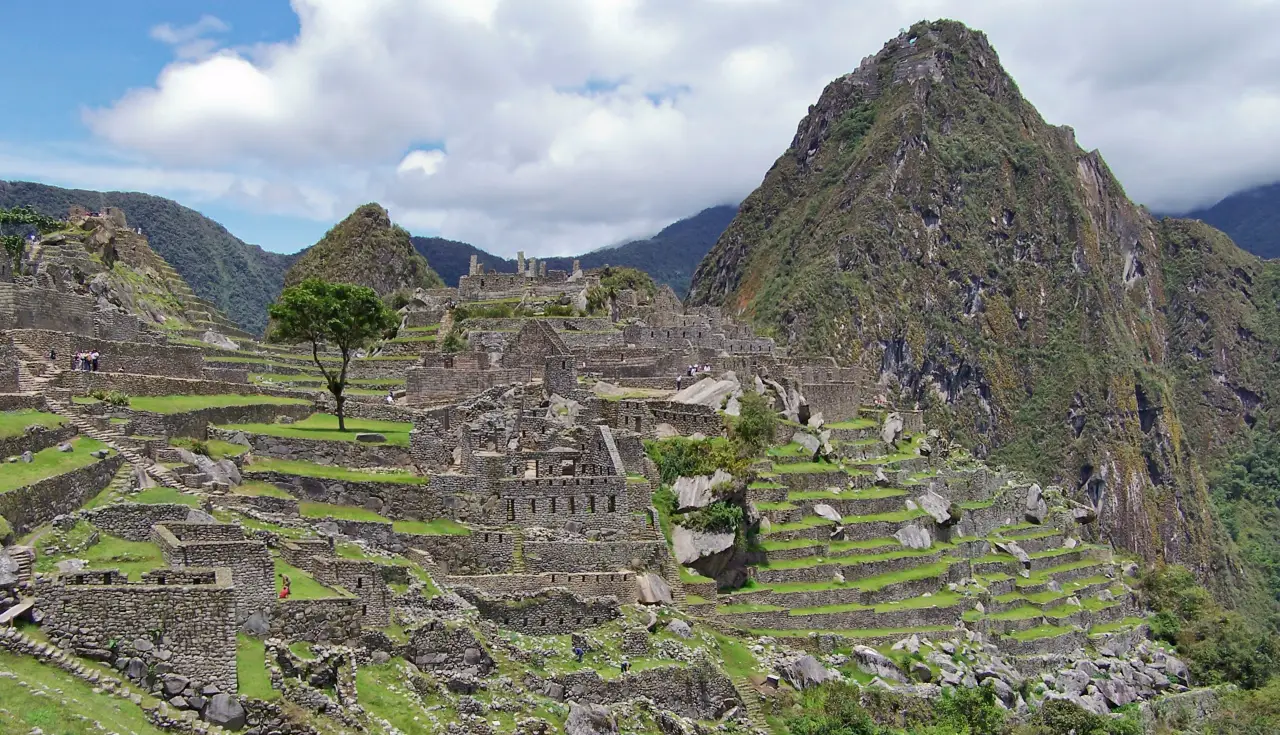
5. Machu Picchu, Peru: Choose Your Ticket Carefully
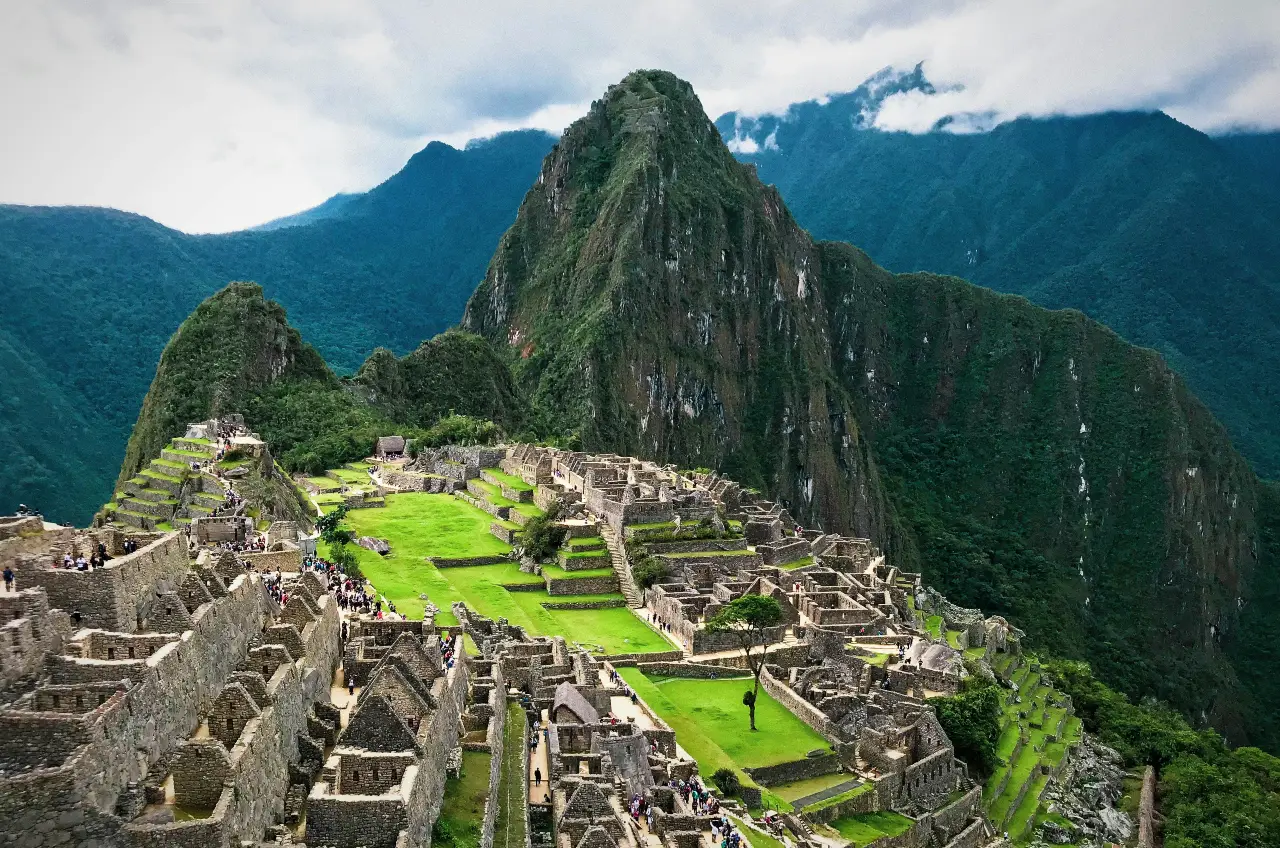
Machu Picchu is one of the clearest examples of why famous places need visitor controls.
You cannot simply arrive and wander anywhere you want.
Peru uses routes, ticket categories, and daily limits to control movement through the site.
For designated busy periods in 2026, the maximum was set at 5,600 visitors per day. Outside those periods, the limit remains 4,500 visitors per day.
That means the ticket you choose matters.
Different circuits can give you different views and access. Do not buy the first ticket you find without checking exactly what it includes.
Book early when possible.
Also consider spending time in the Sacred Valley rather than rushing from one major attraction to another.
A slower plan gives you more time to deal with weather, transport, altitude, and ticket schedules.
Machu Picchu is still remarkable. But this is one place where good planning is part of the experience.
Go smarter
Best lower-pressure choice: Travel outside the busiest holiday dates when practical
Crowd warning: Popular circuits can sell out faster
Do this instead: Check your exact circuit before paying
6. Mount Fuji, Japan: The Famous Climb Now Has Clear Limits

For many people, climbing Mount Fuji is a once-in-a-lifetime goal.
That popularity has created crowd and safety problems.
The Yoshida Trail is the most heavily used route. In 2026, it had a daily limit of 4,000 climbers and a ¥4,000 fee.
The main climbing season ran from July 1 through September 10. Certain gate hours also restricted hikers who did not have mountain hut reservations.
There is an important detail here.
The 4,000-person limit was not reached during the 2026 season. So it would be wrong to claim that the trail fills every day.
Still, the rules show how seriously officials now take crowding and unsafe climbing.
Do not attempt a rushed overnight climb just to reach sunrise.
Reserve properly. Bring real mountain clothing. Check weather conditions. Consider using a mountain hut.
The summit is not worth putting yourself or rescue teams at risk.
Go smarter
Best choice: A weekday during the official season
Crowd warning: Sunrise periods and popular climbing dates
Do this instead: Reserve early and use proper mountain gear
7. Komodo National Park, Indonesia: Protect the Place You Came to See
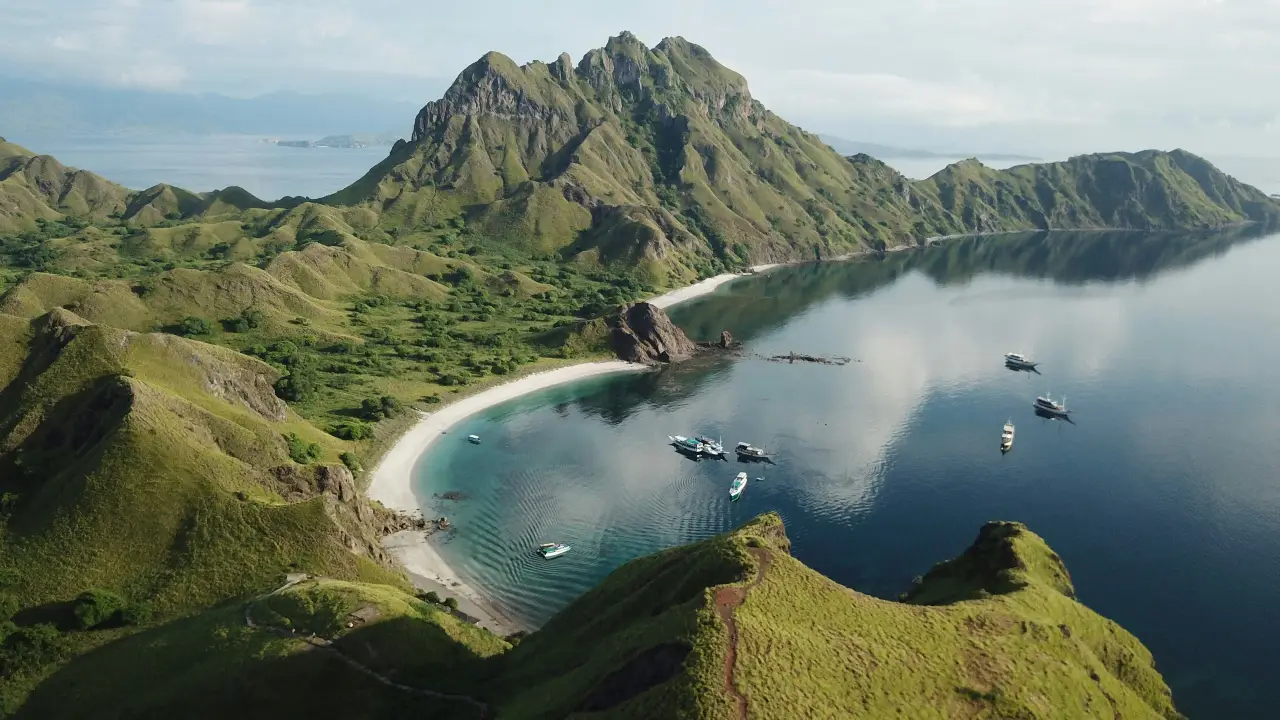
Komodo National Park is famous for giant lizards, steep island hills, clear water, coral reefs, and dramatic views from Padar Island.
Those sights now attract heavy tourism pressure.
In April 2026, Indonesia’s Ministry of Forestry announced visitor quotas covering Padar, Rinca, Komodo, and 23 nearby dive sites. Officials linked the move to research about long-term tourism pressure and environmental damage.
This is one of the clearest examples of why places to visit before overtourism need more than pretty photos.
Wild animals need space.
Marine areas also suffer when too many boats and visitors collect in the same places.
Choose a legal and responsible local operator. Follow ranger instructions. Keep your distance from wildlife.
Do not chase a dragon for a photo or block trails while trying to create social media content.
The best trip is one that lets you see the park without making life harder for the animals living there.
Go smarter
Best choice: Travel outside major holiday rush periods
Crowd warning: Famous island viewpoints and busy boat routes
Do this instead: Use a licensed operator and follow park rules
8. Ha Long Bay and Cat Ba, Vietnam: The View Is Under Pressure
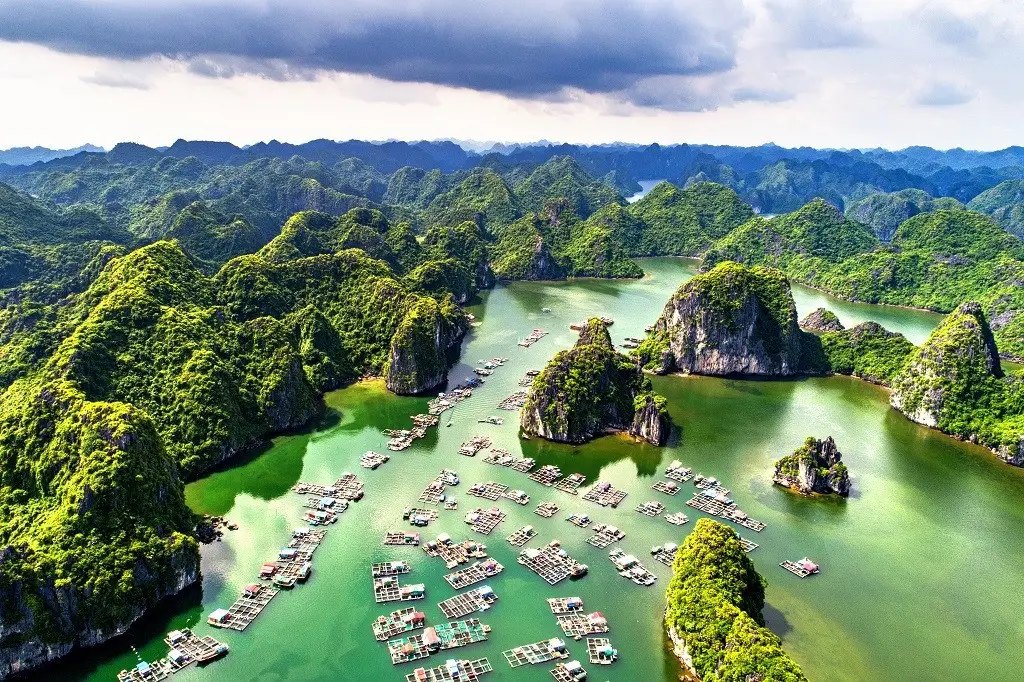
Ha Long Bay is known for tall limestone islands rising from green water.
The view is unforgettable.
But the area also faces pressure from tourism, construction, pollution, and heavy visitor use.
In a 2026 World Heritage decision, UNESCO said the scale and speed of tourism and city development were already affecting coastal views and natural systems around Ha Long Bay and the Cat Ba area.
That makes this more than a simple crowd problem.
What gets built around a famous place can change the experience too.
Instead of choosing the shortest and busiest sightseeing cruise, consider spending more time in the region.
Look at smaller operators. Consider staying on Cat Ba. Ask how waste is handled.
A cheaper tour is not always the better choice if it depends on rushing large numbers of people through the same route.
This is one of the breathtaking places to visit where your choice of operator can matter almost as much as your travel date.
Go smarter
Best choice: A longer stay rather than a rushed day cruise
Crowd warning: Popular departure times and short mass tours
Do this instead: Compare operators and spend more time in Cat Ba
9. Calanque de Sugiton, France: Too Many Feet Can Change the Land
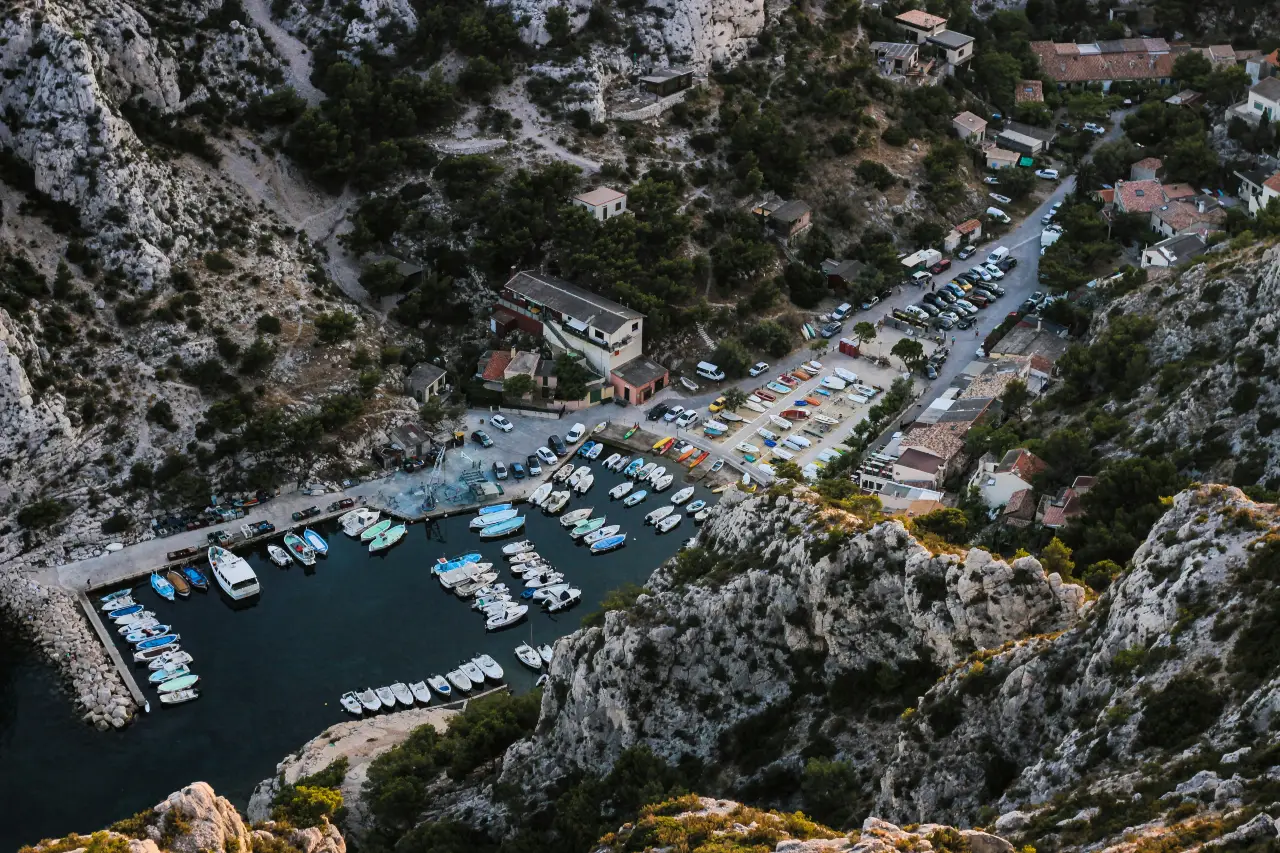
Sugiton shows what crowd pressure can do in a very direct way.
This beautiful cove near Marseille once received as many as 2,500 visitors in a single day.
Repeated foot traffic damaged the ground. Tree roots became exposed. New plants struggled to grow.
The park responded with a reservation system.
During parts of summer 2026, free reservations were required to enter Sugiton. Controlled access in earlier years helped keep daily attendance much lower than old peak levels.
This is an important lesson.
A trail does not need litter or graffiti to suffer damage. Thousands of shoes using the same fragile ground can be enough.
If reservations are required when you travel, make one.
If the area is closed, do not sneak around a barrier.
And do not leave marked paths just because a better photo seems to be a few steps away.
Go smarter
Best lower pressure window: May or early autumn
Crowd warning: Busy summer weekends
Do this instead: Check reservation rules before leaving Marseille
10. Faroe Islands: Remote Does Not Mean Empty
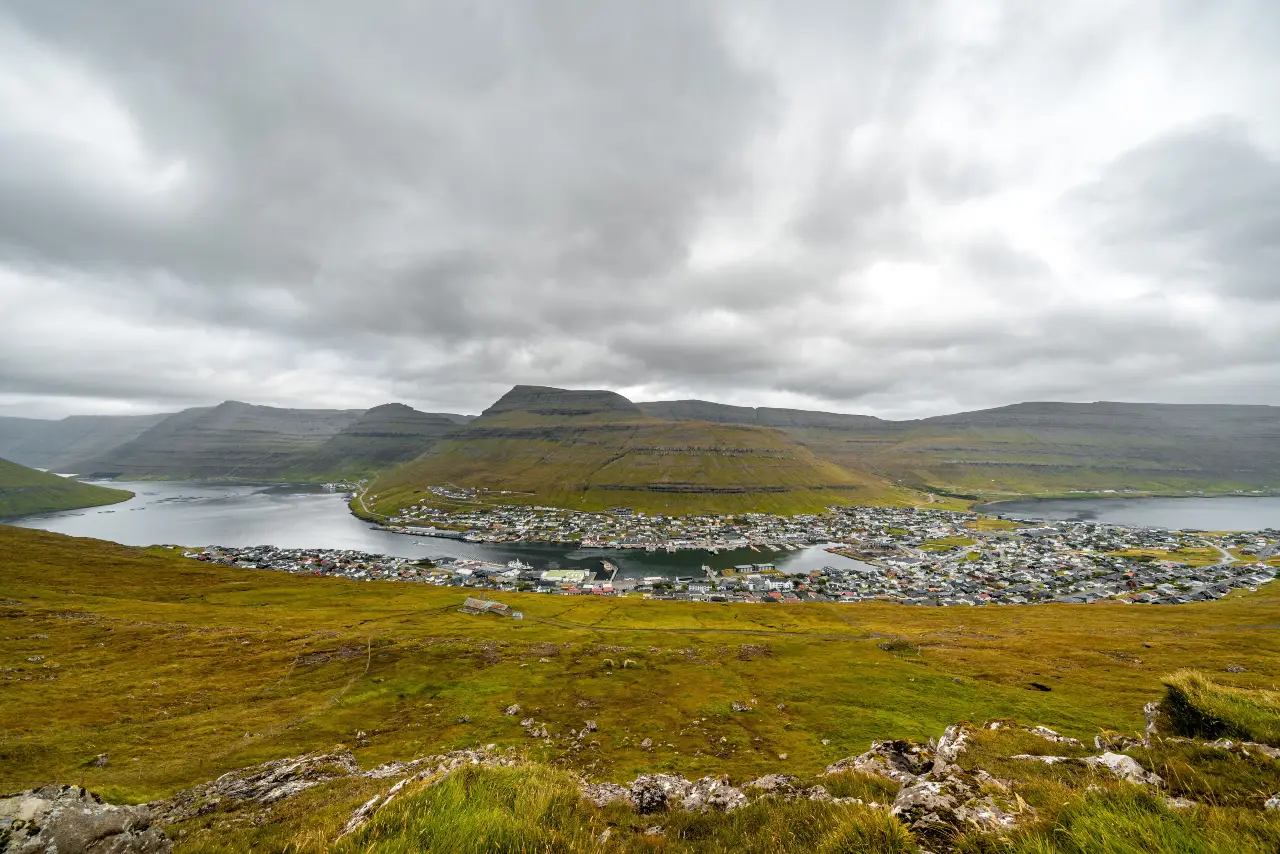
The Faroe Islands can look almost untouched.
Green cliffs rise above dark water. Small villages sit below steep mountains. Sheep wander across open land.
But even remote landscapes need repairs.
The official Faroe Islands tourism organization says between 6 and 11 sites have closed for maintenance each year since 2019. Work has included trails, viewpoints, erosion control, and visitor facilities.
The lesson is simple.
A place can look wild while still being sensitive to human traffic.
Stay on official paths.
Respect private land.
Do not follow random online directions to unofficial photo locations. A social media post may make a place look public even when the land belongs to a local family.
You can still enjoy the Faroes. Just treat the landscape as someone’s home, because in many cases it is.
Go smarter
Best choice: Spread your trip across several islands and villages
Crowd warning: Famous viewpoints promoted online
Do this instead: Follow official paths and local access rules
11. Arches National Park, Utah: Arrive Before the Parking Problem Starts
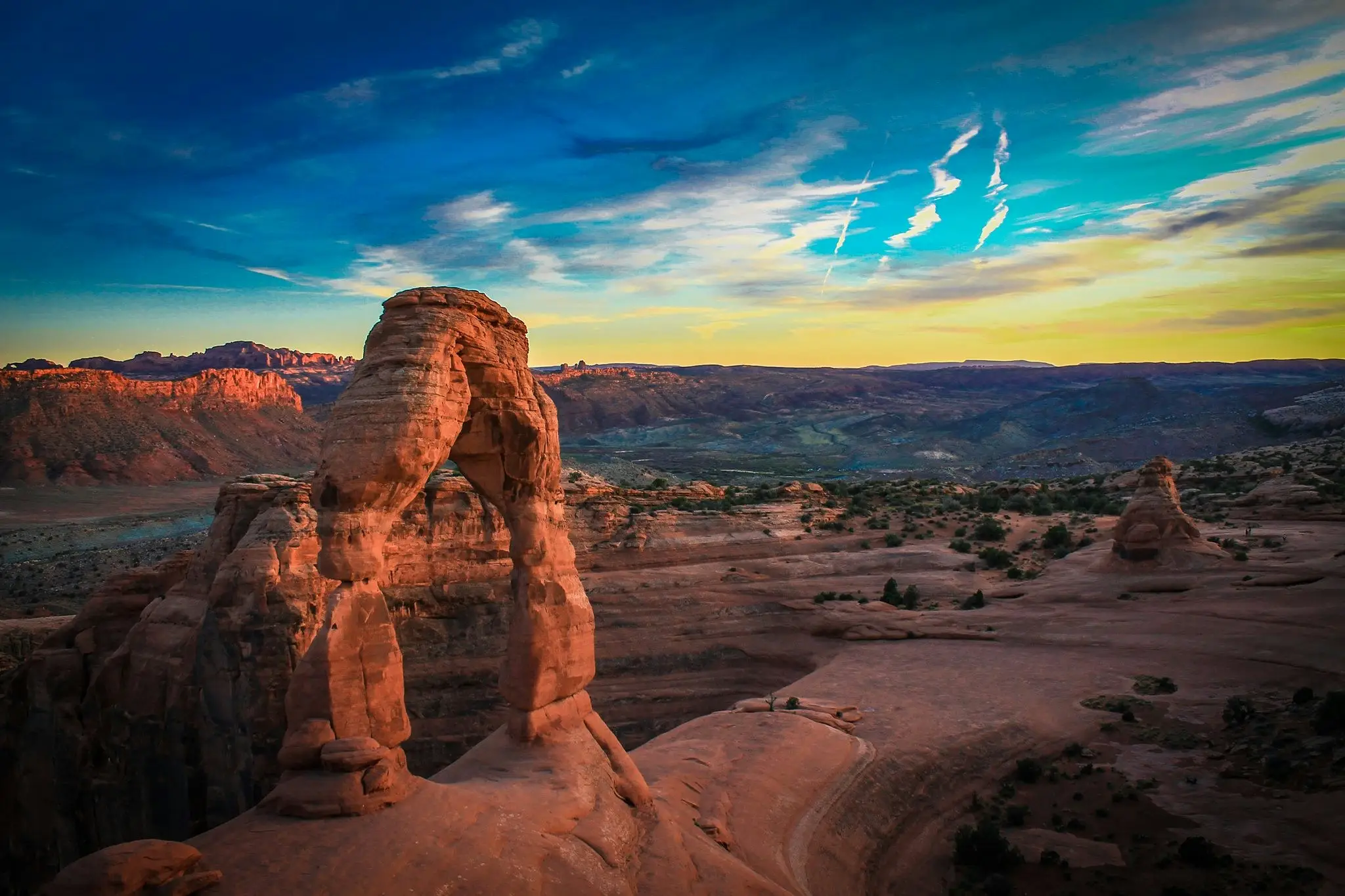
Arches National Park does not hide its famous sights.
Delicate Arch, Balanced Rock, and the Windows pull visitors toward a small group of locations.
That creates pressure on roads and parking.
Arches recorded more than 1.5 million recreation visits in 2025. In 2026, the park removed its broad timed entry system, but officials warned that short traffic controls could still be used when roads and parking areas reach capacity.
For visitors, the lesson is practical.
Do not build your whole day around arriving at the busiest parking lot at noon.
Start early.
Another option is to visit in the evening and stay after sunset. Arches is known for dark skies, so the park can offer a completely different experience after the main daytime rush fades.
Carry water. Stay on marked routes. Never park where you block traffic or damage roadside ground.
Go smarter
Best choice: Sunrise or evening
Crowd warning: Major trailhead parking lots
Do this instead: Plan around light and parking, not just attractions
12. Glacier National Park, Montana: One Road Can Shape the Whole Day

Going to the Sun Road is one of America’s great mountain drives.
It is also a major traffic bottleneck.
Many visitors want the same viewpoints, trails, and parking spaces. Logan Pass is one of the clearest examples.
In 2026, Glacier continued using parking limits and temporary vehicle controls when busy areas reached safety limits. Park planning also notes that visitor demand can exceed the capacity of roads and facilities in popular areas.
That can turn a beautiful day into hours of waiting if you arrive with no plan.
Use park shuttles when they fit your route.
Check road conditions before leaving.
Consider September if your schedule allows and conditions are still suitable.
Most important, have a second option.
If one parking area is full, do not keep circling for an hour. Move to another trail or viewpoint and come back later.
Go smarter
Best choice: Early morning or September
Crowd warning: Logan Pass parking
Do this instead: Use shuttles and keep a backup plan
13. Angels Landing, Zion: You Need More Than Good Hiking Shoes
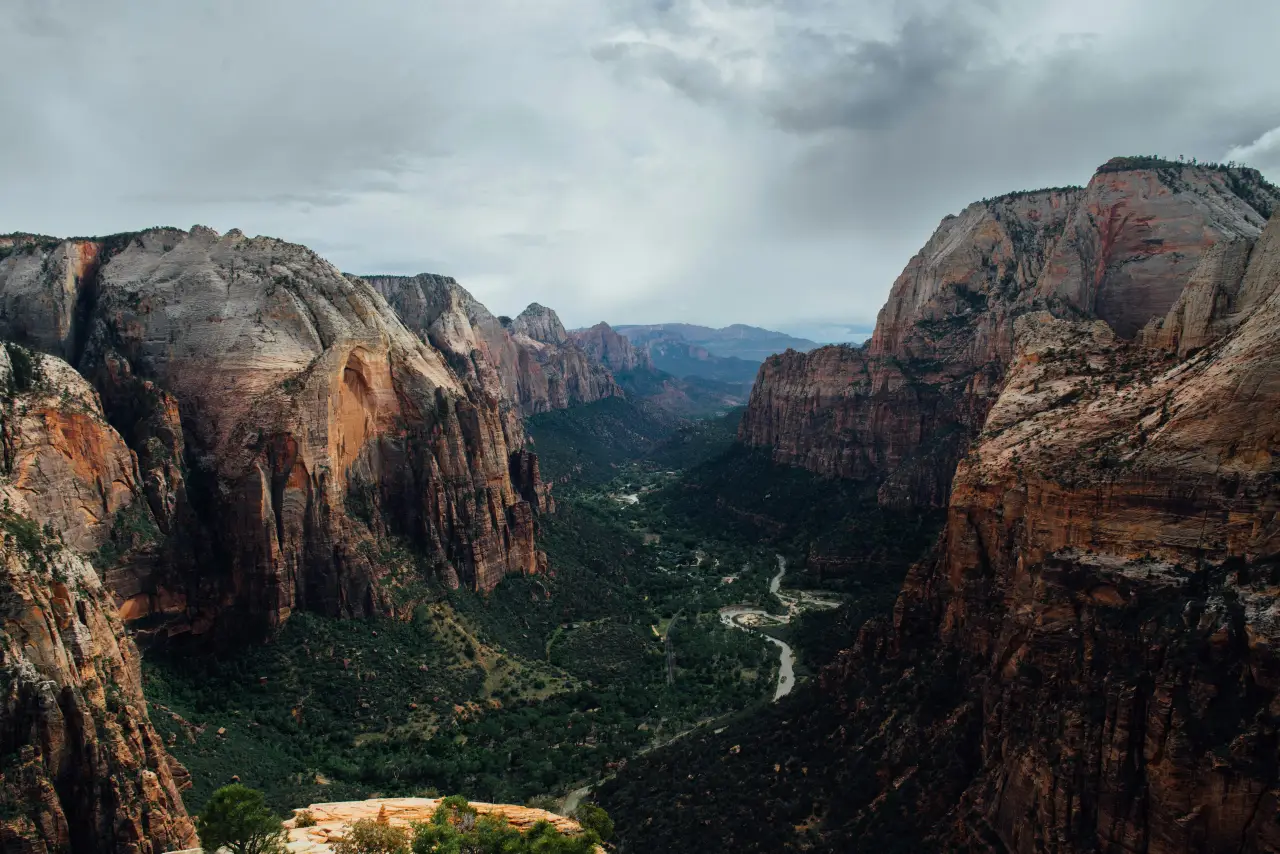
Angels Landing became famous because the final ridge looks dramatic and exposed.
That fame also created crowd and safety concerns.
Today, everyone hiking the permit section needs approval through Zion’s permit system. Visitors can apply through seasonal lotteries or a day-before lottery.
The permit system has helped reduce crowd pressure on the route.
But losing the lottery does not mean your day is ruined.
You can still hike to Scout Lookout without an Angels Landing permit. That gives you a strong hike and impressive views without entering the permit section.
Apply for a permit if Angels Landing is important to you.
But do not treat the chains section as something you must complete for your trip to count.
Zion has many other trails.
Sometimes the smarter travel choice is accepting that one famous photo is not worth forcing.
Go smarter
Best choice: Try for a midweek permit
Crowd warning: Popular holiday and weekend dates
Do this instead: Hike to Scout Lookout if you do not get a permit
14. Cinque Terre, Italy: Even the Famous Trails Need Crowd Control
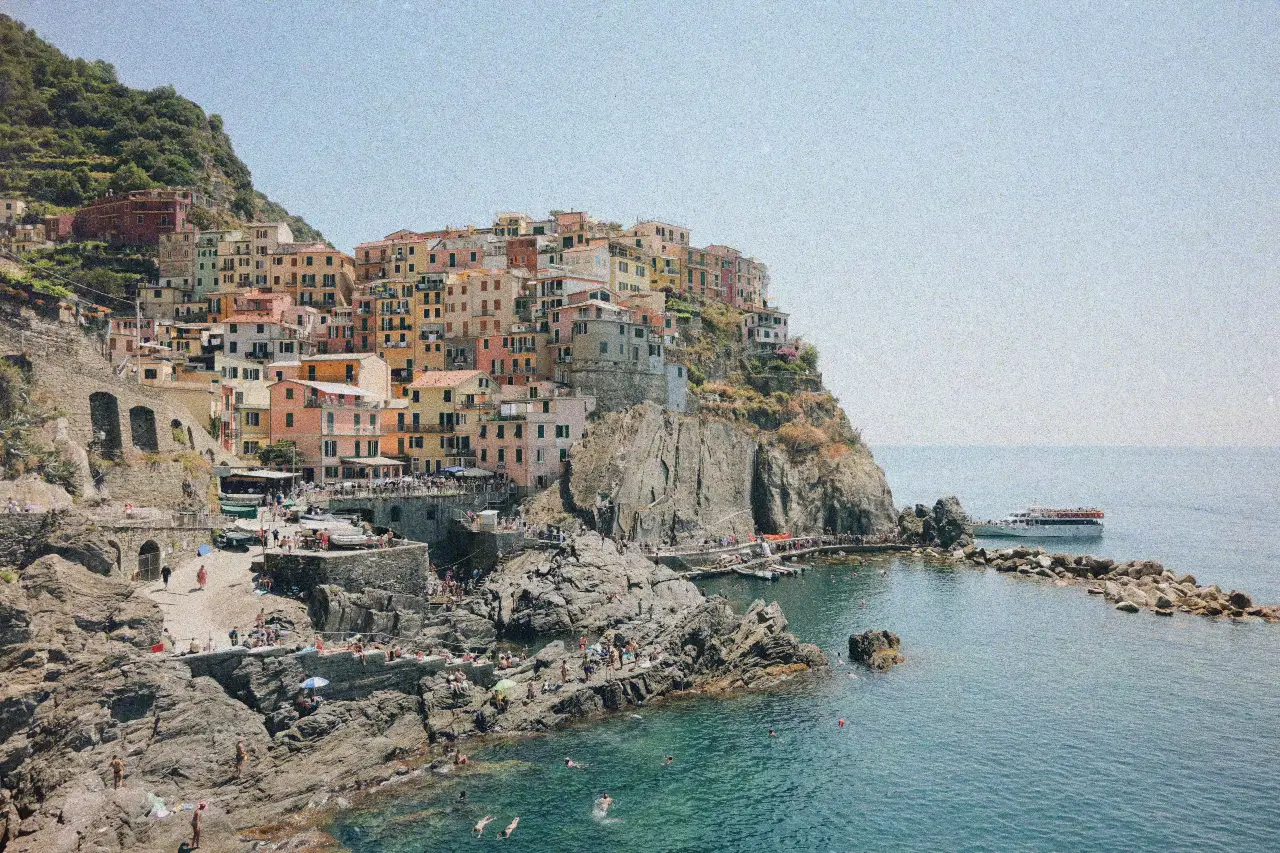
Cinque Terre looks like the perfect slow Italian escape.
Five colorful villages cling to steep hills above the Ligurian Sea. Walking trails connect vineyards, cliffs, beaches, and small towns that seem made for exploring on foot.
But those narrow trails can handle only so many people at once.
In 2026, Cinque Terre National Park used one way walking rules on the popular trail between Monterosso and Vernazza during several high traffic dates. Park monitoring showed that more than 70 percent of hikers naturally used the route from Monterosso toward Vernazza.
The famous Via dell’Amore is also managed through timed reservations. Visitors must choose a specific entry time, and the route allows a maximum of 200 people every 30 minutes. It is walked in one direction from Riomaggiore to Manarola.
That changes how you should plan a Cinque Terre trip.
Do not arrive expecting to walk every famous trail whenever you want.
Check current trail conditions first. Reserve controlled routes before your visit. Start walks early when temperatures are lower and trains are less crowded.
The park also advised hikers in summer 2026 to avoid exposed trails between 11 a.m. and 5 p.m. during periods of high heat.
Stay for two or three nights if your schedule allows. That gives you time to explore more than Vernazza and Manarola during the busiest afternoon hours.
Go smarter
Best lower pressure window: April, May, late September, or October
Crowd warning: Famous coastal trails and village train stations during midday
Do this instead: Check the official trail map, reserve controlled paths, and walk early
15. Mostar, Bosnia and Herzegovina: Stay After the Buses Leave

Most visitors know Mostar because of Stari Most, the famous stone bridge over the Neretva River.
The bridge deserves attention.
But when almost everyone gathers around one small area, much of the city gets ignored.
UNESCO has described Mostar as dealing with a high number of day visitors. It has supported efforts such as the Mostar Pass to encourage travelers to stay longer and explore more cultural sites.
That gives you an easy way to improve your trip.
Stay overnight.
Walk around the bridge early in the morning or later in the evening. Spend time away from the busiest streets.
Eat at locally owned restaurants. Visit cultural sites beyond the bridge.
You may discover that Mostar becomes much more interesting once you stop treating it as a two-hour photo stop.
Go smarter
Best choice: Stay at least one night
Crowd warning: Main day tour hours
Do this instead: Explore after large tour groups leave
6 Ways to Visit Famous Places Without Making the Problem Worse
You do not need to stop visiting popular places.
You do need to make better choices.
1. Travel Outside the Busiest Season
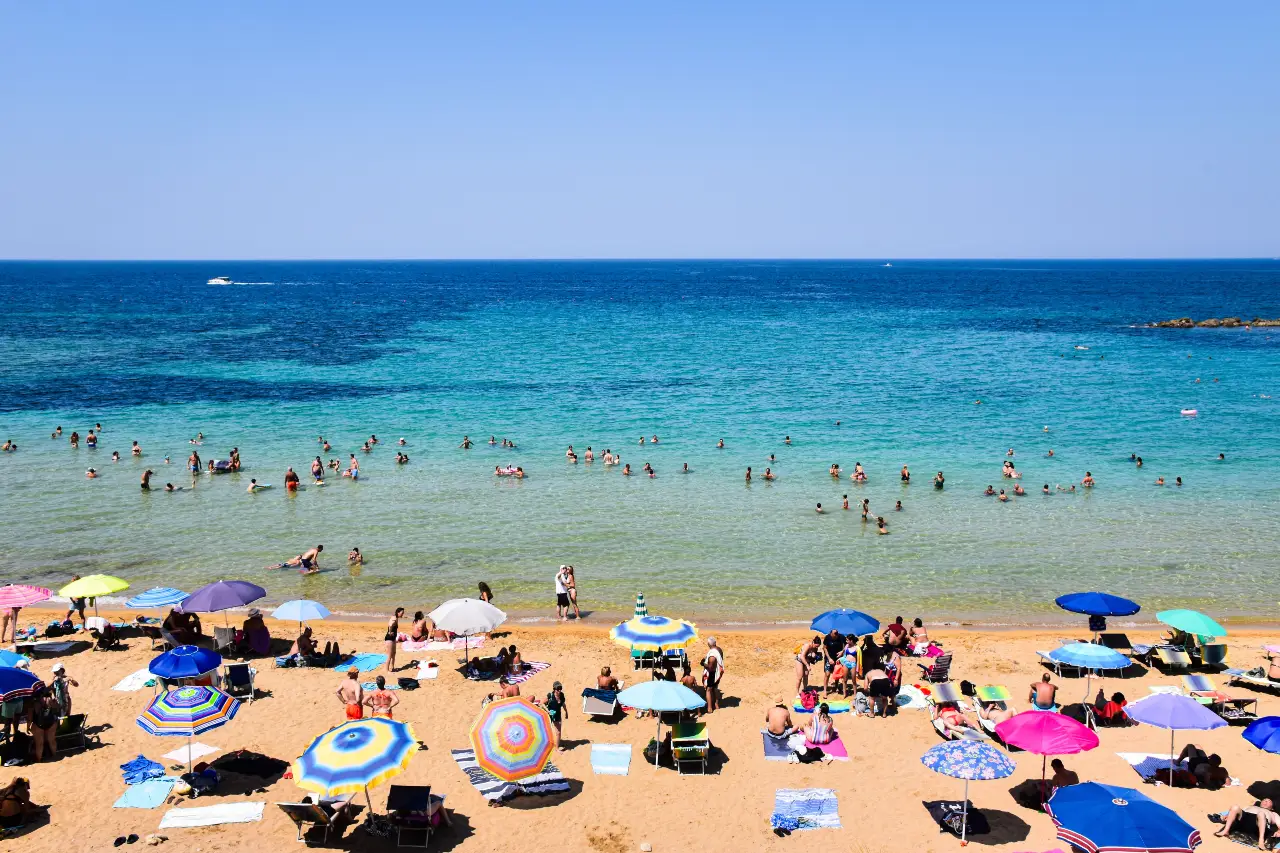
July and August are not always the best months for Europe.
The busiest month is often the month when prices rise, temperatures climb, and major sights feel least enjoyable.
Try May, October, or another shoulder month when weather still works for the destination.
2. Stay Overnight
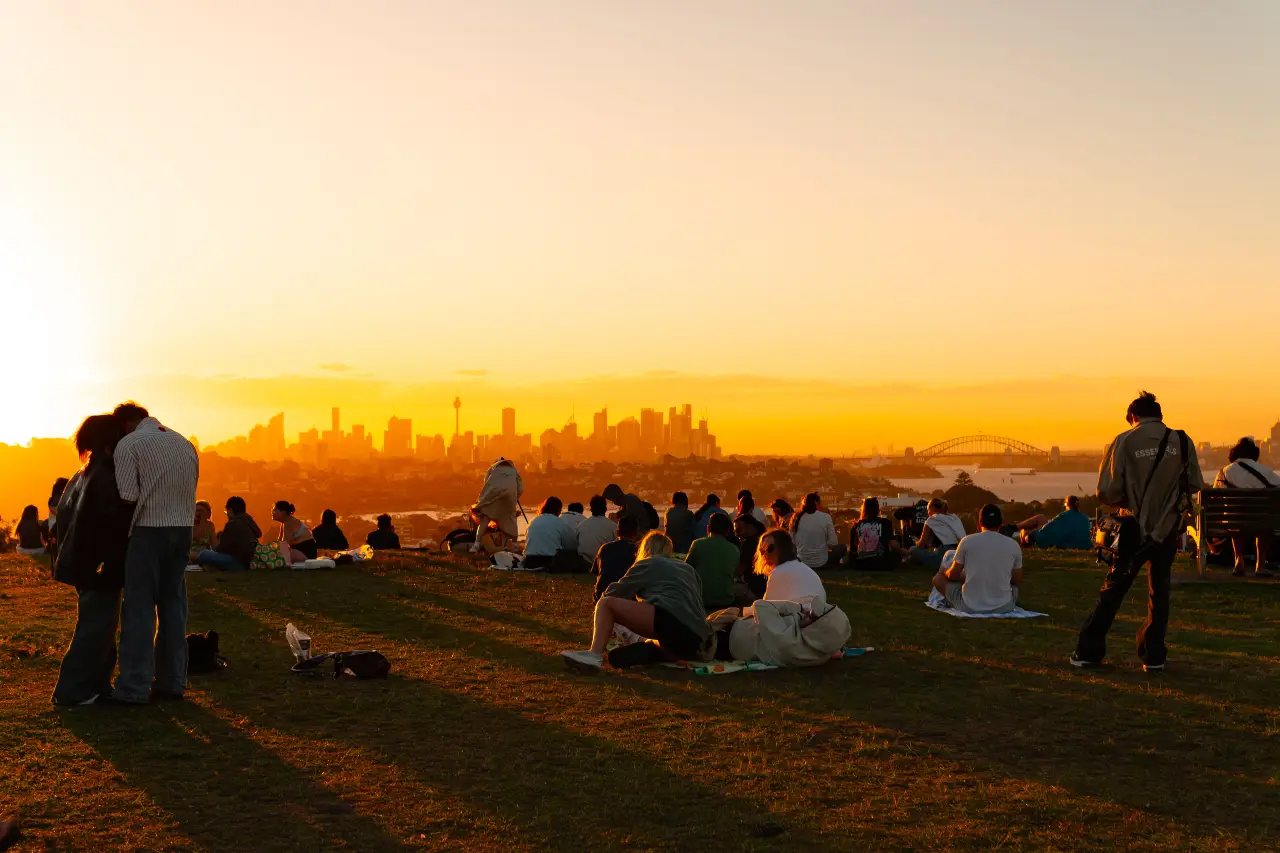
Day trips often bring thousands of people to a place in the same few hours.
Staying overnight lets you explore early and late.
It also sends more of your travel spending to hotels, restaurants, shops, and local services.
3. Check Cruise Schedules
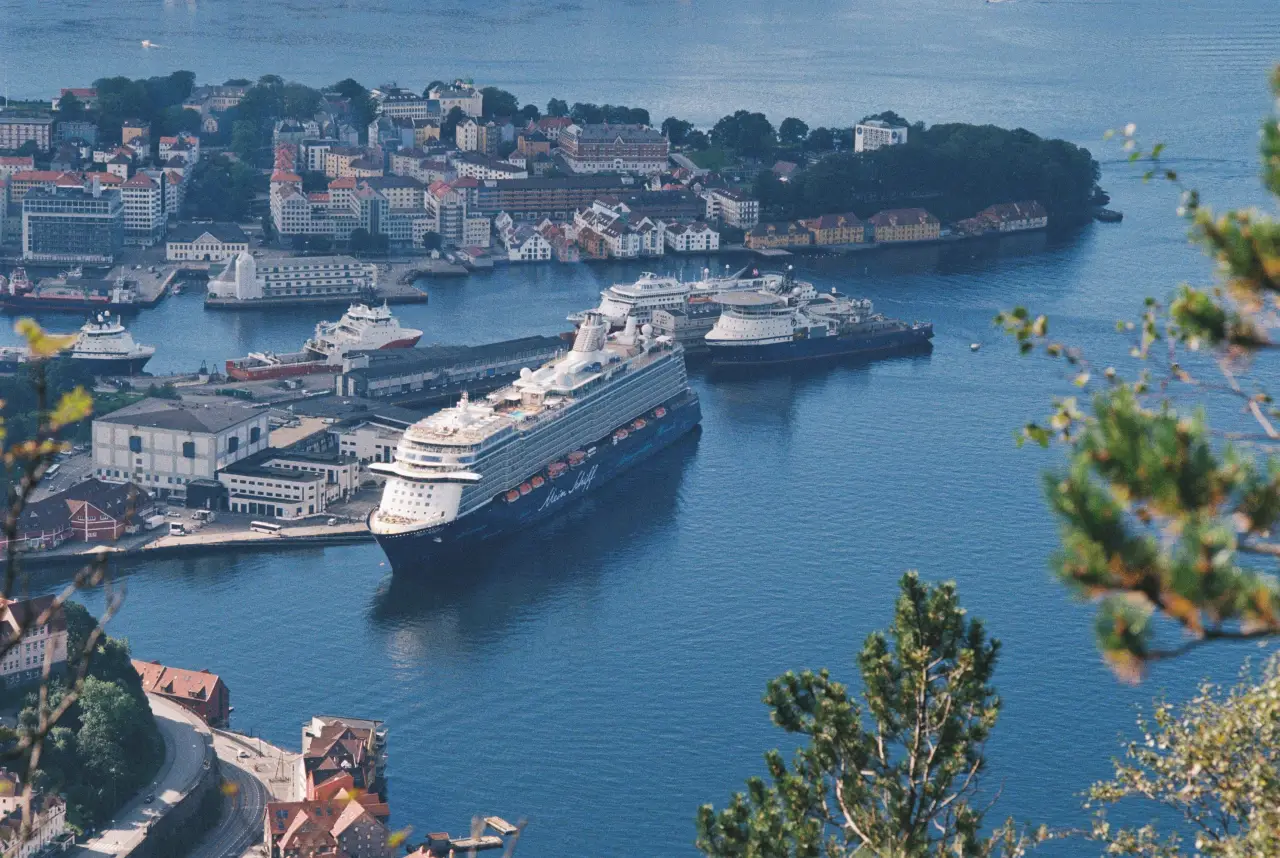
This is one of the easiest crowd planning tricks.
Before visiting a cruise city or island, look at the local port schedule.
A place can feel very different on a light cruise day compared with a day when several large ships arrive.
4. Book Controlled Attractions Early
Machu Picchu, Mount Fuji routes, Angels Landing, and Sugiton show why this matters.
Do not assume you can buy everything at the entrance.
Check official rules before you book flights and hotels.
5. Spend Money Beyond the Famous View
If thousands of people photograph one bridge but never buy lunch, sleep locally, or visit another attraction, the benefits of tourism are very narrow.
Explore more.
Buy from local businesses.
Stay longer when it makes sense.
6. Respect Closures and Trails
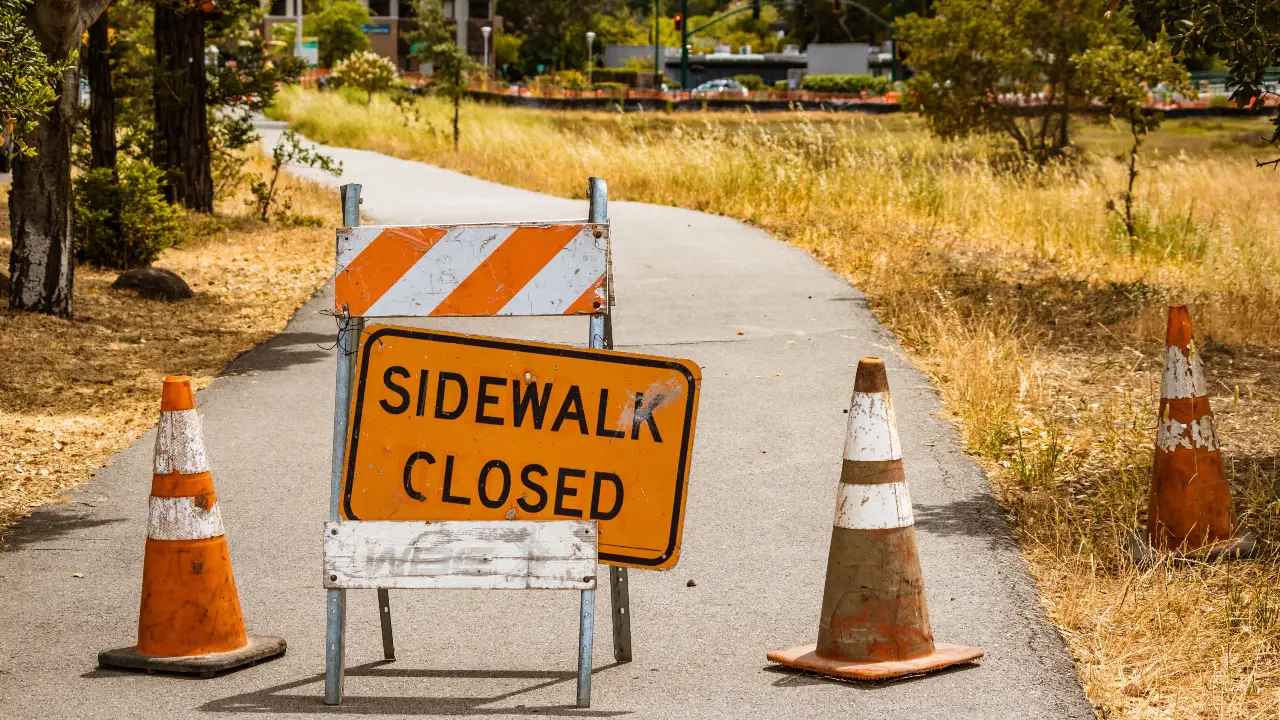
A closed route is not a personal challenge.
Do not cross barriers for a photo.
Do not create your own trail.
Do not enter private land because someone on social media did it first.
UNESCO encourages spreading visitors across different places and times when tourism pressure becomes too concentrated. That idea sits at the heart of responsible travel and many sustainable travel destinations in 2026.
These Places Are Not Doomed Yet
The title of this article sounds dramatic, but there is an important truth behind it.
These places are not certain to be ruined.
Some are already taking serious steps to control crowds, repair trails, protect wildlife, manage traffic, and spread visitors across different areas.
You can help too.
Travel outside peak periods when possible. Stay longer. Follow reservation rules. Respect closures. Spend money with local businesses. Visit famous places early or late instead of joining the biggest midday rush.
The best breathtaking places to visit will stay beautiful longer if travelers stop asking only, “How do I get the photo?”
Ask one more question.
How can I leave this place as good as I found it?