
A $1,000 monthly budget can disappear fast in the United States. In many cities, that amount may not even cover a small apartment.
Move the same budget to the right country, though, and the numbers can look very different. Finding countries where you can live on $1,000 a month is still possible in 2026, especially if you rent locally, eat mostly local food, and avoid expensive tourist districts.
But there is an important catch. Cheap does not mean you will live in a palace with a driver and private chef.
The goal here is a comfortable everyday life with housing, food, utilities, transportation, and some room for fun. International flights, visa fees, health insurance, emergencies, and frequent luxury spending are separate.
The 15 countries below all have national cost estimates below $1,000 per month for one person. Some leave hundreds of dollars to spare. Others require much tighter planning.
15 Countries Where You Can Live Like Royalty on $1,000 a Month
Can You Really Live Abroad on $1,000 a Month in 2026?

Yes, but where you live inside a country matters almost as much as the country itself.
Livingcost estimated the June 2026 monthly cost for one person at about $361 in Nepal, $409 in India, $637 in Vietnam, $818 in Malaysia, and $882 in Thailand. Those figures include rent.
That spread tells you something important.
A $1,000 income in Nepal gives you much more room than the same income in Thailand. In Thailand, a few expensive restaurant meals or a higher rent could push you past the limit.
Country averages also hide large local differences. A smaller city may be affordable while a beach resort or famous capital neighborhood costs much more.
For this article, the $1,000 target means ordinary monthly living costs for one adult.
It can include housing, basic utilities, groceries, local meals, local transportation, a phone plan, and normal personal spending.
It does not automatically include international flights, private health insurance, immigration costs, trips back home, major medical bills, a car, imported food, or frequent nightlife.
That distinction matters because many cheap living claims leave out the expenses that can ruin a budget.
2026 Cost Comparison at a Glance
Here is the basic picture based on June 2026 LivingCost estimates.
Country | Estimated Monthly Cost | Budget Left From $1,000 | Budget Level
Vietnam | $637 | $363 | Comfortable
Indonesia | $543 | $457 | Comfortable
Philippines | $608 | $392 | Comfortable
Thailand | $882 | $118 | Careful
Malaysia | $818 | $182 | Careful
Cambodia | $832 | $168 | Careful
India | $409 | $591 | Comfortable
Sri Lanka | $563 | $437 | Comfortable
Nepal | $361 | $639 | Comfortable
Tunisia | $534 | $466 | Comfortable
Morocco | $736 | $264 | Moderate
Uzbekistan | $681 | $319 | Comfortable
Kyrgyzstan | $717 | $283 | Moderate
Bolivia | $723 | $277 | Moderate
Ecuador | $817 | $183 | Careful
These are planning estimates for one person, not promised monthly bills.
Local rent can change the final total more than almost anything else.
1. Vietnam Gives a $1,000 Budget Plenty of Room
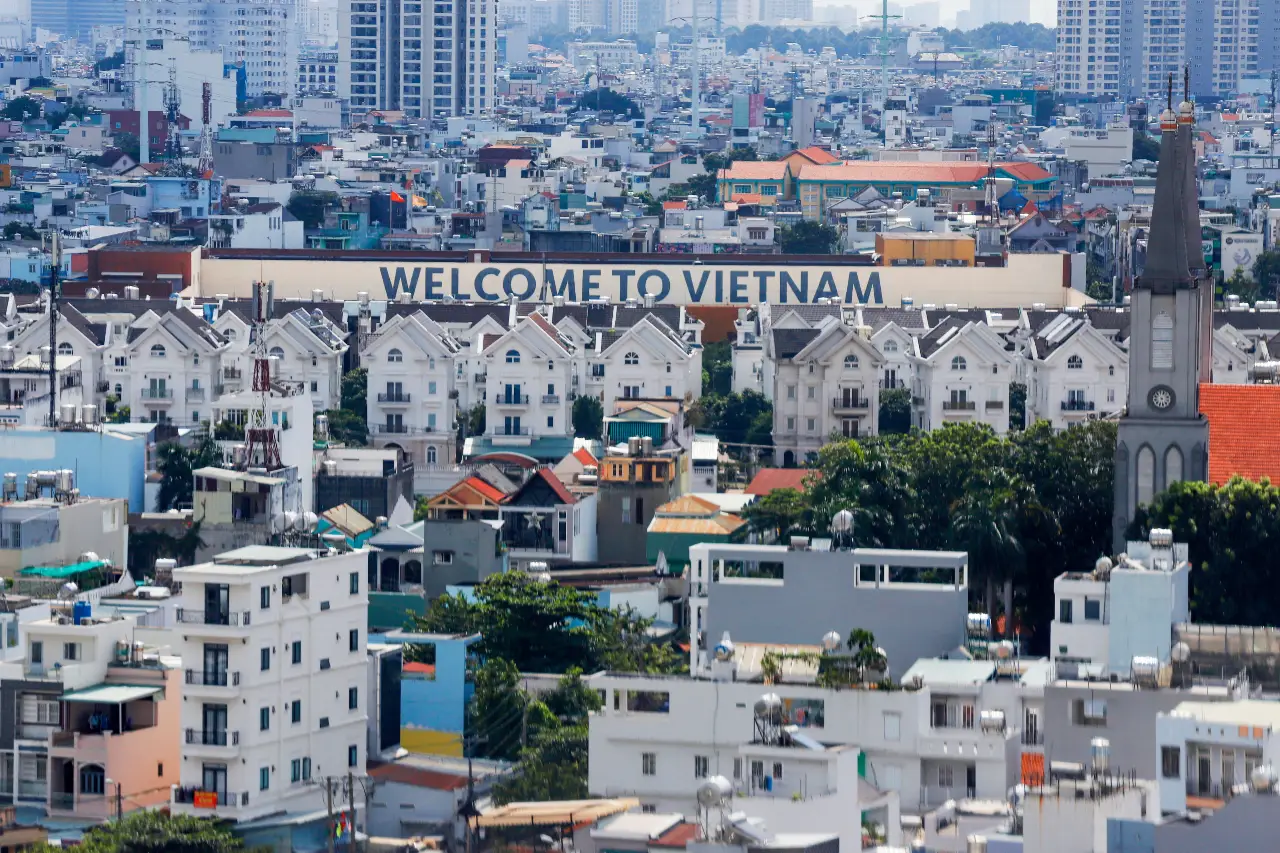
Vietnam remains one of the stronger choices if keeping monthly spending below $1,000 is the goal.
Livingcost estimated the cost for one person at about $637 per month in June 2026. That included roughly $309 for rent and utilities, $201 for food, and $55 for transportation.
That leaves about $363 between the national estimate and a $1,000 ceiling.
The numbers become much easier to reach when you choose a local monthly rental and eat Vietnamese food regularly. Western restaurants, imported groceries, resort areas, and short stays can raise spending fast.
Da Nang, Hue, and Da Lat are worth researching if you want alternatives to the largest cities. Check current neighborhood rents before choosing one.
Vietnam also has an official electronic visa system. U.S. travelers are advised to use the Vietnamese government’s official electronic visa process and check every detail carefully before arrival.
For someone trying to stretch $1,000 without giving up normal city comforts, Vietnam has one of the healthier budget cushions on this list.
2. Indonesia Works Better Outside the Most Famous Resorts
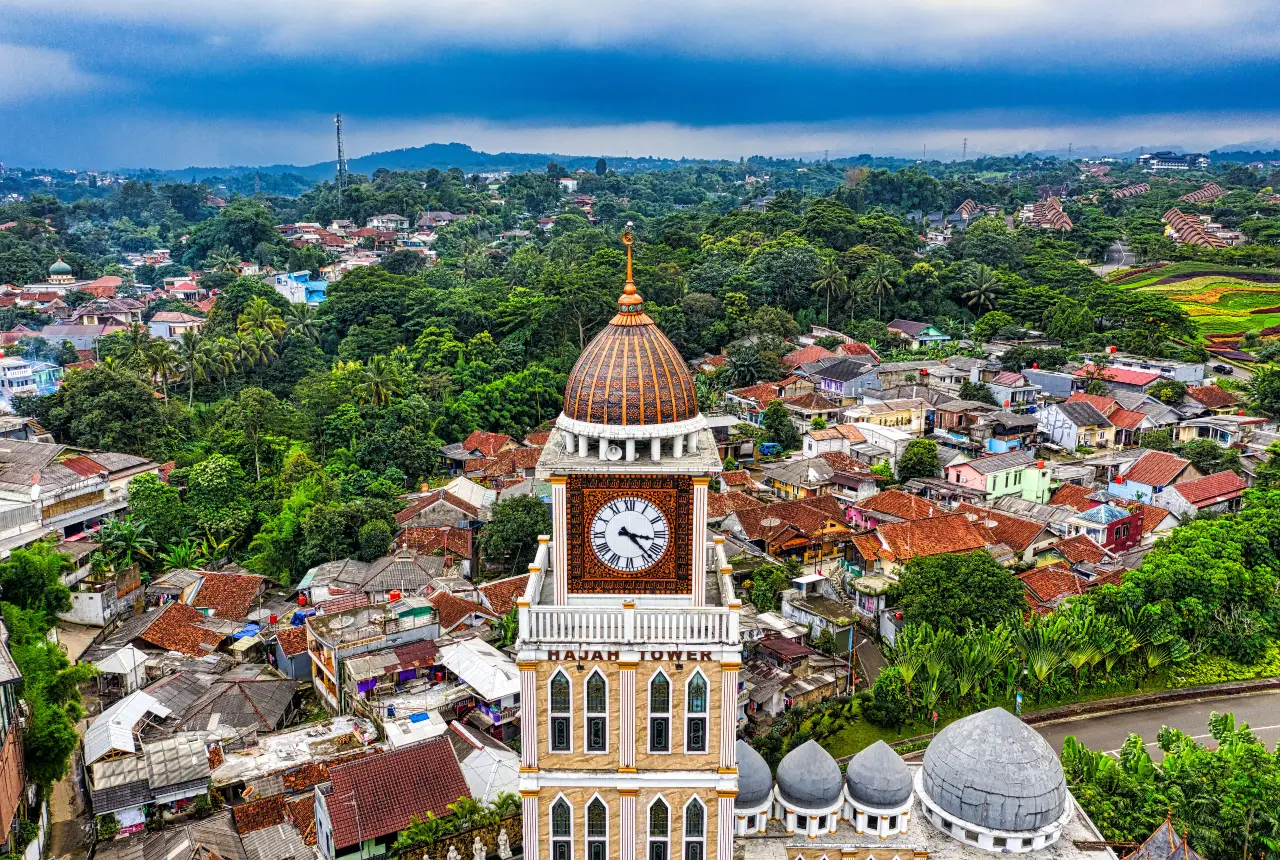
Indonesia can look amazingly cheap on paper.
The June 2026 national estimate was about $543 per month for one person. Housing and utilities were about $249, food about $200, and transportation about $40.
That leaves around $457 below a $1,000 target.
But there is a common mistake here. People see Indonesia’s national prices and assume the same numbers apply to fashionable parts of Bali.
They often do not.
Popular Bali neighborhoods can have a very different rental market, especially when foreigners compete for furnished short stays.
Cities such as Yogyakarta, Malang, and Solo are worth researching if cost matters more than living beside a famous beach.
Eating at local restaurants and shopping where local residents shop can also make a large difference.
Indonesia works best for a $1,000 budget when you choose the location based on actual rent rather than social media popularity.
3. The Philippines Combines Low Costs With More English Use
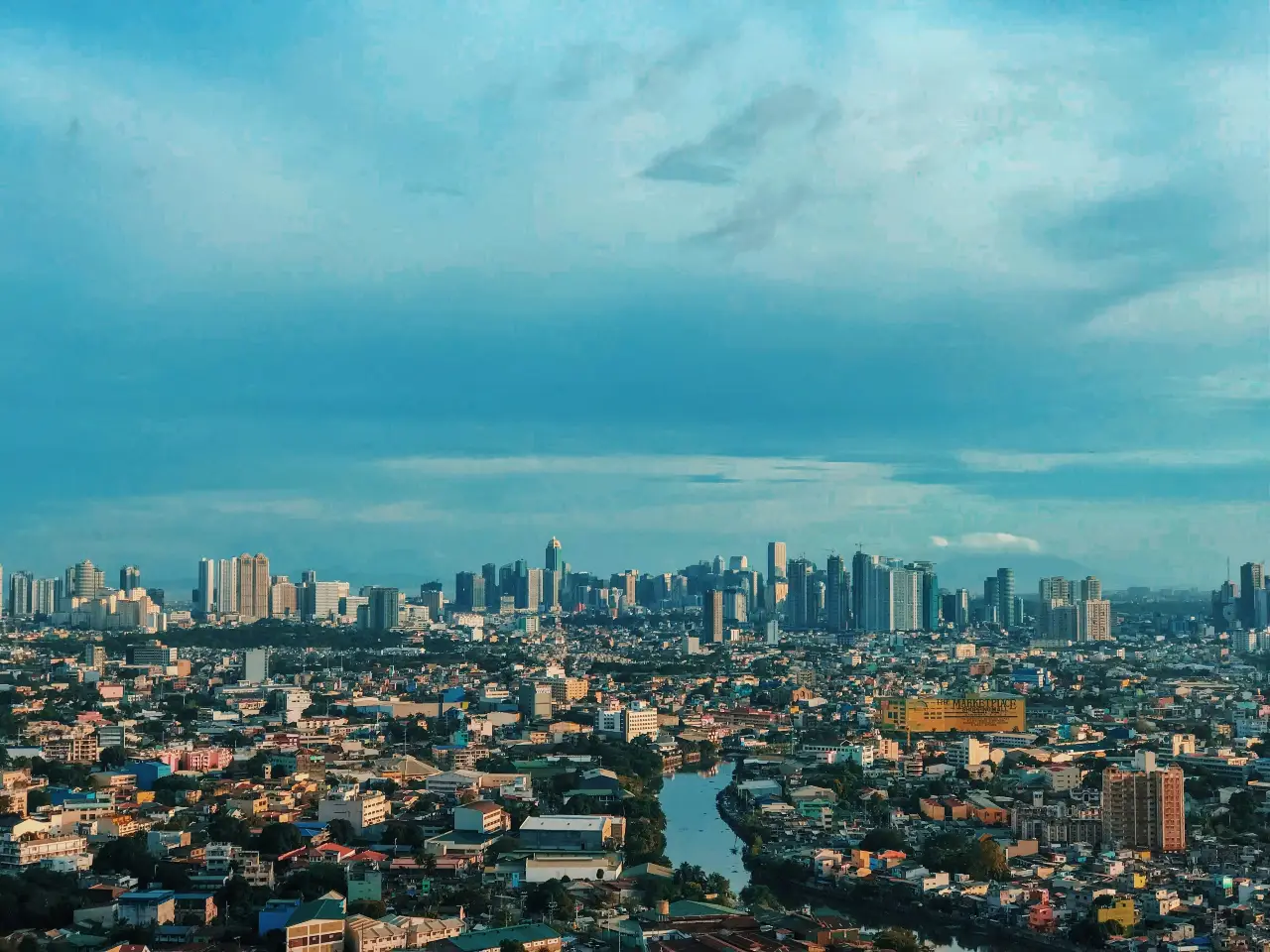
The Philippines offers a large amount of choice because prices vary across dozens of cities and islands.
Livingcost’s June 2026 estimate put monthly costs for one person around $608. Rent and utilities averaged about $279, food about $231, and transportation around $36.
That creates a cushion of about $392 below $1,000.
Manila is more expensive than the national figure. Livingcost estimated Manila at about $829 per month for one person.
That is why places such as Dumaguete, Iloilo, and Bacolod deserve a closer look if staying below four figures matters.
English is widely used in the Philippines, which may also make everyday tasks easier for some newcomers.
One extra expense deserves attention. Because the country is spread across many islands, domestic flights and ferry trips can become a real part of the monthly budget if you travel often.
Stay mostly in one location and $1,000 has much more room to work.
4. Thailand Fits $1,000, but There Is Less Margin
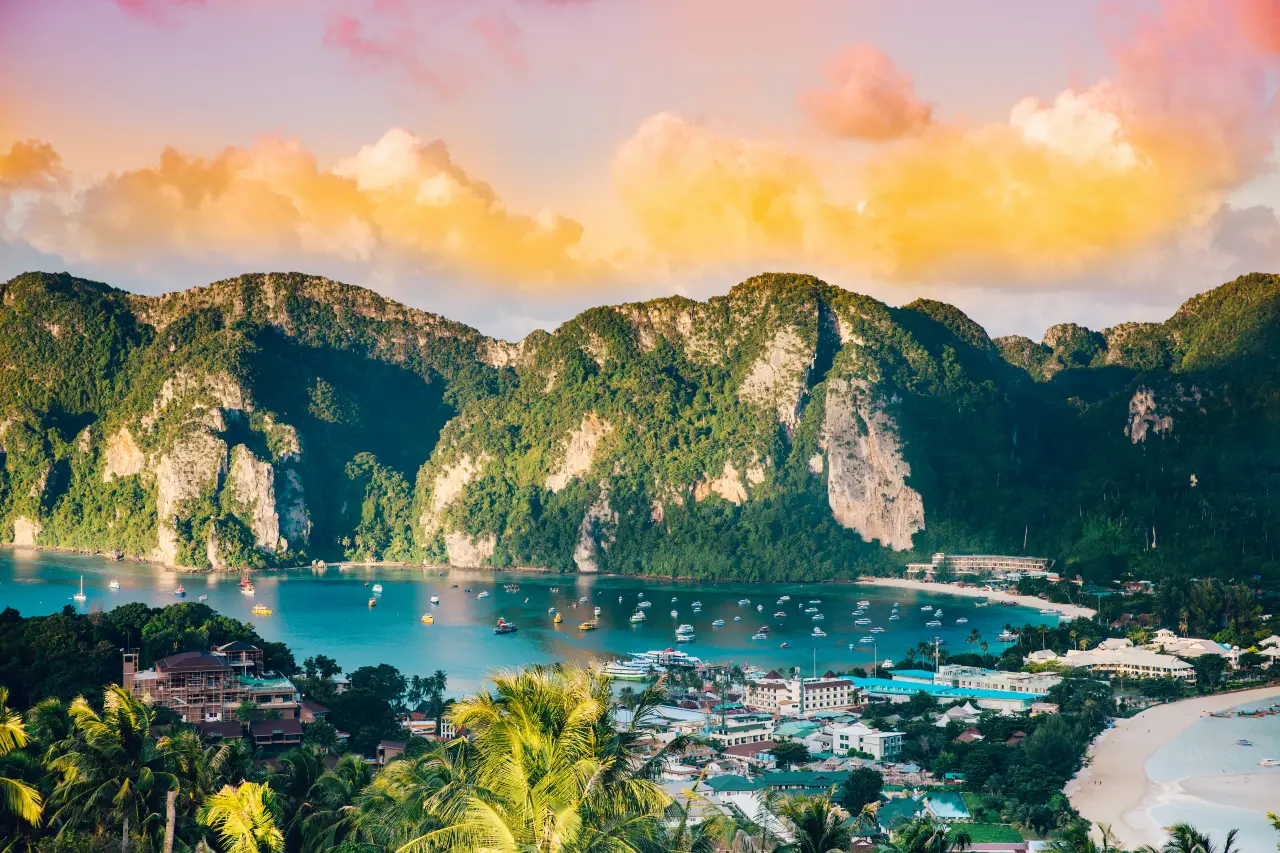
Thailand still belongs on an affordable living list, but the numbers need to be presented carefully.
Livingcost estimated one person’s monthly expenses at about $882 in June 2026. That included roughly $390 for housing and utilities, $288 for food, and $107 for transportation.
That leaves only $118 below the $1,000 limit.
In other words, Thailand is possible, but it is not one of the easiest choices here.
Central Bangkok, premium islands, and popular areas of Phuket can quickly break the budget.
Chiang Mai, Chiang Rai, and smaller cities may be more realistic starting points for research.
A longer local rental can also cost far less than staying in hotels or booking tourist accommodation month after month.
If Thailand is your choice, build the budget around housing first. Do not rent an expensive apartment and hope the rest of the numbers somehow work.
A $1,000 lifestyle is much easier when rent is controlled from day one.
5. Malaysia Can Work if Housing Is Chosen Carefully
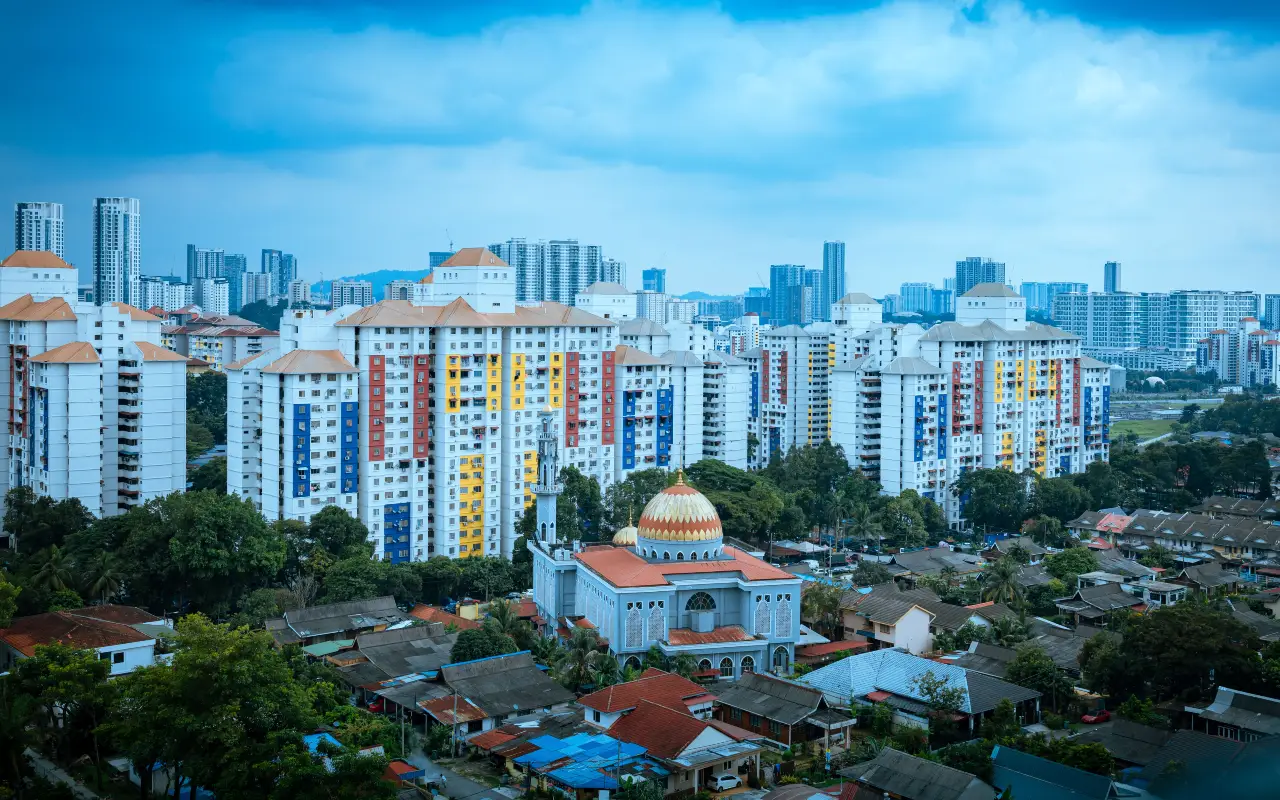
Malaysia sits close enough to the $1,000 ceiling that every major expense matters.
Livingcost estimates monthly costs for one person at about $818. Housing and utilities were around $385, food about $288, and transportation roughly $65.
That leaves about $182.
Malaysia may appeal to people who want modern infrastructure, large supermarkets, public transportation, and places where English is commonly used.
But central Kuala Lumpur is not the only choice.
Ipoh, Kuching, and areas outside the most expensive parts of Kuala Lumpur deserve research if you are watching every dollar.
Visa rules also affect how useful the low cost is.
For eligible U.S. tourists, the State Department says no visa is required for visits of 90 days or less. Travelers must also complete the Malaysian Digital Arrival Card before travel. Longer stays require the correct immigration status.
Malaysia can fit the budget, but it works better with planning than guesswork.
6. Cambodia Can Stay Below Four Figures
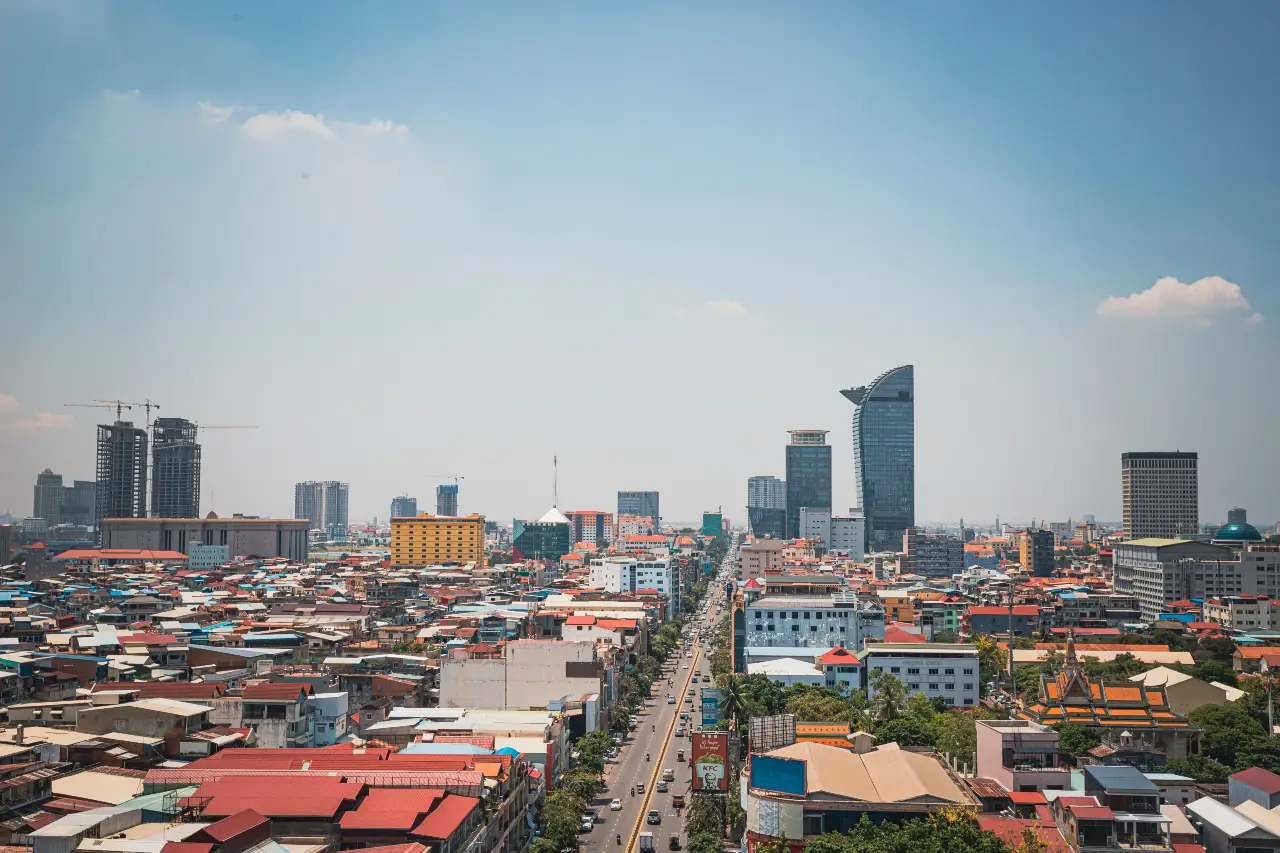
Cambodia still comes in below the $1,000 mark, but it has less breathing room than Vietnam or Indonesia.
Livingcost estimated the national monthly cost at about $832 for one person. Housing and utilities accounted for about $405, food about $287, and transportation about $63.
The biggest pressure point is housing.
Phnom Penh was estimated at about $893 per month for one person. That means someone using the capital as their base would have only a small margin for unexpected costs.
A long rental agreement can make more sense than moving between short stays.
You should also compare electricity arrangements before signing a lease. Utility costs can vary based on the property and how bills are handled.
Cambodia can still work on $1,000, but it should be treated as a careful budget rather than an unlimited one.
7. India Offers One of the Largest Budget Cushions
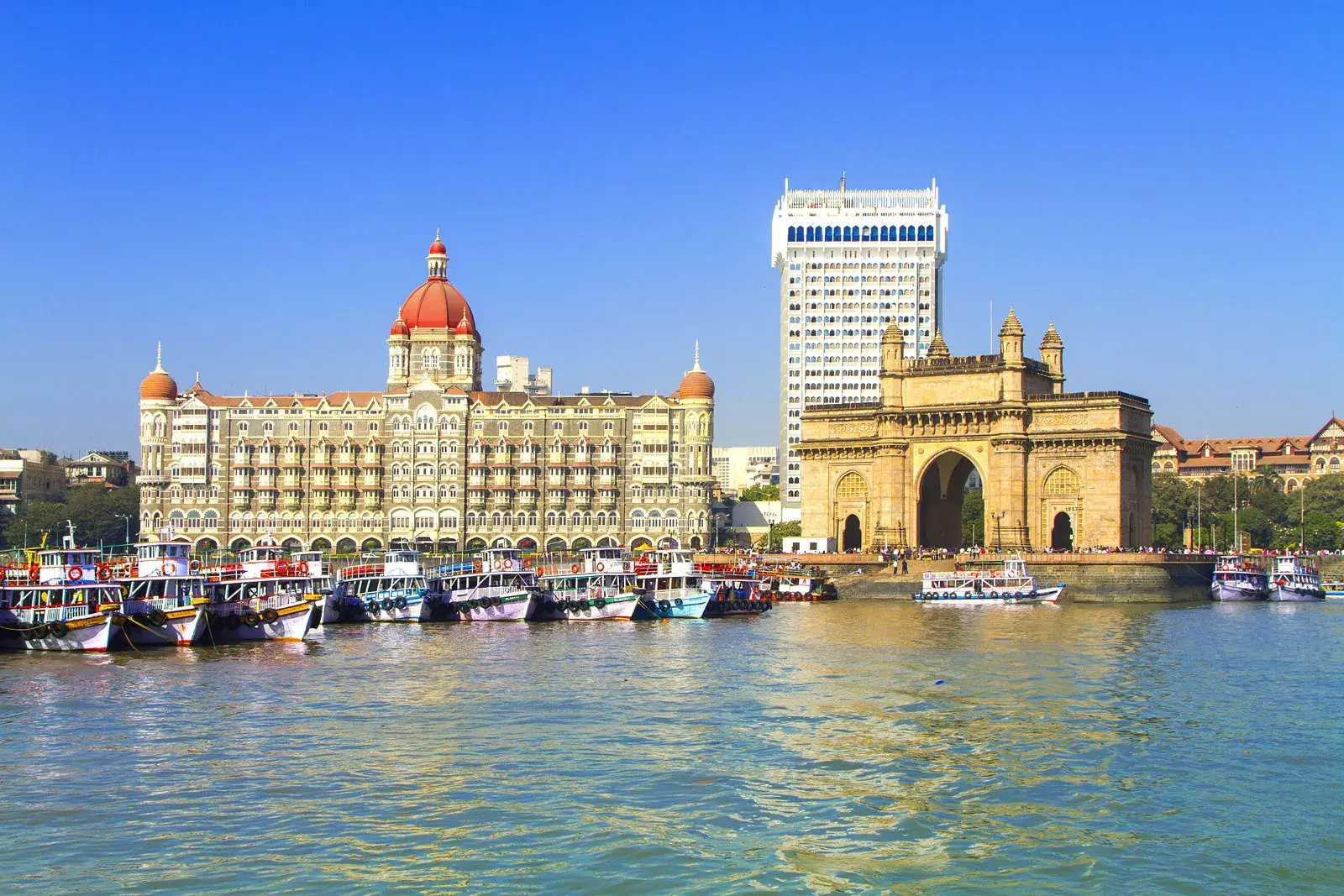
India has one of the lowest national figures in this comparison.
Livingcost estimated monthly expenses for one person at about $409. That included roughly $167 for rent and utilities, $158 for food, and $43 for transportation.
That leaves almost $600 below the $1,000 ceiling.
But one national number cannot describe a country this large.
Rent in an expensive district of Mumbai or Bengaluru can look very different from rent in a smaller city.
The lesson is simple. Start with the city, then build the budget.
Local food can be very affordable. Public transportation can also keep daily costs low in many locations.
Imported products, premium apartments, private drivers, and constant restaurant dining can change the picture.
India offers one of the largest financial cushions on the list, but choosing the right city is still more useful than relying on the national average alone.
8. Sri Lanka Leaves Plenty of Room Below $1,000
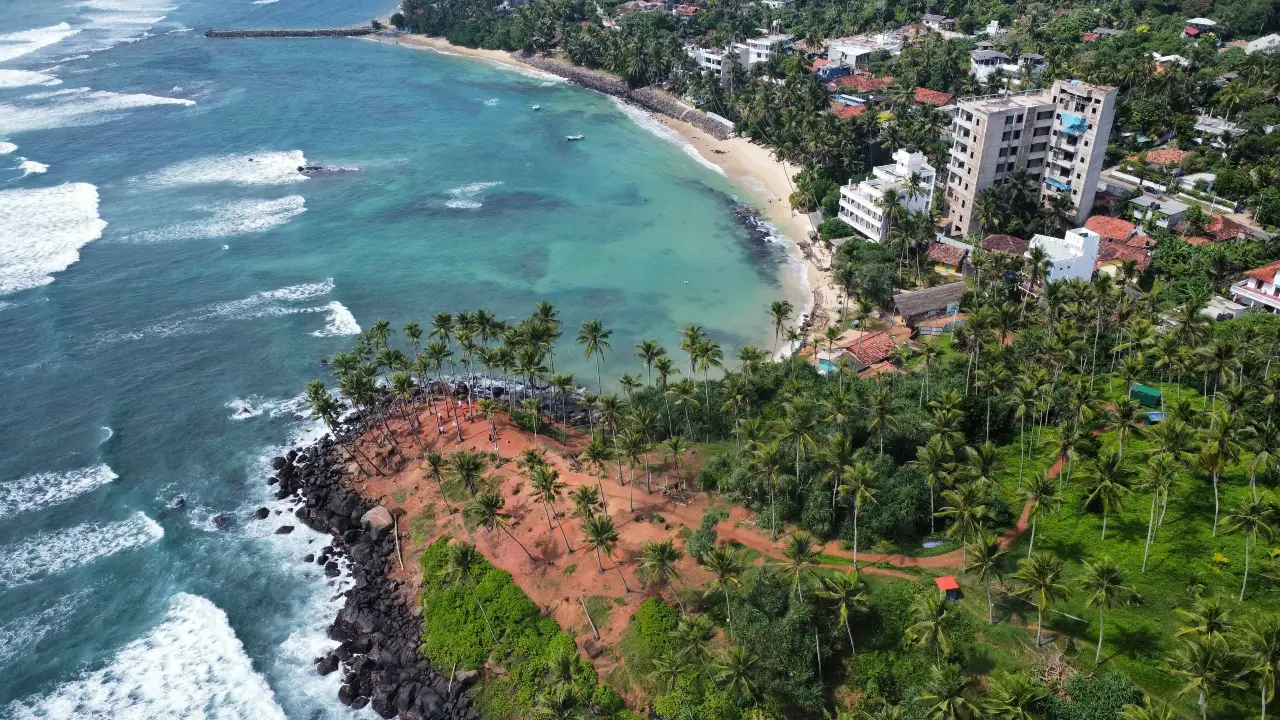
Sri Lanka offers another large gap between typical expenses and the $1,000 limit.
Livingcost estimated the national monthly cost at around $563 for one person. Housing and utilities were about $226, food around $265, and transportation about $20.
Even Colombo was estimated at about $683 per month.
That means the numbers can still work even in the country’s largest city, although your exact apartment and lifestyle will decide the final total.
Sri Lanka may suit someone who wants warm weather, access to the coast, and inexpensive local transportation.
The main warning is tourist pricing.
Renting close to a famous beach during busy periods can cost much more than the national figures suggest.
A monthly local rental away from the busiest visitor areas creates much more room inside a $1,000 plan.
9. Nepal Has the Lowest Estimate on the List
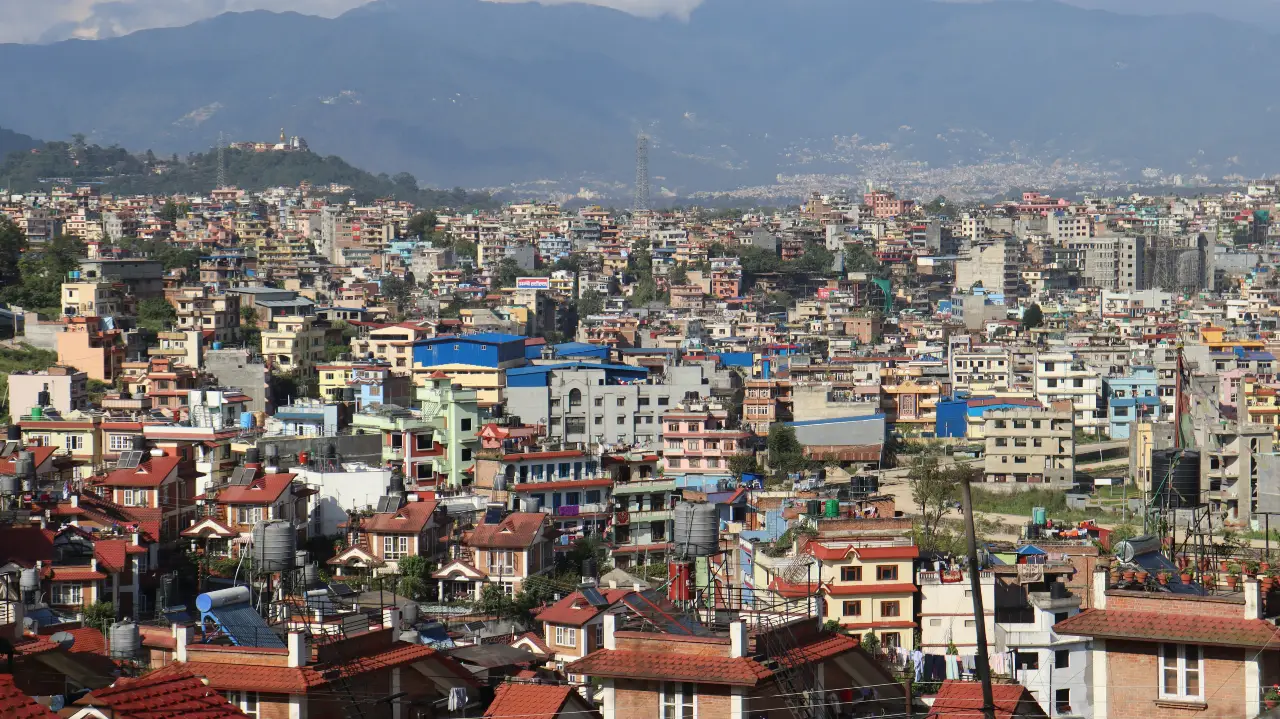
Nepal shows just how far $1,000 can stretch in some countries.
Livingcost estimated the national monthly cost for one person at about $361 in June 2026. Rent and utilities averaged roughly $105, food about $173, and transportation around $41.
Kathmandu was higher at about $424 per month.
That still leaves more than half of a $1,000 budget available.
Of course, that does not mean every visitor will spend only $424.
Western restaurants, imported products, private transport, frequent tours, and premium apartments can raise your spending.
The value of Nepal is the large cushion.
If your income is fixed, having several hundred dollars left after normal monthly expenses gives you more protection against rising prices and unexpected bills.
Nepal is one of the strongest examples showing that a $1,000 overseas budget can still be realistic in 2026.
10. Tunisia Offers Low-Cost Mediterranean Living
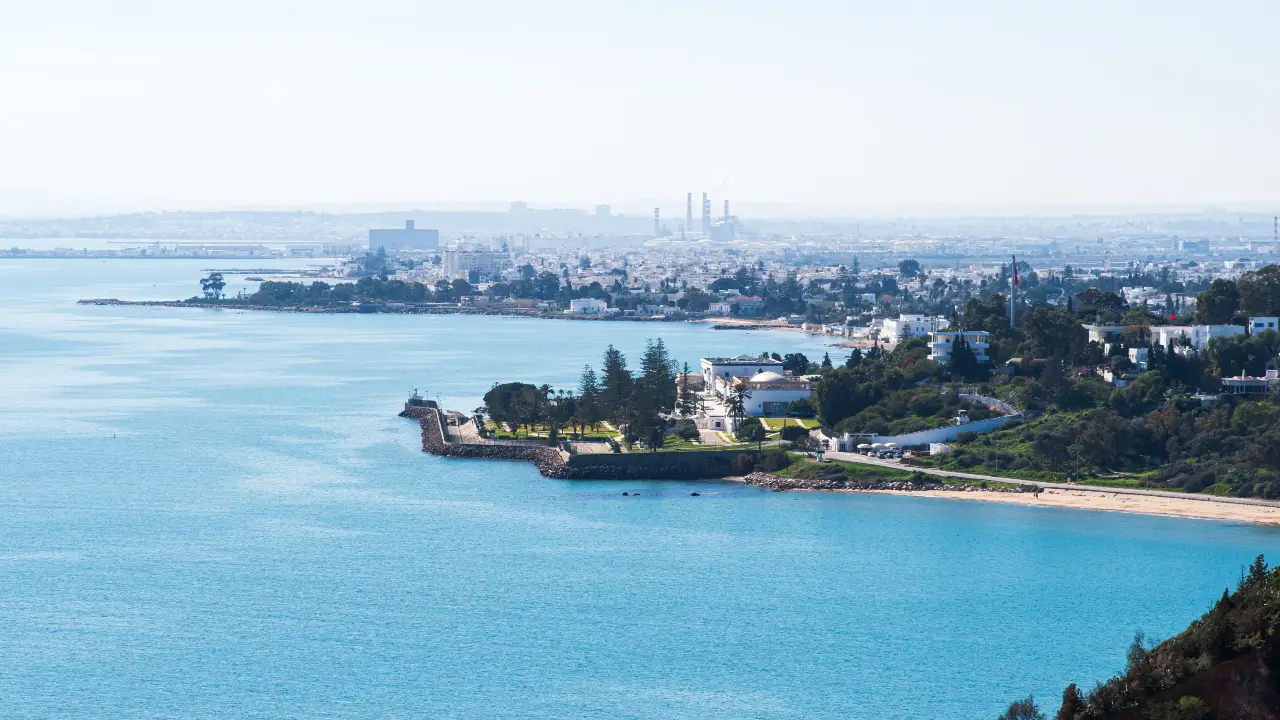
Affordable overseas living is not limited to South and Southeast Asia.
Tunisia had an estimated monthly cost of about $534 for one person in June 2026. Housing and utilities averaged roughly $215, food about $225, and transportation about $21.
Tunis itself came in higher at about $633.
That still leaves a useful margin below $1,000.
Tunisia gives readers another option if they want to research North Africa and the Mediterranean rather than tropical Asia.
Language is worth thinking about before moving. Arabic and French are widely used, so everyday tasks may take more effort if you speak neither.
Housing should also be checked city by city.
The national figures suggest good value, but coastal areas and popular visitor locations may have different rental prices.
11. Morocco Can Fit the Budget Outside Premium Areas
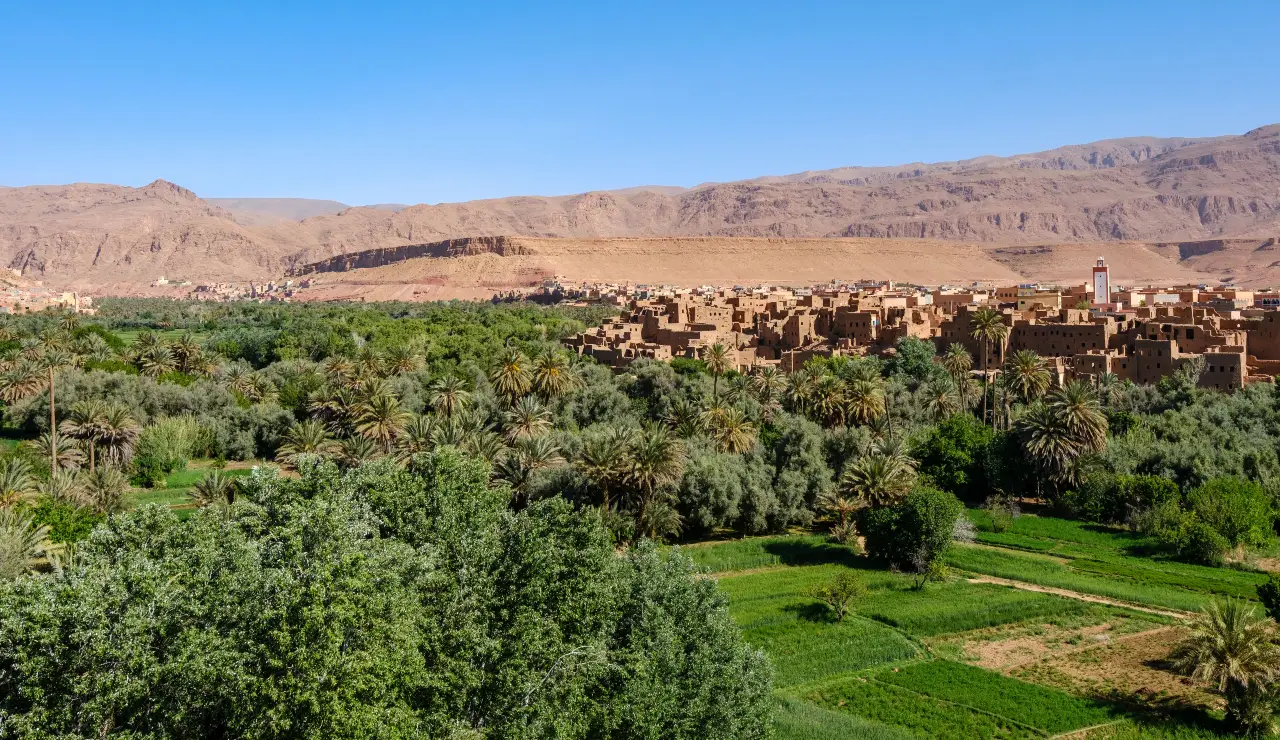
Morocco is another North African country where a four-figure monthly budget can still go a long way.
Livingcost estimated monthly costs for one person at around $736. Housing and utilities were about $324, food around $272, and transportation roughly $63.
That leaves about $264 below the $1,000 mark.
The main issue is location.
A highly popular part of Marrakech may cost much more than a normal residential area elsewhere.
For example, Livingcost estimated Salé at around $579 per month for one person.
That is a useful reminder that two cities in the same country can produce very different budgets.
Morocco works best when you compare ordinary residential areas rather than choosing a home based only on where tourists usually stay.
The national average gives you room, but the right city can give you much more.
12. Uzbekistan Gives $1,000 More Room Than Many Expect
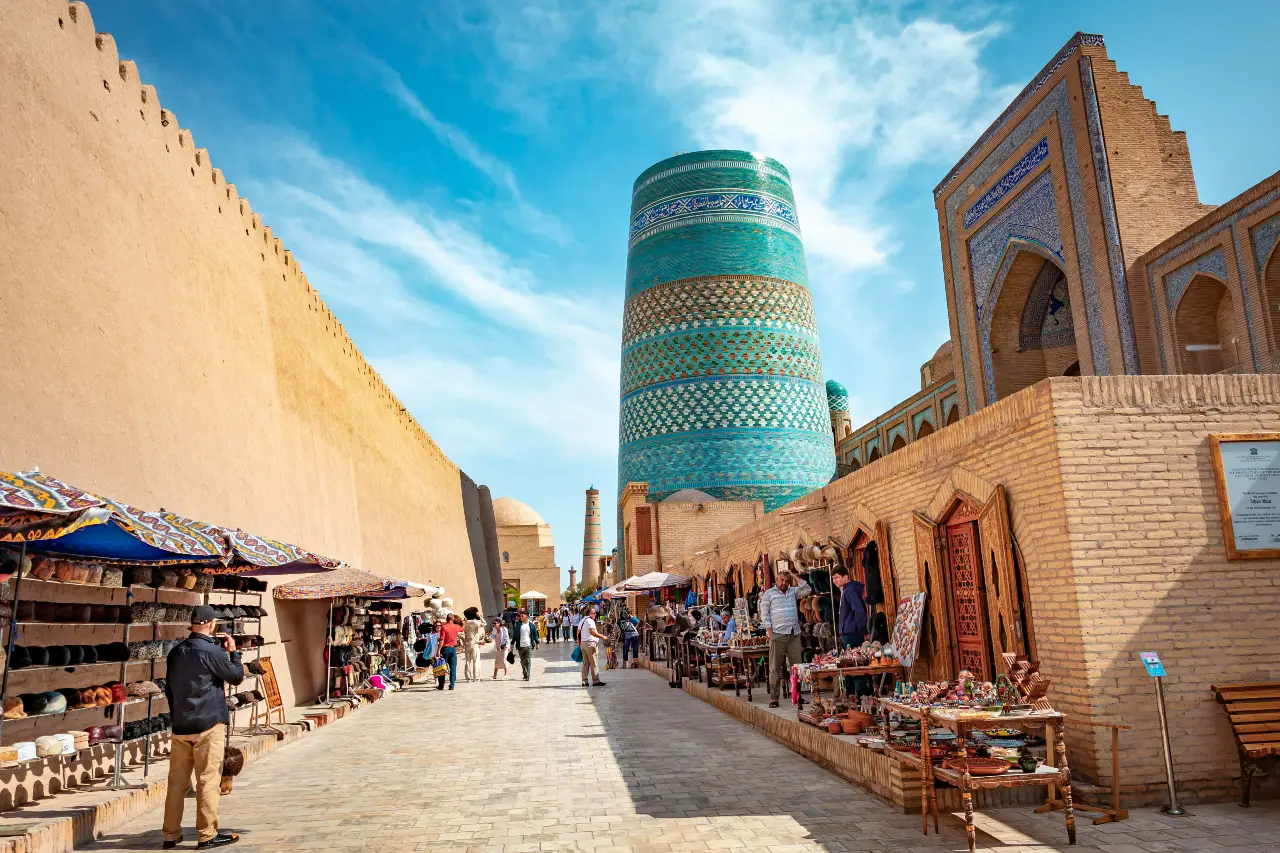
Central Asia often gets ignored in cheap living articles, but Uzbekistan deserves attention.
Livingcost estimated one person’s monthly costs at about $681. Housing and utilities were around $322, food about $250, and transportation only about $35.
That leaves roughly $319 under a $1,000 ceiling.
Public transportation and local markets can help keep everyday spending down.
There are still practical issues to research.
Language may be a bigger adjustment than in destinations where English is common. Winter heating and clothing costs also matter in a way they do not in tropical countries.
Rental availability should be checked before arrival, especially if you need a fully furnished apartment.
For readers open to a different region, Uzbekistan offers a stronger budget cushion than several more famous expat destinations.
13. Kyrgyzstan Can Work Even in the Capital
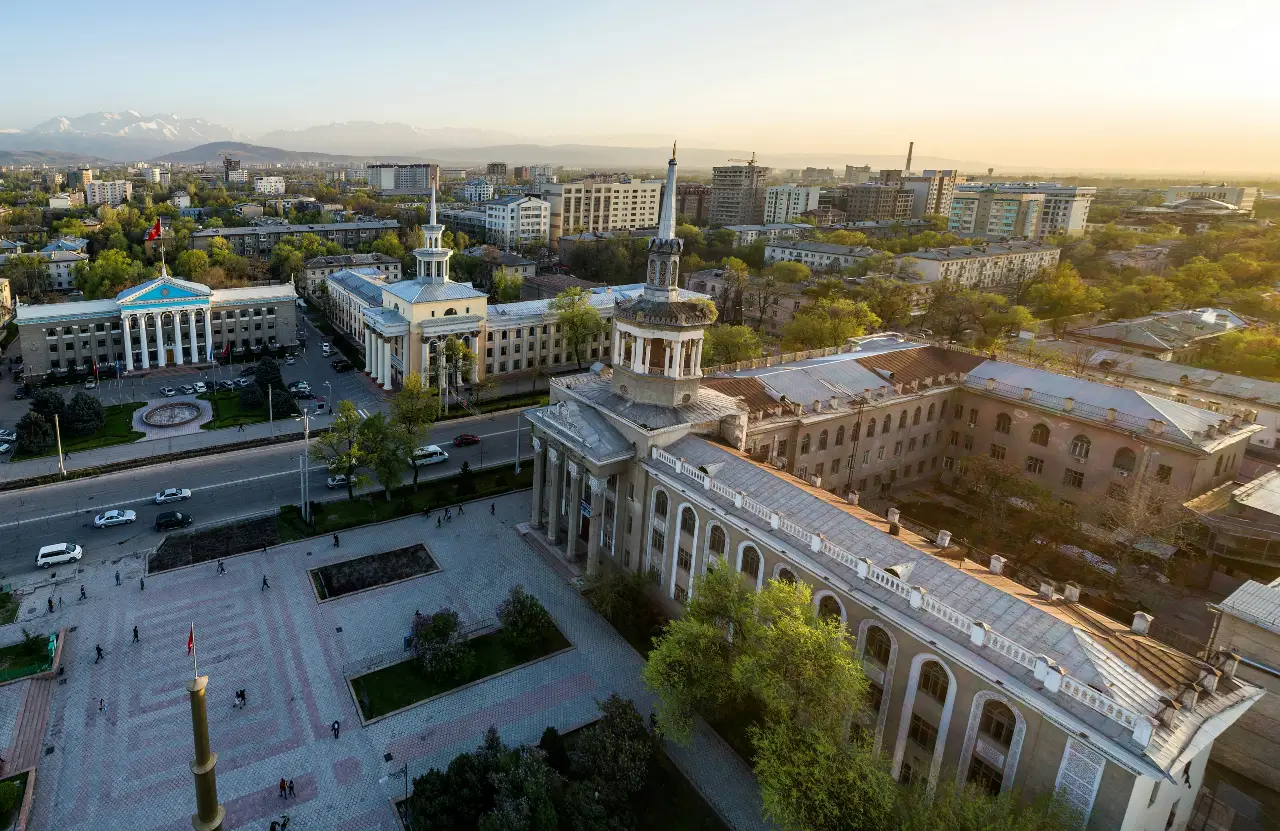
Kyrgyzstan also fits comfortably below the headline limit at the national level.
Livingcost estimates monthly costs for one person at about $717. Housing and utilities were roughly $386, food around $234, and transportation about $31.
That leaves about $283 from a $1,000 budget.
Bishkek costs more than some smaller locations, but the capital can still be worth researching if you prefer city services and a larger rental market.
One cost people from warm countries may overlook is winter.
Heating, warmer clothing, and winter transportation can change monthly spending during colder periods.
That does not make Kyrgyzstan expensive. It simply means your budget should reflect the season.
If Central Asia appeals to you, Kyrgyzstan gives you a reasonable amount of room without relying on an extremely tight monthly plan.
14. Bolivia Keeps Everyday Costs Below $1,000
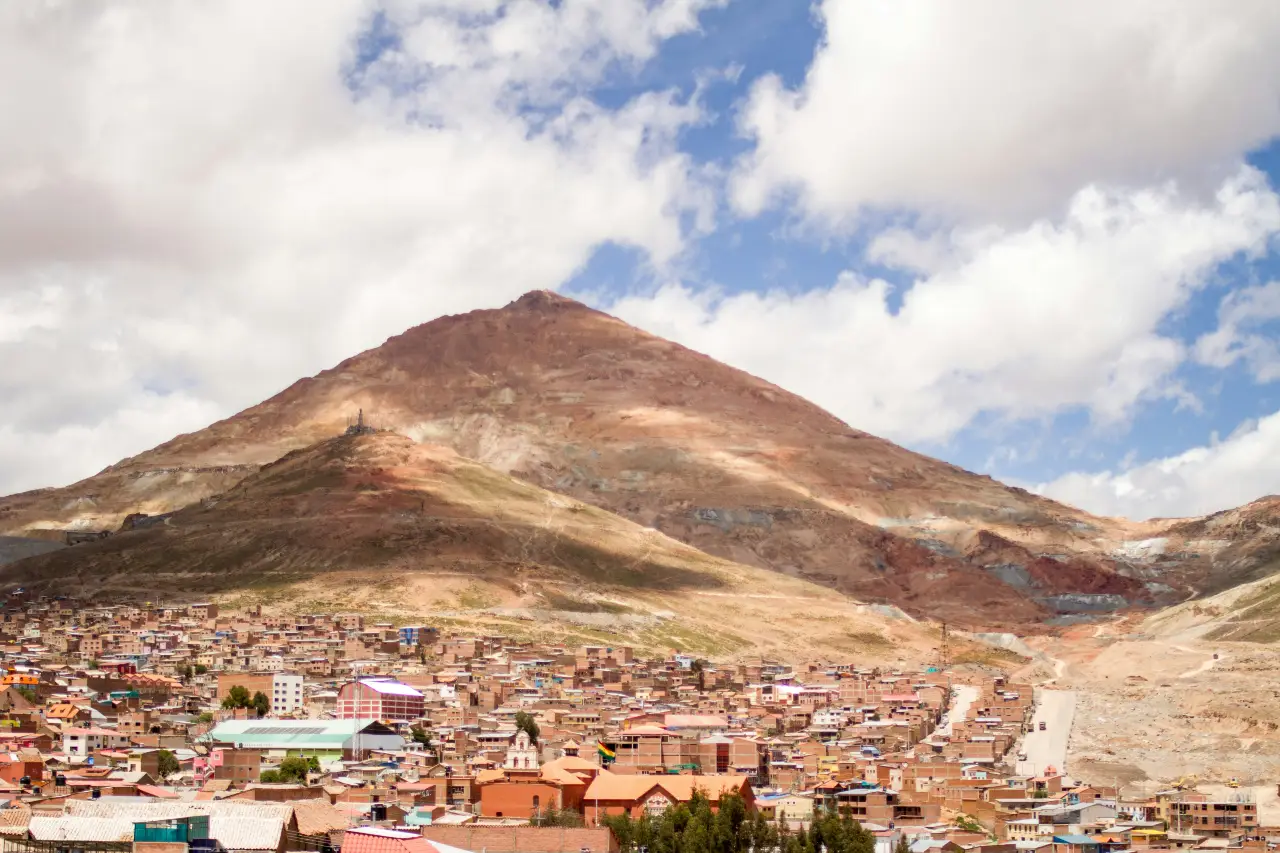
Bolivia is one of the stronger Latin American choices in this comparison.
Livingcost estimated one person’s monthly expenses at around $723. Rent and utilities were about $307, food roughly $245, and transportation about $88.
That leaves around $277 below a $1,000 ceiling.
Housing remains the first number to check, but there is another factor that deserves attention in Bolivia.
Altitude varies sharply between cities.
A place that looks great on a spreadsheet may not feel comfortable for everyone.
Climate also changes from one region to another, so your choice should not come down to rent alone.
Look at local housing, weather, transportation, healthcare access, and elevation before deciding.
Bolivia can offer good value, but choosing a city that fits your daily life matters more than finding the absolute cheapest apartment.
15. Ecuador Can Work, but $1,000 Needs More Planning
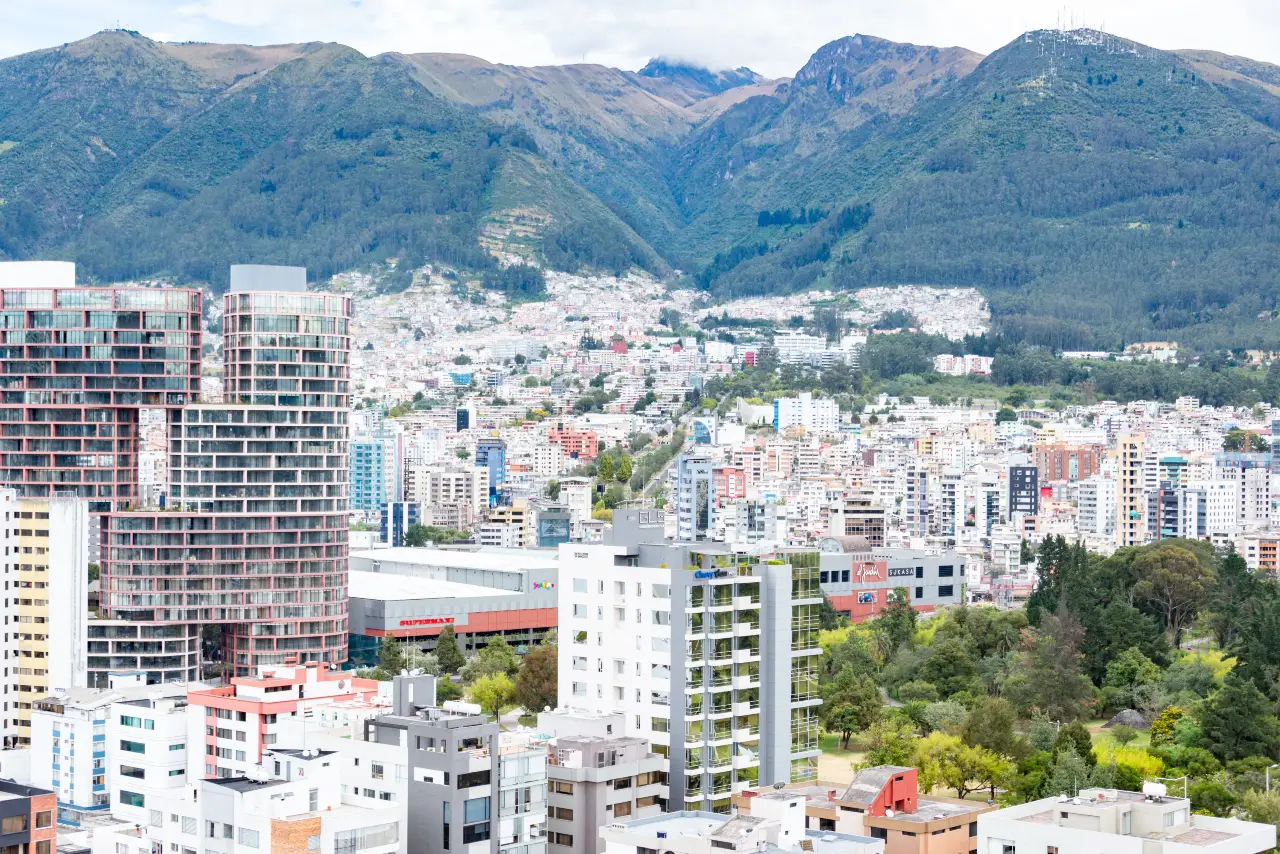
Ecuador fits below the target, but it belongs in the careful budget group.
Living cost: estimated monthly expenses for one person at about $817. Housing and utilities averaged roughly $341, food about $295, and transportation around $81.
That leaves about $183.
A small rent increase can eat into that margin quickly.
Frequent restaurants, private transportation, expensive tourist districts, and regular trips can do the same.
That does not mean Ecuador should be removed from the list.
It means the $1,000 target needs a real plan.
Start by pricing the exact city and neighborhood you want. Then add groceries, transportation, internet, utilities, insurance, and personal spending.
If the total already reaches $950 before emergencies, the budget is too tight.
Ecuador can work, but a little extra monthly income would give you much more breathing room.
What a Realistic $1,000 Monthly Budget Looks Like
A national average is useful for comparing countries, but you still need your own spending plan.
Here are three simple examples.
Expense | Lower Cost Plan | Middle Plan | Tight Plan
Rent | $200 | $300 | $400
Utilities and internet | $60 | $70 | $80
Groceries | $150 | $180 | $200
Local meals | $80 | $100 | $100
Transportation | $40 | $60 | $80
Phone | $15 | $20 | $20
Fun money | $75 | $100 | $70
Other expenses | $80 | $90 | $50
Total | $700 | $920 | $1,000
These examples are planning models. They are not prices for one specific country.
The first budget gives you $300 of breathing room. That money can cover a higher electricity bill, an occasional trip, clothes, medicine, or other surprise costs.
The second budget is still manageable, but there is much less room for mistakes.
The third budget uses every dollar. That may work for a short period, but it creates a problem when something unexpected happens.
And something eventually will.
You may need a doctor. Your rent may rise. A family event may require a flight home. Your phone may break.
That is why living somewhere with a typical cost around $600 or $700 is very different from living somewhere that already averages $880.
A budget with room is safer than a budget that works only when everything goes right.
What the $1,000 Budget Does Not Cover
Many articles make cheap living sound easier by leaving major expenses out.
You should price these separately.
- International flights
A ticket home can cost hundreds or even thousands of dollars.
- Visa and residency fees
Tourist entry does not automatically give you the right to live somewhere for years.
- Health insurance
Private or international coverage can add a meaningful monthly cost.
- Emergency medical care
Keep money outside the monthly budget for unexpected treatment.
- Major electronics
Replacing a laptop or phone can destroy a tight monthly plan.
- Trips home
Someone living abroad may still need to visit family.
- International schools
A family with children has a completely different budget from a single adult.
- Imported food
Familiar products from home can cost far more than local alternatives.
- Car ownership
Fuel is only one expense. Insurance, repairs, parking, registration, and depreciation also matter.
- Frequent nightlife
Restaurants, bars, entertainment, and taxis can quietly become some of the largest monthly expenses.
5 Things That Can Destroy a $1,000 Budget
A cheap country does not guarantee a cheap lifestyle.
These five mistakes cause trouble fast.
1. Paying Tourist Rental Prices Every Month
A furnished apartment listed for short visitors can cost far more than a normal local lease.
Before moving, compare several monthly rentals.
Ask what utilities are included. Find out whether the price changes during high season.
Housing is often the single biggest decision in your entire budget.
2. Living in the Most Expensive Expat District
The neighborhood everyone talks about online is often the neighborhood everyone wants.
That demand pushes prices up.
Move a little farther from the tourist center, and rent can change sharply.
This does not mean choosing an isolated area with poor services.
It means comparing neighborhoods before assuming the most famous one is the right place to live.
3. Buying Imported Food Every Week
A cheap local meal does not mean every supermarket product is cheap.
Imported cheese, cereal, snacks, sauces, wine, and specialty products may carry a large premium.
Build most meals around food produced locally.
Then treat imported products as extras rather than basic groceries.
4. Using Taxis for Every Trip
A taxi may feel inexpensive once.
Ten or twenty rides later, the total starts to matter.
Walk when practical and learn the local transportation system.
Living close to groceries and daily services can also cut transportation spending.
5. Ignoring Visas and Insurance
A cheap apartment does not help if you cannot legally stay in the country.
Visa rules can depend on your nationality, age, income, work status, and reason for staying.
Health insurance deserves its own budget line as well.
Do not treat either cost as an afterthought.
Check the Visa Before You Fall in Love With the Budget
One of the biggest mistakes in low-cost living articles is mixing tourism with long-term residence.
Being allowed to visit a country does not mean you can simply stay forever.
For example, Vietnam currently offers an official electronic visa process. The U.S. State Department advises travelers to use the official government system and carefully check the approved dates and entry details.
Malaysia currently allows eligible U.S. tourists to enter for up to 90 days without a tourist visa, but longer stays and other purposes require the proper permission.
Rules are different for every nationality.
They can also change.
Before booking a long stay, check four things.
- How long your passport lets you stay
- Whether extensions are possible
- Whether you may work while there
- What long-term visa or residence permit you would need
Use the country’s official immigration department or embassy as the final source.
A blog article can help you find the right visa name, but it should never be the final authority.
Check again shortly before booking because immigration rules can change faster than cost of living articles.
How to Test a Country Before Moving There
Reading prices online is useful.
Living there for a few weeks teaches you much more.
Step 1. Stay for Two to Four Weeks
Do not sign a one-year rental before seeing the place yourself.
A short test stay can expose problems that never appear in photos.
Step 2. Stay in a Normal Residential Area
Do not test your future life from a resort.
Choose a neighborhood similar to the one you could actually afford.
Step 3. Buy Your Own Groceries
Visit normal supermarkets and markets.
Buy the food you would really eat each week.
Keep the receipts.
Step 4. Test Local Transportation
Take the bus, train, metro, taxi, or other transport you would actually use.
Pay attention to cost and convenience.
Step 5. Price Health Coverage
Get real insurance quotes based on your age and needs.
Do not assume healthcare will be cheap just because rent is cheap.
Step 6. Speak With Several Landlords
One apartment price tells you very little.
Compare at least three similar homes before deciding what rent is normal.
Step 7. Track Every Dollar
Record groceries, utilities, meals, transport, entertainment, medicine, and small purchases.
Real spending gives you a better answer than an online estimate.
Step 8. Add a 15 to 20 Percent Buffer
If your test budget comes to $850, do not assume $850 is all you need.
Add room for price changes and surprises.
A $1,000 budget should feel manageable, not like a monthly emergency.
Which $1,000 Country Should You Research First?
There is no single country that works for everyone.
Your priorities matter.
Priority | Countries to Research
Largest budget cushion | Nepal, India, Indonesia
Southeast Asia | Vietnam, Indonesia, Philippines
North Africa and Mediterranean access | Tunisia, Morocco
Central Asia | Uzbekistan, Kyrgyzstan
Latin America | Bolivia, Ecuador
More everyday English use | Philippines, Malaysia
More careful budgeting needed | Thailand, Malaysia, Cambodia, Ecuador
If keeping costs as low as possible matters most, Nepal, India, Indonesia, Sri Lanka, Tunisia, Vietnam, and the Philippines give you more room based on current national estimates.
If you have closer to exactly $1,000 and little extra savings, Thailand, Malaysia, Cambodia, and Ecuador deserve more caution.
There is another question to ask.
Would you still like the country if it were not cheap?
Weather, language, healthcare, visa rules, distance from family, transportation, and social life matter too.
Saving $200 a month is not much help if you dislike living there.
The Best Budget Is the One With Breathing Room
The biggest lesson from these countries where you can live on $1,000 a month is simple.
The headline number matters less than the amount left after your normal bills.
Nepal at about $361 and Thailand at about $882 both fit below $1,000, but they do not give you the same financial cushion.
Start by choosing three countries that suit your climate, language, visa, and lifestyle needs.
Then price a real apartment, groceries, transportation, healthcare, and visa costs.
If your regular monthly expenses stay comfortably below your income, you have room to deal with normal surprises.
That is far more useful than simply finding the cheapest country on a list.