
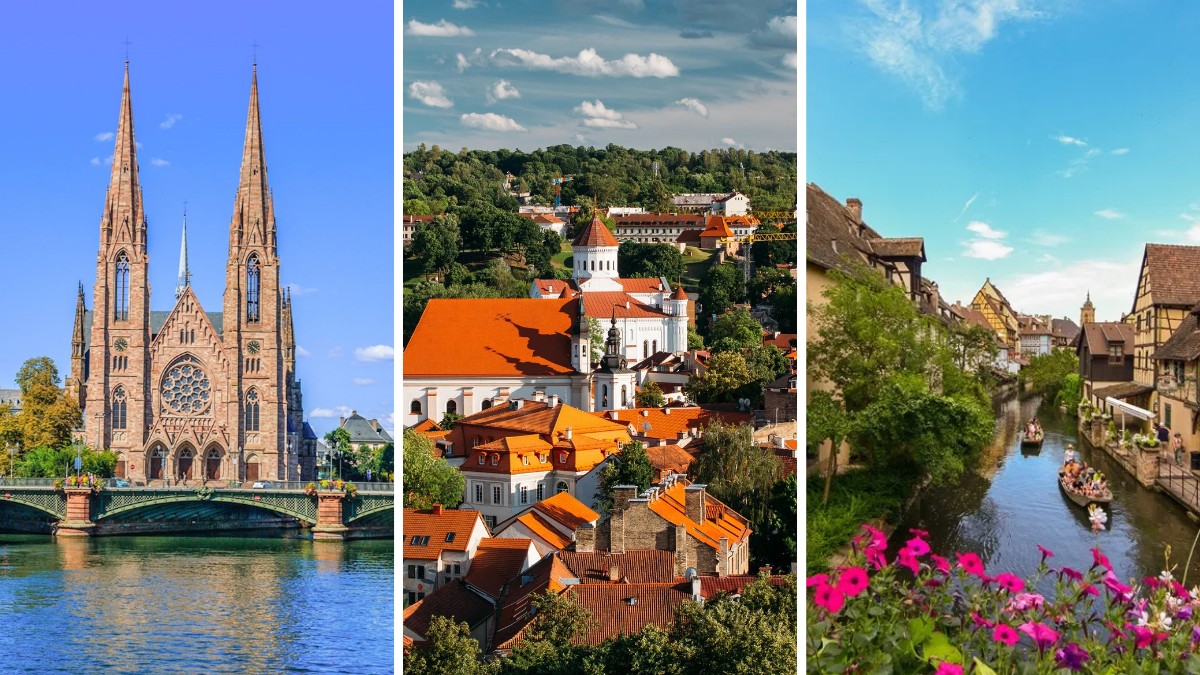
Paris draws crowds, but Europe holds quieter gems that match its beauty without the price tag. Cobblestone streets, historic architecture, and rich culture exist far beyond the Eiffel Tower.
Many travelers overlook these cities, yet they offer the same romantic atmosphere at a fraction of the cost. Local cafes serve authentic meals at lower prices. Museums and landmarks charge lower entry fees.
Crowds thin out, letting visitors actually enjoy the sights instead of fighting through tourist lines. Budget travelers and culture seekers alike will find these destinations worth the detour.
Why Europe’s Hidden Cities Deserve Your Next Trip
Paris earns its fame, but it is not the only European city worth visiting. Quieter destinations across the continent offer the same charm, history, and beauty for a lower cost.
Travelers who skip these cities miss out on authentic experiences without the crowds. A shift in focus opens the door to unforgettable, budget-friendly adventures.
- Lower costs for meals, hotels, and attractions
- Fewer tourists and shorter lines at major sites
- Rich history reflected in architecture and culture
- Authentic local experiences away from typical tourist traps
1. Bucharest, Romania
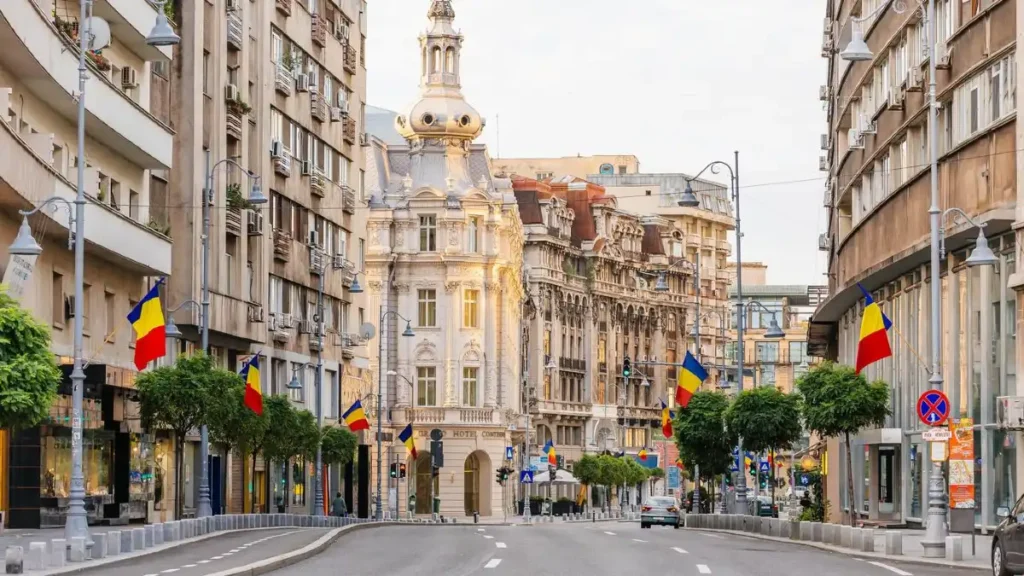
Bucharest earns its nickname, Little Paris, for its wide boulevards and grand architecture. The Old Town buzzes with cafes, souvenir shops, and street performers on warm afternoons.
Visitors stroll past ornate facades that recall the city’s early 20th-century glory. Prices here stay far below Western Europe. A meal at a sidewalk cafe costs a fraction of what travelers pay in France.
Students and backpackers flock to the area for its lively nightlife and affordable stays. History runs deep in every corner, from communist-era landmarks to Belle Époque buildings.
2. Krakow, Poland
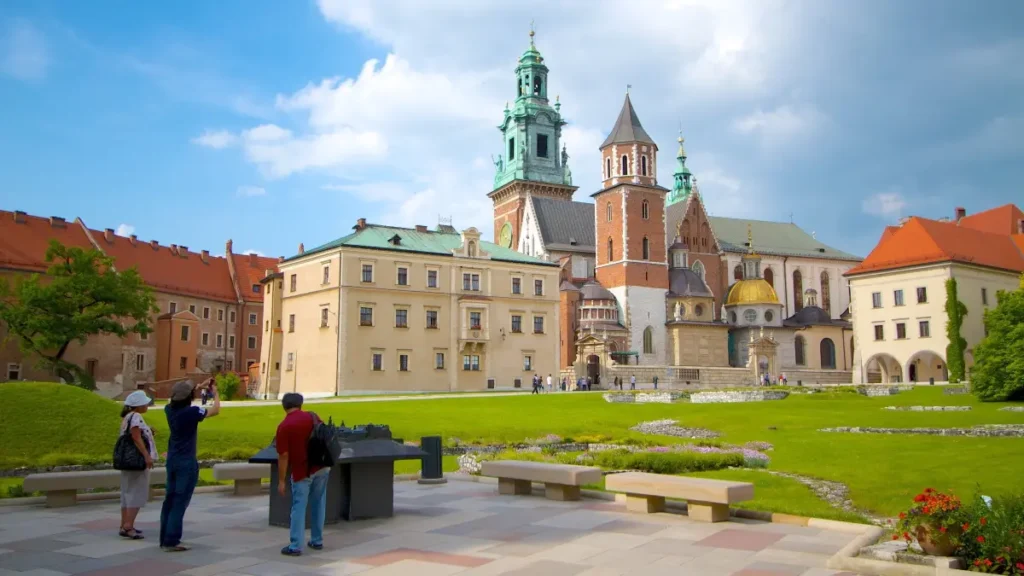
Wawel Castle crowns a hillside above the city, its red rooftops and brick watchtower rising over the Vistula River.
Gothic spires from the adjoining cathedral cluster beside the castle walls, marking centuries of Polish royal history.
Green lawns and stone pathways wind through the grounds below, drawing steady streams of visitors on sunny afternoons.
Market stalls and outdoor seating gather near the base of the hill, giving the area a relaxed, unhurried feel despite its landmark status.
3. Sibiu, Romania
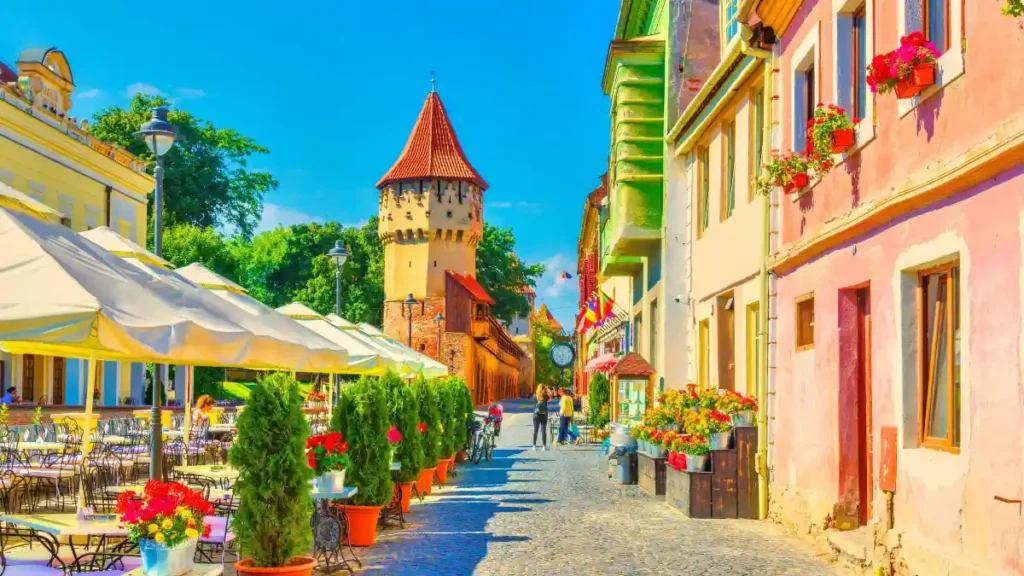
Sibiu’s Council Square fills with cafe tables beneath white umbrellas as evening light settles in. The Council Tower rises above yellow and red-roofed buildings, its clock face visible from across the plaza.
Wrought iron lampposts line the cobblestones, adding an old-world glow as the sun sets. Locals and visitors mix easily among the outdoor seating. This square sits at the heart of Sibiu’s old town, surrounded by centuries-old facades.
Pink flowers spill over planters near the square’s edge, softening the stone underfoot. Evenings here feel lively without ever growing overwhelming or crowded.
4. Gdansk, Poland
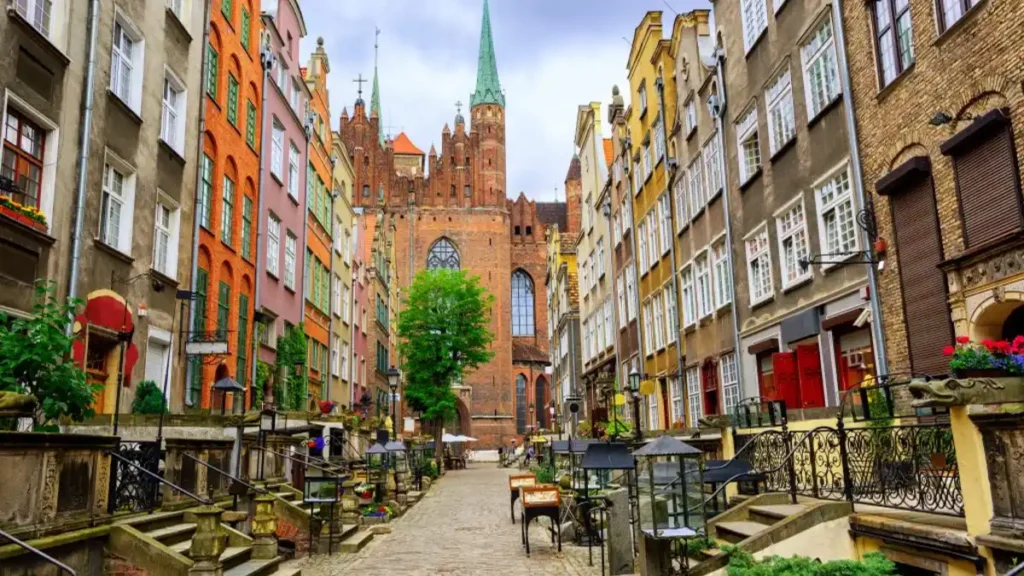
Gdansk lines its main street with tall, narrow merchant houses painted in bold colors. A brick Gothic tower rises above the rooftops at the far end of the lane.
Wrought iron railings and stone steps lead up to ornate doorways along the route. Outdoor cafes fill the cobblestones with tables and umbrellas.
This Baltic port city survived heavy damage during the war and was rebuilt with care. Amber jewelry shops line nearly every block near the historic center.
Fewer crowds gather here than in Poland’s more famous southern cities.
5. Ljubljana, Slovenia
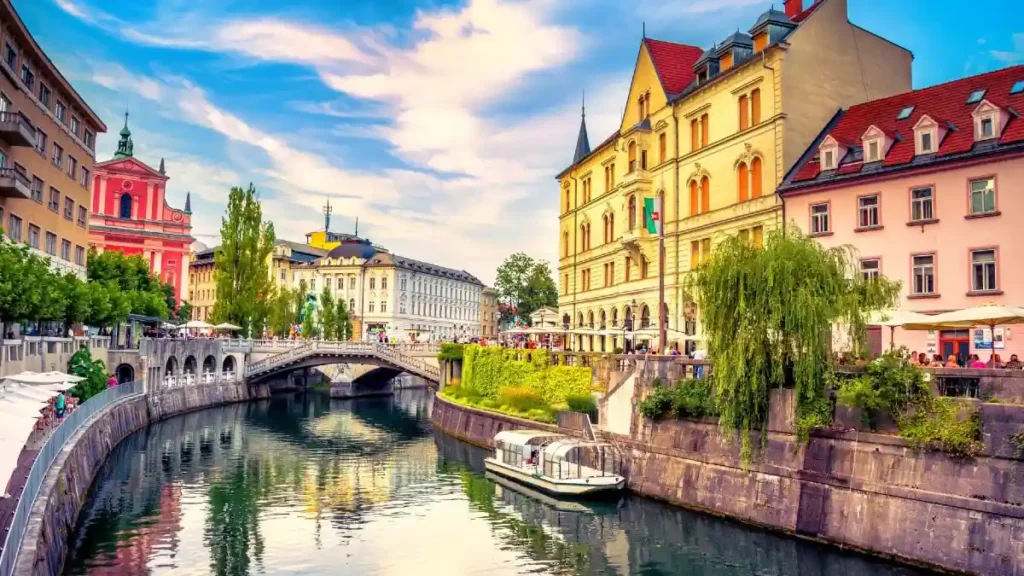
Ljubljana sits along a winding river beneath a hilltop castle. Orange rooftops stretch across the old town, framed by green hills and mountains.
Boats pass quietly under bridges connecting both sides of the water. Cafes line the riverbank, filled with locals enjoying slow mornings.
This capital feels more like a large town than a bustling metropolis. Green spaces and pedestrian-friendly streets make walking the best way to explore.
Slovenia often gets overlooked, yet its capital offers charm without heavy crowds.
6. Turin, Italy
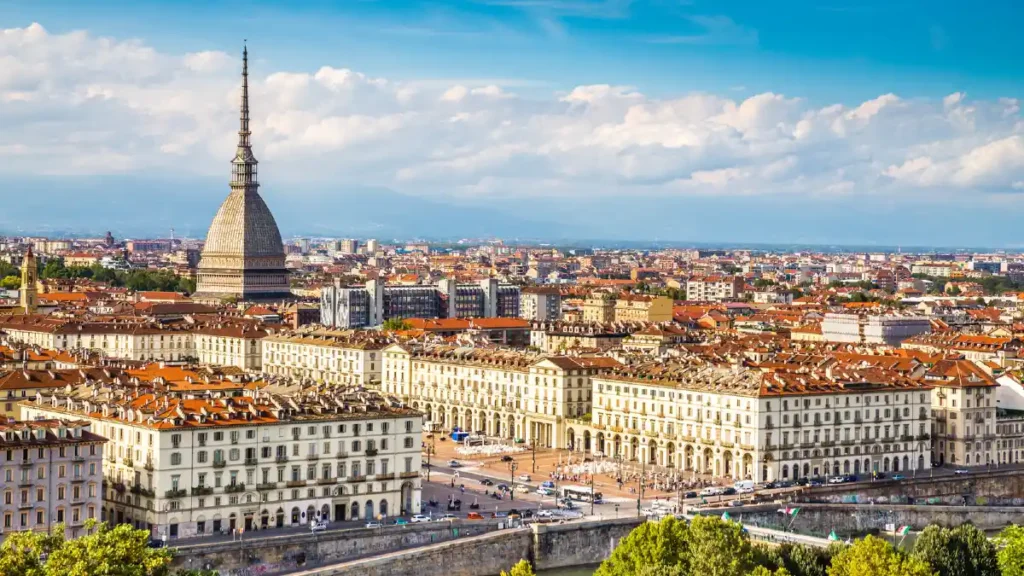
Turin’s skyline features the Mole Antonelliana, a striking spire visible for miles. Wide piazzas and arcaded streets give the city an elegant, orderly feel.
Once Italy’s capital, this northern city carries a rich, understated history. Mountains frame the horizon on clear days.
Chocolate and coffee culture run deep here, tracing back centuries. Museums dedicated to cinema and Egyptian artifacts rank among Europe’s finest collections.
7. Colmar, France
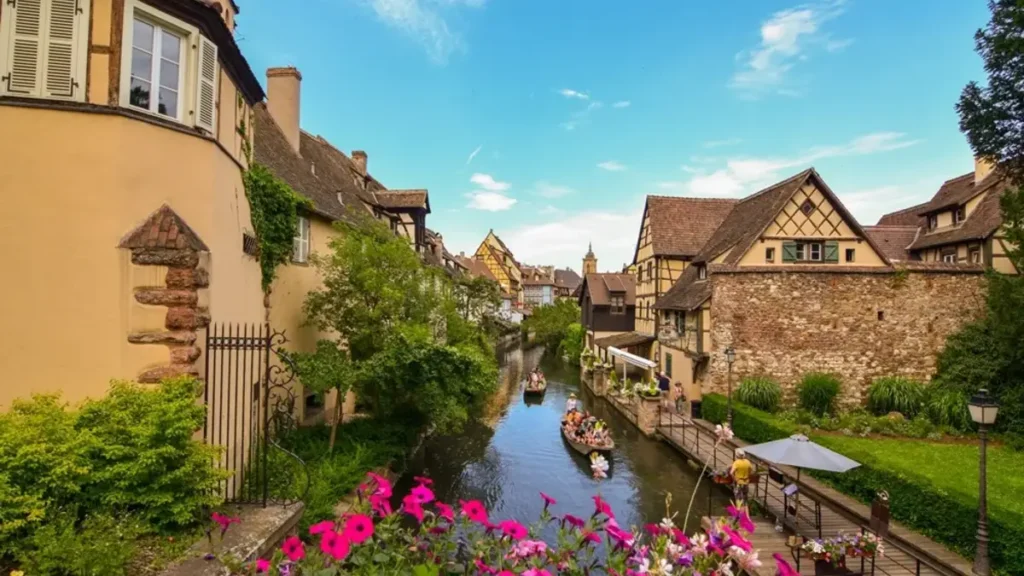
Colmar’s canals wind past half-timbered houses painted in bright colors. Flower boxes overflow with red blooms against pastel walls and wooden beams.
Visitors often compare the town to a fairy tale village brought to life. Small bridges cross the water at regular intervals.
This Alsatian gem inspired parts of a famous animated film. Wine bars and bakeries line narrow streets throughout the historic center.
Quieter than major cities, Colmar rewards those who wander without a strict itinerary.
8. Strasbourg, France
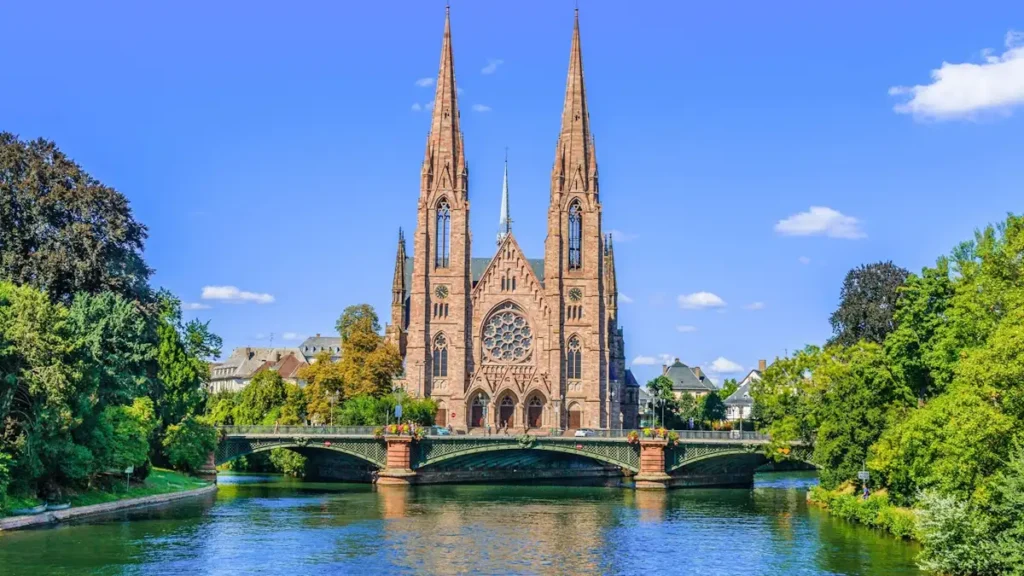
Twin Gothic spires rise above the water, their reflection stretching across the calm river below.
A stone and iron bridge crosses in front of the church, flowers spilling from planters along its railings. Trees line both banks, framing the scene in deep green.
Pedestrians cross the bridge in the afternoon light; the rose window and arched doorways add intricate detail to the honey-colored stone facade.
9. Peniscola, Spain
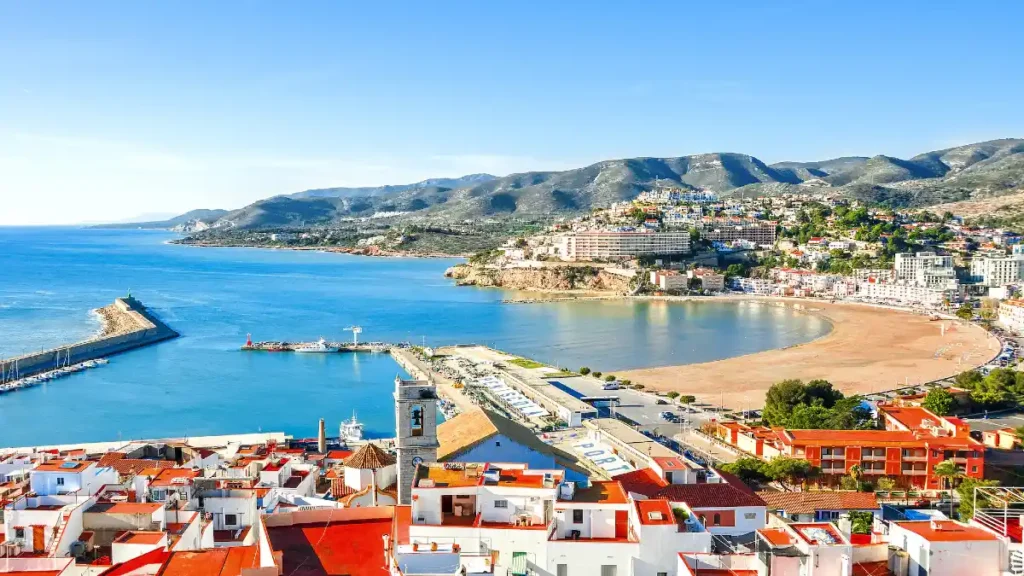
Peniscola sits on a rocky peninsula jutting into the Mediterranean Sea. A curved sandy beach wraps around the harbor beneath white-washed buildings.
Mountains rise in the distance behind a cluster of coastal villages. Boats dot the marina near a historic fortress.
This small town offers sun and sea without the crowds of larger resorts. Red rooftops and narrow streets give it an authentic Spanish character.
Budget travelers find lodging here far cheaper than Barcelona or Madrid.
10. Seville, Spain
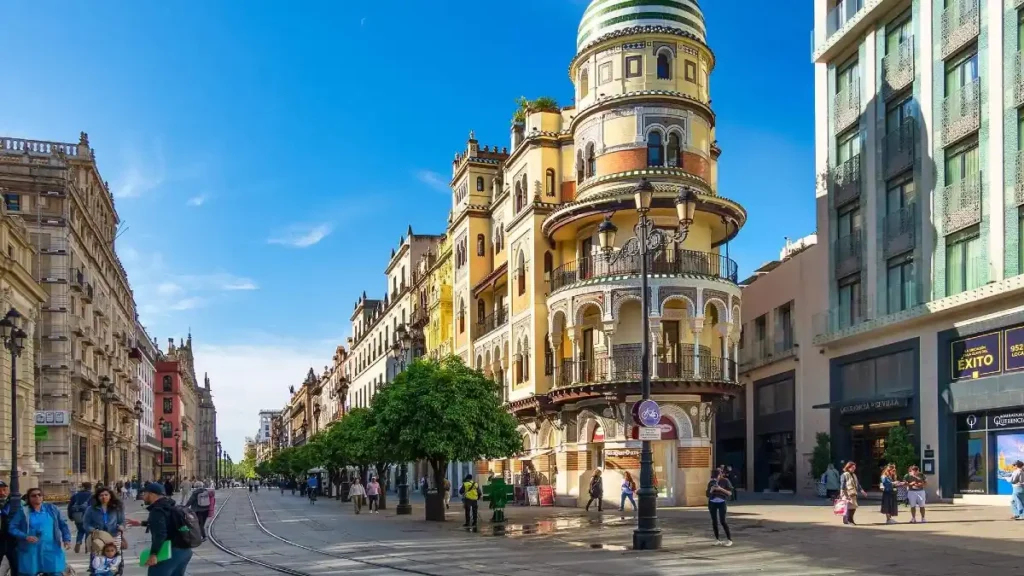
Seville’s streets showcase Moorish architecture layered with Spanish Baroque details. A striped domed tower rises above ornate balconies and iron lampposts.
Trams glide past pedestrians strolling beneath orange trees lining the avenue. Shops and cafes fill the ground floors of historic buildings.
Flamenco music echoes from bars tucked into narrow alleyways at night. Summer heat runs intense, so spring and fall bring the best conditions.
Tapas culture thrives here, letting visitors sample many dishes for little cost.
11. Plovdiv, Bulgaria
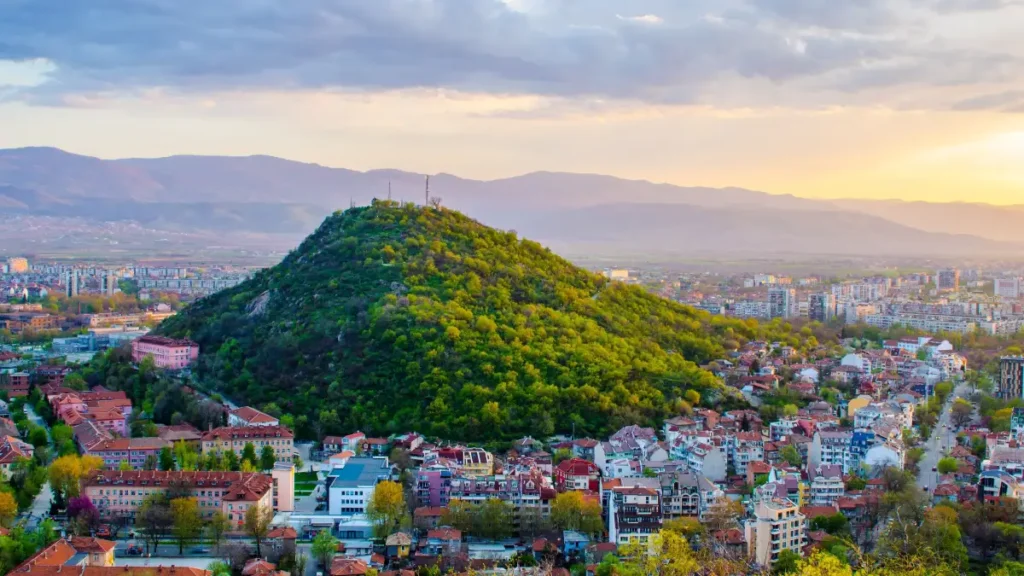
Plovdiv spreads across seven hills, with Nebet Tepe offering sweeping views. Terracotta rooftops stretch toward mountains that glow pink at sunset.
This city ranks among the oldest continuously inhabited settlements in the world. Roman ruins sit beside modern cafes and shops.
Culture runs deep here, earning Plovdiv recognition as a European Capital of Culture. Streets in the old town wind past restored 19th-century mansions.
Costs remain low, making this a smart stop for budget-conscious travelers.
12. Kotor, Montenegro
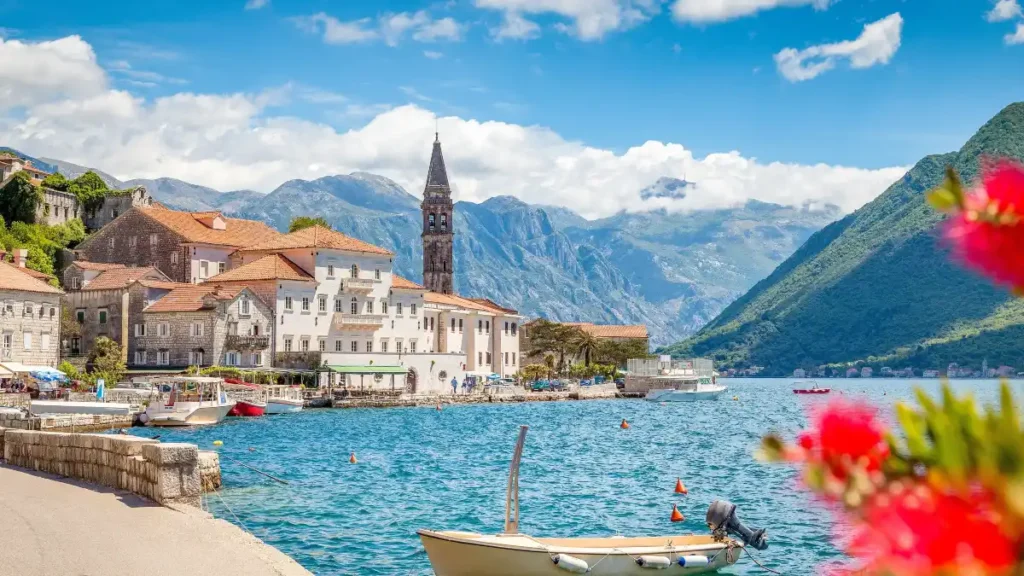
Kotor hugs the edge of a dramatic bay surrounded by steep mountains. A stone bell tower rises above terracotta rooftops near the water’s edge.
Old fortifications climb the hillside behind the town’s ancient walls. Boats bob gently in the calm harbor below.
Cruise ships often stop here, drawn by the bay’s striking scenery. Hiking trails lead up to the fortress for panoramic views of the coast.
Prices remain reasonable compared to nearby Croatian destinations along the Adriatic.
13. Vilnius, Lithuania
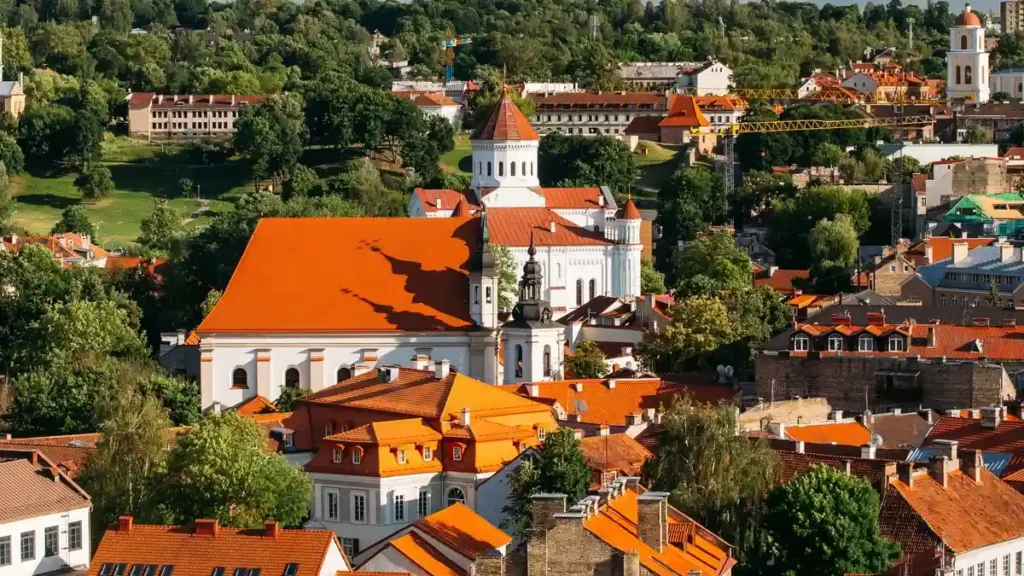
A white Baroque church rises above a sea of orange-tiled rooftops, its bell tower and dome catching the afternoon light.
Green parkland and rolling wooded hills frame the old town in the distance. A construction crane hints at the city’s quiet growth alongside centuries-old buildings.
Streets below stay uncrowded even in golden-hour light, giving Vilnius its low-key, overlooked charm compared to busier European capitals.
14. Tallinn, Estonia
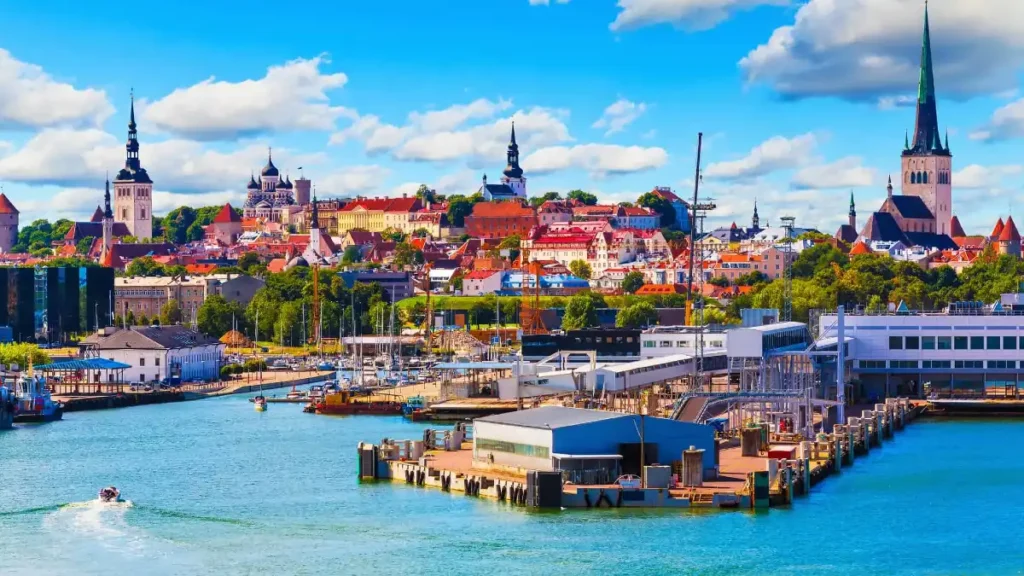
Tallinn’s medieval skyline features soaring spires visible from the harbor. Boats drift past a modern port framed by centuries-old towers.
This city blends a well-preserved old town with contemporary architecture nearby. Cobblestone streets wind through the historic core.
Estonia’s capital ranks among Europe’s most digitally advanced cities. Cafes and shops fill restored merchant houses dating back hundreds of years.
Ferry connections to Helsinki make this an easy addition to a Baltic itinerary.
15. Riga, Latvia
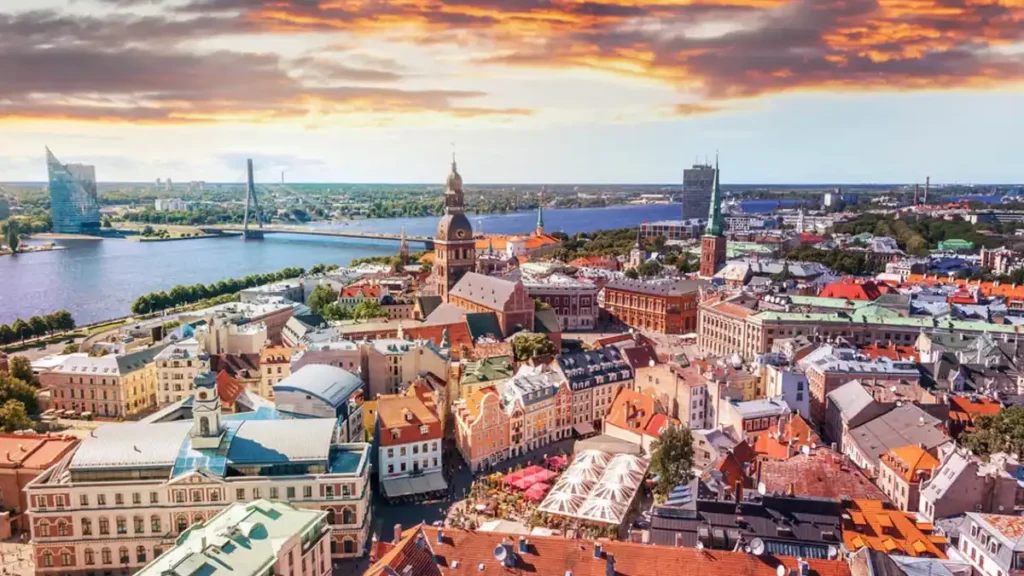
Riga’s skyline mixes church spires with a soaring modern tower. St. Peter’s church stands tall above red rooftops near the Daugava River.
Cruise ships occasionally dock along the waterfront, adding movement to the scene. Scaffolding on historic buildings hints at ongoing preservation work.
Art Nouveau architecture fills entire districts throughout this Baltic capital. Markets and squares offer a glimpse into daily Latvian life.
Travelers find excellent value here, from lodging to local cuisine.
16. Bratislava, Slovakia
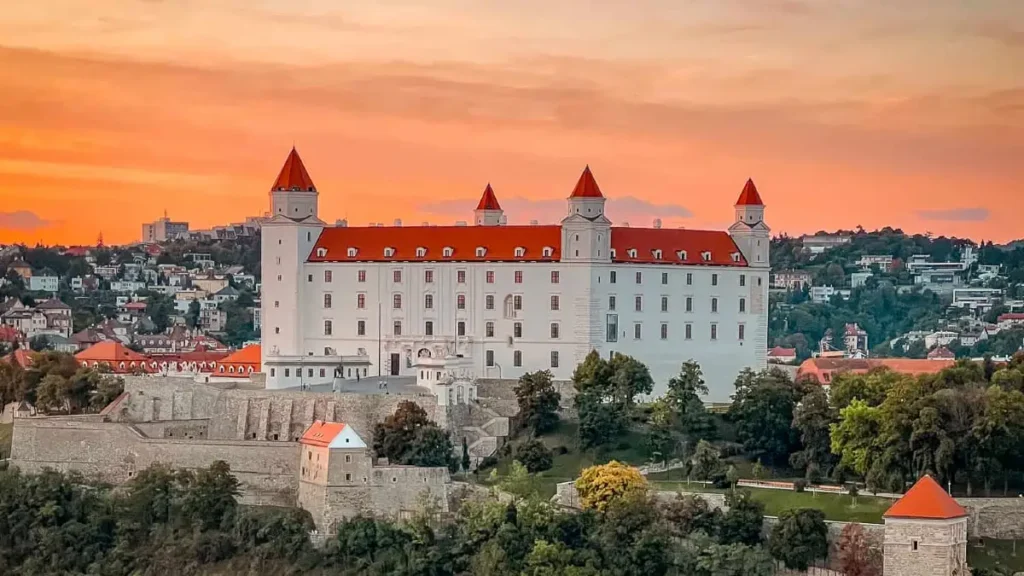
Bratislava Castle commands the skyline with four white towers and red roofs. Sunset paints the sky orange behind ancient stone fortifications below.
This capital sits along the Danube River, close to both Vienna and Budapest. Compact size makes it easy to explore on foot.
Slovakia’s capital often gets skipped by travelers rushing between larger cities. That oversight benefits visitors seeking quieter streets and lower prices.
17. Perast, Montenegro
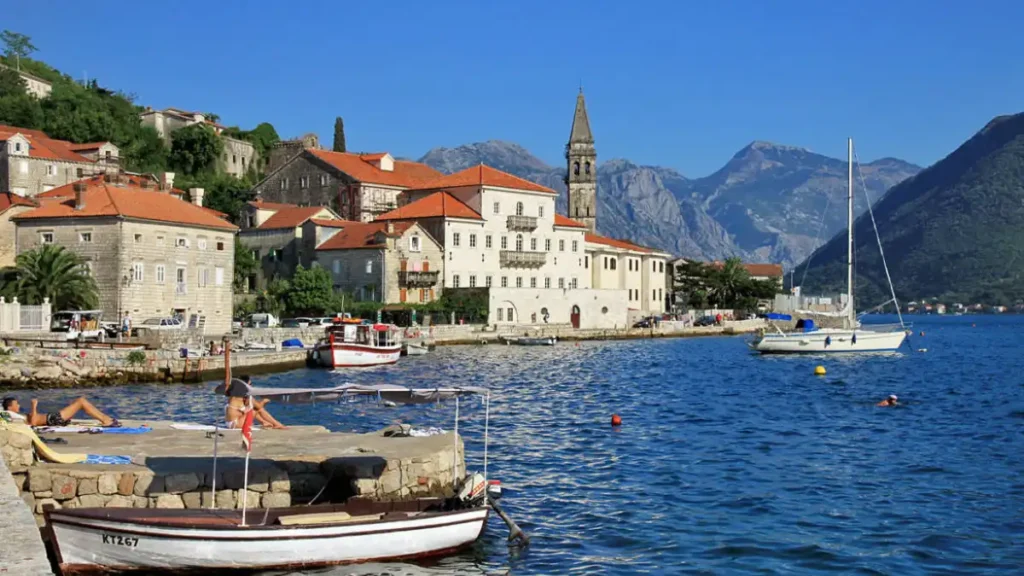
Perast’s waterfront stretches along the calm blue water of the Bay of Kotor. A stone bell tower rises behind pale stone buildings with terracotta roofs. Sailboats rest at anchor near a weathered wooden fishing boat tied to the pier.
Sunbathers stretch out on the sun-warmed stones nearby. Swimmers drift in the clear water just off the old town’s edge.
Mountains rise steeply on both sides, framing the narrow bay in green and gray. This quiet corner of Montenegro attracts visitors who trade crowded beaches for calmer shores.