
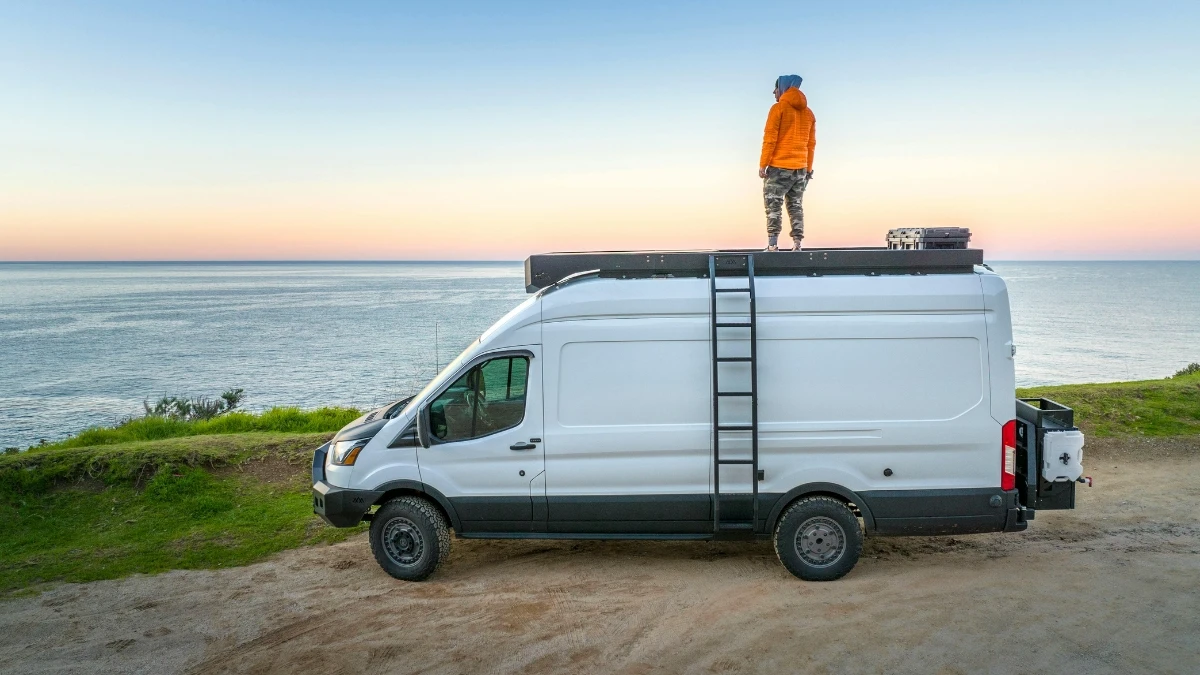
Van life looks simple on Instagram. You open the back doors, make coffee beside a mountain, and spend the morning working with a view that would cost a fortune from a hotel room. The van life reality can still be beautiful, but much more work happens before that photo is taken.
When you live in a van full time, basic things stop happening automatically. You have to find legal parking, refill water, dump waste, charge batteries, check the weather, wash clothes, plan showers, and keep the vehicle running. Those small jobs can take up a surprising part of your week.
That does not mean full-time van life is a bad choice. For the right person, the freedom can be worth the work. But you should know what you are signing up for before spending thousands on a van and conversion.
Here are 21 truths Instagram photos rarely show, including the real cost of van life and the daily problems you need to plan for.
21 Brutal Truths About Van Life Nobody Posts on Instagram
1. Van Life Is Not Always Cheaper Than Rent
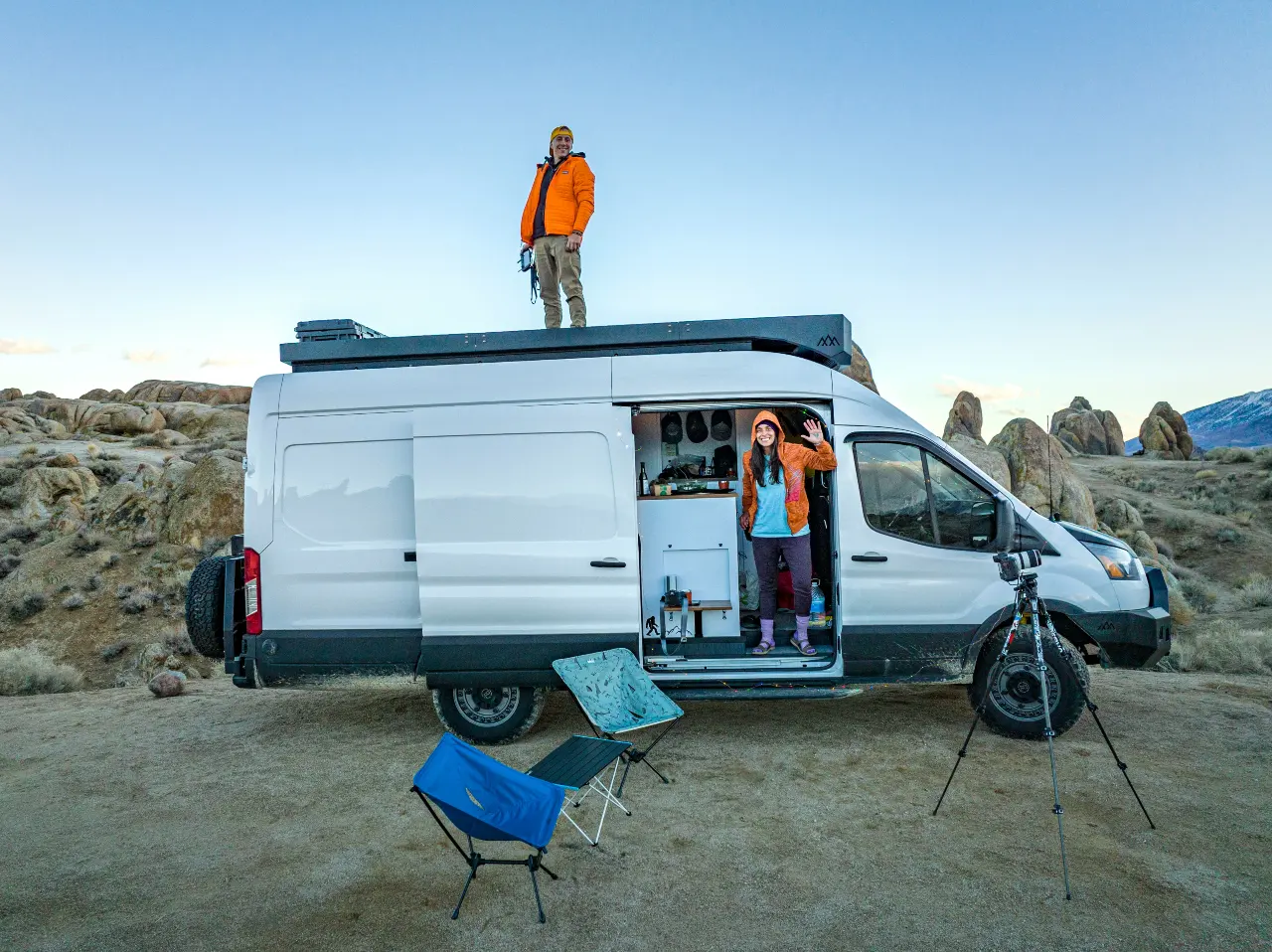
Giving up rent sounds like the fastest way to save money. But getting rid of rent does not get rid of housing costs. Your home now has an engine, tires, insurance, fuel, batteries, plumbing, and parts that can fail.
AAA reported that the average cost to own and operate a new vehicle in its 2025 study was $11,577 per year. That figure was for normal new vehicles, not camper vans, so your actual number could be very different.
A van budget may include fuel, insurance, repairs, campgrounds, laundry, internet, propane, tolls, parking, and loan payments. Food and normal personal spending still sit on top of that.
The smart move is to build a budget for a full year. A cheap month parked on free land can hide the expensive month when you need tires, repairs, and several paid campsites.
Your Van Life Budget Should Include
| Expense | Your Monthly Estimate |
|---|---|
| Van payment | $___ |
| Insurance | $___ |
| Fuel | $___ |
| Maintenance savings | $___ |
| Campsites | $___ |
| Internet | $___ |
| Laundry and showers | $___ |
| Propane and power | $___ |
| Tolls and parking | $___ |
| Emergency savings | $___ |
Add these numbers before comparing van life with rent. No rent does not mean no housing bill.
2. When Your Van Breaks, Your Home Breaks Too

A normal car problem can ruin your afternoon. A van problem can remove your car and your bedroom at the same time.
If the vehicle cannot move, you may also lose your refrigerator, charging system, water supply, heating, cooling, and access to a safe place to sleep. A repair that takes three days can suddenly create hotel, food, taxi, and storage costs.
This is why your emergency fund needs to cover more than the repair. Keep enough money available for towing, parts, labor, and several nights somewhere else.
Roadside assistance can help, but read the limits before depending on it. A large camper van may need a different tow truck than a normal passenger car.
Treat repairs as part of van ownership rather than a rare disaster. Your vehicle is also your house, so mechanical planning becomes housing planning.
3. Fuel Becomes Part of Your Housing Budget
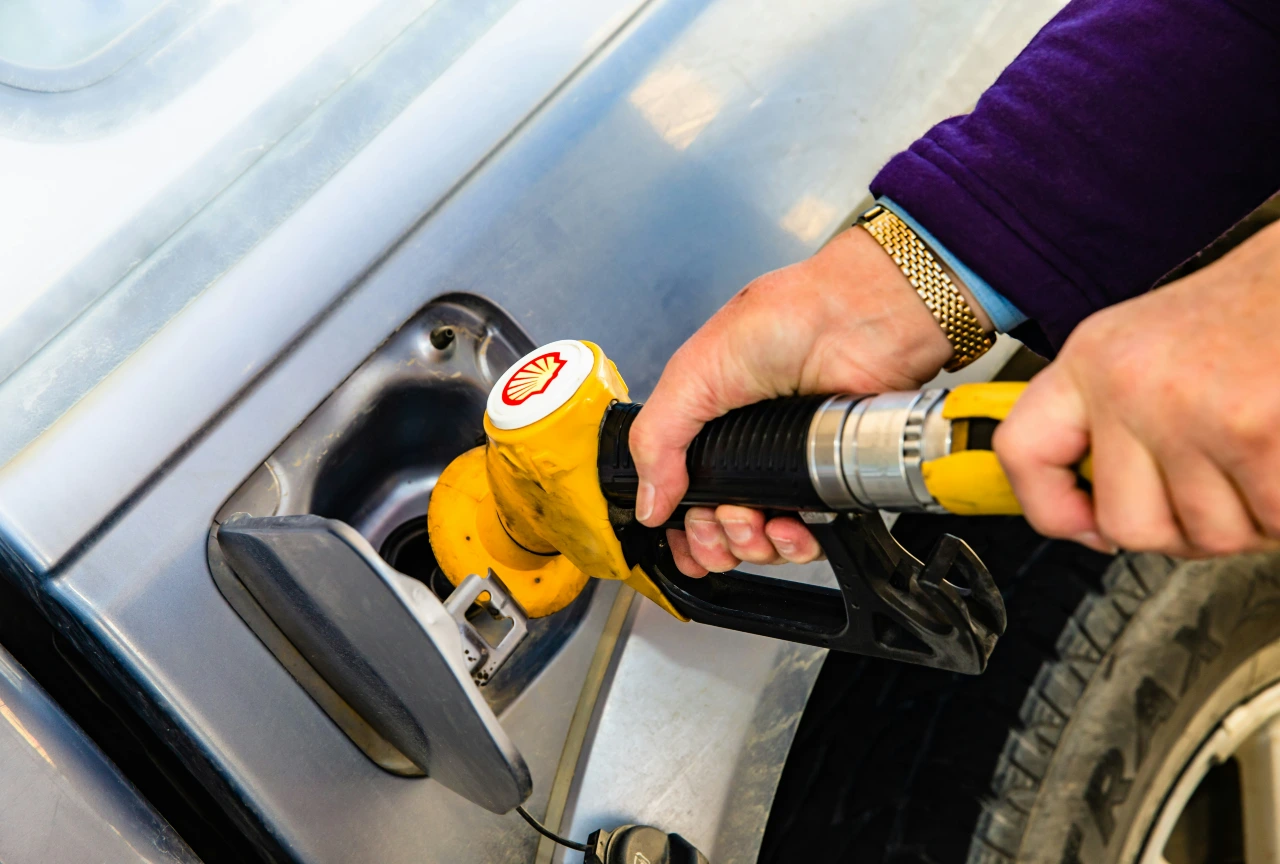
In an apartment, changing your view costs nothing. In a van, every new view may require fuel.
Driving hundreds of miles every few days can quickly raise the cost of van life. Mountain roads, heavy loads, wind, traffic, and long detours can make the bill worse.
Slowing down is one of the easiest ways to control this expense. Spending one week in an area instead of moving every day can cut fuel use while also giving you more time to enjoy the place.
Use your own van to calculate the real cost. Record what you spend on fuel and divide it by the miles driven.
Then use this simple formula:
Monthly miles × your actual fuel cost per mile = your travel fuel budget
Do this after several tanks of fuel. A number based on your own van is more useful than a mileage claim from someone driving a different model.
4. Free Camping Usually Comes With a Time Limit
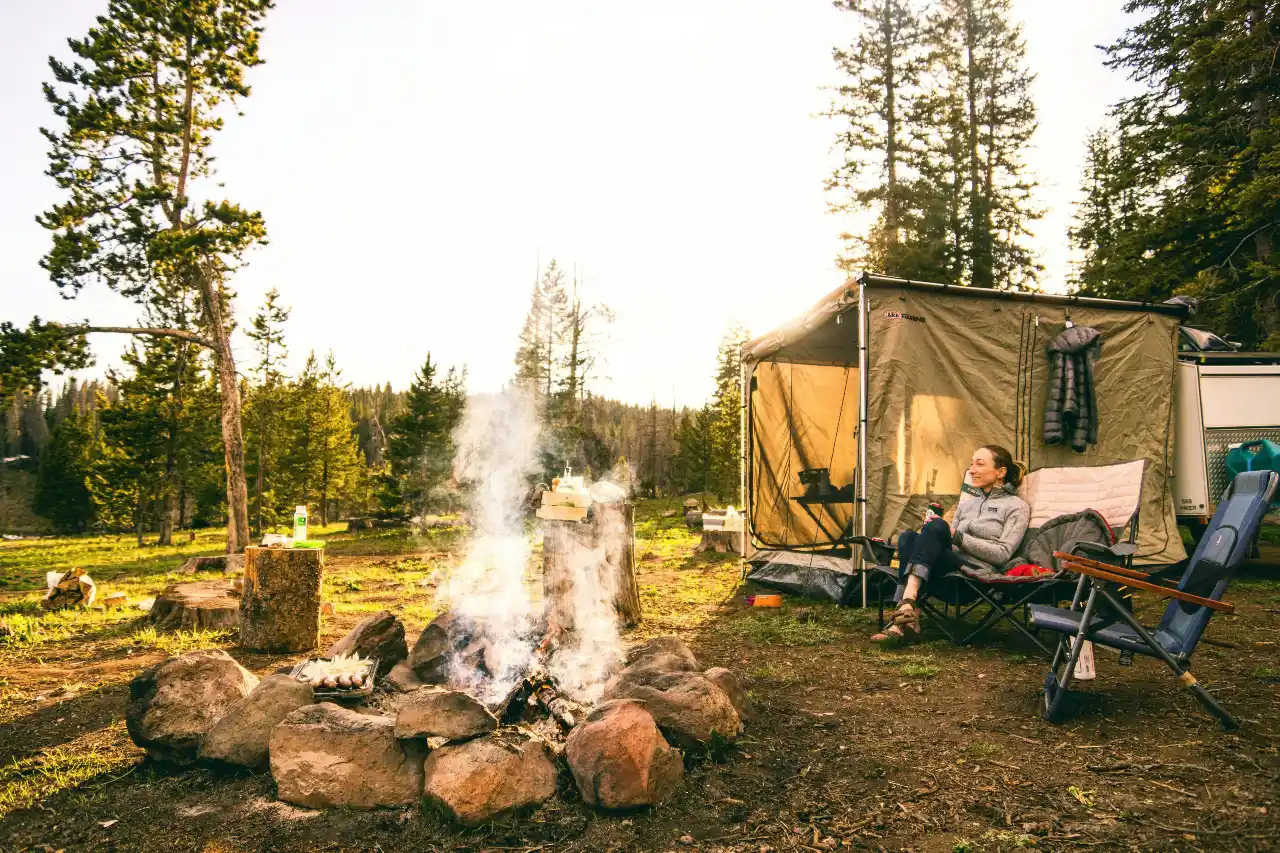
One of the biggest van life myths is that public land means you can camp anywhere for as long as you want. That can lead to fines, conflict, or an unwanted visit from a ranger.
The Bureau of Land Management says dispersed camping is generally limited to 14 days within a 28-day period. Exact rules can change by state, field office, and location. BLM also says dispersed camping is meant for short-term recreation rather than permanent living.
After reaching the limit, you may need to move a meaningful distance away. Local rules matter more than something a creator posted several years ago.
Before camping, check these six things:
- Who manages the land?
- What is the current stay limit?
- Are there fire restrictions?
- Is overnight camping allowed in that exact area?
- Can your vehicle legally use the access road?
- Do you have the rules saved before losing signal?
Free camping can save money. It still requires research.
5. A Legal Parking Space May Still Be Illegal for Sleeping
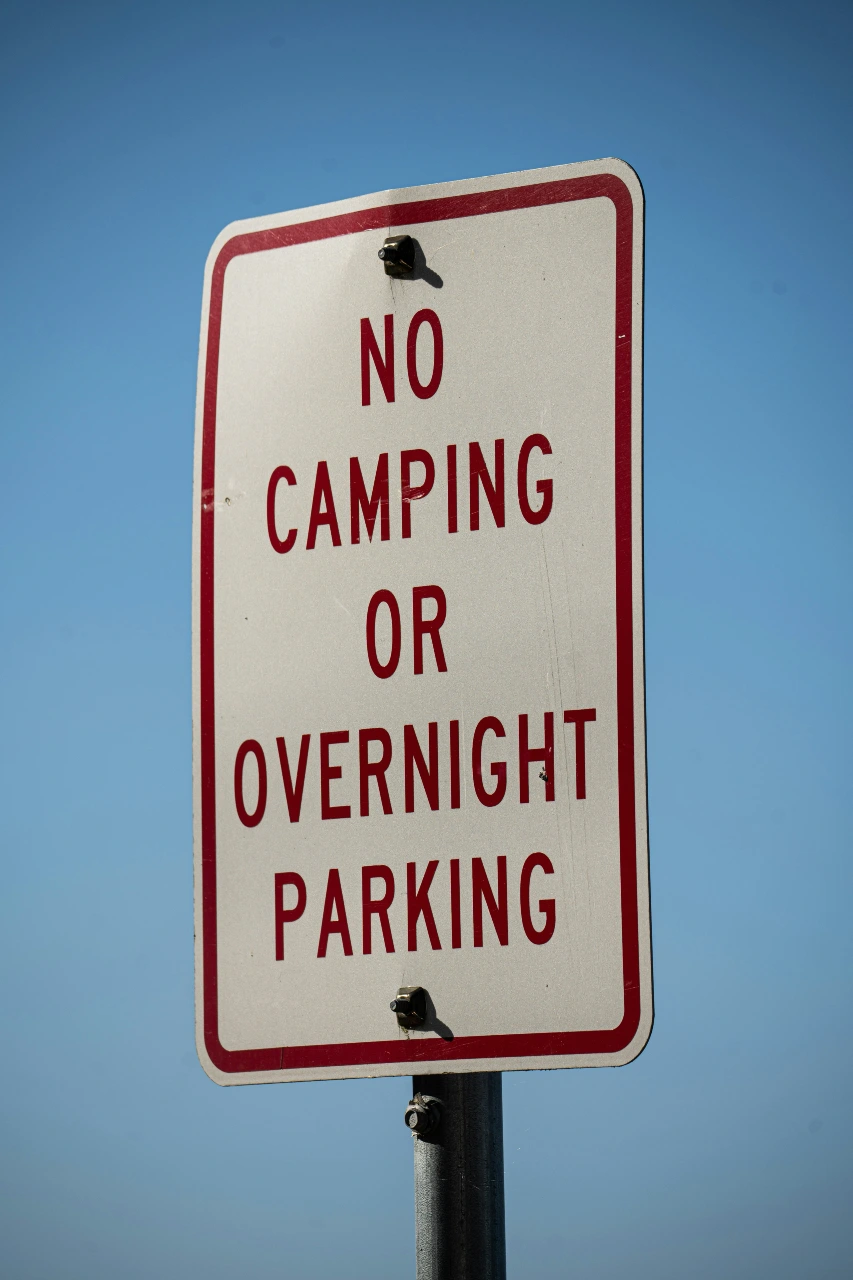
You pull into a quiet parking lot. There are no gates, and parking appears to be allowed. That does not automatically mean you can sleep there.
Parking and overnight camping can be treated differently. Rules can change between cities, counties, parks, private lots, and even different areas within the same town.
Yellowstone National Park gives a clear example. The park says car camping and overnight vehicle parking are not allowed in pullouts, parking areas, picnic grounds, or other places outside designated campgrounds.
This is why lists claiming that a certain store or parking chain always allows overnight stays can cause problems. A company may allow it in one location while local rules block it somewhere else.
Check posted signs. Check local rules. Ask permission on private property.
Most importantly, always have another legal place in mind. Your backup parking spot can save a very stressful night.
6. Spontaneous Travel Still Takes Planning
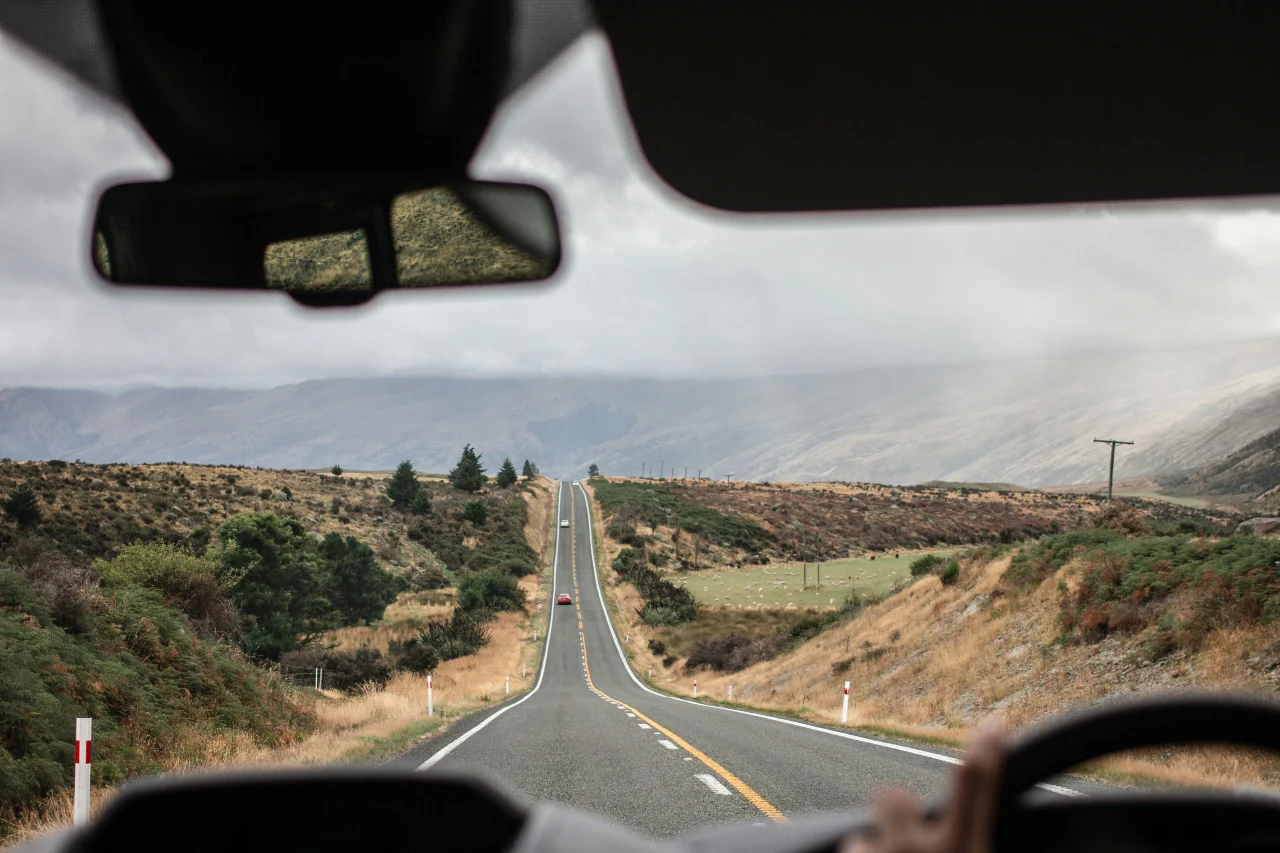
The dream is simple. Drive until you find somewhere beautiful, park, cook dinner, and go to sleep.
Popular travel areas do not always work that way. Recreation.gov says most campsites on its system can be reserved about six months ahead, and some popular campgrounds can fill within minutes when booking opens.
Yellowstone also warns visitors to plan ahead for overnight stays because campground demand can be high.
You do not need to schedule every night months ahead. You do need a system.
Use three options:
Plan A: The campsite or legal area you want.
Plan B: Another verified place nearby.
Plan C: A legal overnight option farther away.
That gives you freedom without waiting until 10 p.m. to learn that every nearby campground is full.
7. Finding Tonight’s Parking Can Feel Like a Second Job
Driving is sometimes the easy part. The harder part begins when you need somewhere safe and legal to stop.
A parking spot needs more than a nice view. You may need to check road access, local rules, noise, slope, cell service, weather, safety, and whether you can leave easily in the morning.
Finding all of that after sunset gets old fast. You are tired, hungry, and probably less patient than you were at noon.
A better habit is to choose tomorrow’s sleeping area before leaving today’s spot. Save at least two options when you still have signal.
Download offline maps as well. Remote places can lose service exactly when you need directions.
Parking becomes much easier when you stop treating it as an end-of-day emergency.
8. Water Stops Feeling Unlimited
At home, you turn a tap and expect water to appear. Van life gives that water a number.
You need water for drinking, cooking, dishes, brushing your teeth, washing your hands, pets, and sometimes showers. Every use takes something from your tank.
This changes the way you think about simple chores. A long shower can mean an earlier refill. Washing dishes under running water can use more water than expected.
Work out how long your tank actually lasts:
Usable water capacity ÷ average daily use = days between refills
Track your normal use for several days instead of guessing. Keep some drinking water separate as an emergency supply when possible.
Bigger tanks give you more time between stops, but water is heavy and takes up space. That matters because every van has a weight limit.
The goal is not to carry the biggest tank. It is knowing how much water you really use.
9. The Toilet Question Stops Being Funny Very Quickly
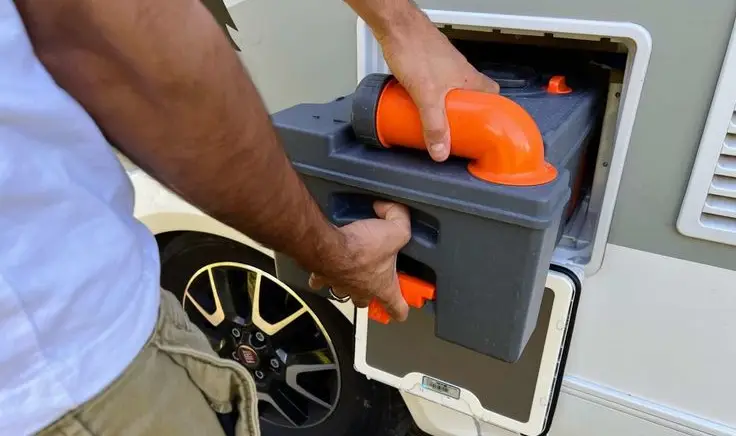
People love talking about beds, cabinets, and wood ceilings when planning a van. Nobody gets as excited about deciding where human waste will go.
But your toilet choice affects everyday life more than many decorative upgrades. You may choose a cassette toilet, portable toilet, dry system, another approved setup, or rely on campground facilities.
Each choice comes with trade-offs. Think about storage space, smell control, cleaning, emptying frequency, and where waste can legally be disposed of.
Do not assume you can dump waste wherever it is convenient. Find approved disposal locations along your route and learn how your specific system should be emptied.
Bathroom privacy also matters when two people share the van. That becomes very clear the first time someone needs the toilet while the other person is cooking breakfast.
Choose your bathroom system before designing cabinets around it.
10. Showers and Laundry Become Real Events
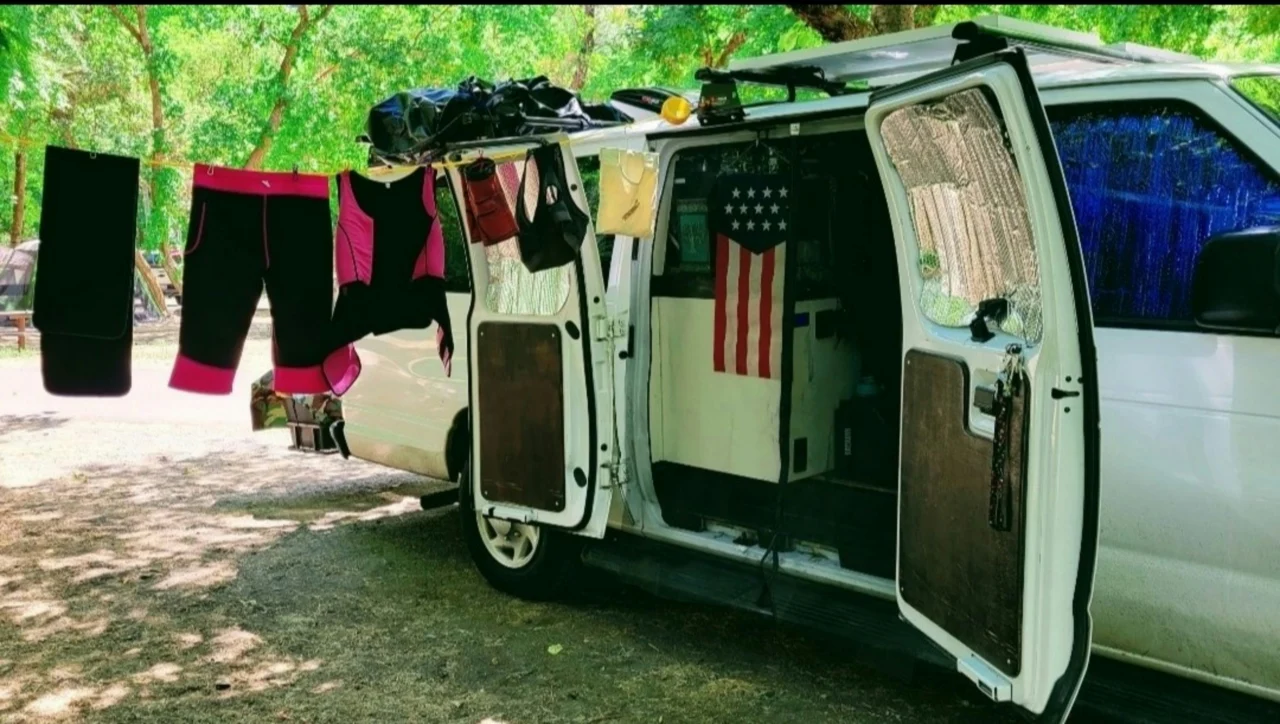
In a house, taking a shower might take ten minutes. In a van, getting that shower can take part of the afternoon.
You may depend on a campground, gym, truck stop, recreation center, friend, or onboard shower. Laundry adds another stop, along with finding change or payment options, washing everything, drying it, folding it, and storing it again.
A simple way to reduce the hassle is to create a regular service day. Combine chores instead of spreading them across the week.
Your service day might include:
- Laundry
- Shower
- Groceries
- Water refill
- Trash
- Waste disposal
- Fuel
Getting everything done in one area can protect the rest of your week for work or travel.
The surprise is not that van life has chores. It is how much planning normal chores can require.
11. Condensation Can Damage More Than Your Windows

Wake up on a cold morning, and you may find water covering the inside of the windows. That moisture did not appear from nowhere.
Breathing adds moisture to the air. Cooking, wet clothing, showers, and temperature changes add more.
Van conversion resource FarOutRide, updated in July 2026, warns that frequent condensation can create conditions that lead to mold and rust.
Ventilation matters even when opening a vent feels like you are letting warm air escape. Moist air needs somewhere to go.
Pay special attention to hidden places. Check under your mattress, behind cushions, inside cabinets, and near cold metal surfaces.
A roof fan, cross ventilation, air space under the mattress, and a basic humidity meter can help you spot trouble sooner.
The beautiful wooden ceiling may get attention. The ventilation system is what helps protect everything behind it.
12. Summer Heat Can Make a Great Campsite Unsafe
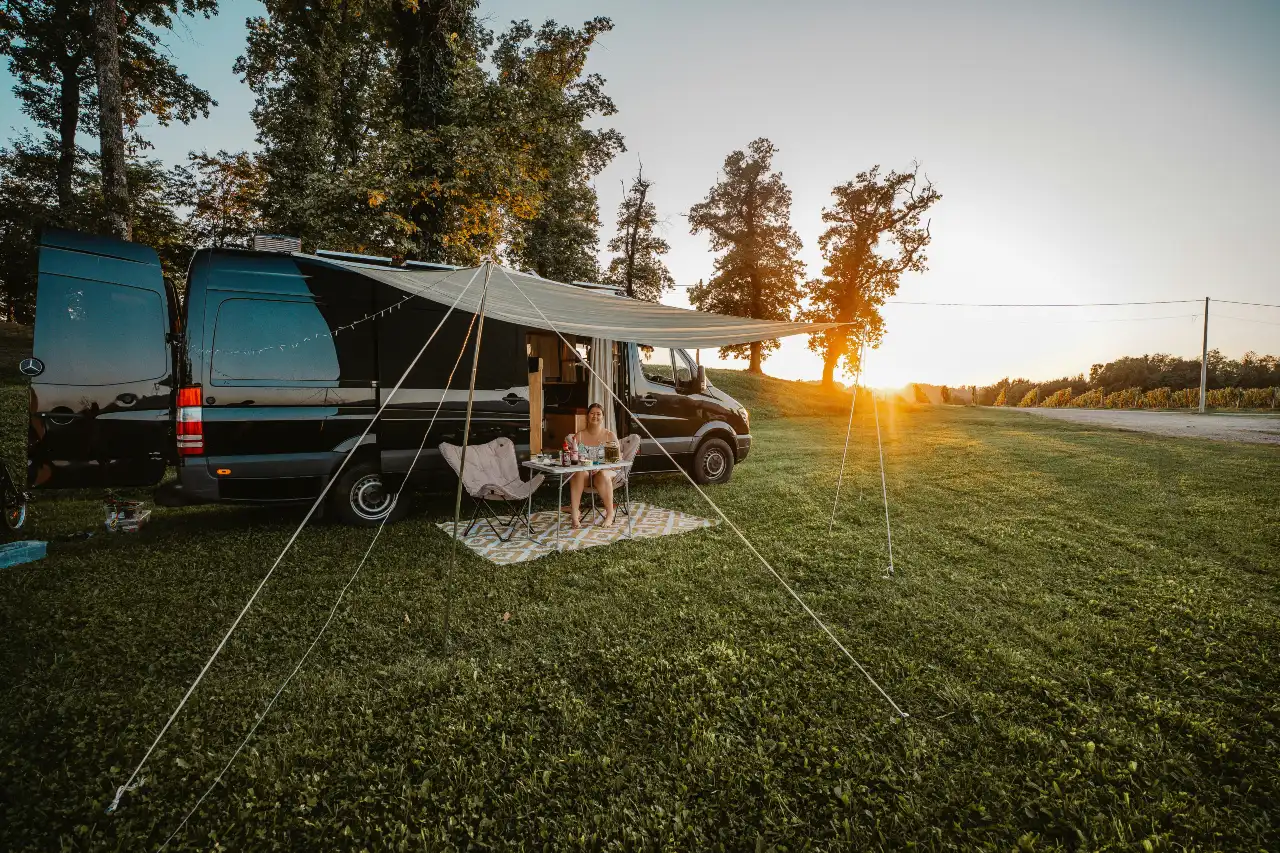
That open desert spot can look perfect at sunset. By late morning, your metal home may feel very different.
The National Weather Service warns that parked vehicles can heat up quickly and reach dangerous conditions. It also warns that slightly open windows do not remove the danger.
A converted van is different from an unattended passenger car because it may have insulation, roof fans, window covers, and other cooling systems. But insulation alone is not air conditioning.
Plan summer routes around temperature. Higher elevations, shaded locations, strong ventilation, window covers, and cooler regions can make a huge difference.
Check tomorrow’s temperature before going to sleep. Do not stay somewhere dangerous simply because the campsite is beautiful.
If the heat becomes unsafe, leave.
Moving your home is one of van life’s biggest advantages. Use it.
13. Cold Weather Heating Needs Serious Safety Rules
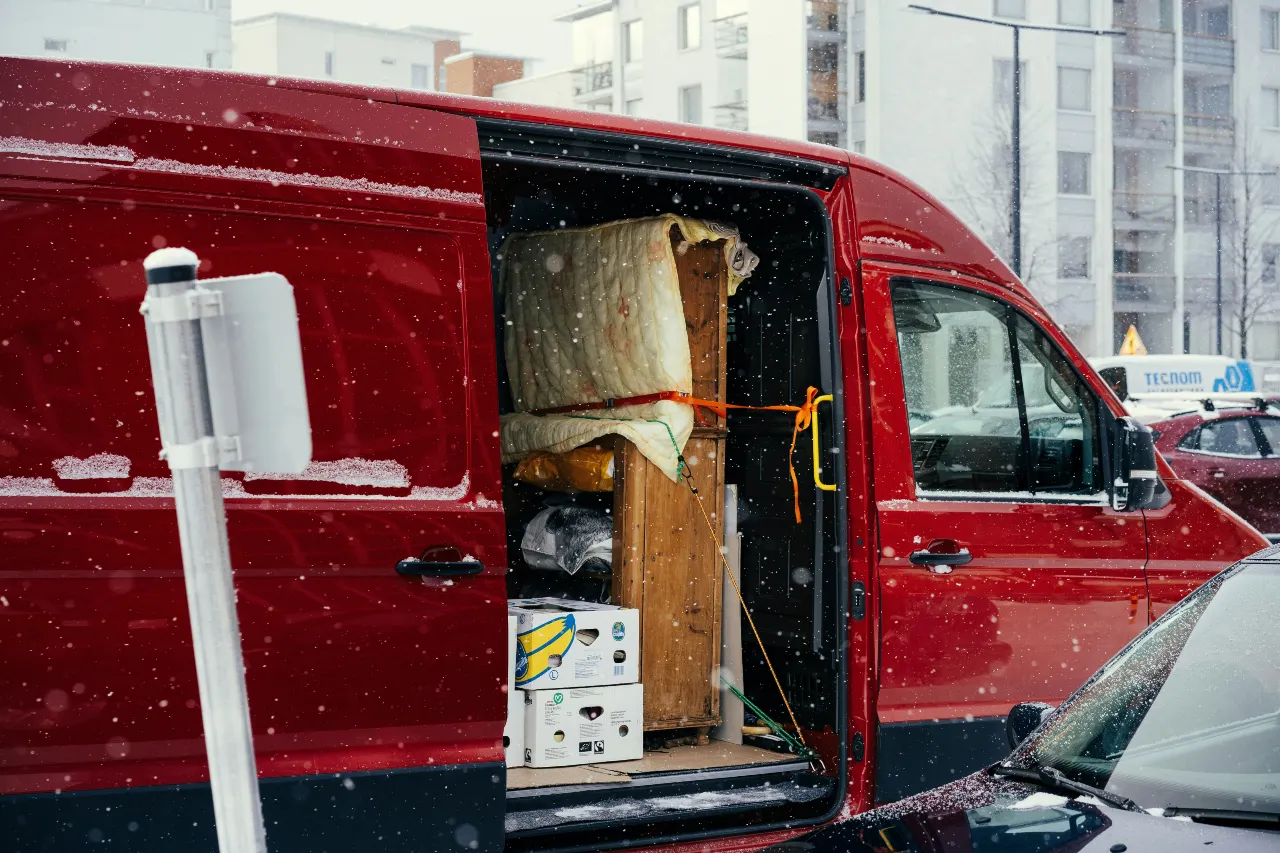
A tiny van can become uncomfortable very quickly when the temperature drops. The wrong heating choice can also create a much bigger problem.
Carbon monoxide has no color or smell. The CDC says never to use a portable gas camp stove indoors and warns against burning charcoal indoors.
CDC guidance also says portable camping stoves and charcoal grills should never be used inside a camper.
Use heating equipment that is designed for the job. Follow the maker’s installation and ventilation instructions.
Your sleeping area should also have working smoke and carbon monoxide alarms where appropriate for your setup. Test them and replace batteries when needed.
Do not copy a random heating trick because it looked clever in a short video.
Cold nights require proper equipment, not risky shortcuts.
14. Solar Panels Do Not Mean Unlimited Electricity
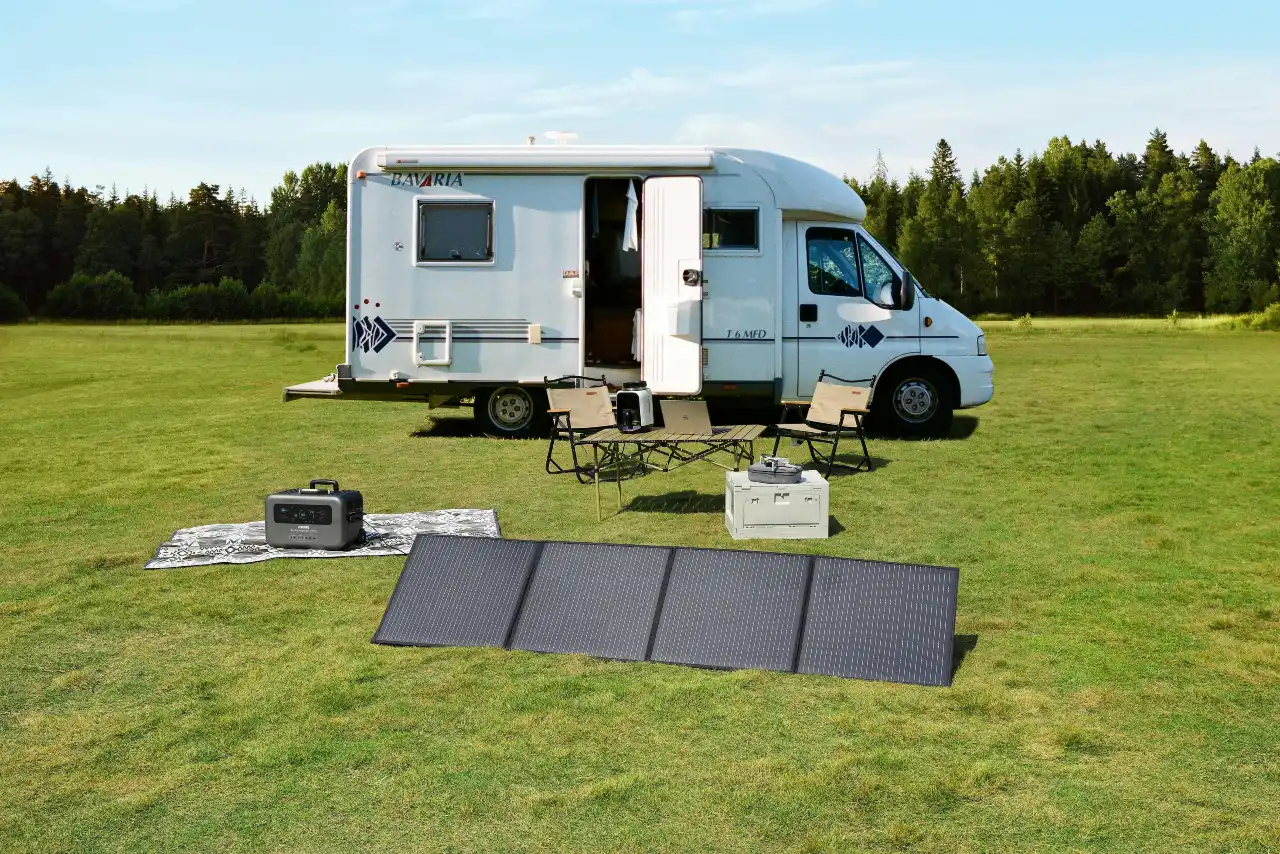
Putting solar panels on the roof feels like solving your power problem forever. Then you spend three cloudy days using a laptop, refrigerator, fan, lights, water pump, phone chargers, and internet equipment.
Solar production changes with the season, time of day, clouds, dust, shadows, rain, snow, and other conditions. The U.S. Department of Energy explains that all of these factors can affect how much solar energy is produced.
Start by measuring what you use.
Write down the power needs of each major device. Estimate how many hours each one runs. Then calculate your daily energy use.
Your system needs enough battery storage and charging ability to support that use during less-than-perfect conditions.
Do not choose a solar system because someone online says a certain panel size is enough for everyone.
Build the electrical system around your own daily use.
15. Remote Work Needs an Internet Backup
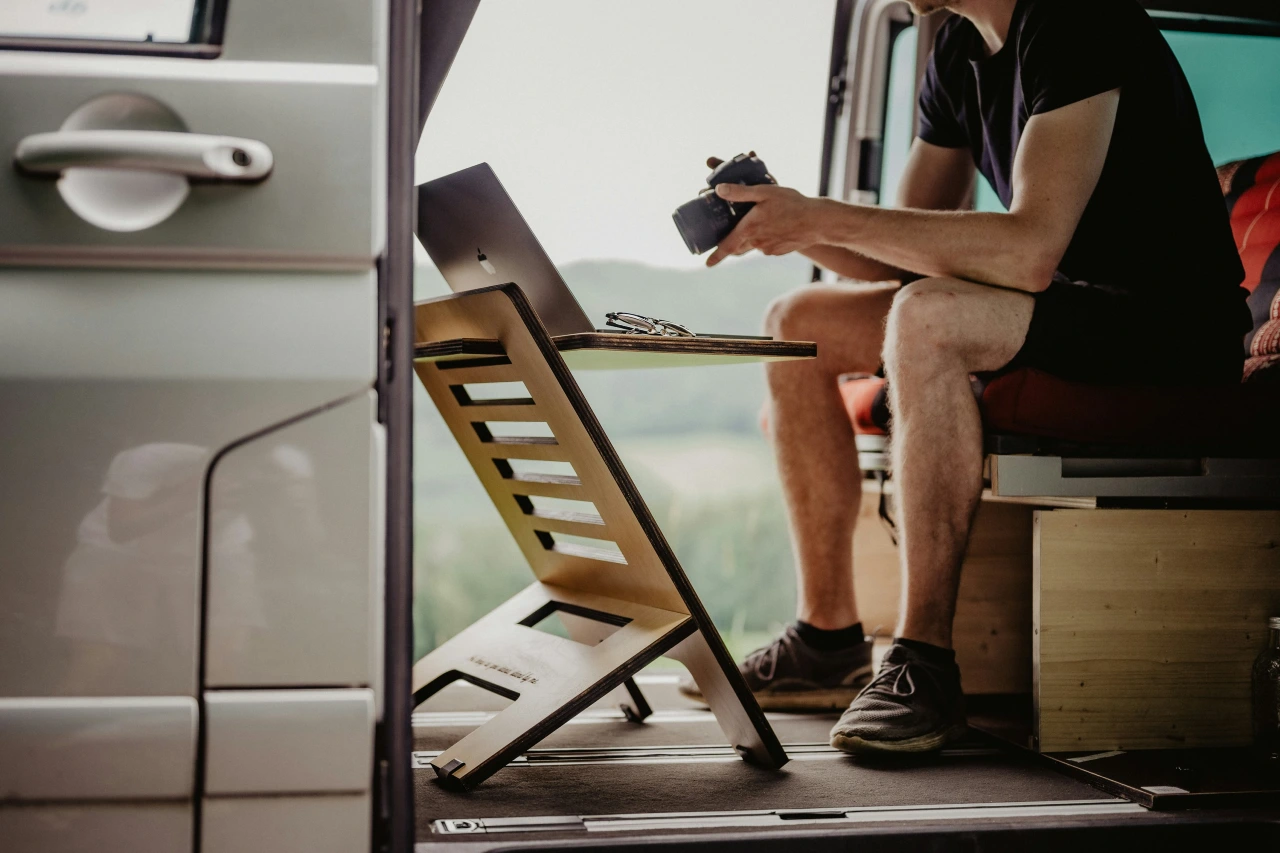
Working beside a lake sounds great until an important video call starts freezing every thirty seconds.
Remote work from a van can be very practical, but your job may depend on coverage. Cell service changes by location, and campground WiFi can be slow or crowded.
Satellite internet gives travelers another option. As of August 2026, Starlink lists U.S. Roam plans at $55 per month for 100GB, $80 for 300GB, and $175 for Unlimited. Prices and plan terms can change, so check again before buying.
If missing a work call could cost you money, one internet option may not be enough.
A stronger setup is:
Primary connection + backup carrier + offline work plan
Download important documents before entering remote areas. Tell coworkers early when you know you may have limited service.
Working anywhere still requires somewhere with a working connection.
16. Every Upgrade Takes Away Some Payload
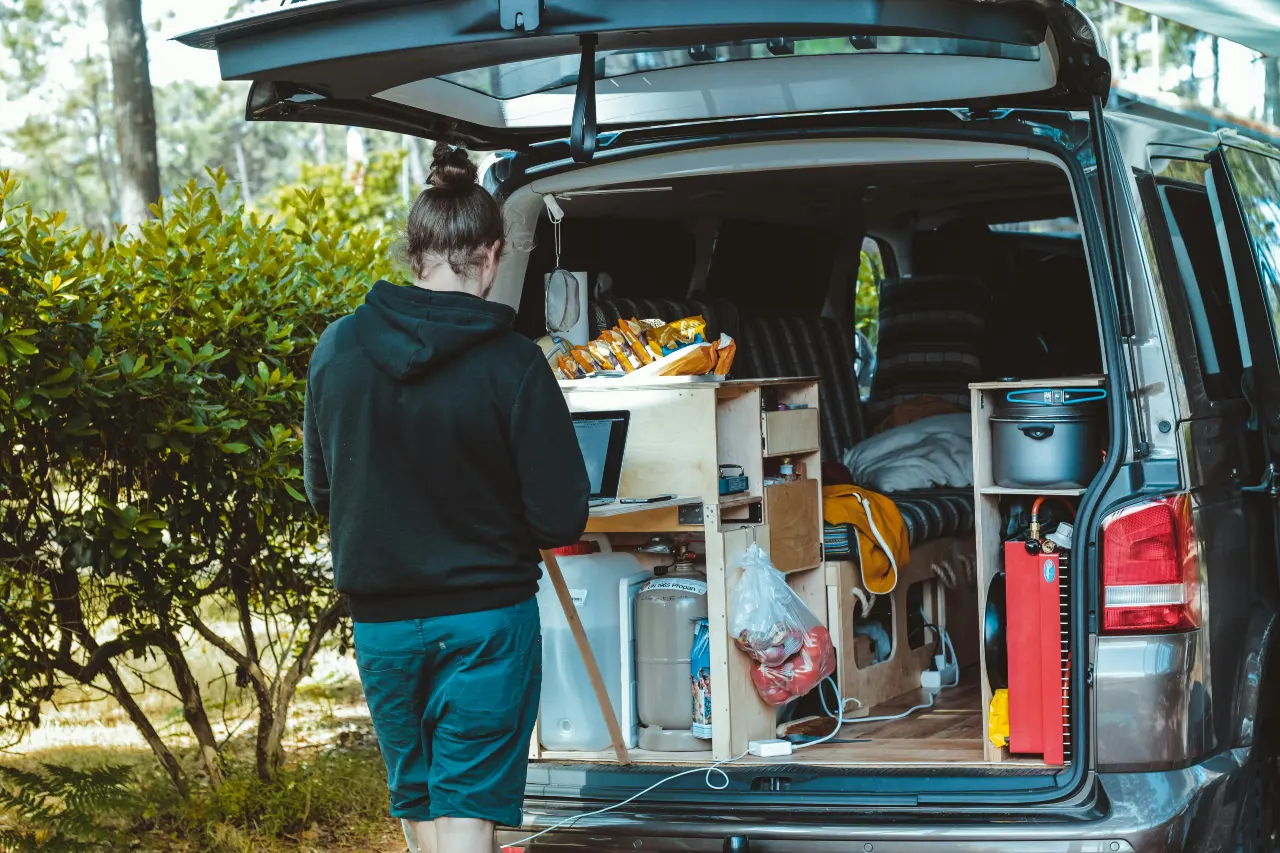
A bigger battery sounds useful. So does a larger water tank, hardwood counter, extra cabinet, bike rack, bigger refrigerator, and more tools.
Put them all together, and the weight can become a safety problem.
Ford explains that payload includes the combined weight of occupants and cargo. It tells owners to check the vehicle’s own Tire and Loading Information Label for the maximum allowed amount.
The exact limit depends on your vehicle and configuration. Do not copy a payload number from someone else’s van.
Remember that the finished build is not the final weight. You still need to add people, food, water, clothes, outdoor gear, tools, and everything else you carry.
Once the van is finished, weigh it fully loaded at a certified scale.
The prettiest conversion is useless if the vehicle is carrying more than it was designed to handle.
17. Three Days of Rain Can Make the Van Feel Very Small

Van life is easy to romanticize when the doors are open, and you spend most of the day outside. Bad weather changes the size of your home very quickly.
Now the wet jackets are inside. The muddy shoes are inside. The towels are drying inside, dinner is cooking inside, and everyone needs somewhere to sit.
If you have a dog, the problem gets bigger.
Design one small area near the door for wet things. Use easy-to-clean flooring, hooks, shoe storage, towels, and a small brush.
Good ventilation matters here too because wet clothing adds more moisture to the air.
Bad weather will happen eventually. Plan the interior for the day when the outside space is not useful.
A van layout should work with the doors closed, not just when every photo looks perfect.
18. Couples Get Almost No Automatic Personal Space
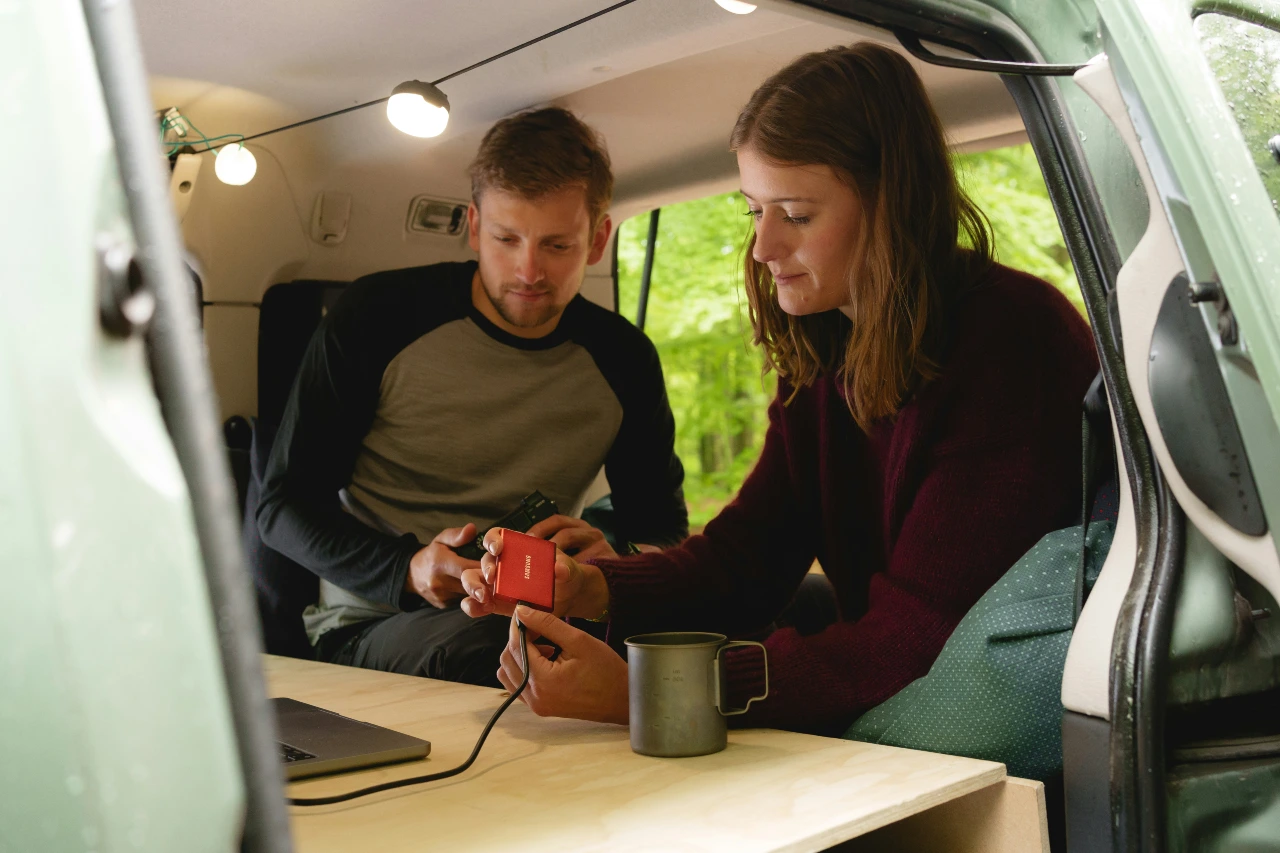
Traveling together and living in one tiny room are different tests.
One person may want to sleep while the other has a work call. One may like everything clean immediately, while the other leaves clothes on the bed.
Then there is cooking, driving, bathroom privacy, temperature, money, music, and the simple wish to sit somewhere alone.
Talk about these issues before moving into the van.
Agree on who handles driving, cleaning, planning, expenses, water, waste, and maintenance. Give each person storage that belongs only to them.
Also decide how either person can ask for quiet time without turning it into an argument.
There is no useful statistic proving that van life ruins relationships, and you do not need one.
The better test is simple: Can you share one room peacefully during three wet days when neither person can escape outside?
19. Solo Van Life Can Feel Free and Lonely at the Same Time

Being alone can feel wonderful when you choose it. You can stop where you want, eat when you want, and change plans without asking anyone.
But constantly changing places can also make regular friendships harder to maintain. You may meet many people without seeing the same people very often.
That does not mean solo van life automatically causes loneliness. Plenty of people enjoy large amounts of time alone.
The key is knowing what you need.
Create regular social anchors if connection matters to you. Schedule calls with friends. Visit the same towns again. Use coworking spaces, climbing gyms, hobby groups, volunteer programs, or regular campground stops.
You do not need to fill every day with people.
You do need to notice when peaceful solitude starts feeling like unwanted isolation.
20. Your Mail, Insurance, and Paperwork Do Not Disappear

Moving into a van can remove a lease. It does not remove government forms, bank accounts, vehicle paperwork, insurance, taxes, prescriptions, or mail.
The exact rules depend on where you live and your personal situation. That means a method used by another traveler may not work for you.
Before giving up a permanent home, check what address your driver’s license, registration, insurance, bank, tax records, and voting records require. Use official state sources when the rule matters.
Also, make a plan for physical mail. Some travelers use a trusted family address where allowed, while others use mail forwarding services that fit their situation.
Health care can require planning too, especially when you spend long periods away from your normal provider.
Do this paperwork before moving out.
Finding out you need an address is much easier before the old one disappears.
21. The Cheapest Van Life Mistake Is the Van You Never Bought
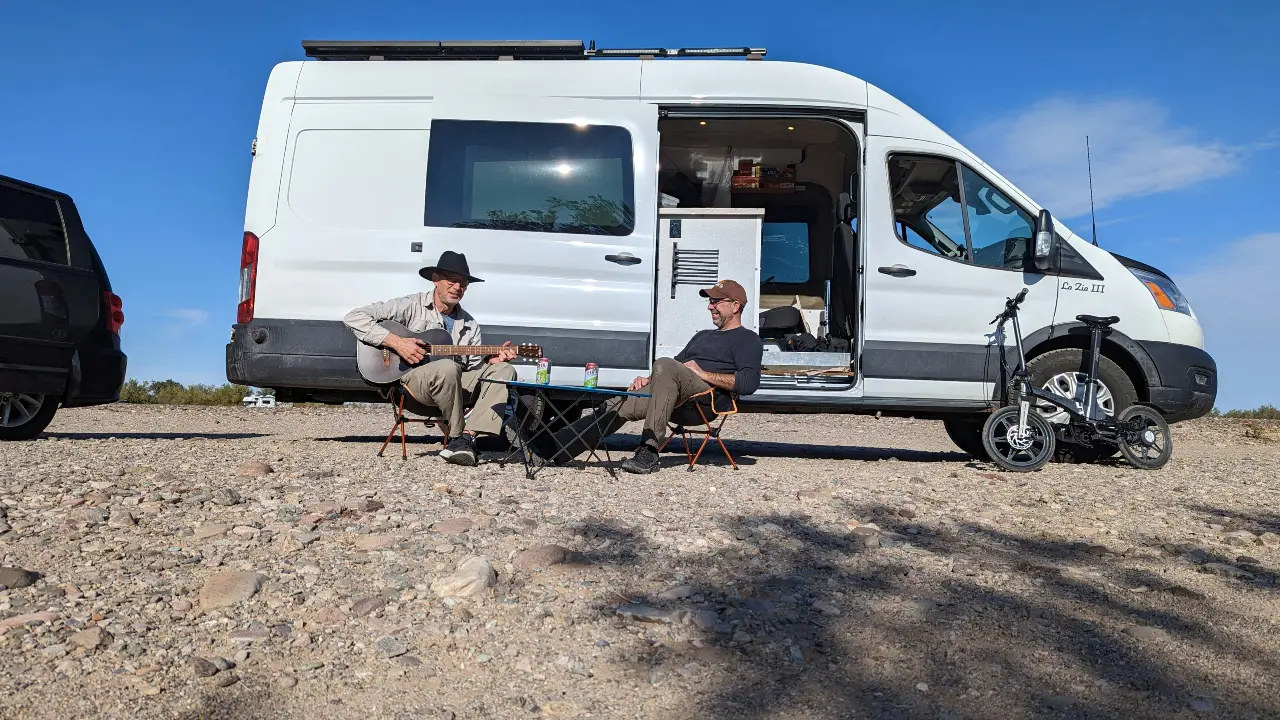
The worst time to learn that you hate van life is after buying an expensive van and spending months converting it.
You can test much of the lifestyle first.
Rent a camper van or use a simple temporary setup for two weeks. Do more than drive to beautiful campsites.
Include normal life.
Try three workdays. Wash clothes at a laundromat. Refill water. Handle waste. Buy groceries. Find several legal overnight stops.
Spend time inside during bad weather if possible. Do not return home every time you forget something.
Then ask yourself what bothered you.
Was it the small space, parking, research, bathroom setup, heat, lack of privacy, internet, or constant chores? Some problems can be fixed with a better van design.
Others tell you that you may simply prefer a permanent home and a camper for trips.
Learning that buying the van before can save more money than any budget conversion trick.
Instagram Van Life vs. Daily Van Life
| What You Often See | What You Also Need to Handle |
| Free campsite | Local rules and stay limits |
| Mountain office | Signal, battery power, and data |
| Off-grid freedom | Water, waste, and charging |
| No rent | Fuel, insurance, repairs, and campsites |
| Tiny home simplicity | Constant storage choices |
| Spontaneous travel | Parking research and reservations |
| Cozy rainy morning | Wet clothes and limited indoor space |
The Instagram version is not fake. It is incomplete.
You really can wake beside mountains, cook outside, visit new places, and control much more of your schedule. You just need to accept the work happening outside the camera frame.
Can You Handle the Van Life Reality?
Before buying a van, answer these questions as clearly as possible.
| Test | Question to Ask Yourself |
| Budget | Can I afford a large repair without debt? |
| Parking | Can I research legal places to sleep? |
| Water | Do I know how often I need to refill? |
| Power | Can my battery support my daily devices? |
| Heat | Can I move or cool the van safely? |
| Cold | Do I have a safe heating plan? |
| Internet | Can I work if my main connection fails? |
| Space | Can I handle several days inside? |
| Relationship | Can we share a tiny room peacefully? |
| Solo life | Can I maintain enough social contact? |
You do not need perfect answers to every question. But weak answers show you what needs fixing before you commit.
The Real Van Life Is Harder and Better Than the Photos
The van life pros and cons are closely connected. The small space that gives you freedom also limits privacy. The vehicle that lets you move your home can also leave you without a home when it breaks.
That does not make van life a mistake. It means success comes from planning for the boring parts as carefully as you plan the beautiful ones.
Build a real budget. Keep money for repairs. Take a two-week test trip before making a major purchase.
If you still love the idea after handling toilets, parking rules, wet clothes, low batteries, and repair worries, you have learned something valuable. That is the van life reality Instagram cannot show in one perfect sunset photo.