
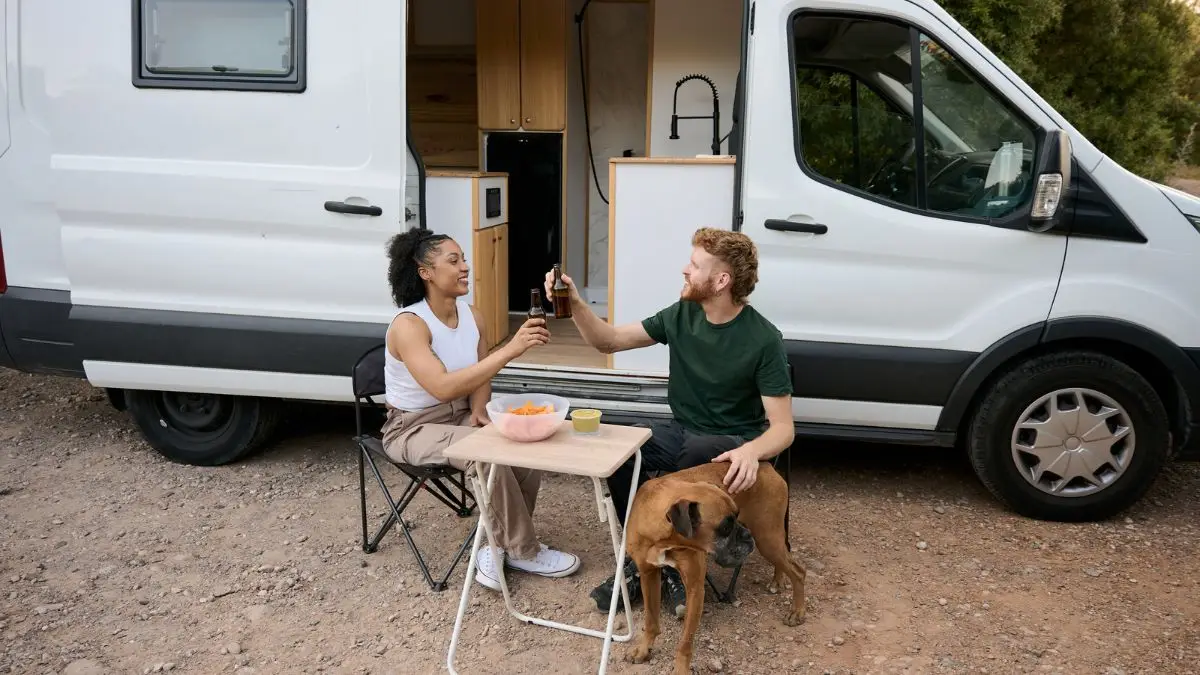
Living in a van sounds like a simple way to escape rising housing costs. But what happens when your vehicle breaks down, your savings run low, or you get tired of searching for somewhere safe to sleep?
These are the problems that can make long-term van life much harder than it looks.
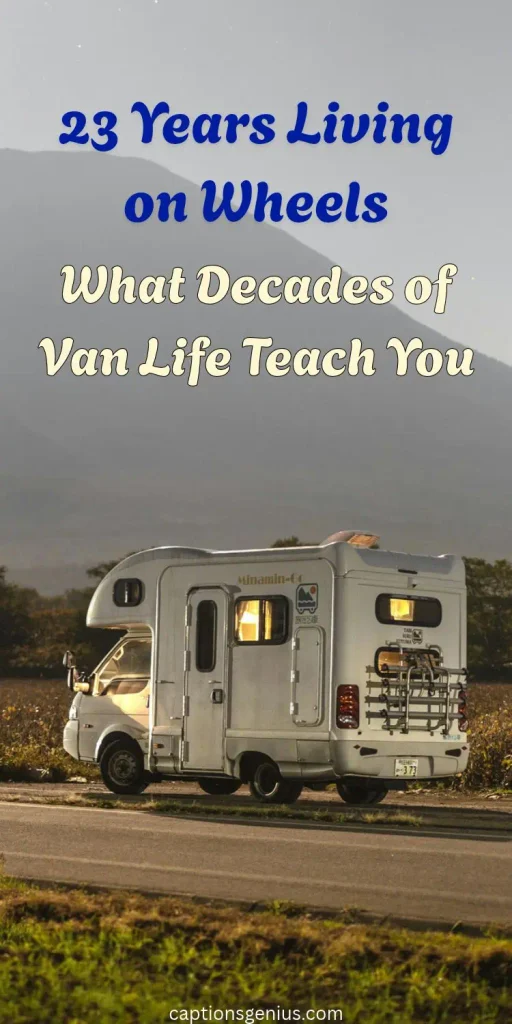
Mike Leaver offers an unusual example. In a 2025 documentary by Nomad Season, the 72-year-old was described as having lived in his lorry for 23 years. His vehicle had reportedly been stationary in North Wales for more than a decade after breaking down.
His experience shows that living on wheels does not always mean traveling. Sometimes, it means building an ordinary life inside a very small home.
For anyone considering van life in 2026, there are important lessons to take from stories like his. Saving money, staying comfortable, keeping a vehicle safe, and having somewhere legal to park all matter more than having a perfect camper.
Here is what decades of vehicle living can teach you before you make the same choice.
23 Years Living on Wheels: What Decades of Van Life Teach You
What 23 Years of Long-Term Van Life Really Looks Like

Most people picture van life as a series of beautiful destinations. There are mountain views, quiet beaches, and mornings when you can decide where to go next.
But living in a vehicle for decades is very different from taking a camping vacation.
Mike Leaver’s story is a good reminder of that difference. In a documentary published in February 2025, Nomad Season introduced him as a man who had spent 23 years living in his lorry.
His vehicle was reportedly no longer being driven. After a breakdown many years earlier, it had remained in the same area of North Wales.
This is different from someone traveling around the country in a camper van. Mike’s experience is better described as long-term vehicle housing than 23 years of continuous road travel.
Still, his story raises an important question. How much space and how many possessions does a person really need to build a life?
For someone living in a moving van, every week can bring a new place to stay. For someone living in a stationary vehicle, the main concerns may be shelter, local services, permission to remain, and everyday comfort.
| Living in a moving van | Living in a stationary vehicle |
|---|---|
| Regular fuel expenses | Little or no travel fuel |
| Frequent parking decisions | Needs a lawful place to remain |
| Regular vehicle maintenance | Needs a safe and weatherproof home |
| Access to different destinations | More familiar local surroundings |
| Changing travel routines | More settled daily routines |
Neither arrangement is automatically easier. They solve different problems and create different responsibilities.
The lesson is that living on wheels is not really about how far you travel. It is about whether your home continues to meet your needs.
Why Freedom on the Road Still Needs a Real Budget

One of the biggest attractions of living in a van is the chance to stop paying traditional housing expenses. Without monthly rent or a mortgage, life may appear much cheaper.
But a van is not a free home. It comes with its own bills, and some can arrive without warning.
You still need food, insurance, fuel, phone service, and somewhere to park. Depending on your setup, you may also pay for showers, laundry, water, electricity, and campground stays.
Then there are the expenses that do not arrive every month. Tires wear out, batteries fail, and engines sometimes need expensive repairs.
That is why your budget should separate regular bills from money saved for future problems.
What a Van Life Budget Might Look Like
Here is a sample monthly budget for one person living in a paid-off van. These numbers are examples for planning, not verified national averages or a promise of what you will spend.
| Expense | Example monthly cost |
|---|---|
| Fuel | $160 |
| Parking and camping | $300 |
| Groceries | $350 |
| Vehicle insurance | $150 |
| Maintenance savings | $200 |
| Phone and internet | $90 |
| Laundry and showers | $60 |
| Healthcare spending | $200 |
| Other expenses | $100 |
| Total | $1,610 |
This example assumes the person has no vehicle loan. It also assumes they can find a mix of reasonably priced places to stay.
Your actual costs might be much higher. Insurance, healthcare, campsite fees, and repairs can vary greatly by person and location.
If you buy a van using a loan, that payment must be added. You should also budget for replacing the vehicle someday.
The best approach is to record every expense for at least three months. This helps you see whether your lifestyle is truly affordable or simply moving costs into different categories.
And before leaving traditional housing, keep enough savings to handle a major repair and temporary accommodation.
How Driving Less Can Save Thousands Over Time

You might expect someone living in a van to travel constantly. But moving every few days can become one of the most expensive parts of the lifestyle.
Every additional mile uses fuel and adds wear to the vehicle. Long driving days also leave less time for rest, cooking, and ordinary activities.
Staying longer in one region can reduce those costs. It may also help you become familiar with local grocery stores, medical services, and permitted camping areas.
Consider two people driving the same kind of van. Both average 15 miles per gallon, and both pay an assumed $4 per gallon for fuel.
| Expense | Slow traveler | Frequent traveler |
|---|---|---|
| Miles driven monthly | 400 | 1,600 |
| Fuel used monthly | 26.7 gallons | 106.7 gallons |
| Monthly fuel cost | $107 | $427 |
| Annual fuel cost | $1,280 | $5,120 |
Under these assumptions, the slower traveler spends about $3,840 less on fuel each year.
That is a meaningful difference, although it does not include campsite fees, maintenance, or other travel expenses. The person who drives less might also pay more to stay in one location.
Slower travel works best when you choose areas with suitable weather and legal parking options. You cannot assume you can stay on public land as long as you want.
The goal is to spend less time moving out of habit and more time enjoying places that work for your needs.
Where You Park Can Decide Whether Van Life Works

Finding somewhere to sleep sounds simple until you start doing it every night. A parking space that looks quiet during the day may not allow overnight camping.
This is one of the biggest differences between taking a road trip and living in a vehicle.
Parking rules change between cities, counties, parks, and public lands. Some places allow vehicles to park but do not allow people to sleep inside them.
Others have designated campsites with specific limits. A business may also prohibit overnight stays even if its parking lot is open.
The Bureau of Land Management, or BLM, permits dispersed camping in many public areas. However, its general rule limits stays to 14 days within a 28-day period, with local differences.
BLM also states that ordinary dispersed camping is meant for recreation rather than permanent residence. Special designated visitor areas have different rules.
Can You Stay Somewhere for Several Months?
Some designated public camping areas offer longer seasonal permits.
For example, the BLM’s Imperial Dam Long Term Visitor Area in Arizona lists a $180 permit covering the September 15 through April 15 season. It also offers a $40 permit for 14 consecutive days during that season.
Bureau of Land Management
This can be much less expensive than paying nightly campground rates. However, the permit applies to designated areas under specific rules, and it does not create a permanent right to live there.
Weather also matters. A desert campsite that feels comfortable in winter may become dangerously hot during summer.
Before driving somewhere, check the local rules and available facilities. Use Recreation.gov for federal campsite reservations and contact local BLM offices for public land questions.
A useful habit is to identify two legal overnight options before arriving in a new area. That gives you another choice if your first location is full, closed, or unsuitable.
Why a Comfortable Bed Matters More Than a Beautiful Van

A stylish van interior looks wonderful in photographs. But after several months, the things that matter most may be much less exciting.
A comfortable bed, fresh air, and enough room to move can make a bigger difference than expensive cabinets or decorative lighting.
Think about how often you use your bed. You spend hours there every night, so poor sleep can affect your energy and how you feel during the day.
A mattress that is too short or too thin can become frustrating. A bed that requires difficult climbing may also become a problem as you get older.
Ventilation is another major concern. Cooking, breathing, and wet clothing can add moisture to a small space.
If moisture collects around windows, walls, or bedding, you may eventually face mold and damage. Regular ventilation, leak checks, and drying wet items help reduce this risk.
Photographer Christian Schaffer, who has documented years of road living, shared a van rebuild in 2024 after water damage affected part of her conversion.
Her experience is a useful reminder that even a carefully designed vehicle can develop problems. Repairs may require removing cabinets, flooring, or other installed equipment.
What Should You Prioritize Inside a Van?
Start with the things that affect daily comfort and safety.
- A bed that fits your body.
- Safe ventilation and temperature control.
- Accessible fresh water.
- Reliable bathroom arrangements.
- Safe cooking equipment.
- Storage that stays secure while driving.
- Enough room for everyday movement.
A beautiful interior is nice, but it should come after these basic needs.
Before paying for a major conversion, spend several nights in a simple setup. You may discover that a feature you thought was essential is something you rarely use.
How Water, Power, and Toilets Shape Every Day
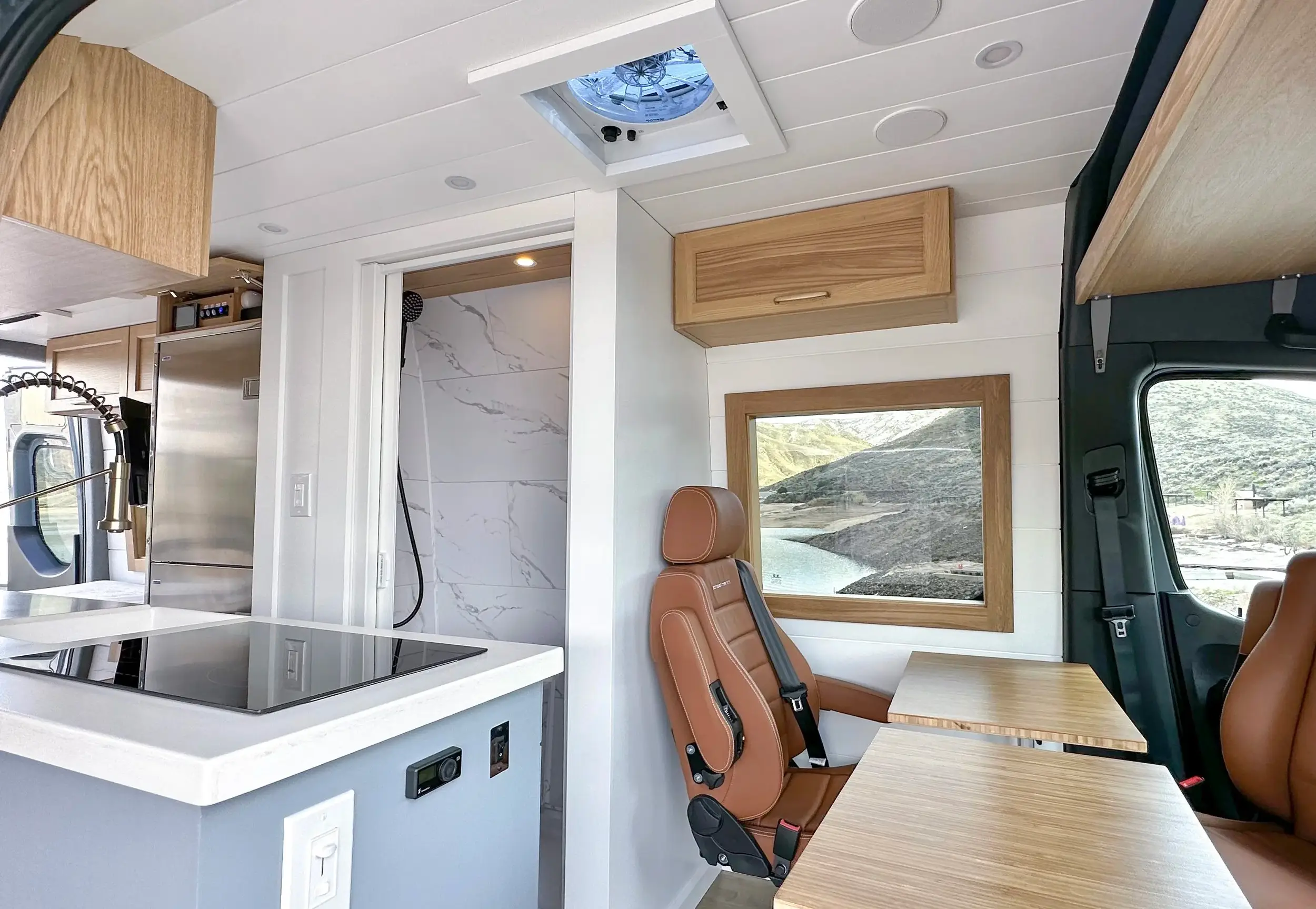
When you live in a house, clean water usually comes from the tap. Electricity is available when you need it, and the bathroom is only a few steps away.
Van life makes you pay closer attention to all three.
You need to know how much water you carry and where you can refill it. You also need a safe way to handle wastewater and reach suitable toilet facilities.
Consider a van with 20 gallons of usable fresh water. If its owner uses four gallons each day, that supply would last about five days.
That calculation is only an example. Actual water needs vary with drinking, cooking, washing, weather, and personal circumstances.
Showers can use a considerable amount of water, which is why some travelers rely on campground facilities or other permitted services.
How Much Electricity Do You Really Need?
Start by listing the electrical items you use every day. These might include a refrigerator, lights, phones, fans, and a laptop.
Check the power each item uses and how many hours it runs.
For example, a 40-watt device running for five hours uses 200 watt-hours of electricity.
If your equipment needs 800 watt-hours a day, your battery and charging system must supply that amount, plus room for losses and unexpected use.
Solar panels can help, but cloudy days and shaded parking places may reduce their output. That is why a reliable charging plan matters.
Keep Your Small Home Safe
A smoke alarm, a suitable carbon monoxide alarm, and a fire extinguisher should be part of your safety plan. Keep exits clear and inspect electrical and fuel systems regularly.
Never run a portable generator inside a van or other enclosed living space. The U.S. Consumer Product Safety Commission warns that generator exhaust can cause deadly carbon monoxide poisoning within minutes.

U.S. Consumer Product Safety Commission
Portable camp stoves and charcoal grills also should not be used inside vehicles for cooking or heating. Follow appliance instructions and use only equipment approved for the installation and purpose.
Daily comfort depends on having safe water, power, and sanitation arrangements that work even when you cannot reach a campground.
Why Vehicle Repairs Can Become Your Biggest Emergency

When you own a house, a broken car is frustrating. When your car is also your home, that breakdown creates two problems at once.
You may lose transportation and somewhere to sleep on the same day.
A major repair could leave your vehicle in a workshop for several nights. Some mechanics may not allow you to stay inside while work is being completed.
That means you may need to pay for a hotel, find another way to travel, and cover the repair bill.
This is why a maintenance fund matters so much. Even if your vehicle runs perfectly today, its parts will eventually wear out.
What Should You Check Regularly?
Vehicle maintenance should become part of your normal routine. Your owner’s manual will tell you which services are needed and when.
Pay particular attention to these areas:
- Tires: Check pressure, tread wear, and visible damage.
- Brakes: Have unusual sounds or changes in braking checked promptly.
- Engine fluids: Follow the manufacturer’s instructions for levels and replacement.
- Cooling system: Watch for leaks, overheating, and changes in temperature.
- Batteries: Inspect connections and watch for charging problems.
- Roof and windows: Check seals and look for water entering the vehicle.
You should also check whether your roadside assistance plan covers the type and weight of vehicle you own. Some policies have towing distance limits or other restrictions.
Keep a separate savings account for vehicle emergencies. There is no single amount that works for everyone, so consider your vehicle’s age, condition, repair history, and the cost of temporary accommodation.
Before leaving home, ask yourself one important question. Where would you sleep if your van suddenly needed five days in a repair shop?
Having an answer can turn a stressful problem into something you are prepared to handle.
Why Living in a Van Full Time Changes as You Get Older

Van life at 35 may feel very different from van life at 70. Your needs can change, even if you still enjoy traveling and spending time outdoors.
Climbing into a raised bed might be easy today. Years later, the same movement may become difficult because of sore joints, an injury, or reduced strength.
Other daily tasks can also take more effort. Carrying water, emptying a toilet, bending to reach storage, and getting dressed inside a small van may become uncomfortable.
That does not mean older adults cannot enjoy van life. It means the vehicle should fit their physical needs rather than forcing them to work around a poor layout.
For someone planning retirement van living, an accessible bed may be worth more than extra storage. Good lighting, sturdy steps, and a bathroom arrangement that works at night can also make daily life easier.
What About Healthcare on the Road?
Access to medical care deserves as much planning as fuel and parking.
If you take regular medicine, find out how prescriptions can be refilled while traveling. Keep a written medication list and identify medical facilities before visiting remote areas.
Your health insurance also matters.
Medicare, Medicaid, employer coverage, and Marketplace insurance have different rules about where you can receive care.
For example, HealthCare.gov explains that people who actually move their residence to another state generally need a new Marketplace application. Simply taking a vacation is not the same as changing your legal residence.
HealthCare.gov
Before making van life permanent, ask your insurance provider how routine care, specialist visits, and emergencies will be covered while traveling.
How to Make Van Life Easier With Age
Choose a van layout that allows you to move comfortably. Avoid placing essential supplies where you must climb or bend awkwardly to reach them.
Also plan for weather. Extreme heat and cold can create serious risks, especially for people with certain health conditions or limited access to cooling and heating.
Keep an emergency contact who knows your plans and can help if needed. Share your location with someone you trust when staying in remote areas.
Most importantly, review your needs regularly. A van that worked perfectly ten years ago may need changes to remain comfortable today.
Why You Still Need a Legal Address While Living on Wheels

Giving up a traditional home does not mean you can forget about paperwork. You still need to manage identification, vehicle registration, insurance, taxes, and important mail.
This can become confusing when you travel through several states during the year.
One issue is the difference between a mailing address and legal domicile.
A mailing address is somewhere you can receive letters and documents. Domicile is the place you legally treat as your permanent home, based on the laws and facts that apply to your situation.
The two may be connected, but they are not automatically the same.
Some full-time travelers use mail forwarding services to receive important documents. These services may collect mail, scan approved items, and forward physical letters to another address.
However, simply purchasing a mailing address does not automatically establish legal residence in that state.
You may need to meet requirements involving identification, vehicle registration, taxes, insurance, and other legal ties.
This is particularly important for people receiving retirement income or using health insurance.
What Documents Should You Keep Available?
Store secure digital copies of important records, along with any originals you need to carry.
These may include your driver’s license, vehicle registration, insurance details, medical information, passport, and emergency contacts.
Protect digital copies with strong passwords and secure storage. Avoid leaving sensitive papers where they can be seen through vehicle windows.
Before choosing a domicile arrangement, check the requirements of the relevant state agencies and your insurer. The Escapees RV Club also publishes guidance about residence and mail services for mobile travelers.
Good paperwork may not be the most exciting part of van life. But it can prevent expensive problems when you need to renew documents, receive medical care, or file taxes.
Why Independence Is Easier When You Have People to Rely On

One of the biggest attractions of van life is independence. You can choose how to spend your time without following the same schedule as everyone else.
But independence does not mean you have to do everything alone.
A quiet campsite may feel peaceful for a few days. Spending weeks without meaningful contact, however, may leave some people feeling isolated.
Others enjoy solitude and find that they are happier with fewer daily social demands. There is no single experience that applies to every traveler.
The important thing is knowing what kind of contact you need.
If you enjoy meeting people, spending time at campgrounds or joining local community activities can help. Some travelers return to familiar seasonal areas where they can build lasting friendships.
Staying in contact with family also takes planning. Weak phone signals, changing locations, and different schedules can make regular conversations harder.
A simple weekly call may help you stay connected. You might also arrange to visit friends or relatives when your route takes you nearby.
Build a Small Support System
Try to maintain contact with at least one person who knows where you are staying. Make sure they can reach you if something important happens.
You can also establish regular check-ins when traveling through remote areas. Agree on what that person should do if they cannot reach you.
This becomes especially useful during a vehicle breakdown or medical emergency.
Long-term van life can offer considerable personal freedom. But having dependable people in your life makes that freedom easier to enjoy.
Why Owning Less Works Better When You Keep the Right Things
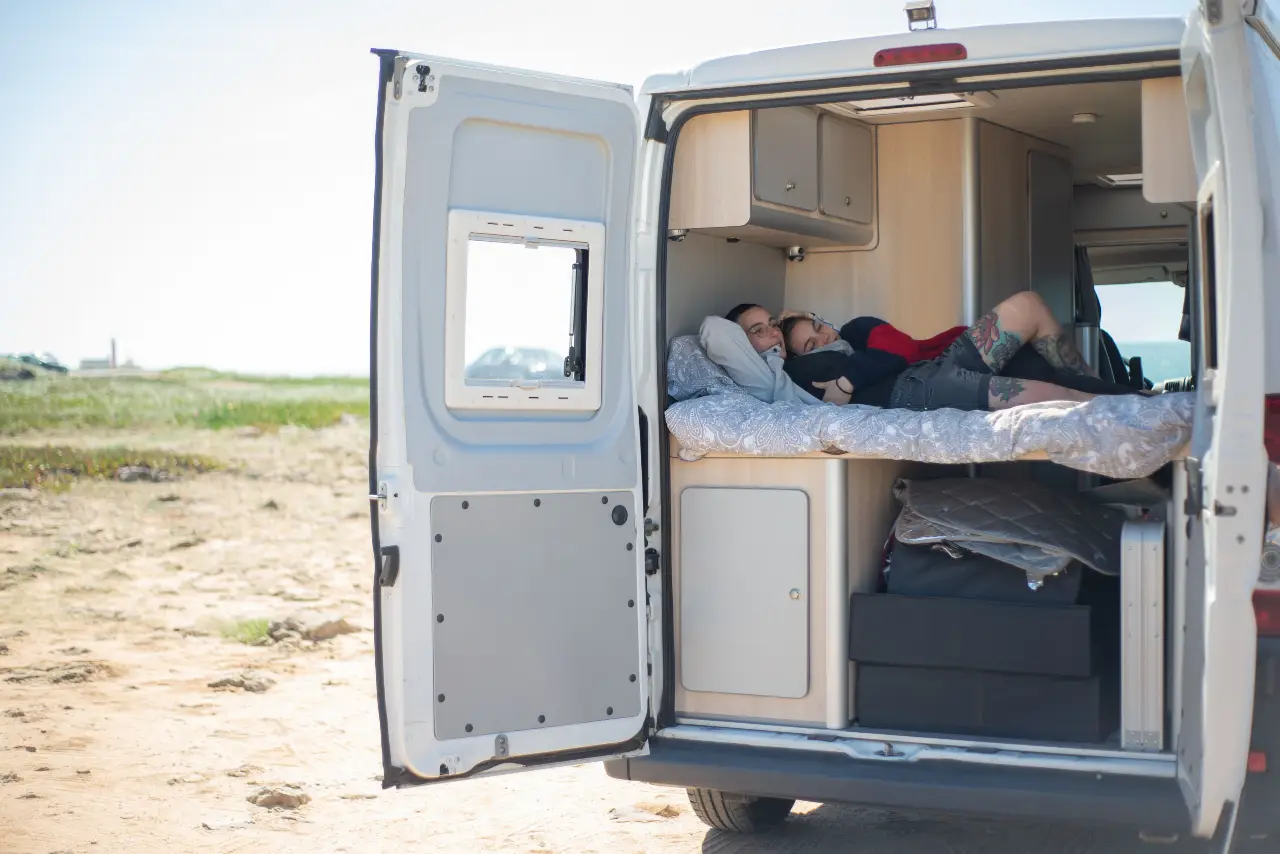
Living in a small vehicle forces you to make choices about your possessions. There simply is not enough room to keep everything you might own in a house.
At first, that can feel restrictive. Over time, fewer belongings may make cleaning and organizing much easier.
But getting rid of too much can create problems.
A spare jacket may seem unnecessary during summer. When temperatures fall, that same jacket could become one of your most useful possessions.
Basic tools, emergency supplies, medicines, and suitable clothing all deserve space. Decorative objects should not take priority over items that keep you safe and comfortable.
You also need to think about weight.
Every vehicle has limits on how much it can safely carry. Water, batteries, furniture, clothing, and personal belongings all add weight.
Check your vehicle’s weight ratings and have it weighed when fully loaded. A crowded van can become unsafe long before every storage cabinet looks full.
Try the Three Category Storage Rule
Separate your possessions into three groups.
| Category | What belongs here |
|---|---|
| Used regularly | Everyday clothing, dishes, toiletries, bedding |
| Needed for emergencies | First aid supplies, essential tools, weather protection |
| Rarely needed | Duplicate items, unused decorations, unnecessary equipment |
Review the last group every few months. If something takes up valuable room without serving a real purpose, consider whether you still need it.
Keep heavy items low and secure loose objects before driving. Make sure storage never blocks doors, emergency exits, or access to safety equipment.
A small home works best when everything has a useful place. The goal is not to own as little as possible, but to keep what helps you live well.
How to Know When It Is Time to Change Your Van Life Plans

Living in a vehicle for many years does not mean you must continue forever. Your finances, health, relationships, and personal interests may change.
What once felt exciting might eventually become tiring. That is a normal possibility with any major lifestyle.
Some travelers may want to spend more time in one place. Others might prefer using their camper only during certain seasons.
There are also people who decide that traditional housing offers more comfort and stability than they can get from a vehicle.
None of these choices means their earlier years on the road were wasted.
Five Signs Your Current Setup May No Longer Work
It may be time to review your plans when:
- Basic tasks become too difficult. Cooking, sleeping, bathing, or getting into bed requires more effort than you can comfortably manage.
- Expenses become hard to cover. Repairs, insurance, or campsite costs regularly exceed your budget.
- You cannot stay comfortable in the weather. Heat, cold, or moisture makes your home difficult or unsafe to use.
- You struggle to access medical care. Necessary appointments, medicines, or treatment are becoming harder to manage.
- You no longer enjoy the routine. Finding parking, moving locations, and maintaining the van feel like constant burdens.
These signs do not always mean you need to stop traveling. Sometimes, changing the vehicle or reducing how often you move may solve the problem.
For example, a retired couple might spend winters in a suitable warm location and return to conventional housing during summer. Another traveler might move to a larger vehicle with easier access to the bed and bathroom.
A person who needs frequent medical appointments may choose a familiar home base while continuing to take shorter trips.
The key is to choose a lifestyle that works for your present needs. You do not have to follow the same plan simply because it worked in the past.
How to Test Van Life for 30 Days Before Making It Permanent
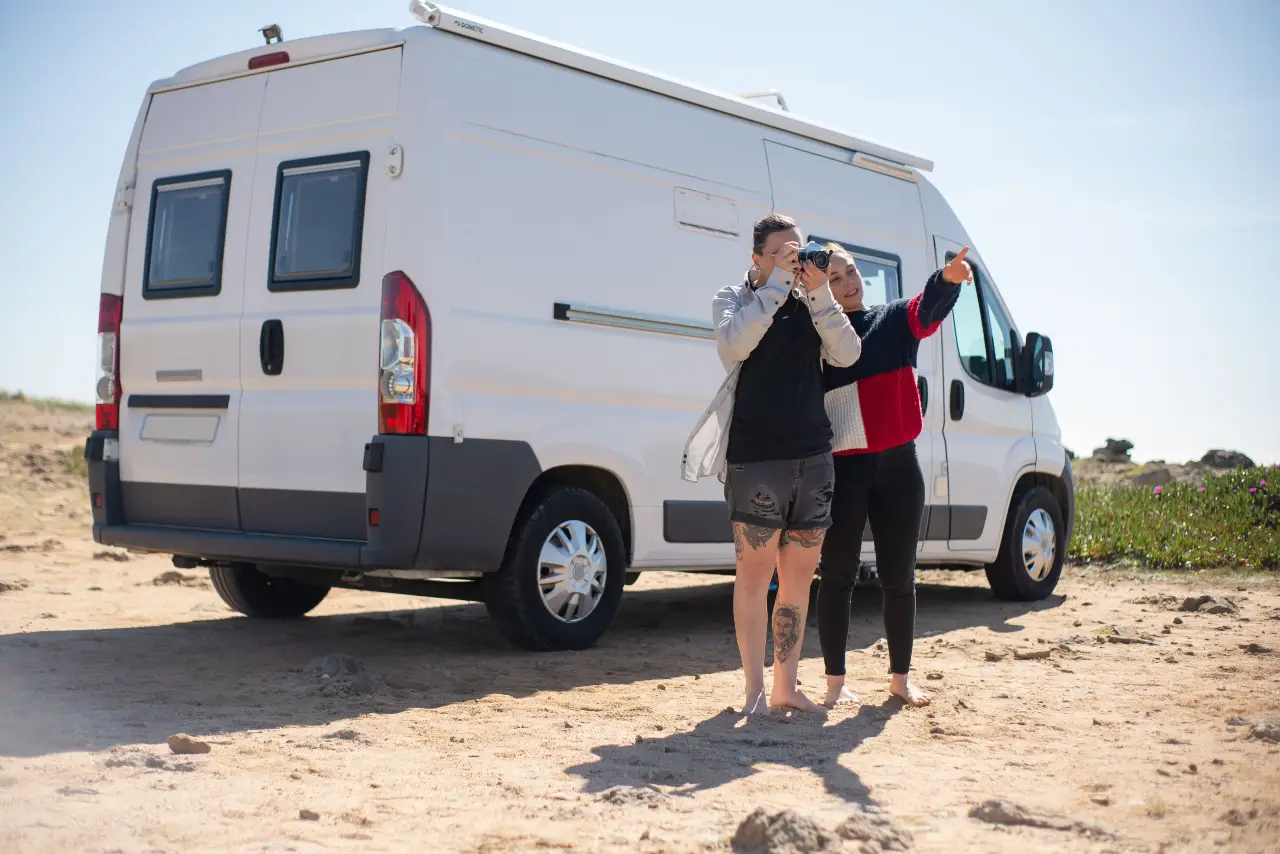
One of the best ways to learn whether van life is right for you is to try it before making an expensive commitment.
Watching videos and reading travel stories can help you prepare. But neither can tell you exactly how you will feel after sleeping in a vehicle for several weeks.
A month of ordinary van living can reveal problems that a short vacation may not.
You do not need to purchase a fully equipped camper to begin. Renting or borrowing a suitable vehicle may allow you to test the lifestyle without committing to ownership.
Choose a legal and safe place to stay. Then try to follow a routine that resembles your expected life on the road.
Week 1: Find Out Whether You Can Live Comfortably
Start by testing your sleeping arrangements, food preparation, storage, and bathroom access. Pay attention to anything that becomes frustrating after several days.
You may discover that your mattress is uncomfortable or that accessing stored items takes too much effort. These are useful findings because they can guide your future vehicle choice.
Record how much water and electricity you use each day. Also note whether you can maintain a comfortable temperature without creating safety problems.
Week 2: Learn How to Find Legal Places to Stay
Spend the second week practicing campsite planning. Research parking rules before traveling and verify whether overnight stays are permitted.
Try staying in different legal camping arrangements where suitable. This may include a developed campground and a permitted public camping area.
Keep track of the cost of each location. Record how easy it is to access fresh water, groceries, toilets, and waste disposal facilities.
Week 3: Test Your Ordinary Daily Routine
By the third week, focus less on sightseeing and more on daily life.
Do your laundry, buy groceries, prepare meals, and keep in touch with family. If you work remotely, test your internet connection during normal working hours.
If you are retired, follow the routine you would expect to have most days. Read, walk, cook, rest, and spend time doing your regular activities.
Ask yourself whether the small space still feels comfortable. A vehicle that works for a weekend may feel quite different after three weeks.
Week 4: Review the Costs and Problems
Use the final week to look at your spending and overall experience.
Compare your estimated budget with what you actually paid. Include fuel, camping, food, laundry, insurance or rental fees, and other expenses.
Then consider the problems you faced.
Did you struggle to find places to sleep? Was the vehicle too small? Did you enjoy the quiet, or did you miss having a familiar home?
Your answers should help you decide whether to continue, change the plan, or choose another living arrangement.
Eight Questions to Answer Before Going Full Time
| Question | What you need to check |
|---|---|
| Can I afford this? | Monthly bills, vehicle costs, and emergency savings |
| Do I have legal places to stay? | Parking rules, permits, and campsite availability |
| Can I sleep comfortably? | Bed size, access, and temperature |
| Can I manage daily needs? | Water, toilets, food, laundry, and power |
| Is the vehicle reliable? | Maintenance records and repair planning |
| Can I access healthcare? | Insurance, doctors, and prescriptions |
| Do I have emergency support? | Contacts, towing, and temporary accommodation |
| Have I tested the lifestyle? | Several weeks of ordinary daily living |
You do not need a perfect answer to every possible problem. But you should have realistic plans for the needs that matter most.
A month of testing may save you from buying a vehicle that does not fit your life. It may also confirm that living in a smaller space is something you genuinely enjoy.
What 23 Years Living on Wheels Can Teach You

Twenty-three years is a long time to call a vehicle home. It is long enough for daily comfort, reliable shelter, money, and personal needs to matter far more than the excitement of something new.
Mike Leaver’s unusual story shows how vehicle living can become a lasting way of life, even without constant travel. His circumstances are different from those of a person driving around America, but both experiences raise similar questions about what makes a small home workable.
Long-term van life is not automatically cheaper, easier, or more enjoyable than living in a house. It requires planning, legal places to stay, maintenance savings, and the ability to adapt when life changes.
Before committing, test the lifestyle, track your expenses, and think about what you will need five or ten years from now.
The best home on wheels is not necessarily the most expensive or impressive one. It is the one that lets you live safely, comfortably, and within your means.