

Qatar just made history in November 2024. It became the first Gulf country to join the US Visa Waiver Program. Americans can now visit for 90 days without a visa. But Qatar isn’t alone in rolling out the red carpet for US passport holders.
107 million Americans traveled internationally in 2024. That’s massive economic power. Countries know American tourists spend big, stay longer, and tip well. But the VIP treatment goes deeper than money.
This guide reveals 14 countries where Americans get special advantages. From Georgia’s 365-day visa-free stays to Singapore’s Global Entry reciprocity, you’ll discover surprising diplomatic, economic, and cultural reasons why your US passport opens doors other travelers can’t access.
The reasons will shock you.
1. Georgia

The surprise that changes everything: Georgia gives Americans a full year of visa-free travel. No other country comes close to this.
Most places give you 90 days. Some offer 180. Georgia hands you 365 days without asking for a single form. You can stay for an entire year, leave for a day, and come back for another year.
This matters even with recent political tensions. Yes, Georgia passed a “foreign influence” law that upset the EU and US. But the visa policy stays the same. Politics is politics. Tourism is business.
Here’s what you get beyond the long stay. You can enter and exit as many times as you want. Georgia uses a territorial tax system – you only pay taxes on money earned inside Georgia. The country also offers e-residency, letting you start a business without living there full-time.
Location gives Georgia extra power. It sits between Europe and Asia. You can explore both regions while using Georgia as your base. Flights to major European cities cost less than $200. Asian destinations are just as cheap.
Getting started is simple. You need a valid US passport with six months left. No visa application. No fees. No interviews. Just show up at the airport.
Want to stay longer than a year? Leave the country for 24 hours. Then you get another 365 days. Many Americans use quick trips to Armenia or Turkey to reset their clock.
The clock starts ticking the moment you arrive.
2. Costa Rica
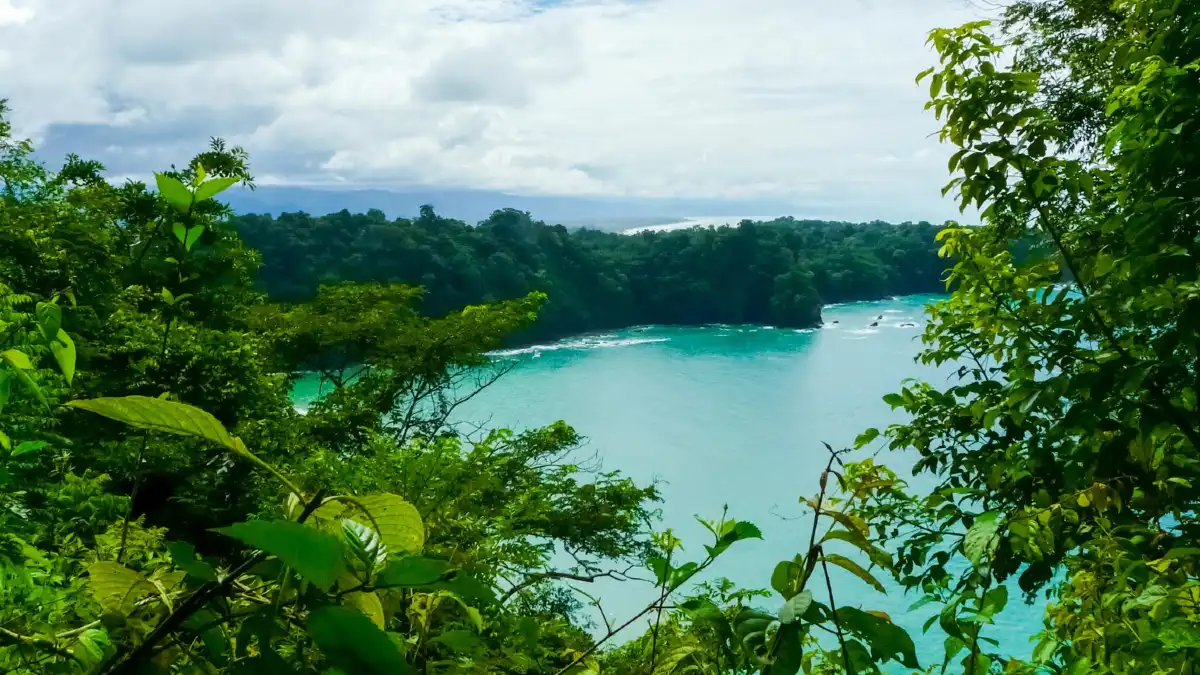
The surprise that makes Costa Rica different: Americans make up 39.3% of all tourists here. That’s massive. And Costa Rica knows exactly how to treat its biggest customers.
You get royal treatment because you’re the money. Hotels train staff to speak English. Restaurants stock American brands. Tour guides learn what Americans want to see. The entire country runs on American tourism dollars.
But here’s the real win for retirees. Costa Rica’s Pensionado program needs just $1,000 per month in pension income. That’s it. You get residency, plus access to the country’s universal healthcare system. The same system locals use.
Healthcare costs here are 60-80% less than the US. A doctor visit costs $50. Surgery that costs $50,000 in America? Try $8,000 here. And the quality matches American standards.
Business owners get massive tax breaks. Free Trade Zones offer 8-year tax exemptions on income taxes. Import duties disappear. Corporate tax drops to zero for the first two years, then 15% after that.
Tourism keeps growing at 6.40% per year through 2029. More visitors mean more infrastructure. Better roads, more flights, faster internet.
Getting started takes three steps. First, you can visit for 180 days with just your passport. No visa needed. Second, apply for Pensionado status if you have $1,000 monthly income. Third, explore Free Trade Zone benefits if you’re starting a business.
The application process takes 6-12 months. But you can live here while you wait.
3. Mexico

The surprise that’s making Mexico rich: American companies are moving production from China to Mexico. Fast. The USMCA trade deal makes this move almost too good to pass up.
Mexico offers tax breaks that will shock you. Companies moving manufacturing here get 56-89% immediate tax deductions on new equipment and facilities. That’s money back in your pocket right now, not years later.
The numbers tell the story. Mexico and the US traded $171.8 billion worth of goods in 2024. That makes Mexico America’s largest trading partner. Bigger than China. Bigger than Canada.
Mexico created special programs just for this boom. The IMMEX program lets you import materials duty-free if you’re manufacturing for export. Seven Special Economic Zones offer even bigger tax breaks and faster permits.
Location wins here. You can drive from Texas to Mexican factories in hours. No ocean shipping. No 30-day delays. No supply chain nightmares.
But there’s a catch. Everyone knows about this opportunity now. Factory space is getting expensive. Skilled workers are harder to find. The early bird advantage is shrinking.
Getting started requires two documents. Your passport gets you 180 days as a tourist with the FMM form. Business visas need an invitation letter from a Mexican company or proof of business meetings.
Smart Americans are visiting now to scout locations before the rush gets worse. The best spots won’t stay available forever.
4. Singapore
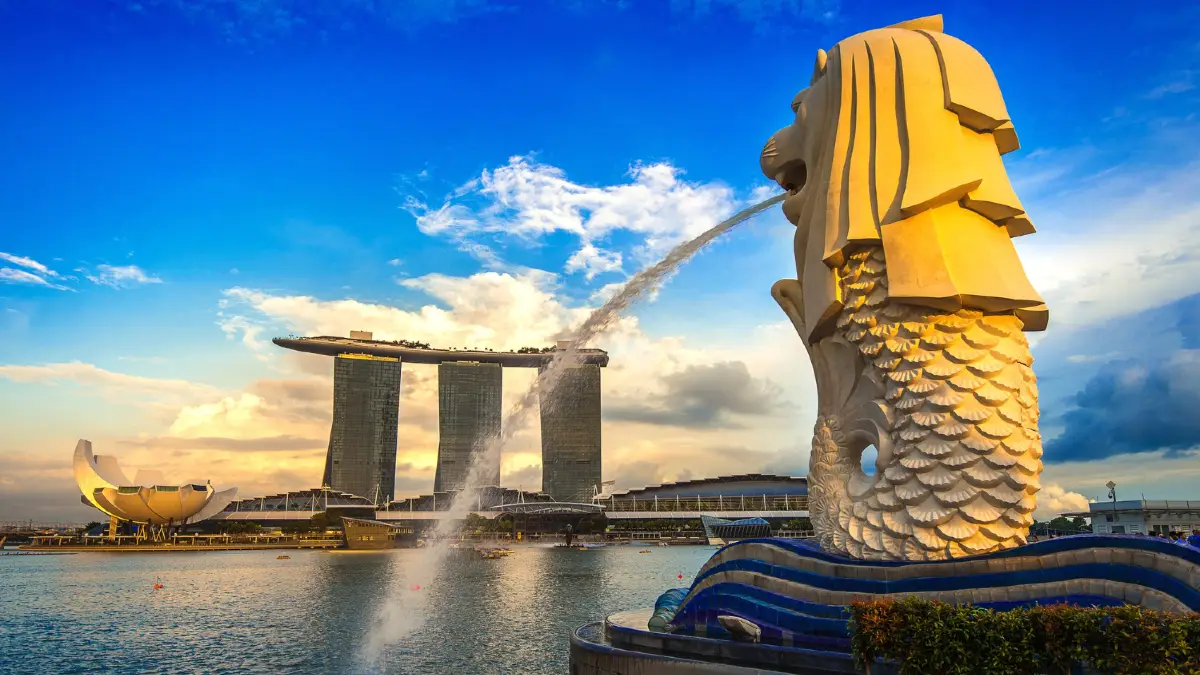
The surprise that speeds up your travel: Singapore and the US have Global Entry reciprocity. That means faster immigration lines both ways. While other travelers wait in long lines, you zip through automated gates.
But the real magic happens when you want to do business here. Singapore’s Global Investor Programme gives you permanent residency for a $2.5 million investment. Expensive? Yes. Worth it? For the right person, absolutely.
Here’s why rich Americans love Singapore’s taxes. Zero withholding tax on dividends, interest, and royalties sent overseas. The territorial tax system only taxes money made inside Singapore. Make money in other countries? Singapore doesn’t touch it.
Tech entrepreneurs get special treatment. Start-up tax exemptions mean you pay zero corporate tax on your first $100,000 in profit for the first three years. You can own 100% of your Singapore company as a foreigner. No local partner required.
The location sells itself. Singapore sits at the center of Asia. Flights to major Asian cities take 1-6 hours. You can reach 3 billion people in half a day.
Getting started depends on your goals. Tourists need 90 days with the Singapore Arrival Card (SGAC). Business visitors get the same 90 days but need proof of business meetings or conferences.
Want to work here? The Tech.Pass visa targets tech professionals making over $500,000 annually. The EntrePass helps entrepreneurs with innovative business ideas.
The catch? Singapore is expensive. Really expensive. Housing costs more than Manhattan.
5. Japan

The surprise that makes Japan visits easier: Japan launched a new eVisa system in September 2025. No more paper applications or embassy visits for many Americans. Apply online, get approved faster.
This speed comes from being America’s closest Asia-Pacific ally. The two countries share military bases, trade secrets, and diplomatic strategies. That trust creates travel benefits other countries don’t get.
Airport processing shows this partnership in action. Americans can use automated gates at major Japanese airports. No waiting in long immigration lines. The Visit Japan Web system lets you fill out customs and immigration forms before you even board your plane.
Business travelers get extra perks. Japan fast-tracks visa applications for American companies with established trade relationships. Tech workers and researchers can get multi-entry visas that last up to five years.
Cultural programs run deep between both countries. Over 180 sister city partnerships connect American and Japanese communities. J-1 exchange programs help Americans work and study in Japan with government support.
But here’s the reality check. Japan’s work culture is intense. Language barriers are real. Cost of living in Tokyo rivals New York City prices.
Getting started is simple for tourists. You get 90 days visa-free with just your passport. Want to stay longer? You can extend once for another 90 days by visiting immigration offices inside Japan.
Business visas need invitation letters from Japanese companies or proof of business meetings.
6. South Korea

The surprise that saves you time and money: Americans don’t need to apply for South Korea’s K-ETA (Korean Electronic Travel Authorization) until December 31, 2025. Most other countries already require this $10 online application. You get to skip it for now.
This exemption exists because of deep security ties. South Korea is a Major Non-NATO Ally with 28,500 American troops stationed there. The countries share military secrets and coordinate defense strategies. That trust translates into easier travel.
Money talks too. The US and South Korea trade $66 billion worth of goods each year. American companies like Apple, Google, and Microsoft work closely with Samsung, LG, and other Korean tech giants. Business travelers get red carpet treatment.
The Korean Wave is bringing millions of American tourists. K-pop concerts sell out in minutes. Korean dramas dominate Netflix. Korean food trucks line American streets. South Korea knows Americans are obsessed with their culture and makes visiting easy.
But change is coming. Starting January 1, 2026, Americans will need K-ETA approval before flying to South Korea. The application costs $10 and takes 1-3 days to process.
Right now, you need just your passport for 90 days visa-free. No applications. No fees. No waiting.
Want to visit multiple times? Get the K-ETA anyway. It’s valid for two years and allows multiple entries. Better to apply now while there’s no rush than wait until 2026 when everyone needs it.
7. UAE

The surprise that beats every other country: The UAE’s new Fast Track app gets you through immigration in 10 seconds. Scan your passport, look at the camera, walk through. Done. No lines. No questions. No waiting.
This speed comes from serious money flowing between the US and UAE. America has a $19.5 billion trade surplus with the UAE – one of the largest in the world. When you bring that much cash to a country, they treat you like royalty.
The Golden Visa program shows how much the UAE wants American investors. Put $500,000 into a business and get 10-year renewable residence. You can own 100% of your company without a local partner. Zero personal income tax means you keep every dollar you earn.
President Trump just signed $200 billion worth of new deals with the UAE. That’s massive investment flowing both ways. American companies are building data centers, renewable energy projects, and manufacturing facilities across the Emirates.
But here’s the reality. The UAE is expensive. Dubai costs more than most American cities. Summer temperatures hit 120°F. Cultural differences are real – alcohol laws, dress codes, and social rules matter.
Getting started is easy. Americans get visa on arrival for 30 days. Extend it once for another 30 days. Want to do business? The UAE offers same-day company registration in free zones.
The Fast Track app works at Dubai and Abu Dhabi airports right now.
8. Ireland

The surprise that opens all of Europe: Ireland offers Americans a J-1 Working Holiday visa for 12 months. You can work legally while exploring Europe. Most countries don’t let tourists work at all.
This matters because Ireland speaks English and sits inside the European Union. You get EU access without language barriers. Travel freely to 26 other EU countries. Work in Dublin while weekend trips take you to Paris, Rome, or Berlin.
Money flows both ways here. The US and Ireland trade $86.7 billion worth of goods each year. American tech giants like Google, Facebook, and Apple use Ireland as their European headquarters. That creates jobs for Americans who know both markets.
Tech workers get fast-tracked through Critical Skills permits. Ireland needs software developers, data scientists, and cybersecurity experts. These visas can lead to permanent residence in just two years.
Cultural ties run deep. 31 million Americans claim Irish ancestry. That’s seven times Ireland’s population. Irish communities across America maintain strong business and family connections with the homeland.
But Ireland costs a lot. Dublin rent rivals San Francisco prices. Weather stays cloudy and rainy most of the year.
Getting started takes two paths. Tourists get 90 days visa-free. The J-1 Working Holiday requires sponsorship from approved organizations and costs about $500 total.
Apply for J-1 programs six months ahead of your planned start date.
9. Chile

The surprise that pays you to move: Chile’s Start-Up Chile program gives entrepreneurs $15,000 to $100,000 in grants plus a 2-year visa. The government literally pays you to start your business there.
This isn’t a loan. It’s free money. You keep your company ownership. You can work from anywhere in Chile. The only catch? You need a solid business plan and must spend some time in the country.
Tax benefits make staying attractive. New residents don’t pay Chilean taxes on foreign income for three years. Make money from US clients while living in Chile? Chile doesn’t touch it.
Rich Americans can skip the startup route. The investor visa needs $500,000+ in Chilean investments. Regional incentives in northern Chile can cut this requirement in half.
Location gives Chile real power. It’s the most stable democracy in Latin America. Santiago sits just hours from major South American markets. You can reach Brazil, Argentina, and Peru easily for business expansion.
But Chile has problems. Earthquakes happen regularly. Political protests shut down cities sometimes. Spanish is essential for serious business.
Getting started depends on your goals. Tourists get 90 days with just a passport. Business visas need proof of Chilean business activities or investment plans.
Start-Up Chile applications open twice per year. Apply 6 months early.
10. Qatar

The surprise that makes history: Qatar became the first Gulf country to join the US Visa Waiver Program in November 2024. This breaks a 40-year pattern of Middle Eastern countries being excluded from easy US travel.
This milestone gives Americans 90-day visa-free access to Qatar. No applications. No fees. No embassy visits. Just show your passport and enter. But here’s the bigger win – Qataris now get ESTA access to the US. That creates business opportunities for Americans who understand both markets.
Qatar is spending serious money to attract American investors. The government launched a $1 billion incentive program that covers 40% of business expenses for qualifying companies. Manufacturing, technology, and logistics companies get the biggest breaks.
The partnership runs deep. Qatar committed over $45 billion in US investments. That money is building data centers, renewable energy projects, and defense contracts. American companies are getting first access to these deals.
But Qatar isn’t perfect. Summer temperatures hit 120°F. Alcohol laws are strict. Cultural differences matter for business relationships.
Getting started changed in December 2024. Americans still get visa-free entry, but Qatar now requires online pre-registration through their new system. It’s free but takes 1-3 days to process.
Business travelers should connect with the US-Qatar Business Council before visiting. They know which deals are available and can make introductions.
11. Estonia

The surprise that lets you run an EU business from America: Estonia’s e-Residency costs just €100 and lets you manage a European company 100% online. No need to live there. No office required. Pure digital business ownership.
This matters for Americans who want EU market access. Your Estonian company can sell to all 27 EU countries without extra paperwork. Banking, accounting, and tax filing all happen through secure digital platforms.
Digital nomads get special treatment. Estonia’s Digital Nomad visa allows 1-year stays with a flat 20% tax rate. Work remotely for US companies while living in medieval Tallinn. Your Estonian taxes stay simple and predictable.
EU membership gives Estonia real power. Schengen access means you can travel to 26 countries without border checks. Over 60 tax treaties prevent double taxation. NATO membership provides security that many digital nomad destinations lack.
Rich Americans can fast-track residency. The Major Investor visa needs €1 million in Estonian investments but gives permanent EU residence. Start-up visas offer cheaper options for innovative businesses.
But Estonia is small and cold. Winters are brutal. Limited direct flights from the US make travel expensive.
Getting started takes two paths. E-residency applications process online in 3-4 weeks. Tourist visits need just your passport for 90 days as a US citizen.
Apply for e-residency first to test Estonia’s digital systems before committing to bigger moves.
12. Panama
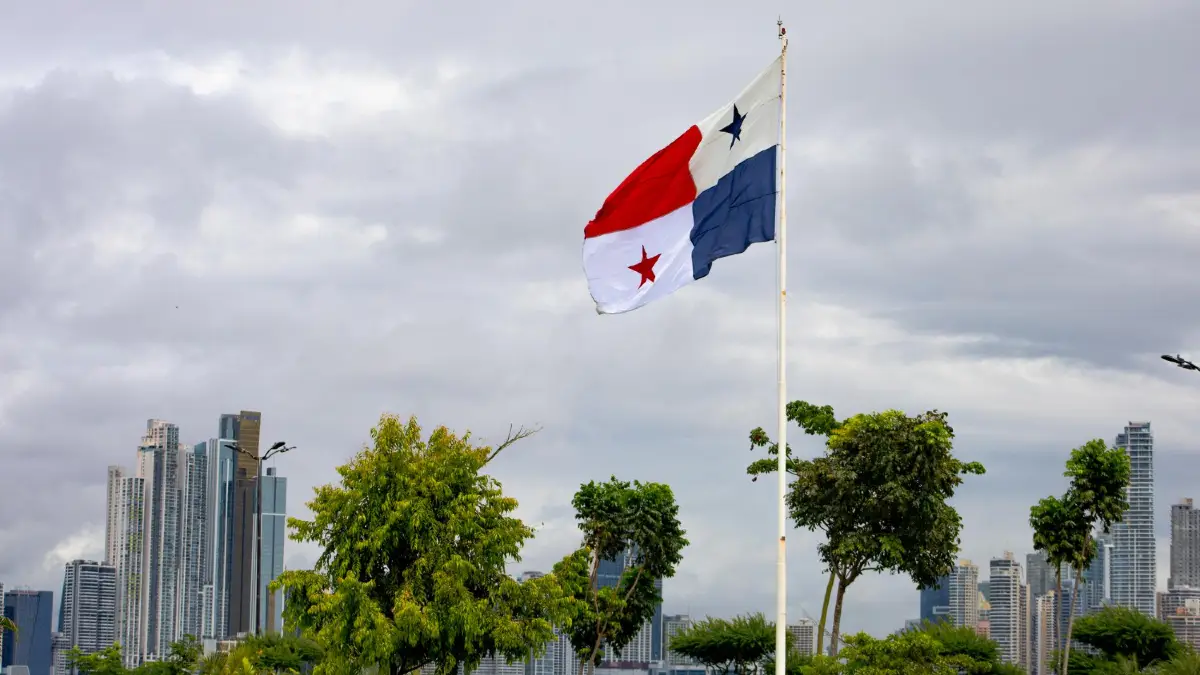
The surprise that eliminates currency risk: Panama uses the US dollar as its official currency. No exchange rates. No conversion fees. No currency fluctuations eating your savings. It’s like living in America with Latin American prices.
Panama’s territorial tax system only taxes money earned inside Panama. Make money from US investments, businesses, or pensions? Panama doesn’t touch it. This combination of dollars plus territorial taxes creates a tax haven for Americans.
The Pensionado retirement program needs just $1,000 monthly pension income. You get immediate discounts that pay for themselves. Hotels give 50% off. Airlines cut prices by 25%. Medical care costs 20% less. Even movie tickets and restaurants offer senior discounts.
Want faster residency? The Panama Qualified Investor program grants immediate permanent residence for a $300,000 bank deposit. Keep the money. Get the residency. No waiting periods.
But Panama has problems. Corruption exists in government offices. Infrastructure outside Panama City can be poor. Hurricane season brings serious storms.
Getting started offers two main paths. The Friendly Nations visa works for Americans with $5,000 in a Panamanian bank account plus proof of ties to Panama. The investment route needs $300,000 but gives immediate results.
Both programs require hiring a Panamanian lawyer. Budget $3,000-5,000 in legal fees.
13. Philippines

The surprise that gives you a full year: Americans of Filipino descent get 1-year visa-free stays through the Balikbayan program. Most countries give 30-90 days. The Philippines gives you 365 days to reconnect with your roots.
This program extends to your family too. Your American spouse gets the same 1-year privilege. Your children qualify even if they’ve never been to the Philippines. One Filipino grandparent is enough to unlock these benefits for the whole family.
Shopping becomes duty-free. Balikbayan participants can bring $1,000 worth of goods into the Philippines without paying taxes. You’re also exempt from travel taxes when leaving the country. These savings add up fast on longer visits.
The cultural connection runs deep. 4.2 million Filipino-Americans live in the US. Most maintain strong family ties back home. The Balikbayan program recognizes these bonds and makes visiting family easier and cheaper.
But the Philippines has challenges. Typhoon season brings destructive storms. Infrastructure in rural areas can be basic. Political instability affects some regions.
Getting started requires proving Filipino heritage. You need documents showing you or your parents were Filipino citizens. Birth certificates, old passports, or naturalization papers work. Philippine consulates can help verify documents.
Apply for Balikbayan status at Philippine embassies before traveling. Processing takes 2-4 weeks and costs about $30.
14. Australia

The surprise that speeds up your entry: Australia’s SmartGate system now works for all American ePassport holders as of June 2025. No more long immigration lines. Scan your passport, look at the camera, walk through. The whole process takes 30 seconds.
This speed comes from Five Eyes intelligence sharing. Australia, the US, UK, Canada, and New Zealand share security data. That trust creates faster processing for citizens of all five countries. Australians even get CLEAR+ security lanes at US airports now.
Australia is spending big money to attract Americans. The “Come and Say G’day” tourism campaign has a $50+ million budget targeting US travelers. New direct flights, hotel deals, and tour packages are all aimed at Americans.
The numbers prove Americans matter. The US is Australia’s second-largest international tourism market. American tourists spend more per trip and stay longer than most other visitors. Australia treats its best customers well.
But Australia costs a lot. Sydney and Melbourne rank among the world’s most expensive cities. The flight from the US takes 15+ hours and costs $1,200+ round trip.
Getting started requires an eTA (Electronic Travel Authority). The application costs $20 and processes in minutes online. Americans get 90-day stays. Under-30s can apply for working holiday visas that allow 12 months of work and travel.