
That’s normal. Research shows 85% of new RVers feel completely overwhelmed their first month. The good news? It’s not actually hard. You just need five basic skills nobody bothered to teach you.
These aren’t complicated. Any beginner can learn them in a few weeks. Master these and you’ll stop white-knuckling through every camping trip. You’ll actually enjoy this expensive purchase sitting in your driveway.
Here’s exactly what you need to know, in the order you need to learn it. No fluff. Just what works.
1. How to Back Up Your RV Without Breaking Things (Or Your Marriage)

85% of new RVers are terrified of backing up. You’re not alone if the thought of reversing a 30-foot trailer makes your palms sweat.
There’s a simple trick that changes everything. It’s called the “hand at 6 o’clock” method, and it works every single time.
The Magic Steering Wheel Trick
Put your hand at the bottom of the steering wheel. That’s 6 o’clock position. Now here’s the secret: move your hand the direction you want the trailer to go.
Want the trailer going left? Move your hand left. Want it going right? Move your hand right.
That’s it. No confusing mental gymnastics about opposite directions.
What Equipment Actually Helps
You don’t need fancy gadgets to start. But a backup camera system ($200-400) pays for itself the first time you avoid hitting something. The Furrion Vision S gets the job done for $250. It shows you exactly where you’re headed.
Walkie-talkies beat yelling any day. A basic set costs $30 and saves relationships.
Your Practice Plan That Actually Works
Week 1: Find an empty parking lot. Set up traffic cones (or use empty cardboard boxes). Practice backing straight for 20 minutes. Go slow. Speed never helps.
Week 2: Add turns. Create a pretend campsite with your cones. Back in from different angles. Your spouse guides you with agreed-on hand signals.
Week 3: Try the real thing at an empty campground during off-hours.
Big Truck Big RV puts it perfectly: “Safety and numbers FIRST. Learn what your RV weighs and what that means. It’s about being safe AND legal on the road.”
Professional truckers take months to master this. You’re doing fine if you can back into a campsite without drama after a few weeks of practice.
2. How to Level Your RV In 5 Minutes (And Save Your Fridge)

Your refrigerator can die from bad leveling. That’s an $800-1,500 repair bill you don’t want. Plus, nobody sleeps well when they’re rolling toward the foot of the bed all night.
The Right Order Makes Everything Easy
Here’s the golden rule of RV maintenance basics: level side-to-side first, then front-to-back. Get this backwards and you’ll be adjusting blocks for an hour.
Place a bubble level on your kitchen counter. Start with the side tilt. Drive your low side onto leveling blocks until the bubble sits center. Now check front-to-back. Use your tongue jack (for trailers) or add blocks under the front tires (for motorhomes).
Tools That Actually Matter
Skip the fancy stuff. You need:
- A basic bubble level ($15) or phone app (free)
- Lynx Leveling Blocks ($45 for a set) – they stack like Legos
- Work gloves ($10) because blocks get dirty
The Expensive Mistakes Everyone Makes
Never use stabilizer jacks for leveling. They bend. That’s a $500 mistake. Stabilizers stop wobble. Leveling blocks carry weight.
Don’t trust your eyes. Even experienced RVers can’t eyeball a 2-degree tilt, but your fridge feels it.
Stop driving back and forth trying to get perfect. Close enough works. Your fridge needs within 3 degrees. That’s pretty forgiving.
3. The Black Tank Secret Nobody Talks About
Let’s be honest: dealing with poop tanks scares everyone at first. But it’s actually the simplest RV system once you know three basic rules.
The Dumping Order That Prevents Disasters
Black tank first. Always. Then gray tank.
Why? The gray water (from sinks and shower) flushes out the sewer hose. It’s like a built-in cleaning system. Mess this up and you’ll understand why immediately.
Your Dump Station Supply Kit
Keep these in a dedicated storage bin:
- Disposable gloves ($15 for a box)
- Clear sewer hose adapter ($20) – see when tanks are empty
- RhinoFLEX hose kit ($35) – doesn’t leak like cheap ones
- Hand sanitizer ($5)
Total investment: $75 saves you from truly awful situations.
The 2/3 Rule That Changes Everything
Never dump until your black tank hits 2/3 full. Less than that? Not enough water pressure to flush everything out. You need that weight to create flow.
No rush to dump. Modern tanks handle a week of full-time use easily.
Keep It Working Without Drama
Drop in a treatment pod after each dump. Happy Campers ($20) works great and doesn’t smell like chemicals. Use plenty of water when flushing. More water equals fewer problems.
Keep your tank valves closed at the campsite. Open valves let everything dry out and stick. That’s when sensors fail and things get expensive.
4. Why Your RV Keeps Blowing Fuses (And the 3-Minute Fix)

Your RV runs on two electrical systems, and mixing them up costs $150-300 per service call. Here’s what you actually need to know.
The Two Systems Explained Simply
12-volt DC runs off your battery: lights, water pump, slides, furnace fan. Works without being plugged in. Perfect for boondocking skills.
120-volt AC needs shore power or a generator: air conditioner, microwave, outlets, TV. This is regular household electricity.
The Math That Keeps You Running
RV safety tips start with this formula: Watts = Amps × Volts
Your 30-amp RV hookup gives you: 30 amps × 120 volts = 3,600 watts total
That means you can run:
- Air conditioner (1,500 watts)
- Plus microwave (1,000 watts)
- Plus coffee maker (900 watts)
- And you’re maxed out
Run too much? Breaker trips. Every time.
Safety Steps That Prevent Fires
Always plug in this order:
- Turn off RV main breaker
- Plug into campground pedestal
- Turn on pedestal breaker
- Turn on RV breaker
Reverse the order when leaving. This prevents arc damage that starts fires.
Buy a surge protector ($89-120). Campground power isn’t always clean. Bad power kills appliances fast.
5. The 10-Minute Campsite Setup That Never Fails
Setting up camp feels like chaos your first time. Twenty different tasks. No clear order. Here’s the system that works every time.
Your Setup Checklist in the Right Order
- Level first (you already know how)
- Test electric before connecting anything else
- Connect water with pressure regulator ($25)
- Hook up sewer but keep valves closed
- Extend slides once level and stable
- Deploy awning if weather permits
- Set stabilizers (now, not before leveling)
- Turn on water heater and fridge
- Check all connections for leaks
- Set up outdoor gear last
This order prevents backtracking. You won’t be crawling under slides to hook up sewer.
Must-Have Setup Gear
These essential camping techniques need the right tools:
- Water pressure regulator ($25) – prevents burst pipes
- 90-degree sewer adapter ($15) – makes tight connections easy
- Surge protector with EMS ($120) – mentioned before but worth repeating
- Good flashlight ($30) – you’ll arrive after dark eventually
Total cost: $190 protects thousands in RV systems.
The Safety Check Everyone Skips
Before moving anything, walk your site. Look for low branches that eat awnings. Check for holes that twist ankles. Find where water pools when it rains.
Two minutes of looking saves hours of problems.
6. Water Sourcing and Purification
Access to clean water is essential for survival. Including water purification items in your survival supplies is crucial for emergency preparedness.
While Yellowstone RV Park & Cabins has potable water sources, knowing how to find and purify water in the wild is crucial—especially if you’re away from your campsite. Look for flowing water from streams or rivers and always carry a portable water filter, purification tablets, or know how to boil water to kill harmful bacteria and parasites.
7. Animal Awareness and Safety
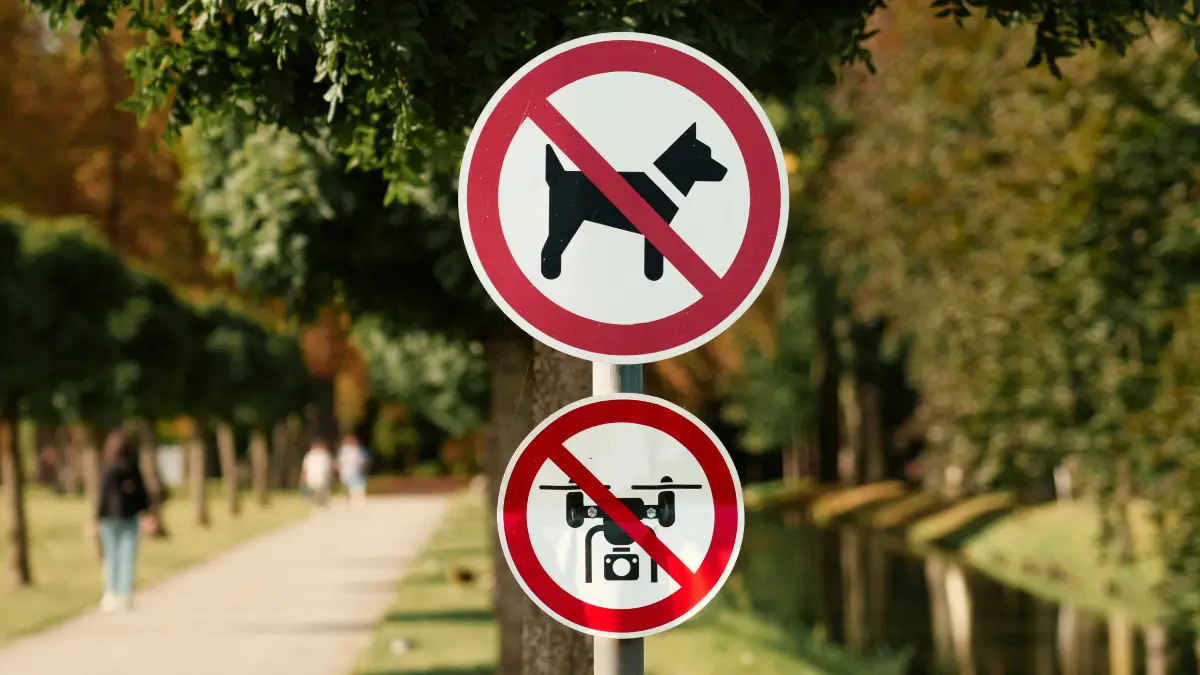
Wild animals are a part of nature, but some can pose a threat. Learn how to safely store food, recognize animal tracks, and respond appropriately to encounters with wildlife like bears, snakes, or coyotes. Carrying bear spray and making noise while hiking can reduce surprise encounters.