
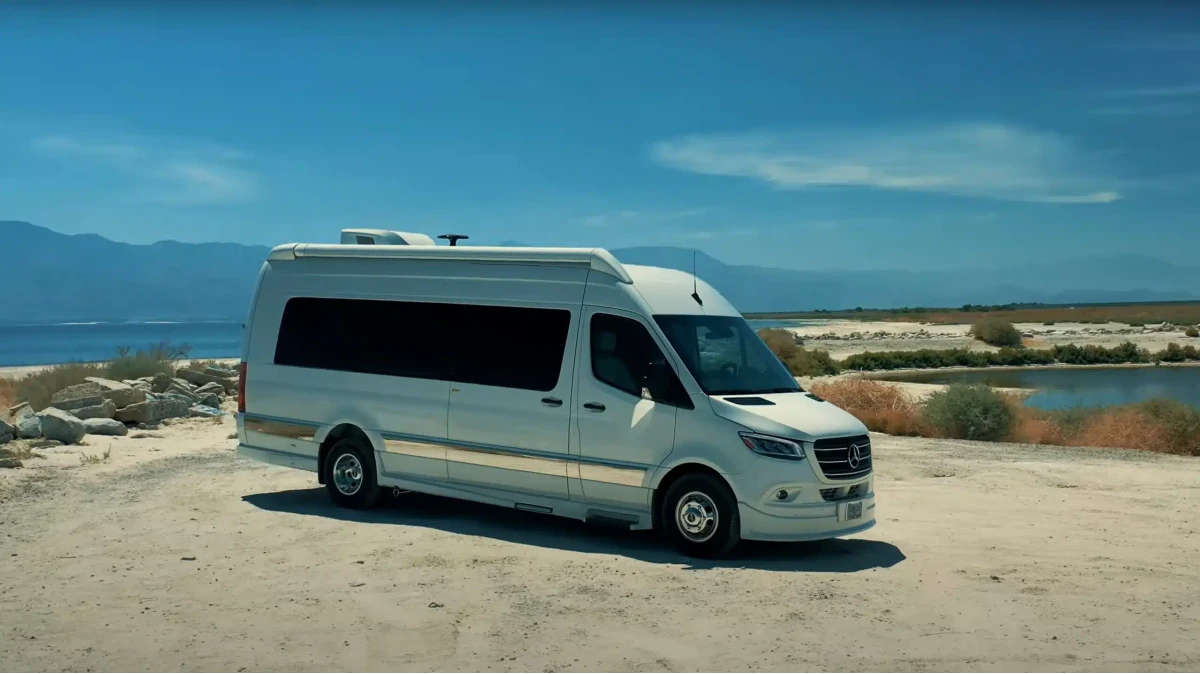
You pull up to the National Park entrance after a long drive. The sign ahead reads “Campground Full.” Your heart sinks. But then, you see a small camper van breeze past the ranger station, heading straight for a tent site that was too small for the big rigs but perfect for them.
Or maybe you know the other feeling: the sweaty palms and anxiety of steering a 40-foot bus through a crowded gas station, praying you don’t clip a pump.
For years, buyers thought “bigger” meant “better value.” If you were spending six figures, you wanted the mansion on wheels. But in 2026, the script has flipped.
Rising fuel costs, stricter city parking rules, and incredible tech advances have made the Class B van the smarter investment.
This isn’t just about trends. It is about cold, hard data. Here is why Class B vans are beating Class A motorhomes this year.
RV Reality Check
1. Unmatched Access and the 22 Foot Rule

The old way of RV travel meant planning your life around where your vehicle could fit and you were limited to massive spots in RV parks often far away from the actual sights.
In 2026 size restrictions are tighter than ever and many municipalities have drawn a hard line in the sand at 22 feet. Cities like San Francisco and Cupertino have enforced strict Large Vehicle parking bans for anything over this length in residential and commercial areas.
A Class A motorhome simply cannot legally park there but a standard van fits in a regular spot just like a normal car.
- A 19 foot Class B fits in 98 percent of all National Park campsites
- New 2026 city ordinances ban parking for vehicles over 22 feet
- Vans can use standard drive thru lanes and city parking garages
The Class B Advantage
Fits in Parks
A 19-ft Class B fits in 98% of all National Park campsites.
- < 22'
City Legal
Avoids new 2026 ordinances that ban parking for vehicles over 22 feet.
Drive-Thru Ready
Vans can use standard drive-thru lanes and parking garages.
2. Next Gen Connectivity with Standardized Starlink

In the past getting reliable internet in an RV was a nightmare because you had to buy expensive aftermarket kits and drill holes in your roof which could cause leaks.
Class A manufacturers have been slow to fix this but 2026 Class B manufacturers have solved it at the factory level. Models like the 2026 Grech RV Strada Ion and the Remote Vans Oasis Series are mobile offices that come with Starlink Roam integrated right into the build.
This means you have high speed satellite internet the moment you turn the key without needing to be a tech wizard.
- High speed internet is ready to use on day one
- Hardware is hidden and aerodynamic with no ugly wires
- Work from remote locations like deserts or mountains reliably
3. The 51 Volt Revolution Ends the Generator Era

We all know the annoying sound of a loud diesel generator firing up at a quiet campsite to run a microwave or air conditioner which usually comes from a big Class A motorhome.
That era is ending because the biggest shift in 2026 is the move to 51 Volt power systems in smaller vans.
Instead of relying on a noisy generator vans like the 2026 Winnebago Travato use massive Lithionics battery banks paired with a secondary alternator. You can now run your air conditioner for hours or even all night off the battery without making a sound.
- Secondary alternators charge batteries up to 3 times faster
- Run air conditioning silently without plugging in
- Eliminates noise pollution and angry campground neighbors
Secondary Alternator Power
- 3x
Super Speed Charging
Charges batteries up to 3 times faster than standard methods.
Silent A/C Power
Run air conditioning silently without plugging in.
- X
No Noise Pollution
Eliminates loud generators and angry campground neighbors.
4. Total Cost of Ownership and Resale Value

The sticker price for a luxury Class B and a Class A can look similar and both can easily cost over one hundred and fifty thousand dollars. But the money you spend after you buy it is where the story changes because insurance companies view these vehicles differently.
A Class A motorhome is a massive liability risk that does a lot of damage if it hits something so premiums are high.
2025 market reports also show that vans hold their value much longer because they appeal to a wider audience while big buses depreciate steeply like luxury sedans.
- Class B insurance averages significantly less per year
- High demand for used vans keeps resale value strong
- Class A rigs suffer from steep depreciation curves
5. Drivability and Safety Technology

Driving a Class A motorhome is hard work because many are built on the Ford F53 chassis which is basically a commercial truck frame that feels stiff and heavy.
You get pushed around by wind and the suspension is rough which leads to white knuckle driving fatigue. Class B vans are built on automotive chassis like the Mercedes Sprinter or Ford Transit which have safety features that rival your daily driver.
This technology reduces driver fatigue so you can drive six hours in a Sprinter and feel fine while a Class A leaves you exhausted.
- Adaptive Cruise Control automatically slows down with traffic
- 360 degree cameras allow you to see every inch when parking
- Crosswind Assist brakes individual wheels to keep you straight
6. The Off Road Pivot for Adventure Readiness
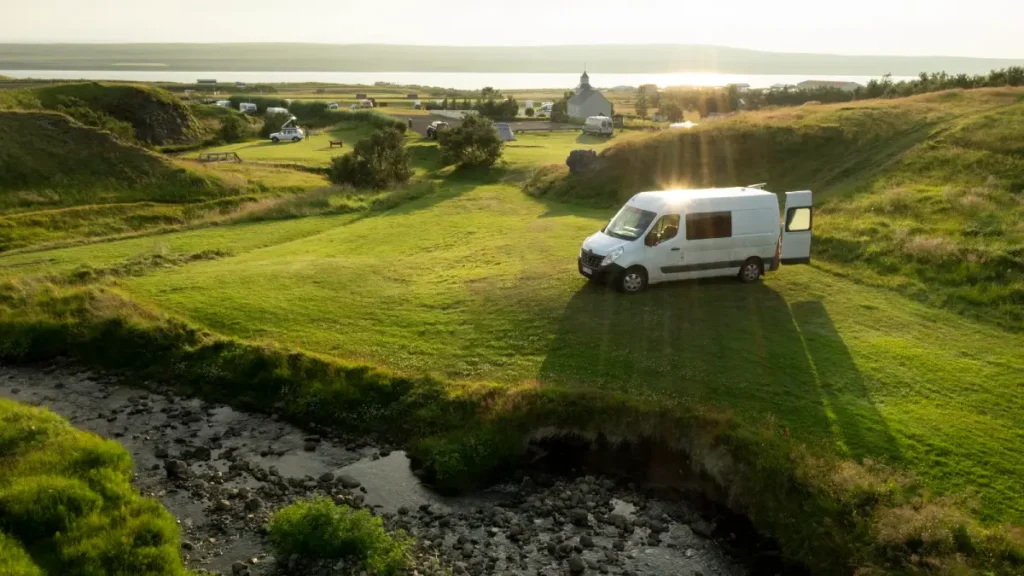
Class A motorhomes are pavement princesses that cannot handle gravel or mud which limits you to staying in paved RV parks and Walmart parking lots.
2026 Class B vans are built for adventure because manufacturers know buyers want to get off the beaten path to public land. Vans like the 2026 Storyteller Overland feature Gear Mode and rugged rack systems while the Airstream Interstate 24X comes with lifted suspensions.
You do not need to modify them because you can buy the van on Friday and drive it up a dirt mountain road on Saturday.
- Factory installed all terrain tires grip dirt and mud
- 4×4 and All Wheel Drive systems are standard on many models
- Suspension lifts allow access to rough BLM camping land
7. Fuel Efficiency and Environmental Regulations

Class A motorhomes are incredibly expensive to fuel and you can expect to get only 6 to 8 miles per gallon on a trip. That is a massive difference in your travel budget compared to diesel Sprinters which often get 18 to 22 miles per gallon.
It is also about future proofing your vehicle because states like California are passing strict emissions regulations that put large diesel pushers under the microscope.
Modern Class B engines are cleaner and more efficient and investing in a smaller engine is a safer bet for future compliance with changing laws.
- Class B vans achieve double or triple the fuel economy
- Smaller engines comply better with strict emissions laws
- Lower fuel costs allow for longer trips and more travel
Class B Efficiency
3x Efficiency
Class B vans achieve double or triple the fuel economy of larger RVs.
Cleaner Travel
Smaller engines comply better with strict emissions laws.
Travel More
Lower fuel costs allow for longer trips and more adventure.
The choice between Class A and Class B used to be about how much stuff you wanted to bring but now it is about what kind of experience you want to have.
Class A offers space but it comes with restrictions and noise while Class B offers freedom of access and lower running costs. The market has spoken and in 2026 smaller is the new smarter choice for travelers.