
A valid plane ticket, a paid hotel reservation, and a packed suitcase, and you still watch your flight depart without you because of a passport issue. Most travelers think the only thing that matters is the printed expiration date. In reality, airlines may also need to check destination rules, blank pages, visas, digital travel permission, transit rules, document damage, and your identity details.
A name mismatch can cause trouble. A new passport can break an old ETA or ESTA. And here’s why that matters. Covers 11 common passport mistakes, why they matter, and how to fix them before you leave home. It also explains why international travel passport rules in 2026 can vary so much from one country to another.
Why A Valid Passport Can Still Fail At The Airport
A passport can be valid in one sense and still fail your trip. Your government may consider the document active because it has not expired yet. The country you are visiting can still say it does not meet its entry rules. That is one of the biggest mistakes travelers make.
There is no single worldwide rule that says every passport needs six months left. Some countries do use six months. Others use three months, 30 days, or another rule.
India is one example of a stricter rule. The plan notes that India requires six months after arrival plus two blank pages. Spain uses a different rule tied to the time left after leaving the Schengen area. South Africa uses another standard.
Airlines care because they need to confirm that you are likely to be accepted at your destination. IATA’s Timatic system provides airlines with passport, visa, health, and document rules. Airlines can use that information when deciding whether a traveler has the right documents to board.
1. Your Passport Expires Too Soon For The Country You Are Visiting
Your passport can still be months away from expiration and still cause a problem. Some destinations require a large amount of time to remain on the passport after you arrive. Others measure the time from the date you plan to leave.
The plan gives several useful examples. India requires at least six months of validity after arrival. Singapore also uses a six-month rule after arrival. Spain uses a different Schengen rule that generally requires at least three months after the planned departure date from the Schengen area.
This is why checking the printed expiration date is not enough. You need to compare that date with the rule for the exact country you are visiting. The safest habit is to do this when you book the trip. Do not wait until the week before departure.
Why it can stop you: Your passport may be unexpired but still too close to expiration for the destination.
Real example: A traveler with five months left could still have a problem in a country that requires six months after arrival.
Quick fix: Check the exact rule when booking your trip.
2. You Think Every Country Uses The Six-Month Rule
The six-month rule is useful advice. But it is not one worldwide law. This matters because travelers often repeat it as if every country follows the same system. The plan gives several examples. India uses six months after arrival. Hong Kong uses a shorter rule under current guidance. South Africa uses another standard.
Spain uses three months beyond planned departure from the Schengen area for relevant travelers. So what should you do? Check four things before you fly.
- Your destination
- Your transit country
- Your airline’s document rules
- Your passport nationality
Your nationality matters because entry rules can be different for travelers holding different passports. This is also why random social media advice can create problems. A person on Facebook may say, “You only need three months.
Why it can stop you: You may follow a rule that applies to someone else’s trip.
Real example: A traveler going to Spain may face a different validity rule from someone flying to India.
Quick fix: Use official government guidance or an airline document checker for your exact route.
3. Your Passport Is Damaged Even Though It Has Not Expired
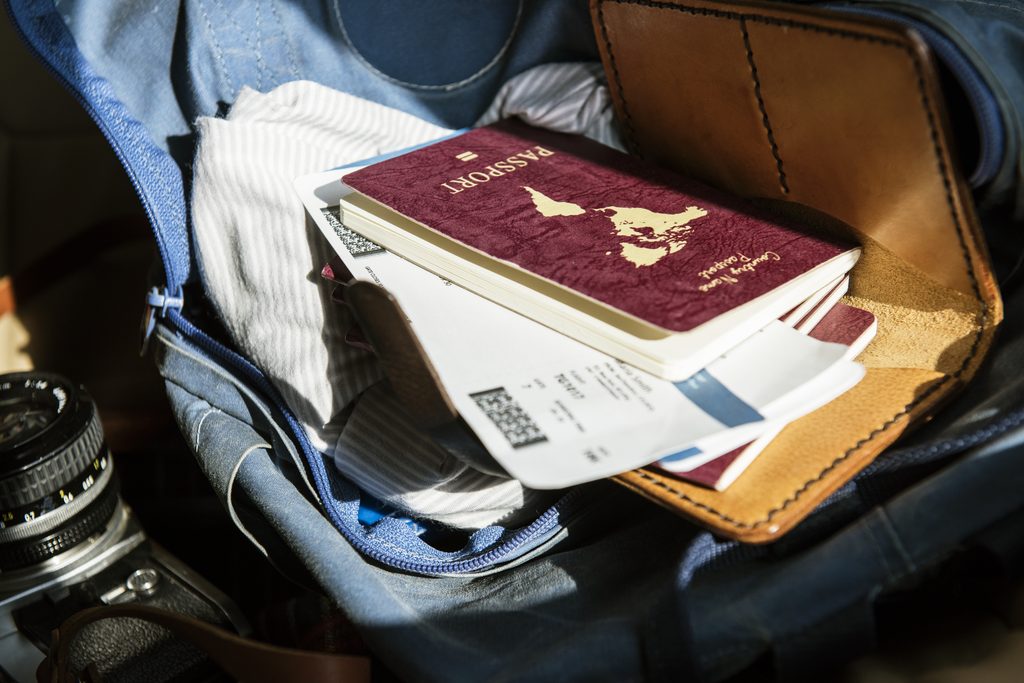
A passport does not need to be expired to become unusable. Damage can be enough. The U.S. State Department lists several examples of serious passport damage. These include water damage, mold, stains, major tears, unofficial markings, and missing pages.
But a passport that has gone through a washing machine is a different story. The photo page may still look readable. The chip may still appear fine. That does not mean an airline or border officer must accept it.
This is one of those situations where hoping for the best can be expensive. If the personal data page is damaged, a page is missing, or the passport has major water or stain damage, replace it before your trip.
Document Condition: Even a passport that is still valid may cause problems if it is badly damaged or difficult to verify.
Possible Issue: A passport with major tears, water damage, or other serious wear could be rejected despite having plenty of validity remaining.
Recommended Step: If your passport has significant damage, consider replacing it before your trip to avoid issues at the airport or border.
4. Your Ticket Name Does Not Match Your Passport

This mistake often starts with something simple. A typo. A nickname. A marriage. A divorce. Or a traveler who books under a new legal name while still carrying an older passport. The safest habit is very simple. Enter your passenger name exactly as it appears on the passport you will carry.
That does not mean every missing middle name automatically causes denied boarding. Airline systems can handle some name differences. The bigger risk is a mismatch that makes it hard to connect the booking to the person standing at the counter.
If your legal name has changed, carry supporting documents when needed. The plan notes that U.S. travelers using a previous passport name after a legal name change may need documents such as a marriage certificate, divorce decree, or court order. Do not wait until check-in to notice the problem.
Why it can stop you: The airline may not be able to confirm that the ticket belongs to you.
Real example: Your ticket says one surname while your passport shows another.
5. You Got a New Passport but Forgot About Your ETA or ESTA

This problem is becoming more common. Many travel permissions are digital now. That makes them easy to forget. Travelers often assume an ETA or ESTA belongs to them as a person. In many cases, it is linked to a specific passport.
The plan notes that a new ESTA is required when a traveler receives a new passport. Certain name or citizenship changes can also trigger the need for a new application. The UK uses a similar system. Its ETA is linked to the passport used during the application.
If that passport changes or expires, the traveler needs to check whether a new ETA is required. This can catch careful travelers. You renew the passport early. You feel ready. Then airport check-in reveals that the digital approval is tied to the old passport number.
Document Mismatch: Your travel authorization may remain linked to your previous passport.
Common Example: You receive an ETA and later replace or renew the passport used for the application.
What to Check: After getting a new passport, review any ETA, ESTA, visa, or electronic travel approval associated with your old passport.
6. You Bring a Passport Card Instead Of a Passport Book
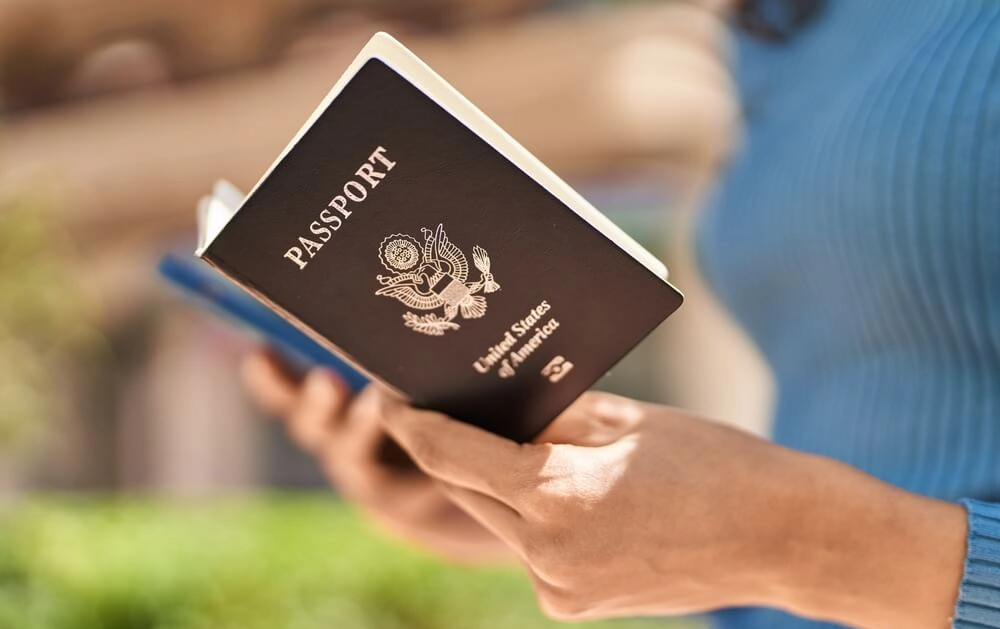
This mistake mainly affects U.S. travelers. A passport card looks official because it is official. But it cannot replace a passport book for international air travel. The State Department allows passport cards for certain land and sea entries involving Canada, Mexico, Bermuda, and some Caribbean destinations.
The plan makes clear that the card is not valid for international travel by air. This can be confusing for someone who has used the card before. You may drive to Canada with it. You may use it on an eligible sea trip. That does not mean you can use it to board a flight overseas.
Travel Problem: A passport card by itself may not satisfy the document requirements for international air travel.
Possible Scenario: You arrive at the airport with your passport card but realize your passport book is still at home.
Simple Solution: Double-check your travel documents and pack your passport book before leaving for the airport.
7. Your Passport Does Not Have Enough Blank Pages
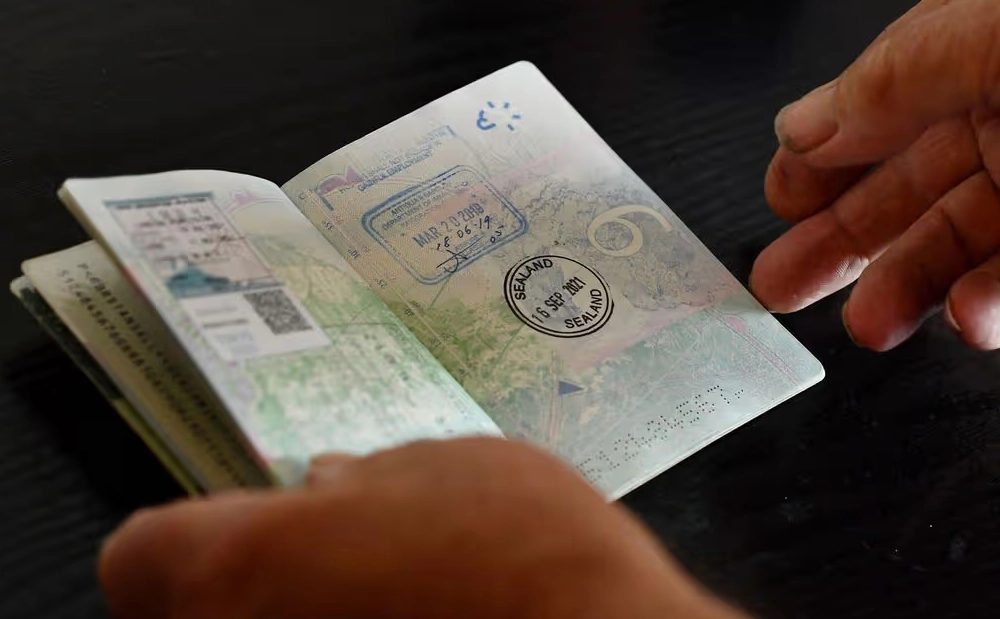
A passport can have years left before expiration and still create a problem. You may run out of usable pages. Some countries still require blank pages for entry stamps or visas. The plan notes that India requires at least two blank pages.
This matters most for frequent travelers. A person with a nearly full passport may focus on the expiration date and miss the page requirement. Multi-country trips can make the issue worse because several places may need space. Before booking, open the passport and count your usable visa pages.
8. You Try To Use A Passport You Reported Lost Or Stolen
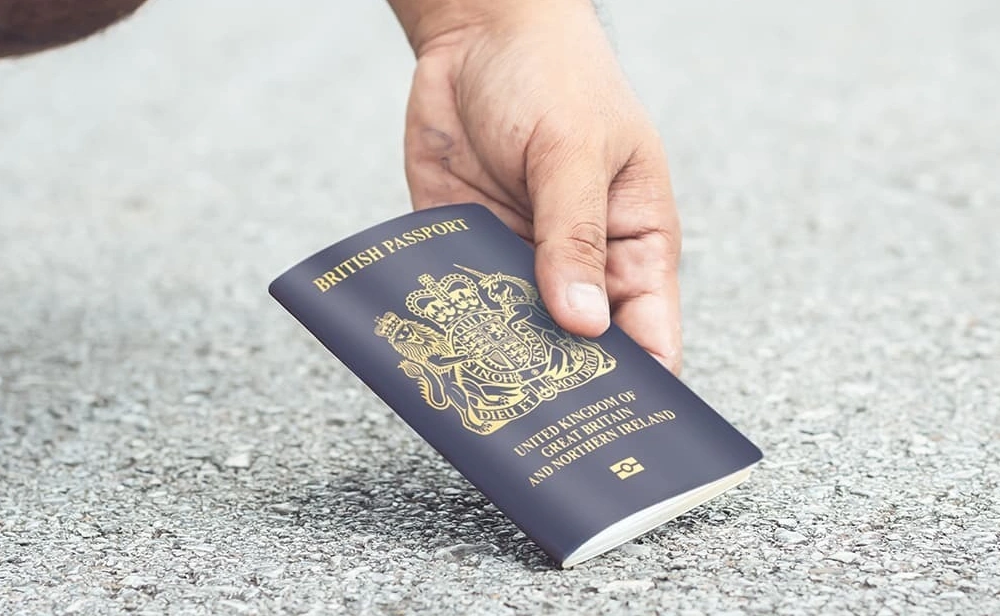
This mistake sounds unusual. But it can happen very easily. You cannot find your passport. You report it lost. A few days later, you discover it in an old suitcase. At that point, do not assume it is safe to use again. Once a passport has been reported lost or stolen, it may be treated as invalid.
Current guidance for countries such as India and Hong Kong warns travelers against using a document that has been reported missing. Finding the passport does not erase the earlier report. That is why you need to follow the instructions from the government that issued it.
9. You Forget That A Child Passport Expires Faster

Parents often check their own passports first. That makes sense. But the child’s passport may expire much sooner. U.S. passports issued to adults age 16 and older generally last 10 years. Passports issued to children under 16 are valid for only five years. That difference can catch families.
The parents may have four years left. The child may have only five months left. If the destination wants six months of remaining validity, the child’s passport can create the problem. This is why every document needs its own check.
Potential Issue: Children’s passports may have a shorter remaining validity period than their parents’ documents.
Common Situation: Parents may meet the travel requirements while a child’s passport does not satisfy the destination’s minimum validity period.
What to Do: Review each family member’s passport individually, including passports issued for babies and young children.
10. You Check The Final Country But Ignore Your Transit Country

Your destination is not always the only country that matters. A connection can bring its own passport or visa rules. Some transit countries care about nationality. Others may have different rules if you leave the secure area, collect bags, change airports, or spend the night. This is where people can make expensive mistakes.
You check the country where your hotel is booked. You never check the airport where you connect. Then the airline sees the full route and finds a transit requirement you missed. That gives you time to choose a different route if the connection creates extra paperwork.
Why it can stop you: Transit rules can apply even when you are not staying in the country.
Real example: Your final destination allows you in, but your connection requires extra documents.
Quick fix: Check your complete route, not just the final airport.
11. You Wait Until Airport Day To Check The Rules

This may be the easiest mistake to avoid. It may also be the most common. Travel rules change. Countries introduce digital travel permission. Entry systems change. Visa-free travel can begin requiring an ETA. The UK is a useful 2026 example.
Its ETA system now applies to many travelers who previously expected to arrive with only a passport, and that permission is linked to the traveler’s passport. An old video may have been correct when it was posted. That does not mean it is correct today. Use a simple timeline.
When you book: Check passport validity and visa rules.
30 days before travel: Recheck the passport, ETA, ESTA, or visa.
72 hours before travel: Check official destination and airline rules again.
Before leaving home: Make sure you carry the exact passport linked to your booking and digital permission.
Why it can stop you: Entry rules can change after you book.
Real example: A country adds a digital travel authorization before your departure date.
Quick fix: Recheck official rules close to travel.
The 5 Minute Passport Check To Do Before Every Trip
You do not need an hour to catch most passport problems. Five careful minutes can save you from a very expensive day at the airport.
1. Check the expiration date
Do not simply look for the printed date.
Compare it with the exact passport validity rule for your destination.
2. Inspect the passport
Look for water damage, stains, tears, missing pages, or damage around the personal data page.
If the document looks seriously damaged, deal with it before the trip.
3. Count Blank pages
Check whether your destination requires one, two, or another number of usable pages.
This matters more if you travel often.
4. Compare the names
Look at your passport.
Then look at your airline booking, visa, ETA, or ESTA.
The details should clearly match.
5. Check Digital Travel Permission
If you renewed the passport, confirm that your electronic approval is tied to the current passport number.
6. Check Every Connection
Do not stop at the final destination.
Transit rules can affect your trip too.
7. Check Children Separately
A child’s passport may expire years before yours.
Do not assume the whole family is on the same schedule.
8. Carry The Right Document
For U.S. travelers flying internationally, that means the passport book, not the passport card.