
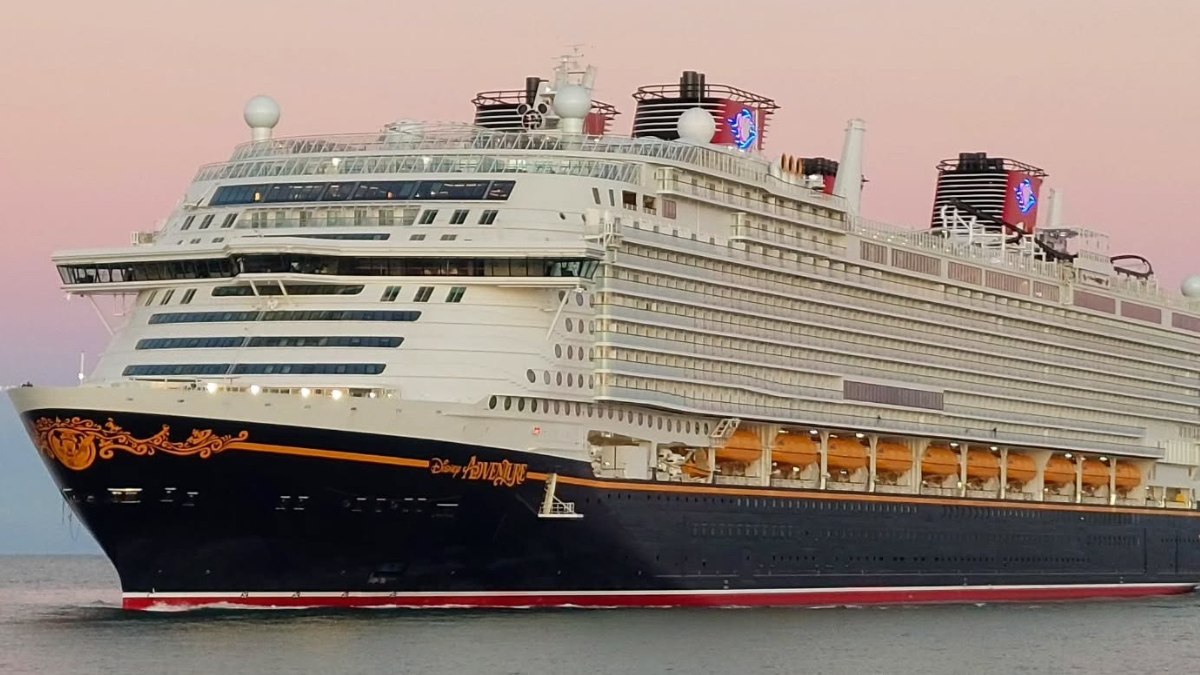
After working onboard major cruise liners for ten years, I watched thousands of passengers light their vacation savings on fire before the ship even cleared the harbor. Cruising is sold as an easy, all-inclusive getaway.
An advertised $499 base fare sounds like a steal. But once you step on board, lines hit you with mandatory gratuities, Wi-Fi packages, regional port fees, and venue upcharges. By the end of the week, that cheap trip doubles in price.
Avoiding these traps comes down to knowing how cruise lines design their billing systems. To protect your wallet, here are 15 costly cruise ship mistakes, the real math behind hidden cruise costs, and actionable cruise savings tips to help you avoid cruise traps.
10 Years on Cruise Ships: 15 Mistakes That Cost Passengers Thousands

1. Booking Cabin Locations Without Checking Deck Plans
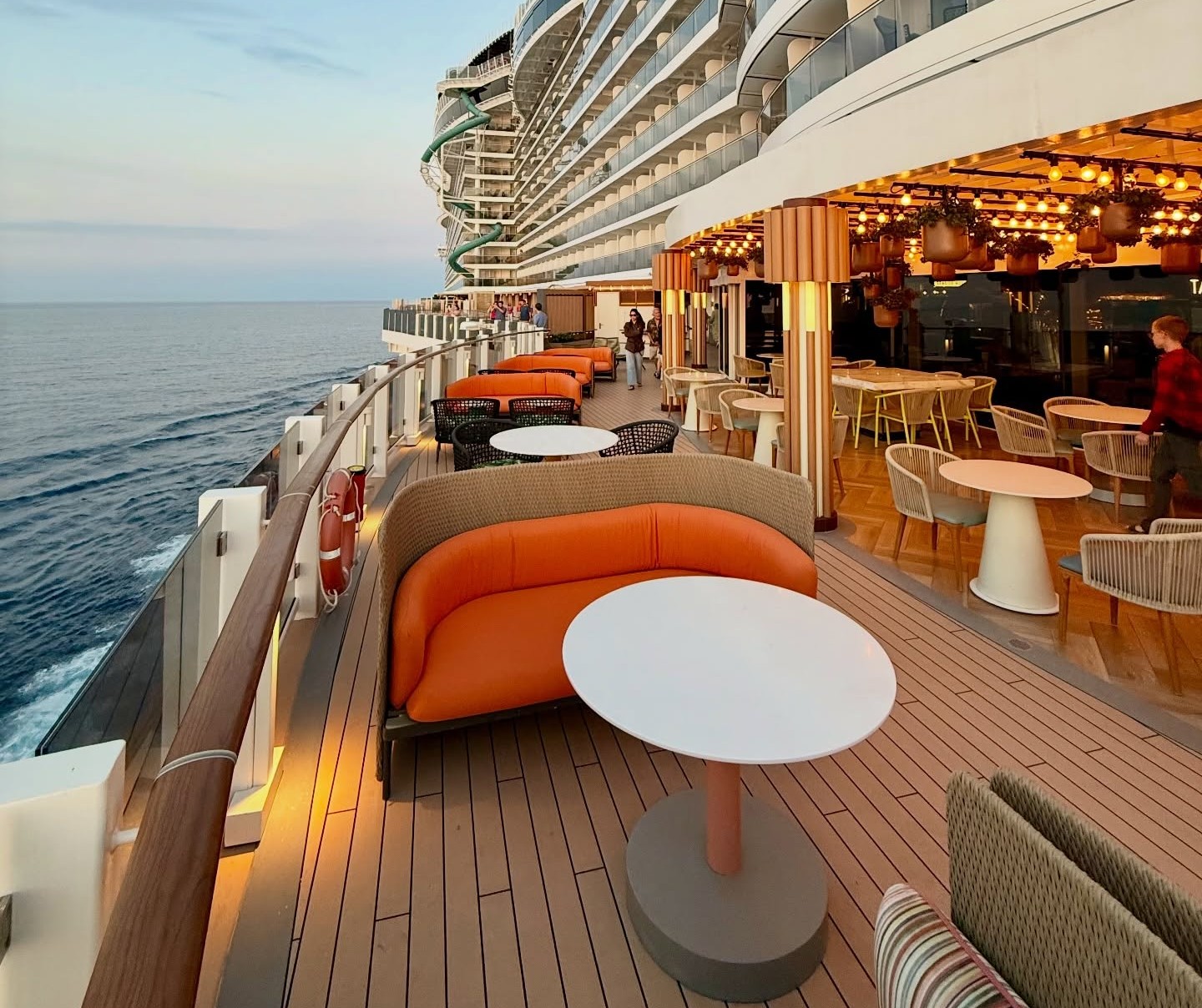
Booking a cabin purely by price tier is one of the most common cruise cabin mistakes. Bargain rooms often sit directly below 24-hour galleys, under nightclubs, or right next to anchor chain housing.
Beautiful Ship.
Terrible Sleep.
When your cabin sits below the action, quiet nights can come at a price.
The Upgrade Trap
Your escape route may cost $200–$600 in paid mid-sailing room upgrades — if available. Otherwise, you’re looking at a week of ruined sleep.
Noise Travels Down
4:00 AM buffet prep and 2:00 AM pool-deck cleanup can carry straight through your stateroom ceiling, turning your cabin into an unexpected alarm clock.
To avoid this, look up the ship’s exact deck blueprint before placing a deposit. Sandwich your room between decks that only contain other passenger cabins.
The 2026 Actionable Rule: Never book a stateroom without verifying that the spaces directly above and below you are sleeping quarters.
2. Treating Drink Packages as an Automatic Savings Tool
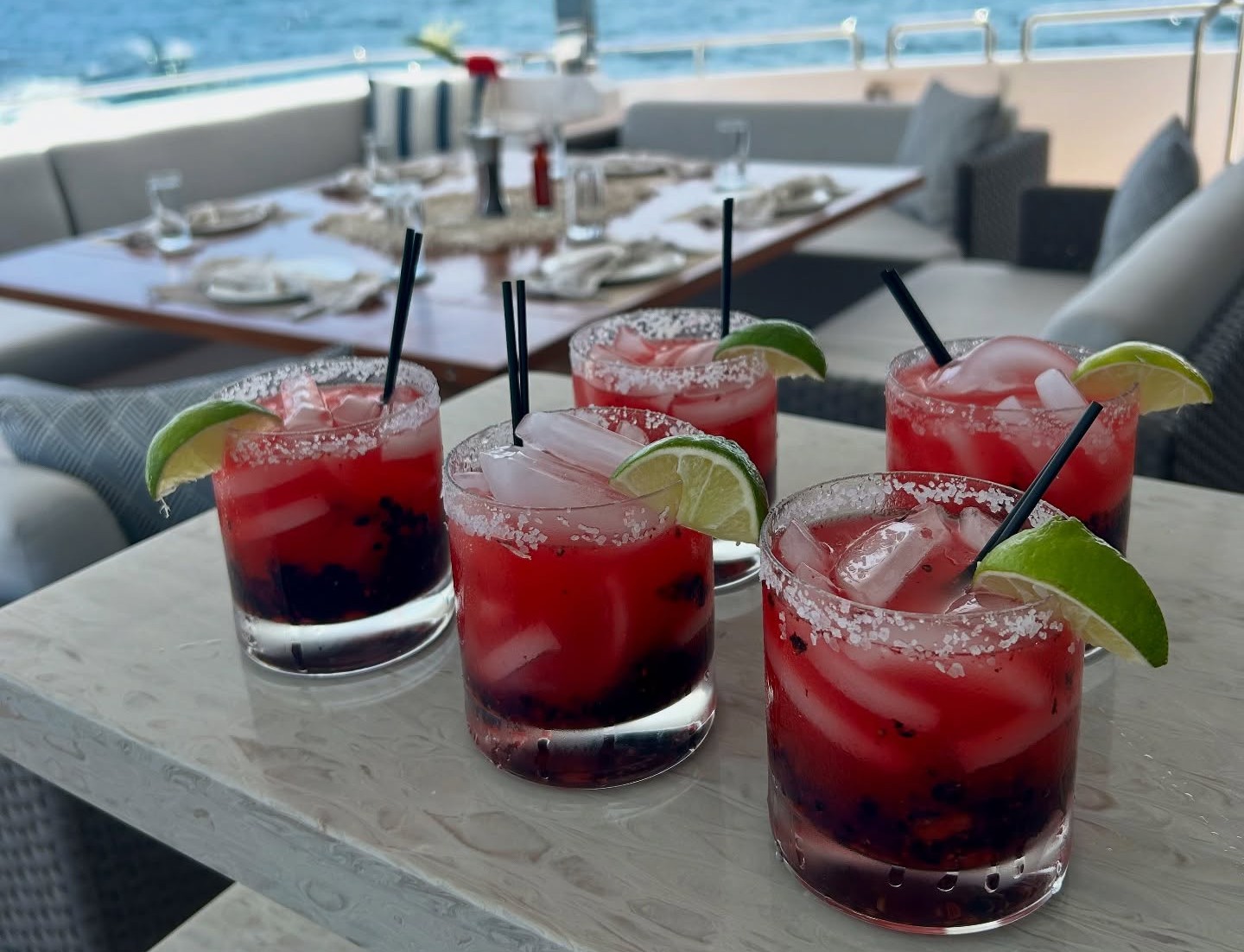
Cruisers treat beverage packages like a mandatory purchase. However, most lines require every adult in the same stateroom to buy the package if one person does.
The $1,400 Drink Problem
A beverage package can look convenient—until the daily drink count needed to make it worthwhile starts climbing.
Where The Numbers Land
Package Price
Packages cost $70–$100 per person/day, before the automatic gratuity is added.
Break-Even Drinks
You may need 7–9 cocktails every day just to reach the package’s value.
Seven-Day Total
At an $85 daily rate, two people reach about $1,428 with gratuity.
Pay-As-You-Go
At roughly $12 per drink, spending stays variable instead of locking you into a package.
Furthermore, lines like NCL no longer honor standard drink packages on certain private islands like Great Stirrup Cay. You end up paying out of pocket ashore despite holding a prepaid pass.
The 2026 Actionable Rule: Pay out of pocket for drinks unless both adults reliably order at least 7 high-end beverages every single day.
3. Ignoring Updated Dining Policies and Entrée Charges
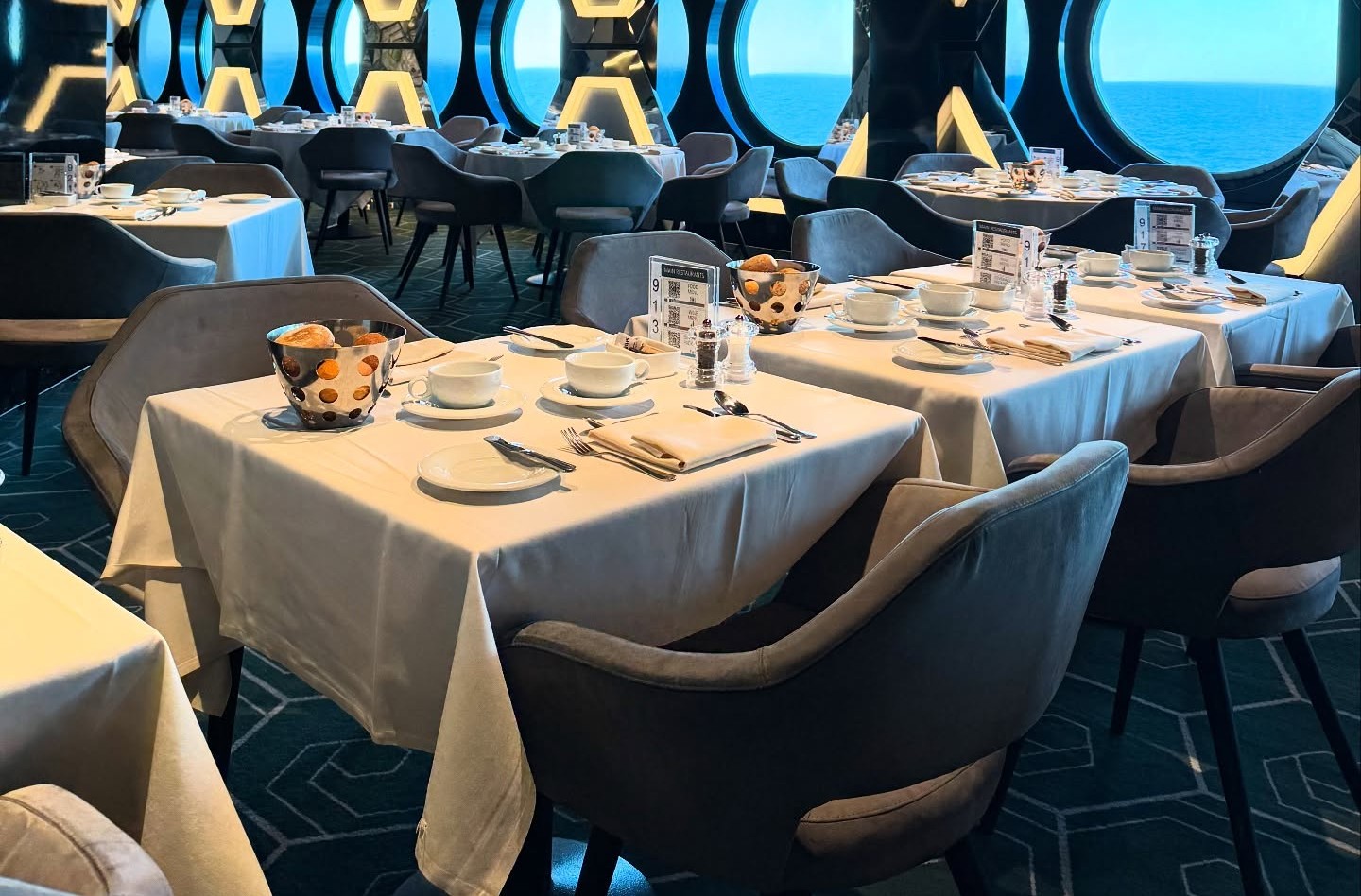
The days of unlimited free ordering in the Main Dining Room are changing. Cruise lines are tightening policies to limit food waste and boost revenue.
Hidden Dining Costs
That “included” cruise meal may come with a few unexpected charges.
Cost Impact
Unexpected cover charges can add $10–$50 to a single meal.
The Catch
Lines like NCL charge $5 for any third or fourth entrée ordered at the same table.
Missed specialty dining reservations can trigger $10 no-show fees.
Read the fine print on your daily planner app. Stick to two entrees per person in the main dining rooms, and cancel specialty reservations at least 24 hours in advance.
The 2026 Actionable Rule: Review daily venue rules on your ship’s mobile app to bypass new MDR entrée charges and penalty fees.
4. Buying Line-Sponsored Shore Excursions at High Markups

Cruise lines sell shore excursions as middleman agents. They buy tours from local operators, add a 50% to 100% markup, and sell them to passengers as exclusive packages.
Hidden Port Costs
Cost Impact
Families can waste $300–$800 at every port stop through overpriced excursions and unnecessary package markups.
The Catch
Cruise lines often charge around $150 per person for basic walking or bus tours that trusted local guides offer for about $45 — often with smaller groups and a more authentic experience.
Independent operators offer identical itineraries and provide return-to-ship guarantees backed by independent travel insurance.
The 2026 Actionable Rule: Book directly with local tour companies that hold verified port-return guarantees.
5. Getting Blindsided by Regional Cruise Port Taxes

Port taxes are no longer simple docking fees. Regional destinations now charge environmental and access fees directly to cruise lines, which get passed down to your onboard folio.
Cruise Cost Alert
The Hidden Cost of Adding a Passenger
Greece
A €20 high-season fee can apply per passenger for stops in Santorini and Mykonos.
Venice
Historic access may require €5–€10 vouchers, adding another cost to your port visit.
Mexico
Certain port itineraries can include DNR Non-Resident Duty charges for passengers.
Check your itemized booking invoice before sailing. If port charges are not listed as prepaid, set aside cash for onboard statement adjustments.
The 2026 Actionable Rule: Verify local destination entry taxes on your itinerary six months before sailing.
6. Flying in on Embarkation Day Without a Buffer
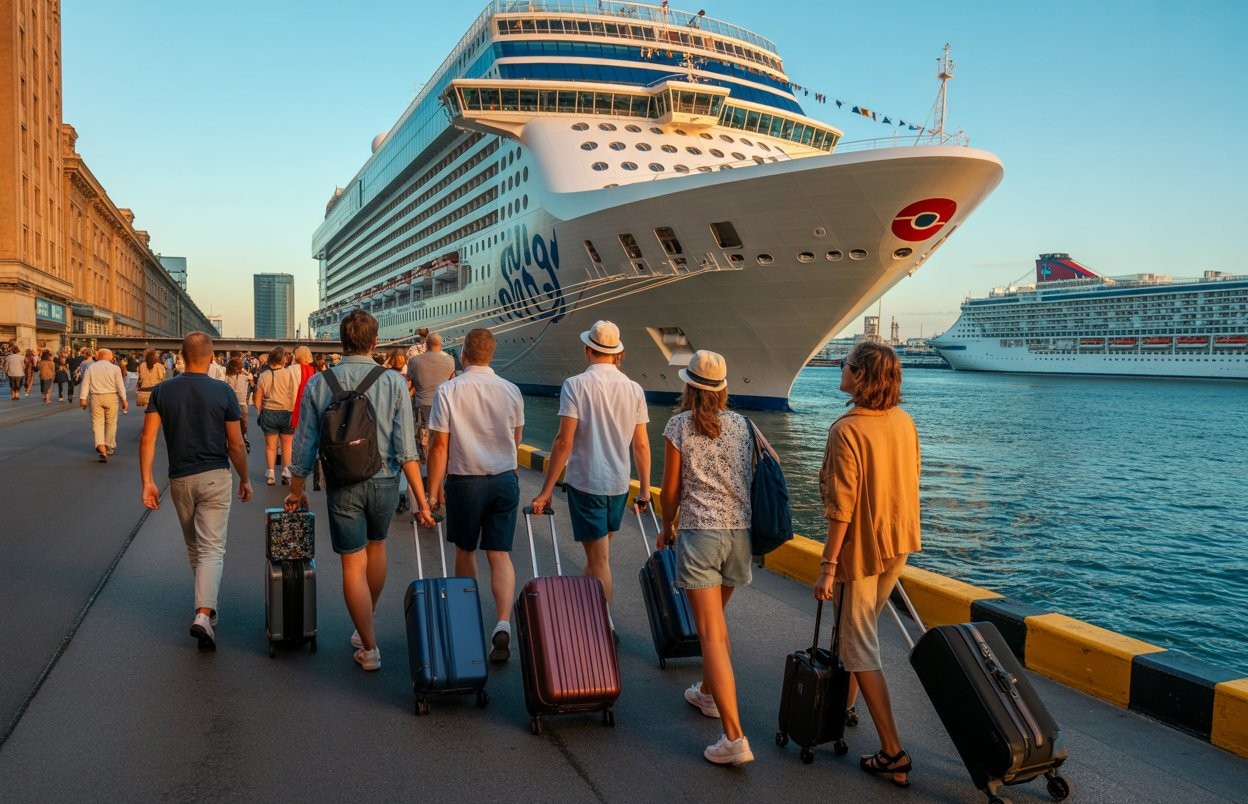
Boarding day is strictly timed. If your flight gets delayed or canceled, the ship leaves without you.
Don’t Let a Flight Delay Sink Your Cruise
Tight same-day flight schedules can turn a simple delay into a costly missed departure.
The Cost Can Be Huge
A missed cruise can mean $1,000–$5,000+ in missed vacation days, last-minute flights, and lost cruise fares.
The Cruise Won’t Wait
Cruise ships generally do not wait for delayed commercial flights. Tight same-day connections are risky, and basic travel insurance may exclude missed departures caused by those schedules.
Fly into your departure city one full day before your cruise. A $150 airport hotel room completely protects a $3,000 vacation.
The 2026 Actionable Rule: Arrive at your departure port city at least 24 hours before your scheduled embarkation time.
7. Buying Wi-Fi Plans for Multiple Devices
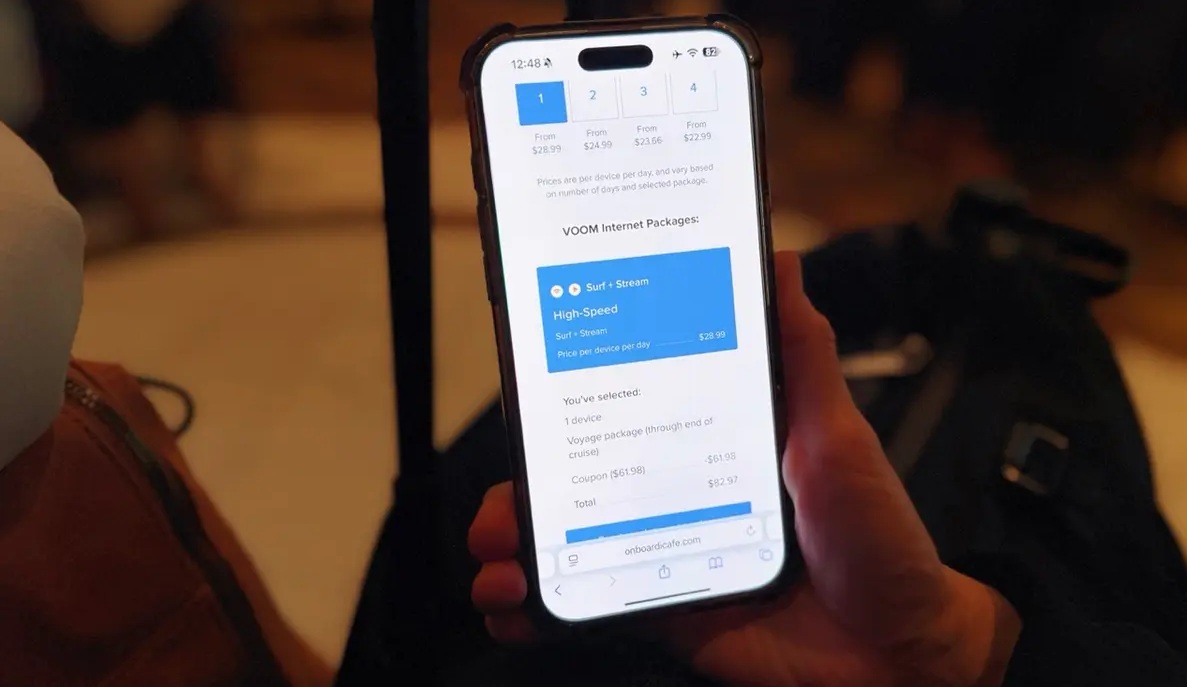
Onboard Wi-Fi is expensive, often costing $20 to $35 per device each day. Buying a separate package for every phone or tablet inflates your bill fast.
DON’T PAY FOR EXPENSIVE WI-FI
Save hundreds on your cruise with one simple Wi-Fi trick that works across your devices.
Potential Unnecessary Cost
Skip Multiple Wi-Fi Packages
Buying separate internet plans for every phone or tablet can cost an extra $300–$600 during a cruise.
Buy One Single-Device Plan
Choose a single-device Wi-Fi package instead of paying for multiple connections. It’s the cheapest option for families and couples.
Switch Between Devices Anytime
Log into the ship’s Wi-Fi browser portal and simply switch the active connection between your phone, laptop, or tablet whenever you need.
For stay-in-touch access at port stops, use your phone carrier’s international day pass or buy an e-SIM data plan for a fraction of the cost.
The 2026 Actionable Rule: Purchase one single-device Wi-Fi plan per stateroom and switch devices as needed.
8. Leaving Daily Auto-Gratuities Out of Your Budget
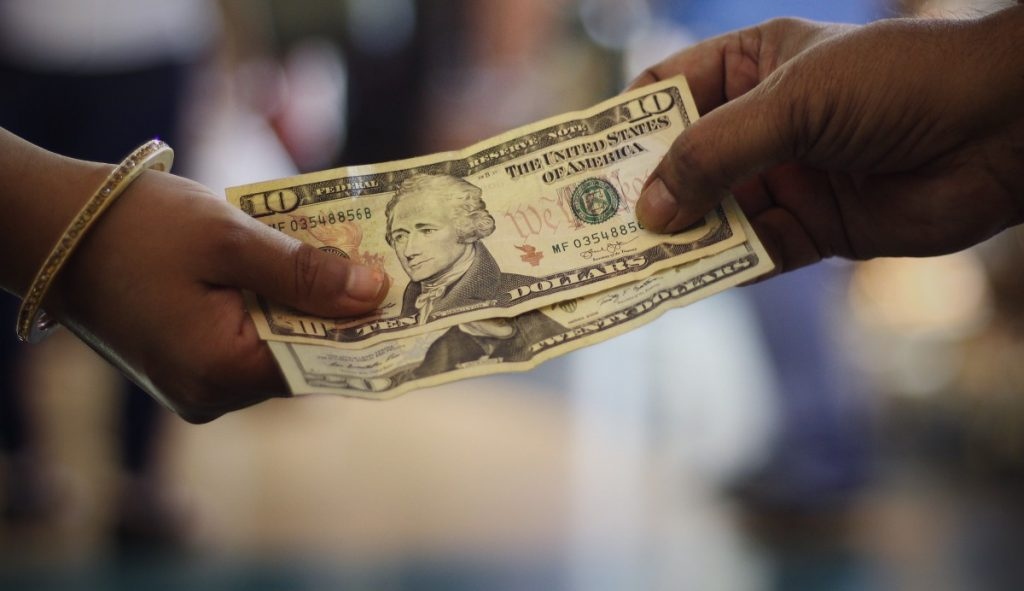
Auto-gratuities are mandatory service charges billed to your onboard account every night. Many first-time cruisers miss these fees during initial budgeting.
The Hidden Daily Cost
Cruise gratuities can quietly add hundreds of dollars to a family’s final vacation bill.
Family Bill Impact
Daily charges can translate into $240–$560 added to the final family bill.
Daily Rates
Major cruise lines generally charge around $17–$20+ per person/day, with higher rates for suites.
Room Category Matters
Suite guests typically pay a higher daily amount than passengers in standard rooms.
Major Cruise Lines
Carnival, Princess, and Royal Caribbean all use different daily rates, so compare before booking.
Prepay your gratuities when booking your cruise. This locks in current rates and prevents surprise charges on your final morning statement.
The 2026 Actionable Rule: Prepay all daily auto-gratuities during checkout to avoid rate hikes on board.
9. Relying Only on Basic Credit Card Travel Insurance
Standard credit card insurance covers lost baggage or minor trip delays. It rarely covers onboard medical treatments or emergency air evacuations.
The Hidden Cost of Getting Sick at Sea
A medical emergency on a ship can quickly become a major out-of-pocket expense.
Cost Impact
Emergency care can mean $5,000 to $100,000+ in out-of-pocket expenses, depending on the treatment and evacuation required.
The Reality
Ship doctors often operate independently of domestic health networks. A basic consultation may cost hundreds of dollars, while a medical evacuation at sea can reach tens of thousands.
Buy a dedicated cruise insurance policy that includes primary medical coverage and emergency medical evacuation.
The 2026 Actionable Rule: Secure third-party insurance with at least $100,000 in emergency medical coverage and $250,000 in evacuation coverage.
10. Booking Non-Refundable Fares Without Reading the Fine Print

Non-refundable deposits save you $50 to $100 up front, but they restrict your flexibility if plans change.
The Hidden Cost of Changing Plans
Cost Impact
Changing plans can mean a $100 per-person change fee — plus the total loss of your deposit cash.
The Policy
Major cruise lines may charge administrative fees simply to adjust sailing dates or guest names on non-refundable bookings.
If your travel dates are not set in stone, choose a refundable deposit rate tier instead.
The 2026 Actionable Rule: Choose refundable fares unless your travel timeline is 100% locked in.
11. Using Credit Cards That Charge Foreign Transaction Fees
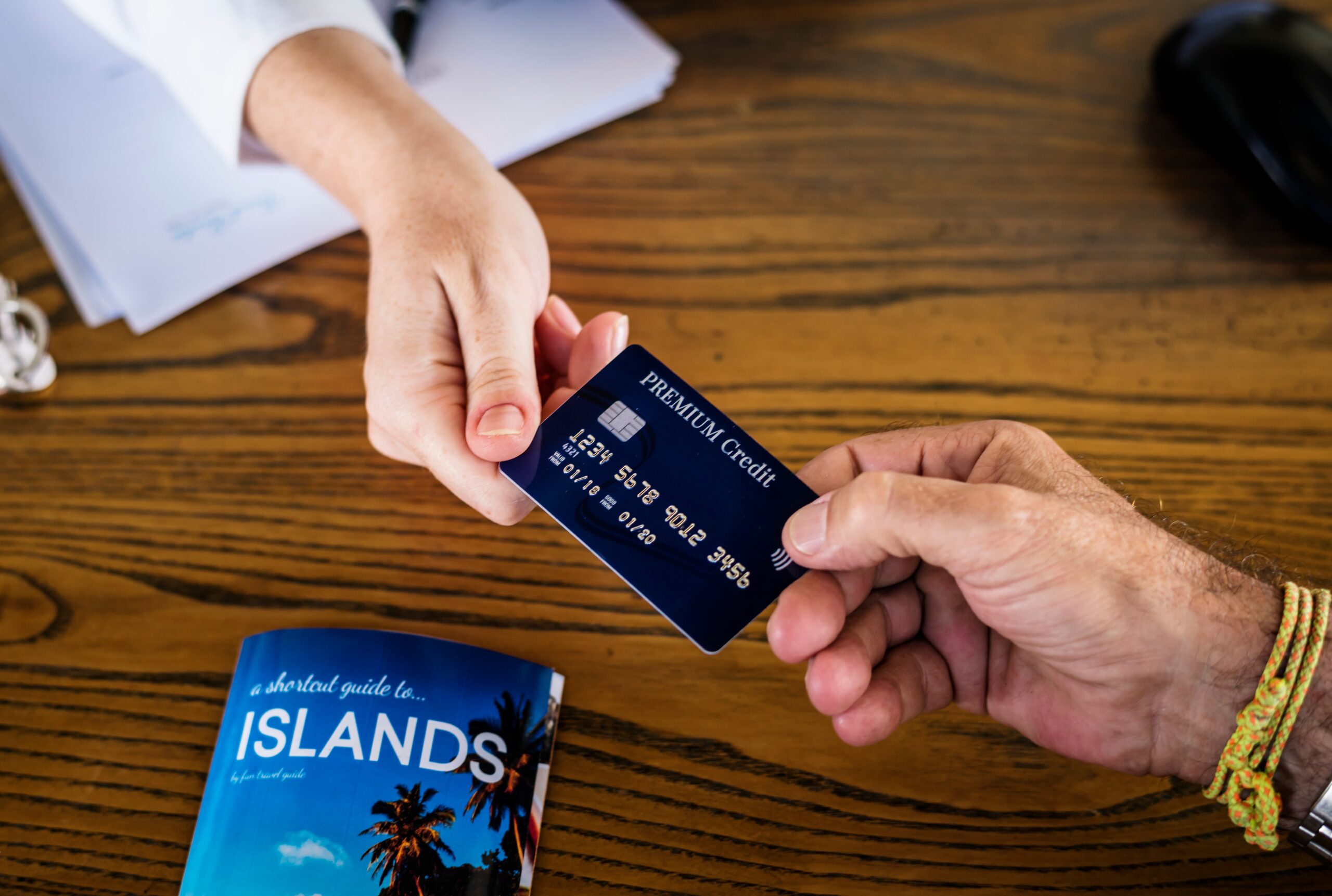
Even if your cruise departs from a US city, shipboard billing systems are often registered in offshore jurisdictions like the Bahamas or Liberia.
The Hidden 3%
That onboard purchase may cost more than the price shown on the menu.
Extra Charge
Expect an additional 3% charge added to your total onboard bill.
The Mechanics
If your credit card has foreign transaction fees, your bank can add 3% to every shipboard purchase.
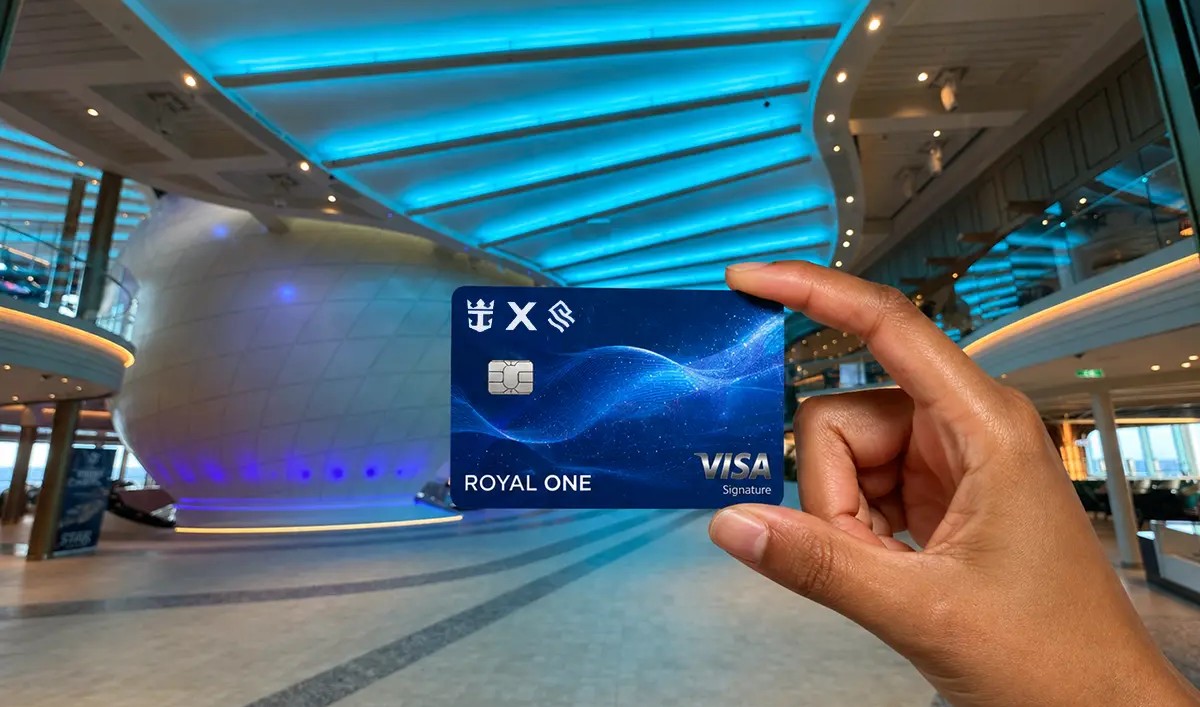
Link a credit card that explicitly charges 0% in foreign transaction fees to your onboard account.
The 2026 Actionable Rule: Attach a zero-foreign-fee credit card to your ship account before boarding.
12. Overpacking Gear and Skipping Cabin Storage Hacks
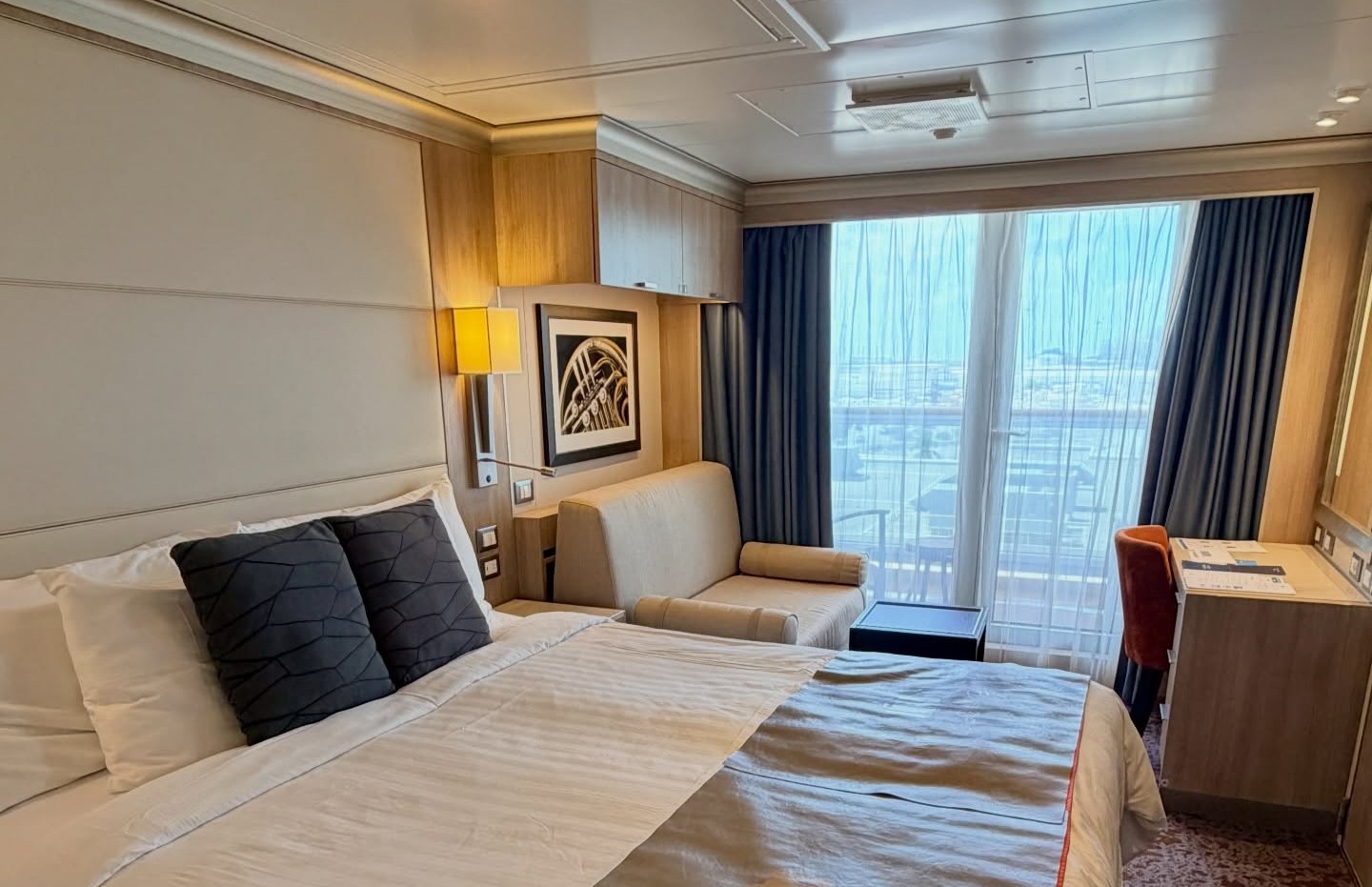
Staterooms are compact, and closet space is limited. Overpacking leads to cramped quarters and extra airline baggage fees.
Cruise Packing Hack
Pack Less. Hang More.
Skip bulky organizers and turn your cruise cabin walls into instant storage with high-strength magnetic hooks.
$75–$150 You Can Avoid
Overpacking can trigger airline overweight fees and leave you carrying unnecessary baggage.
The Magnetic Hook Hack
Cruise ship walls are built with heavy-duty steel. Use high-strength magnetic hooks instead of bulky organizers to create instant hanging storage.
Attach magnetic hooks to the steel walls and doors to hang coats, bags, hats, and lanyards. This doubles your storage space without taking up floor area.
The 2026 Actionable Rule: Pack light and use heavy-duty magnetic hooks to keep cabin clutter off the floor.
13. Removing Auto-Gratuities or Misunderstanding Staff Ratings

When passengers see daily auto-gratuities on their bill, some ask the guest services desk to remove them, planning to tip in cash instead.
The Hidden Cost
Service quality and crew wellbeing are connected. What looks like a small gratuity change can create pressure far beyond the guest-facing team.
Poorer Service Standards
Removing auto-gratuities can create a cost impact that reaches the guest experience, while placing an unfair strain on backend staff.
The Crew Reality
Auto-gratuities are shared across room stewards, dining staff, galley teams and laundry crews—the people working behind the scenes to keep the voyage running.
Leave the auto-gratuity active to support the full team. If you want top-tier room service, hand your cabin steward a direct cash tip on Day 1.
The 2026 Actionable Rule: Keep auto-gratuities active and hand direct cash tips to your steward on day one for great service.
14. Buying Jewelry and Art at Port Stores and Auctions

Cruise ships feature onboard art auctions and port shopping guides promoting “tax-free” jewelry stores ashore.
Hidden Cost Alert
The Price Is Not the Price
Port shopping and onboard auctions can make “retail” purchases considerably more expensive than they appear.
Retail Markups
Port shopping can carry 20%–50% markups over real retail value, making the “deal” far less attractive than it looks.
Auction Premiums
Onboard art auctions may add a 20%–25% buyer’s premium on top of already high shipping costs.
Enjoy onboard art displays and port markets for fun, but avoid buying expensive fine art or jewelry while on vacation.
The 2026 Actionable Rule: Avoid buying fine art and high-end jewelry onboard or at promoted port shops.
15. Paying Extra for Premium Amenities with Free Alternatives
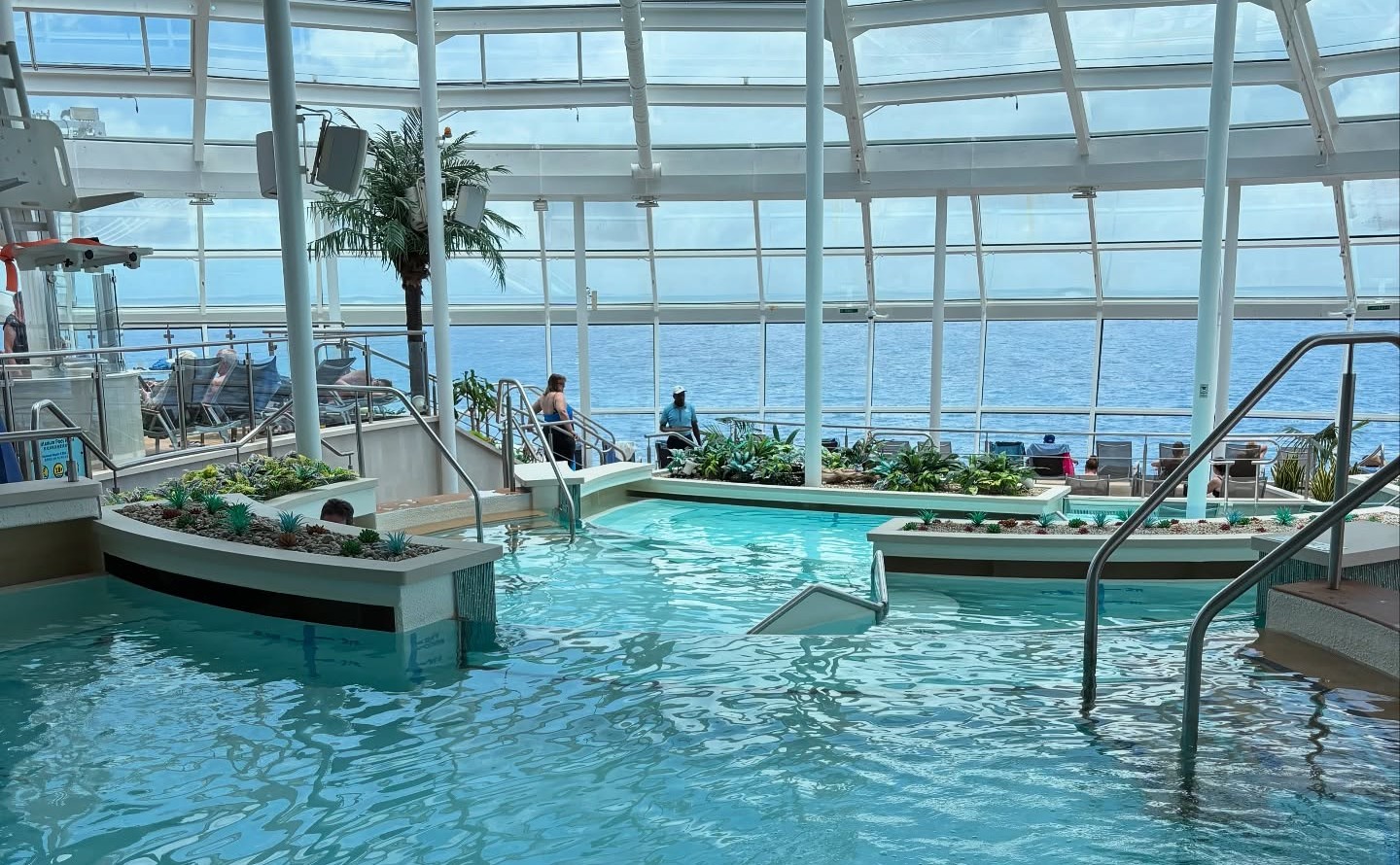
Ship tours highlight premium thermal suites, specialty fitness classes, and paid coffee bars. However, many ships offer similar amenities in their base fares for free.
Skip the Add-Ons
You could easily spend $150–$300 on extras that are already available—or unnecessary—on your ship.
Thermal Suites vs. Free Saunas
Older ship designs and standard spa locker rooms often include free ocean-view sauna access. Check what’s already included before paying for a thermal suite.
Specialty Coffee vs. MDR Coffee
Before buying premium coffee, visit the main dining room. Breakfast can include brewed espresso and premium teas at no extra charge.
Paid Classes vs. Free Gyms
Skip the $25 spin class and use the fully equipped fitness center with ocean views—already included in your fare.
Explore the ship’s public layouts on Day 1 to find all the included amenities before paying for upgrades.
The 2026 Actionable Rule: Use free ship amenities like standard saunas and MDR espresso before buying spa or drink passes.
Cruising offers incredible value, provided you navigate the add-ons wisely. By avoiding these common traps, tracking mandatory fees early, and using smart onboard workarounds, you can keep your vacation budget intact and spend your money where it counts.