
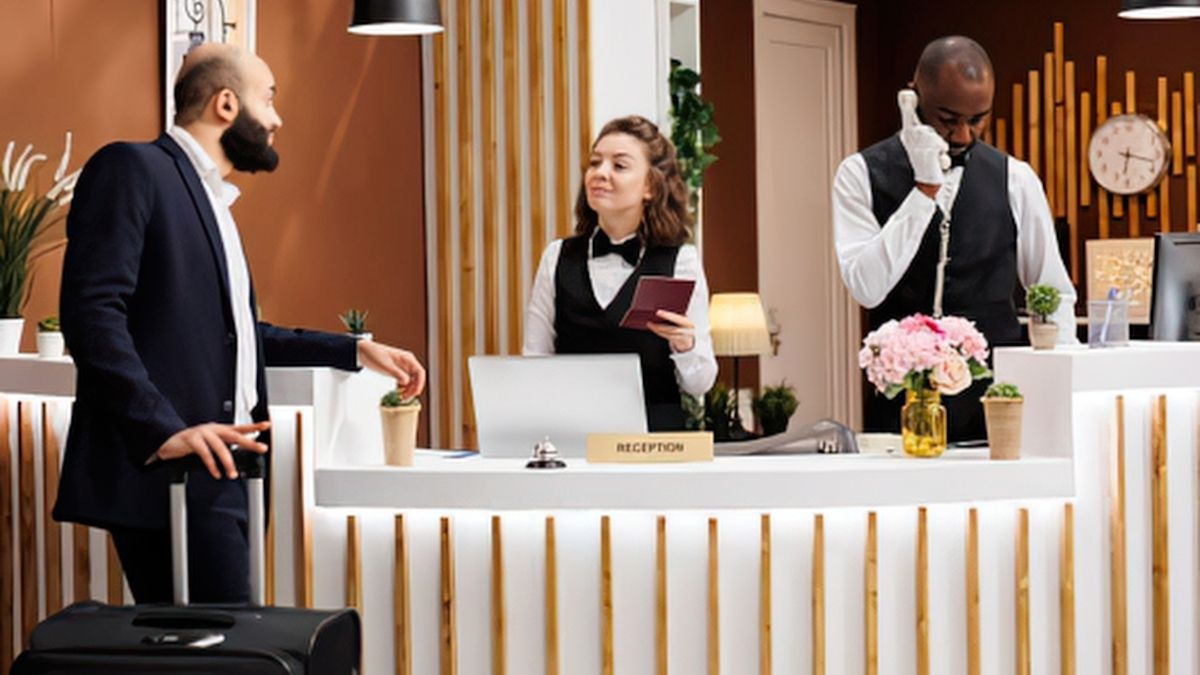
You arrive at a hotel tired, hand over your card, and expect everything to be simple. The upgrade you hoped for is gone. A large hold appears on your card. The front desk says it cannot change the reservation you booked online.
The person behind the desk has more power in some situations than guests realize. In other cases, the employee may have almost no control at all. Room inventory, housekeeping, loyalty status, payment rules, and your booking method can all affect what happens.
That matters even more when hotels are busy. CoStar and Tourism Economics projected U.S. hotel occupancy at 63.1 percent for 2026. The industry also sold 11.4 million more room nights during the first half of 2026 than during the same period in 2025.
1. Your Room Request May Be Just A Request
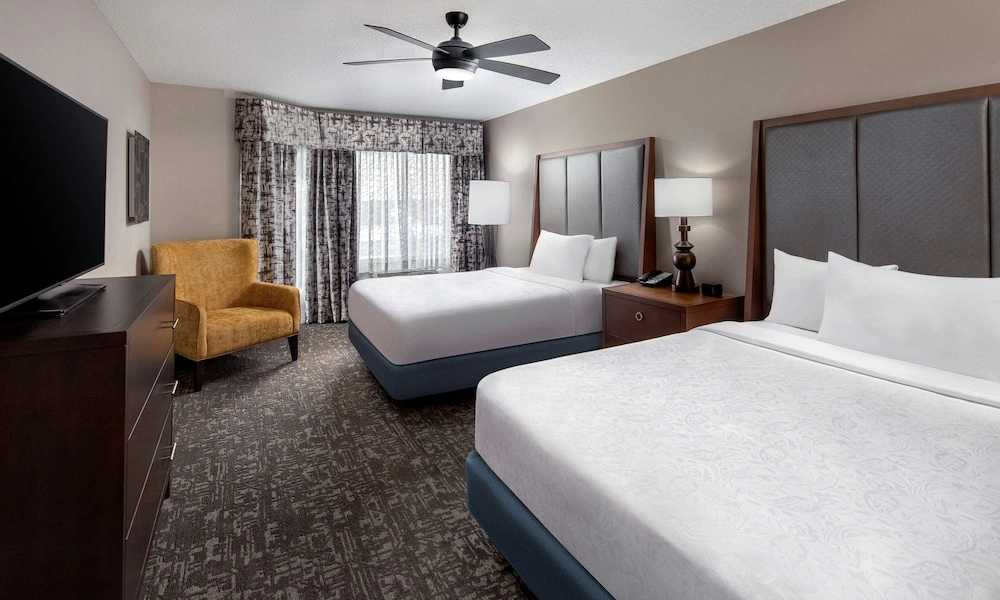
You booked a king room and typed “high floor, quiet room” into the request box. That does not always mean the hotel promised you those things. There is a major difference between a room feature you actually booked and a preference you requested.
Marriott explains this clearly. Certain room features can be guaranteed when you select them as part of the room during booking. If you add the same feature later as a request, it may depend on availability when you arrive.
Accessibility needs are an important example. Marriott says that when you book an accessible room type with specific features, those features are guaranteed. Adding accessibility preferences to a standard room later can leave them as requests instead.
The same basic lesson can help with connecting rooms, bed types, and other features. If something is essential, do not depend on the comments box. Book the exact room type that includes what you need.
2. Early Check-In Is Mostly About Whether A Clean Room Exists
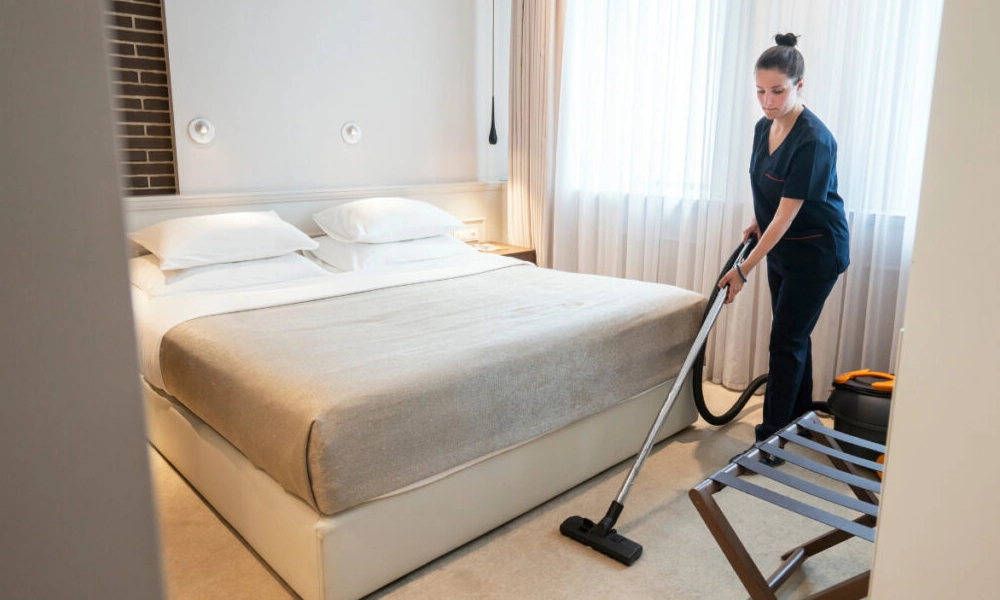
You land at 7 a.m. Your hotel check-in time is 3 p.m. You reach the desk at 9 a.m. and can see rooms upstairs. That does not mean a room like yours is ready. Some guests from the previous night may still be sleeping. Others may have checked out, but housekeeping has not cleaned their rooms yet.
Clean rooms may also need inspection before the front desk can release them. Marriott’s April 2026 guidance says early check-in is based on availability and is never guaranteed. It recommends asking the hotel to store your luggage if a room is not ready.
There is one way to make very early access much safer. Marriott says guests who truly need a room early can reserve the previous night. That may sound wasteful. But if you arrive after a long overnight flight and need the room at 6 or 7 a.m., it can be worth the extra cost.
For most trips, try this order.
- Tell the hotel your expected arrival time.
- Ask politely about early access.
- Ask whether another room in your booked category is ready.
- Store your luggage if nothing is available.
- Book the previous night only when early access is essential.
3. Late Checkout May Be A Loyalty Benefit You Already Earned
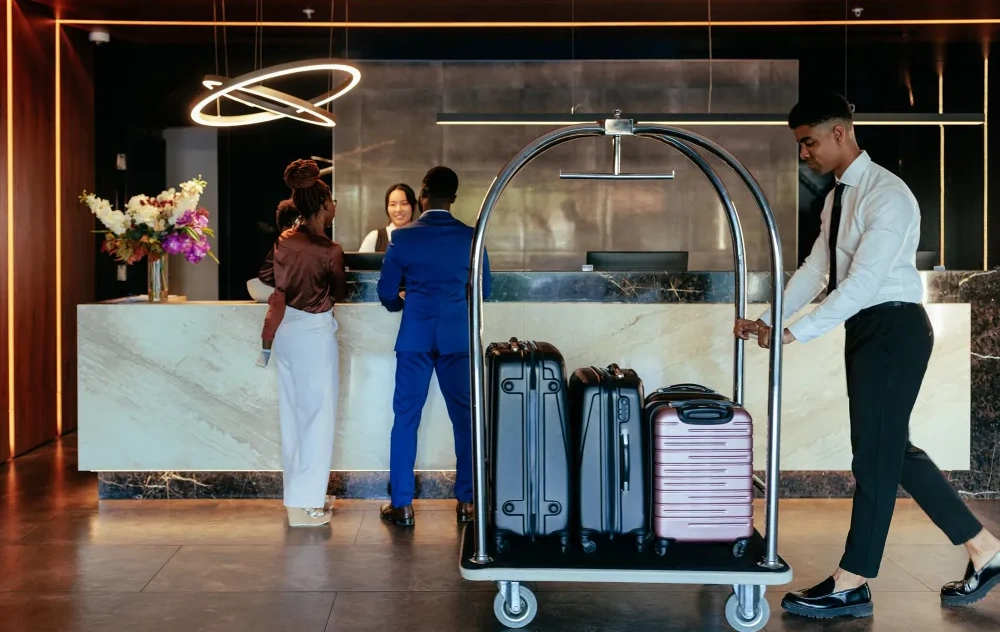
Many travelers treat late checkout like a favor.
Sometimes it is. Sometimes it is part of your hotel loyalty status.
Marriott currently gives Silver Elite members priority late checkout based on availability. Gold members can request checkout as late as 2 p.m., also based on availability.
For Platinum, Titanium, and Ambassador members, checkout as late as 4 p.m. is guaranteed at most participating properties. There are important exceptions, including certain resorts, convention hotels, and other property types.
Hyatt has its own rules. Discoverist and Explorist members can receive 2 p.m. checkout. Globalist members can receive 4 p.m. checkout. Some hotels and resorts still make the benefit subject to availability.
Hilton says early check-in and late checkout availability can vary by property, and a fee may apply.
So do not assume every hotel follows the same rules.
Before asking, open your loyalty account and check your exact benefit.
If your status includes late checkout, you are no longer asking blindly. You know what the program says you may receive.
4. There Is No Magic Sentence That Guarantees a Free Upgrade

Social media is full of hotel upgrade tricks. Tell them it is your anniversary. Mention your birthday. Dress nicely. Arrive late. Hand the employee cash. Say a special sentence. None of those actions can create an empty suite when the hotel does not have one. Hotel upgrade programs are usually tied to availability.
World of Hyatt says Discoverist members can receive preferred rooms within the room type they booked. Explorist members can receive room upgrades that generally exclude suites and club rooms. Globalist upgrades can include standard suites. Availability rules apply.
Marriott also lists room upgrades for eligible elite members as based on availability. You can still ask. The best question is also one of the simplest: “Are there any complimentary upgrades available tonight?” Then stop talking.
You do not need a long story. You do not need to pretend it is your birthday. You do not need to pressure the employee. A polite question can work when inventory allows it. But if having the suite would make or break the trip, book the suite.
5. A Short Stay Can Sometimes Be Easier To Upgrade

Suppose one traveler is staying Monday night. Another is staying Monday through Sunday. The hotel has one suite open Monday, Tuesday, and Wednesday. Another guest has already booked it starting Thursday.
Giving that suite to the one-night guest is easy. Giving it to the six-night guest is impossible without moving the guest later. This does not mean hotels always upgrade short stays first. It means length of stay can affect room inventory.
You can see a similar issue in Marriott’s Nightly Upgrade Award rules. Marriott says members need enough awards to cover the entire length of the reservation. Availability also depends on whether the hotel has upgraded rooms or suites in its physical inventory.
So if you are staying one or two nights, politely asking about an upgrade can make sense. For a long vacation, do not build your plans around receiving a free suite. The longer the stay, the more nights the hotel has to protect that room from other reservations.
6. Booking Direct Can Change The Benefits You Receive
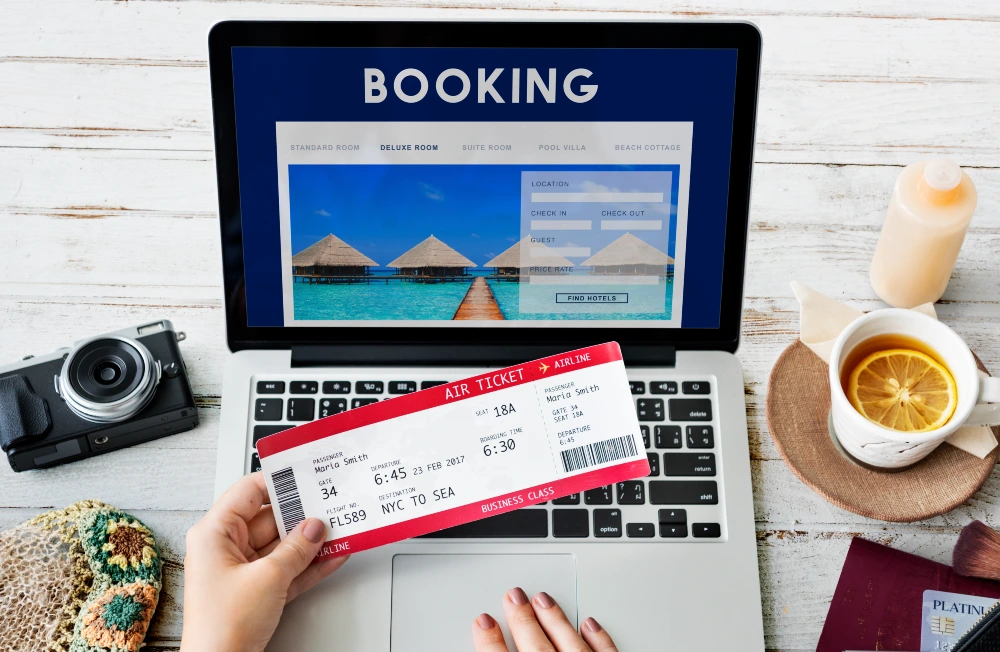
Third-party travel sites are useful. They make it easy to compare hotels. They may have package deals or discounts. Their own rewards programs can also have value. But a cheap third-party reservation may come with tradeoffs.
Marriott says rooms booked through online travel agencies, tour operators, wholesalers, and many other third-party channels are considered nonqualifying rates. Those stays generally do not earn normal Marriott Bonvoy points, miles, or membership benefits.
Hilton also ties several loyalty functions to stays booked through official Hilton channels. Hilton says a reservation generally needs to come through an official channel if you want to link it to your Hilton Honors account in the normal way.
This does not mean booking direct is always cheaper. It means you should compare more than the first price you see. Before booking, compare:
- The final direct price.
- The final third party price.
- Cancellation rules.
- Loyalty points you would lose.
- Status benefits you would lose.
- Any rewards offered by the third party site.
Saving $15 may be worth it. Saving $15, losing breakfast, points, an upgrade chance, and late checkout may not be.
7. The Front Desk May Be Unable To Change Your Third-Party Reservation
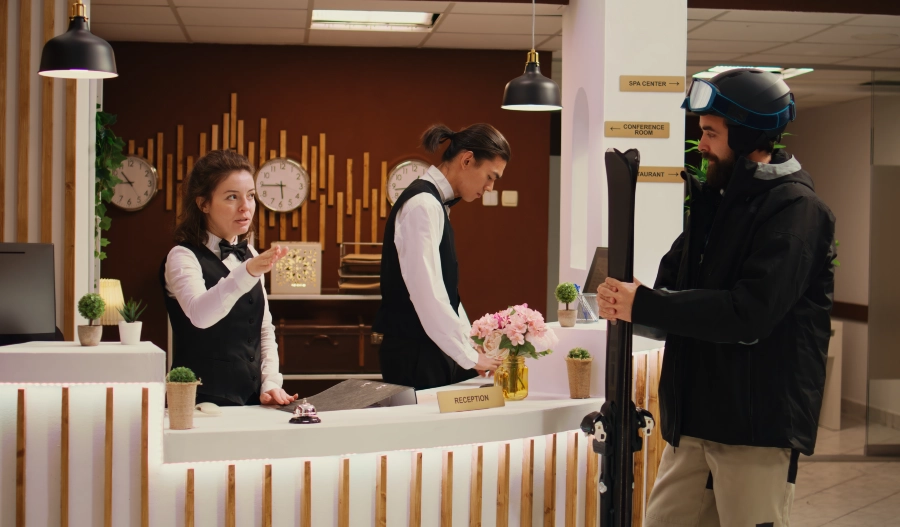
This situation can feel ridiculous. You are standing inside the hotel. The employee can see your reservation on the screen. Yet the employee tells you to call the company that booked the room. Sometimes that really is what has to happen.
Hilton states that reservations booked through third parties cannot be adjusted by Hilton. Guests need to contact the third party directly. Why? The hotel may not control the original booking agreement. Your payment may have gone through the booking company.
That company may also control the cancellation or modification rules. This becomes painful when you discover a simple mistake. Maybe you booked Tuesday instead of Wednesday. Maybe you chose one king bed but need two beds. Maybe you entered the wrong guest name.
Maybe you booked three nights when you needed four. Check all of this before your cancellation deadline. Open the reservation and confirm your name, dates, room type, number of guests, payment terms, and cancellation policy. That 60-second check can prevent a long phone call from the hotel lobby.
8. Paying For The Room Does Not Mean The Hotel Is Done With Your Card

You paid $600 for your hotel months ago. Then the front desk asks for your credit card. You may think, “Why? I already paid.” The answer is usually incidentals. Hilton says hotels may place a hold on your card at check-in for costs such as food, drinks, gratuities, parking, and other charges.
The hold is not always another hotel charge. It is an authorization. The hotel is asking your card provider to reserve a certain amount in case you add charges during the stay. The amount can vary by property. One hotel might hold a small amount per night. A resort may authorize much more.
Ask before handing over your card: “How much will you authorize for incidentals?” If you are staying for several nights, also ask whether that amount is per night or per stay. This question is especially useful when you are traveling on a tight budget. A large surprise hold can leave you with less spending room than you planned.
9. A Debit Card Hold Can Tie Up Money You Actually Need

This is where an ordinary hotel hold can become a real problem. A credit card hold reduces your available credit. A debit card hold can reduce the money available in your checking account. Hilton says the hold is normally released after checkout, but your card provider may take longer than 72 hours to release it.
Marriott’s April 2026 billing guidance says a security deposit or refund can sometimes take 7 to 14 days to appear, depending on the financial institution. That means money you planned to use for meals, gas, transportation, or the rest of your trip may remain unavailable.
If you have enough available credit, using a credit card for the hotel authorization can protect the cash sitting in your checking account. You can also ask the hotel whether you may use a different payment method for the final bill. Policies vary, so ask before assuming.
10. Check Your Hotel Bill Before You Walk Out The Door
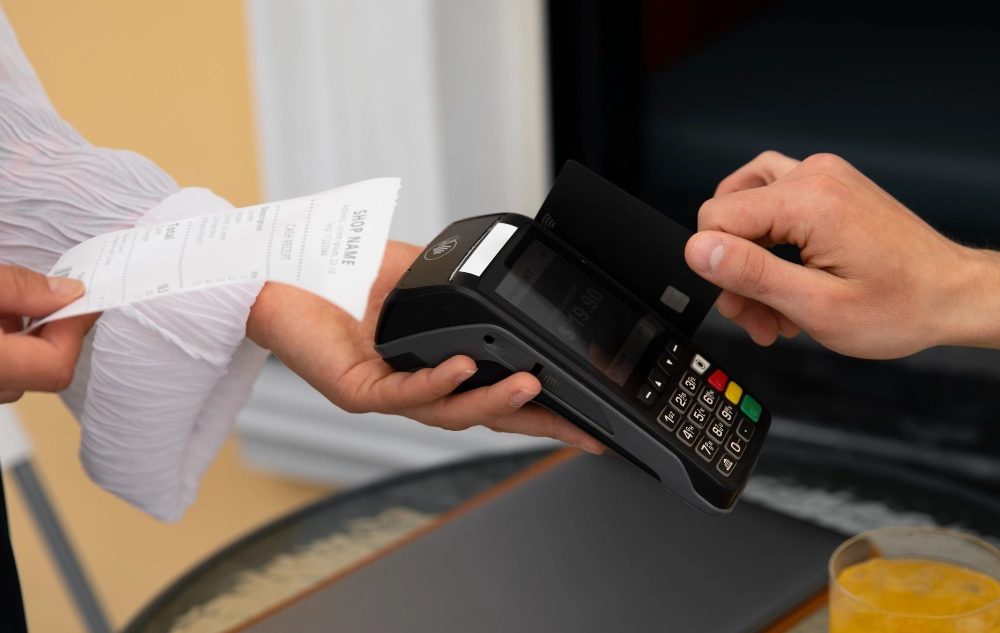
A strange restaurant charge appears. Parking was added even though you did not have a car. Breakfast was supposed to be included. You notice the problem two days after flying home. You can still try to fix it. But fixing it at the hotel is often easier.
Marriott advises guests who notice a billing problem before checkout to speak with the front desk right away. It says errors can often be reversed before final charges are processed. Marriott also recommends getting an updated hotel bill after the correction.
Before leaving, ask for your final folio. A folio is simply your hotel bill. Check the room rate first. Then look at taxes, parking, restaurant charges, minibar charges, resort charges, breakfast, upgrades, and any credits your booking included.
If something looks wrong, ask about it. Do not be embarrassed over a $15 error. Hotel bills can contain mistakes, and your money still matters.
11. Resort Fees Are Still Allowed, But The Price Rules Changed
You see a hotel advertised for $199. You click through and discover a mandatory $39 resort fee. For years, this type of pricing made hotel comparison harder. A federal rule now changes how mandatory lodging fees must be shown.
The Federal Trade Commission’s Rule on Unfair or Deceptive Fees took effect on May 12, 2025. It covers short-term lodging, including hotels and vacation rentals.
The rule requires businesses that advertise a price to show the total price upfront. That total generally has to include mandatory fees the business knows about and can calculate before payment.
The FTC even gives a hotel example. If a resort advertises a $199 nightly rate and adds a mandatory $39 resort fee, that fee must be included in the displayed total price. But there is an important limit. The rule does not ban resort fees.
The FTC says businesses can still charge fees. The rule focuses on truthful price disclosure. Government taxes and optional items can also be treated differently.
The FTC estimated the rule could save consumers as many as 53 million hours each year that were previously spent searching for the real total price of lodging and event tickets. So compare the total price, not the room rate printed in the biggest font.
12. Hotels Can Run Out Of Rooms Even When You Have A Reservation

You have a confirmation number. You arrive at 10 p.m. The employee says the hotel has no room for you. It sounds impossible, but hotels can reach situations where they cannot honor every reservation. What happens next depends on the hotel, your booking, and any loyalty benefits you have.
Marriott, for example, has an Ultimate Reservation Guarantee for eligible elite members at participating properties. Marriott says that when a participating hotel cannot honor a confirmed eligible reservation, it will pay for comparable lodging nearby and provide compensation, subject to program rules.
Do not assume that every hotel company offers the same level of protection. If you are told there is no room, stay calm and start asking specific questions. Ask where you are being moved. Ask who is paying for the new hotel.
Your loyalty program provides compensation. The arrangement in writing when possible. This is one reason knowing your loyalty benefits before a trip can matter. The front desk may not volunteer every program rule during a stressful conversation.
13. Call The Hotel When You Know You Will Arrive Very Late

Your flight is delayed. Midnight passes. You think the hotel will know you are coming because you already entered a credit card. Calling is still a smart move.
Marriott’s April 2026 guidance tells guests planning to arrive after midnight to contact the property directly. This allows the hotel to note the reservation and hold the room for the late arrival.
Marriott says guaranteed reservations are typically held until 6 a.m. local hotel time the following day. No-show rules can apply after that point, depending on the reservation. Your hotel’s policy may differ. The safest move is simple.
Call and say: “My flight has been delayed, but I am still coming. I expect to arrive around 1:30 a.m. Could you please note that on my reservation?” This takes a minute. It can prevent the hotel from treating your booking like a guest who simply never arrived.
14. Leaving The Hotel Early Can Cost You Money

Most travelers know about hotel cancellation fees. Fewer think about what happens when they check out before their scheduled departure date. An early departure fee can apply. Marriott says these fees are commonly tied to guests leaving before the departure date confirmed at check-in.
The exact rule can depend on the property and the rate you booked. Minimum stay rules can also matter. Suppose you book Monday through Friday because the hotel offers a better rate for a longer stay. You decide to leave Wednesday.
You should not assume the bill will simply become two nights at the same nightly price. The hotel may charge a fee. Your nightly rate may also change. Ask before shortening the stay. A useful question is:
“If I leave tomorrow instead of Friday, will my rate change or will I pay an early departure fee?” Get the answer before checking out. That gives you time to compare the cost of leaving with the cost of keeping the reservation as booked.
15. That Helpful Upgrade Offer May Be A Sale

You reach the front desk and hear good news. “For $45 more, I can put you in a larger room with a better view.” It sounds like the employee found a special opportunity just for you. Maybe the upgrade really is useful. But remember that hotels also make money from these offers.
A 2026 CoStar Hospitality article describes front-desk upselling as a planned hotel sales strategy. Room upgrades, early check-in, late checkout, and extra experiences can all be sold to guests.
Some hotels even train staff on which offers to present and how to present them. This does not make the offer bad. Paying $40 for a much larger room on a special trip may be money well spent. But a paid upgrade does not prove that a free upgrade was available to you.
“Are there any complimentary upgrades available with my reservation or status?” If the answer is no, ask exactly what the paid upgrade gives you. More space? A better view? Breakfast? A higher floor? Late checkout?