
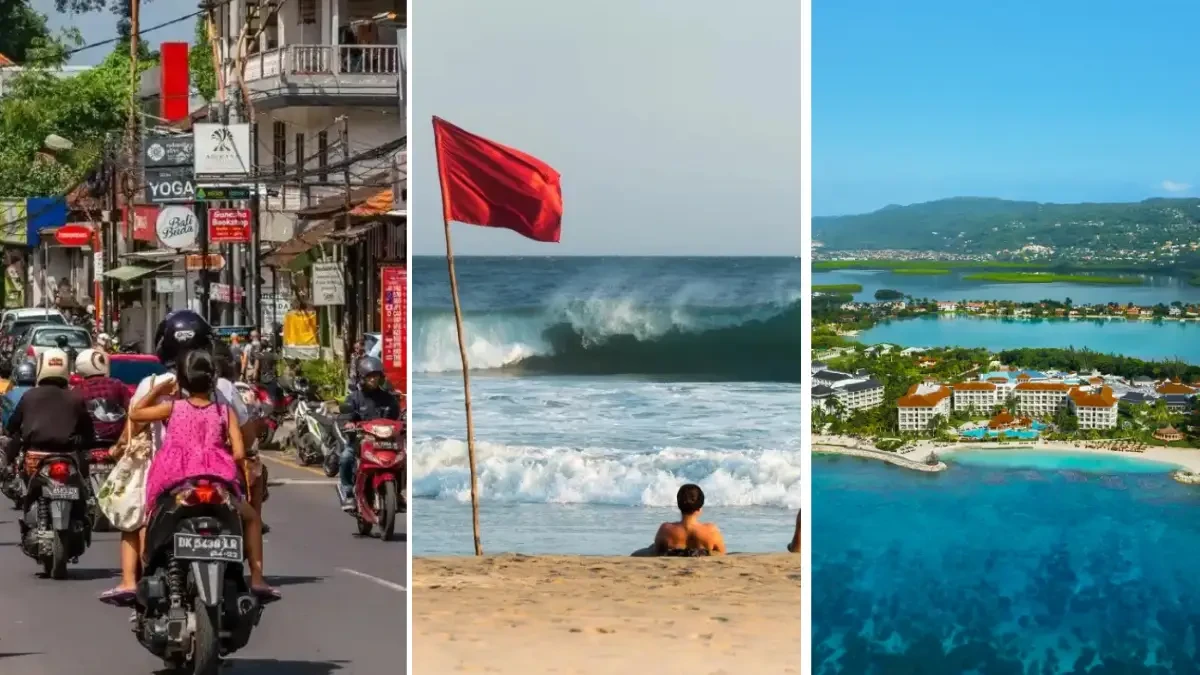
Popular destinations often look calm in travel brochures, yet a famous name does not erase real risks. Crowded streets can attract theft, while beaches, trails, nightlife districts, and transport hubs may hide dangers visitors rarely expect.
Local conditions can also change quickly due to crime, extreme weather, civil unrest, weak safety regulations, or limited emergency care. This guide examines 20 tourist spots viewed as safe and explains what travelers should watch for before visiting.
Clear facts and practical context will help you judge each place with care, prepare for problems, and enjoy your trip without relying on a reputation alone.
Why Famous Tourist Spots Can Carry Hidden Risks
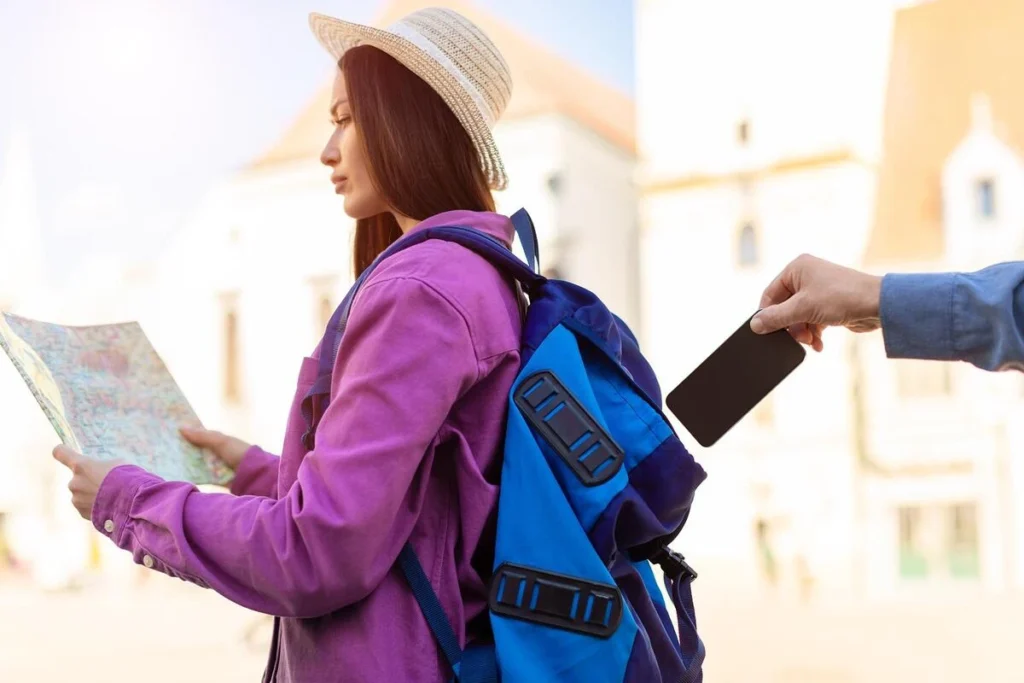
Famous destinations often appear calm, welcoming, and carefully managed in travel photos. Their strong reputation can create a false sense of security, even when visitors face serious concerns beyond the main attractions.
Crowded streets and public transport may attract pickpockets, while beaches, mountain trails, and nightlife districts can present different safety concerns. Poor lighting, weak enforcement, severe weather, and slow emergency response can make a familiar place less secure than expected.
Conditions may also change quickly because of crime, civil unrest, natural hazards, or local restrictions. Travelers who research current risks before leaving can make smarter choices without allowing fear to control the trip.
Key concerns covered in this guide include:
- Risks hidden behind a destination’s safe reputation
- Areas and situations that require extra caution
- Local conditions to check before arrival
- Practical steps that can reduce personal risk
- Warning signs travelers should never ignore
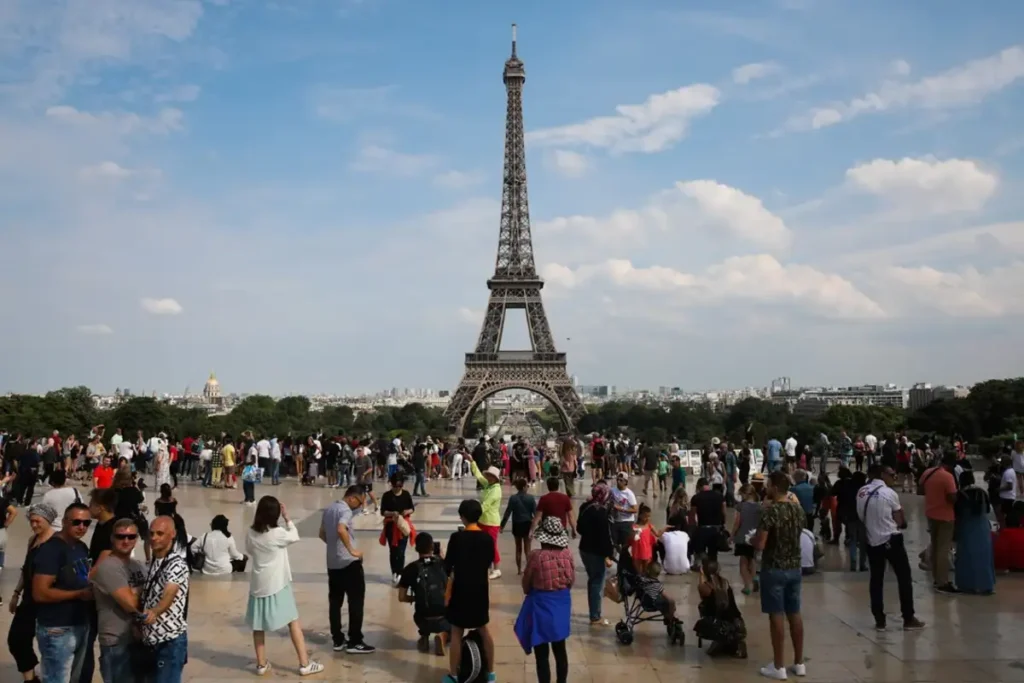
1. Paris, France: Phone Theft Near Famous Attractions
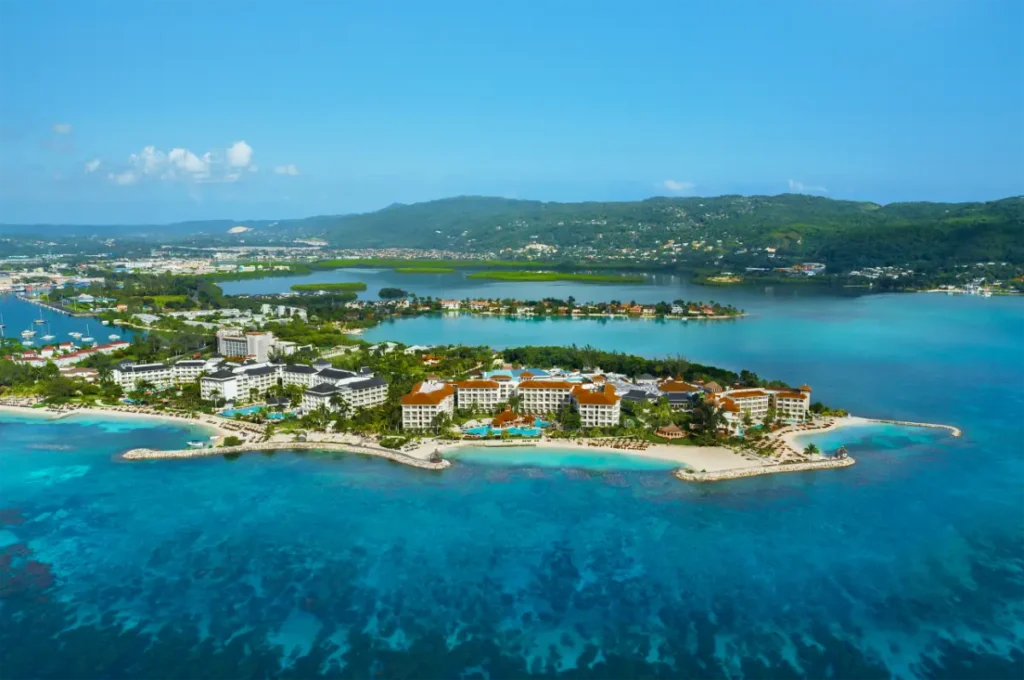
The Eiffel Tower and surrounding gardens attract large crowds throughout the day. Travelers often stop suddenly to take photographs, check maps, or record videos, making it easier for someone to approach an open handbag or remove a phone from an outside pocket.
Keep your phone out of sight when you are not using it, and carry your bag across the front of your body. Avoid placing wallets in back pockets, especially near landmark entrances, ticket lines, metro stations, and crowded viewing areas.
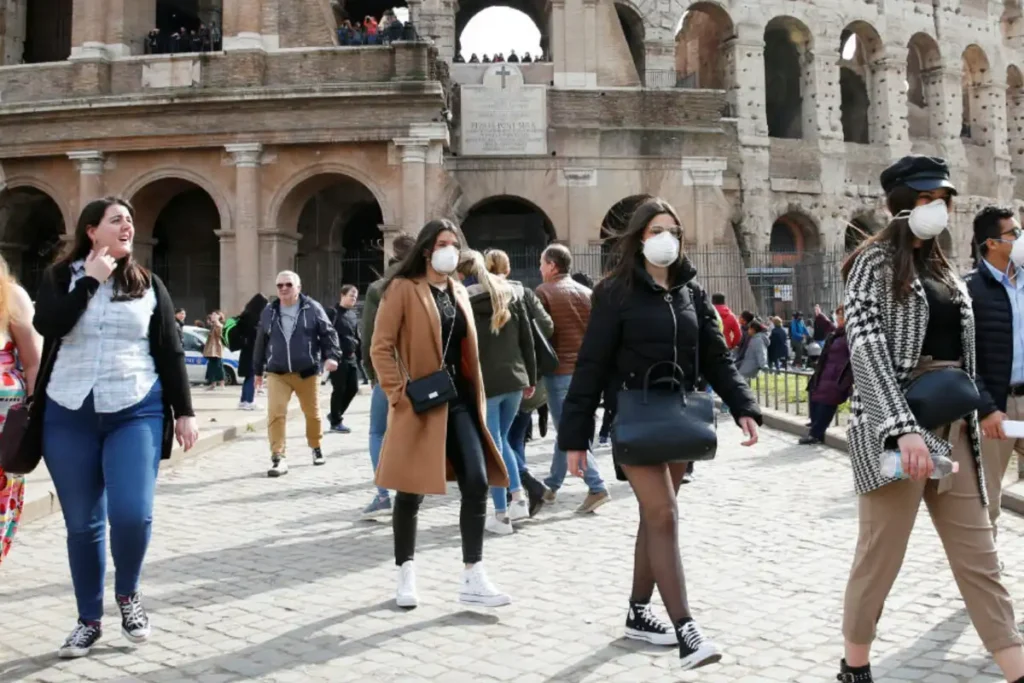
2. Rome, Italy: Pickpockets Around the Colosseum
The Colosseum is surrounded by visitors carrying cameras, backpacks, purses, and shopping bags.
Crowded walkways and long entrance lines create distractions; travelers focused on the monument may stop watching the people standing close to them.
Close each zipper before entering a busy area and avoid storing valuables in easy-to-reach pockets.
Stay alert when someone bumps into you, asks an unnecessary question, or creates a distraction while another person stands near your bag.
3. Athens, Greece: Theft Among the Acropolis Crowds
The Acropolis can become packed with tour groups, especially around narrow paths, stairways, and scenic viewpoints.
Visitors often concentrate on the ruins or the uneven ground, leaving shoulder bags and open backpacks exposed in the crowd.
Carry your bag where you can see it and keep passports inside a secure inner compartment.
Pause in a less crowded area when checking your phone or wallet, and inspect your belongings after passing through a tightly packed entrance or viewing platform.
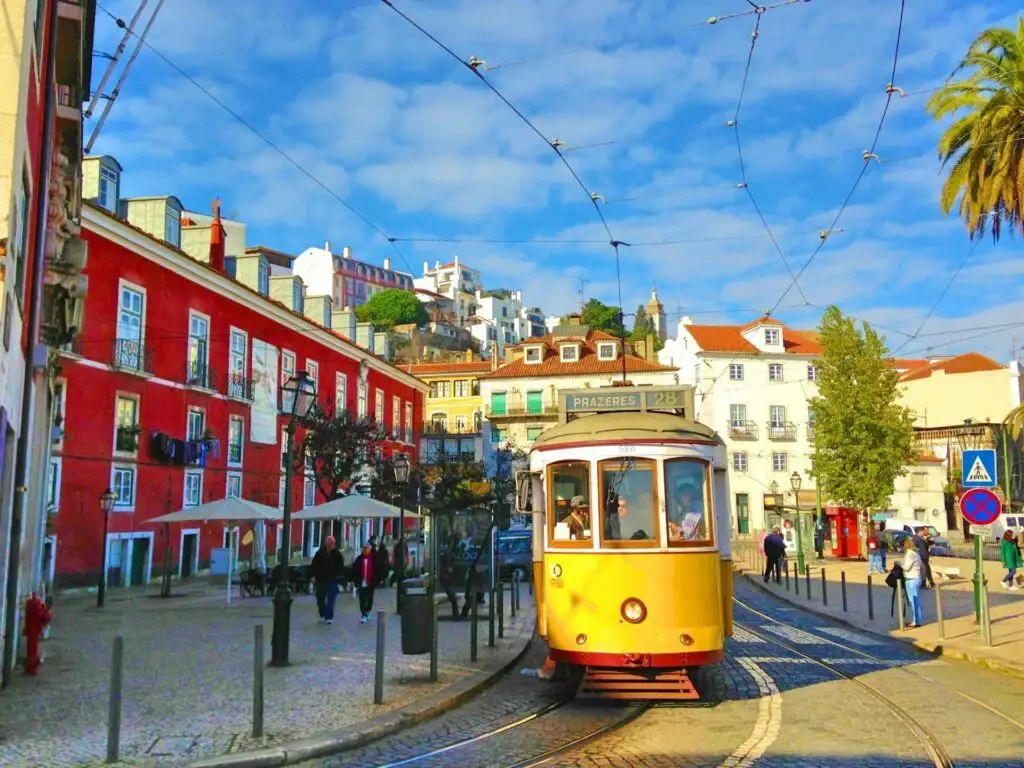
4. Lisbon, Portugal: Pickpockets Around Tram 28
Lisbon’s yellow Tram 28 is both public transport and a popular tourist experience. Its compact carriages, busy stops, and narrow boarding areas can place passengers close together, making it difficult to notice someone reaching into a pocket or bag.
Move your backpack to the front before boarding and avoid standing near the doors with valuables exposed.
Keep your phone secure between stops, since sudden movement and crowded exits can create brief moments when your attention is divided.
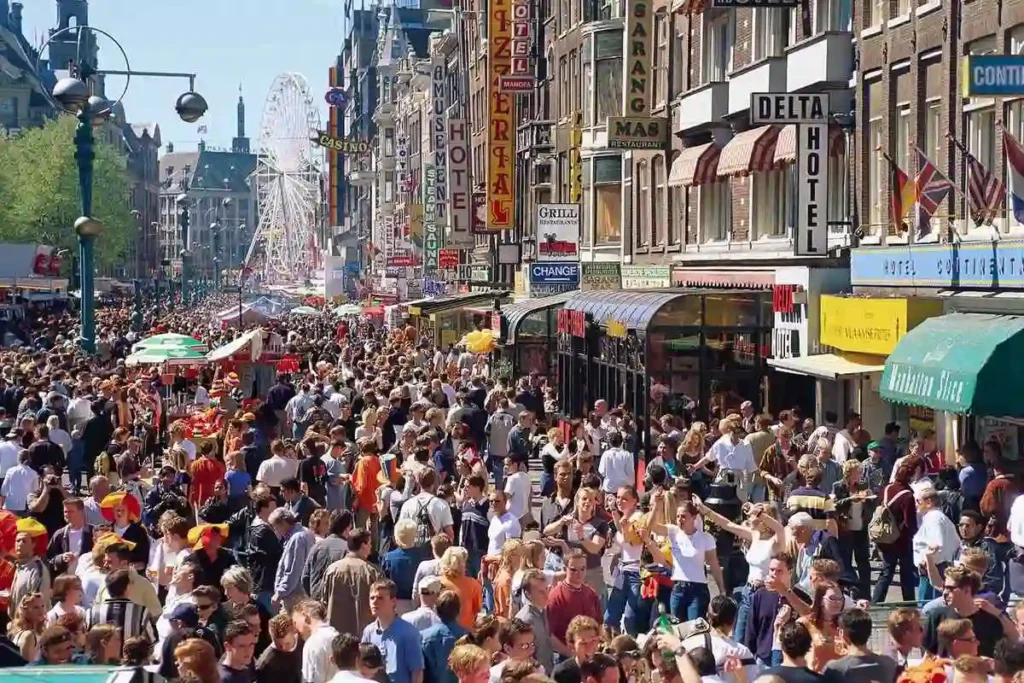
5. Amsterdam, Netherlands: Valuables Can Disappear in Dense Crowds
Amsterdam’s popular streets can fill with pedestrians, cyclists, trams, and visitors moving in different directions.
A traveler watching traffic or searching for a landmark may become less aware of a phone, passport, or wallet kept in an outside pocket.
Carry a small closed bag and keep travel documents separate from spending money. Watch your belongings near central stations and busy squares.
Nightlife areas and outdoor cafes, where constant movement can make suspicious behavior harder to notice.
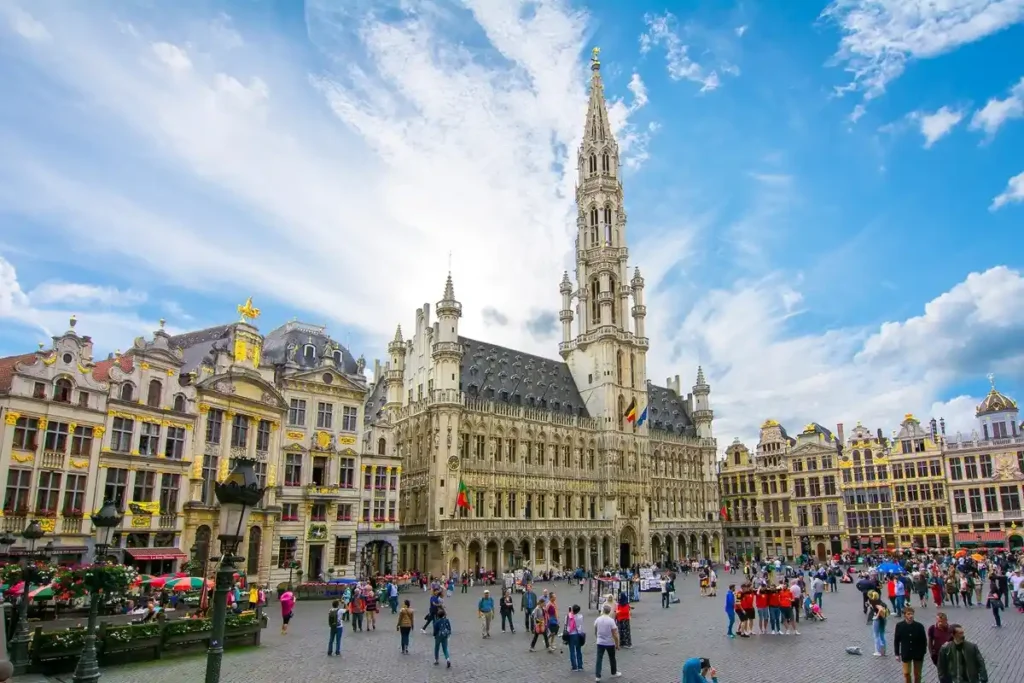
6. Brussels, Belgium: Petty Theft Near Grand Place
Grand Place appears open and easy to explore, but its central location attracts large groups throughout the day. Visitors often become absorbed in the historic buildings, street activity, and photographs; bags rest loosely beside them or behind their backs.
Keep belongings attached to your body rather than placing them on the ground. At cafes, avoid leaving a phone on the table or hanging a bag from the back of a chair where it can be reached without drawing attention.
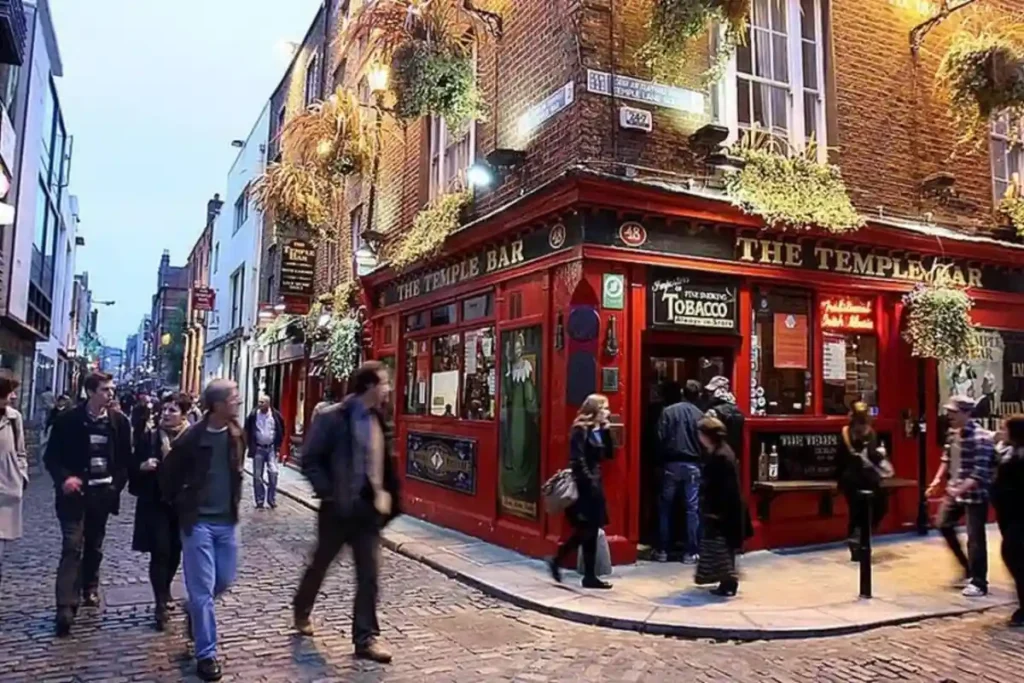
7. Dublin, Ireland: Tourist Theft Around Temple Bar
Temple Bar draws visitors with colorful buildings, pubs, music, and busy evening streets.
The combination of crowds, alcohol, unfamiliar surroundings, and late-night activity can reduce awareness and make unattended phones or loose bags easier to take.
Carry only a limited amount of cash and keep your phone secure when walking between venues. Arrange your return transport before the evening becomes busy.
Stay with trusted companions, and avoid leaving drinks or personal belongings with someone you have just met.
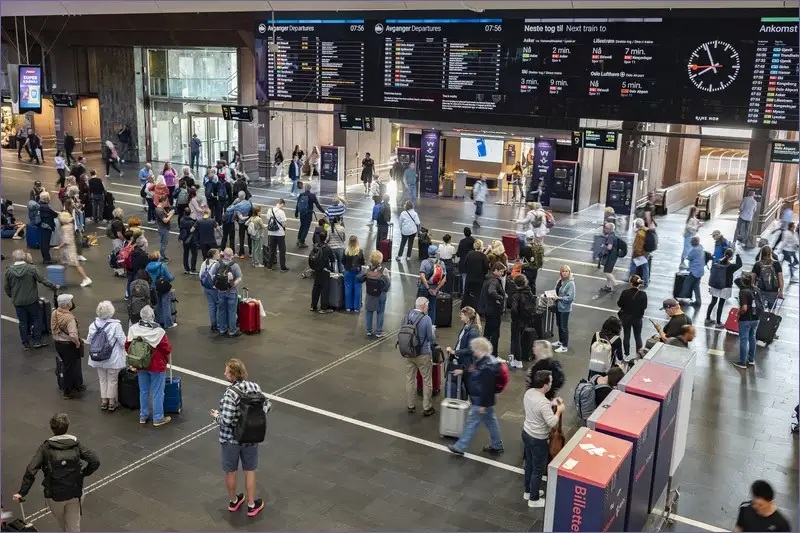
8. Oslo, Norway: Bag Theft at Central Station

Oslo Central Station brings together commuters and tourists carrying backpacks, shopping bags, and rolling suitcases.
People checking departure boards or ticket machines may briefly place luggage behind them, creating an opportunity for a bag to disappear unnoticed.
Keep one hand on your suitcase and position smaller bags in front of your body. Avoid leaving luggage beside seats while buying food.
Do not ask an unknown person to watch your belongings while you visit another part of the station.
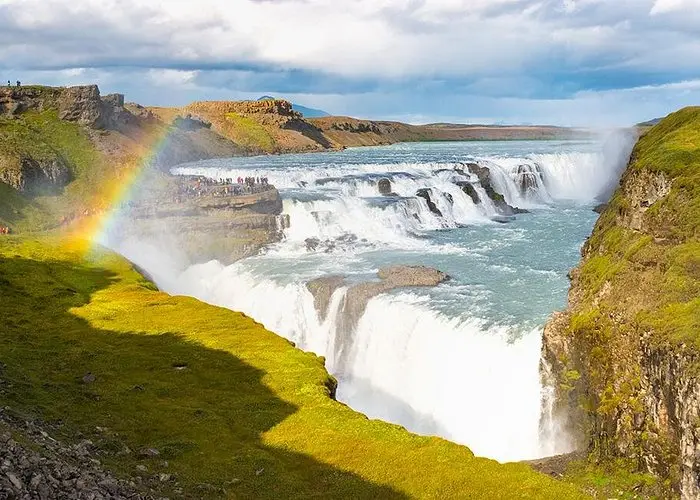
9. Iceland’s Golden Circle: Weather and Natural Hazards

Gullfoss looks beautiful from its viewing paths, but the powerful water and exposed landscape demand attention.
Waterfall spray can wet the ground; strong wind, rain, cold temperatures, and reduced visibility may make the route more difficult than expected.
Wear shoes with reliable grip and bring a waterproof outer layer, even when the day begins with clear skies.
Stay behind barriers, use marked paths, and avoid moving closer to an edge to capture a more dramatic photograph.
10. Malta: Dangerous Currents Behind Calm Water
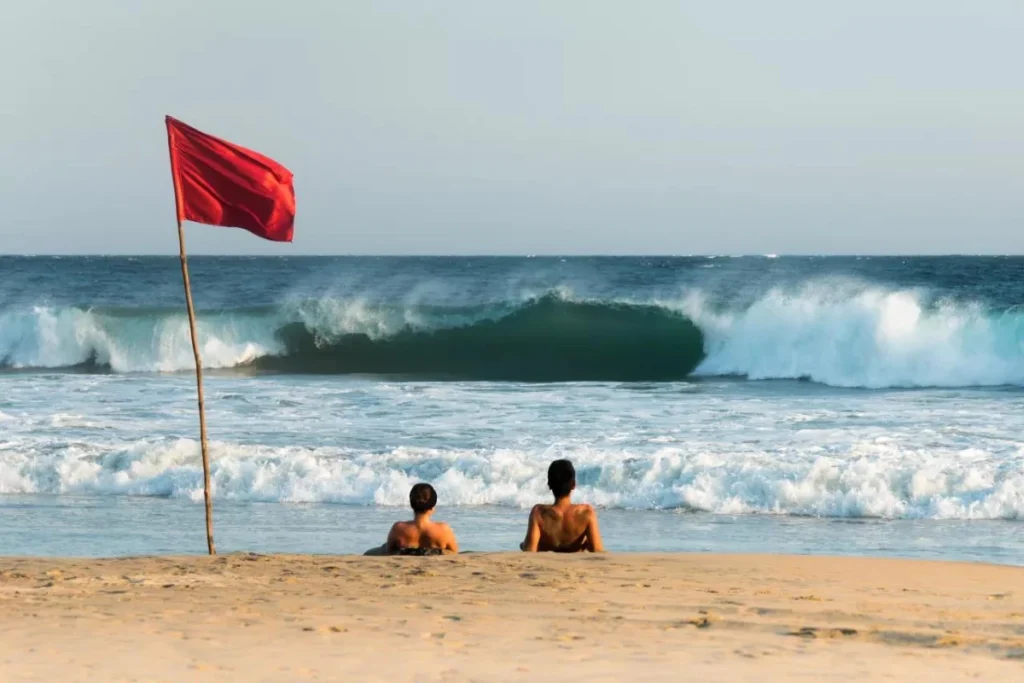
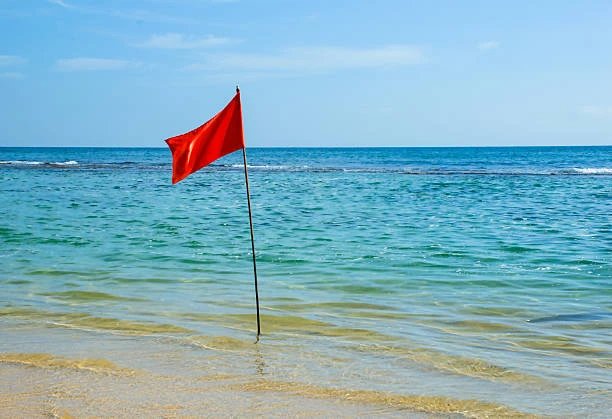
A red warning flag signals that swimming conditions may be unsafe, even when the beach appears peaceful.
Currents can develop beneath the surface; waves and changing wind may carry a swimmer away from the safer section of shore.
Treat beach flags as instructions rather than suggestions and ask a lifeguard about local conditions.
Avoid entering rough water alone, keep children within reach, and do not depend on swimming strength when currents or waves are visibly increasing.
11. Marrakech, Morocco: Scams Inside the Medina Crowds
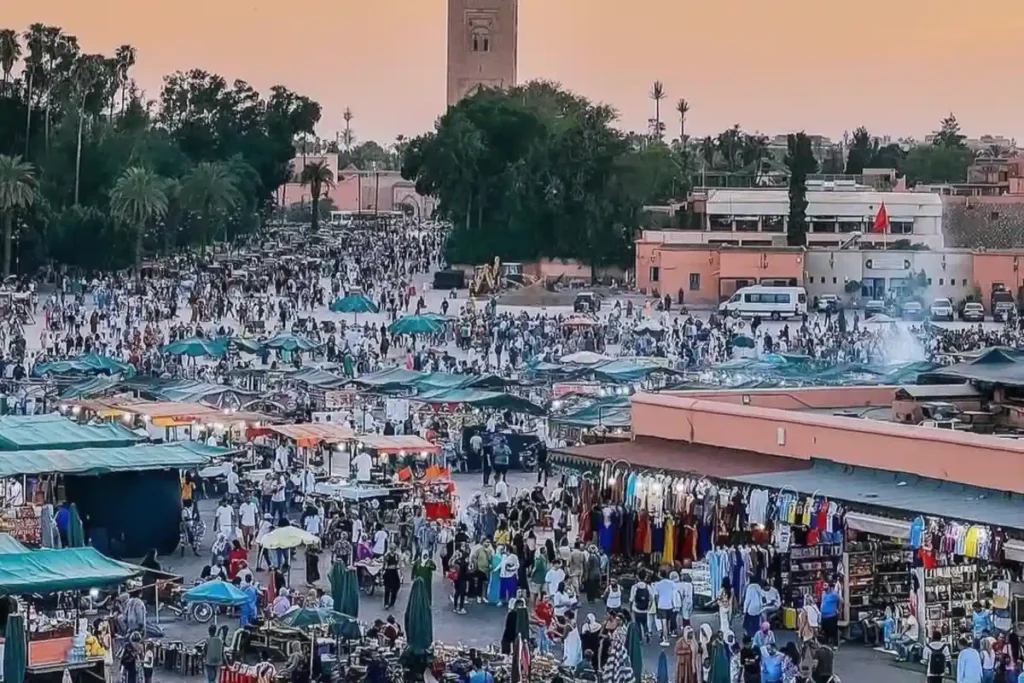
Jemaa el Fnaa becomes a dense mix of visitors, vendors, performers, food stalls, and local traffic.
The energy makes the square memorable, but it can also create confusion around prices, directions, photographs, tips, and unexpected requests for payment.
Agree on a price before accepting a service, taking a guided walk, or allowing someone to handle your bags.
Carry small amounts of cash, keep valuables in a closed inner pocket, and walk away calmly when an offer becomes aggressive or unclear.
12. Cancun, Mexico: Risks Beyond the Resort Zone
Cancun’s white beaches, large hotels, and turquoise water create the appearance of a controlled vacation setting.
That atmosphere may encourage guests to assume nearby streets, nightlife areas, transport services, and distant attractions carry the same level of supervision.
Plan transportation through a trusted provider and research any area before leaving the hotel zone.
Avoid isolated streets after dark, limit visible valuables, stay with companions, and follow local instructions if officials or resort staff warn against visiting a particular area.
13. Nassau, Bahamas: Watercraft Safety Deserves Attention
Jet skis can look simple to operate, yet speed, waves, limited experience, and nearby riders can quickly create danger.
Several watercraft moving through the same area increase the chance of confusion, especially when riders receive little training before entering open water.
Choose an established operator that provides clear instructions and properly fitted life jackets.
Ask about boundaries, emergency procedures, and condition before paying, and avoid riding when the water is rough or the launch area feels poorly controlled.
14. Montego Bay, Jamaica: Resort Comfort Can Hide Practical Risks
The aerial view presents Montego Bay as a calm resort destination surrounded by blue water and green hills.
Guests may feel protected inside a managed property, but transportation, medical access, and personal safety can change once they travel beyond familiar resort areas.
Arrange transport through a trusted hotel desk or established company and share your plans with someone reliable.
Learn where the nearest suitable medical facility is located, carry basic health information, and avoid walking through unfamiliar or poorly lit areas alone.
15. Costa Rica: Beach Bags Can Attract Thieves
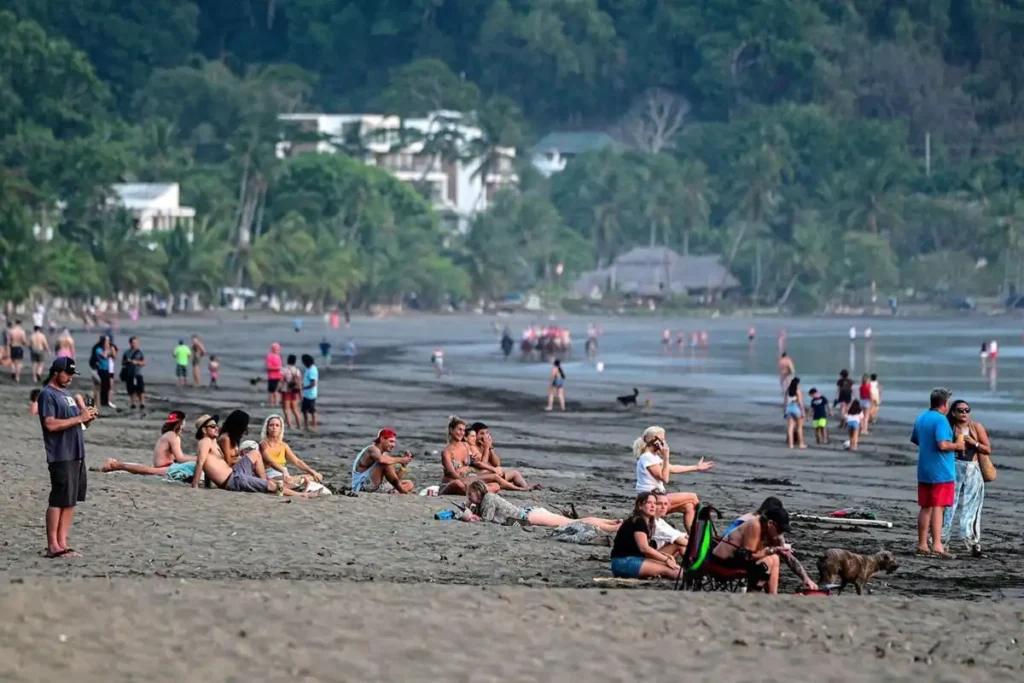
The busy beach places tourists, phones, backpacks, towels, and personal belongings close to the shoreline.
Someone entering the water or talking with friends may lose sight of a bag for several minutes, giving an opportunistic thief enough time to remove it.
Bring only what you need and leave passports or extra cash inside secure accommodation storage.
Use a waterproof pouch for small valuables, take turns with belongings, and never assume a crowded beach provides protection simply because many people are nearby.
16. Medellín, Colombia: Nightlife Meetings Require Extra Care
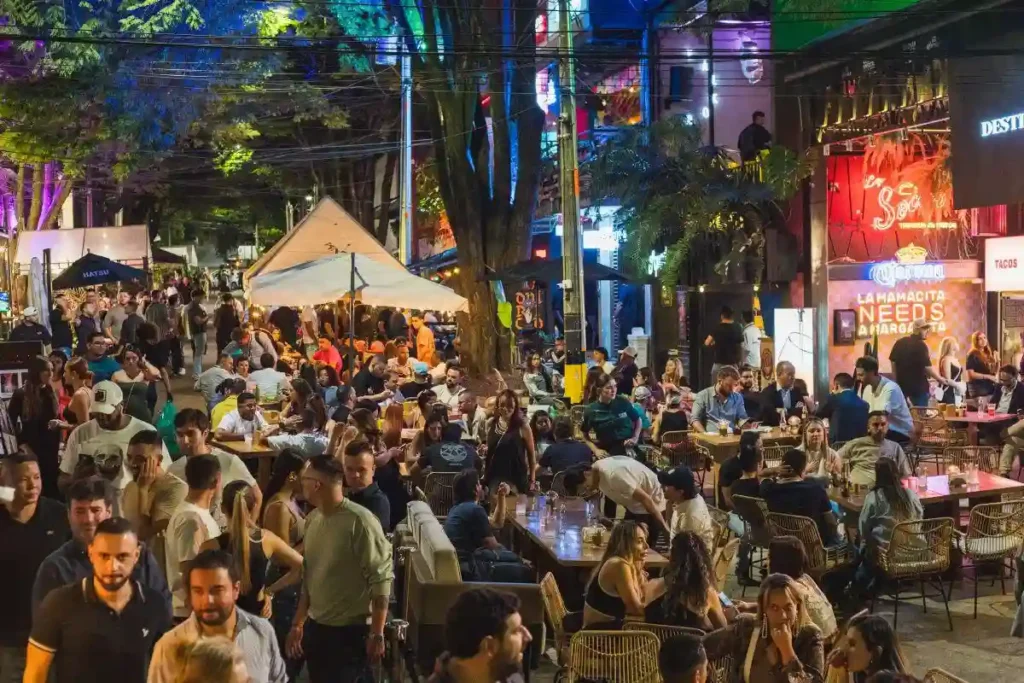
El Poblado’s crowded restaurants and evening venues can make meetings with new people feel public and relaxed.
Loud music, unfamiliar surroundings, alcohol, and constant movement may still make it difficult to notice changes in a drink or suspicious behavior.
Meet new contacts in a busy place and tell a trusted person where you are going. Keep control of your drink, arrange separate transport.
Avoid sharing accommodation details, and leave immediately if the meeting begins to feel pressured, confusing, or different from what was planned.
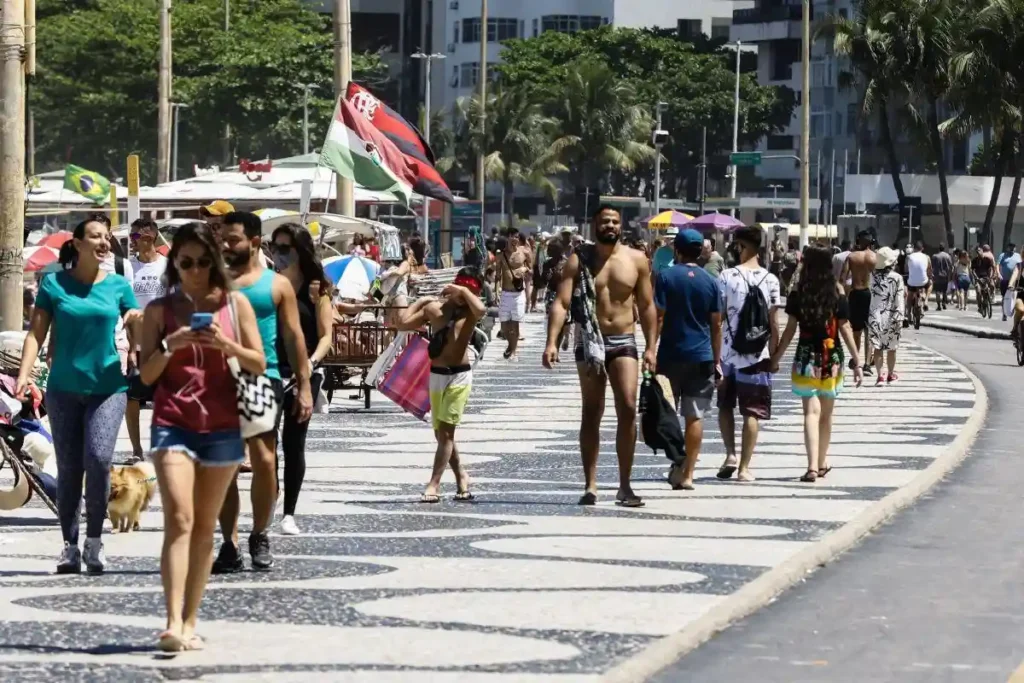
17. Rio de Janeiro, Brazil: Visible Phones on Copacabana
Copacabana’s famous promenade attracts walkers, beach visitors, vendors, cyclists, and tourists throughout the day.
A person focused on a screen may miss someone approaching, while an openly carried phone can become an easy target in a moving crowd.
Step inside a secure business before checking maps or messages for a long period. Hold your bag close, avoid displaying expensive devices.
And remain especially alert near roads, crowded crossings, public transport stops, and the busiest sections of the promenade.
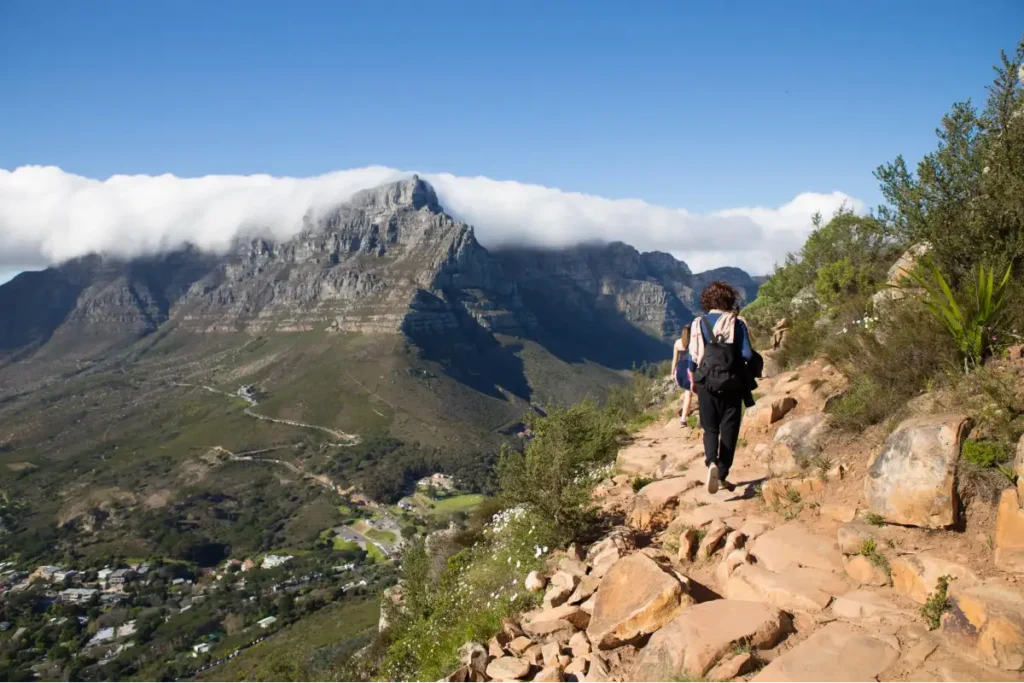
18. Cape Town, South Africa: Isolation on Table Mountain
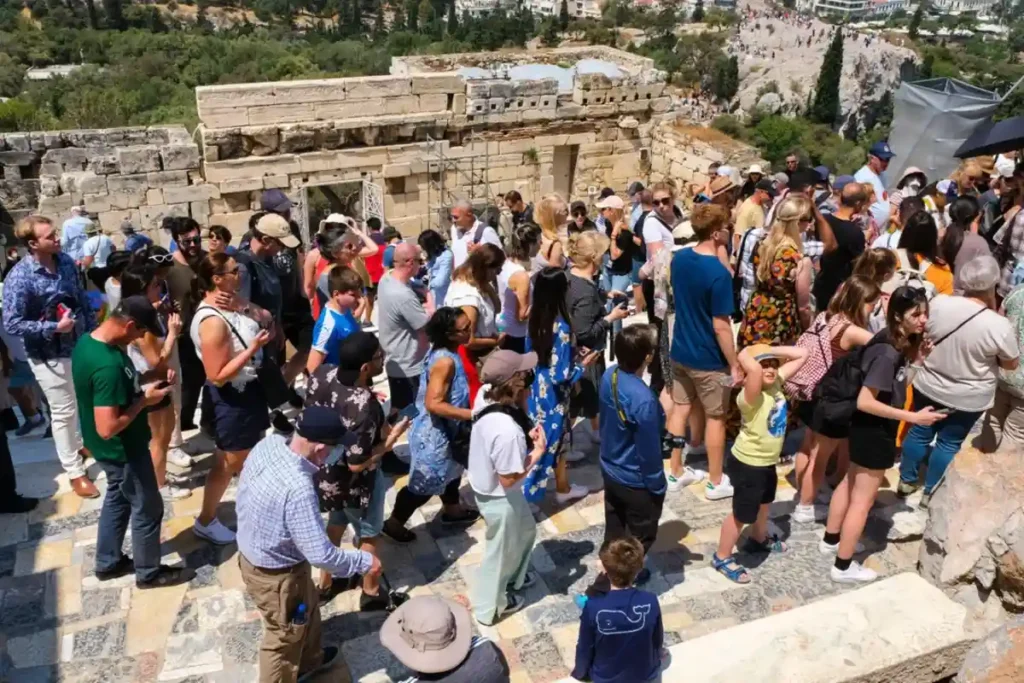
Table Mountain offers dramatic views, but some trails become quiet and isolated away from the main visitor areas.
A lone hiker may have limited access to help if they become injured, lose the route, face sudden weather, or encounter a threatening situation.
Hike with at least one companion and choose a well-used route suited to your ability. Start early, carry water and a charged phone, avoid displaying valuables.
And turn back when fog, strong wind, fading daylight, or personal discomfort begins to increase.
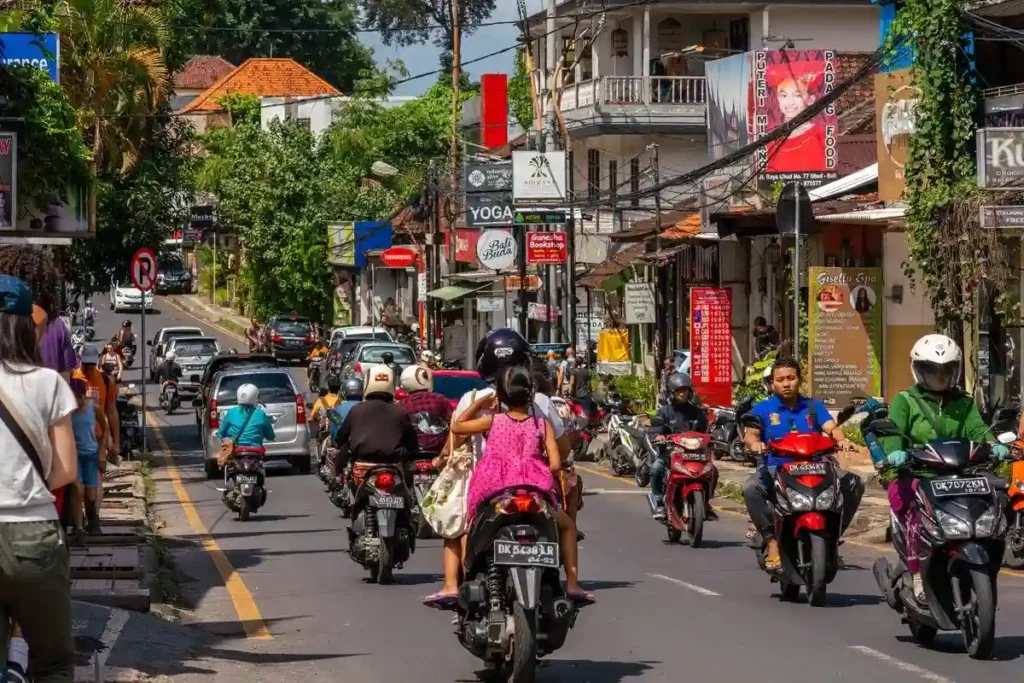
19. Bali, Indonesia: Scooter Traffic Can Become Dangerous
Bali’s roads can place scooters, cars, pedestrians, roadside businesses, and turning vehicles within a narrow space.
Visitors unfamiliar with local traffic movement may struggle to judge gaps, road surfaces, sudden stops, and vehicles approaching from different directions.
Wear a certified helmet and avoid renting a scooter without suitable riding experience.
Confirm that your licence and insurance provide coverage, check the brakes and tires, and use a trusted driver when traffic or road conditions feel beyond your ability.
20. Maldives: Powerful Water Beyond the Resort Beach
The red flag and large breaking waves show that resort beaches can become dangerous despite their peaceful reputation.
Strong currents, changing tides, deep channels, and rough surf may appear close to areas that looked calm earlier in the day.
Follow resort warnings and ask staff about safe swimming zones before entering the water.
Stay near supervised areas, avoid swimming alone, and return to shore as soon as waves grow stronger or the current begins pulling you away from your entry point.