
A European vacation can get expensive before you even reach your hotel. Flights, passports, extra days away from work, airport transfers, and other costs can turn a simple trip into a major purchase. But you may have another option much closer to home.
Some US cities that feel like Europe have Danish windmills, German food, Spanish courtyards, brick lanes, outdoor cafés, old churches, and compact historic streets that are easy to explore on foot. There is one catch. These places are not copies of Paris, Bavaria, Spain, or the Netherlands. And in larger cities, the European feeling may exist in just a few neighborhoods.
How We Chose These US Cities That Feel Like Europe
A town does not belong on this list just because one building looks European. The strongest choices have several things working together. That can include old architecture, walkable streets, immigrant history, traditional food, public squares, festivals, churches, shops, and streets that feel different from a typical modern American city.
There are also three different types of places on this list. Some have a living European heritage. Fredericksburg, Holland, Pella, Hermann, and Frankenmuth have direct links to German or Dutch settlers. Their European identity is tied to local history rather than decoration alone.
Other places were designed to look European later. Leavenworth and Helen are good examples. Their Alpine style was created as part of local redevelopment and tourism. Then there are cities with historic streets and architecture that create a European feel. Boston, New Orleans, St. Augustine, Charleston, and Alexandria fit this group.
1. Solvang, California Gives You A Taste Of Denmark
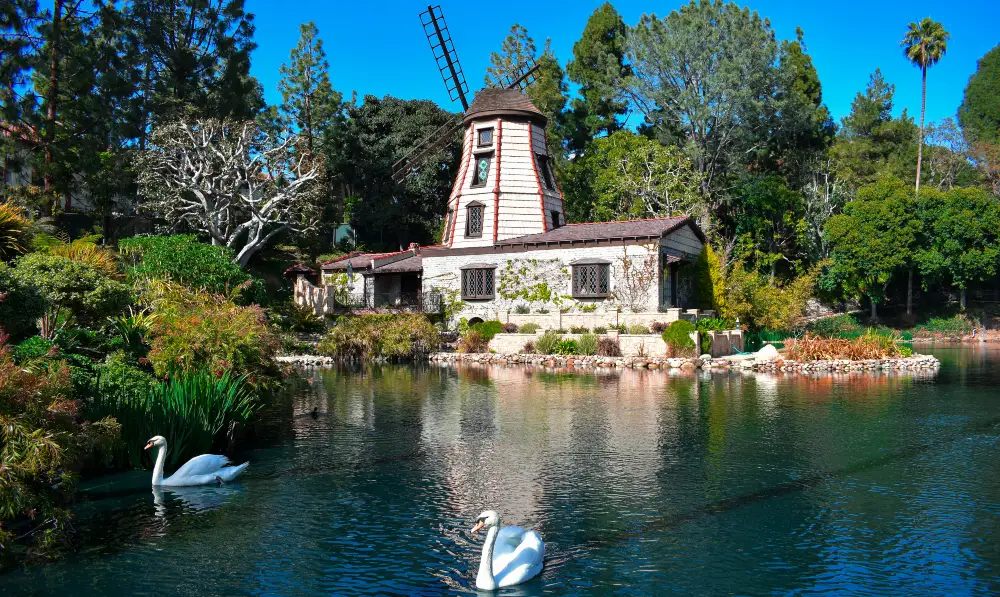
If you want Danish architecture without flying across the Atlantic, Solvang is one of the easiest places to recognize. Walk through downtown, and you will see large windmills, Danish-style buildings, flower-filled streets, bakeries, and references to Hans Christian Andersen.
The official Solvang walking guide describes the center as a pedestrian-friendly village with Danish architecture and European-style windmills. Food is part of the appeal. You can stop for æbleskiver, which are round Danish pancake treats often served with powdered sugar and jam.
You can then spend much of the day exploring on foot. Solvang becomes especially busy during Danish Days. The 2026 festival runs from September 18 through September 20 and marks the 89th return of the event. That can be fun if the festival is your reason for going.
2. Leavenworth, Washington Brings Bavaria To The Cascades
Leavenworth may be one of the most dramatic European-style towns in the country because the setting does half the work. Bavarian-style buildings line Front Street while the Cascade Mountains rise behind town. German restaurants, beer halls, signs, balconies, and seasonal events add to the Alpine look.
The European appearance here was created later rather than preserved from an old Bavarian settlement. That does not make it less fun. It simply means you should visit for the scenery and atmosphere rather than expecting a colonial German town.
Fall is one of the busiest times. Leavenworth Oktoberfest is scheduled for October 2 and 3, October 9 and 10, and October 16 and 17 in 2026. The official site says lodging fills quickly during Oktoberfest.
Visit during the week if you want the Alpine streets without paying festival weekend prices. Front Street mountain scenery, fall trips, Christmas trips, and Seattle area road trips, two nights downtown itself, are free to explore. The Bavarian look is planned, not preserved from an early German settlement
3. Santa Barbara, California Feels More Mediterranean
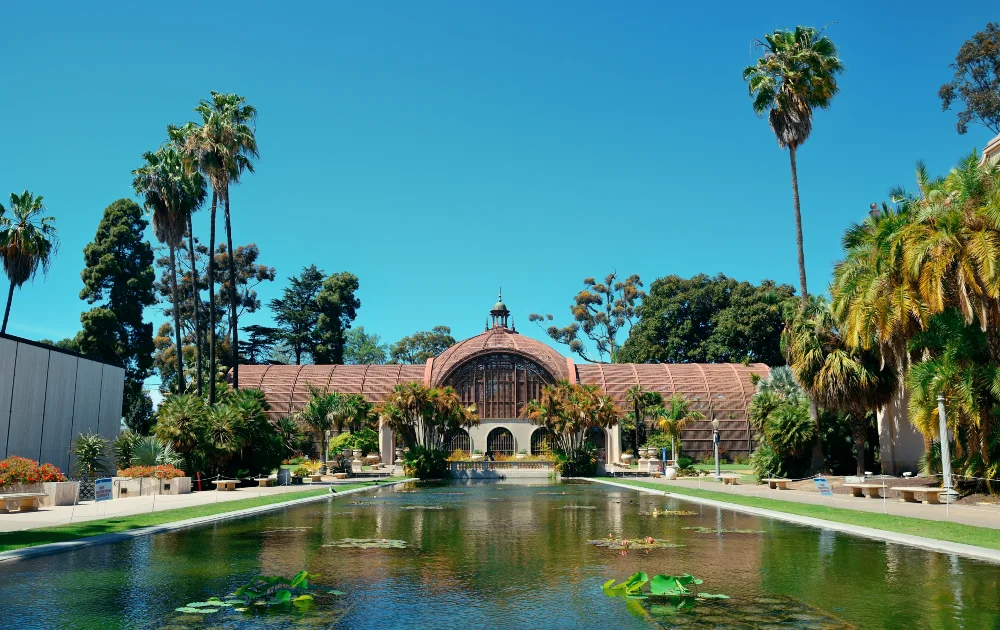
Santa Barbara is different from Solvang and Leavenworth. It is not built around one European national theme. What stands out instead is the architecture. White walls, red tile roofs, shaded courtyards, arches, and outdoor paseos give parts of the city a strong Spanish and Mediterranean look.
The City of Santa Barbara says Spanish Colonial Revival and Mediterranean Revival architecture is a major part of the business district. Original Spanish Colonial and Mexican-era adobe structures also remain.
After the 1925 earthquake, Spanish Colonial Revival design played a major role in rebuilding parts of the city. The local style also took ideas from southern Spanish architecture.
Walk around State Street, the Presidio area, El Paseo, and the courthouse if architecture is your main reason for visiting. Santa Barbara does have one weakness on this list. It can be expensive. Do not choose it because you expect cheap hotels.
4. Carmel-by-the-Sea Feels Like A Small European Village
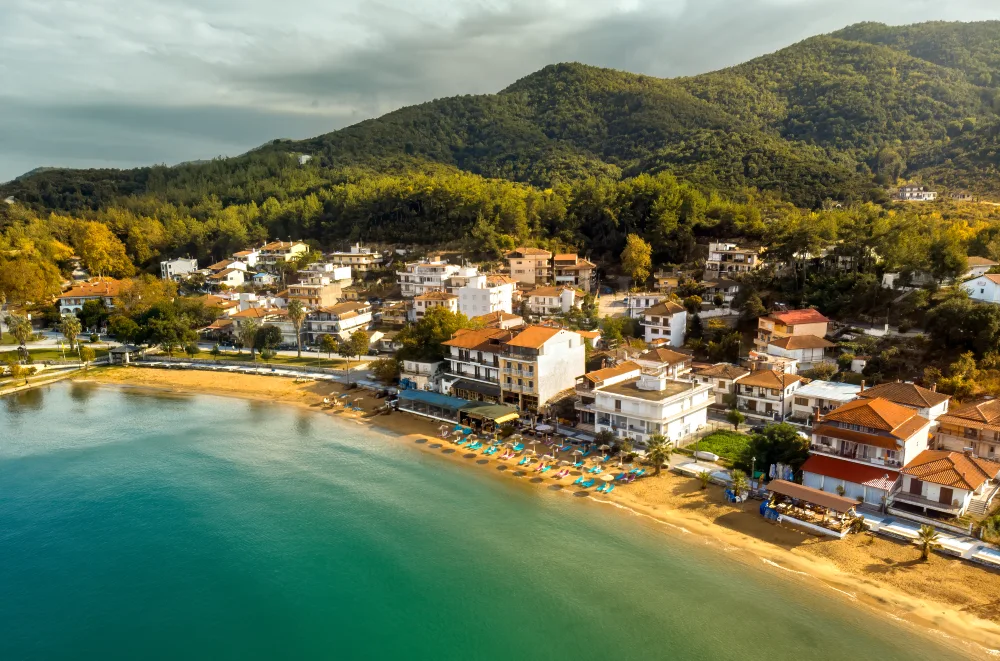
Carmel by the Sea is small enough that you can spend much of your visit walking. That is one reason it feels different from many California towns. Small cottages, hidden courtyards, galleries, shops, narrow lanes, restaurants, and the nearby beach create a compact village setting.
The official tourism organization itself describes Carmel as a European-style village where shops, galleries, restaurants, and other attractions are within walking distance. Start around Ocean Avenue. Then wander down the smaller side streets instead of sticking to the main road.
Many of the most interesting buildings and courtyards are easier to notice when you slow down. There is a cost issue here too. Carmel is not a bargain destination. If hotel rates in town are too high, compare rooms in Monterey. You can visit Carmel during the day and return to Monterey at night.
5. Holland, Michigan Keeps Its Dutch Roots Visible
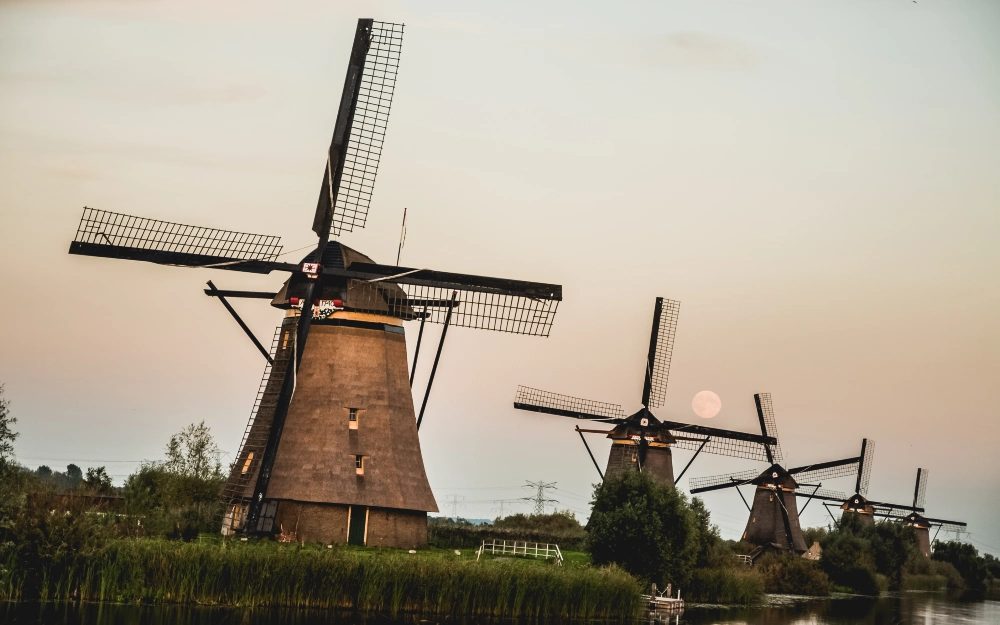
Holland gives you more than a Dutch name. The city has Dutch architecture, Dutch food, tulip displays, museums, and one of the most interesting windmills in the country. Windmill Island Gardens is home to De Zwaan. Holland’s visitor bureau describes it as the only authentic Dutch windmill still operating in the United States.
The site also has Dutch displays and around 150,000 tulips in the gardens in spring. The wider city goes further. Holland’s official tourism site says Dutch heritage appears in downtown architecture, local food, cultural attractions, and annual events.
Spring gets most of the attention because of the tulips. But that also brings larger crowds. If you visit outside the main spring festival period, you can still explore downtown, see Dutch features, visit museums, and spend time along Lake Michigan.
6. Pella, Iowa Packs Dutch Culture Into A Small Downtown
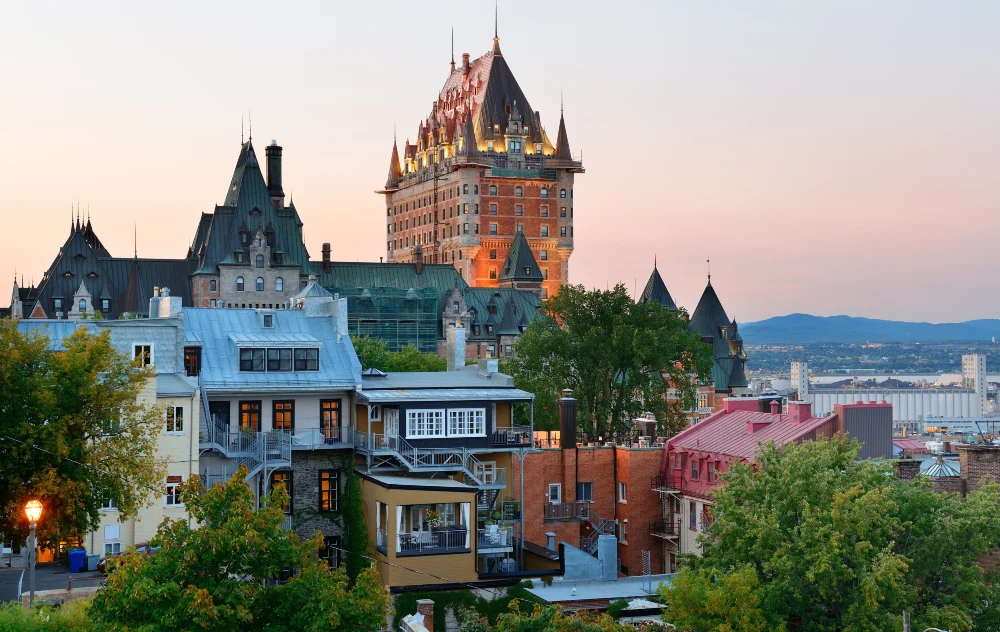
Pella is easy to overlook if you only search for famous American vacation cities. That is a mistake if Dutch culture is what you want. The town has the Vermeer Windmill, Dutch bakeries, the Molengracht canal area, the Klokkenspel, museums, tulip gardens, and a compact downtown.
The Vermeer Windmill adds real depth to the experience. It was designed and built in the Netherlands, then taken apart, shipped to Iowa, and rebuilt in Pella. Pella’s Tulip Time celebration featured more than 300,000 tulips in 2026. That festival took place in May, so it is already over for this year.
There is another reason to consider Pella later in 2026. Its Dutch Christmas market is scheduled for December 3 through December 5 around Molengracht Plaza. Pella is especially useful if you want a small European-style town without the hotel costs of coastal California or Boston.
Dutch culture, bakeries, history, spring flowers, and Christmas trips, one night or a long day trip, spend time walking downtown before paying for added attractions. Pella is small, so you do not need a long stay
7. Frankenmuth, Michigan Mixes Bavarian Style With Real German Roots
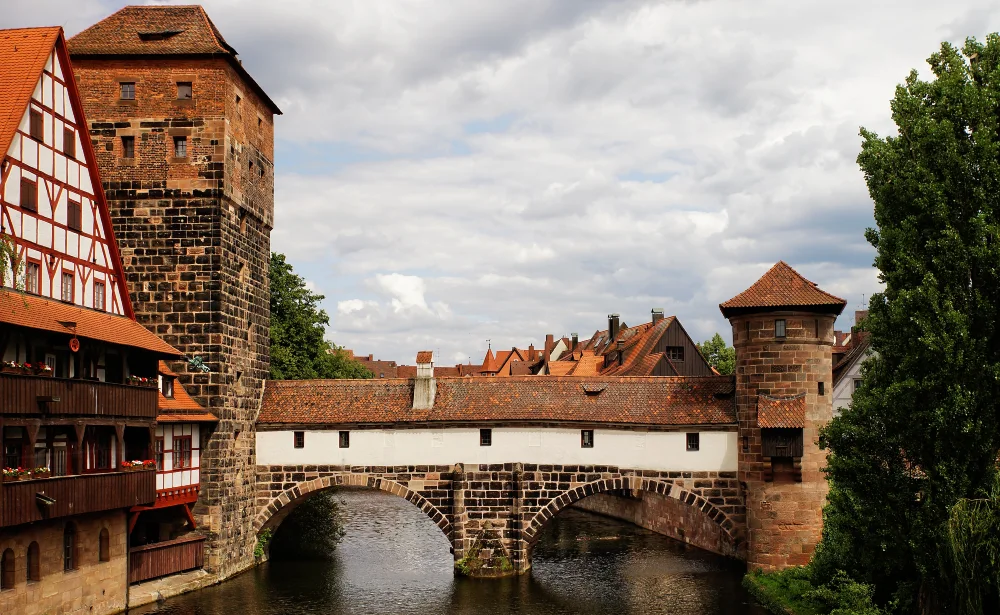
Frankenmuth looks like a tourist town, but its German connection goes much deeper. The community was founded by German missionaries in 1845. Frankenmuth still ties much of its identity to Bavarian culture, architecture, food, festivals, and local history.
That history separates it from places where the European appearance was added much later, with no major immigrant link. Main Street is the easiest place to start. You can walk past Bavarian-style buildings, restaurants, shops, and the covered bridge. If you want more history, add local museum stops.
Frankenmuth is also famous for Christmas shopping and large family attractions. Those can raise your spending fast. You do not need to do everything. Walk Main Street, see the river area, enjoy the architecture, choose one meal or attraction, and skip the extras that do not matter to you.
8. Hermann, Missouri, Feels Like A German Wine Town
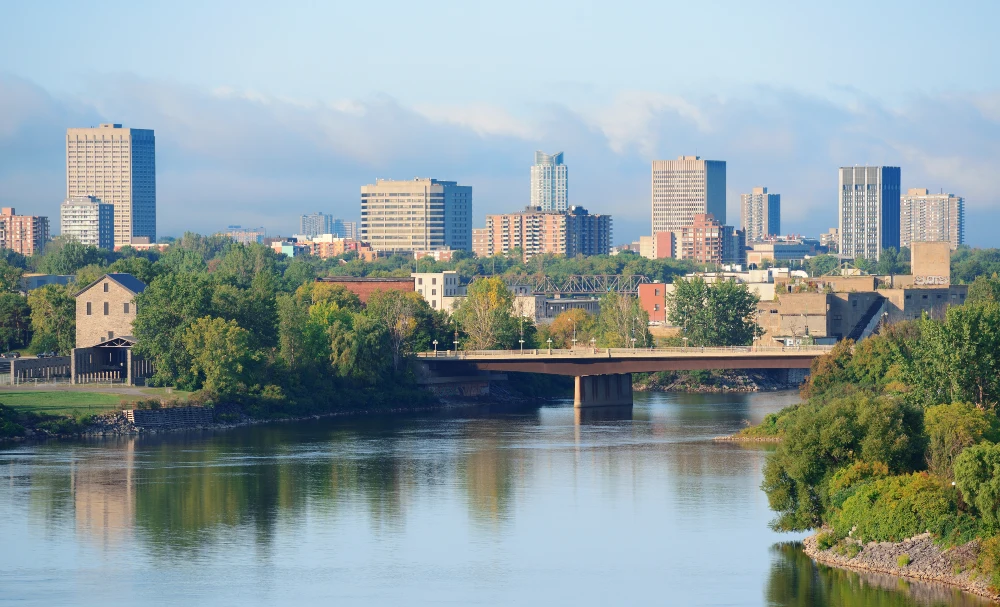
Hermann is a strong pick if you want old brick buildings, viney19th-century history, and a smaller town setting. The current visitor guide describes 19th-century brick buildings that sit close to the sidewalk in a way that resembles German towns.
That compact design makes the historic center pleasant to explore on foot. Hermann also has a practical advantage that many small towns do not have. The visitor center is at the Hermann Amtrak station. That gives some travelers a chance to arrive without driving.
Wine is a big part of local tourism, but you do not have to build the whole trip around wineries. Walking tours, historic sites, river views, brick streets, shops, and German food can fill much of a car-free city. Historic downtown couples, wine trips, history, and car-free weekend ideas.
9. New Orleans Shows A Side Of Europe You May Not Expect
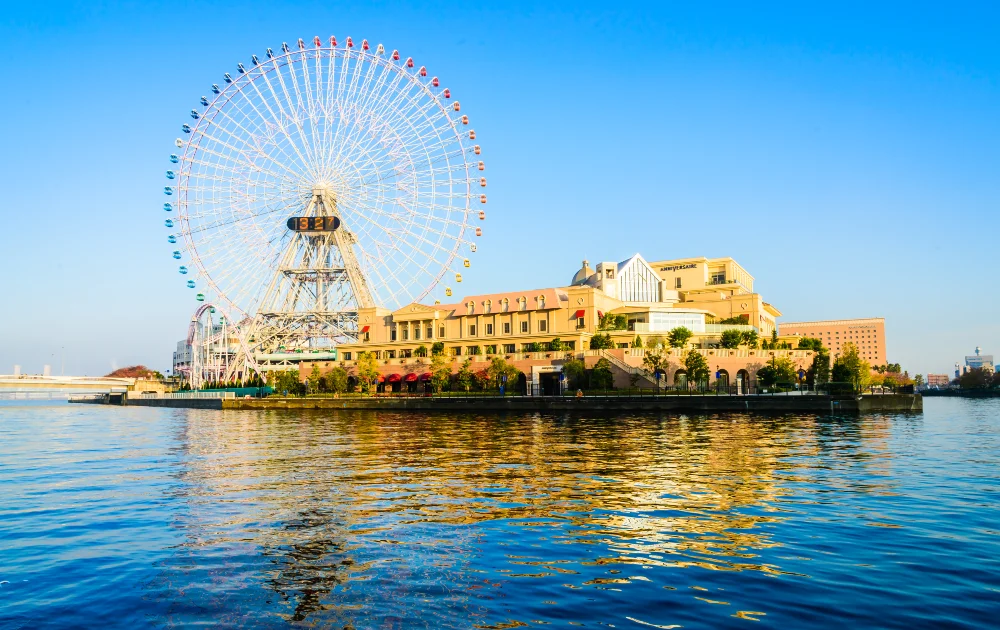
New Orleans is one of the strongest cities on this list, but there is an important detail many travelers get wrong. The French Quarter is not simply French. New Orleans tourism officials explain that much of the architecture people connect with the French Quarter is actually tied to the Spanish period.
Major fires destroyed many early French buildings, and rebuilding rules changed how the neighborhood was cast in iron. Today you see French, Spanish, Creole, and American influences together. Cast-iron balconies, enclosed courtyards, colorful buildings, churches, narrow streets, music, and food all add to the experience.
Start around Jackson Square. From there, walk through the French Quarter instead of trying to see it from a car. The official tourism site says the district covers roughly 85 square blocks and is best explored on foot. Several major landmarks sit close together. You can also keep the cost down. Jackson Square, St.
Louis Cathedral, streets, architecture, and plenty of live street activity can be enjoyed without buying a ticket for every stop. French Quarter food, architecture, music, history, and walking. Three nights: Build part of your day around free historic areas and public spaces
10. St. Augustine, Florida Brings Spanish History Into Your Weekend
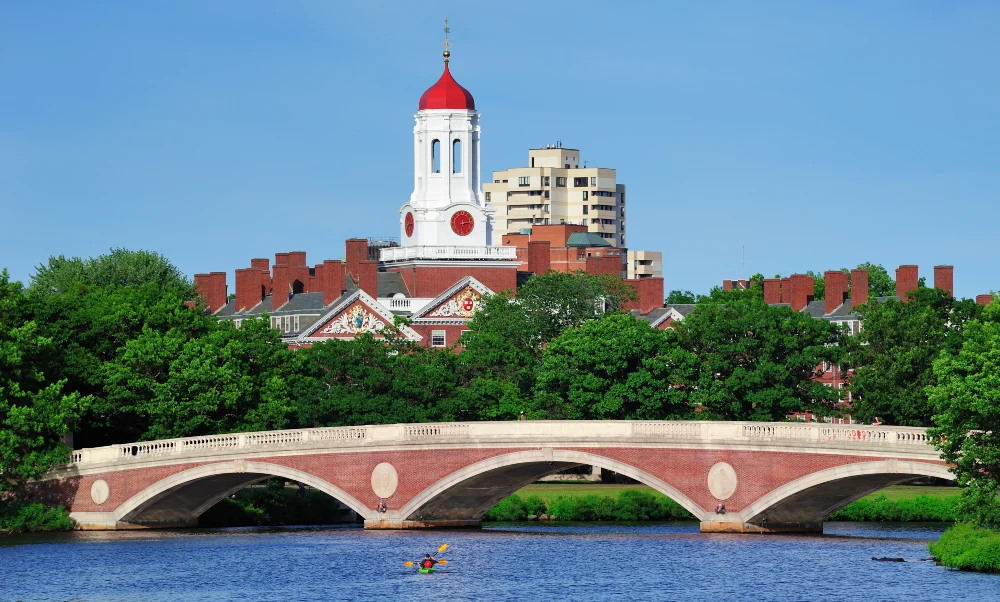
If narrow streets, plazas, forts, old buildings, and Spanish history sound appealing, St. Augustine deserves a high place on your list. The Historic District has St. George Street, Aviles Street, the bayfront, the Colonial Quarter, churches, courtyards, and Castillo de San Marcos.
The Colonial Quarter covers two acres and presents several periods of local history, including the Spanish fortified town, British rule, and the later Spanish period. The city also has one of the best upcoming budget attractions on this list.
Nights of Lights runs from November 21, 2026, through January 18, 2027. The main light display is free. Do not reduce St. Augustine to a Spanish picture set, though. Its history also includes Native communities, Africans, British rule, and later immigrant groups.
11. Charleston, South Carolina Rewards Travelers Who Walk
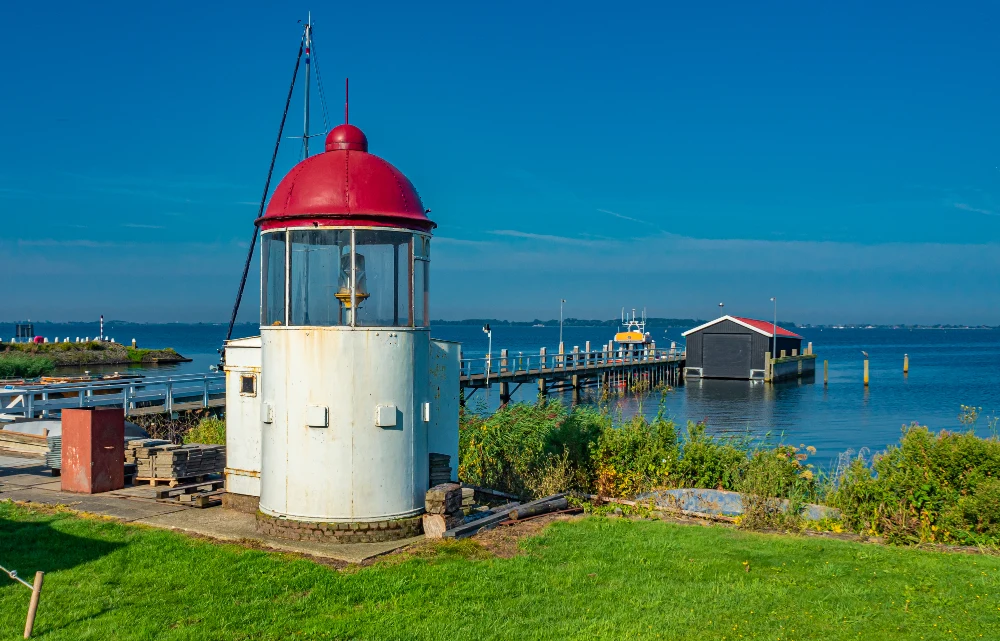
Charleston works best in this article when you focus on its historic center. Walk through areas around the French Quarter, Chalmers Street, South of Broad, Rainbow Row, old churches, and quieter residential streets.
You will find brick paths, ironwork, courtyards, historic homes, and a dense street layout. The Charleston Heritage Federation says the Old and Historic District contains about 3,000 historic buildings.
It also describes a culture shaped by both European and African influences. That second point matters. Charleston’s beauty cannot be separated from the history of slavery and the work of enslaved people. A European-looking leave room for that history instead of treating the city as a simple European-looking backdrop.
If you visit in October 2026, the Preservation Society of Charleston will host Fall Tours through October. These include walks and architecture-focused tours. Historic downtown architecture, history, walking, food, and couples.
12. Helen, Georgia Gives Atlanta Travelers An Easy Alpine Escape
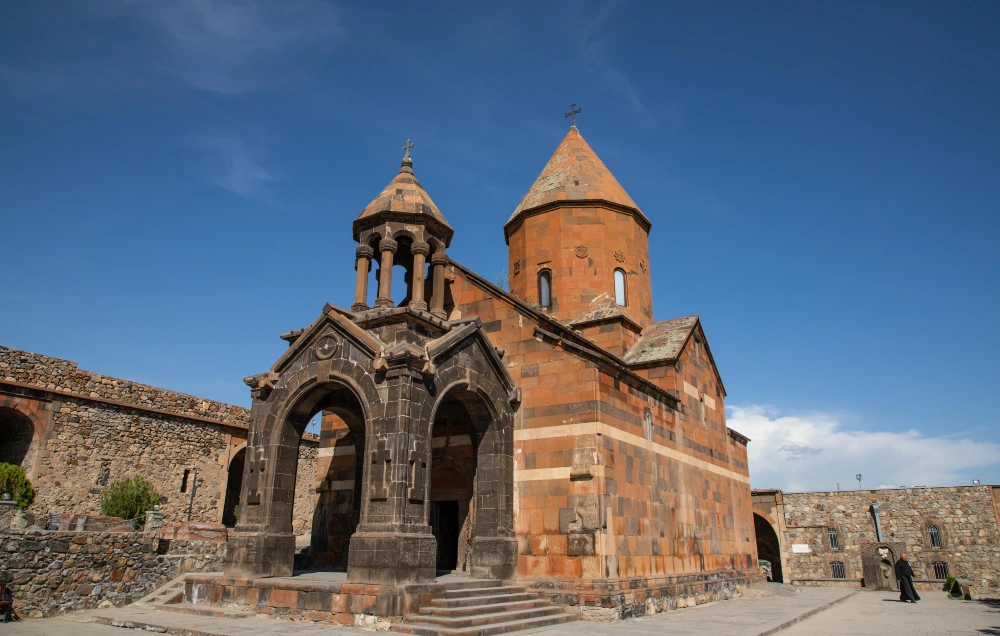
Helen makes the most sense for travelers’ Bavarian-style mountain weekend. The town sits in the Blue Ridge Mountains and uses Bavarian-style architecture across its main visitor area. Steep Bavarian-style buildings, German food, shops, mountain scenery, and the Chattahoochee River create the look.
Helen’s official 2026 visitor guide says the town is under two hours from Atlanta. It also explains that the modern Alpine design began in the 1960s as locals worked to remake the town. That history is worth stating clearly.
Helen is not an old German settlement filled with untouched Bavarian buildings. Its Alpine appearance is a later design choice. Still, that does not mean you should skip it. For Atlanta area travelers, the short drive can make it much easier to justify than a long flight.
13. Fredericksburg, Texas Gives You German History With Texas Hill Country
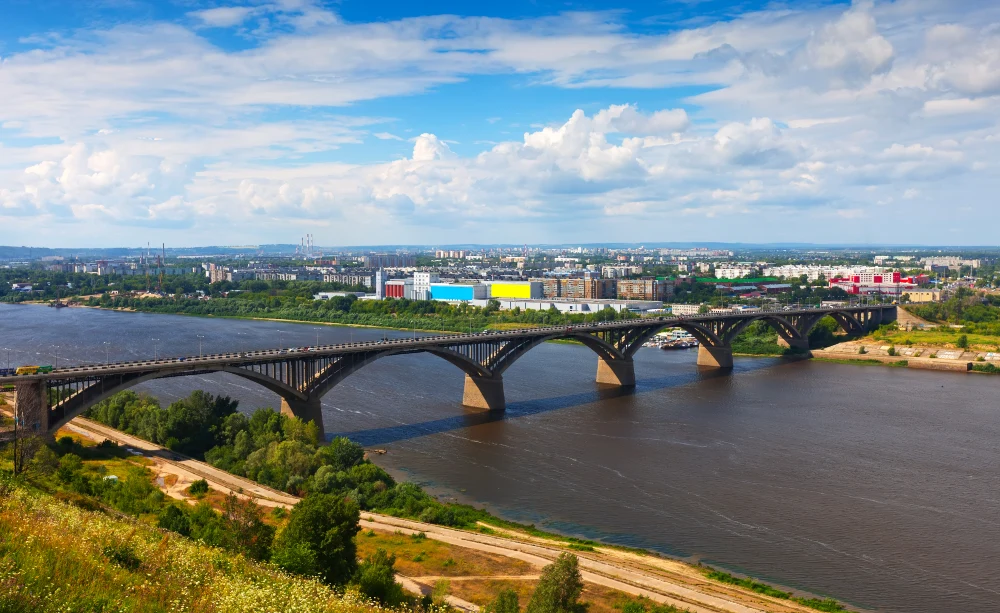
Fredericksburg has something Helen and Leavenworth cannot fully copy. Its German identity comes from actual settlement history. The official tourism office describes Fredericksburg as a Texas German community about one hour northwest of San Antonio and about 90 minutes west of Austin.
German influence remains visible in historic Main Street buildings, restaurants, and local culture. Start with Main Street and Marktplatz. Add the Pioneer Museum if you want more background on the people who settled the area. Wine has also become a major reason people visit the region.
That can make the trip much more expensive, so decide ahead of time whether winery stops are a main goal or an optional extra. Fredericksburg Oktoberfest runs from October 2 through October 4, 2026. That makes early October a strong time for German culture, but it can also mean heavier demand.
14. Boston Gives You The Strongest Big City European Feel
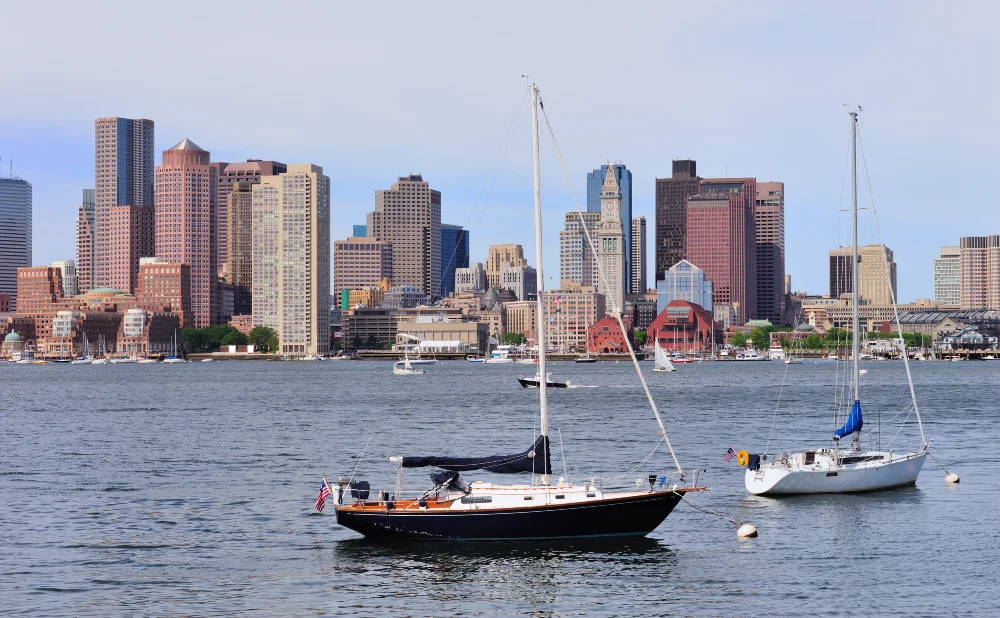
Boston does not look European everywhere. But parts of the city feel much older and more compact than the street pattern found in many American cities. Beacon Hill is one of the clearest examples. Boston officials describe brick row houses, decorative ironwork, narrow streets, brick sidewalks, and gas lamps.
Walk Beacon Hill, Boston Common, and the North End, and you get a mix of historic streets, dense buildings, cafés, churches, parks, and easy walking. Boston also gives you something the small towns cannot offer. You can spend several days without a car.
That can offset part of the higher hotel cost. Still, Boston is not a low-cost destination. If saving money is your main goal, compare hotel prices carefully and consider staying outside the most expensive central blocks.
15. Alexandria, ViAdd-On Makes an Easy Add-On to Washington
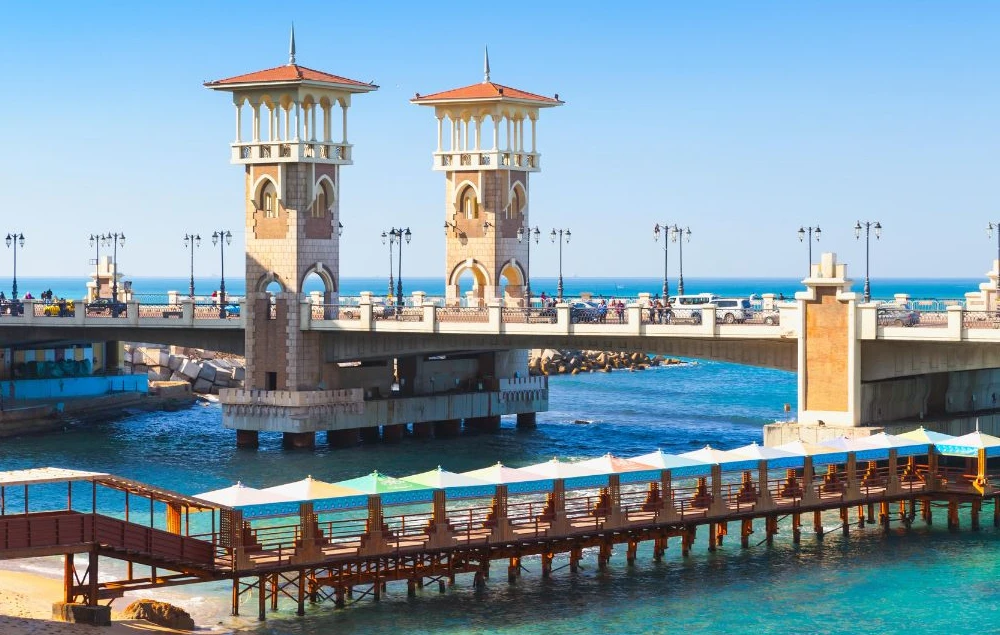
Old Town Alexandria is one of the easiest places on this list to combine with a trip you may already be taking. It sits next to Washington, DC, and offers a much smaller historic setting. Alexandria was founded in 1749. Its tourism office says Old Town has preserved 18th- and 19th-century architecture and is one of the oldest historic18th-trict19th-centuryntry.
King Street is the mainmile-long start. The mile-long area has more than 200 independent restaurants and shops, along with historic buildings and access to the waterfront. Walk down side streets too.
Captain’s Row and nearby blocks give you brick homes, cobblestones, old doors, and quiet residential details that are easy to miss from the main shopping area. Alexandria also works well without a car. That is useful because parking in Old Town can be limited.
16. Milwaukee, Wisconsin, Shows European Influence On A Bigger Scale
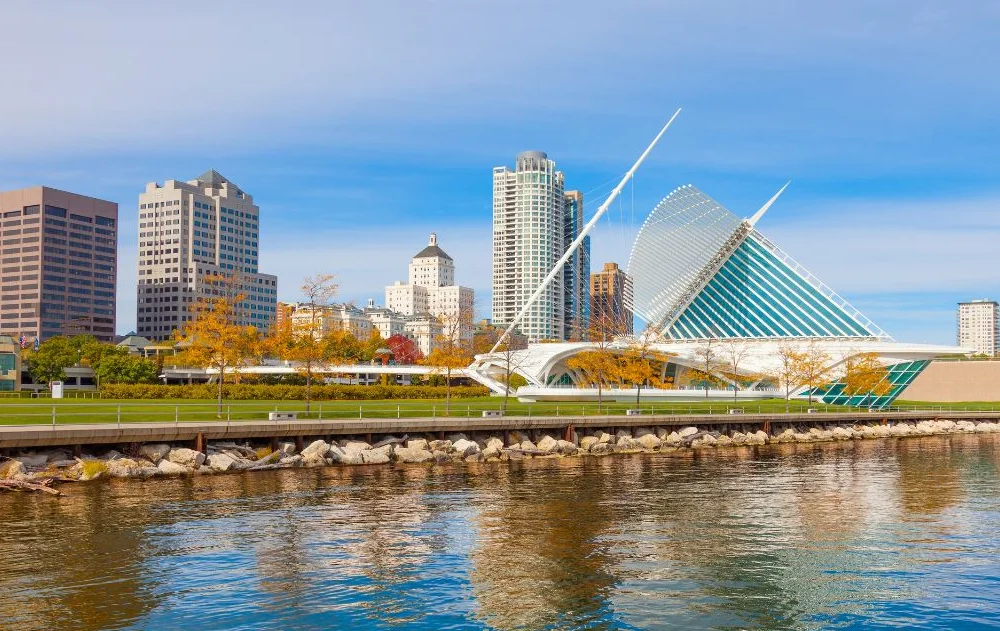
Travelers who prefer cities to small themed villages should not skip Milwaukee. German immigration shaped its brewing traditions, neighborhoods, businesses, churches, and civic life for generations.
By 1848, Germans represented roughly one-third of Milwaukee’s population. A 2026 German heritage walking tour still traces the businesses, institutions, and buildings connected to that history, with adult admission listed at $20.
Milwaukee also has a strong Polish architectural landmark. The Basilica of St. Josaphat was built for the city’s Polish Catholic community, and its German-born architect modeled the design on St. Peter’s in Rome at a smaller scale.
Renaissance and Baroque influences are visible inside. That makes Milwaukee less like one particular European town and more like an American city visibly shaped by several Central European immigrant communities.
17. Tarpon Springs, Florida, Still Has a Living Greek Community
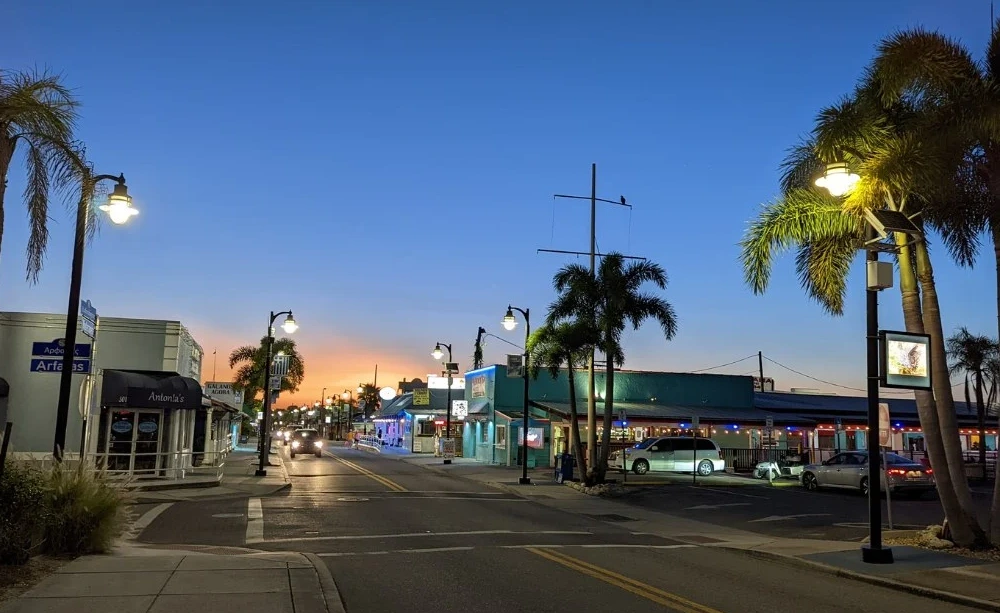
Tarpon Springs stands out because the European connection is not based mainly on façades. Greek culture became tied to the town through its sponge-diving industry, and that heritage remains visible around the waterfront. Walk Dodecanese Boulevard, and visitors encounter sponge boats, Greek restaurants, bakeries, businesses, and the Sponge Docks.
VISIT FLORIDA describes Tarpon Springs as a waterfront community with deep Greek roots and notes that visitors can follow a 10-stop self-guided tour through the Greektown Historic District. Greek sponge divers began the local industry in the early 20th century, helping shape the identity that remains today.
For travelers staying around Tampa, Clearwater, or St. Petersburg, this is an easy day trip. There is no need to pay for an overnight stay simply to experience the main historic waterfront.