
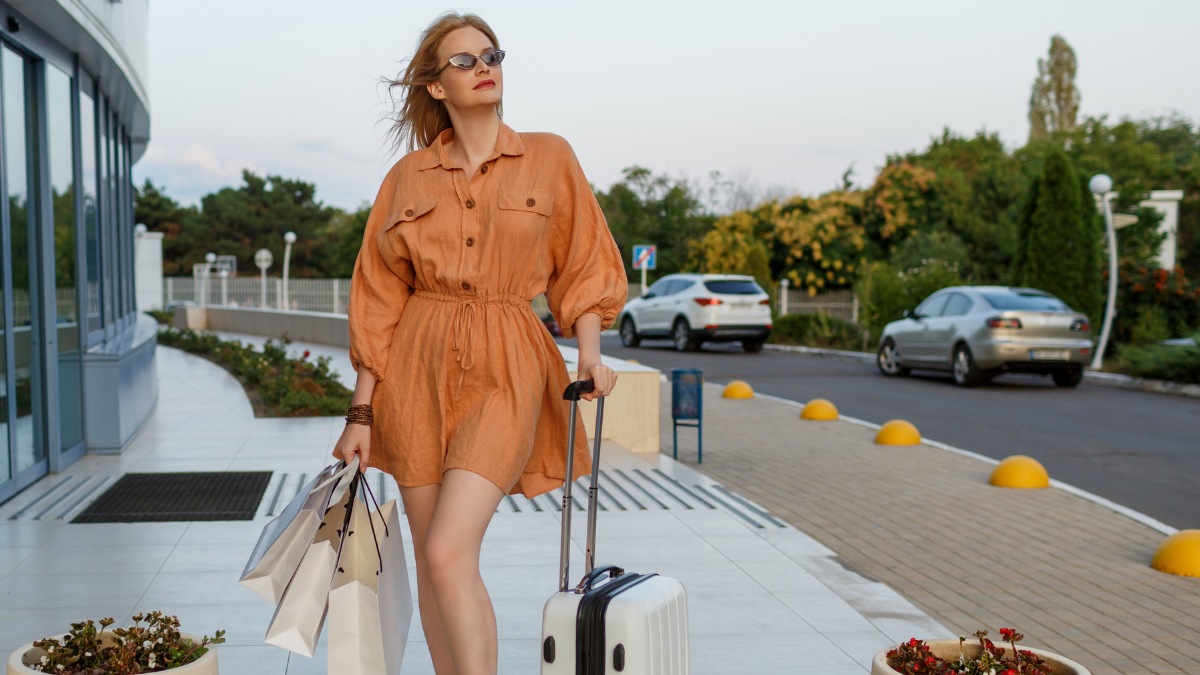
Step into the security line wearing your favorite chic outfit, only to trigger an alarm, undergo a manual pat-down, and delay your flight group. Millions of travelers make simple clothing mistakes that set off airport scanners, trap heat, or cause physical pain mid-flight due to cabin pressure shifts. Knowing which airport outfits to avoid saves you time, stress, and physical discomfort.
You will know what TSA screeners flag, which fabrics cause body aches at cruising altitude, and how to build TSA-friendly travel outfits that look great without causing delays. Avoid these uncomfortable flight clothes to breeze through security and land feeling refreshed.
5 Types Of Travel Outfits To NOT Wear To The Airport
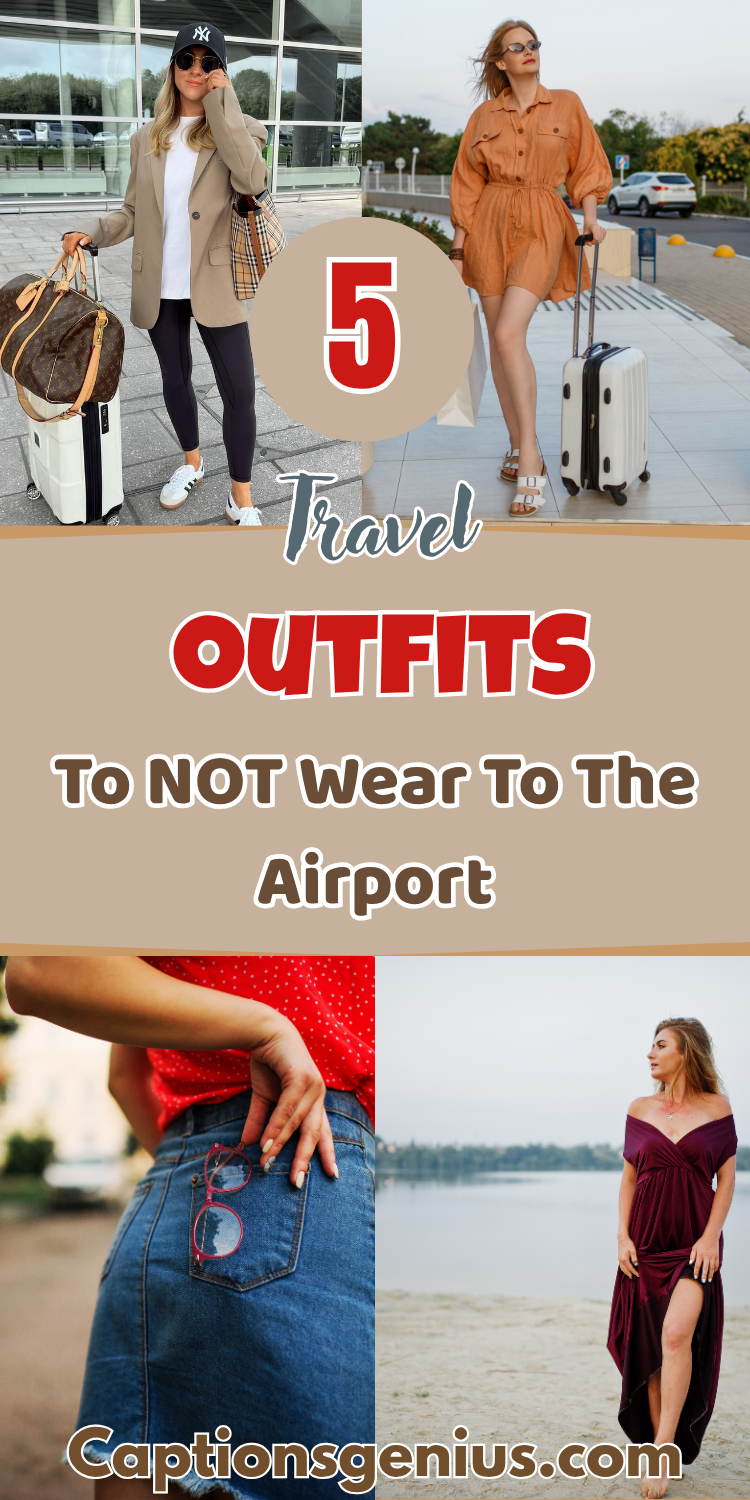
1. Outfits with Excessive Metal and Embellishments
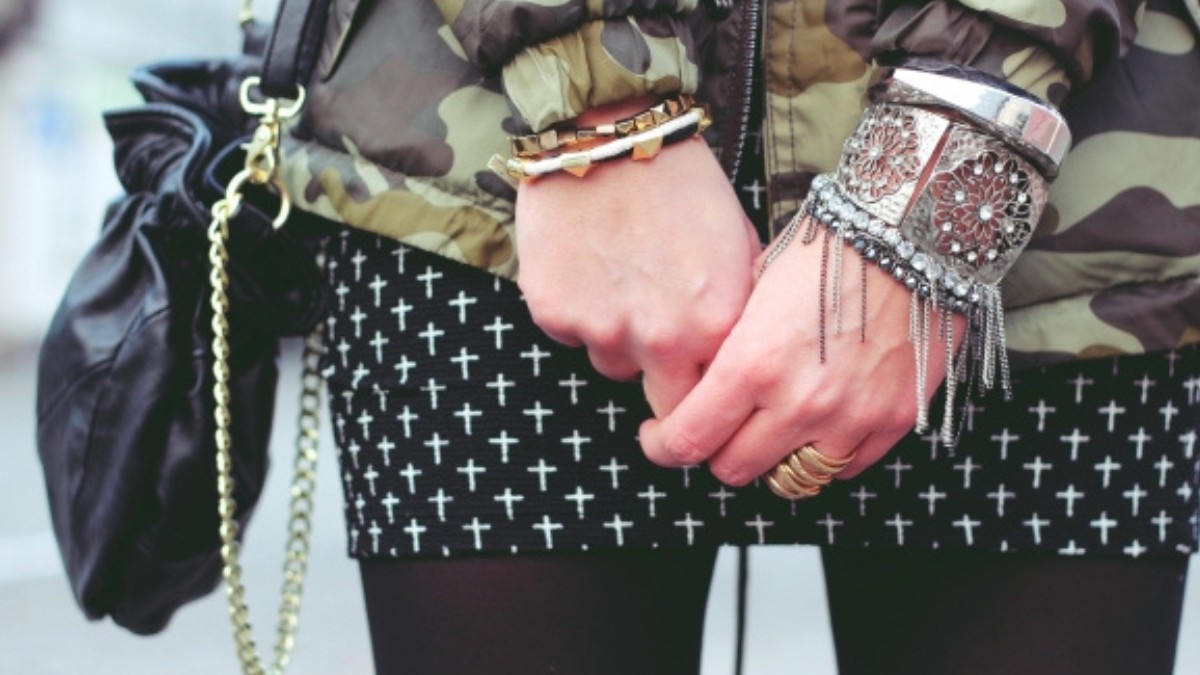
Nothing slows down your trip faster than unexpected metal on clothing at the airport. Advanced Imaging Technology (AIT) scanners detect high-density embellishments, zippers, and metallic threads as body anomalies.
Even if a walk-through metal detector stays silent, full-body scanners flag dense metallic areas for manual inspection.
3 Outfit Traps
To Avoid
Travel days demand outfits that are comfortable, practical, and easy to handle—from security screening to cramped airplane lavatories.
One-Piece Jumpsuits
You may have to strip down completely inside tiny, cold airplane lavatories.
Floor-Sweeping Maxi Skirts
Long hems can gather grime from security lines and public restroom floors.
Oversized Bulky Hoodies
Outer layers often require mandatory removal at screening belts, leaving you scrambling with plastic bins.
Excessive jewelry adds three to five minutes to your check time. TSA officers must inspect chunky necklaces, metallic hair clips, and heavy wrist cuffs individually.
Rapid exchange: Wear a seamless wireless bralette, a plain cotton top, and store all statement jewelry inside your carry-on bag until you land.
2. Maxidresses, Jumpsuits, and Bulky Layers

Floor-length maxidresses and sweeping trousers act like vacuum cleaners on public surfaces. Airport floors harbor immense amounts of dirt and moisture, especially in high-traffic terminal restrooms. Loose fabric dragging across damp tile surfaces creates a major hygiene issue before you even step onto the plane.
3 Outfit Traps
To Avoid
Travel days demand outfits that are comfortable, practical, and easy to handle—from security screening to cramped airplane lavatories.
One-Piece Jumpsuits
You may have to strip down completely inside tiny, cold airplane lavatories.
Floor-Sweeping Maxi Skirts
Long hems can gather grime from security lines and public restroom floors.
Oversized Bulky Hoodies
Outer layers often require mandatory removal at screening belts, leaving you scrambling with plastic bins.
Airplane bathroom door handles and floor surfaces collect heavy bacteria from thousands of daily travelers. Dropping your jumpsuit top or long skirt onto those surfaces exposes your skin and clothes to unhygienic conditions.
Quick Swap: Choose a two-piece co-ord set with ankle-length elastic joggers and a light zip-up layer you can take off quickly.
3. Laced Boots, Strappy Heels, and Complicated Shoes
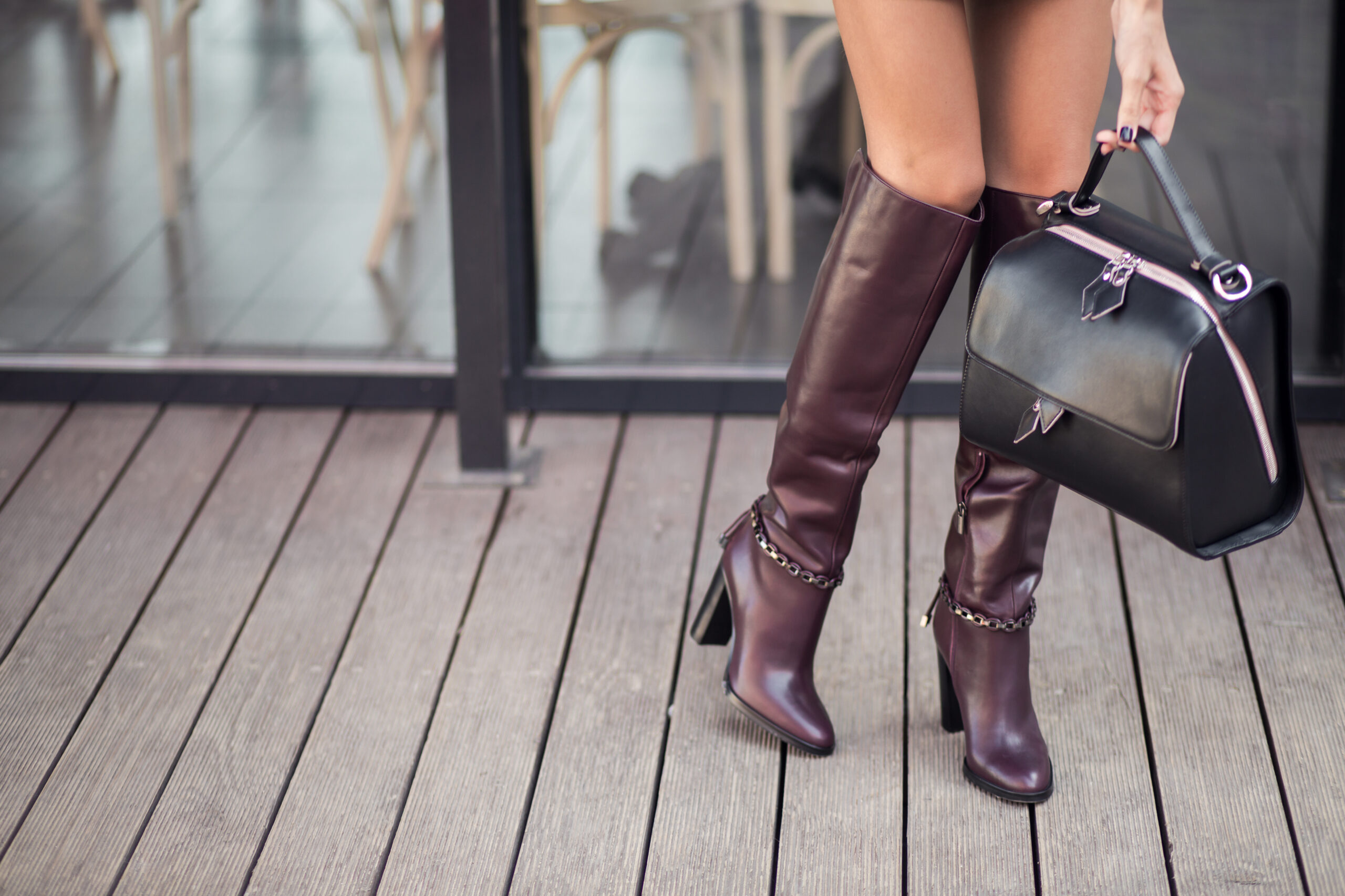
Complicated footwear turns the security line into a bottleneck. High-laced combat boots and multi-buckle sandals take minutes to unlace, frustrating passengers behind you. Unless you hold TSA PreCheck status, you must remove your shoes at security, making easy slip-ons essential.
Why Some Shoes
Become Travel Trouble
The wrong footwear can turn a simple airport journey into a safety, hygiene, or comfort problem.
High Heels
They can create a safety hazard during an emergency evacuation and make it harder to move quickly through busy terminals.
Barefoot Walking
Walking barefoot through airport security areas exposes feet to shared floor surfaces, where bacteria and fungi may be present.
Tight Leather Boots
On longer flights, natural foot swelling can make restrictive boots feel increasingly tight, especially after several hours in the cabin.
Walking barefoot through security screening lanes is an easily avoidable health risk. Always wear a clean pair of socks to protect your feet on public surfaces.
Easy Change: Wear cushioned slip-on sneakers or loafers paired with breathable cotton socks.
4. Restrictive Denim and Non-Breathable Synthetics

Rigid clothing makes long-distance flying painful. High-waisted raw denim restricts abdominal blood flow, making normal digestion difficult when seated for hours. Combined with altitude shifts, rigid waistbands quickly create severe body aches.
Clothing Choices
Your Body Will Thank You
Everyday clothing can influence comfort, heat management and freedom of movement. Choose fabrics and fits that work with your body—not against it.
Rigid Raw Denim
Stiff, non-stretch denim can feel restrictive around the abdomen and may limit comfortable movement and circulation.
100% Polyester
Less-breathable polyester can trap body heat and moisture, potentially contributing to unwanted body odor.
Tight Waistbands
Excessively tight waistbands can create pressure and discomfort and may be unsuitable for prolonged wear.
At cruising altitude, barometric cabin pressure drops to levels equivalent to standing on an 8,000-foot mountain peak. According to the Aerospace Medical Association, gas inside your digestive system expands by roughly 25% at this altitude. Tight clothing traps this gas, causing sharp pain known as “airplane belly.”
Easy Move: Switch out stiff jeans for flexible, moisture-wicking trousers with an adjustable drawstring waist.
5. What to Wear Instead: TSA-Friendly Travel Outfits
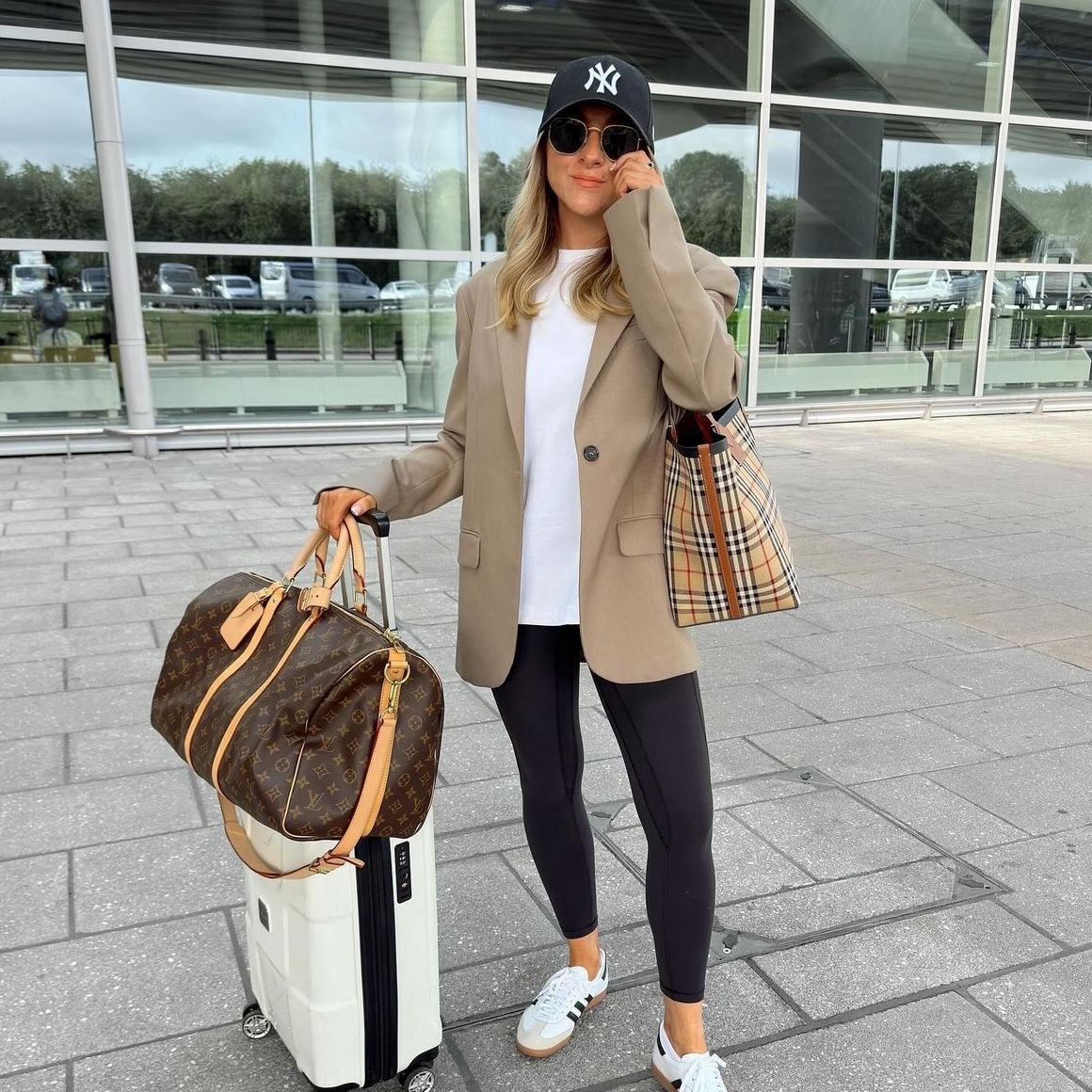
Building a comfortable travel wardrobe comes down to picking smart fabrics and flexible layers. Focus on natural, breathable fiber blends that regulate your body temperature as you move from hot terminal lines to cold aircraft cabins.
[Base Layer: Soft Cotton/Modal Tee]
        ↓
[Mid Layer: Lightweight Cardigan or Fleece]
        ↓
[Bottoms: Stretch Technical Pants with Elastic Waist]
        ↓
[Footwear: Slip-on Sneakers + Breathable Socks]
Pack for a Stress-Free Journey
Smart fabrics, thoughtful layers, and flexible fits can make every mile feel easier.
Pick Breathable Fabrics
Choose merino wool, cotton-modal, or bamboo for natural temperature control and all-day comfort.
Layer Thoughtfully
Combine a soft tee, open cardigan, and light pashmina that can even become a handy travel pillow.
Choose Soft Waistbands
Opt for stretch-tailored joggers or yoga trousers that flex comfortably with normal body swelling.
This combination lets you clear security checkpoints fast, protects your skin from cold drafts, and prevents physical aches during long flights.
Skipping metal decorations, sweeping skirts, tight denim, and complex shoes guarantees a faster security check and a far more comfortable flight. Before packing for your next trip, audit your wardrobe choices and swap out restrictive items for flexible stretch materials.