
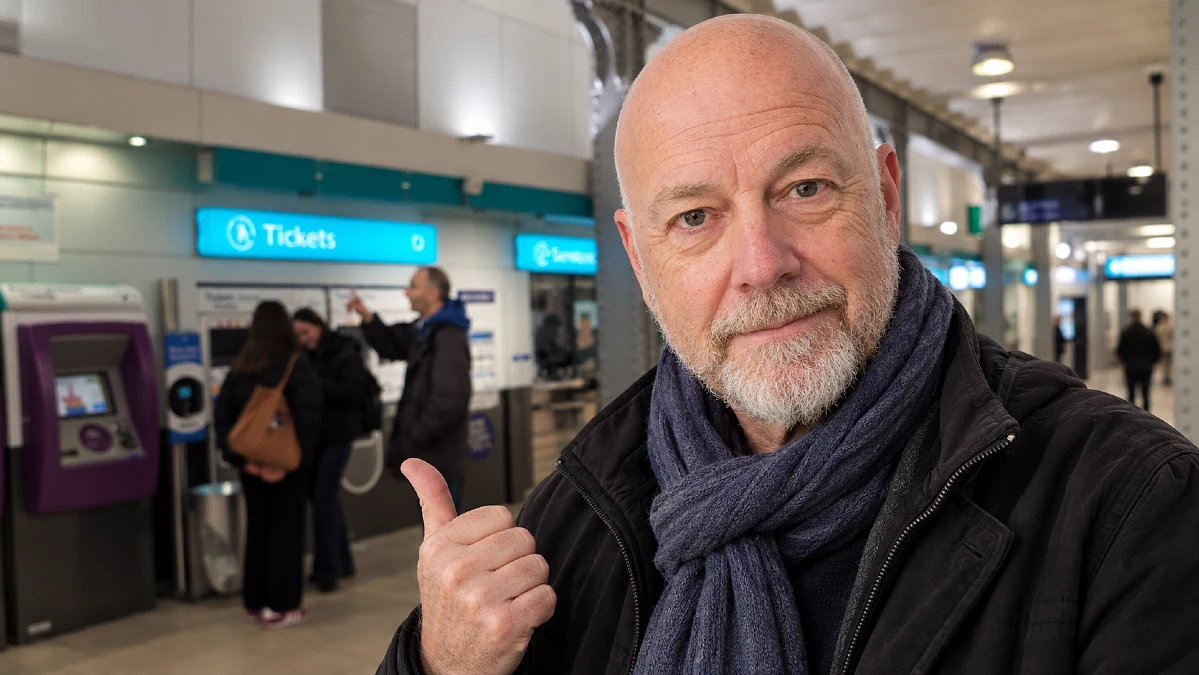
You are standing inside a crowded Paris Metro station. Your phone is in one hand, your bag is behind you, and you are trying to work out which platform you need. For a few seconds, almost all your attention is somewhere other than your valuables.
That is the situation you need to fix if you want to know how to avoid pickpockets in Paris. You do not need to spend your vacation staring suspiciously at everyone around you. You need a few habits that make your phone, wallet, passport, and cards much harder to reach.
RATP warns passengers that pickpockets may be present on its network. The U.S. State Department also lists pickpocketing and phone theft among common crimes affecting foreign visitors, especially in crowded transport areas and tourist locations.
How to Avoid Pickpockets in Paris by Watching Behavior
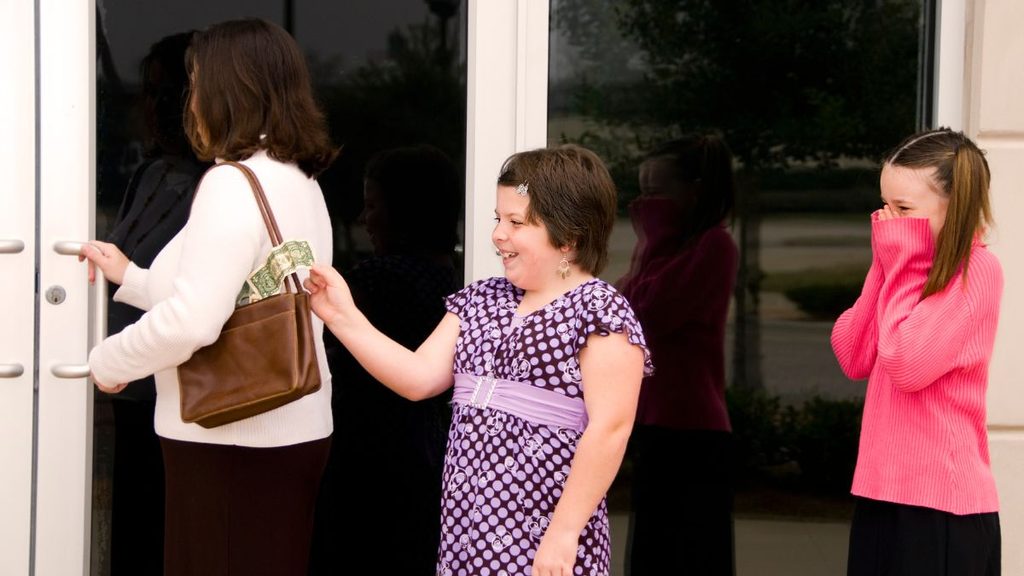
There is no reliable appearance that identifies a pickpocket. Age, gender, clothing, and whether someone looks like a tourist tell you very little.
What matters is what a person is doing around you.
1. Notice Who Seems More Interested in People Than Places
Someone standing in a tourist area and repeatedly watching bags, pockets, phones, or people using ticket machines deserves more attention than someone simply waiting for a train.
You do not need to confront them. Check your zipper, move your valuables in front, and create more space.
2. Treat Strange Distraction as a Signal to Check Your Bag

A stranger may genuinely need directions. Someone may genuinely bump into you.
But when something suddenly demands all your attention, make checking your belongings automatic. The French Interior Ministry warns travelers about people who use distraction around tourist areas, ATMs, and petitions.
3. Remember That More Than One Person May Be Involved
Some thefts involve groups. Smartraveller specifically warns that groups of thieves operate on public transport in France, including busy Metro services used by tourists and airport trains.
One person may engage you while another gets close to your bag. Someone else may simply stand in the way while people are moving.
| Behavior you notice | What may be happening | Your response |
|---|---|---|
| Someone starts an intense conversation | Your attention is being pulled away | Secure your bag and keep moving |
| Several people crowd you suddenly | Your pockets or zipper become harder to feel | Move to open space |
| Someone keeps watching your luggage | They may be checking access to it | Put the bag in front |
| A stranger blocks your path | Another person may be close behind | Change direction |
| Someone presses a paper near your body | Your hands and bag may be hidden from view | Step back and refuse |
4. Do Not Assume Someone Is Harmless Because They Are Young
This is where many travelers make a mistake. They are willing to ignore strange behavior because the person appears too young to be a threat.
Smartraveller warns that children can be used as distractions or take an active role in theft. Judge the behavior, not the person’s age.
6 Paris Places Where Your Bag Needs More Attention
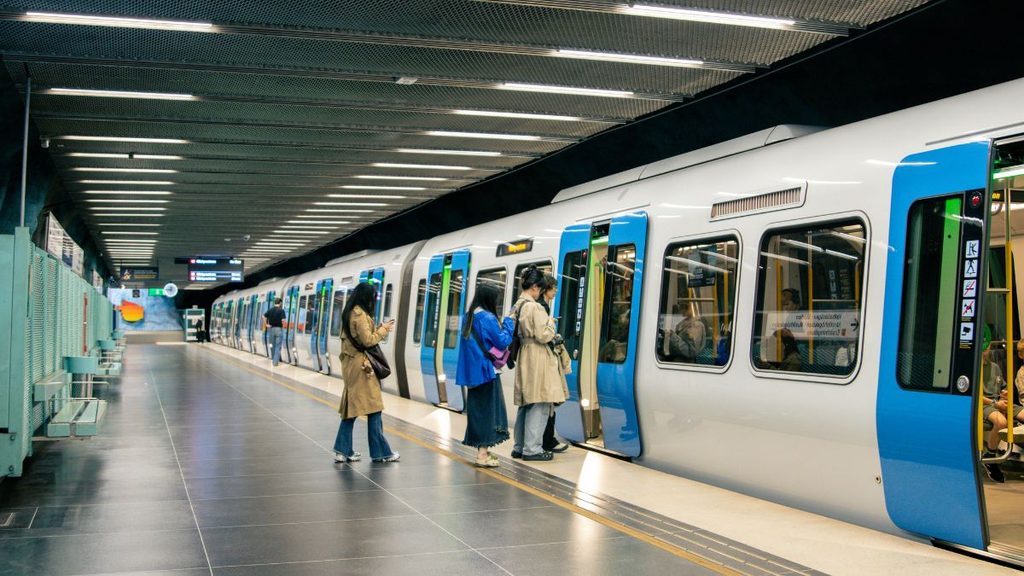
You do not need the same level of attention on every quiet residential street that you use in a packed Metro car.
Crowds create access. Tourists also tend to stop suddenly, check phones, handle tickets, take pictures, and carry passports or cameras.
5. Tighten Your Routine on the Metro and RER
RATP itself tells passengers to protect their belongings because pickpockets may operate on the network.
Before you enter a crowded carriage, close every zipper. Bring a backpack or sling in front and put your phone away while people are moving around you.
6. Pay Extra Attention at Major Train Stations
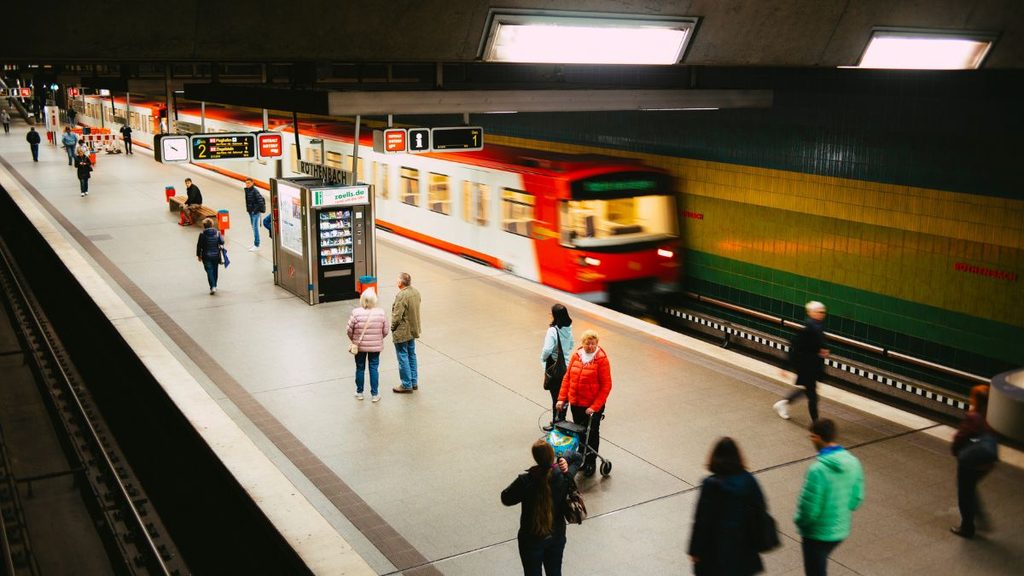
Large stations create several distractions at once. You may have luggage, tickets, departure boards, children, and unfamiliar signs competing for your attention.
Smartraveller specifically identifies Gare du Nord and the rail connection between Charles de Gaulle Airport and Gare du Nord among places where theft has occurred.
7. Secure Everything Before You Reach Major Attractions
The Eiffel Tower, Louvre, Champs Élysées, Palais Royal, Les Halles, and Latin Quarter are among the locations highlighted in current travel safety guidance.
That does not mean something bad will happen there. It means you should close your bag before arriving instead of fixing it after entering the crowd.
| Place or situation | Why attention drops | Best habit |
|---|---|---|
| Metro and RER | Boarding, maps, crowds | Bag zipped and in front |
| Gare du Nord | Luggage and departure information | Keep valuables separate from luggage |
| Eiffel Tower area | Photos and crowds | Put phone away after taking photos |
| Louvre and Palais Royal | Queues and sightseeing | Keep bag opening against your body |
| Champs Élysées and Les Halles | Dense foot traffic | Avoid open pockets |
| Café terrace | Relaxed setting | Keep phone and wallet off the table |
8. Do Not Forget Restaurants and Café Terraces
A chair beside you can feel safe because your bag is only a few inches away. The problem is that you may stop watching it once you start talking or eating.
Smartraveller includes restaurants and café terraces among places where travelers should protect belongings.
Keep the bag closed and somewhere you control. Avoid hanging an open handbag from the back of your chair.
5 Distraction Tricks That Should Make You Check Your Bag
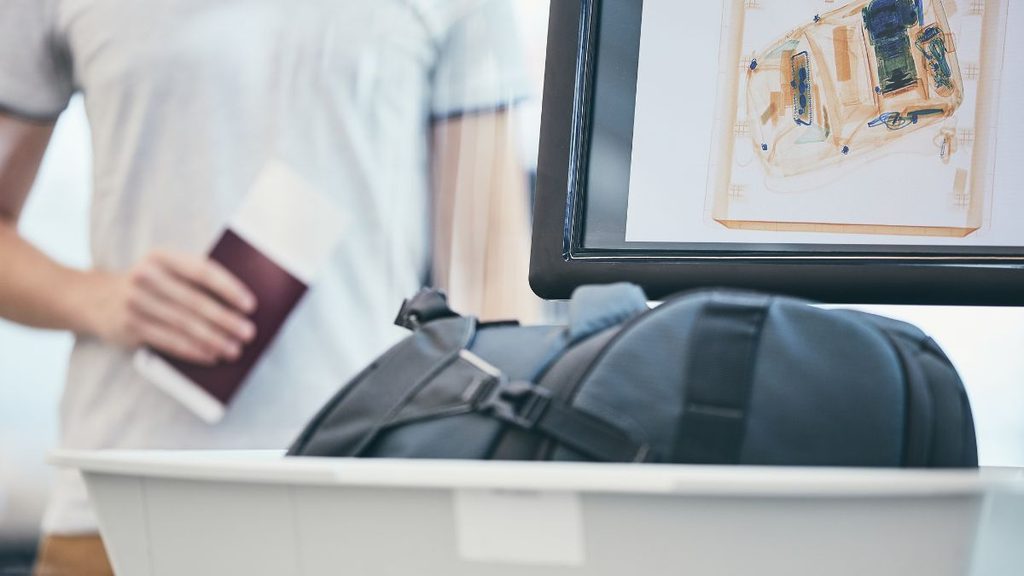
A good rule in Paris is simple. When someone unexpectedly controls your attention, check what is happening around your valuables.
You do not need to be rude. You also do not owe a stranger your time.
9. Walk Past the Clipboard or Petition
The fake petition scam is real enough that France’s Ministry of the Interior includes it in its official tourist safety guidance.
It warns that people may approach tourists with petitions and ask for a signature and money. The guidance specifically mentions the Latin Quarter and Notre Dame as areas where this scam appears.
The easy response is to keep moving. Do not take out your wallet to make the interaction end faster.
10. Treat Sudden Commotion as a Reason to Secure Your Things

An argument, exaggerated movement, loud conversation, bump, or sudden crowd can be genuine.
You still lose nothing by putting a hand on your bag and creating more space. That reaction should become automatic.
11. Do Not Accept Unasked Help at Ticket Machines
A person standing near a transport machine may look helpful. If you did not ask for help, you have no reason to hand over your money, bank card, phone, or ticket.
RATP’s current Metro guide says travelers can approach staff at information desks. It says those staff can be identified by blue uniforms or green vests.
RATP also recommends official apps such as Bonjour RATP and Île de France Mobilités for trip planning.
12. Do Not Let a Stranger Force You Into a Street Game

France’s Interior Ministry warns tourists about the street card and cup game known as bonneteau.
The official guidance explains that accomplices may pretend to be ordinary players and that the setup is designed to take the participant’s money.
Watching is not worth getting pulled into the crowd around it. Keep walking.
13. Be Careful With Anyone Claiming Authority and Asking for Cash
A uniform or badge can make people obey before they think.
French police issued a fresh warning in September 2026 about scammers pretending to be police or gendarmes. The guidance says a genuine police officer will not ask you to hand over money, gold, or valuables for protection.
If someone claiming to be police demands money, do not settle the matter in the street. Move to a safe public place and contact official police if necessary.
The Metro Routine That Takes Seconds but Protects Your Stuff
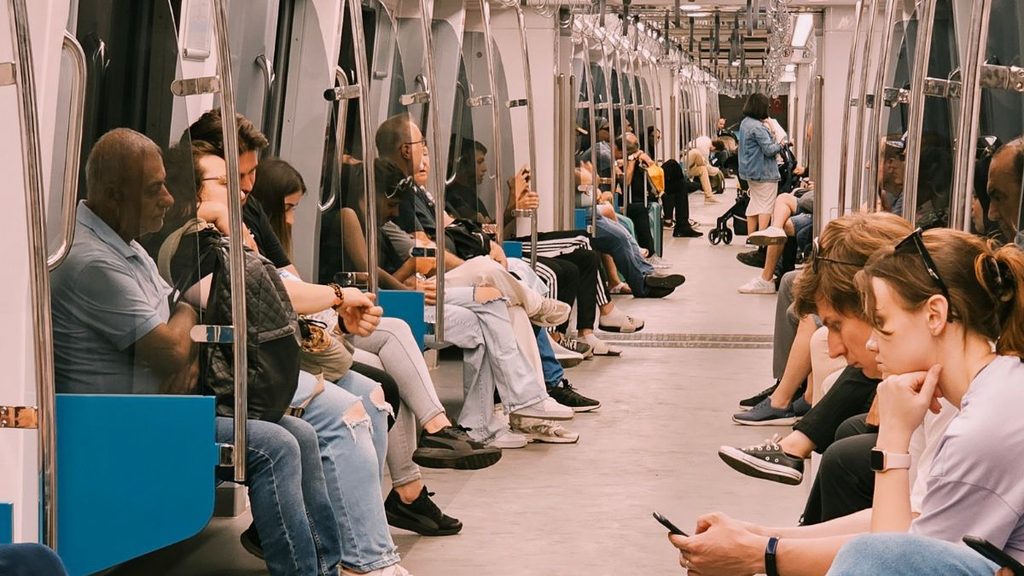
Most people do not need complicated anti theft equipment. A simple Metro routine removes many easy openings.
Do it every time and you will stop having to think about it.
14. Zip Everything Before Entering the Station
Do not wait until you notice a packed platform.
Close your bag before you go downstairs. Put your wallet, passport, and main cards inside a closed compartment.
RATP’s official advice tells passengers to make sure bags are properly closed and to avoid displaying valuables.
15. Put Your Bag in Front When the Crowd Tightens
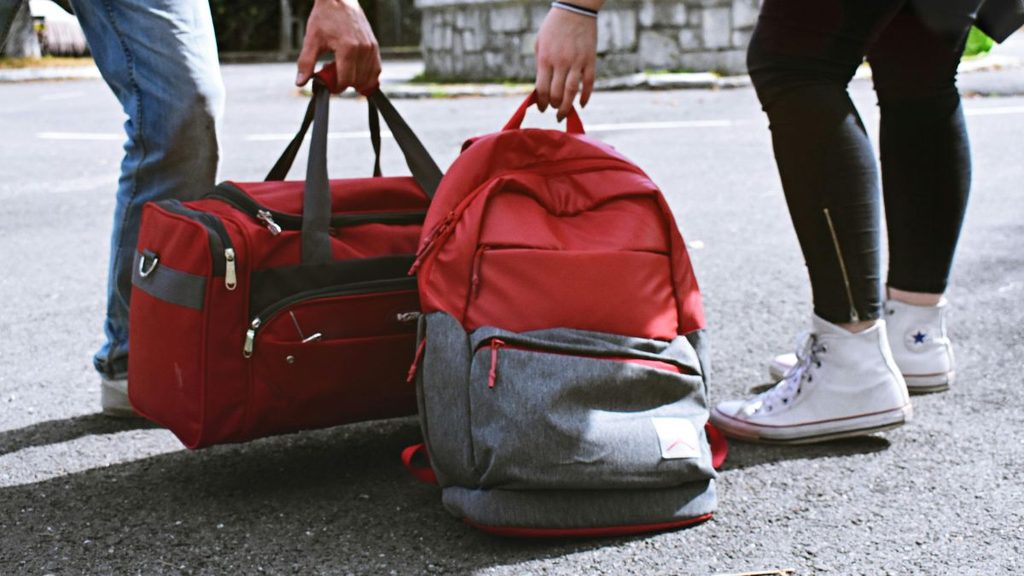
A backpack is useful for walking around Paris. In a packed carriage, you cannot see its zippers.
Move it in front before boarding. A small sling or cross body bag can also work well when its opening stays against you.
16. Put the Phone Away Before the Doors Open
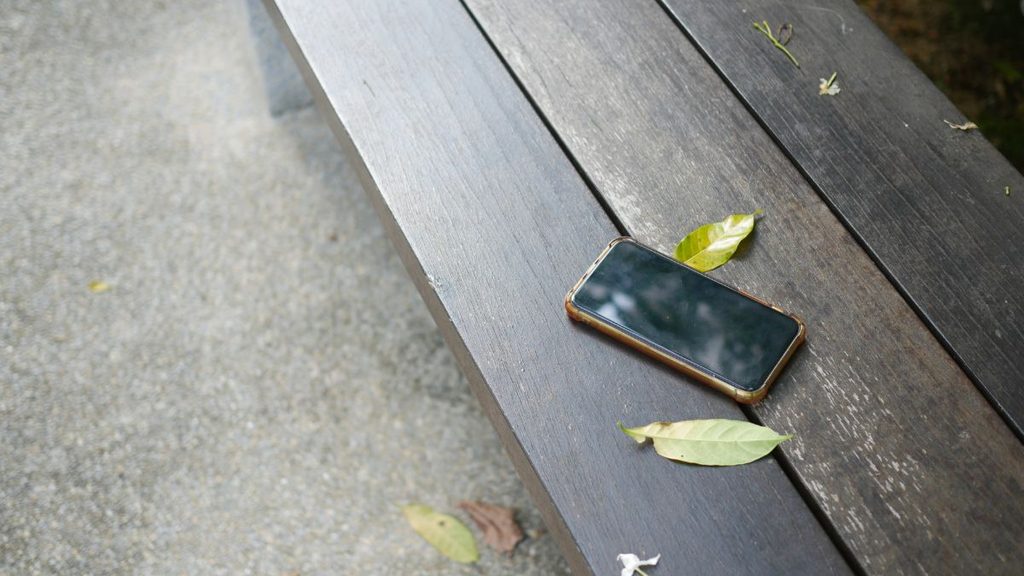
Phones are especially easy to forget about because travelers constantly use them for directions, tickets, photos, and messages.
RATP specifically asks travelers to remain alert while using their phones.
Finish checking the map, put the phone back into a closed place, then board or exit.
17. Plan the Next Step Before You Reach the Crowd
Standing in the middle of a busy station staring at a route map divides your attention.
RATP’s August 2026 traveler guide recommends checking routes and traffic before setting out. That small bit of planning lets you spend less time standing still with your attention on your screen.
The ATM Routine That Keeps Your Cash and Card Safer
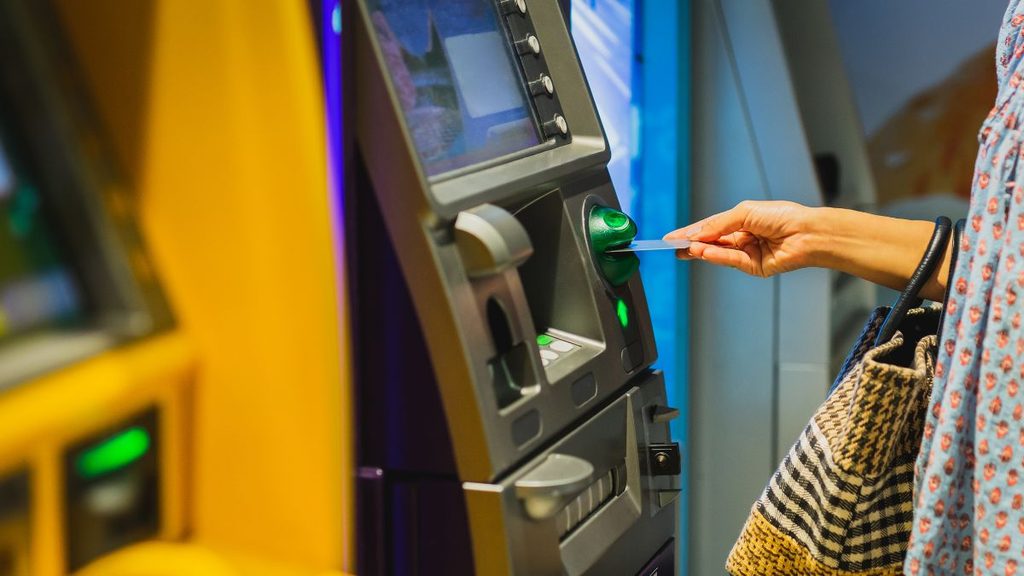
An ATM combines several valuable things in one place: your bank card, PIN, wallet, and cash.
That makes it a terrible place to let a stranger distract you.
18. Use a Secure ATM and Stop if Someone Crowds You
Smartraveller recommends using ATMs in secure locations such as banks and shopping centers.
Banque de France also advises checking the outside of an ATM for signs that it has been altered. If anything looks wrong, use another machine.
19. Cover the Keypad and Refuse Help
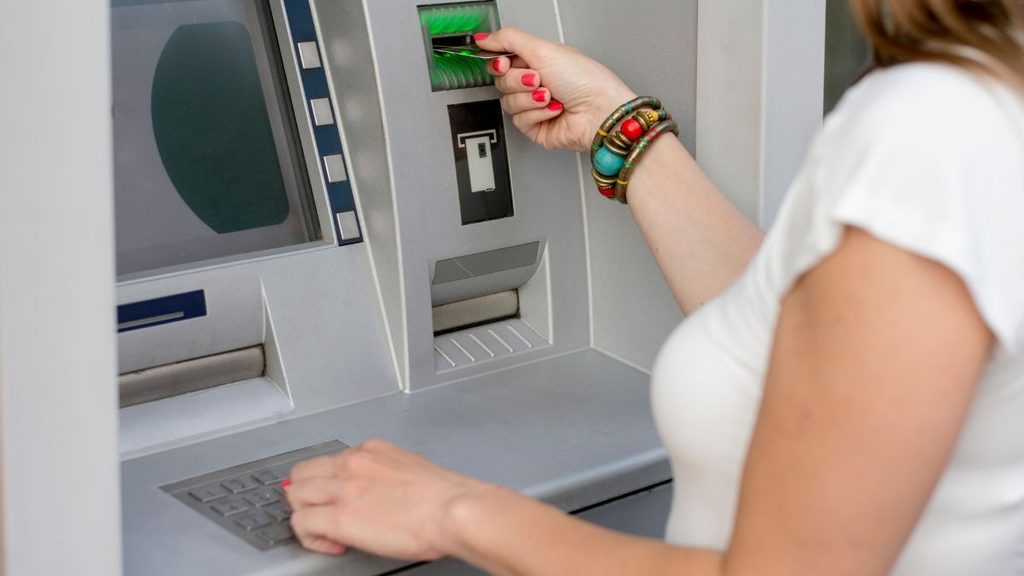
France’s Ministry of the Interior tells visitors to cover the keypad when entering the PIN and not let other people distract them.
Banque de France gives similar advice. Follow what appears on the ATM screen and do not accept help from a stranger standing beside the machine.
Take the card and cash, put both away, then leave. Do not stand beside the ATM counting money.
Where Your Phone, Wallet, Passport, and Cards Should Go
Security gear helps only when you actually use it.
A simple zipped bag that stays in front of you can be more useful than an expensive security bag you constantly leave open.
| Item | Better place | Riskier place |
|---|---|---|
| Phone | Zipped front bag or secure inner pocket | Open pants pocket or café table |
| Wallet | Closed inner compartment | Back pocket |
| Passport | Secure inner compartment or money belt | Easy access outer pocket |
| Main card | Separate secure compartment | Loose inside an open bag |
| Backup card | Separate from main wallet | Beside the main card |
| Cash | Small daily amount | Large visible bundle |
20. Split Your Important Items
Do not put your passport, every bank card, and all your cash in one wallet.
Carry what you need for the day. Keep a backup payment method somewhere separate.
The French Interior Ministry recommends carrying as little cash as practical and says visitors should not keep wallets or phones in back pockets. It also recommends keeping copies of identity documents at the hotel or temporary accommodation.
A money belt can work for a passport and emergency card, but it is optional. A closed inner pocket or secure front bag can also be practical.
What to Do in the First 10 Minutes After Something Is Stolen

Even careful travelers can lose something.
What happens next matters because a stolen phone or wallet can quickly become a bank, identity, and travel problem.
21. Follow This Order Instead of Chasing the Thief
First, get somewhere safe. If force, threats, or immediate danger are involved, call police on 17 or the European emergency number 112. Service Public confirmed these emergency numbers in April 2026.
Next, protect your accounts. Freeze or block stolen bank cards as quickly as possible. France’s Economy Ministry advises people to block a stolen card without delay and then check for unauthorized transactions.
Then secure the phone. Use the phone maker’s remote location and lock tools where available. If possible, contact your carrier as well.
If your phone is stolen, having the IMEI number saved somewhere else can help. French Service Public says an IMEI is needed when reporting a stolen mobile phone to police in France.
| What was stolen | First action | Next action |
|---|---|---|
| Phone | Lock it remotely | Contact carrier and report theft |
| Bank card | Freeze or block it | Check transactions |
| Wallet | Block cards | Report the theft |
| Passport | Report theft | Contact your embassy or consulate |
| Bag on Metro or RER | Speak to RATP staff | File the appropriate complaint |
| Property taken with violence | Get to safety | Call 17 or 112 |
A Paris Metro Theft May Be Reported Directly Through RATP
RATP offers a useful option for tourists.
You may be able to file a complaint through staff at a Paris RATP ticket desk when:
• You are a tourist.
• The theft happened without violence on the Metro or RER network.
• You cannot immediately identify the thief.
• The estimated stolen property is worth less than €1,000.
The complaint can be handled in French or English, and RATP says the report can help with later insurance or administrative claims.
If those conditions do not fit your case, RATP advises going to a police station or gendarmerie.
France also has an online system for reporting property crimes when the offender’s identity is unknown. Service Public states that foreign tourists can use the service and that an English form is available.