
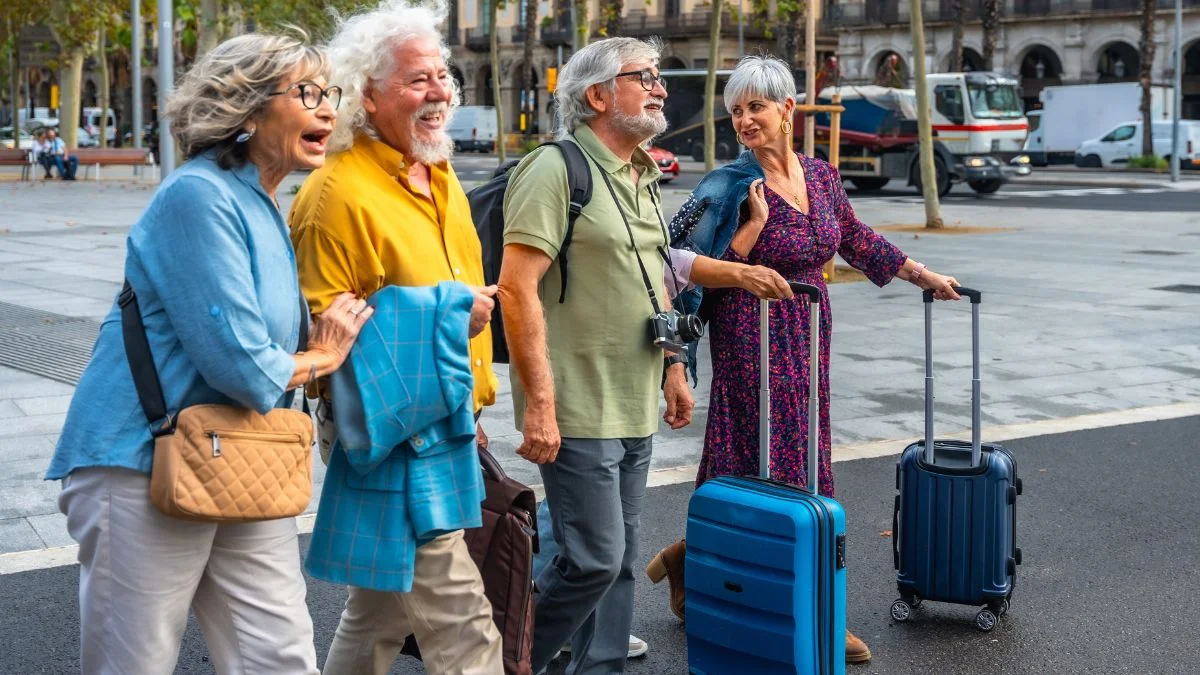
Retirement gives many people more time to travel, visit family, explore new places, and enjoy experiences they postponed for years. But after 60, some travel risks become harder to notice until they create a serious problem. Many older adults are active, independent, and healthy.
The problem is that travel places different demands on the body than normal daily life. Long flights, unfamiliar places, changes in sleep, new foods, and busy schedules can affect older travelers in ways they may not expect. The hidden dangers of traveling after 60 are not reasons to stop exploring. There are reasons to prepare better.
1. How Travel Stress Changes After 60

Many seniors feel capable because they are active at home. Travel, however, places different demands on the body. A normal day at home often follows a familiar routine. You know where everything is, when you rest, and how much activity you can handle. Travel removes that comfort zone.
A single travel day may include waking up early, carrying luggage, walking through large airports, waiting in lines, sitting for hours, and dealing with new surroundings. For younger travelers, exhaustion may disappear after one good night of sleep. After 60, recovery can sometimes take longer.
Changes in sleep patterns are also common with age. Crossing time zones can make tiredness, confusion, and poor concentration worse. This matters because fatigue can increase the chance of mistakes. Plan rest time during your trip. Avoid packing too many activities into one day.
Choose comfortable travel schedules when possible. Give yourself time to recover after long flights. A successful trip is not about doing the most things. It is about having enough energy to enjoy them.
2. Medication Mistakes Can Turn A Good Trip Into A Health Problem

Medication problems are one of the most common travel mistakes seniors should avoid. Many older adults take daily medicines for conditions such as high blood pressure, diabetes, heart problems, or other health needs. Travel can disturb the routines that normally keep medication use simple.
A change in time zones can create confusion. A traveler flying from New York to Europe may suddenly be taking medicine at a different local time. Some people also make the mistake of packing medication in checked luggage.
If a bag gets delayed or lost, important medicines may not be available. Another problem is forgetting refills before leaving home. Running out of medication in another city or country can create unnecessary stress. Carry medicines in your hand luggage. Bring enough medication for the entire trip plus extra days.
Keep a written medication list. Save your doctor’s contact information. Ask your doctor about time zone changes if needed. The CDC recommends that travelers plan ahead for medical needs before leaving home. A few minutes of preparation can prevent major problems later.
3. Why Dehydration Happens Faster Than Many Seniors Realize
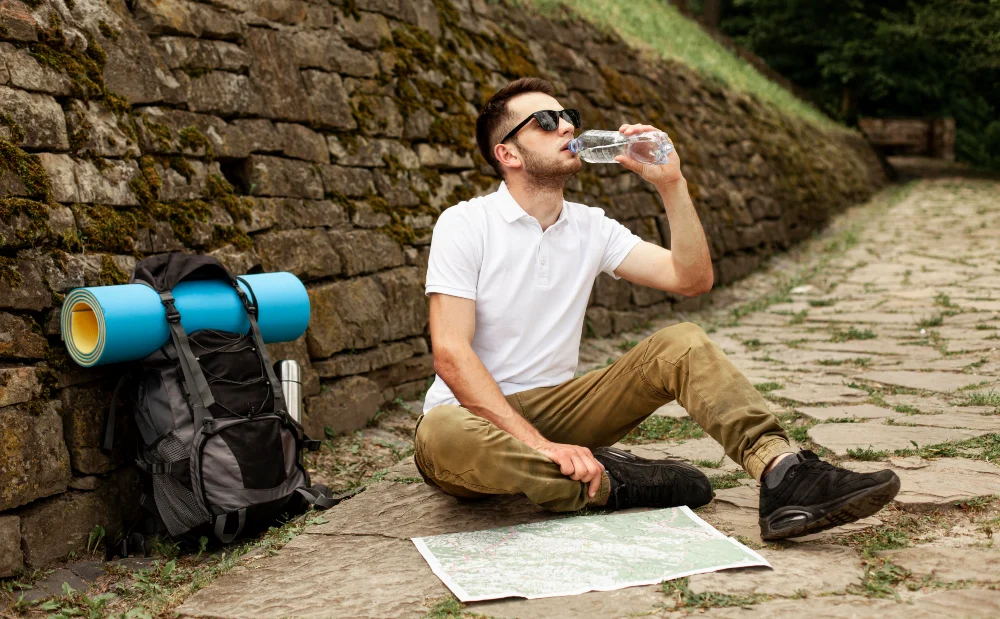
Dehydration is an easy problem to overlook during travel. Older adults may not always feel thirst as strongly as younger people. This means the body may need water before you notice obvious signs. Air travel can make the problem worse. Airplane cabins have low humidity, and long flights often involve sitting for many hours.
Hot destinations create another challenge. A vacation in places with high temperatures, such as tropical islands or desert areas, can increase fluid loss. Some medications can also affect how the body handles heat.
Drink water regularly. Carry a refillable water bottle. Limit alcohol too much during flights. Take breaks in hot weather. Staying hydrated is a simple step, but it can make a major difference during travel.
4. Why Falls Become A Bigger Risk In Airports And Hotels
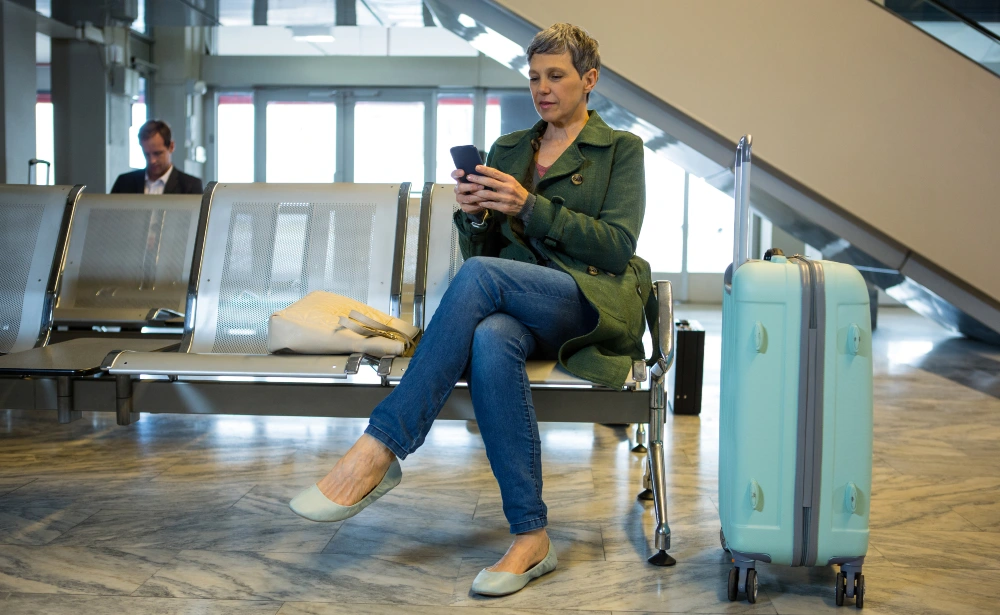
Falls are one of the biggest safety concerns for adults over 65. Travel can increase the risk because many places are unfamiliar. Airports create several challenges. You may be carrying bags, walking on moving walkways, rushing to a gate, or stepping onto escalators while distracted.
Hotels can also create problems. A bathroom floor may be slippery. Lighting may be poor. Furniture placement may be different from what you expect. A fall that causes a small injury at home can become a serious setback during a trip.
You may need medical care far from home. Your plans may change. Recovery may take longer. Check bathroom safety. Turn on lights at night. Remove anything that creates a trip risk. Ask for a safer room if needed. Comfortable shoes also matter. Stylish shoes that lack support may look good but increase the chance of slipping or losing balance.
5. How The Wrong Travel Insurance Can Create Expensive Problems

Many seniors assume their normal health coverage will protect them everywhere. This is one of the biggest mistakes when planning international travel after 60. For example, many travelers with Medicare do not realize that Medicare usually provides very limited coverage outside the United States.
A medical emergency in another country can become expensive quickly. Hospital treatment, Emergency transportation, Medical flights back home, Additional hotel stays
Travel insurance is not the same for everyone. Some plans focus on cancellations. Others provide emergency medical coverage or evacuation benefits. Before buying a policy, check what it actually covers.
6. Why You Should Not Underestimate Walking During Travel
Many seniors prepare for a trip by thinking about the destination, but they forget how much walking the trip itself may require. A vacation can involve far more steps than a normal day at home. Airports can require long walks between terminals.
Museums, historic areas, cruise ports, and sightseeing locations often involve standing and walking for hours. A person may feel comfortable walking around their neighborhood but struggle after several days of constant activity.
This is especially common during international trips where travelers spend full days exploring cities. Start walking regularly before your trip. Choose comfortable shoes with good support. Plan breaks during sightseeing days.
Use mobility support if needed. A good travel plan does not mean doing everything in one day. It means having enough energy to enjoy each experience.
7. How Heat And Sun Exposure Can Become Dangerous After 60
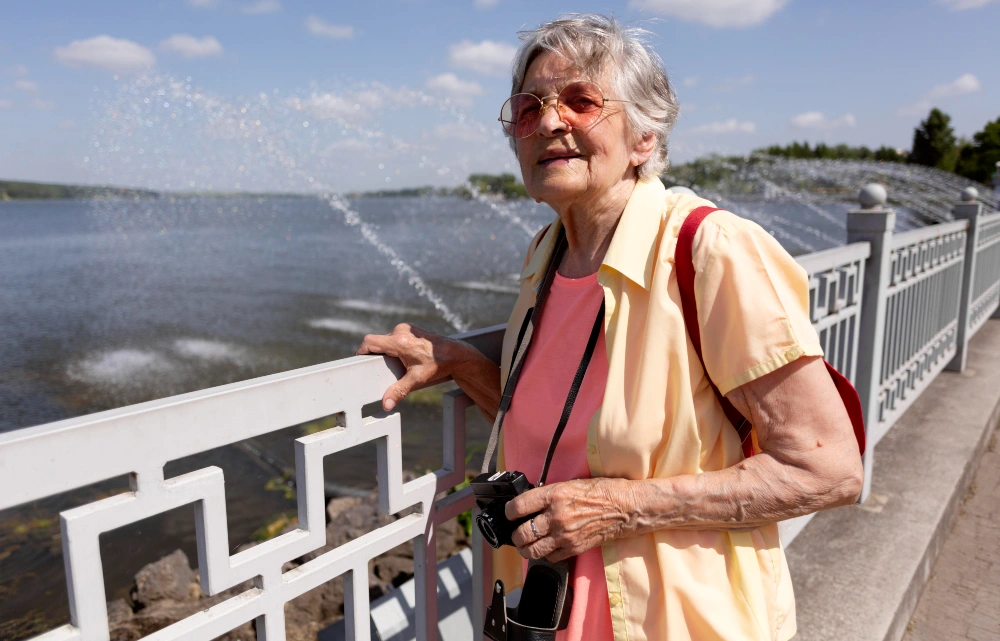
Warm destinations are popular with travelers, but heat can affect older adults differently. As people age, the body may not adjust to temperature changes as quickly. Some medications can also make people more sensitive to heat or sunlight.
A beach vacation, summer city tour, or desert trip can become risky without proper planning. Heat-related problems may begin with mild symptoms such as tiredness, dizziness, or weakness. Ignoring these signs can lead to more serious problems.
Avoid the hottest part of the day. Drink water often. Wear light clothing and a hat. Take breaks in shaded areas. Know the signs of heat illness. A relaxing vacation should include time to cool down.
8. Why Food And Water Problems Can Hit Seniors Harder
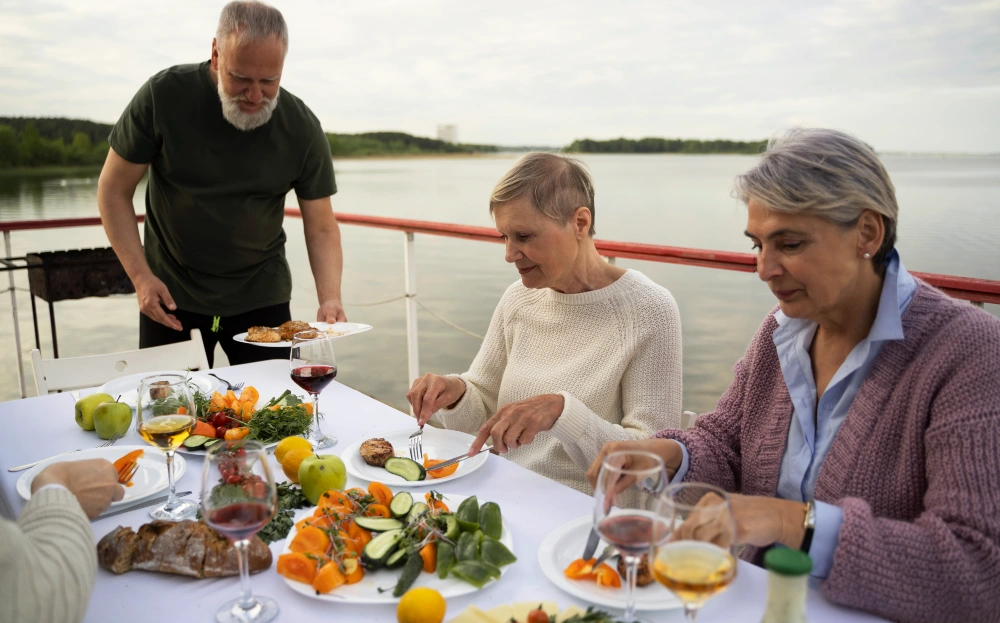
Trying local food is one of the best parts of travel. However, food safety becomes more important as you get older. Food poisoning can happen anywhere, especially when traveling to places with different food handling standards.
Older adults may have a harder time recovering from severe stomach illness because dehydration can happen quickly. Raw or undercooked foods, unsafe drinking water, food left at unsafe temperatures, and poor kitchen hygiene. Choose busy restaurants with fresh food.
Eat meals that are cooked fully. Drink safe bottled or treated water when needed. Be careful with street food if hygiene is unclear. You do not need to avoid local foods. You need to make smarter choices.
9. Why Skipping Travel Vaccines Can Create Problems
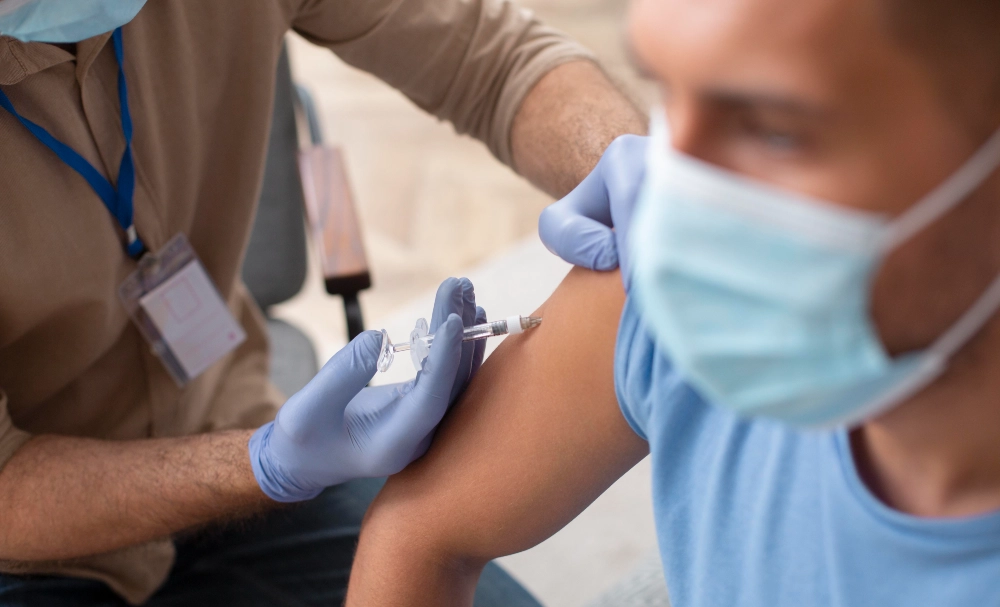
Many travelers check their flights and hotels but forget to review their health needs before leaving. Different destinations can have different health risks. Before traveling, older adults should check whether they need updated vaccines or health advice.
Flu protection COVID updates Destination-specific vaccines Some illnesses that are mild for younger adults can create bigger problems for older travelers. A health check before traveling can prevent problems later.
10. Why Emergency Planning Matters More After 60
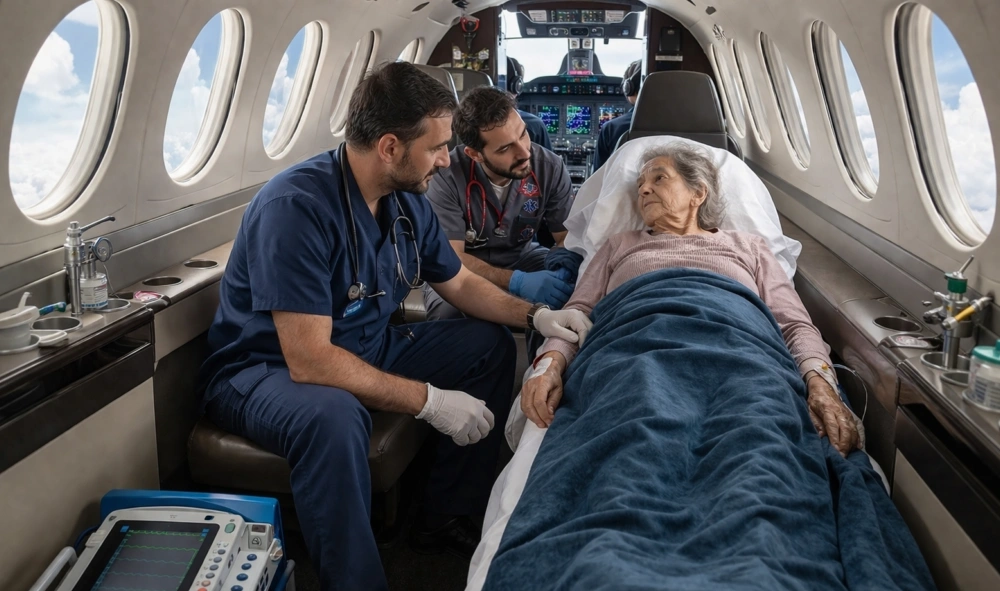
Many people hope they will never face a medical emergency during travel. But hoping for the best is not the same as being prepared. A sudden illness, injury, or hospital visit can become stressful when you are far from home.
The problem becomes bigger if important information is missing. Doctors in another location may need to know what medicines you take, what health conditions you have, who to contact, and what insurance coverage you have
Medication list, Doctor contact details, Insurance information, Emergency contacts, Copies of important documents. A simple folder can save valuable time during an emergency.
11. How Travel Scams Target Older Adults
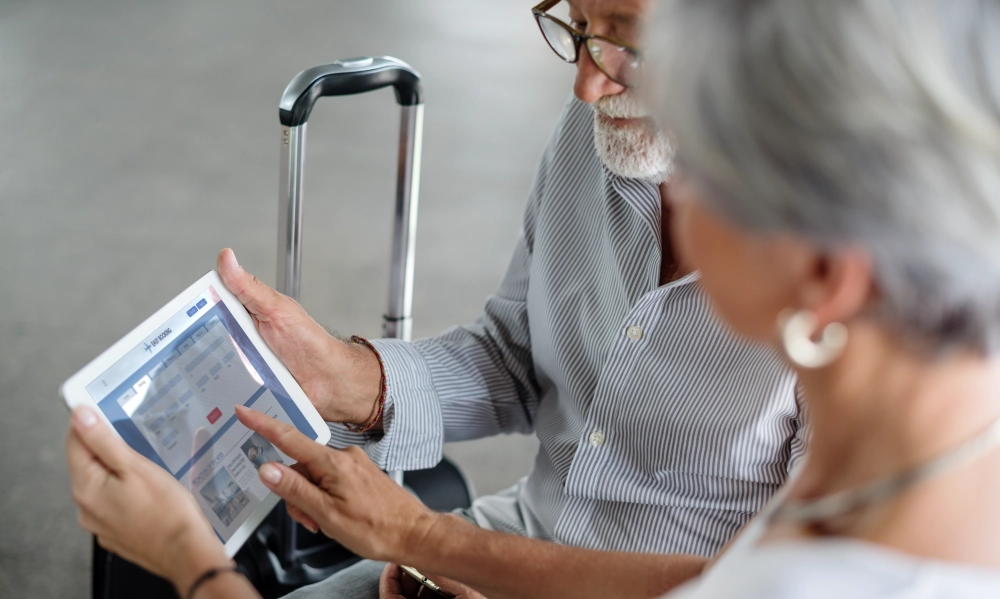
Travel scams can happen to anyone. However, criminals often target older adults because they may have savings, retirement income, or less experience with certain online tricks. Fake emergencies involving family members, fake booking websites, taxi overcharging, ATM scams, and people offering unwanted help with money or documents.
Scammers often create pressure. They may tell you that you must act immediately. Do not rush decisions. Verify information before paying. Use a trusted booking website. Avoid sharing financial information with strangers. A few seconds of caution can prevent a major loss.
12. Why Losing Documents Can Ruin A Trip
Important documents are easy to lose when you are outside your normal routine. A passport, identification card, insurance information, or prescription list can become difficult to replace while traveling. Many travelers keep everything in one wallet or bag. If that item disappears, everything disappears.
Passport, identification, insurance cards, medication information, emergency contacts. Store copies safely online or separately from your original documents. Preparation makes stressful situations easier to handle.
13. Why Long Flights Can Increase Blood Clot Concerns
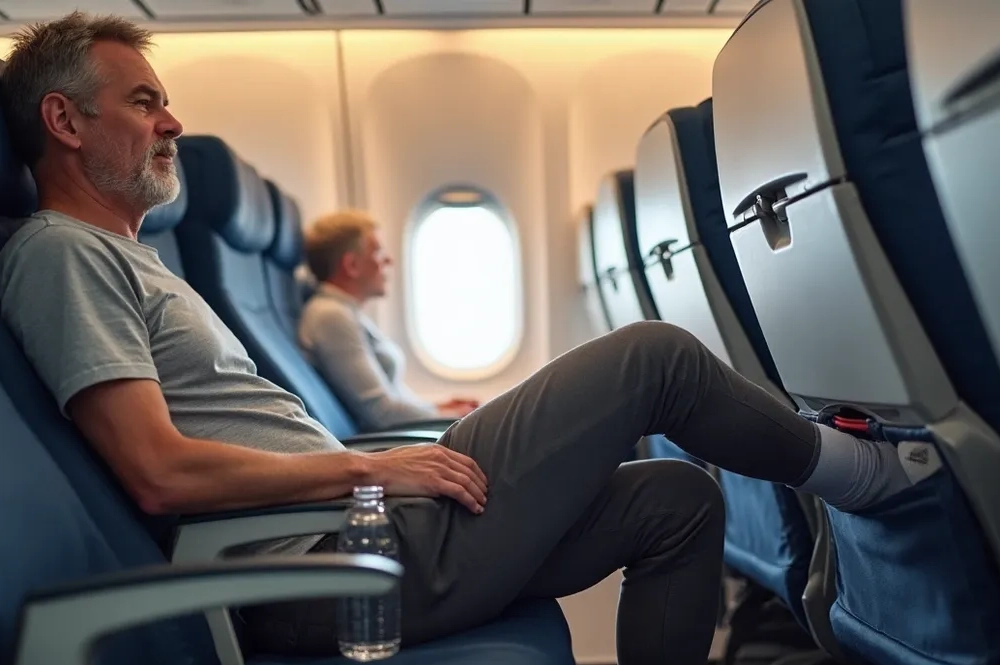
Long flights require sitting for many hours. This can increase the risk of blood clots for some travelers. The risk may be higher for people who have certain health conditions or previous clot problems. Sitting still for a long time can slow blood flow in the legs.
Move your legs regularly. Walk around when possible. Drink enough water, wear comfortable clothing, and ask your doctor about your personal risk. You do not need to avoid long flights. You need to prepare properly.
14. How Poor Sleep Can Affect Your Travel Decisions

Travel often changes your normal sleep schedule. A different time zone, early flights, and unfamiliar hotel rooms can affect sleep quality. Poor sleep can make you feel tired, less focused, and less steady on your feet. This matters because travel requires many decisions.
You may need to read signs, follow directions, manage money, or remember schedules. Adjust your schedule slowly. Rest after long flights. Avoid planning too many activities on arrival day. Keep a regular bedtime when possible. A rested traveler is a safer traveler.
15. Why Hearing And Vision Problems Can Create Travel Risks
Small hearing or vision problems can become bigger during travel. A missed airport announcement can mean missing a flight. Difficulty reading signs can create confusion in unfamiliar places. Hearing loss may also make conversations harder in crowded areas.
Update glasses before traveling. Carry extra hearing device batteries. Keep important information written down. Ask staff for help when needed. Travel becomes easier when you remove communication barriers.
16. Why Overpacking Creates Physical Problems
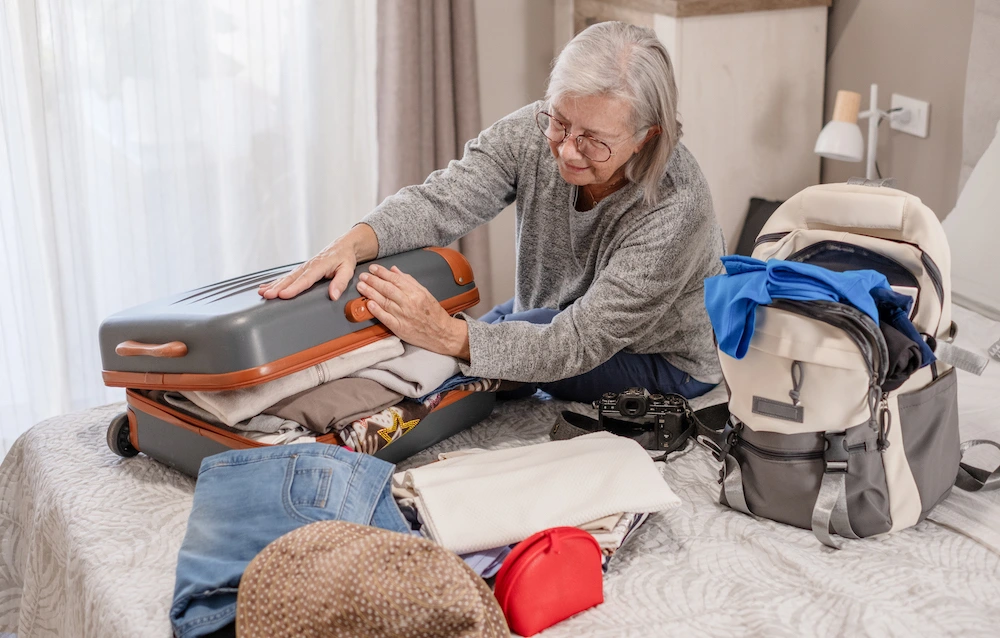
Many travelers pack for every possible situation. The problem is that heavy luggage creates extra physical stress. Large bags can increase the chance of shoulder pain, back strain, fatigue, and falls. Dragging heavy luggage through airports can be exhausting.
Choose lighter bags. Pack clothing that works in multiple situations. Use luggage with good wheels. Ask for help with the heavy bag. Carrying less often means enjoying more
17. Why You Should Not Depend Only On Technology
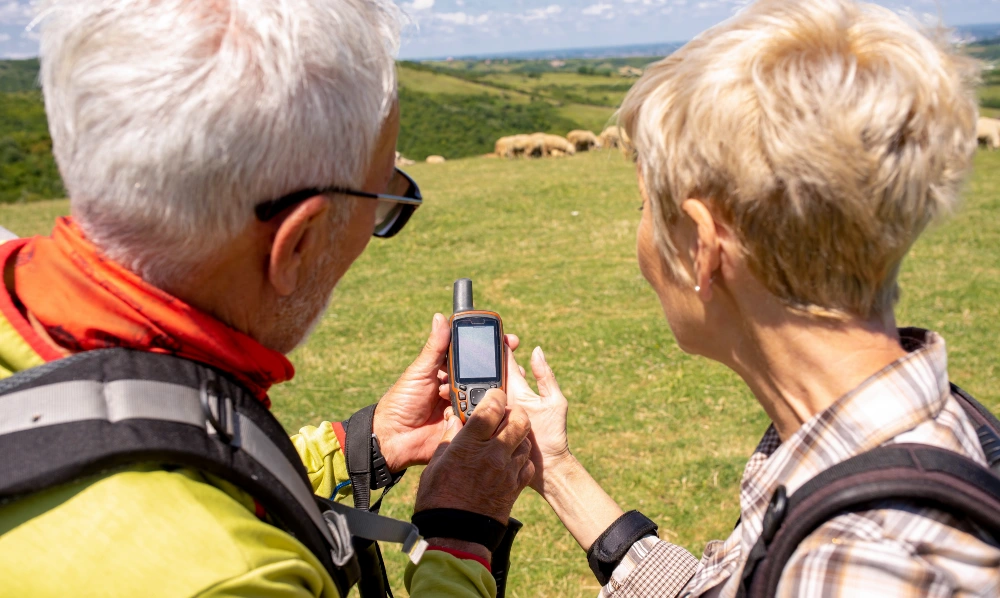
Technology makes travel easier, but it should not be your only plan. Phones can lose battery. Internet connections can fail. Apps can stop working. A traveler who depends only on digital information may face problems during unexpected situations.
Printed travel details, hotel address, emergency phone numbers. Portable charger Technology is helpful. A backup plan is even better.
18. Why Solo Travel After 60 Needs Extra Planning
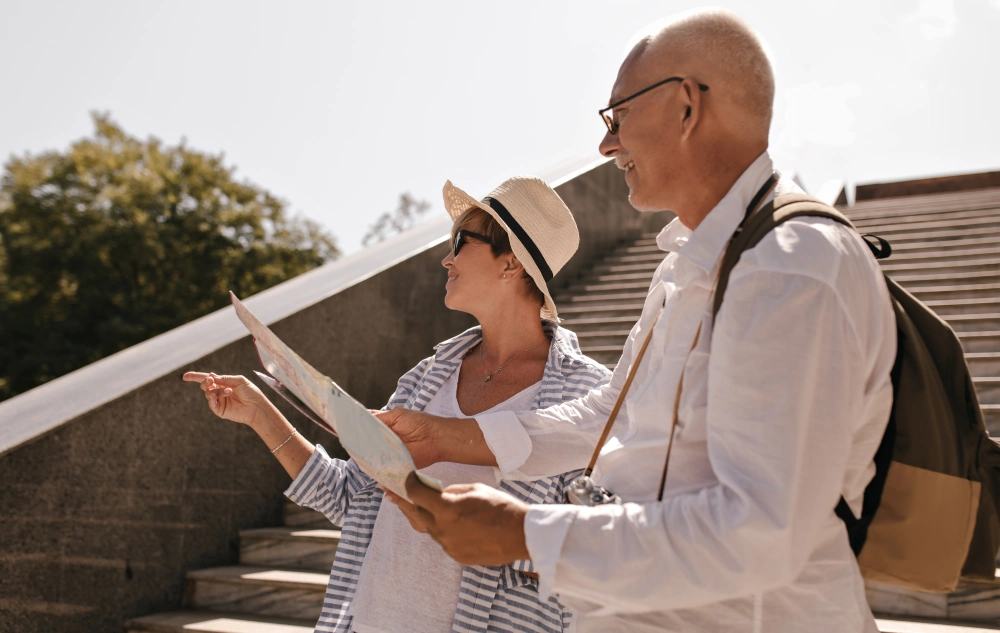
Solo travel can be rewarding, but it requires more preparation. When you travel alone, there is no partner or family member nearby to notice problems or offer immediate help. Small issues can become stressful if nobody knows where you are.
Share your itinerary with family. Set regular check-in times. Research your destination. Keep emergency contacts available. Solo travel works best when independence is combined with preparation.
19. How Travel Needs Change With Age
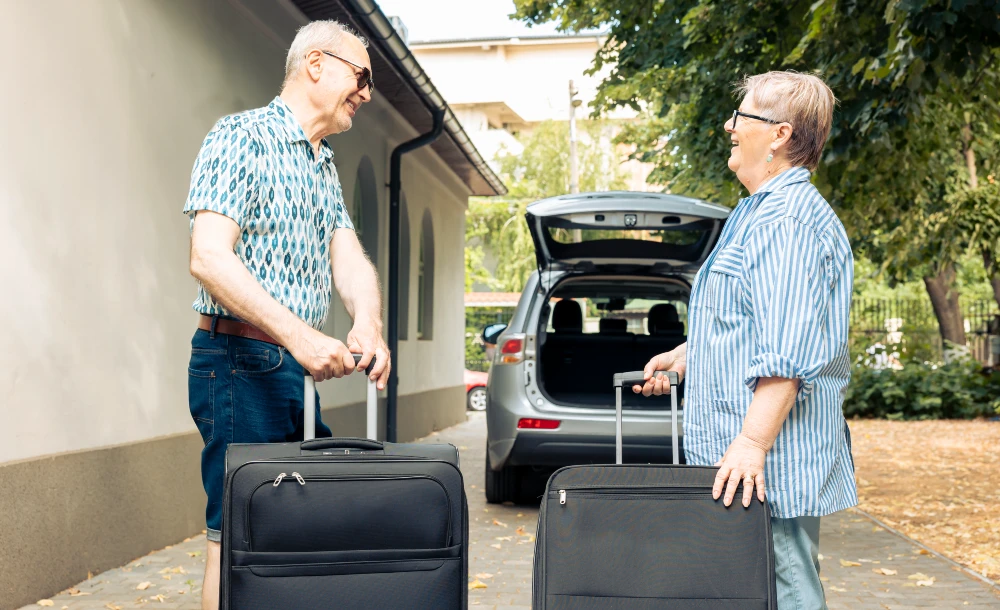
Getting older does not mean you need to stop traveling. It means your travel style may need to change. A trip that worked at 45 may feel different at 65. More rest time, shorter sightseeing days, better planning, and more comfortable transportation.
The goal is not to avoid experiences. The goal is to create experiences that match your needs. Travel smarter. Prepare earlier. Give yourself time to enjoy the trip.