
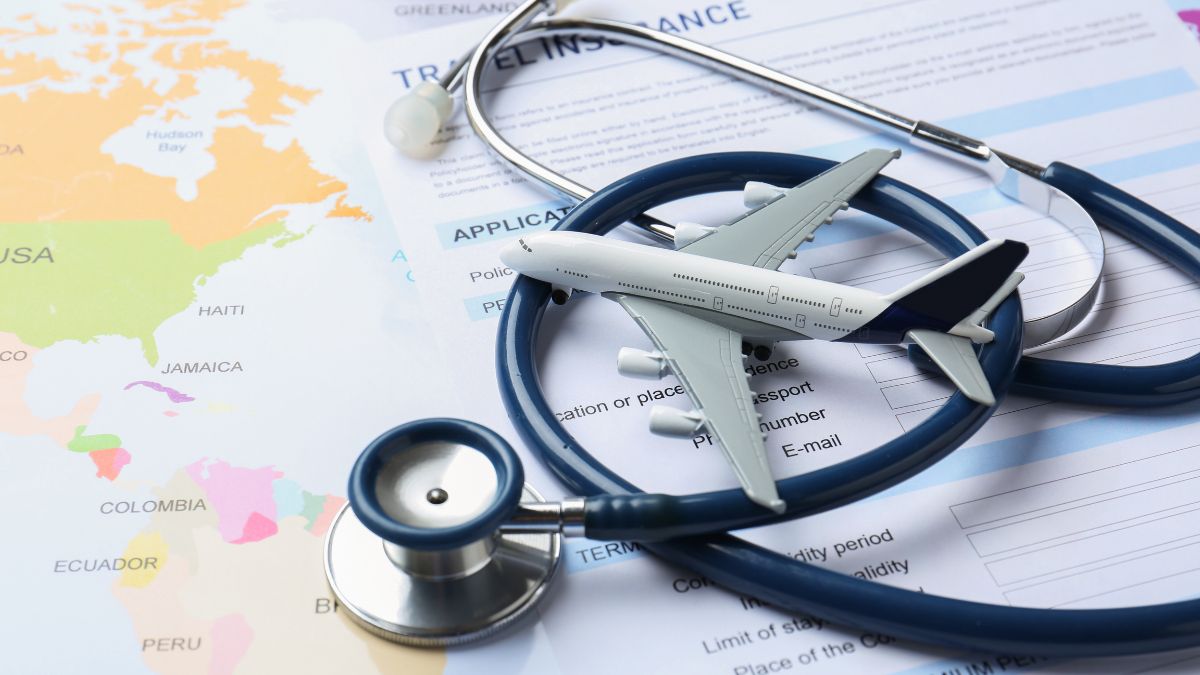
You pack your suitcase, check your passport, and feel ready for your trip. Then something happens that most travelers never plan for. You get sick or injured in another country and discover your regular health insurance may not work the way you expected.
A doctor visit abroad can become stressful when you do not know who will pay the bill. Many US health plans have limits outside the country, and some provide little or no coverage overseas.
That is why travel health insurance matters. It can help fill the gaps left by your regular plan and give you support when you need medical care away from home.
Before your next international trip, you should know what your current insurance covers, what it does not cover, and what extra protection may help.
Why Your Regular Health Insurance May Not Work Overseas
Your health insurance plan is usually designed around a specific network of doctors, hospitals, and rules inside the United States.
When you cross a border, those rules can change.
A hospital in another country may not recognize your insurance card. In some places, you may need to pay the medical bill first and request reimbursement later.
Some private health plans include limited international benefits. Others may cover only emergency situations. The details depend on your policy.
Before traveling, check:
- Whether your plan covers medical care outside the United States
- Whether emergency treatment is included
- Whether there is a maximum payment limit
- Whether you must contact your insurer before receiving care
The US Department of State advises travelers to review their health coverage before leaving because many domestic plans provide limited protection overseas.
A simple assumption can create a large financial problem. Your insurance card may work perfectly at home but offer little help thousands of miles away.
What Medicare Covers Outside the United States
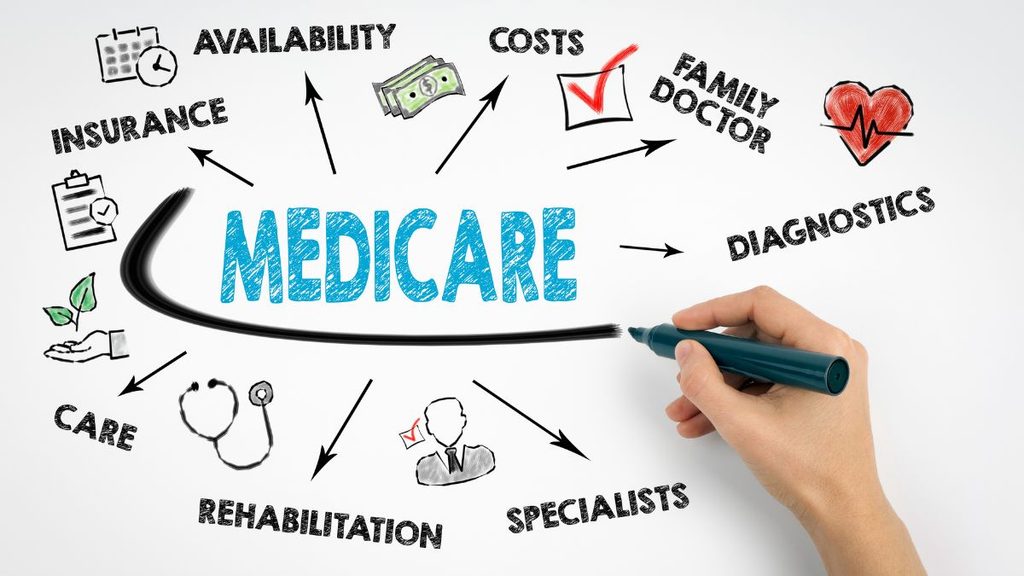
Many older Americans are surprised by Medicare rules when they travel internationally.
According to Medicare.gov, Original Medicare generally does not cover health care outside the United States except in a few specific situations.
For example, some limited coverage may apply when traveling between Alaska and another state through Canada under certain conditions. Other rare situations can also qualify.
Medicare Advantage plans can have different rules. Some plans may include emergency coverage outside the country, but benefits vary by provider.
Before leaving, Medicare users should check:
- Their plan handbook
- Emergency coverage limits
- Whether they need extra travel medical insurance
A person spending a few weeks overseas may have different needs than someone taking several international trips each year.
The key point is simple: Medicare should not be your only assumption when planning medical protection abroad.
The Medical Bills Travelers Often Do Not Expect

Many travelers think about lost luggage or delayed flights first. Medical costs are often the bigger concern.
A minor illness can lead to unexpected expenses. A serious injury can create much larger bills.
Possible costs include:
- Emergency room visits
- Hospital stays
- Doctor appointments
- Prescription replacement
- Medical transportation
- Evacuation to another medical facility
The CDC recommends that travelers consider health risks before international trips and prepare for possible medical needs.
Medical evacuation is one area many people overlook. If a traveler needs specialized care that is unavailable nearby, transportation to another location can become expensive.
A regular health insurance plan may not cover that type of transportation.
This is where medical coverage abroad can become useful. A good policy can provide financial support and assistance during a difficult situation.
What Travel Health Insurance Actually Pays For
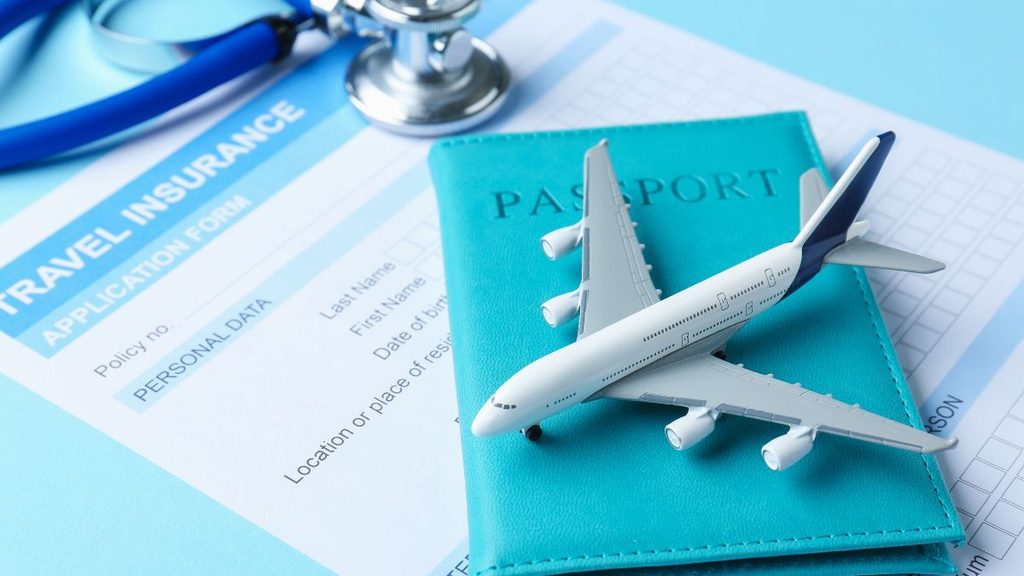
Travel health insurance is designed to provide protection when your regular plan leaves gaps.
Coverage depends on the policy, but many plans may include:
Emergency medical treatment
This can help pay for unexpected illnesses or injuries during a trip.
Examples include:
- A broken bone after a fall
- A sudden infection
- Emergency hospital care
Hospital expenses
If you need to stay in a hospital overseas, coverage may help with eligible costs based on your policy limits.
Medical evacuation
Some plans include transportation to a suitable medical facility when needed.
This benefit can be important because emergency transportation can become very expensive.
Travel assistance services
Many travel insurance companies provide support services that help travelers find medical facilities, communicate with providers, or arrange emergency help.
Companies such as Allianz Partners, AIG Travel Guard, and World Nomads offer travel insurance products with different coverage options.
Each plan has its own limits and exclusions. The cheapest option may not provide enough protection for your trip.
5 Questions to Ask Before Buying Travel Medical Insurance
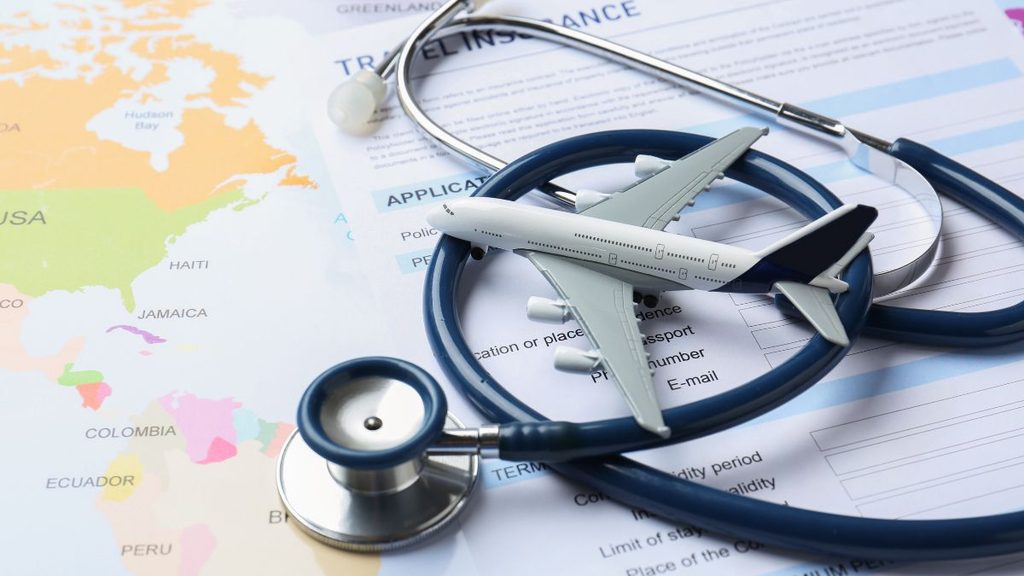
Choosing travel medical insurance requires more than checking the price.
Ask these questions before buying a plan.
1. Does the plan cover your destination?
Some countries may have different requirements or higher medical costs.
Check whether your destination is included before purchasing coverage.
2. Does it cover your existing health conditions?
Some policies have rules about pre existing conditions.
Read the policy carefully and ask questions if you are unsure.
3. What are the emergency limits?
A policy with a low medical limit may leave you responsible for major expenses.
Look at:
- Maximum medical coverage
- Hospital coverage
- Evacuation limits
4. Does it include medical evacuation?
A serious emergency may require transportation to another city or country.
This benefit can be important for travelers visiting areas with limited medical facilities.
5. How does the claim process work?
Before buying a policy, learn:
- What documents you need
- How to contact the company
- Whether you pay first or the insurer pays directly
A clear claim process can reduce stress during an emergency.
Common Travel Insurance Mistakes That Cost Travelers Money

Many travelers buy insurance but do not read the details.
One common mistake is choosing a plan only because it has the lowest price.
A cheaper policy may have lower limits or fewer benefits.
Another mistake is assuming a credit card travel benefit replaces full travel medical insurance. Credit cards may offer some travel protections, but coverage can be limited.
Travelers also sometimes ignore exclusions.
Common exclusions may include:
- Certain risky activities
- Specific medical conditions
- Travel against medical advice
Always read the policy before your trip begins.
Buying coverage after a problem starts will usually not help. Insurance works best when you arrange it before an unexpected event happens.
Does Your Credit Card Travel Protection Replace Health Insurance?

Many travelers see travel benefits on their credit card and assume they already have enough protection. A card may offer help with delayed flights, lost bags, or canceled trips, but that does not always mean it will cover medical bills overseas.
This difference matters because medical coverage abroad can become expensive quickly. A credit card benefit that helps with a canceled hotel reservation is very different from coverage that helps pay for a hospital visit in another country.
Before depending on your credit card, check the details carefully.
Look for:
- Emergency medical coverage limits
- Medical evacuation benefits
- Restrictions based on trip length
- Requirements for paying with the card
- Claim rules and required documents
Some premium credit cards include travel protections, but benefits vary by card and issuer. Companies such as Chase, American Express, and Capital One provide different travel benefit packages, so your coverage depends on the specific card agreement.
One common mistake is confusing trip insurance with travel health insurance.
Trip insurance may help with:
- Trip cancellation
- Lost luggage
- Flight delays
- Certain travel disruptions
Travel health insurance is designed for medical problems that happen during your trip.
It may help with:
- Emergency doctor visits
- Hospital treatment
- Prescription needs
- Medical evacuation
A traveler visiting a major city for a short vacation may have different needs than someone spending months overseas or visiting an area with limited medical facilities.
Before leaving, read your credit card benefits and ask one simple question:
“If I become seriously ill overseas, who pays the medical bill?”
If the answer is unclear, additional travel medical insurance may help close that gap.
How Much Travel Health Insurance Do You Really Need?

Choosing travel health insurance is not about buying the biggest policy available. It is about finding coverage that matches your trip, destination, and personal situation.
A short vacation to a country with strong medical facilities may require different protection than a long stay in a remote area.
Several factors can affect the amount of coverage you need:
- Your destination
- Length of your trip
- Your age
- Your health needs
- Planned activities
- Local medical costs
For example, a traveler visiting a major European city may have easy access to hospitals and clinics. Someone traveling to a rural area may face fewer medical options and higher transportation costs if an emergency happens.
Medical evacuation deserves special attention.
A serious injury may require transportation to another hospital or even another country. These services can become very expensive, especially when specialized transportation is needed.
When comparing plans, check:
- Emergency medical coverage amount
- Evacuation and transportation limits
- Coverage for your destination
- Claim process
- Exclusions and restrictions
The CDC recommends that international travelers review health risks before leaving and prepare for possible medical needs during their trip.
The US Department of State also advises travelers to learn about healthcare options and emergency services in their destination country.
A simple checklist can help:
- Check what your current health insurance covers.
- Review Medicare or employer plan rules if they apply.
- Compare travel medical insurance options.
- Choose coverage based on your actual trip.
- Save emergency contacts before departure.
The goal is not to expect something bad to happen. The goal is to avoid being unprepared if a medical problem appears far from home.
The right travel health insurance plan can provide extra support when your regular insurance does not offer enough protection overseas.
How to Prepare Before Leaving the United States
A few simple steps can make your trip safer.
Before departure:
- Check your current health insurance rules.
- Review Medicare or employer plan benefits if they apply.
- Save emergency contact numbers.
- Keep copies of important medical information.
- Compare travel health insurance options.
The CDC recommends checking health information for your destination before international travel.
The US Department of State also provides country information that can help travelers prepare.
Good planning does not remove every risk, but it can make a stressful situation easier to manage.