
Retirement planning can feel exciting until you start searching for the right place to live. Many retirees want lower stress, beautiful surroundings, and a safer daily routine, but they struggle to find a country that offers comfort without huge crowds or rising costs.
That is why Uruguay is catching attention. This small South American country often gets ignored, leaving many people wondering why so few people live there despite its beaches, stability, and relaxed lifestyle.
In this guide, you will learn why almost nobody lives in Uruguay, why retirees are moving there, what life costs, and which cities are worth considering before making a move.
Why Uruguay Has So Few People Despite Its Size
Uruguay has plenty of land, but much of it is not covered by large cities. The country is known for open grasslands, farms, cattle ranches, and rural areas that stretch across much of the interior.
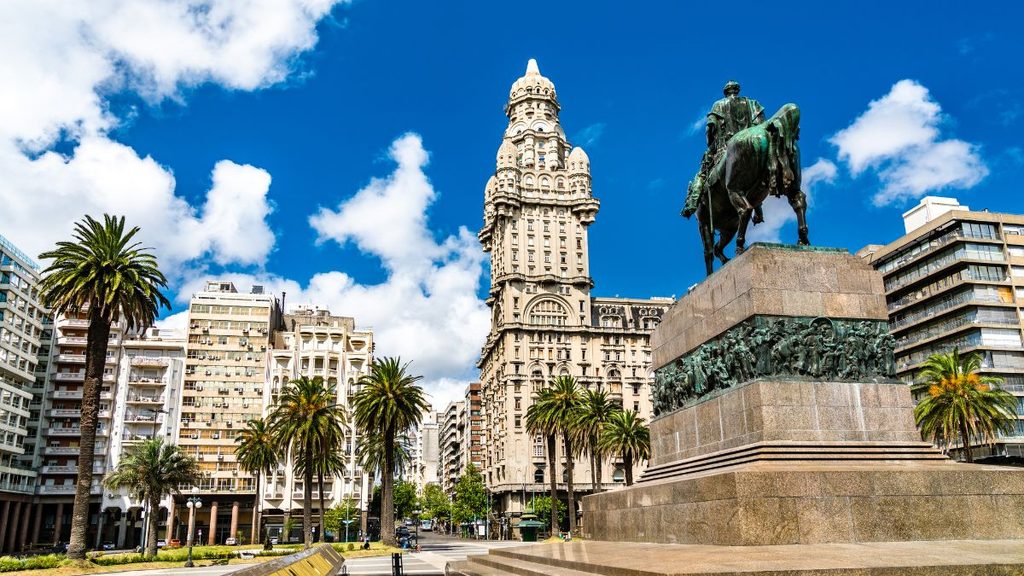
Unlike Brazil and Argentina, Uruguay never developed huge population centers spread across the country. Most people live near the coast, especially around Montevideo, the capital city.
Montevideo is home to a large share of Uruguay’s population. Outside the capital, many communities are smaller and move at a slower pace.
This creates a lifestyle that feels very different from crowded metropolitan areas. Someone leaving a busy American city may notice the difference immediately.
Daily life often includes:
• Shorter travel times
• More outdoor spaces
• Smaller communities
• Less traffic pressure
• Easier access to beaches and nature
The quiet environment is one reason some retirees start looking at Uruguay when comparing places to live abroad.
How Uruguay Became One of South America’s Quietest Countries
Uruguay’s history helped shape the country it is today. Its economy developed around agriculture, livestock, trade, and the important port of Montevideo.
The country also experienced waves of European immigration, which influenced its architecture, food, traditions, and culture. Today, many cities combine historic buildings with modern services.
Uruguay also developed a reputation for political stability compared with many countries in the region. That stability is one factor that attracts people who want a predictable lifestyle after retirement.
Many retirees are not searching for constant excitement after leaving work. They often want a place where they can build simple routines.
A typical day might include walking along the coast, visiting a local market, meeting friends at a cafe, or spending time outdoors.
For some people, that slower rhythm is exactly what retirement should feel like.
Why Retirees Keep Choosing Uruguay

The biggest reason retirees consider Uruguay is not one single feature. It is the combination of safety, lifestyle, healthcare access, and a relaxed environment.
People who research retirement abroad often look beyond low prices. They also consider healthcare, transportation, community, climate, and whether they can enjoy daily life comfortably.
Uruguay offers both city and coastal living.
Montevideo provides hospitals, restaurants, cultural activities, shopping, and public transportation. Smaller coastal towns provide beaches, walking areas, and a quieter atmosphere.
Healthcare is another important factor. Uruguay has public and private healthcare systems, and many retirees research available options before deciding where to settle.
The country also has a reputation for a comfortable lifestyle for older adults. The pace is slower, outdoor living is common, and many neighborhoods are built around walking and local connections.
Popular retirement benefits include:
• Coastal towns with ocean views
• A calmer daily routine
• Access to city services
• Mild seasons compared with many colder regions
• A strong café and outdoor culture
However, Uruguay is not perfect for every retiree. The best location depends on your budget, health needs, language skills, and lifestyle preferences.
What Is the Cost of Living in Uruguay for Retirees?

Many people assume Uruguay is one of the cheapest places to retire in South America. The reality is more balanced.
Some expenses can be lower than major cities in the United States, but Uruguay is not always a bargain destination. Housing prices vary greatly depending on where you live.
Montevideo generally costs more than smaller towns. Beach areas such as Punta del Este can also become expensive, especially during popular travel seasons.
Before moving, retirees should create a realistic budget that includes:
• Rent or housing costs
• Healthcare expenses
• Food shopping
• Transportation
• Insurance
• Travel back home
• Currency changes
A person living in a smaller town may spend differently from someone renting a coastal apartment in a popular area.
Websites that compare international costs can provide a starting point, but personal research matters more. A short visit before moving can help you understand real prices.
Try staying in different areas, shopping at local stores, using transportation, and talking with residents.
A place that looks perfect online may feel different when you experience normal daily life.
The Best Places to Live in Uruguay After Retirement
Montevideo Gives You Services Without a Massive City Feel
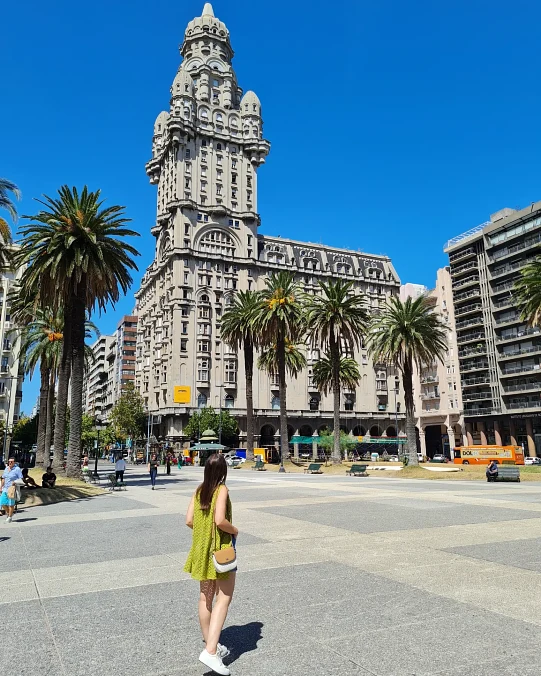
Montevideo is often the easiest choice for retirees who want convenience.
The capital has the country’s largest selection of hospitals, restaurants, museums, parks, and shopping areas. Coastal neighborhoods also offer walking paths and views of the water.
For retirees who want access to healthcare and entertainment, Montevideo provides the most options.
The city feels active but usually does not have the same overwhelming pace as larger capitals around the world.
Punta del Este Offers Beach Living
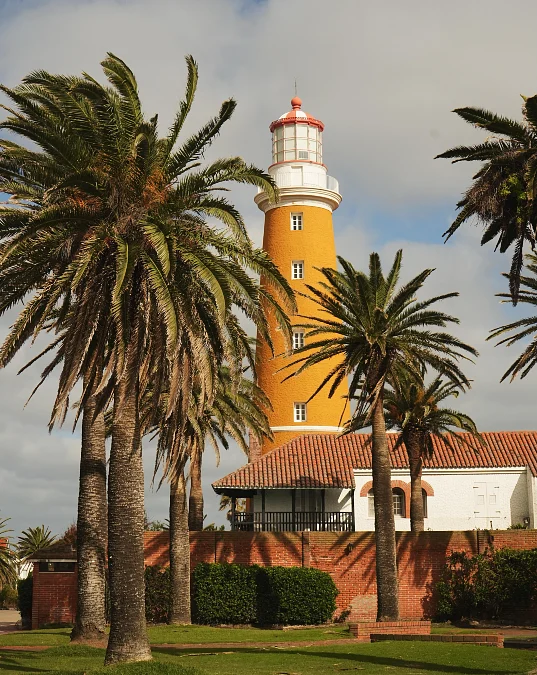
Punta del Este is one of Uruguay’s best known coastal destinations.
The area attracts visitors with beaches, restaurants, and beautiful ocean views. During summer, the population grows as tourists arrive.
Outside the busiest months, some areas become much quieter.
Retirees who love the idea of morning walks near the ocean may find Punta del Este appealing. The downside is that popular locations can come with higher housing costs.
Colonia del Sacramento Offers Historic Charm
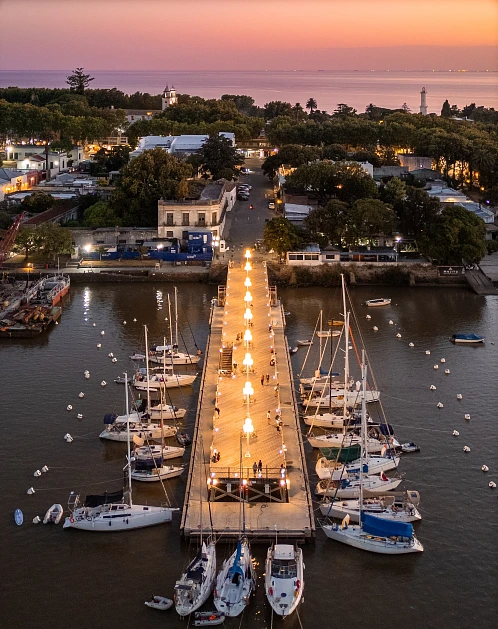
Colonia del Sacramento attracts people who enjoy history and a slower lifestyle.
The city is famous for its historic district, old streets, and views across the Rio de la Plata. Its smaller size makes it appealing for retirees who prefer walking over driving.
Life here feels more relaxed than in a major city.
It is a place where enjoying the surroundings becomes part of the daily routine.
Maldonado Provides Coastal Access With Local Life
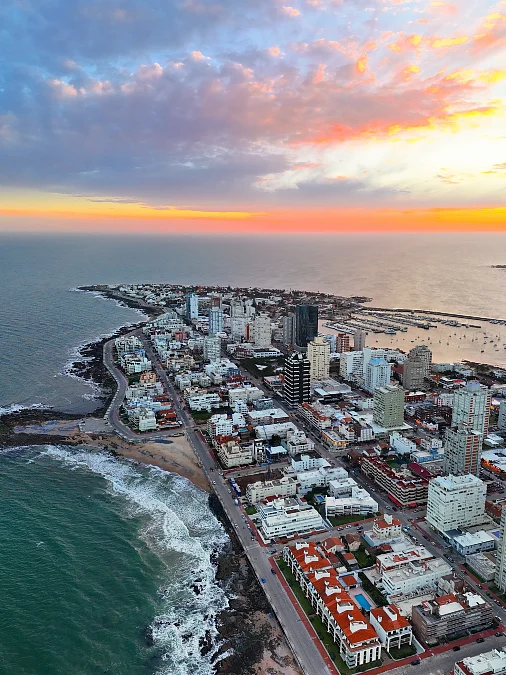
Maldonado offers another option near the Punta del Este area.
Some retirees choose it because it provides access to beaches while keeping a more local feeling.
It can appeal to people who want coastal living but prefer a community that feels less focused on tourism.
What Retirees Should Know Before Moving to Uruguay

Moving abroad sounds exciting, but it requires careful planning.
The biggest adjustment for many foreigners is language. Spanish is important for daily conversations, paperwork, healthcare visits, and building friendships.
Another challenge is distance from family. A peaceful retirement location may also mean longer flights and fewer spontaneous visits with loved ones.
Some imported products can also cost more because they must travel long distances before reaching stores.
Before moving, consider:
• How often you want to visit family
• Whether you are comfortable learning Spanish
• How close you need medical services
• Whether you prefer city or small town life
• How your budget handles unexpected costs
A short trial stay can reveal problems before you make a permanent move.
Why Uruguay’s Quiet Lifestyle Appeals to Retirees
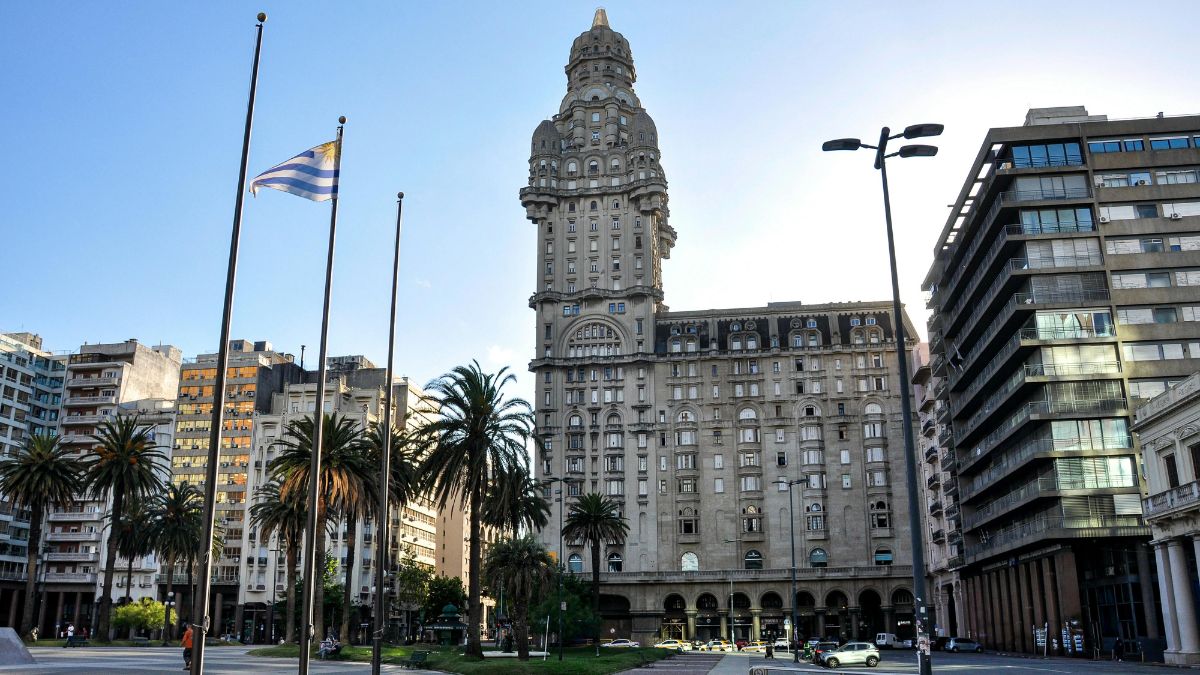
The reason why almost nobody lives in Uruguay is also part of its appeal.
The country does not offer massive cities or nonstop activity. Instead, it offers open spaces, coastal communities, and a slower way of life.
For some retirees, that is exactly the goal.
They are looking for fewer crowds, simpler routines, and a place where each day feels easier to manage.
Uruguay may not be the right choice for everyone. It requires adjusting to a new language, a different culture, and life farther from home.
But for retirees who want peace, nature, and a comfortable pace, Uruguay remains one of the most interesting places to consider.
Before deciding to retire in Uruguay, visit first, compare different towns, and build a realistic budget. The quiet lifestyle that attracts people there is also the biggest reason many retirees never want to leave.