

You may picture retirement in a sunny town where rent is low and dinner costs less. That dream can be real. But it leaves out some hard questions.
What happens when you need surgery? Can you renew your visa without working or attending school? Will you enjoy the weather when the hot season lasts for months? How often can you afford to see your children and grandchildren?
These problems have sent some retirees home much sooner than expected.
Public stories do not always confirm a person’s name, retirement status, move date, and return date. For that reason, this article does not invent personal details. It reports the real patterns found across available accounts.
| Common concern | What it can affect | Question to ask |
|---|---|---|
| Health care | Safety and savings | Who will treat me during a serious illness? |
| Visa rules | Right to remain | Can I renew without working or studying? |
| Family distance | Emotional health | How often can I return home? |
| Climate | Daily routine | Have I tested the worst season? |
| Language | Independence | Can I handle a medical visit alone? |
Why the First Two Years Reveal So Much

A short vacation tests restaurants, scenery, and hotel service. It does not test prescription refills, taxes, residency renewals, or months without family.
The first few months can also feel exciting. Even grocery shopping may seem new. That feeling often fades once daily life begins.
Social ties take time to build. A 2025 American Psychological Association report compared 4,995 Dutch retirees living abroad with 1,338 retirees who stayed in the Netherlands.
The retirees abroad reported more social loneliness. Reduced contact with friends in their home country was linked with social and emotional loneliness.
This does not mean you will be lonely abroad. It means sunshine and low rent cannot replace close relationships.
Coming home also does not mean the move failed. A return can be a careful response to new health needs, family duties, or visa trouble.
15 Reasons Retirees Who Moved Abroad Came Home
1. Their Visa Plan Had an End Date
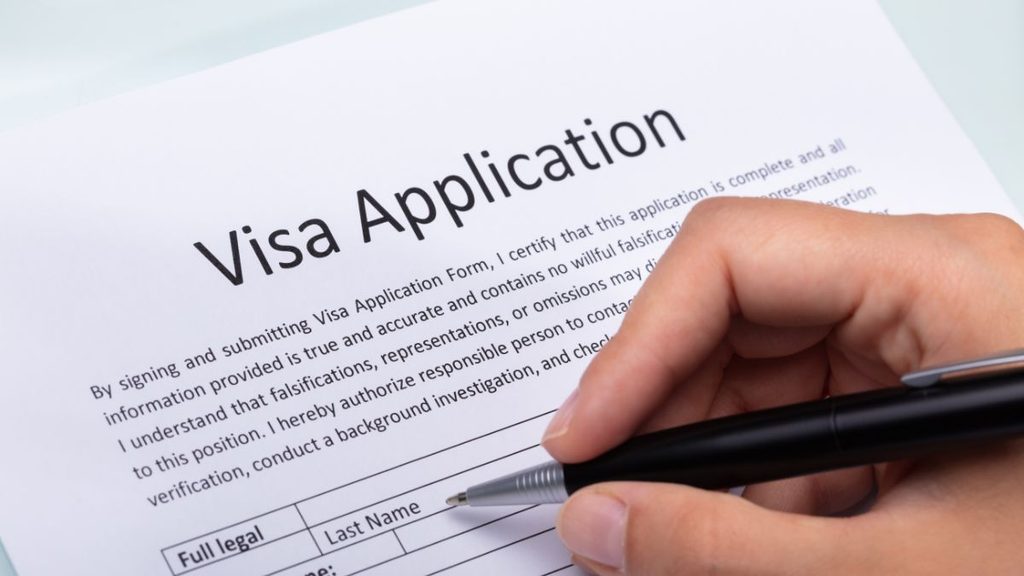
Bettye, the writer behind Fashion Schlub, retired at 62 and moved to South Korea in August 2023. She entered through a university language program and received a student visa.
That gave her a legal way to live in the country. It also tied her right to remain to her school program.
By August 2025, her visa period was ending. She left South Korea and returned to the United States.
Her experience shows why a legal entry route is not always a permanent retirement plan.
Before moving, ask:
- What happens when my first visa expires?
- Can I renew it after age 65 or 70?
- Does renewal require school, work, income, or private insurance?
- Is permanent residence possible?
- Could a health problem stop me from meeting the visa rules?
Get your answers from the country’s official immigration service. Advice in an online group may be old or incomplete.
2. A Health Crisis Changed the Whole Plan

While living in South Korea, Bettye suffered a detached retina. She needed surgery and repeated medical care.
A country can have excellent doctors and still be hard for you during a health crisis. You may need translation help, transport after treatment, and someone who can deal with forms.
Returning to the United States also restored access to the health system connected with her Medicare coverage.
Ask yourself one direct question: Who would help you during six weeks of limited sight or movement?
If the answer is no one, your plan needs more support.
3. Their Visa Route Felt Too Much Like Work

Bettye’s student route required her to attend classes and meet the rules of her program. That may sound exciting at first. It can also turn retirement into another full schedule.
A visa tied to study, employment, or volunteer service controls part of your time. Missing classes or ending the program may affect your right to stay.
Check the weekly demands before choosing this route. Then ask if you could meet them while sick, tired, or caring for a spouse.
A legal path works best when its duties fit the retirement you want.
4. The Climate Kept Them Inside

Faith and Huw began retirement with a move to Mexico. They expected a low cost life in a warm country.
After just over a year, Faith wrote that the heat was a major problem. Mexico was not the fit they had expected. They later built a different life through housesitting in Europe.
Warm weather sounds good during a cold winter. Constant heat is different.
It can limit walking, cycling, gardening, and outdoor meals. Air conditioning costs can also reduce the savings that drew you there.
Visit during the hottest, wettest, or darkest season. Stay long enough to cook, shop, sleep, and exercise as you normally would.
5. The Promised Savings Did Not Appear
Faith and Huw also found that the promise of a cheap life was not enough to make Mexico right for them.
Countrywide cost rankings often hide local differences. A popular expat town may cost far more than a rural area.
Imported food, private medical care, flights, residency fees, and air conditioning can add a large amount to your budget.
| Expense | Easy to overlook | Better planning method |
|---|---|---|
| Housing | Deposits and repairs | Price the exact neighborhood |
| Health care | Insurance exclusions | Request written policy details |
| Utilities | Seasonal cooling costs | Check bills from the hottest months |
| Travel | Emergency flights | Price travel during holidays |
| Residency | Renewals and legal help | List each annual fee |
| Food | Imported brands | Build a local grocery basket |
Build your budget around the life you will actually live. Cheap rent cannot rescue a plan that ignores everything else.
6. They Needed Doctors Who Knew Their Case

Wayne and Bonnie moved to Uganda in January 2016 after retirement. They had experience in the area and planned to stay longer.
The plan changed when Bonnie was diagnosed with melanoma. They returned to the United States in April so she could receive treatment.
A new doctor can read your records. That is not always the same as knowing years of changes in your health.
Before moving, ask each specialist what care you may need during the next two years.
Collect digital copies of:
- Scans and test results
- Medication lists
- Treatment notes
- Allergy information
- Vaccination records
- Contact details for your doctors
Check whether your medicines are available in the new country. The same drug may have another name or require a new prescription.
7. Political Unrest Removed Their Sense of Safety

Health was not the only pressure Wayne and Bonnie faced in Uganda. They were also there during a tense election period.
A healthy younger traveler may accept short periods of disruption. A retiree managing cancer, heart disease, or limited movement has less room for error.
Look beyond national crime figures. Check conditions in the exact city and district where you plan to live.
You should know:
- How you would reach an airport during unrest
- Whether roads or borders could close
- Where the nearest suitable hospital is
- Whether your insurance covers medical evacuation
- Who could help if phone service failed
Safety includes your ability to leave when the plan breaks.
8. The Culture Never Felt Like Home

A retiree using the public name HappyExpat57 described leaving Thailand for Zihuatanejo, Mexico. The person had grown tired of Thai bureaucracy.
Six weeks later, the retiree returned to Thailand because Mexico did not feel like the right fit. In this case, home was the earlier retirement country.
You may respect a culture and still find that its daily rhythm does not suit you.
Meal times, noise, driving, privacy, customer service, and attitudes about punctuality can affect every day. These customs are not wrong. But a poor match can wear you out.
During your test stay, live outside the main tourist area. Use the shops, clinics, repair services, and public offices you would need as a resident.
9. They Missed Ordinary Time With Family
A video call can keep you informed. It cannot fully replace a shared meal, school play, birthday, or afternoon with a grandchild.
Research on retirement migration points to the value of close relationships. The American Psychological Association study found that reduced contact with people at home was linked with more loneliness among retirees abroad.
This problem can arrive slowly. You may enjoy the first few months and then notice how many small family events you are missing.
Calculate the real travel burden:
- Total door to door time
- Ticket prices during holidays
- Number of flight connections
- Airport transport
- Hotel costs during visits
- How the trip would feel with reduced movement
If you can afford only one visit a year, decide if that is truly enough.
10. Their New Social Life Stayed Too Small

Meeting people in a popular retirement town may be easy. Building dependable friendships is harder.
Seasonal residents disappear for months. Other retirees move away. Friends may live far apart because everyone chose housing based on price.
The American Psychological Association found greater social loneliness among the retirement migrants in its study.
Do not count an online group as a complete community plan. During your test stay, attend the same class, club, volunteer group, or place of worship several times.
Ask yourself who would notice if you were sick for three days. That answer matters more than the number of contacts in your phone.
| Warning sign | What it may mean | Action to take |
|---|---|---|
| Every friend is an expat | Your circle may change often | Meet long term residents |
| You avoid local events | Language or culture feels tiring | Try one regular weekly activity |
| Family calls make you sad | Distance may be wearing on you | Plan more visits |
| Your partner is your only support | One illness could isolate both of you | Build separate friendships |
| You stay inside most days | Climate or mood may be limiting you | Test another town or season |
11. The Language Barrier Made Every Task Harder

A translation app can help you order lunch. It may be less useful during a medical emergency or a dispute over a residency form.
Language gaps can make you dependent on one bilingual friend or paid helper. That loss of control may become more serious as you age.
Current retirement guidance from Kiplinger tells readers to test the full routine of a destination. A vacation experience does not show how local systems work.
Before moving, try these tasks in the local language:
- Book a doctor.
- Explain a medication allergy.
- Report a lost bank card.
- Ask about a utility bill.
- Read a rental contract.
- Call emergency services.
- Renew a prescription.
If you need help with every task, include regular translation support in your budget.
12. Government Paperwork Wore Them Down

Residency cards, address registrations, tax numbers, bank checks, and insurance renewals can consume days.
Rules may also vary by office. A document accepted in one city may need another stamp somewhere else.
A peaceful retirement can begin to feel like an unpaid office job.
Create a calendar showing every renewal date and required document. Price professional help if the process is hard to manage alone.
Keep secure copies of:
- Passports
- Birth and marriage certificates
- Tax records
- Medical records
- Proof of income
- Insurance policies
- Rental contracts
- Residency documents
Learn what happens if you miss a deadline. Some errors bring a small fine. Others can affect your right to remain.
13. Maintaining Two Lives Cost Too Much
Many retirees keep property, storage, insurance, bank accounts, or family duties in their home country. They pay for one life while trying to build another.
Flights can become one of the largest expenses. A family emergency rarely arrives during the cheapest travel week.
United States citizens must also consider tax filing rules. The IRS says citizens and resident aliens abroad generally need to report worldwide income. Foreign exclusions or tax credits may apply, but filing duties can remain.
Make a two country budget before moving.
Include:
- Costs in your home country
- Costs in the new country
- Tax preparation
- Currency conversion fees
- Property management
- Storage
- Insurance
- One urgent return trip
- Temporary housing if you come back
Do not assume that leaving the country ends every bill at home.
14. One Partner Wanted to Leave Before the Other

Two people can share the same apartment and have very different lives.
One partner may learn the language faster. One may make friends while the other feels alone. A health problem may place most daily duties on the healthier person.
Discuss the return plan before moving.
Agree on:
- Which health changes would trigger a return
- How long you will test the country
- What happens if one person wants to leave
- How much overspending you will accept
- Which country you would return to
- Whether you would return together or separately
No partner should have to prove that they are miserable enough to go home.
15. Aging Made Family Support More Important

A retirement destination that works at 62 may not work at 76.
Stairs can become harder. Driving may stop. A spouse may die. Private care may cost more than expected.
Research on British retirees returning from Spain found that health, care needs, family support, and changing personal conditions can shape the decision to return.
The University of Birmingham’s Back to Brit project examined these later life return experiences. It showed why a retirement plan must account for future health and support needs.
Plan for your older self, not just the person you are on moving day.
Check whether you could reach food, doctors, friends, and transport without driving. If the answer is no, decide what you would change or when you would leave.
7 Checks That Can Protect Your Retirement Plan
Test the hard parts of life abroad before you sell your home, move your savings, or make a permanent commitment.
Test the Worst Season
Spend several weeks in the destination during extreme heat, heavy rain, smoke, or the quiet season.
Rent an ordinary apartment. Cook, clean, shop, and use local transport. A hotel stay will not give you the same result.
Rent Before You Buy
Buying can trap you in a location before you know how it feels throughout the year.
Renting gives you room to change neighborhoods or return home. If you later buy, you will know more about noise, water, transport, health care, and local prices.
Price Your Real Life
Track every expense during your test stay.
Include imported groceries, taxis, cooling, medical appointments, flights, and residency costs. Leave room for currency changes and rising prices.
Get Written Health Insurance Answers
Medicare usually does not cover treatment outside the United States. Limited exceptions apply. Some Medigap policies may cover certain foreign emergencies.
Ask the insurer for written answers about:
- Existing medical conditions
- Cancer and heart treatment
- Prescription drugs
- Medical evacuation
- Age limits
- Renewal after a large claim
- Treatment in your planned city
- Emergency transport
A sales summary is not enough. Read the policy exclusions.
Check Your Income and Taxes
The Social Security Administration offers a Payments Abroad Screening Tool. It shows whether benefits can continue in a particular country.
Rules can depend on your citizenship, place of residence, and destination.
United States taxpayers should also review IRS Publication 54. A qualified international tax adviser can explain how the rules apply to their income.
Keep a Return Fund
Keep enough accessible money for flights, temporary housing, deposits, medical care, and shipping.
Do not place every spare dollar into overseas property. A home may take months to sell, especially during an emergency.
Your return fund should remain available if a local bank account is frozen or a payment card stops working.
Write Your Exit Rules
Decide what would make you return before emotion takes control.
| Return Trigger | Decision to Make Now |
|---|---|
| Serious diagnosis | Choose where you want treatment. |
| Loss of insurance | Set the highest premium you can afford. |
| Visa refusal | Keep a legal place to return to. |
| Family emergency | Hold money for urgent travel. |
| Partner wants to leave | Agree on a fair decision process. |
| Repeated loneliness | Set a date to review the move. |
| Continued overspending | Choose a firm budget limit. |
Review these rules every six months. A clear exit plan can make your move safer because you already know when to stop.