
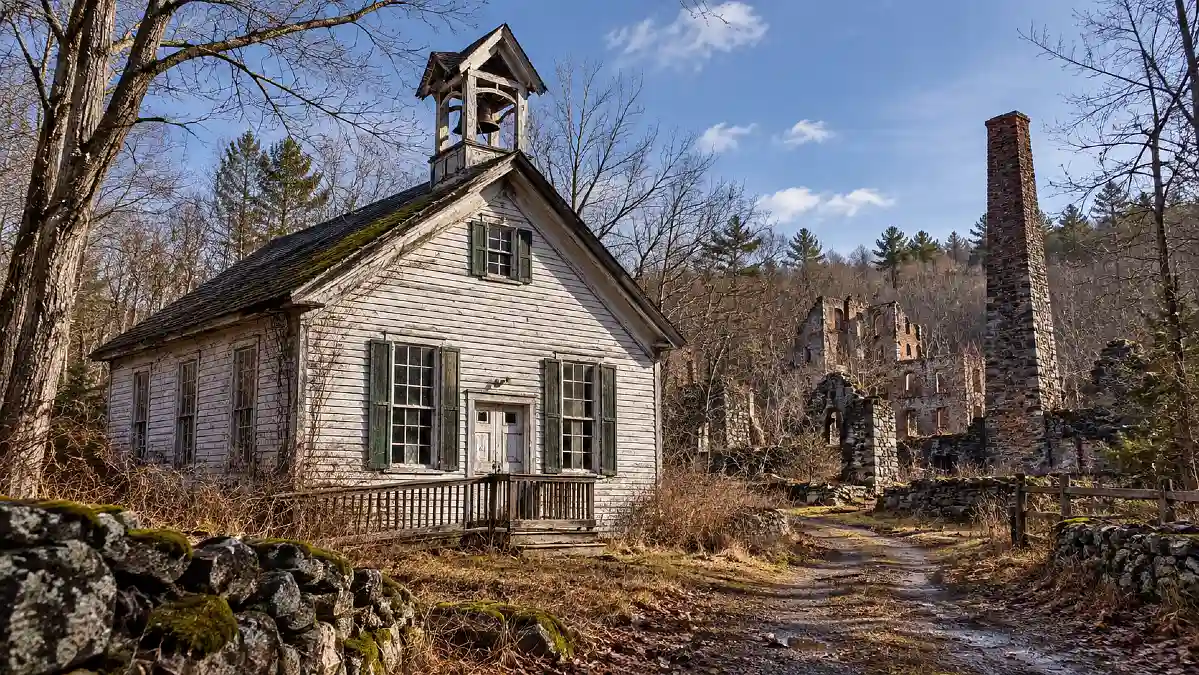
New Jersey feels like the last place you would expect to find an abandoned town. Highways, suburbs, beach resorts, and crowded cities cover much of the state. Yet drive into the Pine Barrens or follow the Delaware River north, and the picture changes fast.
Entire industrial villages once stood in forests that now look untouched. A seaside town disappeared under storms. A colonial port sits buried beneath a county park. One community was built almost overnight for World War I and then dismantled almost as quickly.
These ghost towns in New Jersey are not secret places that someone is trying to hide. Many simply faded from public memory after factories closed, transportation changed, residents moved, or government agencies bought the land.
1. Batsto Village
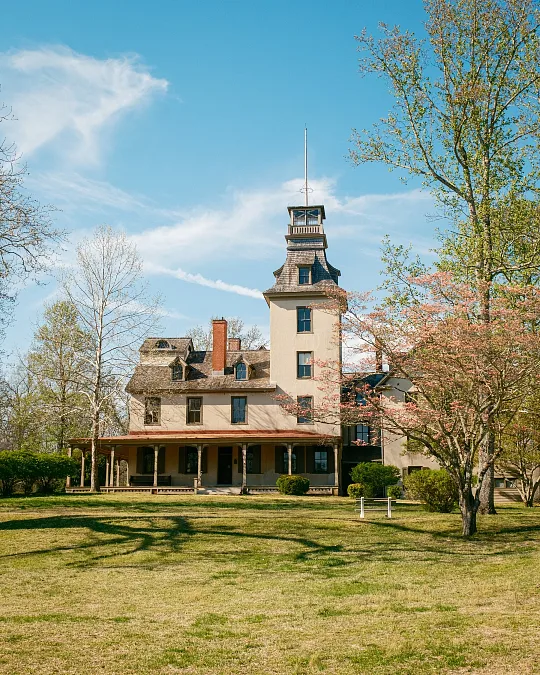
Batsto is one of the best places to see what a New Jersey company town looked like before industry left the Pine Barrens.
The settlement grew around an iron works founded in 1766. The New Jersey Department of Environmental Protection says Batsto produced iron goods during the American Revolution, including supplies for the Continental Army.
After New Jersey’s iron business weakened, the village shifted to glass production, which closed in 1867.
Joseph Wharton bought the property in 1876 and turned the area into a smaller farming and milling community. The state later acquired his huge South Jersey holdings, which became the core of Wharton State Forest.
Batsto is different from a crumbling ruin in the woods. Many structures survive, including workers’ homes, the mansion, a sawmill, a general store, and the historic post office.
What makes it special: You can walk through a former industrial town instead of trying to picture one from scattered foundations.
2. Feltville
Few places earn the term “deserted village” as clearly as Feltville.
David Felt bought 760 acres in the Watchung Mountains in 1845 and created a printing factory beside Blue Brook. He also built housing and other facilities for his workers. By 1850, Union County says 175 people lived in Feltville.
Felt retired in 1860. Several later businesses tried to keep the settlement alive, but they failed. The place became so empty that people began calling it the Deserted Village.
Then it returned.
In 1882, Warren Ackerman transformed the old worker community into a summer resort called Glenside Park. That business eventually lost visitors as Shore vacations became more popular, and the resort closed in 1916.
Today, surviving buildings sit inside Watchung Reservation. Union County keeps the grounds open to visitors and offers a walking tour that explains the village’s strange cycle of growth, abandonment, rebirth, and decline.
3. Walpack Center
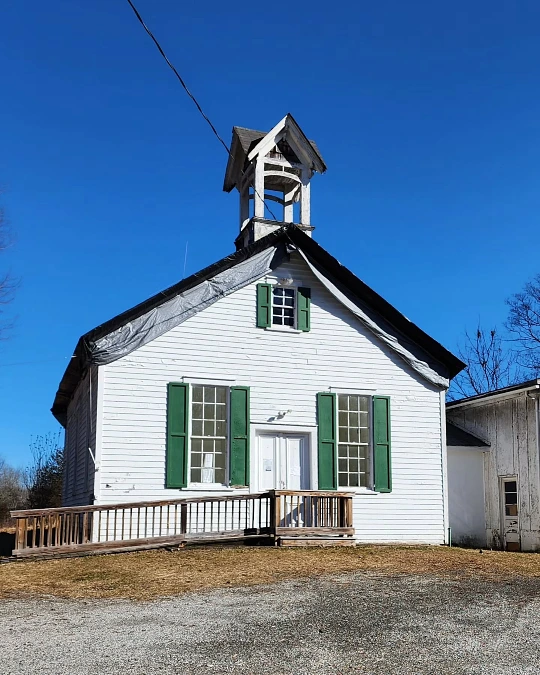
Walpack Center can feel almost like someone asked an old rural New Jersey village to stop moving.
The settlement grew during the nineteenth century and served farmers who needed stores and other services. The National Park Service says the remaining street still includes a church, schoolhouse, country store, and several small frame houses.
Its quiet appearance has more behind it than normal rural decline.
During the 1960s, the proposed Tocks Island Dam threatened much of the Delaware River valley. The federal government acquired large amounts of land for the dam and recreation area. Thousands of people across the valley relocated, and many buildings were demolished before the dam plan was abandoned.
Walpack Historical Society notes that much of Walpack had already been purchased for the project before the area came under National Park Service management.
The village survives today, but it no longer functions like the active rural center it once was. That contrast is what makes Walpack one of New Jersey’s most striking forgotten places.
4. Harrisville
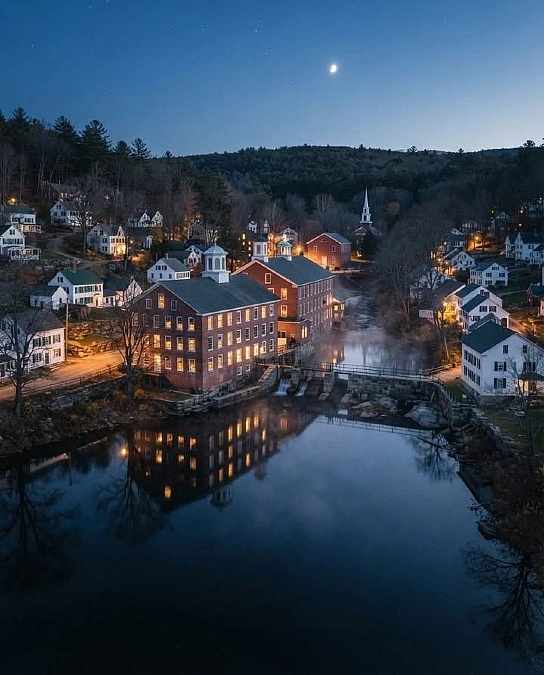
Harrisville gives you the classic Pine Barrens ghost town scene: forest, water, masonry ruins, and almost no sign of the community that once surrounded them.
The Pinelands Preservation Alliance describes Harrisville as a genuine ghost town that grew around industry. Its major paper mill stopped operating in 1891, taking away the business that supported much of the settlement.
Today, large sections of the former mill remain deep in the Pinelands. Brick and stone openings rise among trees where industrial buildings once filled the area with workers and machinery.
The ruins are also a good example of why abandoned places need boundaries. Parts of Harrisville are fenced for safety and preservation.
Look from permitted areas. Do not climb into structures because an old wall that appears solid may have spent more than a century exposed to water, roots, frost, and fire.
5. Friendship
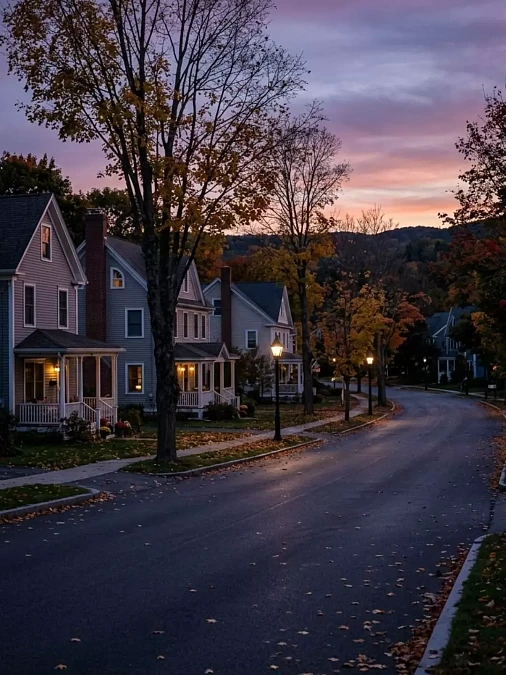
The name Friendship sounds warm and busy. The place itself is now mostly foundations and landscape.
According to the Pinelands Preservation Alliance, Friendship became the center of a 3,000-acre cranberry farm in 1869. A community developed around the agricultural operation, as happened at many remote Pine Barrens industries.
Once that economy faded, there was little reason for a town to remain in such an isolated location.
The former settlement is now represented mainly by foundation ruins near old cranberry land. Without knowing the history, you could pass through the area and see little more than woods, fields, and sandy roads.
That is what makes Friendship worth including. Some abandoned places leave dramatic factories behind. Others disappear until only the shape of a foundation tells you people once lived and worked there.
6. Hampton Furnace
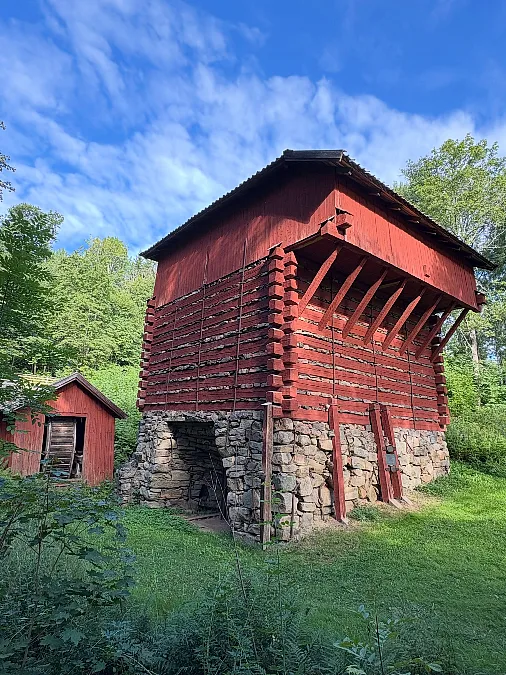
Hampton Furnace was built around another industry that once shaped South Jersey: bog iron.
The Pinelands Preservation Alliance identifies the site as the remains of an iron furnace from the late eighteenth and nineteenth centuries along the Batsto River. The property later became connected with cranberry production.
That sequence happened across the Pines. An industrial site could move from iron to forestry, agriculture, paper, or another business before finally fading.
Today, Hampton is more ruins than town. The landscape has reclaimed much of what workers once saw every day.
There is little reason to expect storefronts or complete houses here. The appeal comes from seeing how completely a former industrial settlement can disappear once the business supporting it stops.
7. Martha Furnace
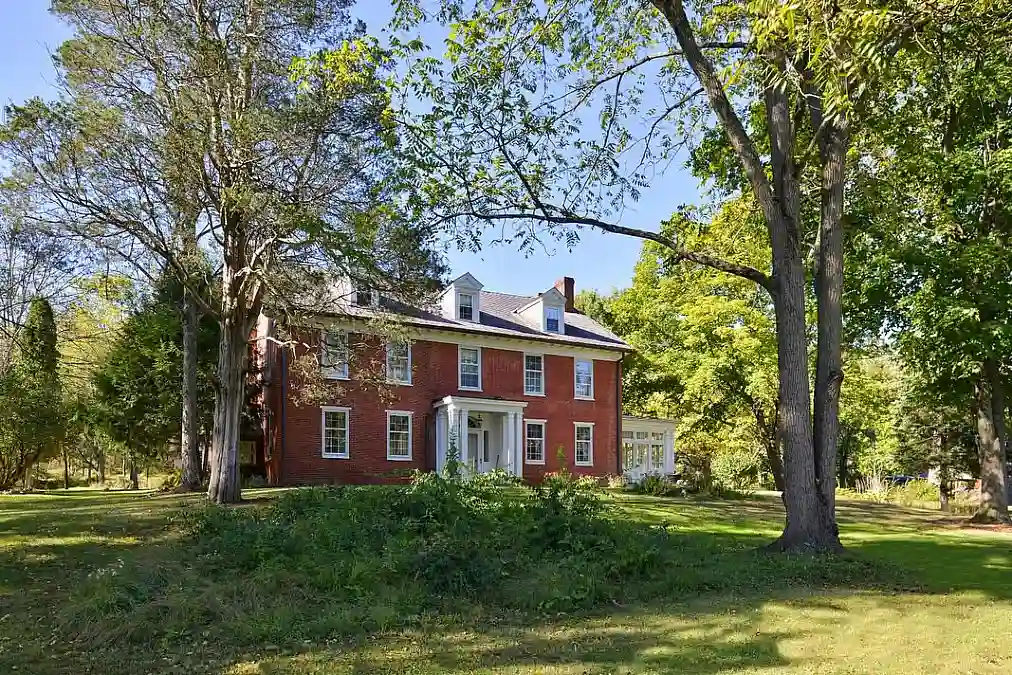
Martha was once far larger than its surviving traces suggest.
The furnace began operating in 1793 along the Oswego River. Iron production supported an entire settlement rather than one isolated industrial building. Historical accounts describe a blacksmith shop, sawmill, gristmill, store, school, hospital, ironmaster’s house, and roughly 50 additional houses.
Ironmaking ended during the 1840s. Without the furnace, the settlement gradually disappeared.
Today, the furnace area lies inside Wharton State Forest. The Pinelands Preservation Alliance says the furnace remains have been buried and fenced to stop people from taking material from the site.
That means Martha is a place to appreciate through the landscape and documented history, not by digging around.
If you find old brick, iron, glass, or other material at historic sites, leave it exactly where it is. Its location can carry as much historical value as the object itself.
8. Hermann
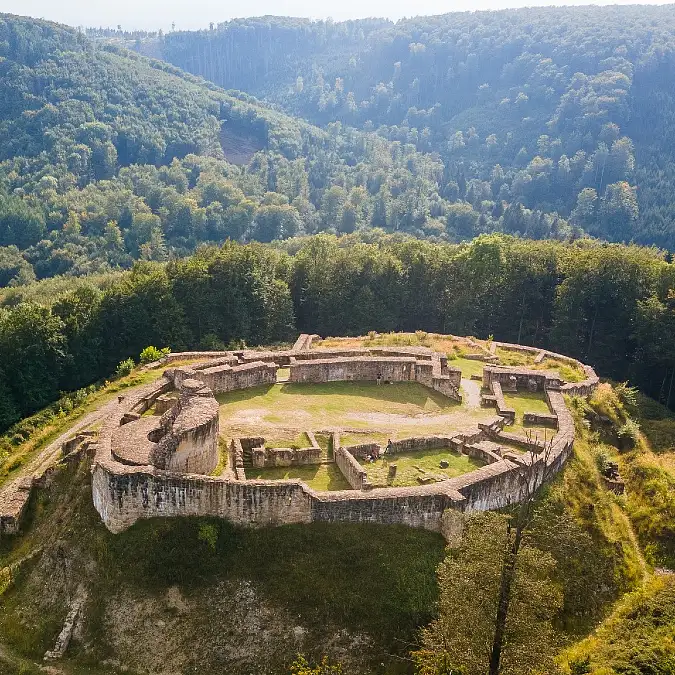
Hermann is easy to miss even on a list of Pine Barrens ghost towns.
This former settlement developed around a glass factory on the Mullica River during the late nineteenth century. The Pinelands Preservation Alliance reports that several ruins from the operation remain in the forest.
Glassmaking fit the Pine Barrens surprisingly well. The region offered abundant sand, timber for fuel, and water for industrial operations.
But a factory town had a weakness. When the factory failed or production moved somewhere cheaper, the entire community could lose its purpose.
Hermann is now less visually complete than places such as Batsto. That makes it a useful reminder that most ghost towns did not freeze neatly in time. Buildings were reused, dismantled, burned, collapsed, or swallowed by forest.
9. Brooksbrae and Pasadena
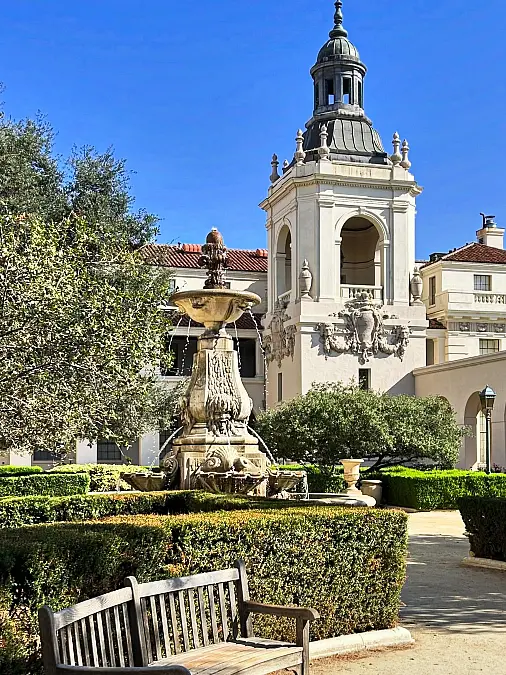
Brooksbrae is a perfect case of history becoming tangled with local legend.
Deep in the Pine Barrens are large brick ruins commonly linked with the Brooksbrae Brick Company and the name Pasadena. The Pinelands Preservation Alliance identifies the area as extensive brick factory ruins near the failed Pasadena development.
The history is less simple than many ghost stories suggest.
Research preserved by Monmouth University shows that historians have spent years sorting out the names and companies connected with the site. Separate studies in the university archives examine the Brooksbrae Brick Company and the often confused Pasadena Terra Cotta story.
One detailed historical account says the planned Pasadena development had failed by 1915 without a single house being built. It also reports that the nearby Brooksbrae factory never achieved the production its owners had planned.
So this may be less a dead town than a place where a town largely failed to become real in the first place.
10. Weymouth Furnace
Stand among the ruins at Weymouth and it is difficult to picture how busy this place once was.
Atlantic County says iron production began here in 1802. By its peak in the early 1850s, the tract included a furnace, forge, gristmill, church, sawmill, owner’s mansion, store, blacksmith shop, wheelwright, and about 20 workers’ houses.
The operation produced cast iron goods and supplied shot and bombs to the United States during the War of 1812.
Iron production could not keep up with newer coal powered operations in Pennsylvania. The forge ended during the 1860s, but Weymouth gained another industrial life through paper mills.
Those mills lasted until 1897. Buildings later collapsed, the dam failed, and stone was removed from some ruins.
What remains today sits within the Atlantic County Park System, where visitors can see foundations and industrial stonework beside the Great Egg Harbor River.
11. Atsion
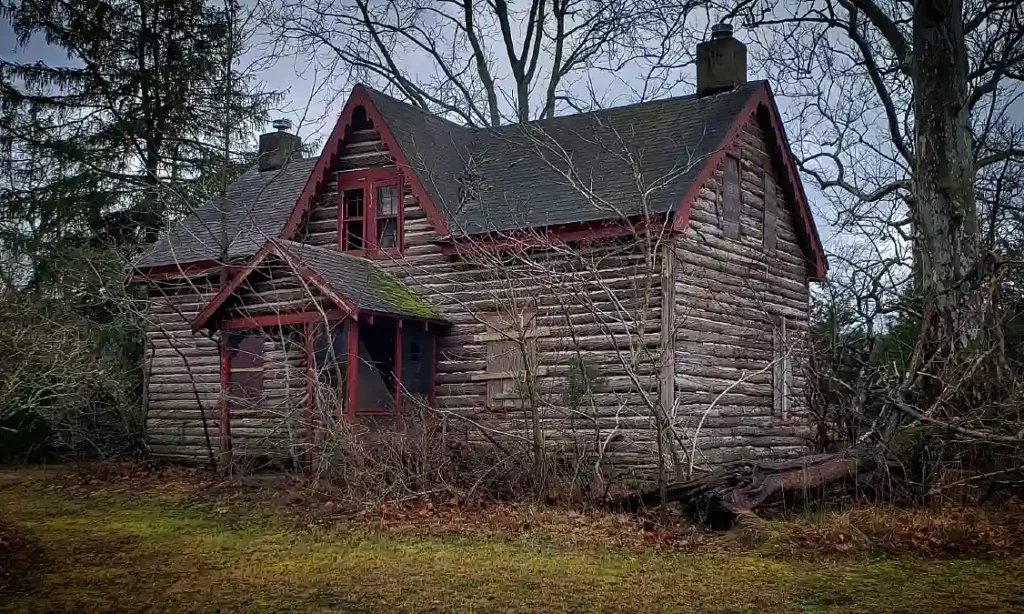
Atsion looks quiet now, but it spent generations being reinvented.
The settlement began in 1765, when South Jersey’s bog iron resources made the area attractive for industry. NJDEP says Atsion expanded from a forge into a community with a furnace, workers’ housing, a store, and several mills.
Its industrial life did not last forever.
In 1862, William Patterson tried to remake the settlement as an agricultural community called Fruitland. That plan failed. Atsion changed owners again before Joseph Wharton bought the property in 1892 and used surrounding land for crops including cranberries.
The state acquired Atsion in 1955 as part of the huge Wharton property purchase.
The restored Atsion Mansion survives, along with evidence of the old village. NJDEP notes that the 1826 mansion was never modernized with indoor plumbing or electricity.
Atsion is therefore a ghost town with a surprisingly solid centerpiece still standing.
12. Ong’s Hat
Ong’s Hat may be the strangest name on any New Jersey map.
It is also a place where you need to separate documented history from stories.
Historical accounts confirm that the name has appeared in the Pine Barrens for generations, but even writers who helped popularize Ong’s Hat disagreed about how much of a town really existed there.
Henry Charlton Beck collected stories about the place while researching forgotten South Jersey communities, then later admitted that some tales he had accepted were unreliable.
One explanation says the name developed from Ong’s Hut, a shelter used by members of the Ong family while traveling through the region. Other stories involve a man throwing a damaged hat into a tree.
Then the internet made things stranger.
Ong’s Hat became the setting for an elaborate fictional conspiracy involving alternate realities. That later story was entertainment, not evidence of secret experiments.
The real mystery is simpler: a tiny Pine Barrens place name survived long after almost everything connected with the community disappeared.
13. Raritan Landing
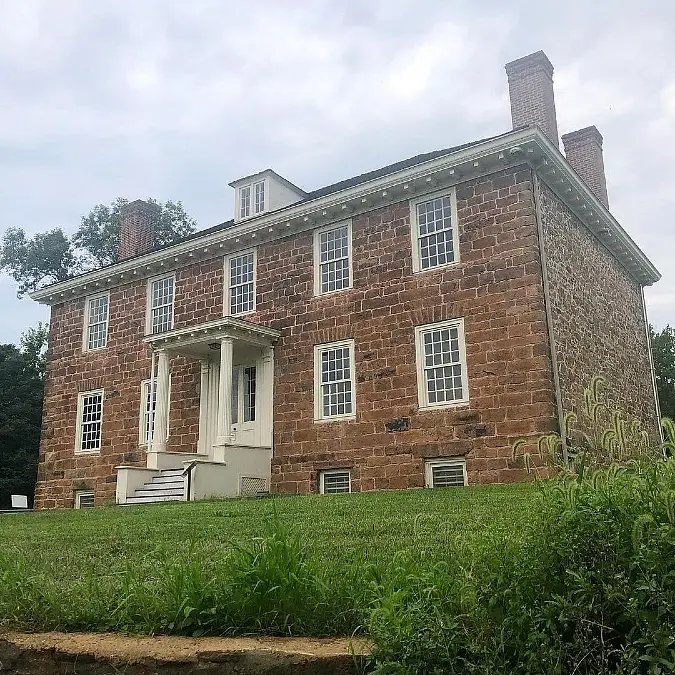
You can stand over Raritan Landing and barely know a town is beneath you.
During the eighteenth century, the settlement was a busy port on the Raritan River. Goods from Europe and the Caribbean arrived there, while New Jersey produce and other cargo moved out through the river trade.
Its location made sense before transportation patterns changed.
The Revolutionary War damaged the settlement, and trade later shifted toward New Brunswick. Middlesex County says Raritan Landing gradually died out during the early nineteenth century.
Today, much of the community lies beneath Johnson Park.
Archaeological work since the 1970s has uncovered building foundations and hundreds of thousands of artifacts, allowing researchers to reconstruct parts of a town that disappeared from the surface.
Raritan Landing proves that an abandoned town does not need crumbling houses to survive. Sometimes the town is still there. It is simply underground.
14. South Cape May
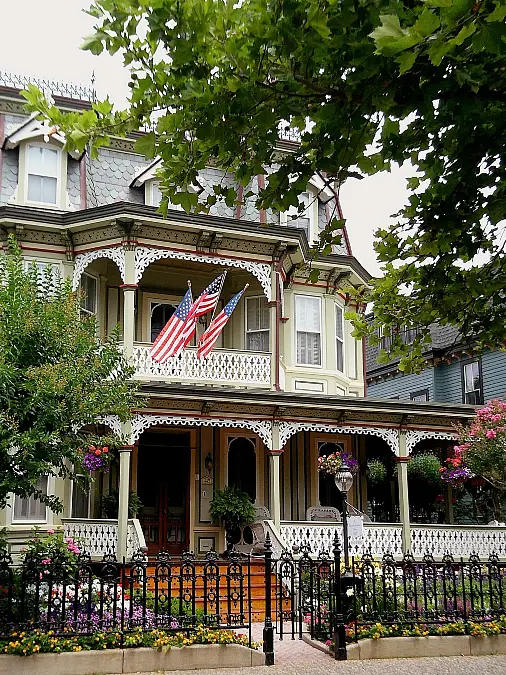
Most ghost towns are reclaimed by trees.
South Cape May was reclaimed by the Atlantic.
The community grew into a seaside resort and became an incorporated borough in 1894. Hotels, cottages, roads, and other development stood on land southwest of modern Cape May.
But the shoreline kept changing.
Storms and erosion damaged the community again and again. The Great Atlantic Hurricane of 1944 caused severe destruction, and South Cape May officially ceased to exist as a separate borough in 1945.
The Nature Conservancy’s local history says the area had been a busy vacation community from the nineteenth century into the early 1940s before erosion and storms pushed the ocean farther inland.
Today, the former town is associated with South Cape May Meadows, a protected coastal habitat.
There are no abandoned Victorian streets waiting offshore for casual exploration. The real story is more striking: nature changed the coastline until an incorporated New Jersey town disappeared.
15. Amatol
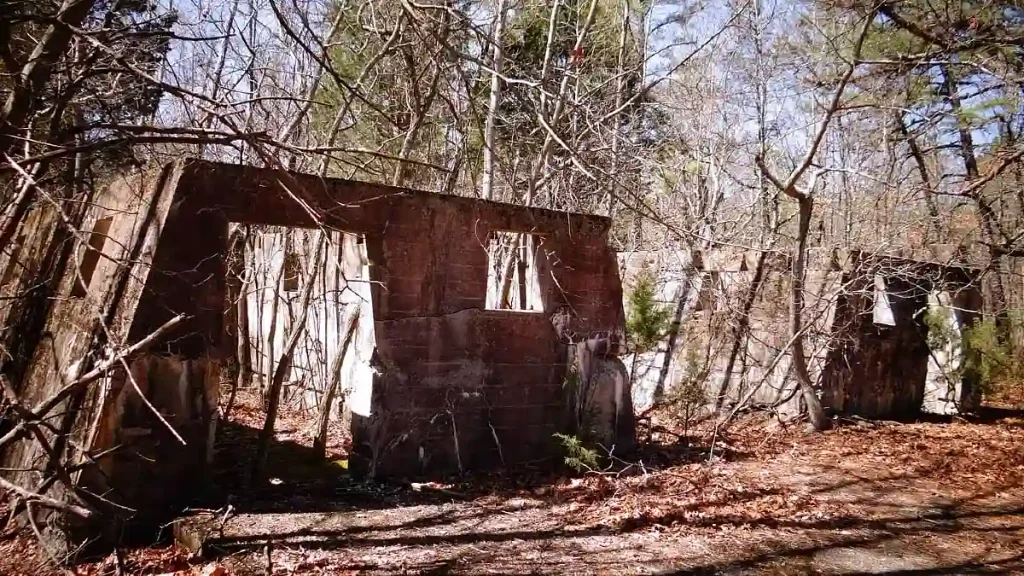
Amatol may have had one of the shortest lives of any major New Jersey settlement.
The United States built a huge ammunition loading operation in Atlantic County during World War I. A company town rose beside it to house workers needed for the plant.
Historical material from the World War I Centennial project says the Amatol complex occupied about 6,000 acres. The town included housing and services for the people producing military ammunition.
Archival research on Amatol describes a community that reached roughly 10,000 people and then disappeared with remarkable speed.
The arsenal ceased operations in 1923. Buildings were dismantled, and forest eventually covered much of the landscape.
Part of the former site later became connected with the Atlantic City Speedway, another short lived project.
Amatol is one of the best examples of how quickly a purpose built town can vanish once the purpose behind it disappears.
16. Long Pond Ironworks and Hewitt
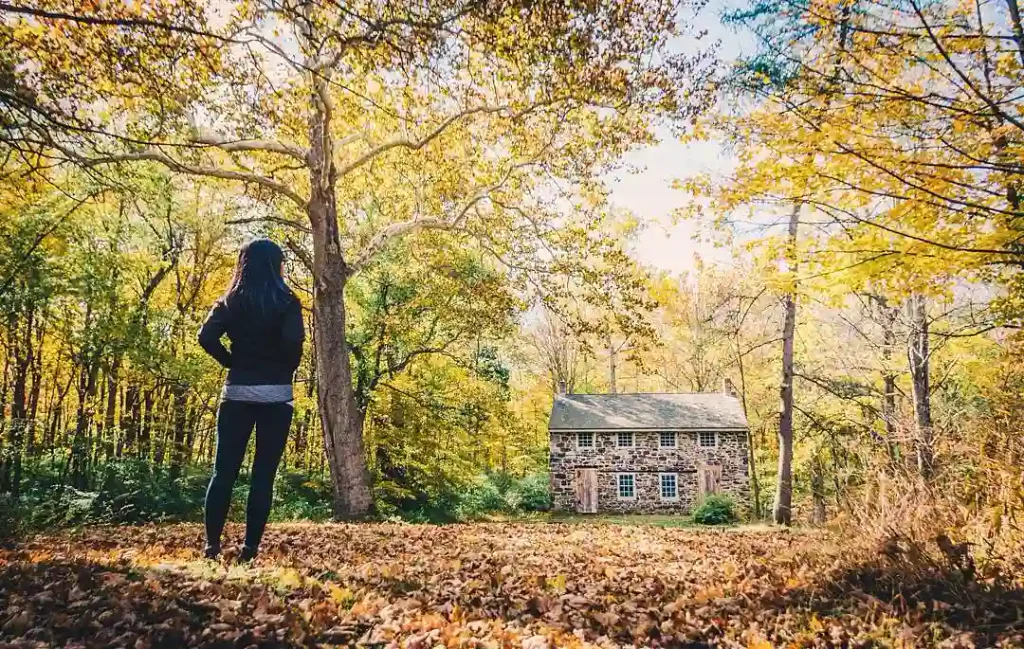
Long Pond Ironworks shows that North Jersey had company settlements every bit as important as those in the Pines.
German ironmaster Peter Hasenclever founded the operation in 1766. NJDEP says he brought hundreds of workers and their families to create an ironmaking community with furnaces, a forge, homes, shops, and farms.
Iron from Long Pond served American forces during the Revolutionary War, the War of 1812, and the Civil War.
The fires finally went out in 1882 as newer industrial methods made the operation less competitive. The nearby village of Hewitt continued for years through other work, but economic activity declined and residents gradually moved away.
Today, Long Pond Ironworks State Park contains furnace remains, stone walls, waterworks, houses, and other parts of the former community. The New Jersey Historic Trust describes the district as an unusually intact industrial settlement.
This is one of the strongest places to see how industry, housing, and community life once fit together.
17. Pahaquarry
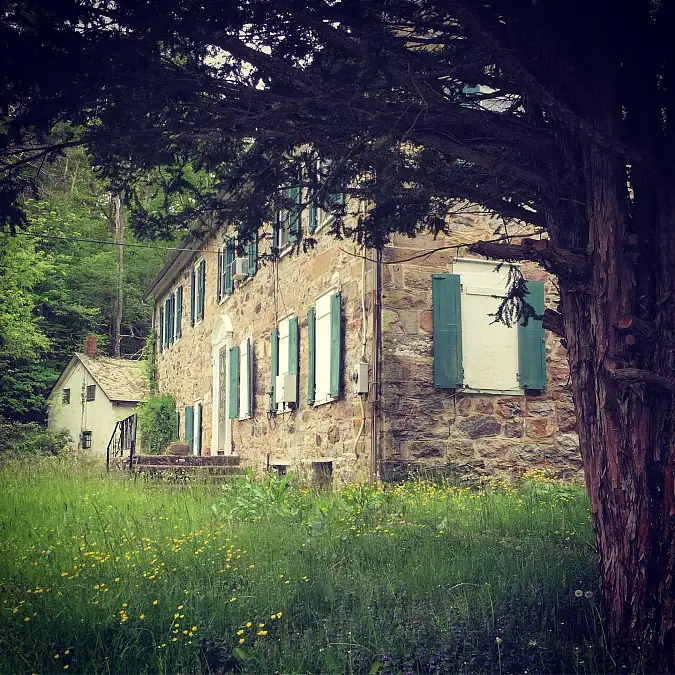
Pahaquarry did something almost no New Jersey municipality does.
It disappeared from the map as a township.
Mining took place around Pahaquarry for generations. Warren County reports repeated attempts to extract copper from the area, with mining activity stretching from the eighteenth century into the early twentieth century. The operations never became reliably profitable.
The area later faced a much larger disruption.
Federal plans for the Tocks Island Dam led to land purchases throughout the Delaware River valley. Communities emptied as property was acquired for a reservoir that was never built. The National Park Service still preserves remains of mining activity in the Pahaquarry area, while mine openings are closed for safety and wildlife protection.
Warren County records show how small the community eventually became. Pahaquarry was dissolved in 1997 and merged into Hardwick Township.
Few forgotten places in New Jersey have a cleaner ending than that. The town government itself eventually vanished.
These Towns Disappeared for Very Different Reasons
The most interesting thing about the ghost towns in New Jersey is that there was no single cause behind them.
Iron and glass towns died when industries moved. Raritan Landing lost its trade. Feltville failed, returned as a resort, and faded again. South Cape May lost its fight with the ocean. Walpack and Pahaquarry were changed by a dam project that was never completed.
Some of these forgotten towns in New Jersey are easy public historic sites. Others are archaeological areas, protected ruins, or little more than names on an old map.