

Retiring overseas can look almost too easy when the numbers are first written down. Robert saw apartments that appeared cheap, lower restaurant prices, affordable public transportation, and a monthly retirement income of about $1,900 that seemed large enough to cover everything.
That is where the trouble started. Cheap daily living is not the same as a safe retirement budget. Health insurance, taxes, visa costs, exchange rates, banking fees, emergency travel, and trips back to the United States can quickly change the picture.
Robert is a fictional example used to show the planning mistakes that can happen when someone tries to retire abroad on $1,900 a month. He is not presented as a real retiree or quoted source.
His biggest errors were not wild spending or luxury purchases. Most were ordinary costs that were missing from the original plan.
1. Treating $1,900 as a Spending Target Instead of a Limit

Robert’s first budget used almost every dollar coming in. Rent, food, transportation, utilities, entertainment, and health expenses consumed nearly the full $1,900.
That looks efficient until something changes. A larger medical bill, an expensive flight home, a rent increase, or a weaker dollar can suddenly push spending above income.
The U.S. State Department specifically tells Americans retiring overseas to prepare their finances and expect currency exchange rate fluctuations.
A better plan treats $1,900 as the ceiling rather than permission to spend $1,900. Robert needed regular monthly costs to sit well below his income so there was room for irregular bills.
Anyone considering the same move should calculate three numbers:
- Normal monthly expenses
- Annual expenses divided by 12
- Money reserved for surprises
If those three numbers consume almost every dollar of retirement income, the destination may be cheaper than America but still too expensive for that retiree.
2. Looking at Cheap Rent but Missing the Cost of Moving In

Robert found an apartment that seemed inexpensive and assumed housing was solved. The monthly rent was manageable, so he built the rest of his budget around it.
But moving into a home can involve much more than the first month’s rent. Depending on the country and lease, a renter may need deposits, advance rent, temporary lodging, household items, utility setup, transportation, document fees, or local help completing paperwork.
Those expenses are especially painful during the first few months because they arrive close together. They should come from relocation savings rather than money needed for groceries and monthly bills.
A safer approach is to rent before buying and keep moving money separate from retirement income. Spending several months in a destination also gives a retiree time to learn which neighborhoods work for ordinary daily life.
3. Assuming the Exchange Rate Would Stay Friendly
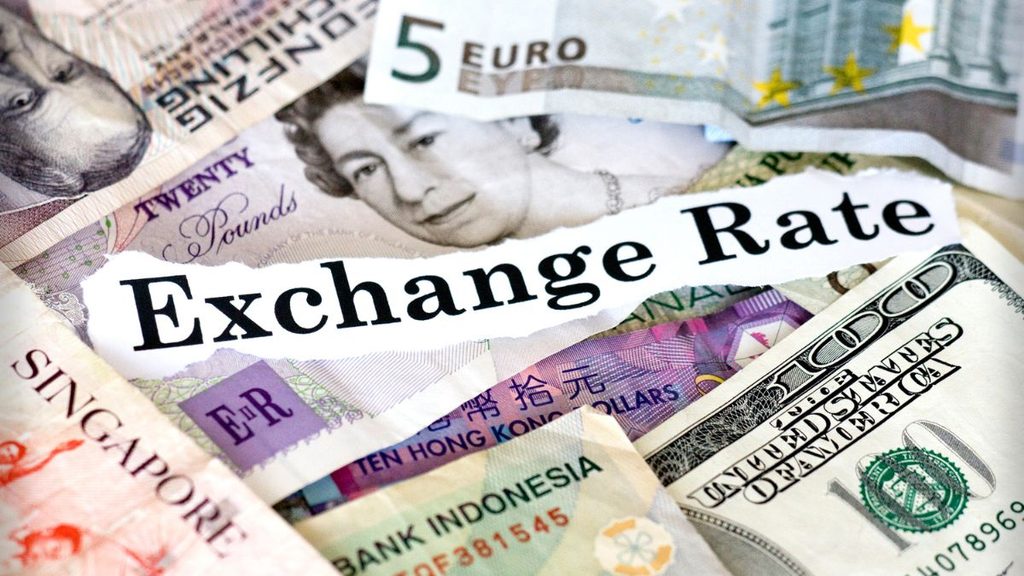
Robert received income in U.S. dollars but paid many expenses in local currency. When he first calculated his budget, the exchange rate made $1,900 feel surprisingly strong.
That calculation was only a snapshot. The State Department warns retirees to expect currency exchange rate fluctuations rather than treating today’s rate as permanent.
Suppose rent, groceries, utilities, and medical bills stay unchanged in local currency. Robert can still become poorer if the dollar buys less of that currency several months later.
A simple test can expose the problem before a move. Recalculate the budget with the dollar buying 10 percent less local currency, then test a 20 percent change.
If the plan immediately stops working, the budget is too dependent on a favorable exchange rate.
4. Counting the Transfer Fee but Missing the Exchange Cost

Robert assumed moving money overseas would cost only the transfer fee shown by the provider. International money transfers can be less simple.
The Consumer Financial Protection Bureau says consumers should look at the exchange rate, fees, taxes, and final amount received when comparing international transfers. The exchange rate itself can contain a cost, even when the advertised transfer fee appears small.
Receiving banks or local withdrawals can also create extra costs in some cases. Small charges matter when they happen month after month on a $1,900 income.
Robert should have compared providers based on one question: how much local currency actually arrives after everything is deducted?
He also needed more than one way to get money. A second card or account can be useful if the main card is lost, frozen, damaged, or temporarily rejected.
5. Assuming Medicare Would Follow Overseas

This was one of Robert’s most expensive assumptions.
Medicare says Original Medicare generally does not cover medical care outside the United States, except in limited situations. Medicare Advantage plans also generally do not cover foreign medical care, though some plans may include certain emergency or urgent benefits.
That means a retiree cannot simply move abroad at 65 and assume the same health protection continues.
Robert needed to research local health care, private international insurance, local insurance eligibility, prescription costs, and what would happen during a serious illness.
Medicare enrollment choices also deserve care. Medicare.gov says the standard Part B premium is $202.90 per month in 2026, and people who delay Part B without qualifying for a Special Enrollment Period can face a 10 percent penalty for each full 12 month period they could have enrolled.
Living abroad does not make those decisions disappear.
6. Budgeting for Doctor Visits but Not a Medical Crisis

Robert looked at the price of routine appointments and felt comfortable. That told him very little about his largest health risk.
A serious illness may require a private hospital, specialist care, surgery, extended treatment, or transportation to another country. In extreme cases, a retiree may want or need to return to the United States for care.
The State Department says air ambulance evacuation back to the United States can cost about $20,000 to $200,000, depending on location and medical condition. It recommends considering medical evacuation coverage.
A $1,900 monthly budget cannot absorb a bill anywhere near that size.
Before moving, a retiree should check nearby hospitals, emergency services, insurance limits, prescription access, and evacuation coverage. Cheap clinic appointments should never be used as proof that serious medical care will also be cheap.
7. Picking the Country Before Checking the Visa

Robert chose his destination because the lifestyle and prices looked attractive. He treated legal residency as paperwork that could be handled later.
The State Department says immigration and residency laws differ widely and recommends checking the official government or embassy site for the destination before settling there.
A visitor’s permission to stay for a short period does not automatically create the right to live there year after year. Retirement visas and residence permits can have rules involving income, savings, insurance, background checks, documents, renewals, or local registration.
Those rules can change as governments update immigration policy.
The safer order is simple. Check legal residency first, then decide whether the destination fits the retirement budget.
Robert did it backward.
8. Thinking Moving Abroad Ended U.S. Tax Duties

Low taxes were part of Robert’s mental picture of retirement overseas. But moving abroad does not automatically remove U.S. tax filing responsibilities.
The IRS says U.S. citizens and resident aliens abroad are generally subject to U.S. tax rules on worldwide income, much like people living inside the United States.
The new country may have its own tax rules for residents. That can affect pensions, retirement withdrawals, investments, interest, property, or other income depending on local law.
This does not always mean paying the same income tax twice. The IRS says qualifying foreign income taxes may sometimes be claimed through the Foreign Tax Credit, and tax treaties can affect certain situations.
But Robert should never have assumed the answer.
Before becoming a tax resident somewhere else, an American retiree should speak with someone familiar with both U.S. tax rules and the country’s rules.
9. Opening a Foreign Bank Account Without Checking U.S. Reporting Rules

Opening a local bank account made Robert’s daily life easier. Rent and utility payments became simpler, and he did not need to convert cash as often.
What he missed was the possible reporting requirement.
FinCEN says a U.S. person generally must file an FBAR when the combined value of reportable foreign financial accounts exceeds $10,000 at any time during the calendar year.
That threshold applies to the combined value of accounts rather than simply asking whether one account contains more than $10,000.
The IRS also warns Americans abroad that foreign financial accounts can create reporting duties even when those accounts generate no taxable income.
A local account can still be useful. Robert simply needed to know the rules before moving large amounts of money into it.
10. Assuming Social Security Would Work the Same Everywhere
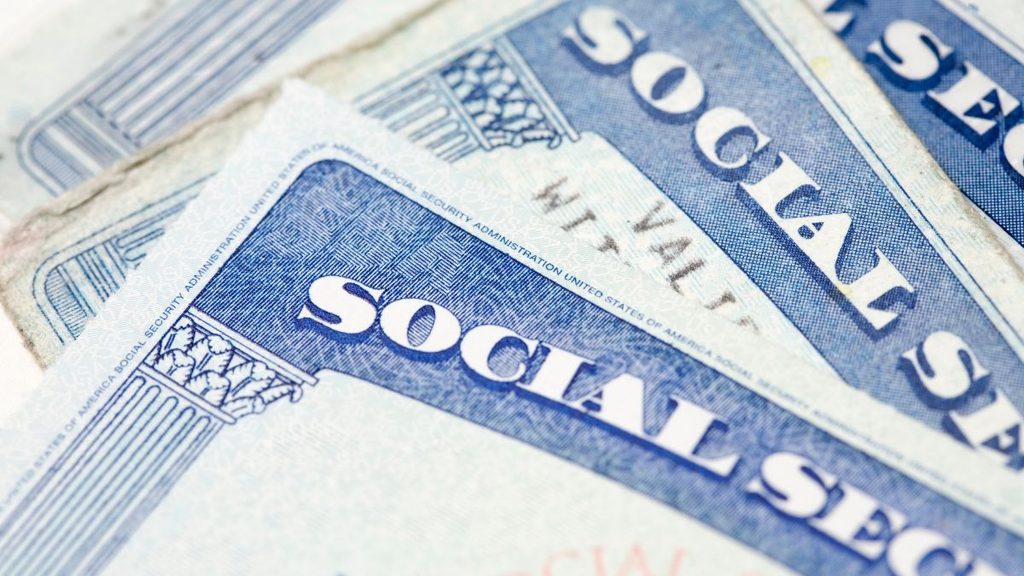
Robert expected his Social Security payment to arrive each month exactly as it had in the United States.
For many eligible Americans, Social Security benefits can continue while living overseas. But the Social Security Administration says payment rules can vary based on citizenship, benefit type, and country.
SSA provides a Payments Abroad Screening Tool so beneficiaries can check whether payments can continue in their situation. The agency also allows electronic benefit payments abroad in countries where international payment arrangements are available.
That is something to verify before buying a one way ticket.
A person living almost entirely on Social Security has very little room for a payment problem. Robert needed to confirm how the payment would arrive, which account would receive it, and whom to contact from abroad if something went wrong.
11. Forgetting That Retirement Abroad Still Includes Trips Home

Robert budgeted carefully for life overseas but left almost nothing for life back in the United States.
Then reality entered the picture.
Adult children can marry. Grandchildren arrive. Friends become ill. Family members die. A retiree may also need to return for medical care, paperwork, property issues, or simply because spending time with family matters more than expected.
International airfare can become one of the largest irregular costs in an overseas retirement.
Robert needed a separate annual travel fund rather than hoping cheap months would somehow pay for expensive flights later.
His passport also needed to remain current. The State Department tells Americans retiring abroad to maintain a valid passport so they can return to the United States quickly when necessary.
12. Researching Vacation Life Instead of Ordinary Life

Robert knew what a restaurant meal cost. He knew which beaches were beautiful and which neighborhoods had furnished apartments.
He had done far less research on Tuesday morning life.
Could he walk safely to groceries? Was public transportation practical after dark? Would the summer heat become exhausting? Could he communicate at a pharmacy? Could he manage government offices? Would he still enjoy the location after six quiet months?
These questions can matter more than restaurant prices.
The State Department encourages older Americans abroad to prepare emergency contacts and enroll in the free Smart Traveler Enrollment Program, or STEP, which provides safety and security information and can help an embassy reach them during emergencies.
A long trial stay would have taught Robert far more than another week of vacation.
13. Having an Overseas Plan but No Plan for Coming Back

Robert planned how to leave the United States in detail. He barely considered what would happen if he wanted to return.
That is a serious gap.
Health may change. A spouse may die. A visa may become harder to renew. Children may need help. Political or economic conditions can shift. Or Robert may simply decide that overseas retirement is no longer what he wants.
Returning can require airfare, temporary housing, deposits, transportation, household items, health coverage decisions, and enough cash to survive until normal finances are rebuilt.
That money should not be locked inside property or depend on selling possessions quickly.
A good retirement abroad plan needs an exit fund. The freedom to come home can be just as important as the money that made leaving possible.
A $1,900 Retirement Can Work, but the Margin Matters
Robert’s mistake was not believing overseas retirement could cost less. In some destinations and for some lifestyles, it can.
His mistake was believing low rent and inexpensive food told the whole story.
Anyone hoping to retire abroad on $1,900 a month should test health coverage, visa rules, taxes, banking, Social Security payments, exchange rates, emergency costs, and travel home before committing to the move.
The best test is simple. Spend an extended period living like a resident, track every dollar, and see what happens when several things go wrong at once.