
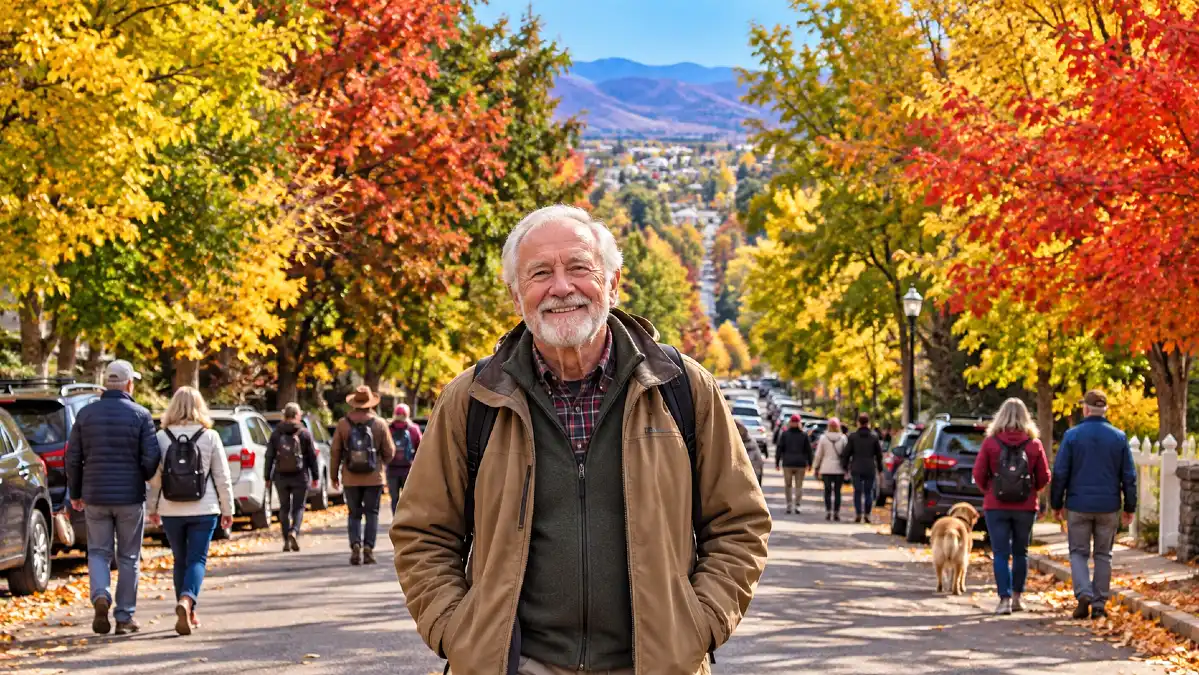
You planned your fall foliage trip for glowing maples, cool mountain air, and a peaceful road through the trees. What you may get instead is a long line of cars, a full parking lot, and twenty minutes spent waiting to turn into an overlook.
That is not rare at famous fall destinations. Great Smoky Mountains National Park warned visitors in September 2026 that autumn brings high visitor numbers, congested roads, and limited parking at popular areas such as Cades Cove, Kuwohi, and Roaring Fork Motor Nature Trail.
The good news is that traffic usually leaves clues before you pull out of the driveway. Check these nine signs before your next fall foliage trip, and you can often change the time, route, or destination before the day turns into a tour of brake lights.
1. Your Fall Foliage Trip Falls on a Peak Weekend

A Saturday near peak color sounds like the perfect time to go. Unfortunately, thousands of other people can reach the same conclusion.
Shenandoah National Park says fall weekends bring large crowds, and fall is typically its busiest season. The park specifically recommends weekday visits for travelers who want a better chance of avoiding full parking lots and crowded trails.
Great Smoky Mountains National Park gives a similar warning. October is its busiest month of the year, and heavy visitor volume can add a great deal of time to trips inside the park.
That means peak color plus Saturday or Sunday should immediately raise your traffic expectations.
If your schedule allows it, move the drive to Tuesday, Wednesday, or Thursday. You may lose the convenience of a weekend, but you may gain far more time outside the car.
2. The Park Is Already Warning About Heavy Traffic

Do not treat the traffic section of a park website as something to read after your trip goes wrong. It may be the most useful part of your planning.
Great Smoky Mountains National Park publishes a congestion forecast. Its system identifies days when roads are expected to have light, moderate, or heavy congestion, including days when many parking areas may be completely full.
That is a strong warning sign. If the place you want to visit is already predicting packed roads, your normal driving time is no longer a useful planning number.
Check the official site a few days before departure. Then check again the night before.
Road conditions, parking problems, construction, weather, and closures can change quickly during fall.
3. One Scenic Road Carries Almost Everyone
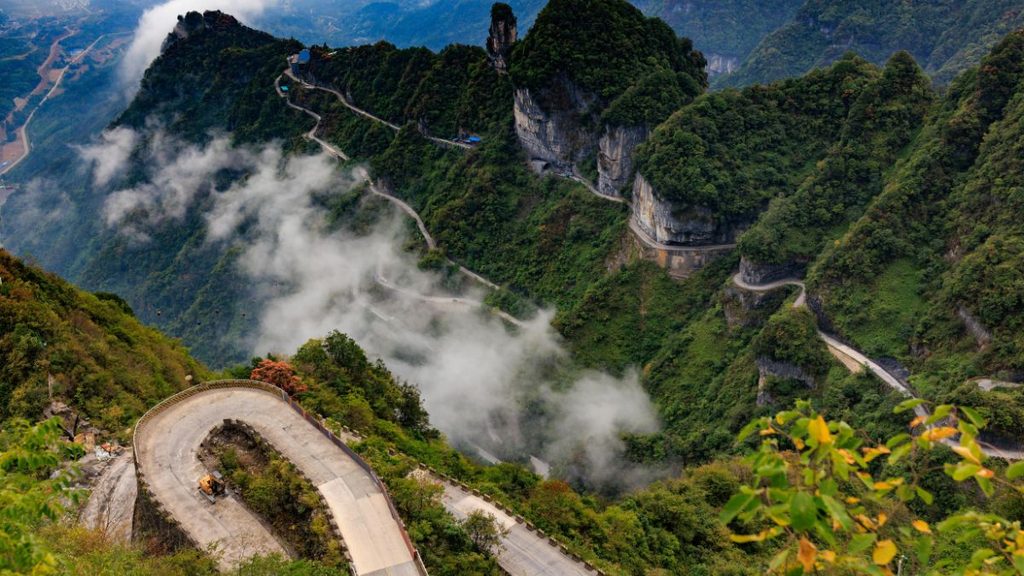
The prettiest road on the map can also become the slowest road of your trip.
Cades Cove in Great Smoky Mountains National Park is a good example. Its scenic loop is 11 miles long and runs one way around the valley. The National Park Service says visitors should allow at least two to four hours, and it warns that traffic is heavy during the summer and fall tourist seasons.
Then there is Skyline Drive in Shenandoah. It stretches 105 miles through the park and takes about three hours to drive in clear conditions even before you add long scenic stops or heavy fall crowds.
These roads move differently from a normal highway. Drivers slow for wildlife, turn into overlooks, wait for parking spaces, and stop for people crossing near trailheads.
Before choosing a famous scenic road, ask one simple question: If traffic stops, can I leave another way?
If the answer is no, allow far more time than your map app suggests.
4. Parking Is Limited Before You Even Leave Home
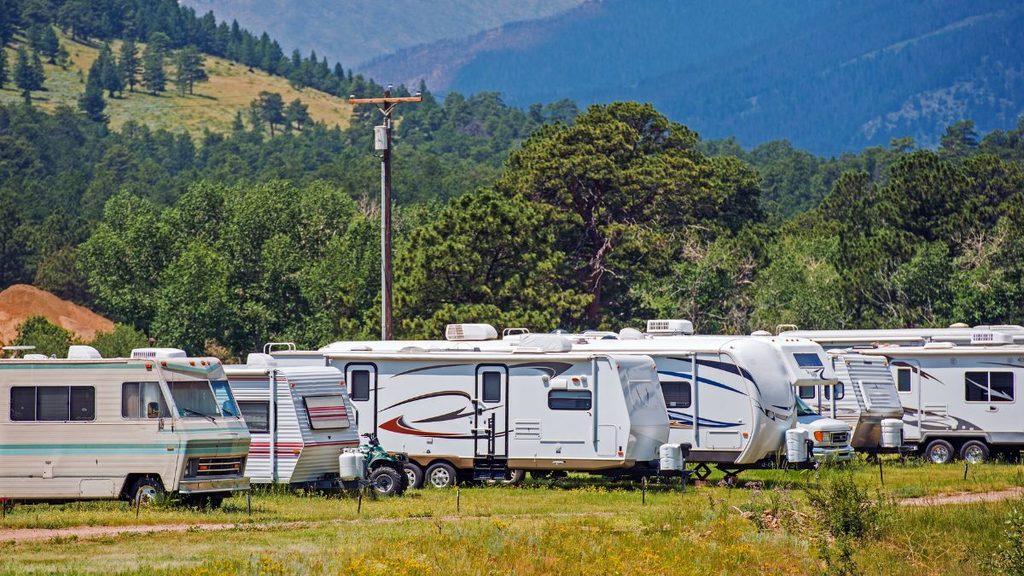
Sometimes the biggest traffic problem is not the road. It is the parking lot at the end of it.
Acadia National Park requires vehicle reservations for Cadillac Summit Road through October 25 in 2026. The National Park Service says the reservation system helps manage access to this popular area, though having a reservation does not mean you receive a specific parking space.
New York has another example in the Adirondacks. Advance reservations are required to park at the Adirondack Mountain Reserve and access its trailheads from May 1 through October 31. Walk ins are not allowed.
When a destination needs parking reservations or strict parking controls, pay attention. That tells you vehicle demand is important enough to manage.
Check parking rules before checking restaurant reservations or planning photo stops. A beautiful viewpoint does you little good when you cannot leave the car.
5. You Are Entering Through the Most Popular Gate
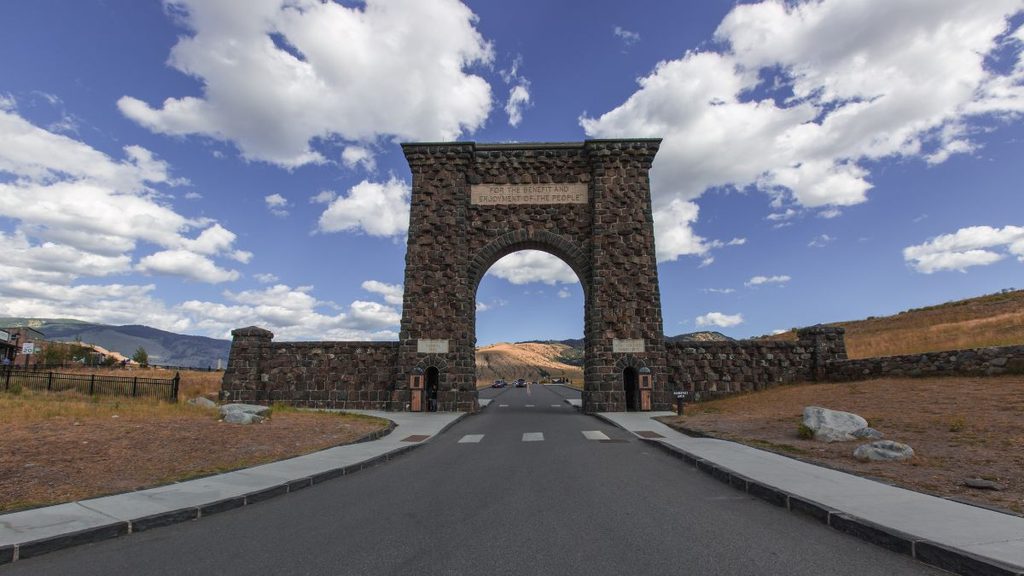
Two drivers can visit the same park on the same morning and have very different first hours.
Shenandoah National Park says its Front Royal and Thornton Gap entrances are the busiest and have the longest waits during fall. It suggests considering the Swift Run or Rockfish entrances when they make sense for your route.
This is an easy detail to miss because a mapping app usually chooses the route based on travel time from your starting point. It does not always know which park entrance will become crowded later that morning.
Open the park map before accepting the first route your phone gives you.
If several entrances exist, compare them. Driving a few extra miles on open roads can be better than spending the same time sitting in an entrance line.
6. Construction Is Squeezing an Already Busy Road
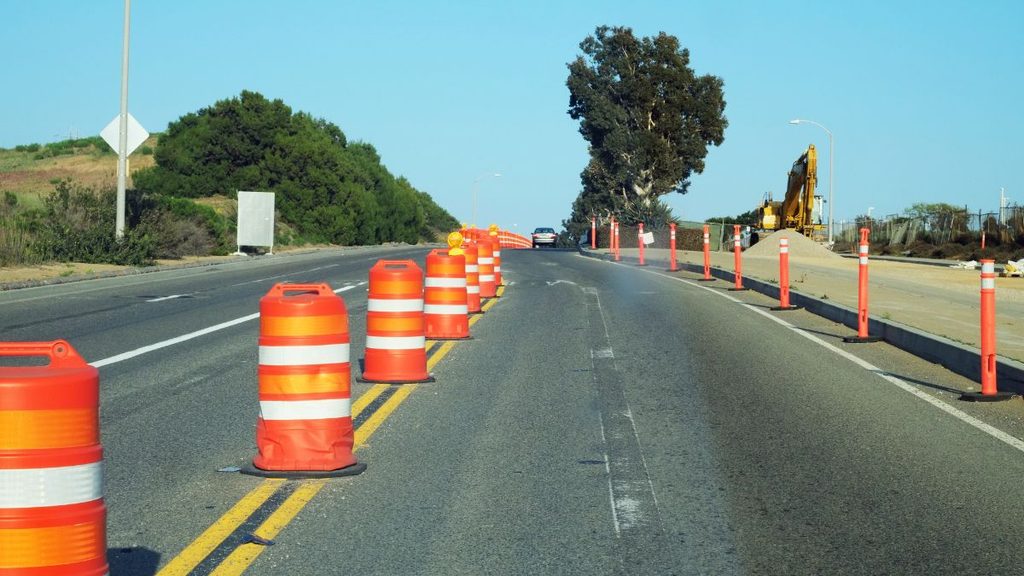
Fall traffic becomes much harder to manage when road work removes part of the road.
This is already relevant for some 2026 visitors to the Smokies. Great Smoky Mountains National Park announced several single lane closures on the Gatlinburg Spur between September 14 and September 30, warning drivers traveling between Gatlinburg and Pigeon Forge to expect delays.
The dates and locations will change, but the lesson stays the same.
Search the official road alerts for your destination shortly before leaving. Do not rely on an itinerary you saved three months earlier.
For Vermont trips, the state directs travelers to New England 511 for current road conditions, construction, closures, weather information, and traffic cameras.
A ten minute road check at home can save a long wait later.
7. Your First Scenic Stop Is Scheduled for Late Morning
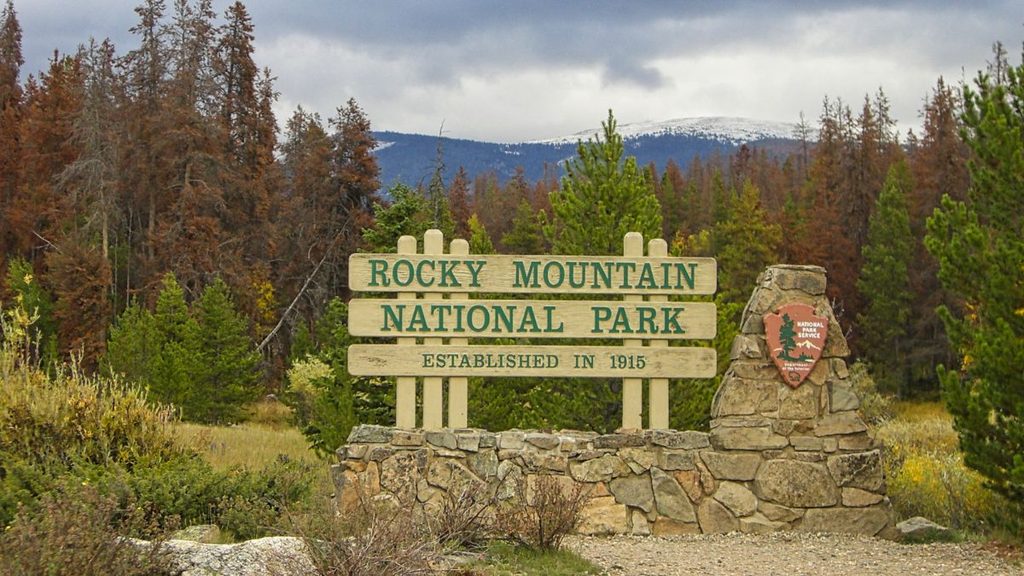
Sleeping in sounds nice until your first planned overlook has no spaces left.
Great Smoky Mountains National Park’s current fall guidance recommends starting earlier in the morning or later in the afternoon around heavily visited destinations. It also warns visitors to expect popular places such as Cades Cove and Roaring Fork Motor Nature Trail to be busy.
Use that idea when building your own day.
Put the hardest parking stop first. Save lunch, shopping, visitor centers, and easy roadside stops for later.
If you arrive in the area at 10:30 a.m., eat breakfast, browse a downtown shop, and then head to the most famous overlook, you may reach it just as parking pressure is getting worse.
An earlier start does not guarantee empty roads. It simply gives you a better chance.
8. Everyone Is Chasing the Same Peak Foliage Report
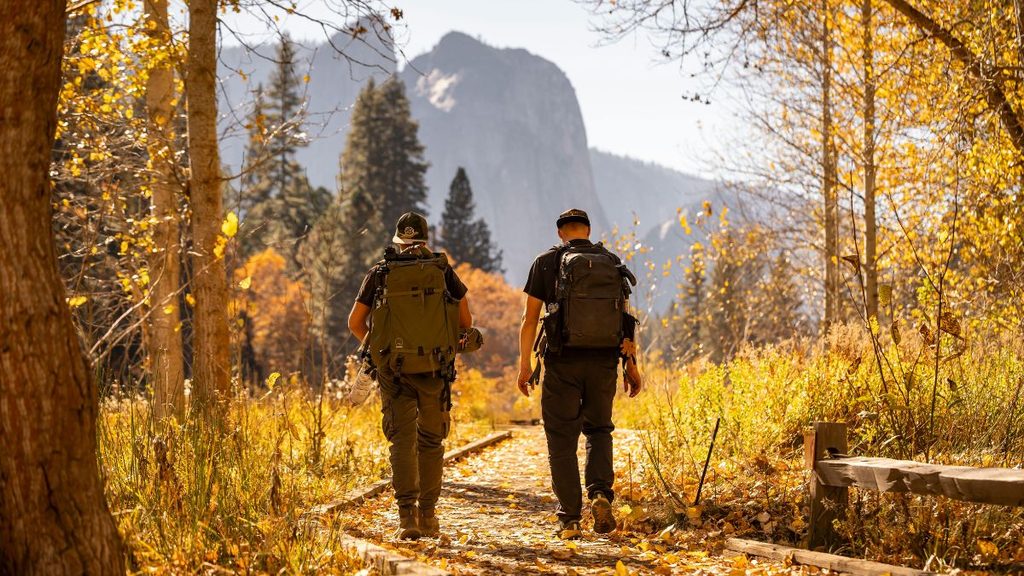
A foliage tracker can help you find color. It can also tell you where interest is likely to be focused.
Vermont’s official weekly foliage tracker began its 2026 reports on September 16. That first update said the Northeast Kingdom had the most color in the state at that point, while the Upper Green Mountains and Capital Region were beginning to turn.
That does not mean every road in the Northeast Kingdom will be crowded. It does mean you should think carefully before treating the first area reported near peak as your only option.
Fall color also changes across elevation and location. Great Smoky Mountains National Park notes that exact peak dates are difficult to predict and that color develops at different times from high elevations down into lower valleys.
So stop chasing one magical peak date.
Good color across a quieter area may give you a better day than perfect color viewed through another car’s rear window.
9. Your Plan Has No Second Route or Backup Stop
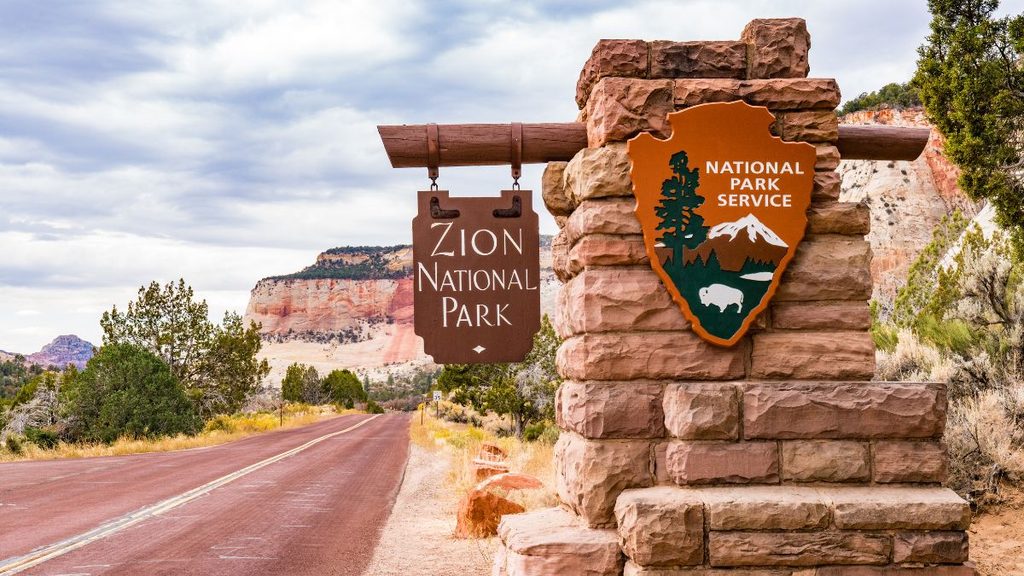
A fragile foliage plan has one road, one overlook, one trail, and one parking lot.
If any one of those fails, the day stalls.
The National Park Service advises Smokies visitors to have a backup plan because parking areas at popular destinations can fill. Shenandoah gives similar advice by telling travelers to move on when a parking area is full rather than creating unsafe roadside parking.
Build your own version of that advice.
Before leaving, save:
- One second scenic road
- One less famous overlook
- One short trail away from your main stop
- One nearby town or park
- One route home that does not simply retrace your arrival road
Download those locations before entering mountain areas where mobile service may be weak.
Also set a waiting limit. If you have spent thirty minutes crawling toward one stop and traffic is getting worse, changing the plan may save the rest of your afternoon.
How to Rescue a Fall Foliage Trip Before You Leave

You do not need an empty mountain road to have a good fall day. You just need a plan that does not depend on everything going perfectly.
Start with the date. If your destination is famous for fall foliage and your schedule includes a peak Saturday, see whether you can move the trip to a weekday.
Next, check the road itself. Look at the park’s official alerts, state 511 service, closures, entrance information, parking rules, and any reservation requirements.
Then build a small backup plan.
A practical version looks like this:
- Choose your main scenic road. Check current traffic and construction warnings.
- Choose a second viewing area. Make it far enough away that it will not depend on the same parking lot.
- Put the hardest stop first. Visit the famous overlook or trail before slower parts of your day.
- Download your maps. Mountain roads can take you through weak service areas.
- Check conditions again before leaving. Yesterday’s open road can have a closure or crash today.
- Be flexible about peak color. A road at strong color with moving traffic may be much more enjoyable than the most famous peak location.
- Know when to leave. A packed parking lot is information. Use it and go somewhere else.
The goal is not to beat every other leaf watcher to the mountains. It is to spend more of your day seeing fall and less of it waiting to move.