

Your summer road trip schedule probably worked because daylight gave you room to be late. You could leave after breakfast, spend longer at lunch, squeeze in another viewpoint, and still reach the hotel before darkness became a problem.
Fall takes away that cushion faster than many travelers expect. In Boston, sunset is about 6:46 p.m. on September 19, 2026. By November 1, after the seasonal clock change, sunset is about 4:37 p.m.
That changes much more than your photo stops. It affects when you should leave, when you should eat, where you should fuel, and when you need to reach an unfamiliar road or campground.
The fix is simple. Build your fall road trip schedule backward from sunset instead of forward from breakfast.
Here are seven changes that make that work.
1. Move Your Fall Road Trip Schedule Earlier

The first change is the easiest. Take the schedule you would use in July and move the important parts earlier.
You do not need to wake up at 4 a.m. every day. But leaving at 7:30 instead of 9:00 can give you far more useful time before darkness reaches the roads you actually wanted to see.
The U.S. Naval Observatory provides sunrise and sunset calculations by date and location. Those times show why the same daily routine does not work equally well from July through November.
Denver offers a useful 2026 example. Sunset is about 7:01 p.m. on September 19, but it is about 4:57 p.m. on November 1.
Part of that sudden clock change comes from daylight saving time ending. NIST says daylight saving time ends at 2 a.m. local time on November 1, 2026.
A simple fall day might look like this:
- Leave your hotel around 7:30 a.m.
- Reach the first major stop by 9:00 a.m.
- Eat lunch around noon.
- Start the final scenic stretch by early afternoon.
- Reach your overnight destination before the last hour of daylight.
You are not trying to pack more into the day. You are moving the same activities into the brighter part of it.
That one shift can solve many of the problems that appear later in the schedule.
How a Summer Road Trip Schedule Changes in Fall
| Part of the Day | Summer Schedule | Better Fall Schedule | Why Change It |
|---|---|---|---|
| Leave hotel | 9:00 a.m. | 7:30 to 8:00 a.m. | Protects more daylight for sightseeing |
| Main scenic drive | 3:00 p.m. | 10:00 a.m. to 1:00 p.m. | Gives you better visibility and more time |
| Lunch | 1:30 p.m. | 11:30 a.m. to 12:30 p.m. | Keeps the afternoon open for priority stops |
| Fuel stop | Late afternoon | Before the scenic stretch | Prevents fuel from using your final daylight |
| Last attraction | 5:00 p.m. | 2:30 to 3:30 p.m. | Leaves room for delays |
| Overnight arrival | Around sunset | 30 to 60 minutes before sunset | Gives you daylight for parking, check in, and setup |
| Dinner | Before hotel arrival | After check in | Moves a flexible task into the dark hours |
2. Set Your Arrival Time Before Sunset, Not at Sunset
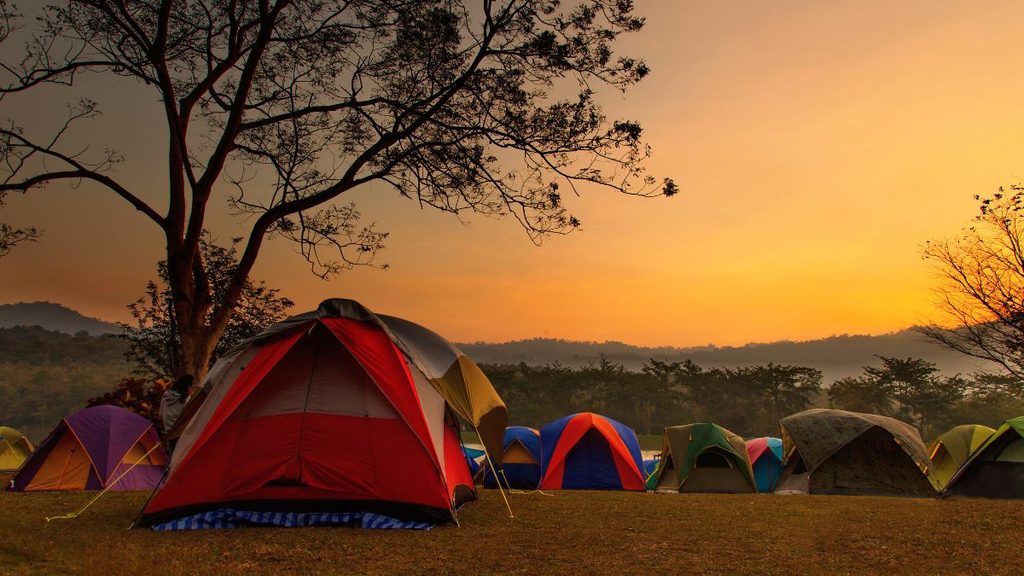
If sunset is at 6:15 p.m., do not make 6:15 your goal for reaching the campground.
That gives you no margin for traffic, a wrong turn, a fuel stop, slow construction, or the ten minutes you spend trying to figure out which entrance your navigation app meant.
A better target for an unfamiliar rural destination is often 30 to 60 minutes before sunset. That is a planning buffer, not a federal safety rule.
The buffer matters because arriving is rarely the last task of the day. You may still need to find your site, back an RV into a space, carry bags, locate the office, walk the dog, or figure out where the cabin key was left.
Darkness also changes driving conditions. The Federal Highway Administration says decreased visibility makes nighttime driving harder and notes that about half of traffic fatalities occur at night even though only around one quarter of travel occurs then.
That does not mean every mile after sunset is unsafe. A well lit interstate leading to a familiar hotel is very different from an unfamiliar mountain road with sharp turns.
Use the buffer where it buys you something.
For a city hotel beside an interstate, arriving after dark may be perfectly manageable. For a forest campground down a narrow access road, daylight is much more useful.
Your arrival deadline should match the final road, not just the total mileage.
3. Put Scenic Roads and Viewpoints Earlier in the Day
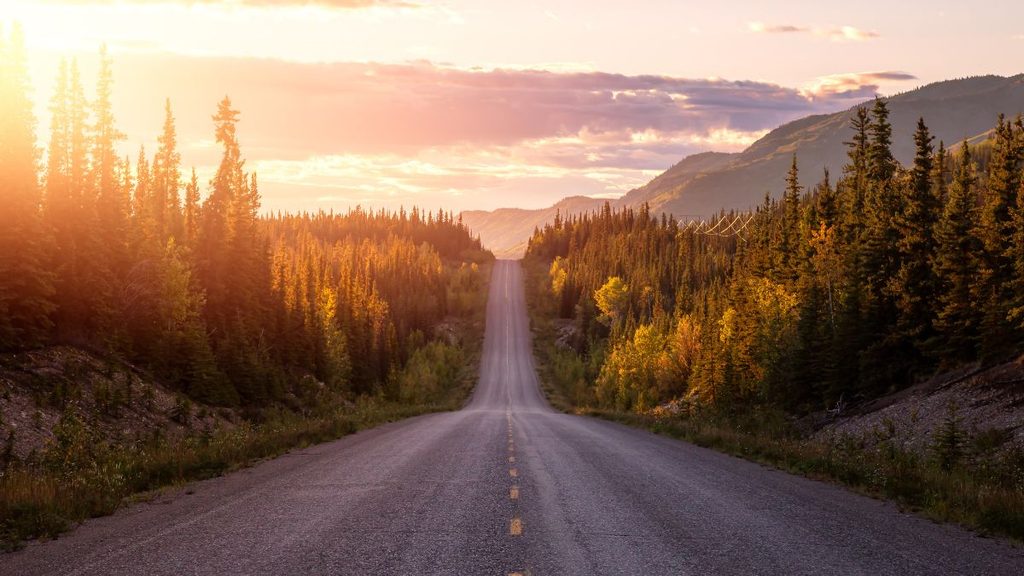
A summer road trip can save its prettiest road for 6 p.m. Fall often cannot.
If a scenic drive is one of the main reasons you came, put it earlier in the schedule. You paid in time, fuel, and perhaps lodging to see the landscape, so do not leave the best section for darkness.
There is also a practical side.
AAA warns that fall brings decreased daylight, fog, glare, wet leaves, and greater chances of driving after dark. It recommends clean headlights and extra care around pedestrians and wildlife when visibility is reduced.
The National Park Service gives similar warnings on some scenic roads. Its guidance for Glacier National Park’s Going to the Sun Road tells visitors to use extreme caution when driving at night because visibility is low and wildlife may be present.
That makes the order of your stops important.
Instead of this:
- Slow breakfast
- Shopping
- Long lunch
- Visitor center
- Scenic drive
- Hotel
Try this:
- Breakfast
- Scenic drive
- Main viewpoint
- Lunch
- Visitor center or town
- Hotel
The second version protects daylight for the part of the trip that needs it most.
Save flexible activities for later. A café, grocery store, restaurant, or hotel lounge works after sunset. A mountain overlook does not suddenly become more useful because you reached it at 7 p.m.
4. Move Fuel, Food, and Rest Stops Earlier Too
A fall schedule can fail even when the driving plan looks perfect.
The problem may be a 40 minute lunch at 2:30 p.m. or the decision to wait until the next town for fuel. Those small choices consume the same daylight you were counting on for the final scenic section.
Fuel before the remote road whenever that makes sense. You remove one possible delay from the part of the afternoon when the clock matters most.
The same idea works with food.
You do not have to rush every meal. But if today’s main goal is a mountain road followed by a rural campground, a long late lunch may be a poor trade.
Eat earlier or choose something simple. Then have the slower meal after you reach your destination.
This matters even more when the route passes through small towns. Do not assume a gas station, restaurant, park store, or visitor service keeps the same hours it had during peak summer.
Check the actual hours before you leave.
Also keep enough fuel that one closed station does not force a stressful decision. The goal is not to carry your whole trip in the vehicle. It is to avoid making sunset compete with basic errands.
A useful rule is:
Do flexible tasks early enough that they cannot steal the final daylight from an inflexible task.
Fuel is flexible. Sunset is not.
5. Remove One Stop From an Overloaded Fall Day

Sometimes the schedule does not need to start earlier.
It needs one less stop.
Road trip planning apps are very good at estimating the time spent moving between places. They are much less useful at predicting how long you will actually spend getting out of the car.
A viewpoint listed as a 20 minute stop can easily include parking, a restroom visit, a short walk, photos, getting everyone back into the vehicle, and waiting to rejoin traffic.
Do that four times and your schedule begins slipping.
Fall leaves you less room to absorb those delays.
Before each day, mark your stops in two groups:
• Priority stops: The places you would be disappointed to miss.
• Optional stops: Places you will visit only if the day is running on time.
Give the optional stop a cutoff.
For example, if you need to begin the final drive at 3:30 p.m., an optional waterfall should disappear from the plan once the clock reaches 3:00.
Do not negotiate with yourself at 3:15.
Skipping one stop can mean enjoying the remaining four instead of rushing through five while watching the sky get darker.
It also keeps a good trip from becoming a race against sunset.
6. Check Sunset and Twilight Every Morning

Do not check one sunset time when planning the trip and assume it works for the whole route.
Your sunset changes with the date and your location. A long road trip can also move you through different time zones.
The U.S. Naval Observatory offers calculators for sunrise, sunset, and several stages of twilight by location and date. Its one day tool can also account for U.S. daylight saving time.
Check the next day’s sunset each evening or morning.
Then work backward.
If sunset is 5:55 p.m. and you want a 45 minute arrival cushion, your destination target becomes about 5:10 p.m. If the last drive takes two hours, you should probably leave the final major stop by about 3:10 p.m.
Add another buffer if the road is slow, mountainous, busy, or unfamiliar.
Remember that published sunset is an astronomical time. Mountains, canyon walls, thick forest, and weather can make a place feel dark sooner.
Twilight can give you some remaining light after sunset, but it should not become an excuse for packing another attraction into the schedule.
Also check road conditions separately.
A park road can have its own seasonal access rules. For example, the National Park Service notes that portions of some scenic roads close seasonally because of snow, weather, maintenance, or winter operating plans.
Your daily check should take only a few minutes:
- Look up sunset.
- Check the weather.
- Check park or road alerts.
- Confirm your destination access instructions.
- Set the time you need to leave your last major stop.
Now the day has a real deadline.
7. Make a Night Driving Backup Plan Before You Need It
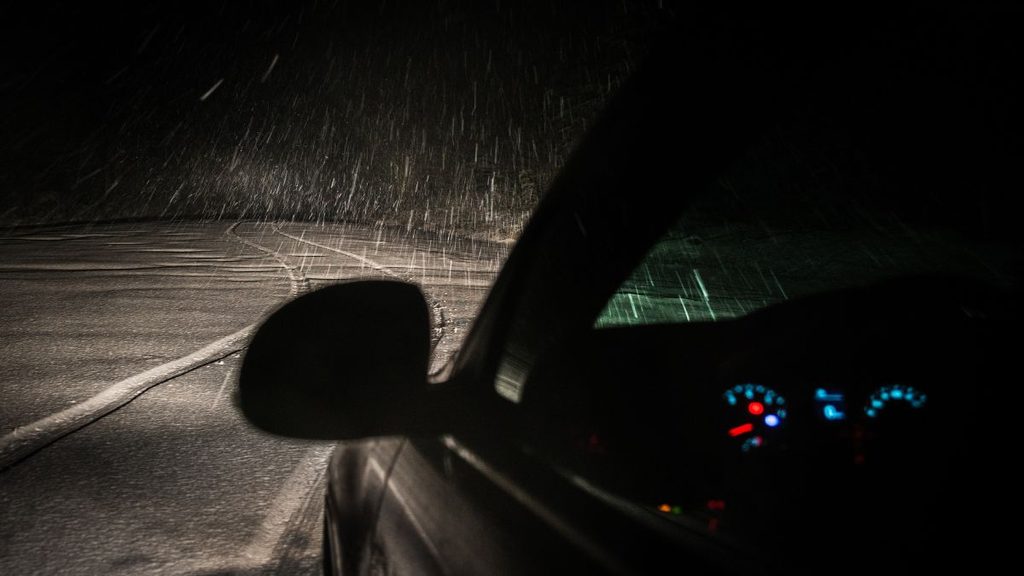
Even a good fall road trip schedule will sometimes end after dark.
Traffic happens. Weather changes. A hike takes longer. Someone gets hungry. A perfect viewpoint makes you stay another 20 minutes.
The mistake is not being on the road after sunset. The bigger problem is reaching darkness with no backup plan.
Before leaving in the morning, look at the final section of your route.
Ask yourself:
• Is it an interstate or an unlit rural road?
• Does it include mountain curves?
• Are there towns or hotels along the way?
• Could you take a simpler alternate route?
• Where could you safely stop if you became tired?
AAA recommends avoiding unlit roads and two lane highways at night when a safer alternative is practical. It also advises keeping windshields and mirrors clean because smears and streaks can make nighttime visibility worse.
The Federal Highway Administration explains another problem. With low beams, drivers may see only a limited distance ahead, so speed needs to match the distance in which the vehicle can safely stop.
So before a fall road trip, check your headlights, brake lights, windshield, mirrors, and wipers.
Once darkness arrives, do not try to make up lost time by driving faster.
There is another limit that sunset planning cannot fix: fatigue.
NHTSA says drowsy driving crashes occur most often between midnight and 6 a.m. and also during the late afternoon, when the body’s natural rhythms can make sleepiness more likely. Its main advice is straightforward: adequate sleep is the real protection against drowsy driving.
If you are struggling to stay alert, the schedule has already lost.
Stop somewhere safe.
An itinerary is never important enough to require pushing through serious tiredness.
Use This Simple Fall Road Trip Rule

Before tomorrow’s drive, find the local sunset time.
Subtract 30 to 60 minutes for your arrival buffer. Then subtract the time needed for the final drive.
That gives you the time you should leave your final major attraction.
For example, suppose sunset is at 6:00 p.m. You want to arrive by 5:15, and the last drive takes 90 minutes.
Your last major stop ends around 3:45 p.m.
Everything else has to fit before that.
That is a much better fall road trip schedule than hoping the daylight lasts as long as it did in July.
Do This 5 Step Sunset Check Before Every Fall Driving Day
You do not need to rebuild your whole itinerary every morning. A quick check can tell you whether today’s plan still fits inside the available daylight.
Use these five steps before you leave your hotel, campsite, or rental cabin.
5-Step Fall Road Trip Sunset Check
Use this quick check before every fall driving day.
Check Local Sunset
Find the sunset time for the place where you will end your day.
Subtract 30 to 60 Minutes
Use this earlier time as your preferred daylight arrival deadline.
Subtract Final Drive Time
Count backward again to find when you need to leave your last major stop.
Set Your Last Stop Cutoff
Choose a firm departure time so an optional stop does not steal your daylight.
Check Weather and Roads
Review weather, construction, park alerts, and seasonal road closures.
Know Exactly When to Start Your Final Drive
That one time keeps the rest of your fall road trip schedule on track.