
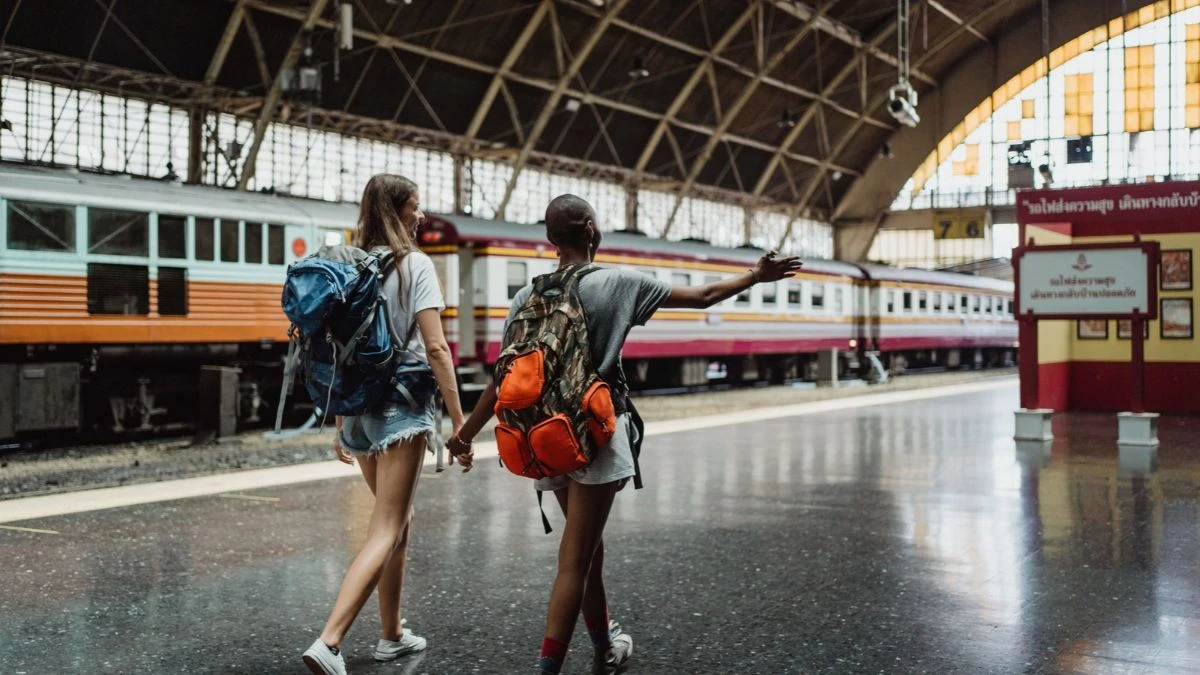
You can leave the giant camera and paper map at home and still look like a visitor within five minutes. Sometimes all it takes is stopping in the middle of a busy sidewalk while you check your phone.
Some of the most common travel habits that make you look like a tourist have nothing to do with your clothes or accent. The bigger problem is doing things that slow people down, create noise, block public space, or ignore local customs.
That matters even more when popular cities are already dealing with heavy visitor numbers. European international tourist arrivals were up 5 percent through the second quarter of 2026, according to research included in the planning material for this article.
You do not need to pretend that you live somewhere you are visiting. You just need to notice how the place works.
These 15 habits will help you move, eat, photograph, ride, and explore with less
15 Travel Habits That Instantly Mark You as a Tourist (Locals Spot #4 Every Time)friction.
1. Stop Taking Up the Whole Sidewalk
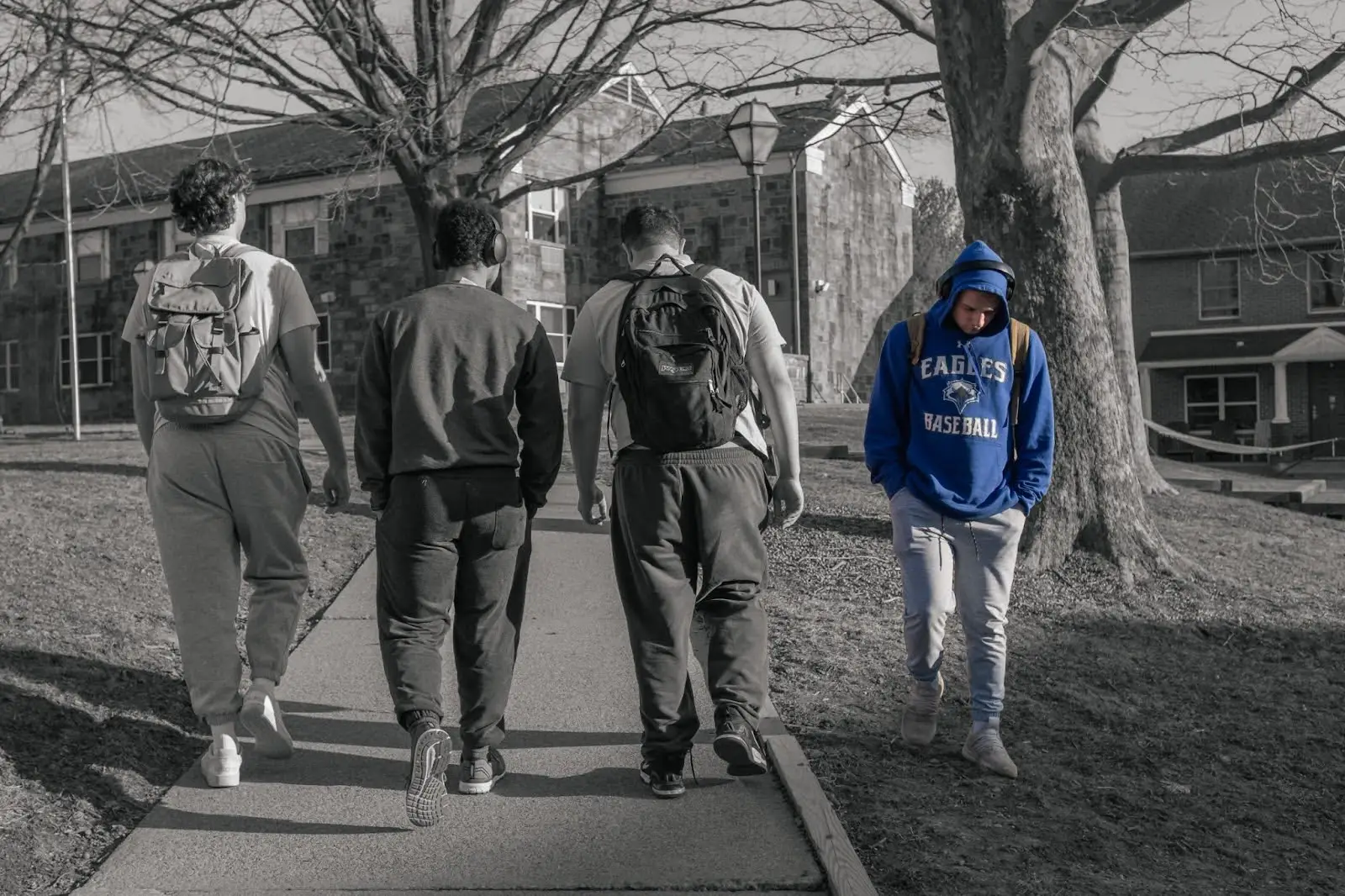
You are walking with three friends through a busy city center. The conversation is good, so everyone spreads out across the pavement.
People behind you now have nowhere to pass.
This is one of those small habits that locals notice because they deal with the same streets every day. Visitors usually walk more slowly because they are looking at buildings, checking directions, or deciding where to go next.
There is nothing wrong with that. The problem starts when your group controls most of the walking space.
Kyoto’s 2026 visitor guidance asks travelers not to block roads or walk side by side in large groups. Venice also tells visitors to keep pedestrian traffic moving and avoid blocking bridges.
Watch how people ahead of you are moving. If the street is crowded, stay in pairs or move into a single line when someone needs to pass.
Do this instead: Keep your group small enough that other people can move around you without stepping into the road.
2. Let People Leave the Train Before You Get On

The train arrives. The doors open. Your first thought may be to step forward before the crowd gets inside.
Wait.
People already on the train need to leave first to make space. If you stand directly in front of the doors, you slow everyone down and make boarding harder.
This rule matters on metros, trains, buses, and elevators.
Visit London tells Tube passengers to let riders off before boarding and to move farther into the carriage rather than staying by the doors. Japanese tourism guidance gives similar advice about queues and letting passengers leave first.
When you reach a new transit system, spend a few seconds watching commuters before the next train arrives.
Look at where they queue.
Look at where they leave space.
Then copy that pattern.
Do this instead: Stand beside the door opening, let everyone exit, then board with the queue.
3. Check the Escalator Rule Before Copying Home

Travel advice sometimes says, “Stand on the right and walk on the left.”
That does not work everywhere.
London tells Tube passengers to stand on the right side of escalators. Japan’s national tourism guidance takes a different approach and tells riders to stand still rather than walk on escalators.
This is why travel etiquette cannot be reduced to one set of worldwide rules.
What feels normal at home may be wrong in another city.
Your best clue is often right in front of you.
Check signs near the escalator. Then watch what regular riders do.
If everyone stands still, stand still.
If signs tell riders to keep one side open, follow them.
Do this instead: Do not assume your home city’s rule applies. Read the signs and follow the local pattern.
4. Move Aside Before You Check Your Phone
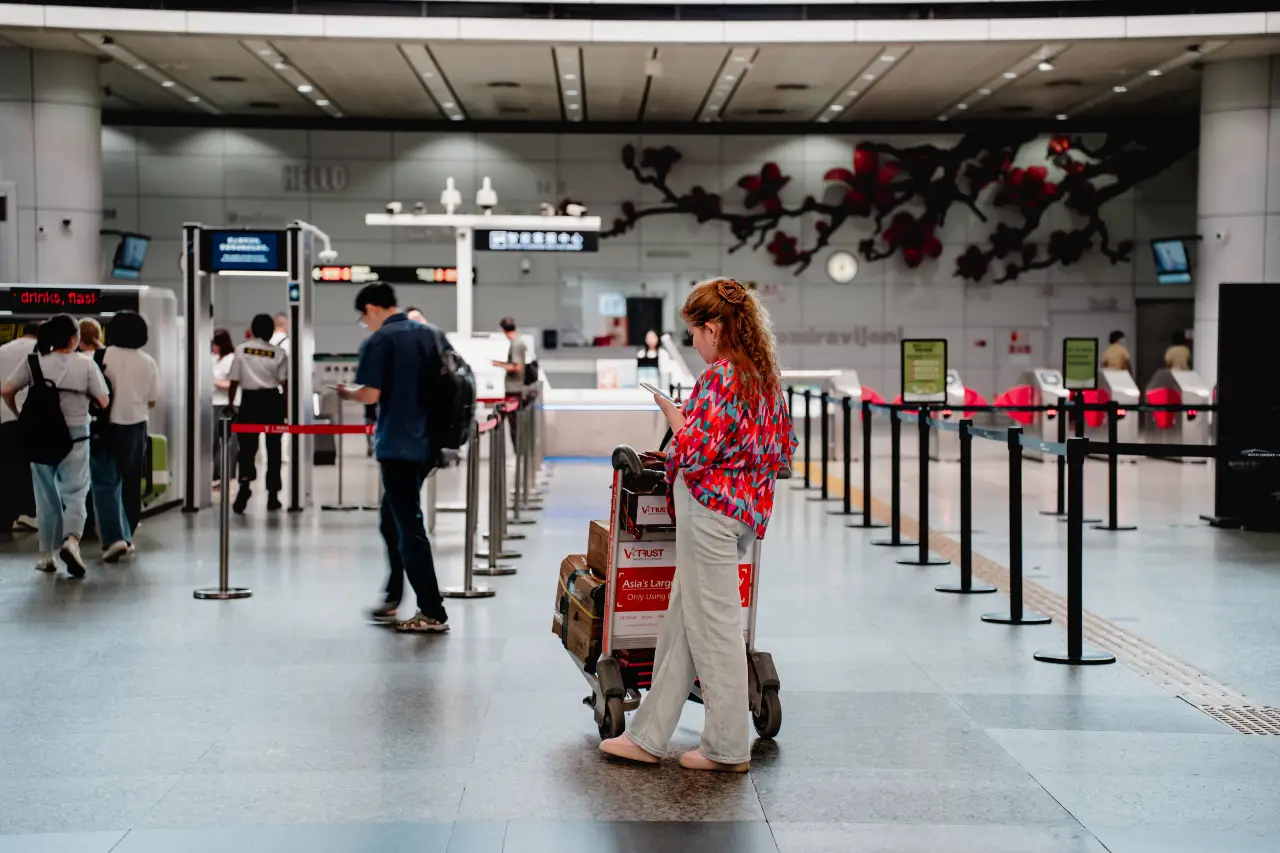
You are walking through a packed street when your map tells you that you missed a turn.
So you stop.
Someone behind you almost walks straight into you.
This is one of the easiest travel habits that make you look like a tourist because visitors often need to stop for directions, photos, restaurant searches, messages, or landmarks.
Getting lost is normal.
Stopping in the flow of people is the problem.
Kyoto asks visitors not to block busy streets, including when stopping for photographs. Venice also warns people against standing on bridges in ways that block pedestrian traffic.
Community discussions from New York show the same complaint. People mention slow groups, blocked sidewalks, and visitors who suddenly stop as easy clues that someone is unfamiliar with the city’s walking pace. This is public opinion rather than scientific proof, but it matches official city guidance about keeping shared space clear.
Do this instead: Step beside a wall, storefront, bench, or another safe edge before opening your map.
5. Match Your Voice to the Place

A loud conversation may feel normal at home.
Then you step onto a quiet train, and everyone can hear every word.
Different places have different ideas about normal public volume. You do not need to whisper everywhere, but it helps to notice the room before speaking at full volume.
Japan’s tourism guidance asks passengers to keep conversations quiet and avoid phone calls on public transport. Barcelona’s responsible tourism guidance also asks visitors to reduce noise out of respect for residents.
This matters in more places than trains.
Watch your volume in apartment buildings, hotel halls, quiet cafés, places of worship, and residential streets late at night.
The easiest rule is simple.
Match the room.
If everyone around you is speaking quietly, lower your voice.
A Quick Check Before You Act
| Situation | What Stands Out | Better Choice |
|---|---|---|
| Checking directions | Stopping in the walkway | Step aside first |
| Train doors open | Pushing forward | Let riders exit |
| Escalator | Using your home rule | Read signs |
| Taking a photo | Blocking the path | Move out of the flow |
| Talking | Speaking louder than the room | Match local volume |
| Unsure what to do | Guessing | Watch or ask |
These simple changes prevent many common tourist mistakes before they cause problems.
6. Stop Treating Every Street Like a Photo Set
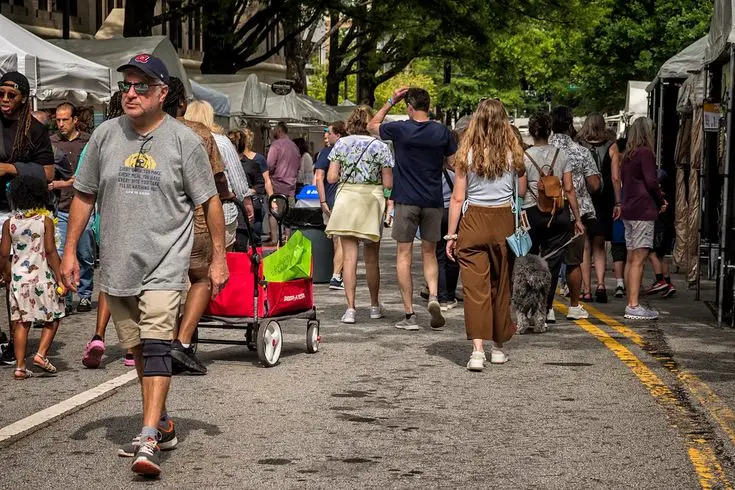
A beautiful street can make you want to stop immediately.
But someone may live behind that doorway.
Someone may need to drive through that lane.
Someone may be trying to get to work while you line up your tenth photo.
Kyoto issued updated guidance in September 2026 that addressed unauthorized photography, private property, children, street obstruction, and photography involving geiko and maiko. The city’s message is simple: famous neighborhoods are still places where people live and work.
Before taking a photo, check what is happening around you.
Are you standing in traffic?
Are you blocking an entrance?
Are you pointing your camera at someone who has not agreed to be photographed?
Have you stepped onto private property?
One question helps:
Would you still stand there if you were not taking a photo?
If the answer is no, move somewhere safer and less disruptive.
7. Dress for the Place, Not Just the Weather

The weather app says 90 degrees.
That tells you what feels comfortable outside. It does not tell you what is suitable inside a temple, mosque, church, formal restaurant, or business area.
Dress customs can change within the same city.
Swimwear may be fine beside a pool but look out of place several streets away. Bare shoulders may be normal outdoors but restricted at a religious site.
Visit Dubai’s 2026 visitor guidance, for example, says swimwear belongs at beaches and pools while more modest clothing is better around heritage and religious locations.
Check three things before packing:
- What people normally wear on everyday streets.
- What religious sites expect.
- What nicer restaurants or evening venues require.
Comfort still matters.
You just want clothes that work for both the temperature and the place.
8. Do Not Expect Everyone to Speak English

Speaking English while traveling does not make you rude.
Expecting every stranger to understand it can.
Start with basic courtesy.
Learn how to say hello, please, thank you, excuse me, and “Do you speak English?” in the local language.
You do not need perfect pronunciation.
The effort itself can make an interaction feel warmer.
Japan’s tourism guidance says basic greetings are appreciated, even though English is available in many tourist areas. Its 2026 visitor information also suggests using translation tools when English is not understood.
Keep a translation app on your phone for menus, signs, addresses, and simple questions.
You can also save important phrases before leaving your hotel in case your internet connection fails.
Do this instead: Start politely, ask whether English is okay, then use translation help if needed.
9. Check Restaurant Customs Before Your First Meal

Restaurant habits can change faster than travelers expect.
Tipping may be normal in one country and unusual in another.
Some places bring the bill to your table. Others expect you to pay at a counter.
Some restaurants take reservations very seriously. Others may add table charges or service fees that surprise visitors.
Japanese tourism guidance notes that some restaurants use table charges. It also warns that missed reservations can hurt small restaurants that buy and prepare food based on bookings.
Before traveling, check:
- tipping customs
- reservation rules
- normal dining times
- service charges
- whether you wait to be seated
- where payment happens
Use an official tourism site when possible.
Social media can help you find restaurants, but it is a weak place to learn rules that may change or vary by city.
10. Leave the Giant Suitcase Somewhere Safe

Your suitcase may roll smoothly through an airport.
That does not mean it works well on a packed metro at 8 in the morning.
Large bags take up space in train doors, bus aisles, narrow streets, and busy station platforms.
Japan’s tourism authority recommends keeping luggage out of other passengers’ way. Some train services also have special rules for larger bags. Kyoto’s 2026 guidance encourages visitors to leave luggage before sightseeing as part of its effort to reduce crowding.
Look for:
- hotel baggage rooms
- train station lockers
- staffed storage services
- luggage delivery services
You may pay a small fee, but you gain easier movement for the rest of the day.
Your shoulders will probably thank you too.
Do this instead: Store your bags first, then explore.
11. Stop Arriving Everywhere at the Busiest Time
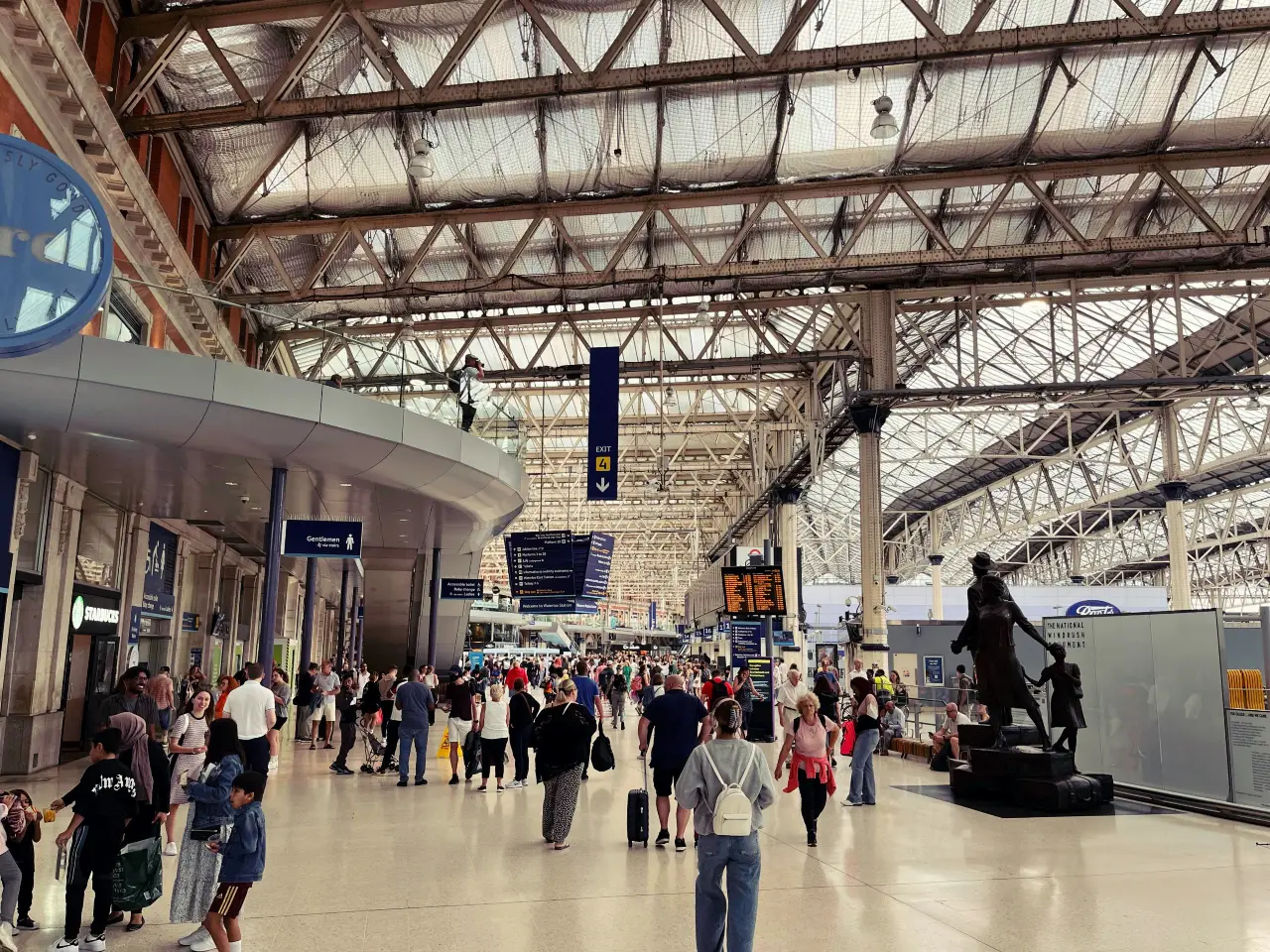
Famous places are famous for a reason.
You do not need to avoid them.
But visiting every major attraction at the exact same time as everyone else can make your day slower, louder, and less enjoyable.
Kyoto provides congestion information and live camera tools so travelers can check busy areas before arriving. Venice also encourages visitors to explore when crowds are lighter and to spend time beyond its most crowded areas.
Try a simple day plan:
Famous sight early. Local lunch later. Smaller attraction in the afternoon.
You can also check timed entry tickets before the trip.
If the attraction allows reservations, booking ahead may save you from standing in a long line.
Check These 6 Things Before You Go
| Place or Activity | What to Check |
|---|---|
| Public transit | Boarding and escalator rules |
| Religious sites | Clothing and photo rules |
| Restaurants | Tipping and reservation customs |
| Neighborhoods | Private spaces and photo limits |
| Major attractions | Crowd levels and timed entry |
| Public spaces | Rules for food, smoking, and seating |
A few minutes of research can prevent hours of frustration later.
12. Remember That People Live in Pretty Neighborhoods
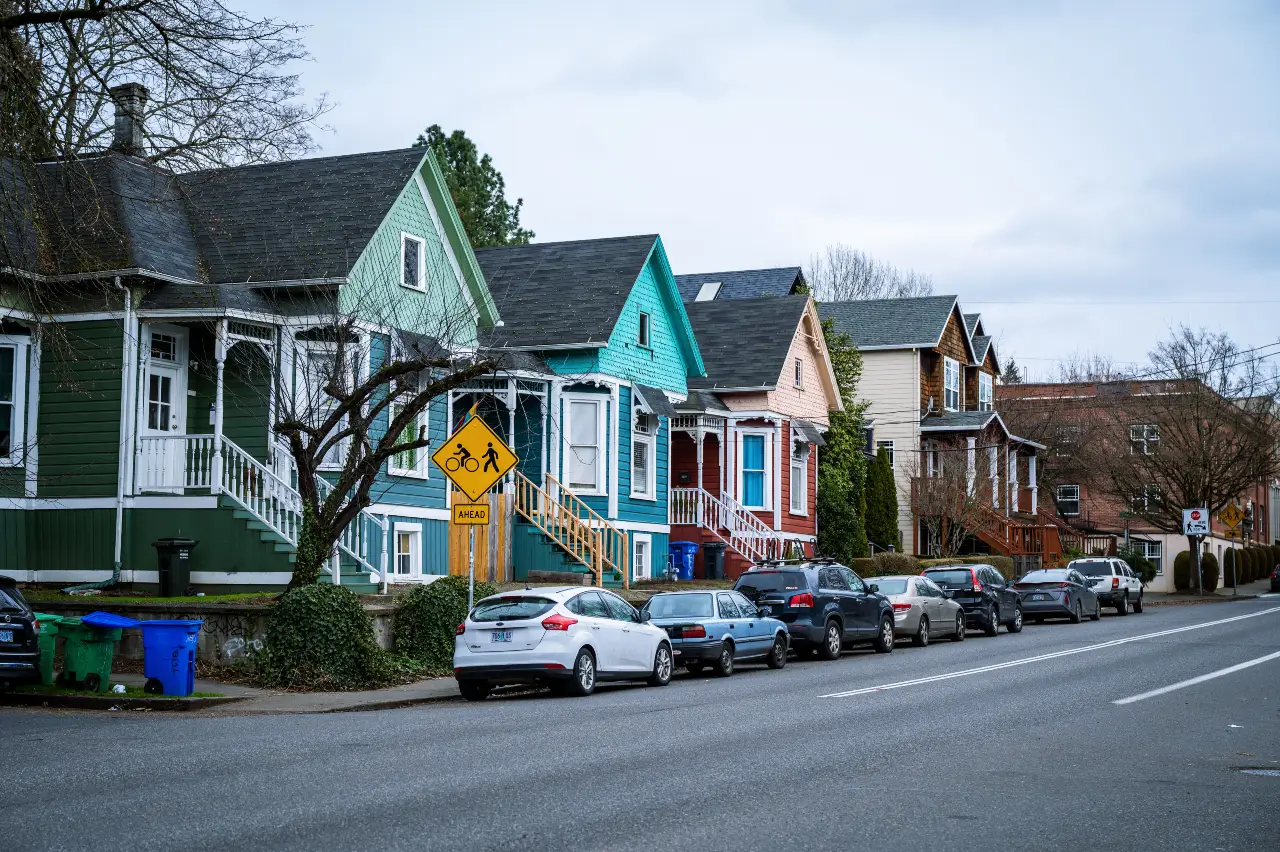
Some neighborhoods become famous because of colorful houses, narrow lanes, historic doors, murals, balconies, or traditional clothing.
That does not turn every part of the neighborhood into a visitor attraction.
A doorway may be someone’s front door.
A courtyard may be private.
A child walking home is not part of the scenery.
Kyoto’s 2026 visitor guidance addressed problems involving unauthorized photography, trespassing, and concerns about children being photographed. Barcelona also asks visitors to respect the people who live in popular areas.
This does not mean you should avoid residential neighborhoods.
Walk through them.
Shop at local businesses.
Eat at neighborhood restaurants.
Just treat the area like a place where ordinary life is happening.
Do this instead: If you would find the behavior strange outside your own home, do not do it outside someone else’s.
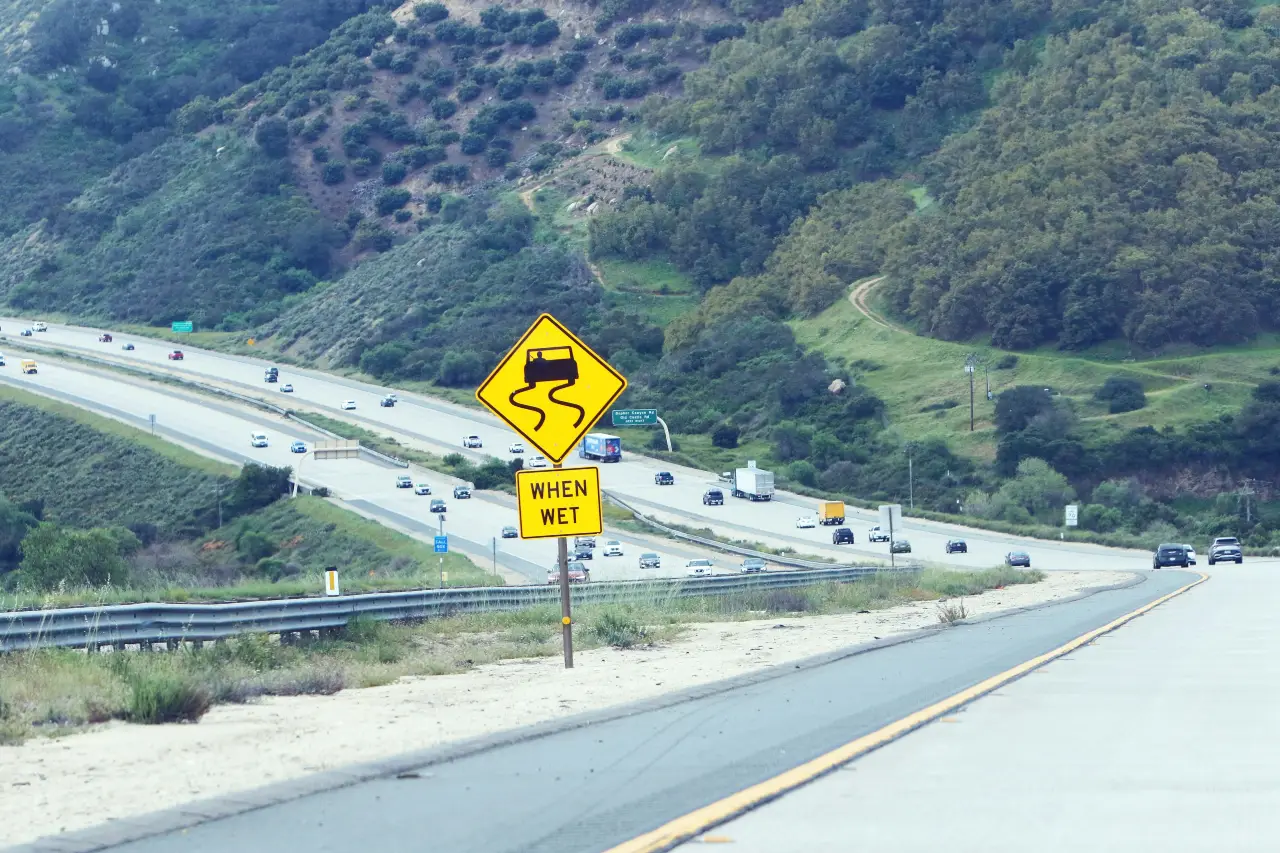
13. Read the Sign Even When Other Tourists Ignore It
You reach a beautiful spot and see three people climbing past a barrier.
It may be tempting to follow them.
Do not assume their behavior is allowed.
Travelers sometimes ignore signs because they think restrictions are small suggestions. In some cities, they are actual rules with fines.
Venice lists prohibited behavior that includes swimming in canals, littering, wearing swimwear in certain public areas, and feeding pigeons or seagulls. Kyoto also tells travelers to pay attention to local rules involving photography and smoking.
Look for signs about:
- photography
- private property
- smoking
- food
- swimming
- clothing
- restricted entrances
If you do not understand the sign, use your phone camera with a translation app.
Do this instead: Read first. Copy the crowd second.
14. Do Not Assume Every Empty Step Is a Seat
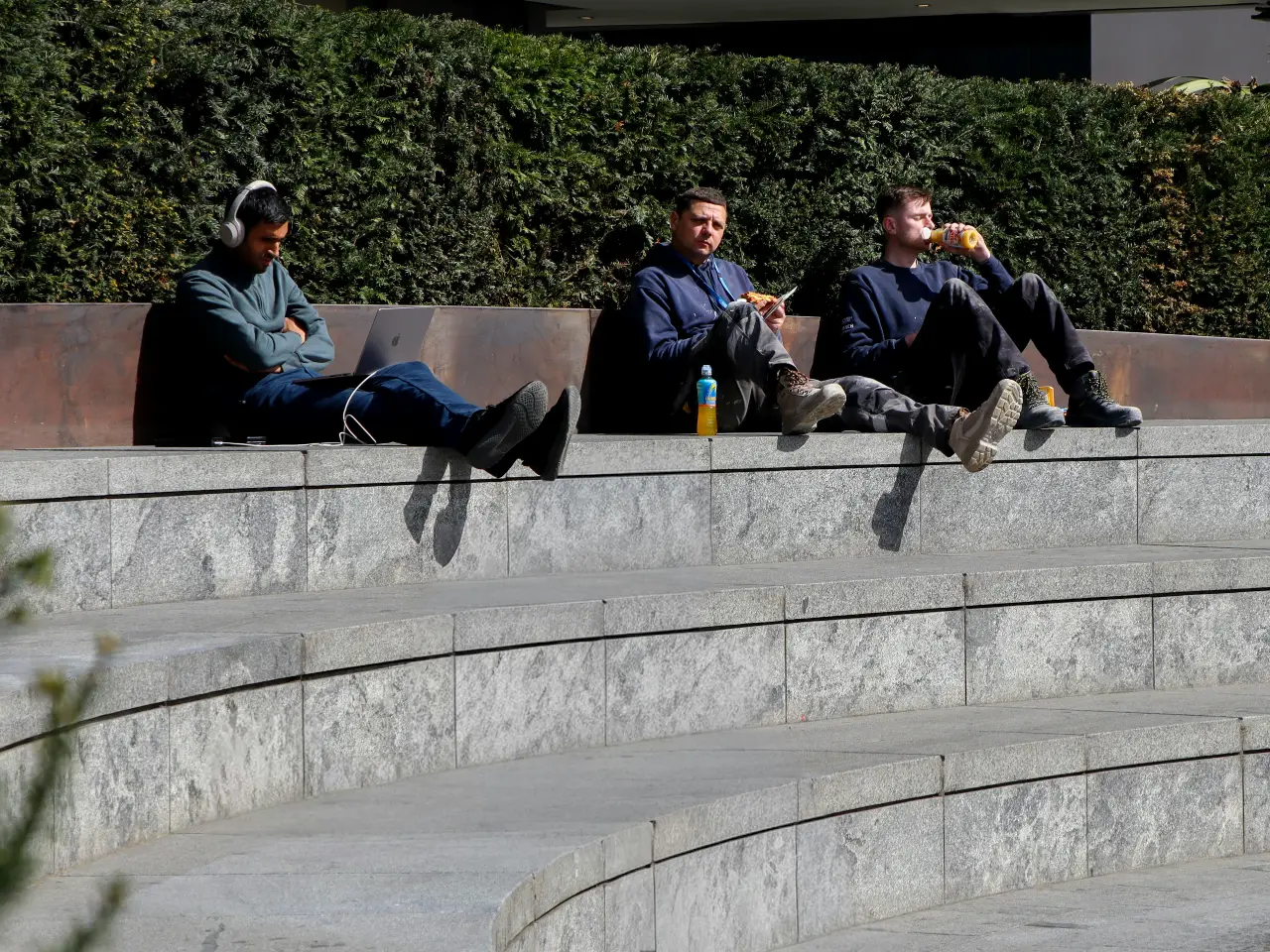
After four hours of walking, any flat surface can look wonderful.
A church step seems perfect.
So does a bridge edge or low wall beside a monument.
But some cities restrict where visitors can sit, eat, or stop.
Venice tells visitors that church steps, bridges, monuments, and canal edges should not be treated as picnic areas. Certain behavior in these spaces can lead to penalties.
Look for a proper place to rest instead.
Try a public bench, park, café, plaza with seating, or marked rest area.
Planning breaks can help too.
If you know you will walk for most of the day, save a few cafés or parks on your map before leaving.
That gives you somewhere legal and comfortable to stop before your feet make the decision for you.
15. Spend 10 Seconds Watching Before You Act
This may be the most useful habit on the list.
When you do not know what to do, stop guessing.
Watch.
How do people queue?
How loudly are they speaking?
Do they enter the restaurant or wait at the door?
Where do they stand on the platform?
Are people taking phone calls on the train?
Are shoes being removed before entering?
Japan’s tourism organization advises visitors who are unsure about etiquette to watch what people around them are doing or ask for help.
Use a simple ten-second check:
- Where are people standing?
- Which way are they moving?
- How loudly are they talking?
- Are people taking photos here?
- Is there a sign nearby?
- Are you blocking anyone?
The travelers who fit in best are not pretending to be locals.
They are paying attention.
The 4 Signals Locals Notice Fast
Most tourist behavior comes down to four simple things.
Pace
Are you moving much slower than the people around you?
Slow travel is fine. Just step aside when other people need to pass.
Space
Are you taking up more room than necessary?
This includes bags, tripods, groups, and stopping in narrow areas.
Volume
Are you louder than the room, street, train, or building?
If so, lower your voice.
Context
Does your behavior fit the place?
What works on a beach may not work in a church. What works in one train system may not work in another.
These four checks are more useful than memorizing hundreds of travel rules.
How to Avoid Tourist Mistakes Before Your Next Trip
You do not need hours of research.
Give yourself five minutes before visiting a new country or city.
Check the official tourism website for:
- public transit customs
- clothing rules
- photography rules
- local laws
- restaurant customs
- crowd information
Official local sources are usually better for rules than random social posts. Your research plan gives the same source priority, placing city authorities and official tourism boards above general community discussion.
Useful tools can also include local transit apps, map apps, translation tools, attraction reservation sites, congestion maps, and luggage storage services. Kyoto Smart Navi is one current example that combines crowd information, live cameras, transport details, photography guidance, smoking information, and baggage services.
Then use your first hour in a new place as a learning period.
Watch how people move.
Listen to the normal volume.
Notice where people stand.
That small amount of attention can save you from many awkward mistakes.