
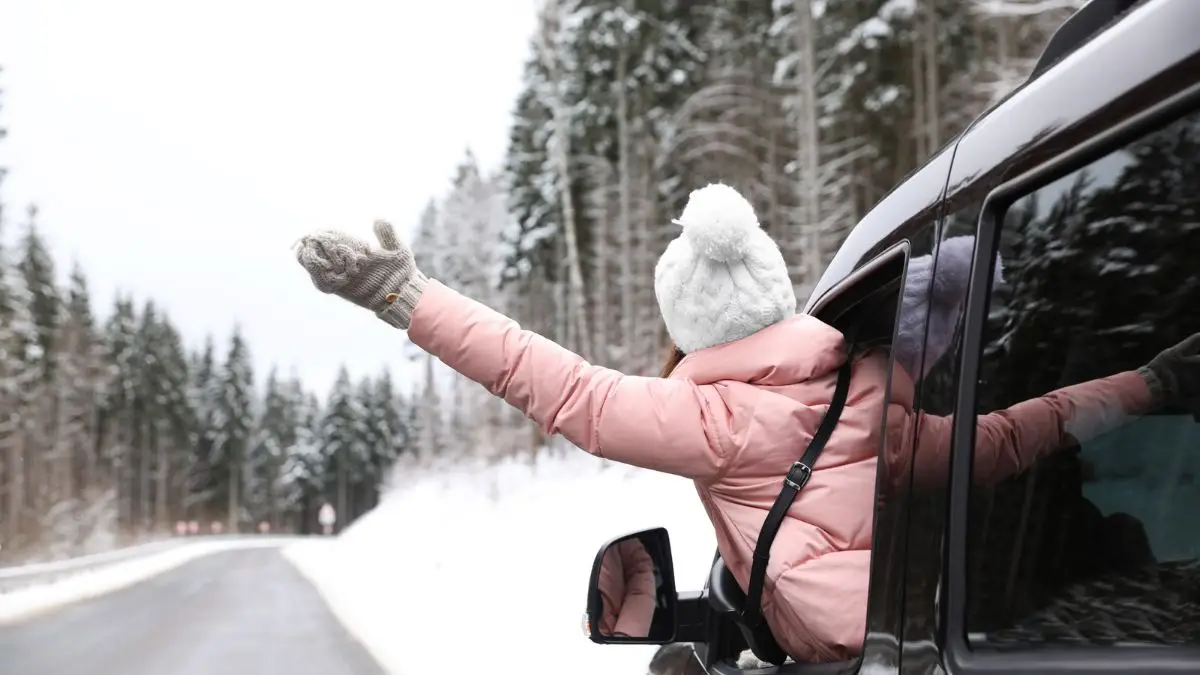
The first real test of winter van life often comes before sunrise. Your windows are wet, the floor feels freezing, and getting out of your warm bed suddenly seems like the hardest part of the day.
Summer van life looks easy in pictures. You park near a beautiful lake, open the doors, and enjoy breakfast with a view. But winter changes almost everything. Even simple jobs like brushing your teeth, cooking breakfast, or finding a place to shower can take more effort than you expect.
And the cold is just one problem. You also have to deal with moisture inside the van, shorter days, frozen water lines, and places that close for the season. Some nights feel peaceful, while others leave you wondering whether you prepared enough.
The good news is that living in a van in winter can still be comfortable and rewarding. You just need realistic expectations and a plan that works when the weather turns bad.
Here is what your first cold season on the road really feels like, along with practical ways to make each day easier and safer.
Winter Van Life: What Your First Cold Season on the Road Really Feels Like
1. Why Your First Cold Morning Feels Harder Than Expected
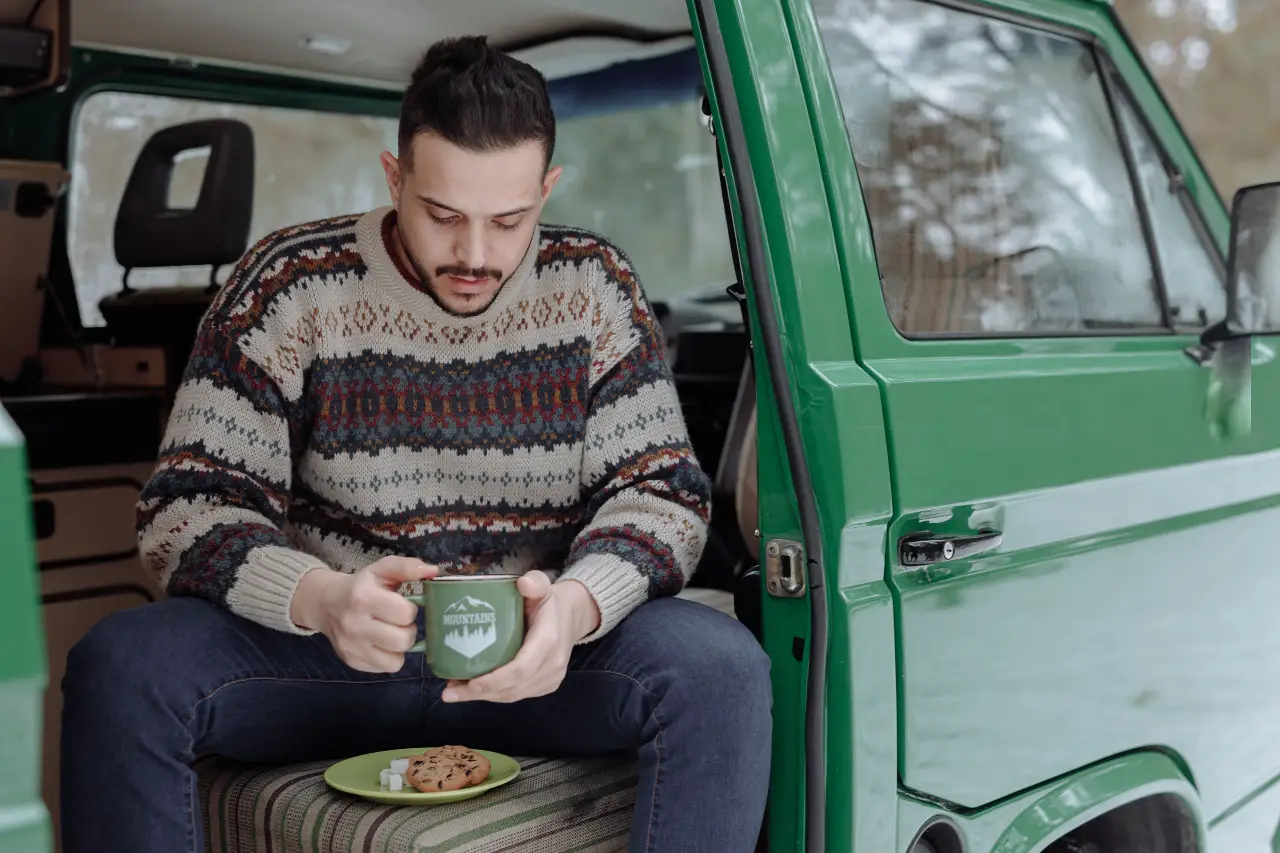
Your first freezing morning in a van can be a surprise. You may feel warm inside your sleeping bag, but the moment you reach outside it, the air feels completely different. Your clothes are cold, the floor feels uncomfortable, and the windshield may be covered with moisture.
Even getting dressed can become a challenge. You might need to warm the living space before changing clothes or find a dry place to put your feet. Something that takes five minutes at home can become a much longer task.
For example, suppose the temperature outside drops to 25°F. Your van might stay fairly comfortable with a working heater and good insulation. But without reliable heat, the inside can become dangerously cold. A small digital thermometer helps you see the actual temperature instead of guessing.
One of the easiest improvements is creating a small morning station beside your bed. Keep warm socks, slippers, a sweater, and a flashlight within reach. Make sure you can safely check or control your heating system without leaving the sleeping area.
Cold weather van life becomes easier when you stop expecting your mornings to work like they did in summer. A few minutes of preparation before bed can make waking up much more comfortable.
2. How to Keep Your Van Warm Without Taking Safety Risks
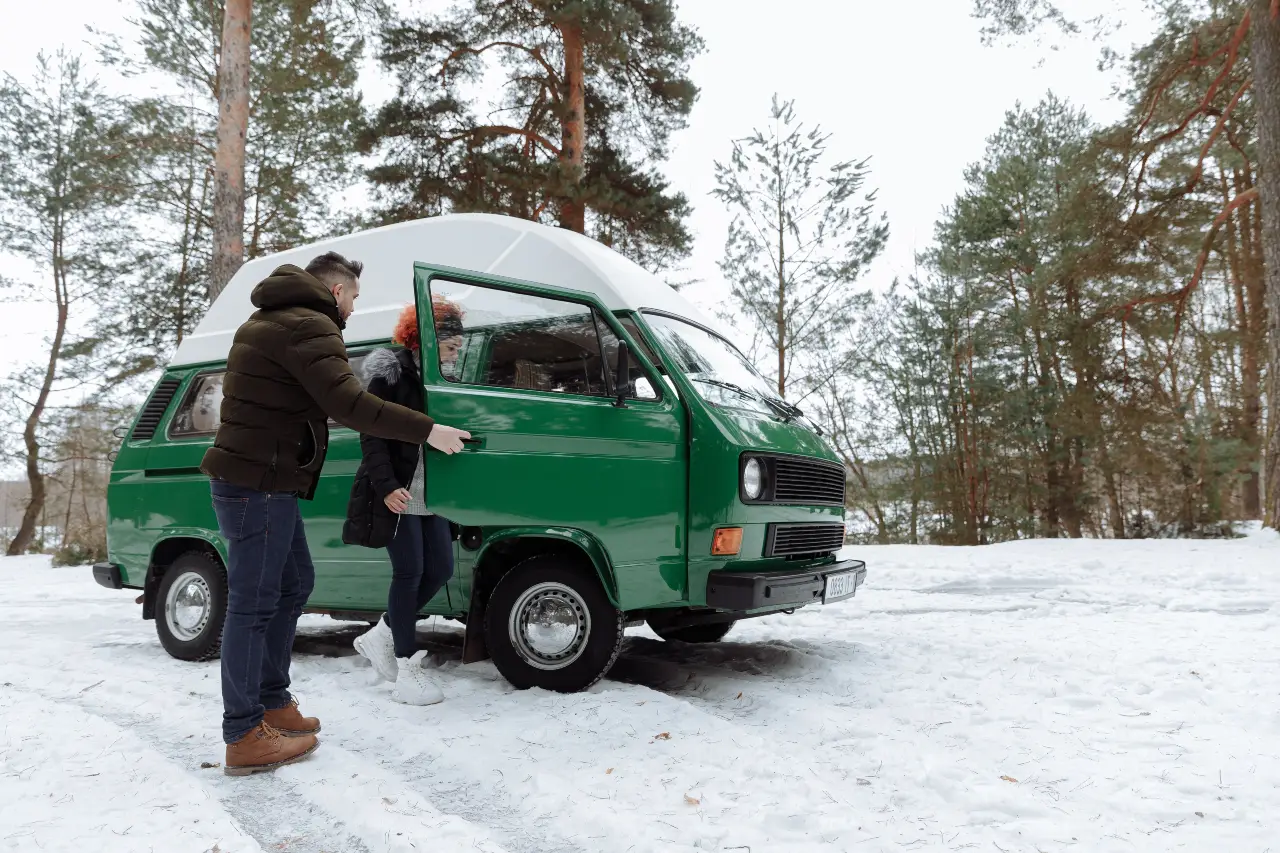
Keeping warm becomes one of your biggest daily concerns during winter. A thick blanket helps when you are sleeping, but it does not solve the problem of heating the entire living space.
Insulation slows heat from escaping through the walls, ceiling, and floor. However, insulation does not create warmth. If outdoor temperatures stay below freezing, you still need a suitable heating system.
Many winter campers use professionally installed diesel or gasoline air heaters, RV furnaces, or electric heaters when proper shore power is available. Each system has limits. Fuel heaters require correct installation, safe exhaust arrangements, and regular maintenance.
Electric heating can also use a large amount of energy. A typical portable electric heater may draw 1,500 watts. That can quickly drain a battery system designed mainly for lights, device charging, and small appliances.
Carbon monoxide is another serious concern. This gas has no smell or color, so you cannot depend on your senses to detect it. Never use a camping stove, charcoal grill, portable generator, or outdoor heater inside the van for warmth.
Make two heating plans before winter begins:
- Your normal plan should include a correctly installed heating system, working safety alarms, and enough fuel or suitable power.
- Your emergency plan should identify a safe, heated place you can reach if the main system stops working.
Also inspect the heater’s exhaust outlet according to the manufacturer’s instructions. Snow, road debris, and other blockages can create dangerous conditions.
The goal is to stay comfortably warm without creating a new safety problem. A warm sleeping bag is useful, but it cannot replace a reliable heating system and a safe backup plan.
3. How to Stop Condensation From Taking Over Your Van
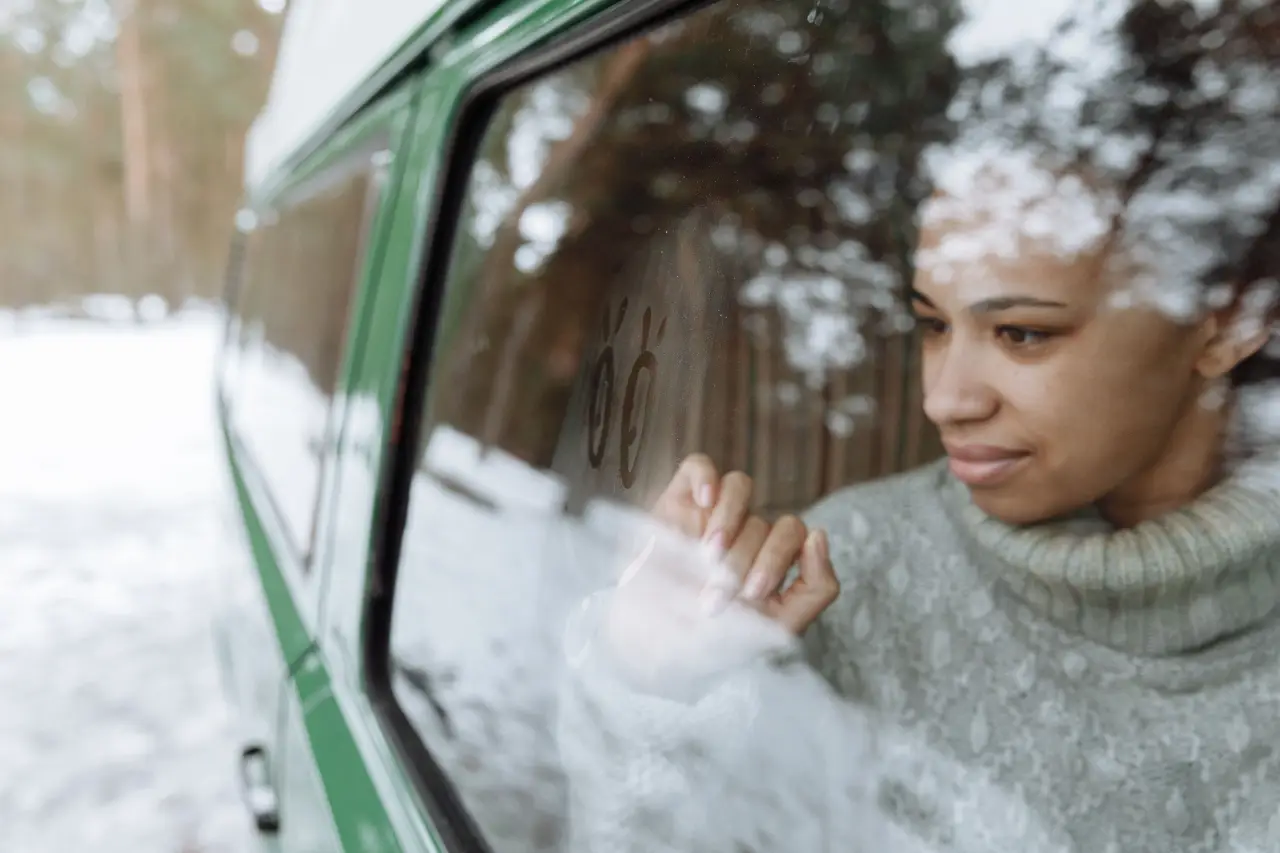
One of the most frustrating surprises of winter van life is waking up to wet windows. You might wipe the windshield clean, prepare breakfast, and notice moisture collecting again.
This happens because warm air inside the van carries moisture. When that air touches a cold surface, some of the moisture turns into water droplets. Breathing, cooking, and wet clothing can all add moisture to the air.
The problem does not always stop at the windows. Water can collect behind wall panels, under mattresses, around door seals, and inside storage areas. If these places stay damp, mold can develop, and materials may become damaged.
Insulation can help reduce cold surfaces, but it does not remove moisture from th10-minuteu still need suitable ventilation and a way to dry damp items.
Try this simple 10-minute moisture check each morning:
- Wipe visible water from the windshield and side windows.
- Check the corners around doors and window seals.
- Look underneath the mattress for damp spots.
- Inspect storage areas near exterior walls.
- Use safe ventilation and remove wet clothing when possible.
A small hygrometer can help you track indoor humidity. However, the number alone does not tell the full story. Cold surfaces can develop condensation even when the rest of the van seems dry.
Also pay attention to where moisture appears. Water forming during cold mornings often points to condensation. Water that appears after rain may indicate a damaged seal or a leak.
Keeping your van dry protects your bedding, stored clothing, and interior materials. It also makes the small space much more pleasant to live in.
4. How to Keep Water, Showers, and Bathroom Trips Manageable

A frozen water line can turn a normal morning into a frustrating experience. You turn on the faucet, but nothing comes out. Now you have to figure out whether the water has frozen, the pump has stopped, or the tank is empty.
Water systems become more difficult to manage when temperatures fall below 32°F. Pipes, pumps, tanks, and drain fittings can freeze if they are not properly protected. Water expands as it freezes, which can damage plumbing parts.
Some winter vans have heated interior tanks and protected plumbing. Others use removable water containers that can be stored in a warm area. If your plumbing is not designed for freezing weather, winterizing the system may be the safest choice.
Bathroom and shower access can also become less convenient. Campgrounds may close their shower buildings, reduce services, or stop providing certain water facilities during winter.
For example, Rocky Mountain National Park’s 2026 winter camping arrangements limit camping to Moraine Park Campground. Services and electrical connections vary by campsite, and visitors must check the available facilities before arriving. National Park Service
Keep drinking water in containers that will not freeze. Find suitable refill locations before your supply gets low, and plan where you can safely empty waste tanks.
The National Weather Service recommends keeping at least one gallon of emergency water per person per day for three days. This is a useful starting point for emergency planning, although your regular water needs may be higher. National Weather Service
Living in a van in winter becomes much easier when you know where your next water refill, bathroom, and shower will be.
5. Why Short Winter Days Can Leave Your Batteries Running Low

You may have plenty of electricity during summer and still struggle to keep your batteries charged in winter. The problem is often the amount of sunlight available.
Winter days are shorter, and the sun stays lower in the sky. Trees, mountains, clouds, and snow can further reduce how much energy your solar panels produce.
At the same time, you may need more electricity for lighting, ventilation, electronics, and the electrical parts of your heating system. A fuel heater may burn diesel or gasoline for heat while still using battery power to run its fan and controls.
This is why winter van life solar planning matters. You need to know how much electricity your equipment uses and how much your system can replace.
For example, consider this simple daily power budget:
| Electrical item | Example daily use |
|---|---|
| Heater fan and controls | 240 Wh |
| Interior lights | 40 Wh |
| Phone and device charging | 60 Wh |
| Ventilation fan | 60 Wh |
| Total daily use | 400 Wh |
These are sample numbers for planning, not measured figures from a particular van. Your actual power use depends on the equipment and how long it operates.
Battery temperature matters too. Many lithium batteries have restrictions on charging below freezing. Some include protective controls or approved heating systems, so always follow the manufacturer’s instructions.
Watch your battery monitor during a short winter camping test. Record how much energy you use overnight and how much charging you receive the next day.
If your battery regularly runs low, reduce unnecessary electrical use or arrange a reliable charging source. Do not assume that one sunny afternoon will replace several days of lost power.
6. How to Find Safe Overnight Parking When Campgrounds Close

Finding a beautiful parking spot during summer can feel simple. Winter van life parking requires more research because roads, campgrounds, and public facilities may have seasonal limits.
A campsite shown on a map might be closed for the winter. Another may stay open but have no working showers, limited drinking water, or roads covered in snow.
Even free camping areas can become difficult to reach. Forest roads may be closed, covered with deep snow, or too icy for your particular van. Parking in the wrong place can also interfere with snow removal.
The best approach is to find legal overnight parking before the day gets dark. Check official campground information, weather forecasts, road conditions, and local parking rules.
Before choosing a winter parking location, ask four questions:
- Is overnight parking legally allowed here during winter?
- Can my van safely reach the location in the current conditions?
- Will snow, ice, falling branches, or severe weather create problems?
- Can I leave safely if the weather changes?
A location that passes these checks is usually a better choice than a scenic spot with uncertain access.
Always keep a backup location in mind. If a campground is full or a road closes, you need somewhere else to stay without making a dangerous late-night drive.
Winter camping becomes more relaxing when you know where you are going to sleep before the weather starts getting worse.
7. Why Snow and Ice Can Change Your Driving Plans

One of the biggest adjustments during winter van life is accepting that you cannot always drive when you want.
A road that looks safe in the morning can become icy after sunset. Heavy snow may reduce visibility, while strong winds can make a tall van harder to control.
Your van’s weight and size also matter. A fully loaded camper may take longer to stop, and its height can make it more affected by crosswinds. Four Wheel Drive may help with traction in some conditions, but it does not make braking on ice safe.
Before traveling, check the weather forecast and current road conditions. The National Weather Service provides winter storm warnings and information that can help you decide when to delay travel.
You should also check whether winter tires or traction devices are needed. Some mountain roads require chains or other approved equipment during certain conditions.
A simple rule can help you decide what to do.
| Road condition | Safer decision |
|---|---|
| Roads are clear, and conditions are stable | Travel if your van is prepared |
| Snow or ice is possible later | Review the forecast and consider delaying |
| Hazardous winter weather is expected | Reach safe shelter before conditions worsen |
| Roads are closed or travel warnings are serious | Stay in a safe location and wait for conditions to improve |
Prepare a winter vehicle emergency kit with food, water, blankets, medication, a flashlight, and a shovel. Make sure these supplies are easy to reach.
The important lesson is that you do not need to keep moving every day. Sometimes the safest part of winter van life is choosing not to drive.
8. Why Simple Daily Tasks Take More Time in Winter
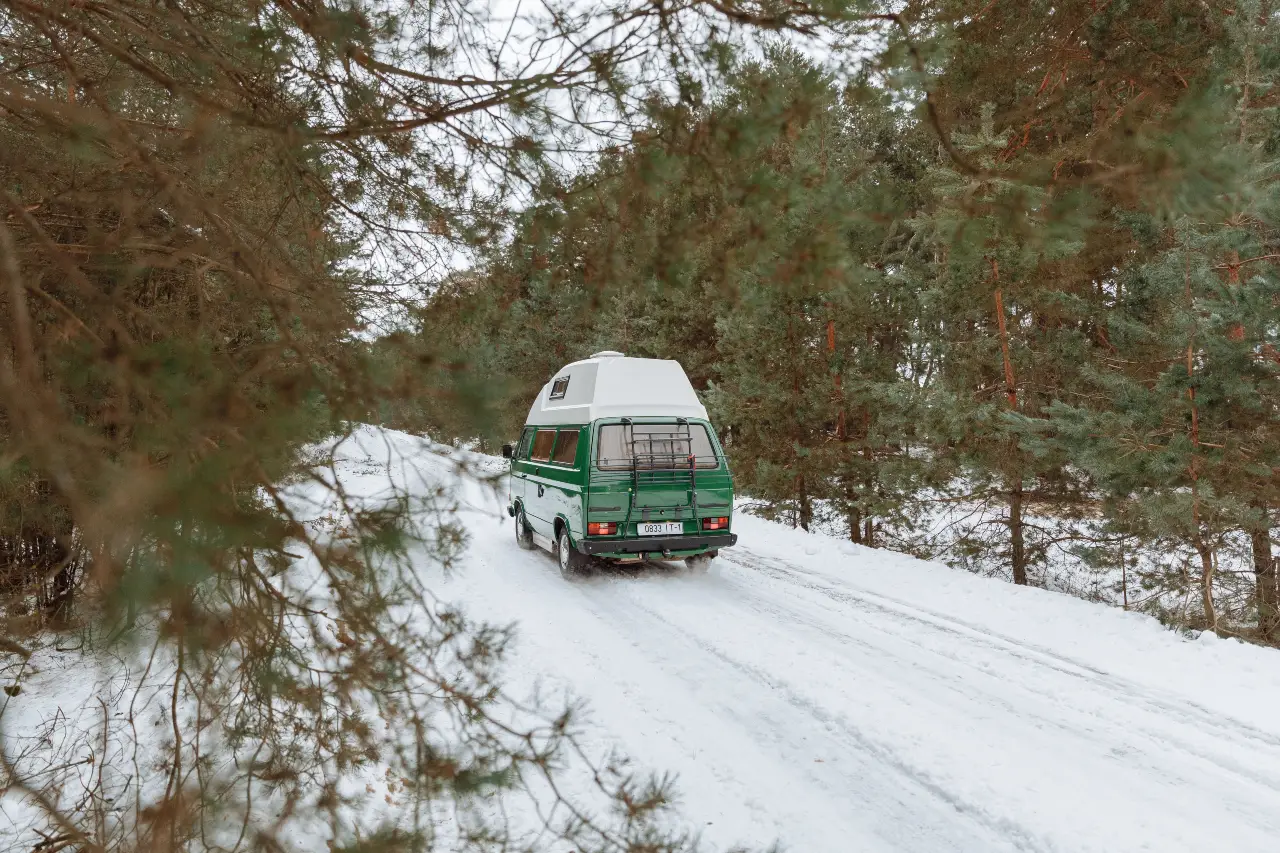
Winter changes your routine in ways you might not expect. Even when your van has good heating, you still have to deal with wet clothing, muddy shoes, and cold weather outside.
Take something as simple as making breakfast. You may need to warm the living space, remove moisture from the windows, and check your water supply before preparing food.
Then there is the problem of drying things. Wet jackets and boots can take up valuable space, especially when you cannot hang them outside. Leaving damp items inside without enough ventilation can also increase condensation.
Cooking requires extra thought too. Bad weather may make outdoor cooking unsafe or impractical, so you need a suitable indoor cooking arrangement or meals that require little preparation.
Here is how a normal routine can change.
| Daily activity | Summer van life | Winter van life |
|---|---|---|
| Getting dressed | Usually quick and easy | Warm clothing and a cold floor may slow you down |
| Breakfast | Outdoor cooking may be convenient | Weather and ventilation require more planning |
| Drying clothes | Sun and warm air can help | Drying may take longer and add moisture indoors |
| Showering | More seasonal facilities may be open | You may need to travel farther |
| Charging devices | Solar power may be more available | Cloudy days can limit charging |
| Finding parking | More seasonal camping options | Weather and road access can reduce choices |
The best way to make daily winter van life easier is to prepare for tomorrow before going to sleep.
Put dry clothes somewhere accessible. Check your fuel and water levels. Keep the floor clear of wet gear, and plan a simple breakfast.
These small habits reduce the number of problems you have to solve when you are tired or cold.
9. How to Handle Lonely Winter Evenings in a Small Van

Winter van life can feel peaceful when you have a quiet place to park and a warm space to relax. But spending long evenings inside a small van can also feel lonely.
During summer, you might spend hours hiking, sitting outside, or meeting other travelers. Winter weather can limit those activities. When the sun sets early, you may find yourself inside for much of the evening.
This does not mean everyone who travels in winter feels isolated. Some people enjoy the quiet. Others miss regular conversations, outdoor activities, and having more space.
The problem becomes easier to manage when you plan activities before boredom takes over.
Look for libraries, community centers, affordable indoor recreation, and local events. A simple trip to a coffee shop or a phone call with a friend can help break up a long day.
You can also build a small routine around your travel schedule.
A simple three-day example:
- Day 1: Spend time outdoors when the weather is safe, then relax with a book or movie.
- Day 2: Visit a library, explore a nearby town, or meet someone for coffee.
- Day 3: Use the day for laundry, shopping, meal preparation, and checking in with family or friends.
If you work remotely, try to separate working hours from your free time. Otherwise, the van can start to feel like one small room where everything happens.
Your first winter may teach you that freedom is not always about visiting somewhere new. Sometimes it means building a comfortable routine in one place.
10. How Much Extra Money Should You Plan for Winter Van Life?

Winter van life can cost more than you expect, especially if your van is not already prepared for freezing conditions.
Heating fuel is one possible extra expense. You may also spend more on laundry, showers, campground electricity, winter tires, and maintenance.
A paid campground can become useful when you need a reliable electrical connection or access to facilities. However, staying at paid sites more often can change your monthly budget.
For a real example, Rocky Mountain National Park lists winter camping fees of $30 per night for a standard site without electricity and $55 per night for a standard electric site during the 2026 winter season. These are location-specific prices, not national averages. National Park Service
You should also budget for unexpected problems. A heater repair, frozen plumbing part, damaged tire, or emergency hotel stay can create a cost you did not plan.
Use this simple expense tracker before your first winter trip.
| Expense | How to estimate it |
|---|---|
| Heating fuel | Expected daily fuel use × local fuel price × number of days |
| Campgrounds | Number of paid nights × nightly fee |
| Showers and laundry | Expected visits × local prices |
| Electricity | Campground power fees or charging costs |
| Vehicle maintenance | Planned service and likely winter equipment |
| Emergency lodging | Cost of several nights in a safe, heated place |
You do not need to guess one average winter van life cost for everyone. Someone staying in a mild climate may spend very differently from a traveler living through months of snow.
A better plan is to track your expenses during a short winter trip. Then adjust your budget based on what your van and lifestyle actually require.
11. The Small Winter Van Life Habits That Prevent Big Problems
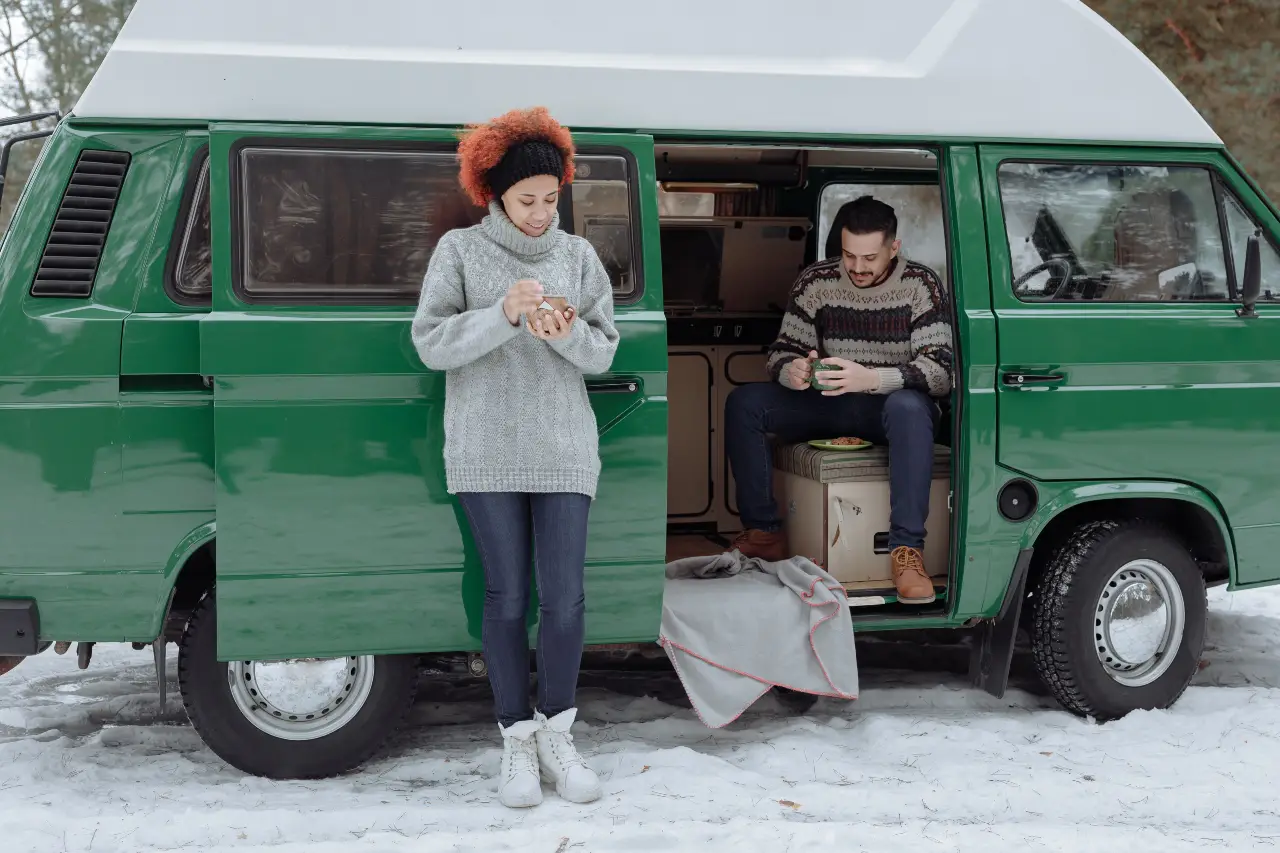
Most winter problems become easier to manage when you check your van regularly. Waiting until something stops working can leave you dealing with repairs in uncomfortable weather.
Your morning routine should start with the basics. Check the weather, indoor temperature, battery level, fuel supply, and any warnings from your heating system.
Look for moisture around the windows and other cold surfaces. Remove wet clothing from enclosed storage, and keep your bedding dry.
Before going to sleep, prepare for the next morning. Make sure your heater is operating correctly, your safety alarms are working, and your essential supplies are accessible.
Your five-minute morning checklist
- Check the latest local weather forecast.
- Look at your battery level and heating fuel supply.
- Inspect windows and other areas for moisture.
- Check that your drinking water is accessible.
- Review road and parking conditions before moving.
Your five-minute evening checklist
- Confirm that the heating system is operating safely.
- Check smoke and carbon monoxide alarms.
- Put dry socks and warm clothing beside the bed.
- Store food, water, and important supplies within reach.
- Make sure you have a safe backup plan for the night.
Winter clothing deserves attention too. The National Weather Service advises wearing layers and changing wet clothing because staying dry is important in cold conditions.
Learn the warning signs of hypothermia and frostbite before your trip. Severe shivering, confusion, unusual sleepiness, numb skin, or changes in skin color can signal a serious problem that needs prompt medical care.
What Should You Do When Something Goes Wrong?
| Problem | What to do |
|---|---|
| Your heater stops working | Use dry insulating layers and relocate to a safe, heated shelter before the temperature becomes dangerous |
| Water freezes in the plumbing | Stop using the affected system and follow the manufacturer’s safe thawing instructions |
| Battery charging stops | Check the battery’s temperature protection and approved charging limits |
| Windows become wet | Remove moisture, improve suitable ventilation, and inspect hidden areas |
| A severe storm approaches | Check official warnings and reach safe shelter while travel remains possible |
| Your carbon monoxide alarm sounds | Leave immediately for fresh air, call emergency services, and do not return until the area is declared safe |
These winter van life tips are simple, but they help you notice small problems before they become more serious.
12. How to Know When It Is Time to Head Somewhere Warmer

There may come a point during your first winter when you stop enjoying the cold. Your heater needs more attention, the roads are getting worse, and even small jobs feel tiring.
That does not mean you failed at winter van life. It means the conditions may no longer fit your setup or what you want from traveling.
One of the biggest advantages of living in a van is the ability to change locations. If you have the time and money, moving to a milder climate can reduce some of the problems caused by freezing weather.
However, warmer places are not always free from winter risks. Desert locations can experience freezing nights, and some southern regions still face storms or sudden temperature drops.
Check the local weather instead of assuming a destination will be comfortable. Also research campground availability, road access, and the distance you need to travel.
If your heater is unreliable, your water system keeps freezing, or your batteries cannot support essential equipment, consider relocating to a safer location or staying in heated accommodation.
For some people, a full winter in the mountains is the goal. Others may prefer visiting snowy places briefly before moving somewhere warmer.
Neither choice is wrong. Your first winter living in a van should teach you which conditions you enjoy and which ones are better avoided.
The best winter plan gives you the freedom to stay when conditions are manageable and leave before they become unsafe.
Frequently Asked Questions About Winter Van Life
Can You Live in a Campervan All Winter?
Yes, but your van needs to be suitable for the conditions you expect. Reliable heating, proper ventilation, protected water systems, and enough electrical power are important. You also need legal places to park and a safe backup if your equipment fails. A short winter test trip can help reveal problems before you commit to several months on the road.
How Do You Keep a Campervan Warm Overnight?
Use a properly installed heating system designed for vehicle or RV use. Good insulation and suitable bedding can help reduce heat loss and improve comfort. Keep ventilation and safety alarms working, and inspect heating equipment according to its instructions. Never use a camp stove, charcoal grill, or portable generator inside your van for warmth.
How Cold Is Too Cold to Sleep in a Van?
There is no single outdoor temperature that makes every van safe or unsafe. It depends on your heating system, insulation, ventilation, equipment, and personal needs. Monitor the actual indoor temperature and make sure you have dependable heat. If you cannot maintain a safe indoor temperature, move to suitable heated shelter rather than relying on extra blankets alone.
How Do You Stop Condensation in a Campervan During Winter?
Start by removing wet clothing and improving suitable ventilation. Wipe moisture from windows and inspect hidden areas where water might collect. Insulation can reduce some cold surfaces, but it cannot remove moisture from indoor air. A hygrometer can help you monitor humidity, while regular inspections can reveal dampness before it causes damage.
Does Solar Power Work for Van Life in Winter?
Yes, solar panels can produce electricity during winter. However, shorter days, snow, clouds, and shade can reduce total energy production. Cold weather alone does not stop solar panels from working. You should monitor your actual power use, check battery charging limits, and plan another suitable charging option if your panels cannot meet your needs.
Conclusion: Make Your First Winter Comfortable, Not Complicated
Your first cold season on the road will probably look different from the pictures that inspired you to try van living. There will be cold mornings, wet windows, slower routines, and days when the weather changes your plans.
But winter also offers quiet campsites, beautiful snowy views, and the chance to enjoy places in a completely different season. The key is preparing for the difficult parts instead of hoping everything will work out.
Before committing to several months of cold weather, take a short trip with your winter setup. Test your heater, check your battery use, and see how your daily routine feels.
Successful winter van life is not about proving how much cold you can handle. It is about staying safe, comfortable, and free to enjoy the road.