

The RV sitting on the dealer’s lot may fit your monthly budget. But the real bills often start after you drive it home. Many first-time buyers focus on the purchase price and forget that RV ownership costs continue long after the paperwork is signed.
You might feel comfortable with a $500 monthly payment. But what happens when you add insurance, storage, repairs, campground fees, and fuel? Suddenly, the RV costs more than you expected, even during months when you barely use it.
Some of the hidden costs of owning an RV arrive every month. Others appear once a year or when something breaks. Even a brand new RV needs regular care, and expensive problems can develop while it sits in storage.
For example, Progressive reported a $588 average annual insurance premium for its travel trailer policies in 2025. An October 2026 study of advertised storage prices found median monthly rates of $85 outdoors and $245 indoors.
That is why calculating the real cost of owning an RV matters before you buy. These 19 expenses will help you prepare a realistic budget, avoid costly surprises, and decide whether an RV fits your lifestyle.
19 RV Ownership Costs Buyers Forget to Budget For (Insurance, Storage and More)

1. RV Sales Tax, Registration, and Dealer Fees Can Raise Your Final Price

The price displayed on an RV windshield rarely tells you what you will actually pay. Sales tax, registration, title fees, and dealer charges can increase your bill before you even take the RV home.
Suppose you buy a travel trailer for $60,000 in a location where the applicable sales tax is 6%. That adds $3,600 in sales tax alone. This is an example, since RV tax rules and rates vary by state and sometimes by local area.
Dealers may also charge for documentation, freight, preparation, and other services. Some fees are required by law, while others are set by the dealership. You should never assume every extra charge is mandatory.
Registration is another expense that can return every year. Depending on your state, the amount may depend on the RV’s weight, age, value, or vehicle type.
Before you buy: Ask for the full price with every tax and fee included. Compare written quotes from different dealers and question any charge you cannot identify.
2. Longer RV Loans Can Cost Thousands More in Interest

A lower monthly payment sounds attractive when buying an expensive RV. But the payment alone does not tell you whether the loan is a good deal.
Consider a $60,000 RV loan with an assumed 8% annual interest rate. Over 10 years, the monthly payment would be about $728. Stretch that loan to 15 years, and the payment falls to around $573.
The problem is the total interest. The 10-year loan would cost roughly $27,400 in interest, while the 15-year loan would cost about $43,200. These are example calculations, not advertised loan offers.
That means the longer loan costs nearly $15,800 more in interest, even though its monthly payment is lower. You could also owe more than the RV is worth if its value falls faster than your loan balance.
Before signing, compare the annual percentage rate, total interest, loan length, and fees. A payment that looks affordable today could become a burden if your income or travel plans change.
Money-saving tip: Ask for the total amount you will repay, not just the monthly payment. Also check whether the loan allows early repayment without a penalty.
3. RV Insurance Can Cost More Than Buyers Expect

Many first-time buyers assume their regular auto insurance will fully protect a travel trailer or motorhome. That assumption can leave expensive gaps in coverage.
Motorhomes generally need their own vehicle insurance. Travel trailers have different insurance needs because they are pulled by another vehicle. Your tow vehicle’s liability coverage may apply in certain situations, but it does not automatically protect the trailer itself against damage.
Progressive reported that its average annual travel trailer insurance premium was $588 in 2025. Its published countrywide average for motorhomes was $1,052 in 2024. These figures come from different years and are not guaranteed 2026 prices.
Your actual premium will depend on the RV’s value, location, use, coverage limits, and your insurance history. Someone living in an RV full-time may also need different protection than someone using it for occasional weekends.
Pay special attention to personal belongings, storm damage, theft, emergency expenses, and liability while the RV is parked at a campsite. Deductibles also matter because a cheaper premium may mean paying more after a claim.
Before you buy: Get at least three insurance quotes for the exact RV model. Compare coverage and deductibles instead of choosing the lowest premium.
4. RV Storage Fees Keep Coming Even When You Are Not Traveling

Where will your RV sit during the months you are not using it? This simple question can change your entire ownership budget.
Some owners can park their RV at home. Others face neighborhood rules, limited driveway space, or local restrictions that make paid storage necessary. Larger motorhomes and travel trailers can also require special parking spaces.
An October 2026 study by RV Storage Rates reviewed 4,872 advertised prices from 1,349 storage facilities. It found that indoor storage had a median advertised price nearly three times that of outdoor storage.
| RV Storage Type | Median Monthly Rate | Cost for 12 Months |
|---|---|---|
| Outdoor storage | $85 | $1,020 |
| Covered storage | $150 | $1,800 |
| Indoor storage | $245 | $2,940 |
These are advertised price medians, not guaranteed quotes. Actual charges can vary by location, RV length, fees, and available space.
Indoor storage may provide better shelter from weather, but it can take a much larger share of your budget. Outdoor parking costs less, although your RV remains more exposed to sunlight, rain, and storms.
Before you buy: Measure the RV’s full length and height, including attached equipment. Check local parking rules and compare three storage facilities before choosing your RV.
5. RV Depreciation Can Reduce What You Get Back When Selling

An RV can lose value while it sits in your driveway. That loss may not appear on a monthly statement, but it becomes important when you decide to sell.
Depreciation is the difference between what you paid and what the RV is worth later. Age, condition, mileage, brand, layout, and market demand can all affect resale value.
Suppose someone buys an RV for $80,000 and sells it several years later for $55,000. That represents $25,000 in lost value before selling expenses. This is a hypothetical example, not an average depreciation figure.
Depreciation becomes especially important when an RV is financed. If your loan balance is higher than its resale value, selling may require you to pay the remaining difference.
Buying a used RV can reduce the amount you spend upfront, but older models may need more repairs. A cheaper purchase is not always the cheaper ownership choice.
Smart buying move: Compare the prices of similar RVs that are three to five years old. Look at model-specific valuations and actual trade offers when possible, rather than relying only on advertised prices.
6. Routine RV Maintenance Is More Than an Oil Change
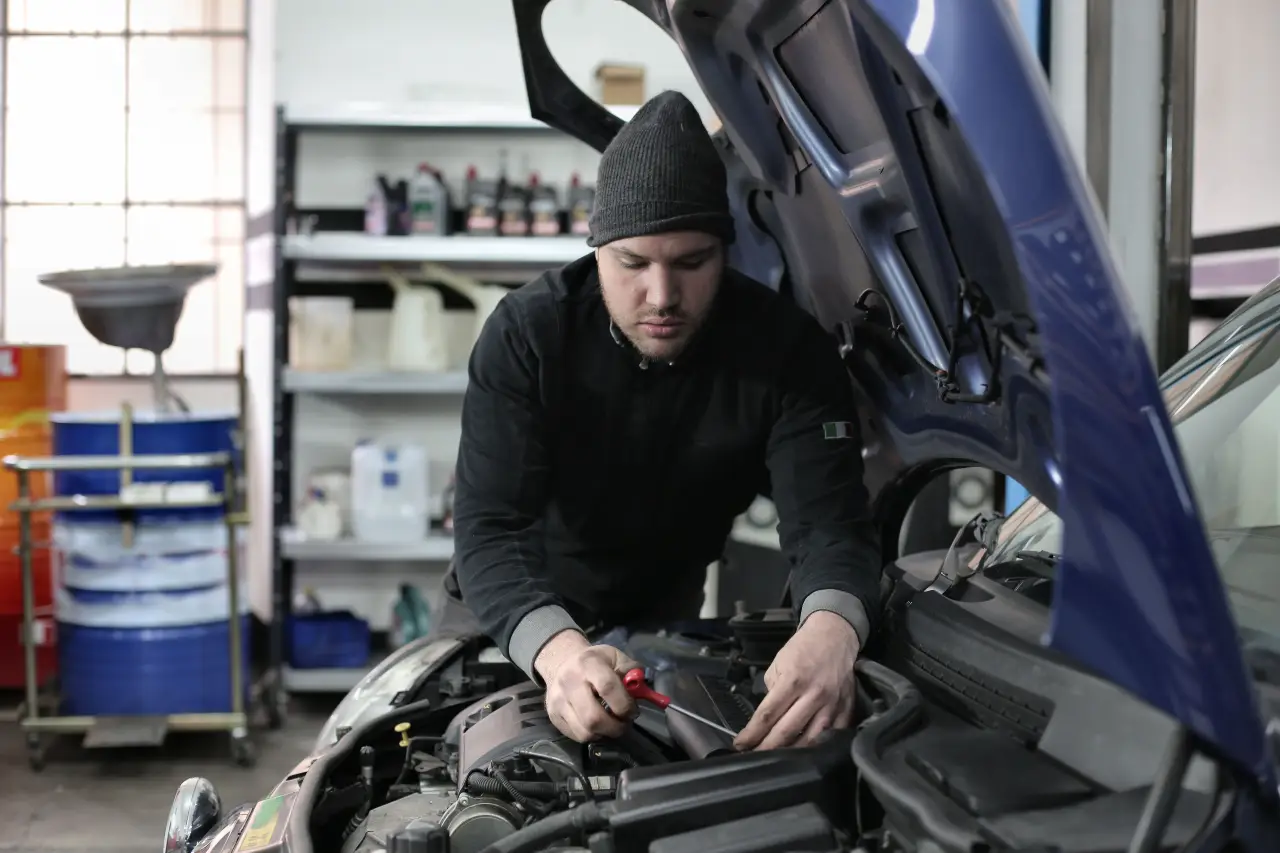
An RV is both a vehicle and a small home. That means you have more systems to maintain than you would with an ordinary car.
Motorhomes need engine service, fluid checks, brake inspections, and other vehicle maintenance. Travel trailers need attention to wheel bearings, brakes, suspension parts, and towing connections. Both types also need inspections of their roofs, seals, plumbing, and electrical systems.
The exact service schedule depends on the manufacturer and model. Some jobs depend on mileage, while others are needed because of age, weather exposure, or time in storage.
For budgeting purposes, you could set aside $100 per month, or $1,200 per year, for routine maintenance. This is only an example reserve, not a measured average. Your actual needs may be much higher or lower.
Doing simple safety-related tasks can reduce labor costs. However, electrical repairs, brake work, and other safety-related tasks should be handled by qualified professionals when you lack the necessary skills.
Maintenance tip: Get the owner’s manual and service schedule before buying. Ask a local RV repair shop what the recommended work would cost over the next year.
7. Unexpected RV Repairs Can Disrupt an Entire Vacation

An air conditioner can fail during a summer trip. A refrigerator can stop cooling, or a slide room can become stuck when you are preparing to leave a campground.
These problems can happen even when you maintain your RV. Appliances, electrical equipment, plumbing parts, and moving systems wear out or fail for reasons that are not always easy to predict.
The repair bill may include more than the replacement part. You could pay for diagnosis, specialist labor, mobile service, and travel expenses while the RV is being repaired.
For example, consider a hypothetical $900 appliance repair with an additional $250 mobile service and diagnostic charge. The total becomes $1,150 before any hotel stays or other disruptions.
A warranty may cover certain failures, but it will not necessarily cover normal wear, poor maintenance, or every component. Always read the coverage terms and exclusions.
Budgeting tip: Keep a repair reserve separate from your routine maintenance budget. Even saving a smaller amount each month can help you handle unexpected bills without using credit cards.
8. RV Tires May Need Replacing Before the Tread Wears Out

An RV with very few miles can still have unsafe tires. This surprises buyers who assume low mileage means the tires are almost new.
Tires age because of heat, sunlight, weather exposure, and normal use. Poor inflation and carrying too much weight can also shorten their life. Some damage develops inside the tire and cannot be seen during a quick inspection.
Michelin advises that tires in use for five years or longer receive regular professional inspections. It also recommends replacing tires at ten years from manufacture as a precaution, even when they appear usable. Tires may need replacement much sooner.
RV tire replacement can include the cost of the tires, installation, balancing where required, and disposal of the old tires. Large motorhome tires may also require a shop with suitable equipment.
Check the tire identification code on the sidewall to find the manufacture date. The last four digits of the DOT date code show the week and year the tire was made.
Before buying a used RV: Inspect every tire, including the spare. Ask a tire professional to assess their condition and get replacement prices for the exact tire size and load rating.
9. RV Fuel Costs Can Make Long Road Trips Expensive

Driving a large motorhome or towing a heavy trailer usually means using more fuel than you would in a smaller vehicle. The difference becomes noticeable during long trips.
Fuel use depends on the RV’s weight, engine, driving speed, terrain, and weather. Strong winds, steep hills, and heavy loads can increase consumption. A truck pulling a travel trailer may also use considerably more fuel than it does without the trailer.
Consider a hypothetical 2,000-mile trip in a motorhome averaging 8 miles per gallon. You would use about 250 gallons of fuel. At an assumed $3.50 per gallon, the bill would be $875.
That calculation does not include extra driving, idling, or generator fuel. Actual gas and diesel prices also change by location and date.
You can reduce fuel spending by driving at a safe, steady speed, checking tire pressure, and planning sensible routes. However, fuel economy should never come before safe towing or proper vehicle operation.
Trip planning tip: Divide your expected miles by your estimated miles per gallon. Multiply the result by the fuel price for your route, then leave room for detours.
10. Campground Fees Can Add Up Faster Than You Think
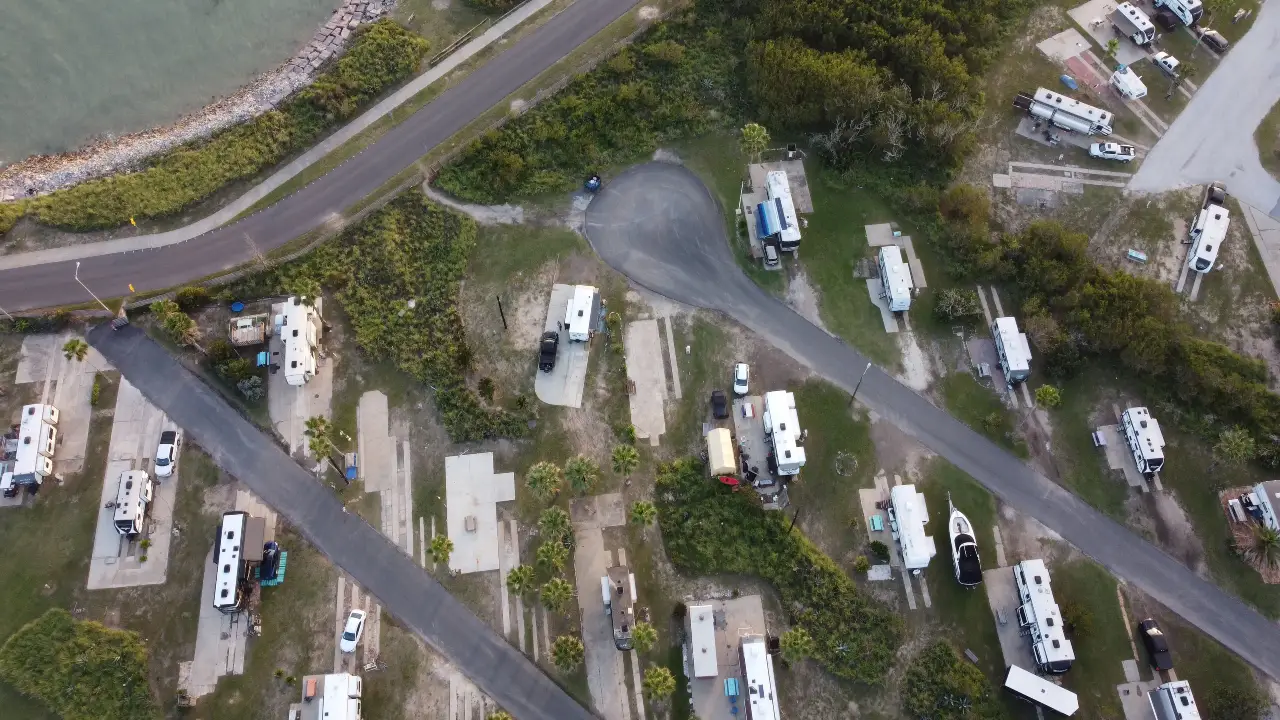
RV camping is sometimes described as a cheap way to travel. But spending several nights at private campgrounds can create a substantial bill.
Campground prices vary by destination, season, site size, and available services. A basic campsite may offer fewer facilities, while a full hookup site supplies connections for electricity, fresh water, and sewer disposal.
Some RV parks charge extra for pets, additional guests, extra vehicles, or premium locations. Busy travel seasons can also bring higher nightly prices.
Suppose you camp for 30 nights at an average rate of $55 per night. That is $1,650 before extra charges. This is an example budget, not a national average campground rate.
Booking fees matter too. Recreation.gov lists an $8 online campsite reservation service fee where applicable, although individual locations can follow different policies.
If your plans change, cancellation charges or lost deposits may increase your costs. Certain parks also require minimum stays during busy periods.
Money-saving tip: Compare the full price for your travel dates, including hookups, taxes, booking charges, and campground rules. Do not judge a campground by its advertised nightly rate alone.
11. Dump Station Fees, Fresh Water, and Propane Are Easy to Forget
Not every RV trip includes a campsite with full hookups. When you camp without them, you need places to empty waste tanks and refill essential supplies.
Your gray water tank holds used water from sinks and showers. The black water tank holds toilet waste. These tanks must be emptied at approved disposal stations, and some facilities charge for the service.
Costs vary widely by location. For example, Bryce Canyon National Park has listed a $5 dump station fee for visitors without a campground reservation, while qualifying campers may use the service without an extra charge. This is a location-specific example, not a standard national fee.
Fresh drinking water is another consideration. You may need to find designated filling stations, replace water filters, or purchase safe drinking water when supplies are limited.
Propane also creates recurring costs. It can power cooking equipment, heating systems, and certain refrigerators. Cold weather often increases propane use because the furnace runs more frequently.
Planning tip: Find approved dump stations, water filling points, and propane suppliers before each trip. This reduces last-minute stops and helps you estimate spending.
12. Generator Maintenance and Battery Replacement Are Not Free
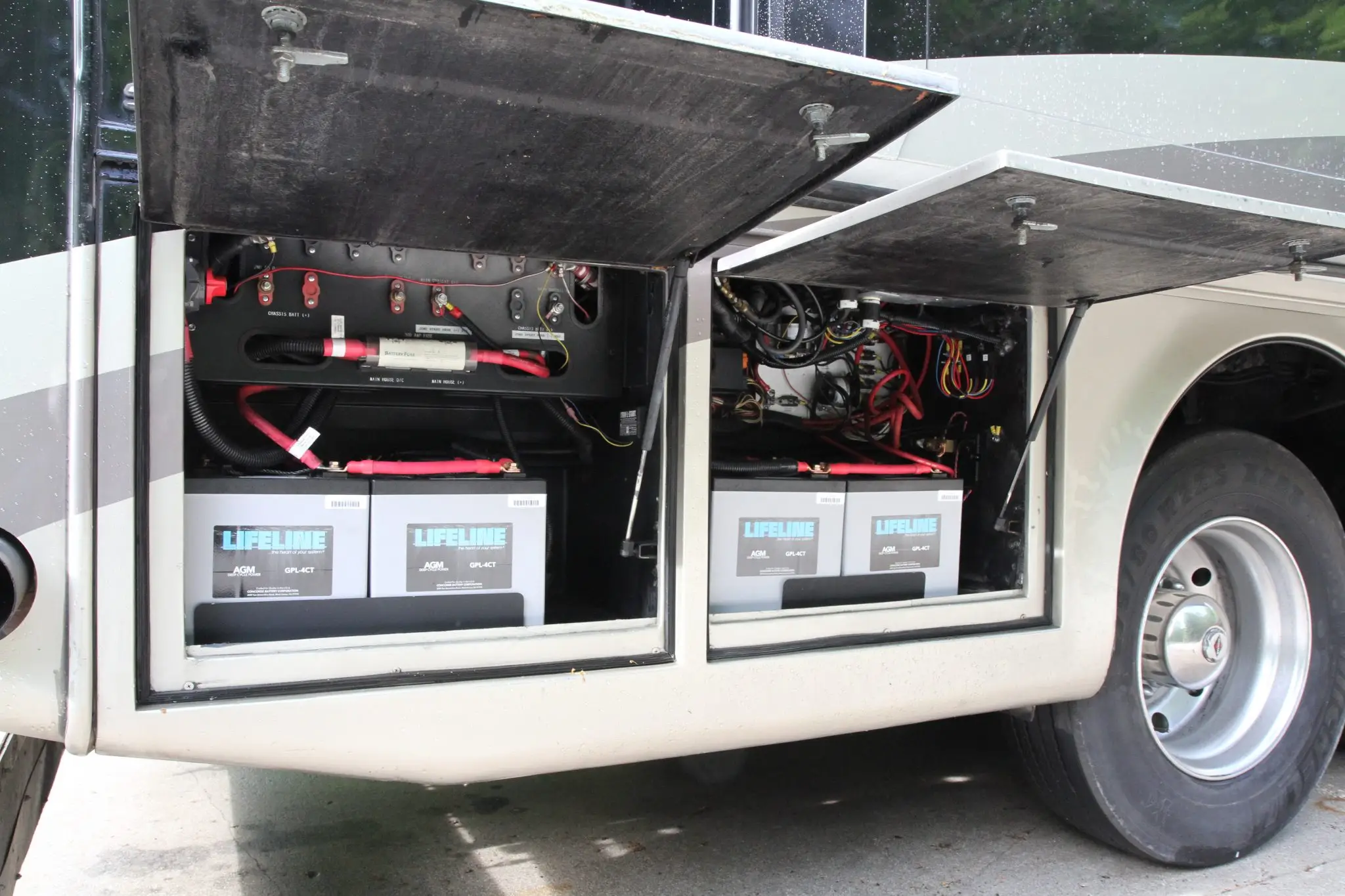
Electricity becomes more complicated when you camp away from powered campsites. Your RV may rely on batteries, solar equipment, a generator, or a combination of these systems.
A generator needs fuel and scheduled service. Depending on the model, this may include oil changes, filter replacement, and other maintenance at specified operating hours.
Batteries also need attention. Traditional lead-acid batteries may require more maintenance, while lithium batteries often cost more to purchase. Both have limits, and neither lasts forever.
Battery life depends on charging habits, temperature, storage conditions, and how deeply the batteries are discharged. Poor storage practices can cause problems even when an RV is not being used.
Not every RV has a generator, and some owners can camp comfortably with a simple battery system. Others need more power for air conditioning, remote work, or extended stays away from hookups.
Before buying: Ask how old the batteries are, what type they are, and whether the generator has service records. Price any needed replacements before deciding the RV is a bargain.
13. Small Roof Leaks Can Turn Into Major RV Repair Bills
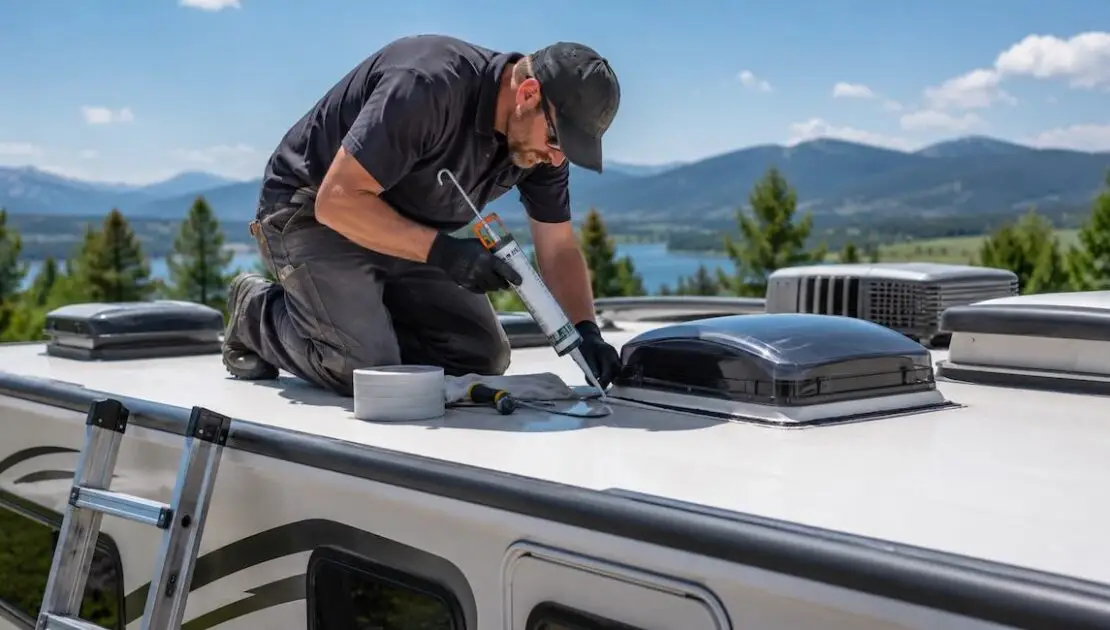
Water damage is one of the problems you should take seriously when buying or maintaining an RV. A small leak can spread into places you cannot easily see.
Water may enter through aging roof seals, vents, windows, or exterior joints. Over time, moisture can damage walls, flooring, insulation, and wood framing.
The difficult part is that some leaks remain hidden until the damage becomes serious. Soft floors, stains, musty smells, and damaged wall panels can all indicate possible trouble.
Preventive care often involves inspecting seals and repairing damaged areas with materials approved for that roof. Different RV roofs require different products, so using the wrong sealant can create additional problems.
Roof inspections and small sealing jobs have costs, but major water damage repairs can involve replacing several damaged parts of the RV. There is no single repair price that applies to every situation.
Inspection tip: Before buying a used RV, request a professional roof and moisture inspection. During ownership, follow the manufacturer’s inspection schedule and check the RV after severe weather.
14. RV Winterization Can Create Two Seasonal Expenses
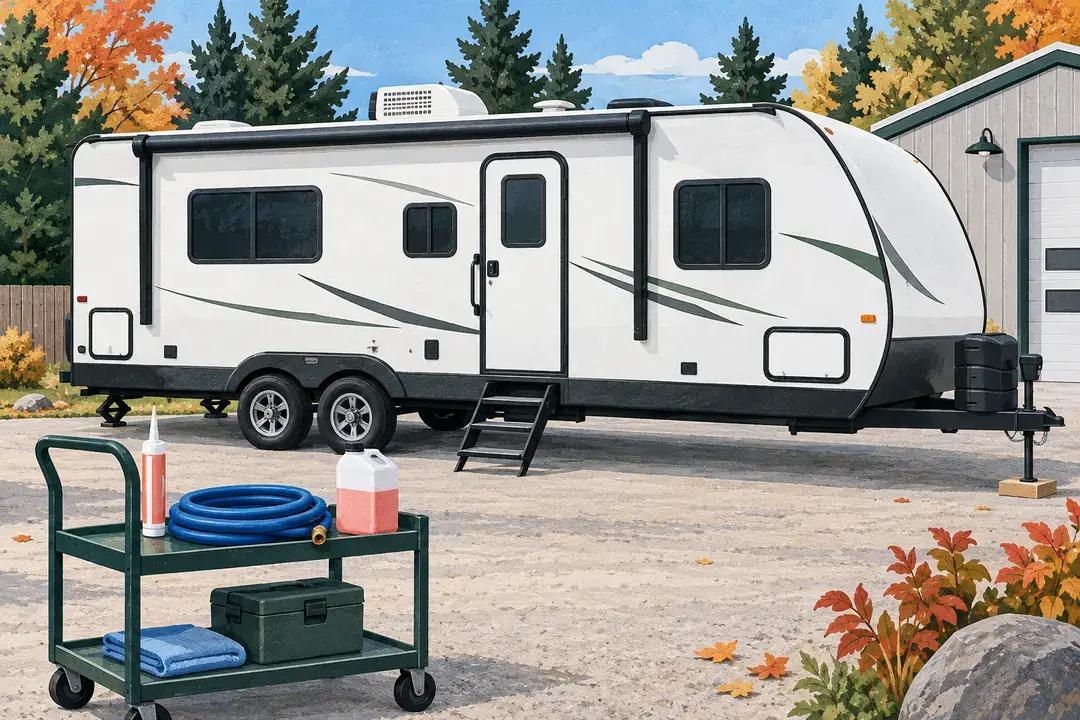
Cold weather can damage an RV’s plumbing if water freezes inside its pipes, pumps, or other components. Preventing that damage requires proper winter preparation.
Winterization may involve draining water, protecting plumbing, and using approved RV antifreeze where the manufacturer’s instructions require it. The exact steps depend on the RV’s plumbing design.
You can perform some of this work yourself, but you still need supplies and the correct procedure. Professional service costs more because you are also paying for labor.
Another expense arrives when the travel season begins. The RV may need to be prepared for use again, with plumbing flushed, systems tested, and water equipment checked.
Seasonal preparation also includes battery care, moisture checks, pest prevention, and inspections during storage. These tasks are especially important if the RV will remain unused for several months.
Before winter: Ask a local RV service center for separate prices for winterization and spring preparation. Compare those quotes with the supplies and skills required to do the work yourself.
15. Towing Equipment Can Make a Travel Trailer More Expensive

Buying a travel trailer does not always mean your existing truck or SUV is ready to tow it safely. You may need additional equipment before your first trip.
Depending on the trailer and tow vehicle, this equipment can include a properly rated hitch, brake controller, electrical connections, and other towing components. Certain combinations may also need weight distribution equipment or sway control.
Installation can add labor charges. The correct setup depends on the trailer’s loaded weight, tongue weight, and the tow vehicle’s limits.
A vehicle’s advertised towing capacity is only one part of the picture. You also need to check payload, axle limits, hitch ratings, and the combined weight allowed for the vehicle and trailer.
Sometimes the biggest surprise is discovering that the current vehicle is not suitable for the RV you want. Replacing your tow vehicle could add a much larger expense than the trailer equipment itself.
Before signing a contract: Verify the weight ratings with the vehicle and RV manufacturers. Request a complete quote for the required towing setup and installation.
16. Roadside Assistance May Not Cover Every RV Emergency
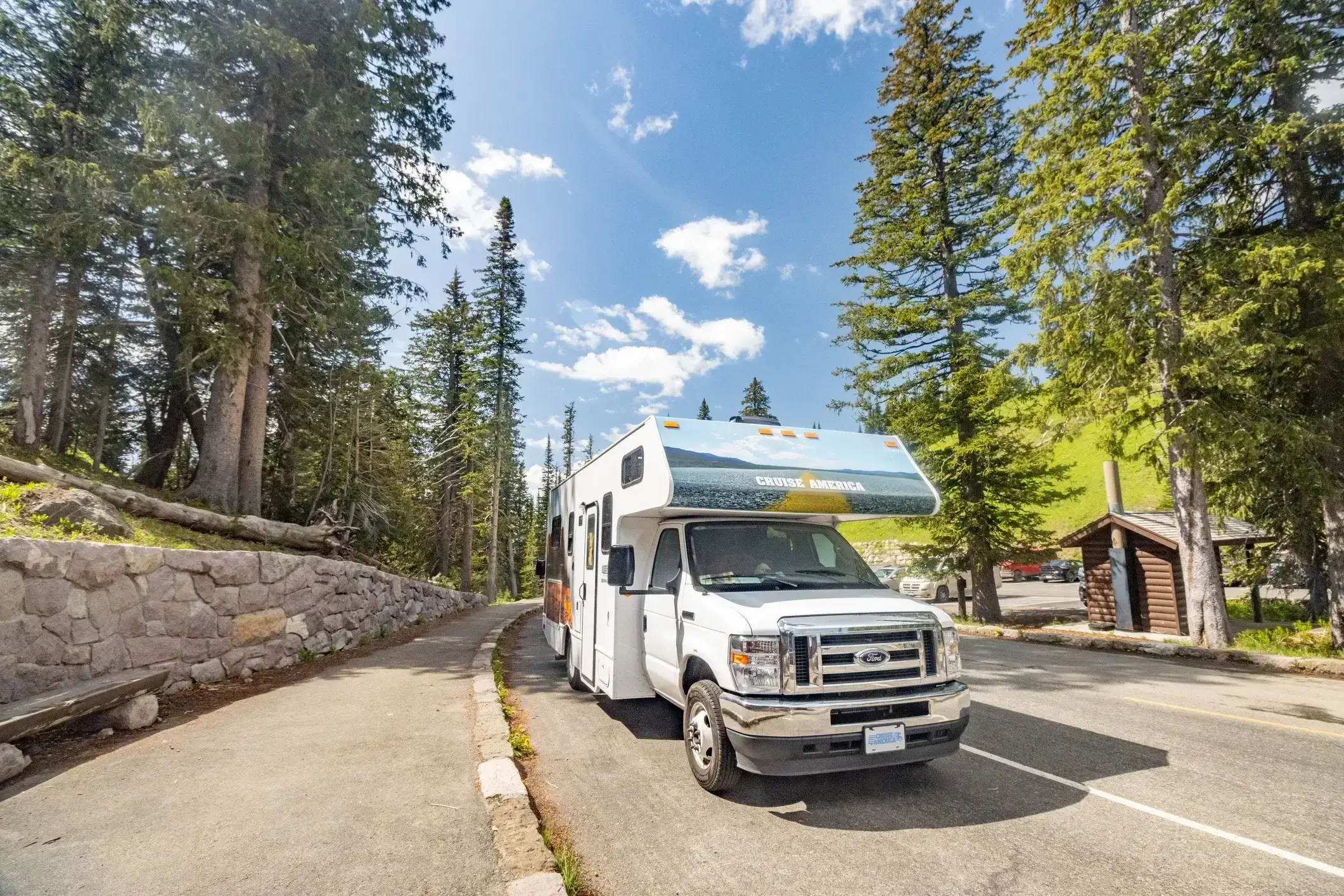
Breaking down in an ordinary car is inconvenient. Breaking down in a large motorhome or while towing a trailer can be much harder to manage.
Some regular roadside assistance memberships have limits on vehicle size, weight, towing distance, or trailer coverage. Others may offer only certain services in specific areas.
Large motorhomes can require specialized towing equipment. If you need heavy vehicle recovery or a long tow, the bill may be significant when your plan does not cover the service.
A breakdown can also affect the rest of your trip. You may need a hotel, another vehicle, extra campground nights, or a place to leave the RV while repairs are completed.
Roadside assistance can be useful, but the cheapest membership is not always the best choice. Coverage details matter more than the number of benefits advertised.
Before traveling: Confirm that your exact RV and any attached trailer are covered. Check towing limits, exclusions, service availability, and what happens when the RV cannot be repaired immediately.
17. RV Internet and Entertainment Subscriptions Can Become Monthly Bills

Many RV buyers expect campground Wi-Fi to handle their internet needs. But connection quality can vary greatly between campgrounds and even between sites at the same park.
If you only travel on weekends, your existing mobile phone plan may provide enough internet. Someone working remotely may need a dedicated hotspot, larger data plan, or satellite service.
Those options can involve equipment purchases, monthly subscriptions, and setup costs. Some services also have coverage limits, data restrictions, or additional charges.
Streaming television, video calls, and online work may require more reliable service than casual browsing. A poor connection can become a real problem if your income depends on being online.
You should also check whether you need a separate subscription throughout the year. Paying for unused internet service during winter storage can increase ownership costs without giving you any benefit.
Money-saving tip: Test your phone’s coverage at the places you expect to visit. Choose additional internet equipment only when your actual usage makes it necessary.
18. Cleaning, Pest Prevention, and Everyday RV Supplies Add Up
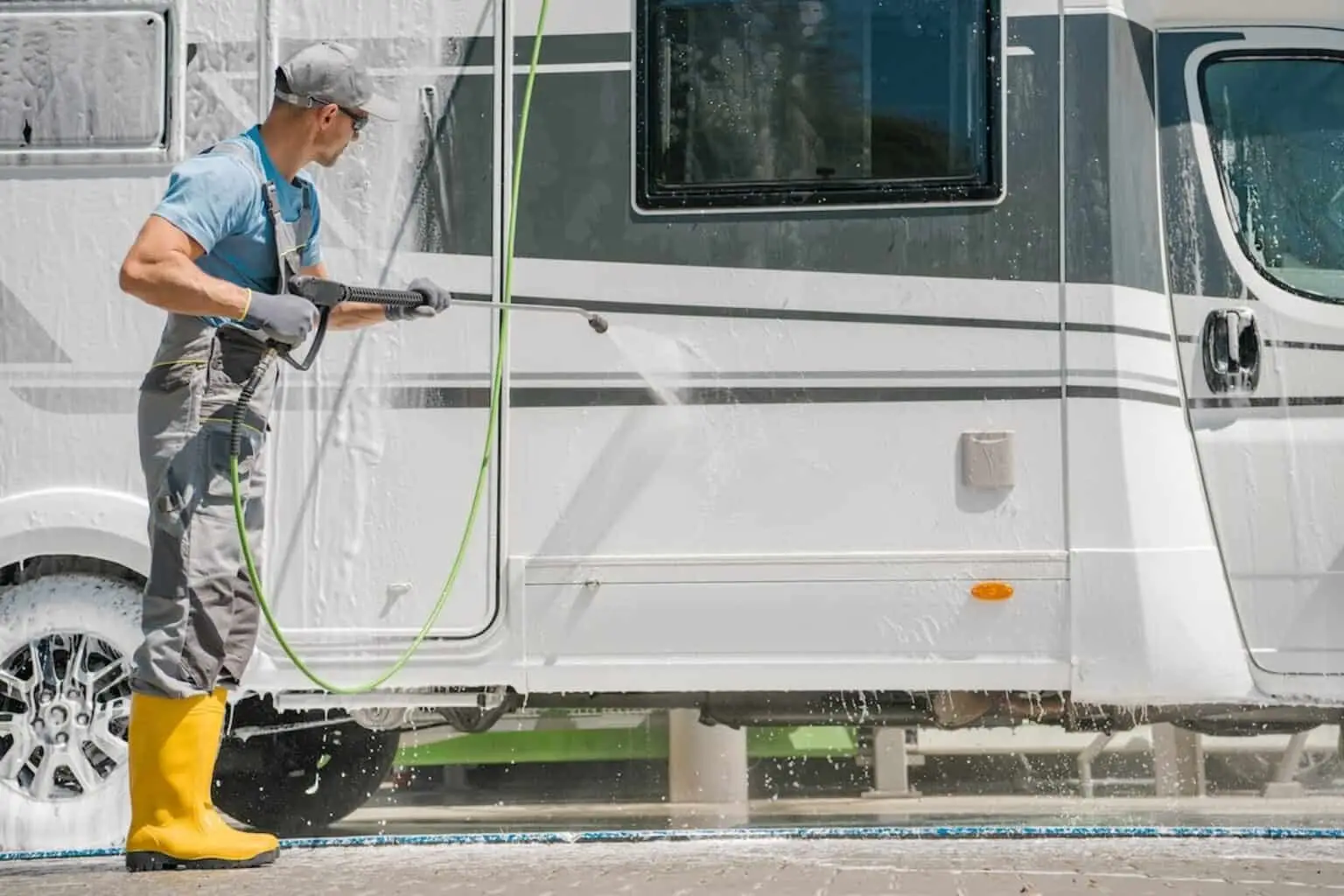
Small purchases may not seem important when compared with an RV loan. But regular cleaning and maintenance supplies can slowly increase your yearly spending.
RVs need items such as drinking water hoses, sewer hoses, tank treatment products, water filters, and cleaning supplies. Some products are designed for particular RV systems and should not be replaced with unsuitable household products.
Exterior washing is another cost to consider. Large motorhomes can take more time, water, and cleaning equipment than a regular car. Some owners hire a professional service because of the vehicle’s size.
Stored RVs also need pest prevention. Mice and other animals may enter through openings around plumbing, wiring, or storage compartments. Damage to insulation and electrical wiring can become expensive.
Hoses, filters, seals, and connectors also wear out. Replacing them before they fail can help prevent leaks, poor water flow, and messy campsite problems.
Budgeting tip: Create a yearly list of supplies you actually use. Inspect reusable equipment before each trip and avoid buying accessories that do not solve a real problem.
19. RV Inspections, Upgrades, and Selling Costs Can Surprise You

The last group of overlooked expenses begins before you buy and may continue until the day you sell your RV. These costs are easy to miss because they do not arrive as regular monthly bills.
An independent inspection can identify problems with plumbing, electrical systems, appliances, roofing, and other components. It adds to the purchase cost, but discovering a serious defect before buying can be much less costly than finding it afterward.
Once you own the RV, you may want upgrades such as solar panels, improved batteries, suspension changes, or better monitoring equipment. Some upgrades improve comfort, but they do not always increase resale value by the amount you spent.
Selling an RV can also involve costs. You may need cleaning, repairs, advertising, or a dealer consignment service. Dealers that sell an RV for you may charge a commission or other agreed fees.
Depreciation and selling expenses should be tracked separately. The first represents lost vehicle value, while the second covers the money spent to complete the sale.
Smart ownership tip: Budget for an inspection before buying, set limits on optional upgrades, and consider likely selling expenses when comparing RV models.
How Much Does It Really Cost to Own an RV Each Year?
After reviewing all 19 expenses, you may wonder what they mean for your actual budget. The answer depends on which RV you buy, how often you travel, and where you live.
A travel trailer used for occasional weekend trips will have different expenses from a large motorhome used for several months each year. Your storage arrangements, insurance coverage, and driving distance can change the total significantly.
Here is a sample annual budget for a travel trailer owner. It uses published insurance and storage figures together with hypothetical amounts for other expenses.
| Annual Expense | Sample Budget |
|---|---|
| RV insurance | $588 |
| Outdoor storage | $1,020 |
| Registration | $200 |
| Routine maintenance | $1,000 |
| Unexpected repair reserve | $1,000 |
| Tire and seasonal service reserve | $500 |
| Campground fees | $1,200 |
| Fuel | $900 |
| Propane and supplies | $300 |
| Total annual budget | $6,708 |
The insurance figure reflects Progressive’s 2025 travel trailer average. Storage uses the October 2026 outdoor median from RV Storage Rates. Every other amount is a hypothetical budgeting assumption, not a nationwide average.
In this example, the owner budgets about $559 per month before loan payments, purchase taxes, depreciation, and certain other expenses. The repair and maintenance reserves represent money set aside, which may differ from what is actually spent in a given year.
If that owner also pays $500 per month on an RV loan, the annual cash budget rises to $12,708. That is about $1,059 per month, including the reserves.
Which RV Costs Continue Even When You Stay Home?
One of the biggest surprises is how many expenses remain when your RV is parked. Insurance, storage, registration, and loan payments may continue during the entire year.
| Expense | While RV Is Parked | During Travel |
|---|---|---|
| Loan payments | Usually continue | Continue |
| Insurance | Usually continues | Continues |
| Registration | Still required when applicable | Still required |
| Storage fees | Usually continue if rented | Depend on storage agreement |
| Maintenance | Some care still needed | Additional wear and service |
| Fuel | Little or none | Increases with mileage |
| Campground fees | Usually none | Depends on nights booked |
| Propane | May be needed for certain uses | Depends on equipment and weather |
| Repairs | Can still occur | Can still occur |
This is why buying an RV for only a few weekends each year deserves careful thought. You might enjoy every trip, but the cost per night of use can be surprisingly high.
For example, suppose your annual ownership and travel expenses total $6,000, excluding the purchase and financing costs. Using the RV for 30 nights works out to $200 per night. Using it for 60 nights reduces that calculation to $100 per night, assuming the annual expenses stay the same.
This does not mean using the RV more always saves money. Extra driving, fuel, campground fees, and wear can increase total spending.
How to Avoid the Most Expensive RV Buying Mistakes
The easiest time to control RV ownership costs is before you sign the purchase agreement. Once you own the vehicle, many expenses become difficult to avoid.
Start by deciding how often you will realistically use it. Someone planning six weekend trips each year may need a different RV from someone spending several months on the road.
Next, collect real prices for the largest expenses. Do not rely on a dealer’s monthly payment estimate to decide what you can afford.
Use this checklist before buying:
- Get a complete purchase quote. Include taxes, title charges, dealer fees, and financing costs.
- Request insurance quotes. Use the exact RV model and your expected travel habits.
- Confirm storage arrangements. Check home parking rules or obtain local storage prices.
- Arrange an independent inspection. Pay attention to roofing, water damage, appliances, tires, and mechanical systems.
- Build a five-year budget. Include regular expenses, repair reserves, financing, and an estimated resale value.
When comparing buying with renting, use the same number of travel nights and similar RV types. Renting may be more practical for occasional trips, while owning can offer greater convenience and flexibility.
A smaller or used RV might also reduce your initial spending. However, condition matters more than age alone, and cheap models can become expensive when repairs are needed.
Frequently Asked Questions About RV Ownership Costs
How much does it cost to own an RV per year?
There is no single amount that applies to every RV owner. Your yearly expenses depend on the vehicle, insurance, storage, maintenance, travel distance, and campground use.
A sample travel trailer budget in this article totals $6,708 per year before purchase and financing costs. That figure is an example, not a national ownership average.
Is a travel trailer cheaper to own than a motorhome?
A travel trailer can cost less to purchase, insure, and service than some motorhomes. However, it may require a suitable tow vehicle and towing equipment.
Motorhomes have engines and vehicle systems that need regular service. Compare the complete cost of each setup instead of assuming one type is always cheaper.
What RV expenses continue when the vehicle is not being used?
Insurance, loan payments, registration, and storage are common expenses that may continue while an RV is parked. Maintenance, battery care, pest prevention, and repairs may also be necessary.
This is why an RV can cost money even during months when you take no trips.
How much money should you save for RV repairs?
The right amount depends on your RV’s age, condition, systems, warranty coverage, and ability to handle an unexpected bill.
One example is setting aside $1,000 per year for unexpected repairs, but that is a planning assumption rather than an established average. Older motorhomes or RVs with complex equipment may require a larger reserve.
Final Thoughts on RV Ownership Costs
The hidden costs of owning an RV are easy to overlook when you are excited about buying your first motorhome or travel trailer. Insurance, storage, maintenance, fuel, repairs, and campground fees can make ownership more expensive than the monthly payment suggests.
The good news is that many of these expenses can be planned for. Getting insurance quotes, checking storage prices, inspecting the vehicle, and setting money aside for repairs can help you avoid financial surprises.
Before buying, write down your expected yearly expenses and compare them with the money you can comfortably spend. Include costs that continue while the RV is parked, not just the price of vacations.
The best way to manage RV ownership costs is to choose a vehicle that fits your real budget. The best RV is not always the one with the lowest monthly payment. It is the one you can afford to own, maintain, and enjoy without putting the rest of your finances under pressure.