
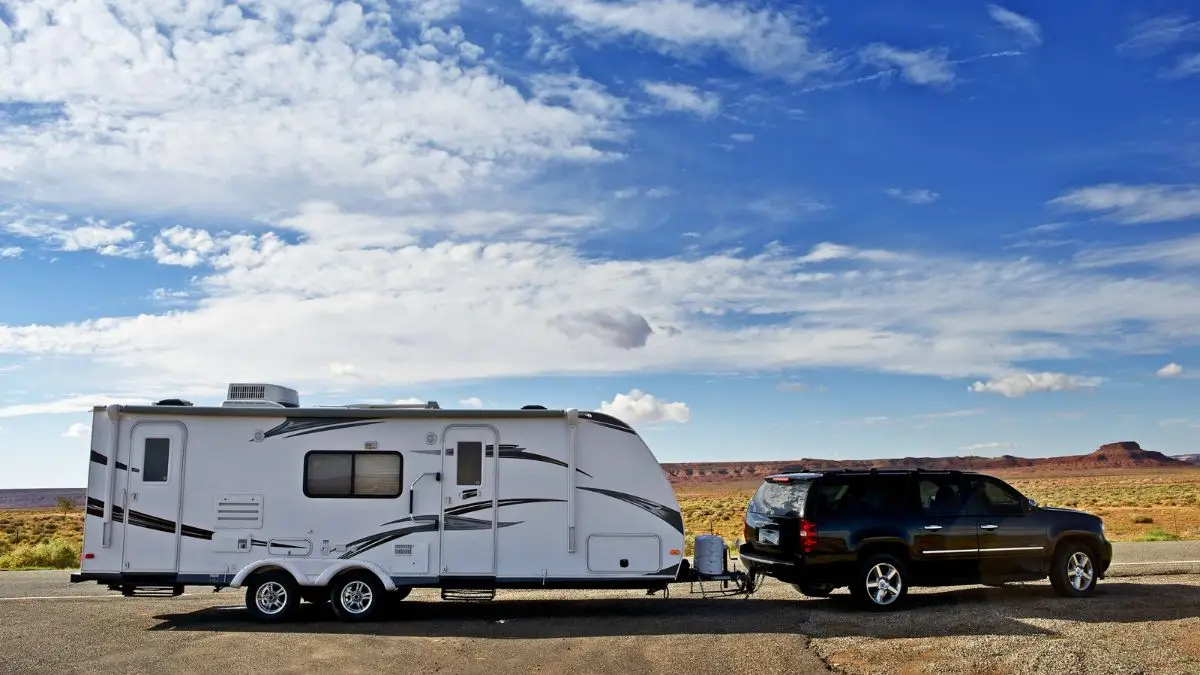
The wrong RV can cost you thousands of dollars before you even take your first camping trip. A beautiful travel trailer might be too heavy for your SUV. A spacious fifth wheel could require a truck you cannot afford. And a motorhome might bring maintenance bills you never expected.
That’s why comparing a fifth wheel vs. a travel trailer vs. a motorhome matters before you visit a dealership. Each option has different costs, driving demands, and comfort levels. What works for someone living at an RV park for six months might be completely wrong for a family camping on weekends.
According to the RV Industry Association’s 2025 research, 36% of RV owners are first-time owners. Many new buyers face the same question: which RV actually fits their life? RVIA
This guide explains the real differences, including towing requirements, ownership costs, campground restrictions, and daily comfort. You’ll also learn how to avoid common buying mistakes and test an RV before spending your savings.
The best RV for beginners is not always the smallest or cheapest. It’s the one you can safely drive, comfortably use, and afford to keep.
Fifth Wheel, Travel Trailer, or Motorhome? How to Choose Your First RV
Fifth Wheel vs Travel Trailer vs Motorhome: What Are the Biggest Differences?

Before comparing prices or floor plans, you need to know how these three RV types work. The biggest difference is whether you need a separate vehicle to move your RV.
A travel trailer connects to a suitable tow vehicle through a hitch at the rear. A fifth wheel connects to a special hitch mounted inside a pickup truck’s bed. A motorhome has its own engine and driving area built into the RV.
That one difference changes how you travel, park, maintain your RV, and get around once you reach your destination.
| Feature | Travel trailer | Fifth wheel | Motorhome |
|---|---|---|---|
| Needs separate vehicle | Yes | Yes, pickup truck | No |
| Hitch | Rear mounted | Truck bed mounted | None |
| Living space | Small to large | Often spacious | Depends on class |
| Driving challenge | Towing and backing | Large truck and trailer | Driving a bigger vehicle |
| Local transportation | Tow vehicle | Pickup truck | Motorhome or separate vehicle |
| Maintenance | Trailer systems | Trailer systems | Engine and living systems |
| Often suits | Weekend camping | Extended stays | Frequent travel |
Travel trailers often make sense for buyers who already own a suitable tow vehicle. Fifth wheels can offer more room for long stays, especially if you own a capable pickup. Motorhomes are worth considering when you prefer driving one complete vehicle.
However, none of these choices is automatically better. A small motorhome can be easier to park than a large travel trailer combination. A fifth wheel may feel comfortable on the highway but still be difficult to fit into smaller campsites.
Your existing vehicle, planned trips, and available budget should help narrow the choices.
Is a Travel Trailer the Best First RV for Your Budget?
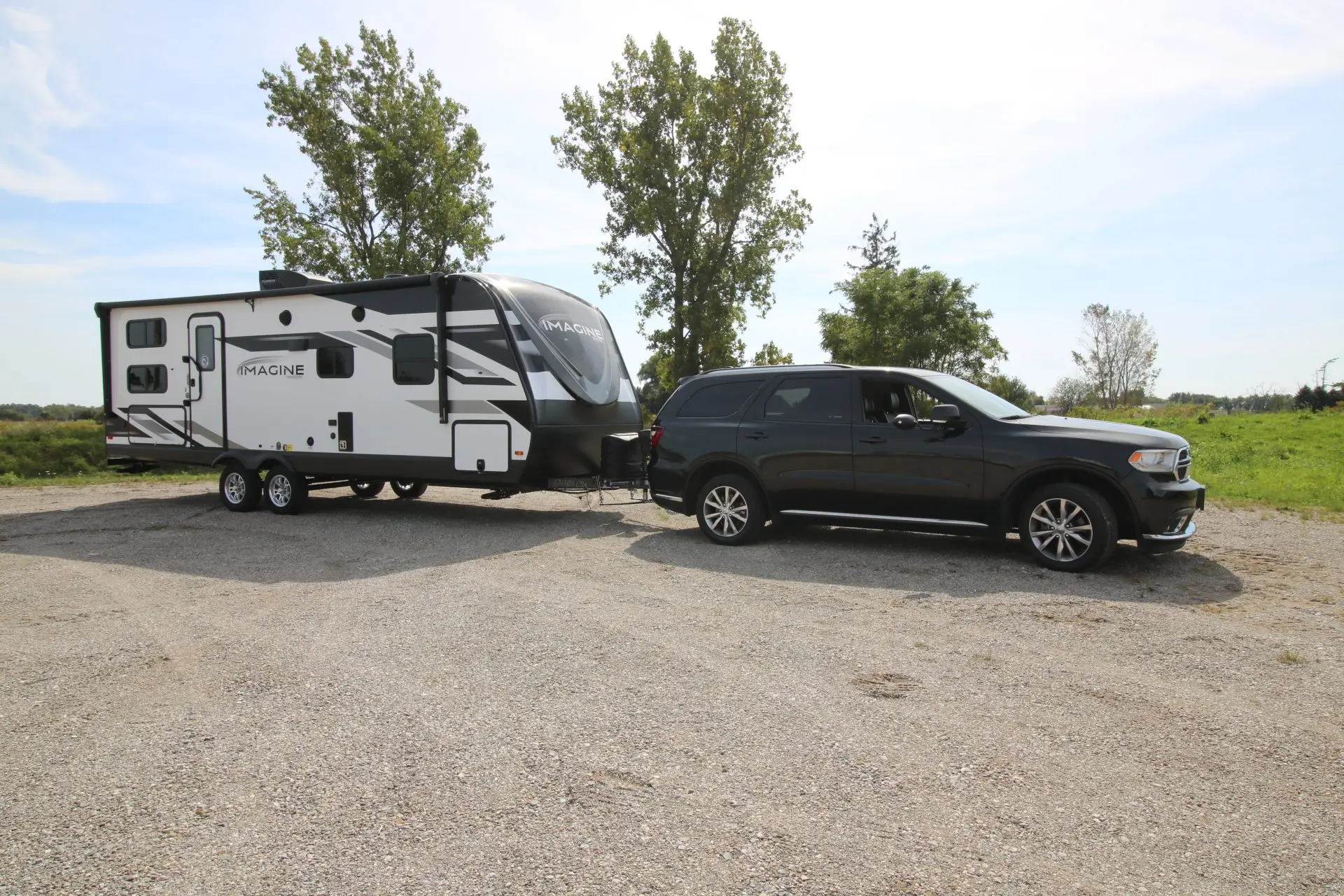
A travel trailer is often a practical starting point because you can choose from many sizes and floor plans. If you already own a suitable SUV or pickup, you might avoid purchasing another vehicle.
Consider a couple planning six camping weekends each year. They want a comfortable bed, small kitchen, and private bathroom. A compact travel trailer may give them everything they need without paying for a large RV.
Travel trailers also let you leave your campsite set up while using your tow vehicle for shopping or sightseeing. That makes daily activities easier when you’re staying in one place for several days.
But there are disadvantages you should think about.
Most travel trailers require practice when backing into campsites. Crosswinds and passing trucks can affect handling, especially when the trailer is poorly loaded or the hitch setup is unsuitable.
You may also need additional equipment, including a compatible hitch, trailer brake controller, and weight distribution or sway control equipment when required by the vehicle and trailer makers.
Watch out for the word lightweight. A trailer advertised as lightweight is not automatically safe for your SUV. Once you add water, food, clothing, camping chairs, and other supplies, the total weight increases.
Check the exact vehicle’s towing capacity, payload, hitch ratings, and the trailer’s weight limits before shopping seriously. Your owner’s manual and vehicle loading label are more useful than a general online towing estimate.
A travel trailer is worth considering if you want occasional camping trips, flexible floor plans, and a separate vehicle for daily driving. However, if you plan to spend months inside your RV, you may appreciate the space offered by a fifth wheel.
When Does a Fifth Wheel Make More Sense Than a Travel Trailer?

A fifth wheel can feel more like a small apartment than a traditional camper. Many models offer separate bedrooms, larger kitchens, comfortable seating, and generous storage.
That extra living space is especially useful if you plan to spend several weeks or months in your RV. Having a proper bedroom and enough room to move around can make daily life more comfortable.
Unlike a regular travel trailer, a fifth wheel uses a hitch mounted in the pickup truck bed. This places much of the trailer’s front weight over or near the truck’s rear axle.
The hitch design can provide stable towing characteristics when the truck and trailer are properly matched. However, it does not make a large fifth wheel automatically easier to handle than a small travel trailer.
Why Your Pickup’s Payload Matters So Much
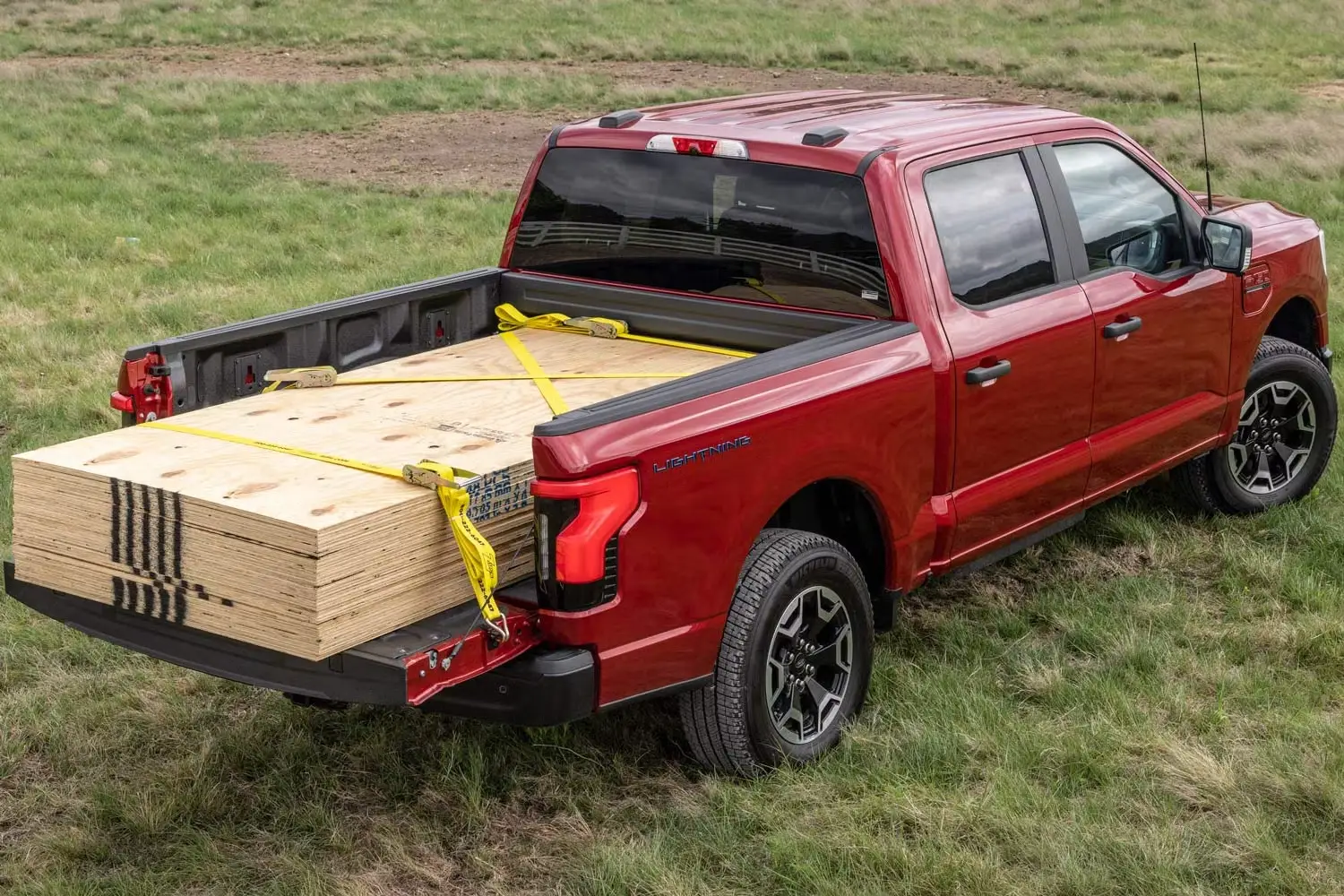
Here’s an example many first-time buyers overlook.
Suppose a fifth wheel weighs 12,000 pounds when fully loaded. If 20% of that weight rests on the truck through the hitch, the truck carries approximately 2,400 pounds of pin weight.
That is before adding the driver, passengers, luggage, tools, and fifth wheel hitch equipment. The 20% figure is only an example, since actual pin weight varies by trailer and loading.
A truck advertised to tow 15,000 pounds might still lack enough remaining payload for that particular fifth wheel. You must check the truck’s actual ratings rather than relying on its maximum advertised towing figure.
Fifth wheels have other trade-offs. You lose part of the pickup bed to the hitch, and many models have interior stairs. Taller roofs also create more concerns around bridges, trees, and campground entrances.
If you already own a capable pickup and want a spacious RV for extended stays, a fifth wheel deserves serious consideration. If you would need to buy an expensive truck first, however, the total cost might change your decision.
Should Your First RV Be a Class A, B, or C Motorhome?
A motorhome removes the need to tow your living space behind another vehicle. You sit in the driver’s area, start the engine, and drive your RV directly to the campground.
That sounds simple, but motorhomes come in several very different sizes. Choosing the right class can matter as much as choosing between a motorhome and a travel trailer.
Class A Motorhomes
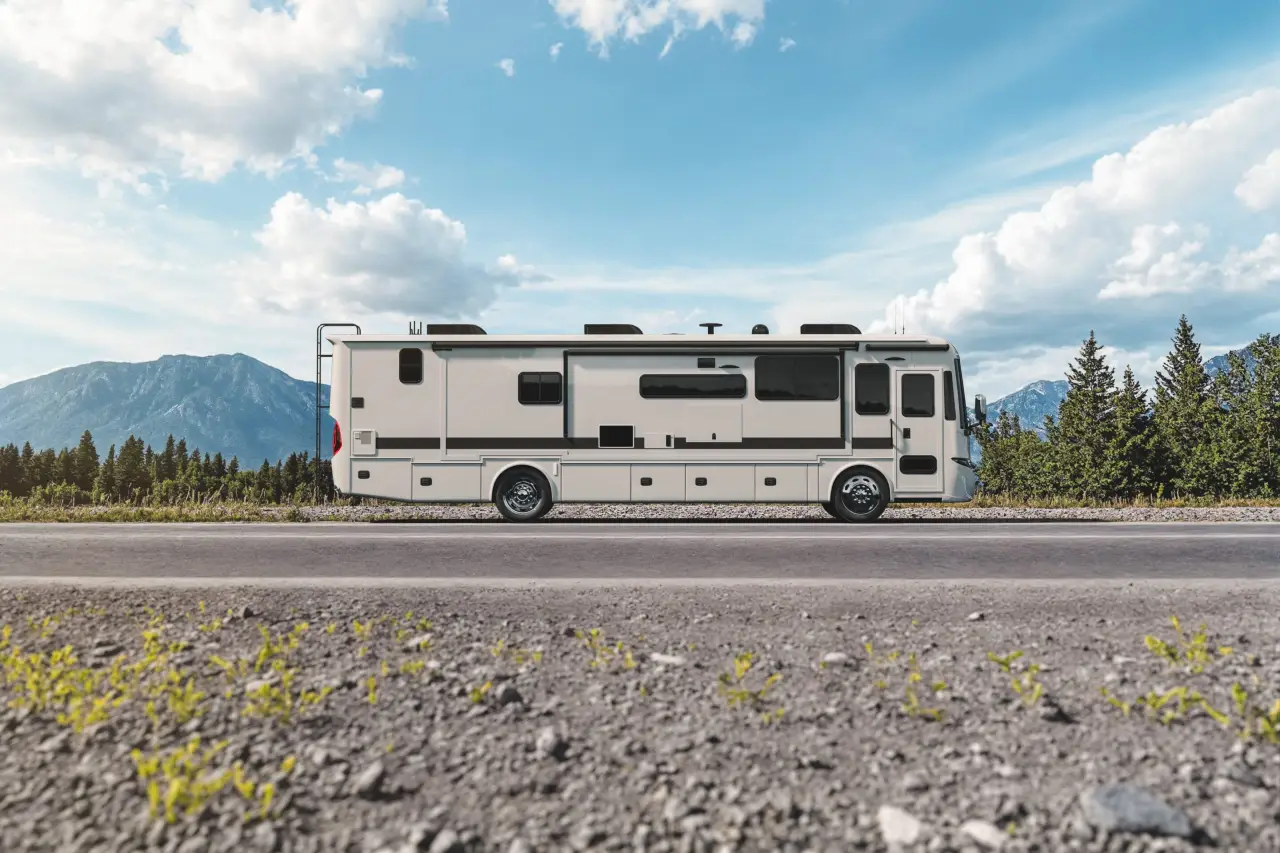
Class A motorhomes often resemble buses. They can offer spacious living rooms, large kitchens, storage compartments, and comfortable bedrooms. However, larger models require more parking space, careful driving, and potentially expensive service.
Class B Motorhomes
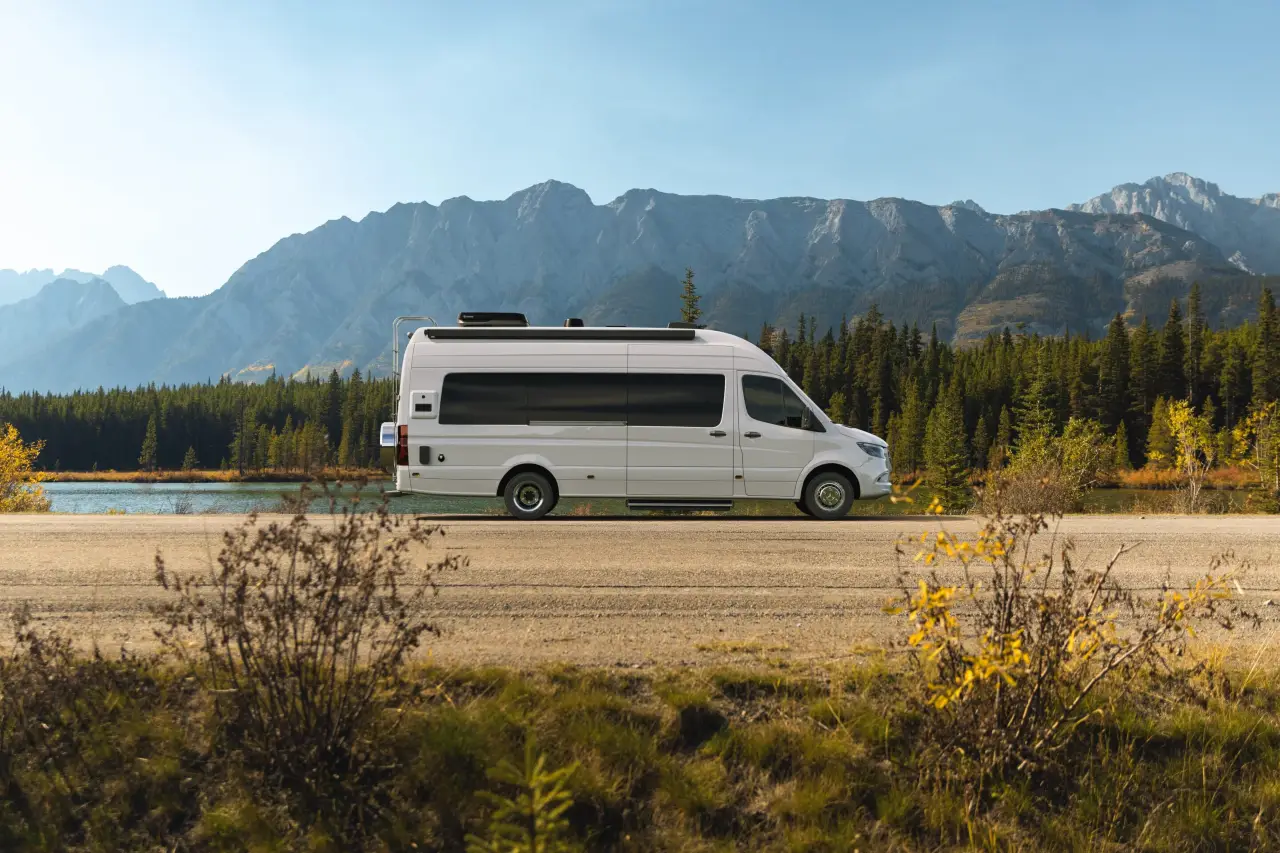
Class B motorhomes are campervans. Their smaller size can make everyday driving and parking easier. The tradeoff is limited interior space, smaller bathrooms, and less storage for extended trips.
Class C Motorhomes
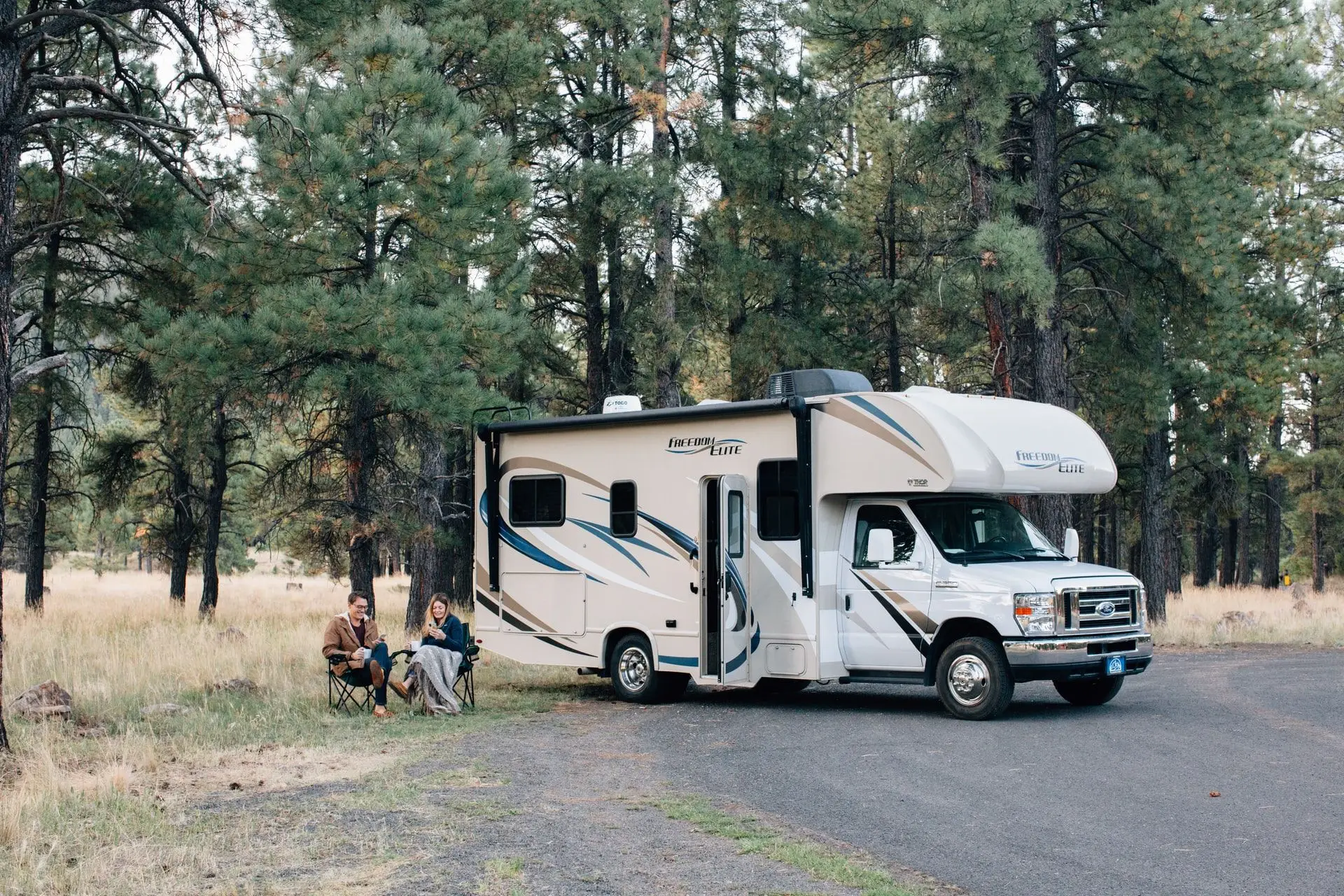
Class C motorhomes use a truck- or van-based cab, often with a sleeping or storage area above it. They can be a useful choice for families wanting more space than a campervan without moving to a large Class A.
What Makes a Motorhome Different to Own?

The biggest benefit is having the driving and living areas in one unit. You don’t need to hitch a trailer every time you move. Passengers can access the living area when the vehicle is parked.
However, everyone must remain in an approved seat with a properly fitted seat belt whenever the motorhome is moving. An RV sofa or dining bench is not automatically a safe travel seat.
Another issue is local transportation. If you’re staying at a campground for a week, do you want to drive your motorhome to the grocery store? Some owners tow a compatible small car, but that adds equipment, weight, cost, and towing requirements.
Motorhomes also have engines, transmissions, brakes, and other vehicle systems to maintain. Even if your RV spends most of the year parked, those systems still need proper care.
The best first motorhome depends on your preferred balance between driving size and living comfort. For many buyers, comparing a compact Class C with a travel trailer is a sensible place to begin.
How Much RV Can Your Vehicle Safely Tow?
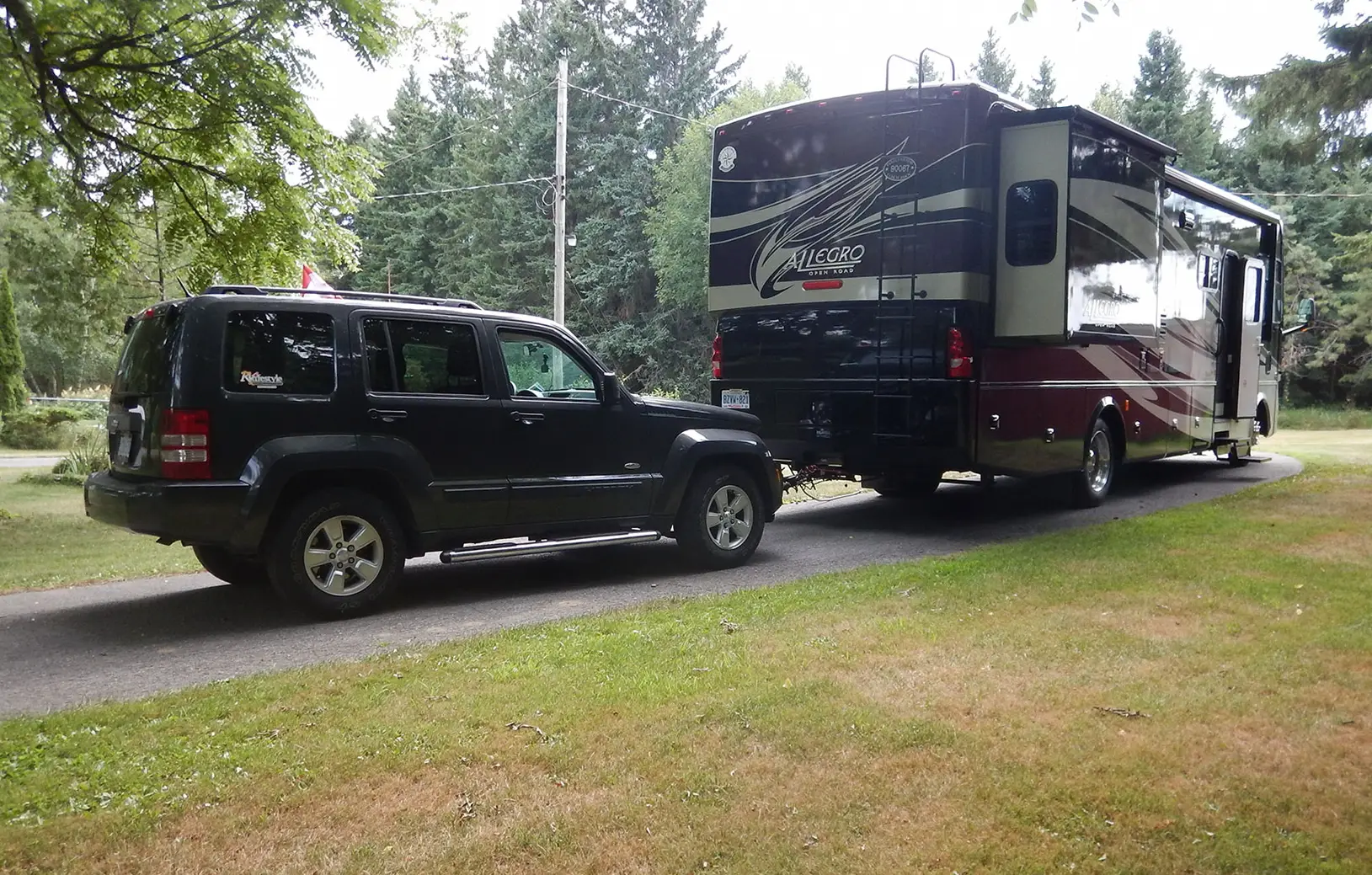
One of the most expensive RV buying mistakes is trusting a vehicle’s maximum towing capacity without checking anything else.
A truck may have a high advertised towing rating, but that number usually applies to a specific vehicle configuration and loading conditions. Your actual truck might have a lower rating because of its engine, axle, equipment, or passengers.
Before buying a travel trailer or fifth wheel, you need to check several weight limits.
| Term | What it means |
|---|---|
| GVWR | Maximum allowed loaded weight of one vehicle or trailer |
| GCWR | Maximum allowed combined weight of the tow vehicle and trailer |
| GAWR | Maximum allowed weight on a specific axle |
| Payload | Weight the tow vehicle can carry, including people, cargo, and hitch load |
| Tongue weight | Downward force a conventional trailer places on the hitch |
| Pin weight | Weight a fifth wheel places on the truck through its hitch |
| Actual loaded trailer weight | Trailer weight with cargo, equipment, and fluids |
A Simple RV Payload Example
Suppose your tow vehicle has a payload rating of 1,800 pounds. You plan to carry 400 pounds of people and personal belongings, plus 100 pounds of hitch equipment and cargo.
That leaves 1,300 pounds of payload available for the trailer’s tongue weight.
| Weight calculation | Pounds |
|---|---|
| Available vehicle payload | 1,800 |
| Passengers and belongings | 400 |
| Hitch equipment and cargo | 100 |
| Remaining for tongue weight | 1,300 |
| Example tongue weight | 960 |
| Remaining payload after tongue weight | 340 |
In this example, the trailer weighs 8,000 pounds when loaded. An illustrative tongue weight of 12% would put 960 pounds on the hitch.
The simple payload calculation leaves 340 pounds. But that does not prove the towing combination is safe.
You still need to check the trailer hitch rating, vehicle tow rating, axle loads, tires, GVWR, GCWR, and actual measured weights. Proper weight distribution equipment can change axle loading, but it does not increase the vehicle’s rated limits.
How to Check Your Own RV Towing Limits
- Find the exact towing specifications for your vehicle’s model, equipment, and configuration.
- Read the tire and loading label on your vehicle for payload information.
- Check the trailer’s GVWR and expected loaded weight.
- Estimate tongue or pin weight using model-specific information.
- Account for everyone and everything carried inside your vehicle.
- Verify hitch, axle, tire, and combined weight ratings.
- Weigh the complete loaded combination at an appropriate vehicle scale.
Don’t assume an empty trailer weight is the weight you’ll actually tow. Water, batteries, propane, food, equipment, and personal items can add a substantial load.
If the numbers do not work, choose a lighter trailer or a more capable tow vehicle. No floor plan is worth exceeding safe weight limits.
What Does Each RV Really Cost to Buy and Own in 2026?

A low monthly payment can make an RV look affordable. But the purchase price is only one part of what you’ll spend during the first year.
You also need to account for insurance, registration, maintenance, campground fees, fuel, and storage. For a travel trailer or fifth wheel, the cost of a suitable tow vehicle can completely change your budget.
For example, a travel trailer might appear much cheaper than a motorhome. However, if buying that trailer also means purchasing a pickup truck, your total spending could be much higher than expected.
Compare the Complete Cost, Not Just the Sticker Price
| Expense | Travel trailer | Fifth wheel | Motorhome |
|---|---|---|---|
| RV purchase | Required | Required | Required |
| Separate tow vehicle | Required | Required | Not required |
| Special towing equipment | Often required | Required | Only if towing |
| Insurance | Required as applicable | Required as applicable | Required as applicable |
| Fuel | Tow vehicle | Pickup truck | Motorhome engine |
| Maintenance | RV and tow vehicle | RV and pickup | Engine and RV systems |
| Storage | May be needed | May be needed | May be needed |
| Campground fees | Yes | Yes | Yes |
| Registration and taxes | Location dependent | Location dependent | Location dependent |
Insurance requirements depend on the RV, financing agreement, and state law. Even when the law does not require every type of coverage, protecting a costly RV against damage may still make financial sense.
What Should You Budget for the First Year?
Start by listing the costs you must pay before your first trip. These can include sales tax, registration, hitch installation, towing equipment, hoses, electrical connections, leveling supplies, and safety equipment.
Next, estimate what you’ll spend during the year. Include fuel, campground reservations, storage fees, insurance premiums, routine servicing, and money for unexpected repairs.
Consider the cost of financing as well. A lower monthly payment may come with a longer loan term and more interest. Compare the total amount you’ll pay, not just what leaves your bank account each month.
A useful buying rule: Keep a separate repair fund after purchasing your RV. The amount will depend on its age, condition, warranty, and your ability to handle an unexpected bill.
Does the 2026 RV Market Offer Better Deals?
According to the RV Industry Association, manufacturers shipped 207,191 RVs through August 2026, compared with 241,550 during the same period in 2025. That represents a decline of about 14.2%. RVIA
Those figures describe wholesale shipments, not the prices buyers pay at dealerships. Lower shipment activity does not mean every dealer is offering a discount.
Still, it makes sense to compare several dealers, especially when shopping for older inventory or previous model year RVs. Ask for the complete purchase price, including dealer fees and optional equipment, before discussing monthly payments.
You should also compare used RVs. A well-maintained used model may offer better value than a new one, but only after you check its condition and repair needs.
Which RV Fits Your Travel Style and Family Needs?
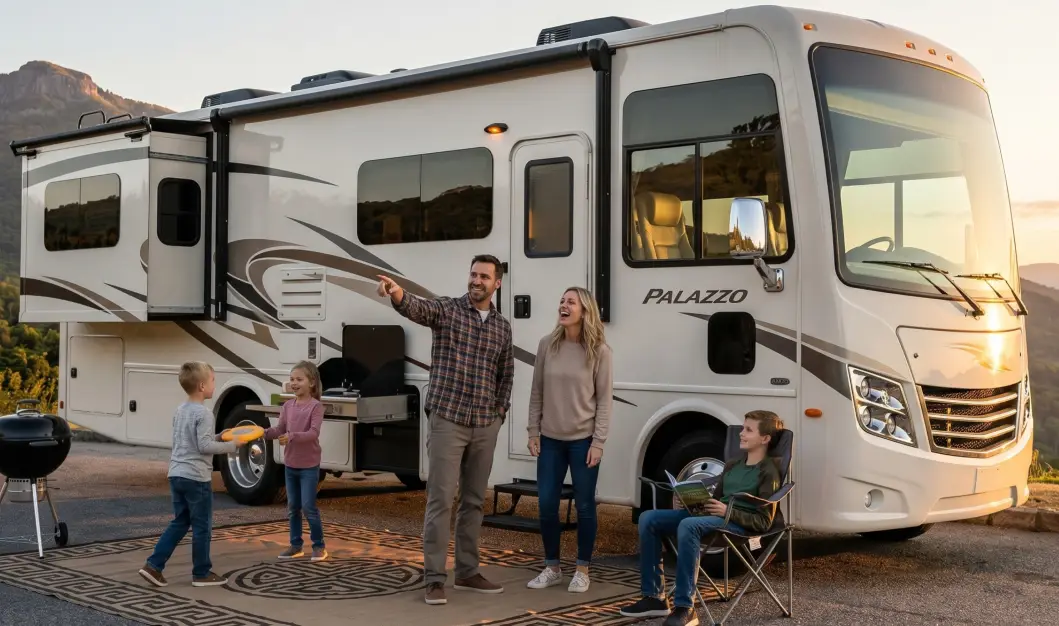
The best RV for beginners depends heavily on how they plan to use it. A couple taking short camping trips has different needs from retirees staying in one place for several months.
Before falling in love with a floor plan, think about your actual travel schedule. How often will you move? How many people will sleep inside? Will you spend most days outdoors or inside the RV?
Your answers can help you avoid paying for space and equipment you rarely use.
If You Mostly Camp on Weekends
A compact travel trailer may provide enough comfort without making every trip feel like a major moving project. Smaller motorhomes can also work if you prefer driving one vehicle rather than towing.
Focus on setup time, easy storage, and practical sleeping arrangements. You probably don’t need a huge kitchen if most of your cooking happens outside during short trips.
If You Plan to Stay for Several Weeks
A fifth wheel can become more appealing when you’re spending long periods in the same location. A separate bedroom, comfortable seating, a larger refrigerator, and extra storage may improve daily comfort.
However, a motorhome with a good floor plan can work just as well. The decision depends on whether you prefer a separate pickup for errands or a motorized RV that may require another transportation option.
If You Travel With Children or Pets
Families need to think beyond the number of beds. You need enough safe travel seats, room for luggage, storage for outdoor equipment, and a practical bathroom.
For RVs with passengers riding inside the motorhome, verify the number and location of approved seat belts. For children, check whether suitable child restraints can be installed according to vehicle and restraint instructions.
Pets bring their own needs. According to RVIA’s 2025 research, 43% of RV owners cited bringing pets as an important reason for choosing RV travel. RVIA
If you’re bringing a dog, think about floor space, temperature control, and where the animal will safely travel. Don’t choose an RV simply because it has enough sleeping space for everyone.
Match Your Lifestyle to the Right RV
| Your travel plans | RV worth considering | What to check first |
|---|---|---|
| Occasional weekend trips | Compact travel trailer | Tow vehicle limits |
| Family vacations | Bunkhouse trailer or Class C | Safe seating and storage |
| Long stays in one location | Fifth wheel | Truck payload and space |
| Solo travel with frequent stops | Class B or small Class C | Parking and bathroom comfort |
| Extended retirement travel | Fifth wheel or motorhome | Daily comfort and total cost |
These are starting points, not fixed rules. A small travel trailer could work for a retired couple, and a large motorhome could be suitable for a family that travels often.
The important thing is matching your RV to what you’ll actually do with it.
Will Your RV Fit in the Campgrounds You Want to Visit?

Buying an RV that’s too large for your favorite campgrounds can limit your trips before they even begin. You might find a beautiful location online, only to discover that your RV will not fit into any available site.
Campgrounds have different rules for vehicle length, parking, and access roads. Trees, tight turns, uneven ground, and narrow entrances can also make a campsite difficult to reach.
For example, Joshua Tree National Park limits combined RV and trailer lengths to 25 feet at Hidden Valley and White Tank campgrounds. Belle Campground can accommodate some vehicles up to 35 feet, although many sites are smaller. National Park Service
That means purchasing a longer RV could rule out certain camping areas. Even when a park allows your RV’s size, the individual campsite may have a stricter limit.
Check These Measurements Before Buying
- Overall length: Include anything that affects the RV’s actual length.
- Height: Measure with roof equipment and air conditioners included.
- Width: Check the body width and clearance needed when slides are extended.
- Combined towing length: Include the tow vehicle and trailer where the campground requires it.
- Storage dimensions: Confirm the RV fits where you plan to keep it between trips.
Don’t forget your driveway or neighborhood rules. Some homeowners associations restrict RV parking, while certain local areas have limits on street storage.
A simple test is to find three campgrounds you genuinely want to visit. Check their RV size limits and available site types before deciding how large your first RV should be.
The First RV Buying Mistakes That Can Cost You Thousands
Buying your first RV is exciting, and dealerships often make everything look comfortable and easy. The trouble starts when you discover problems after signing the paperwork.
Some mistakes are inconvenient, but others can require replacing the RV, buying another truck, or paying for major repairs.
Here are five mistakes worth avoiding.
1. Buying before checking towing limits. An attractive trailer is useless if your existing vehicle cannot safely pull it. Confirm all towing and payload ratings before leaving a deposit.
2. Choosing size over practicality. Extra space feels wonderful at a dealership, but a larger RV can be harder to park, store, and fit into campgrounds. Choose the room you need rather than the biggest model you can finance.
3. Ignoring ownership costs. Insurance, tires, servicing, storage, and campground fees continue after the purchase. Build a realistic annual budget before agreeing to financing.
4. Skipping an independent inspection. A clean interior does not prove the roof, plumbing, electrical systems, and structure are in good condition. Hire a qualified inspector who is not working for the seller.
5. Buying without trying the lifestyle. You may love an RV’s kitchen but hate driving it or setting it up. Renting a similar model can reveal problems that a short showroom visit cannot.
The most expensive mistakes usually happen when buyers make decisions based on appearance or advertised numbers alone. A little research before buying is far cheaper than discovering a serious mismatch afterward.
How to Test a Travel Trailer, Fifth Wheel, or Motorhome Before Buying

You can learn plenty about an RV by walking through it at a dealership. But sitting on a sofa for five minutes will not tell you what it’s like to live in that space.
Before buying, try to spend a couple of nights in a similar RV. If you’re considering a travel trailer, rent a travel trailer. If you’re leaning toward a motorhome, test the same general class and size.
The goal is to discover what feels comfortable and what becomes frustrating when you’re actually camping.
Try a Two-Night RV Rental
Choose a campground similar to the places you expect to visit. Try cooking a meal, using the bathroom, making the beds, and organizing your belongings.
Notice how easy or difficult it is to move around inside. Check whether the storage feels practical and if you can use important areas without opening every slide.
Also pay attention to setup and departure. Connecting utilities, leveling, backing into a site, and packing everything away can take more effort than you expect.
If you are new to towing, arrange instruction with someone qualified before attempting difficult maneuvers. Practice in a suitable open area rather than learning in a crowded campground.
Arrange an Inspection Before Paying
Once you find an RV you want, arrange an independent inspection. This matters for used RVs, but new models can also have assembly or equipment problems.
Ask the inspector to check the roof, seals, walls, floors, appliances, plumbing, electrical system, and signs of water damage. For motorhomes, arrange a separate mechanical inspection when needed.
Get the findings in writing and review repair estimates before completing the purchase. If the seller promises to fix something, make sure the agreement clearly states what work will be done.
Finally, request a full delivery walkthrough. Have the seller demonstrate the water system, electrical connections, propane equipment, heating, cooling, leveling, and other important controls.
Don’t rush this step. Knowing how your RV works can save you trouble on your first trip.
How to Choose Your First RV With a Simple Decision Checklist
By now, you should have a clearer picture of which RV type suits your plans. But before visiting a dealership, narrow your options using five practical questions.
1. What can you afford to spend? Set a budget that includes the RV, required vehicle or towing equipment, insurance, taxes, and expected operating costs.
2. Do you already own a suitable tow vehicle? If yes, check which travel trailers or fifth wheels meet its exact weight limits. If not, compare the cost of buying a tow vehicle against choosing a motorhome.
3. How often will you move your RV? Frequent short stops may make a compact motorhome attractive. Long stays can make a spacious fifth wheel or travel trailer more appealing.
4. Where will you camp and store it? Choose an RV that fits the places you actually want to visit, as well as your driveway or storage facility.
5. Have you tested and inspected your choice? Rent a similar model, compare actual floor plans, and arrange a professional inspection before committing.
Your Final RV Decision Table
| Your biggest priority | Start by comparing |
|---|---|
| Affordable camping with an existing suitable vehicle | Travel trailer |
| More living space for extended stays | Fifth wheel |
| Driving without towing a separate RV | Motorhome |
| Easier access to smaller campsites | Compact trailer or motorhome |
| Having a regular vehicle available at camp | Travel trailer or fifth wheel |
| Frequent moves with less hitching work | Motorhome |
Keep in mind that these are starting points. A large motorhome can be harder to manage than a small trailer, while a fifth wheel can become expensive if you need to purchase a truck.
For your final comparison, choose three actual RV models. Record their prices, loaded weight limits, dimensions, sleeping arrangements, and estimated ownership costs.
This gives you a practical answer to how to choose your first RV without relying on a dealership’s recommendation alone.
Frequently Asked Questions About Buying Your First RV
Is a Fifth Wheel Easier to Tow Than a Travel Trailer?
A properly matched fifth wheel can offer stable towing because its hitch places the front load over or near the pickup’s rear axle. However, fifth wheels are often larger and heavier, and their size can make parking and maneuvering harder.
A smaller travel trailer may be easier for a beginner to manage. Safe handling depends on the vehicle, trailer, loading, hitch equipment, road conditions, and driver skill.
What Is the Best RV for a First-Time Buyer?
A compact travel trailer is a sensible starting point if you already own a suitable tow vehicle. A small Class C motorhome may be appealing if you prefer a complete driving and living unit.
The right answer depends on your budget, travel plans, passenger needs, and ability to safely operate the RV. There is no single best option for every beginner.
Do You Need a Special License to Drive a Motorhome?
Many smaller recreational motorhomes can be driven with a regular driver’s license, but the exact rules depend on your state and the vehicle’s weight or type.
Some states require a different license class for heavier motorhomes or certain towing combinations. Check your state’s driver licensing agency before purchasing.
Is Buying a Used RV Better Than Buying a New One?
A used RV can cost less upfront, and some of its early depreciation may already have occurred. However, you could inherit worn tires, water damage, aging appliances, or other repair needs.
A new RV may offer warranty coverage and newer equipment, but it can cost more and still require repairs. Compare condition, total price, warranty terms, and inspection results before deciding.
Final Thoughts: Choose the RV That Fits Your Real Life
Choosing between a fifth wheel vs. a travel trailer vs. a motorhome becomes easier when you stop focusing on the biggest floor plan or lowest advertised monthly payment.
A travel trailer may suit occasional camping with a capable tow vehicle. A fifth wheel could make longer stays more comfortable, while a motorhome may work better for travelers who prefer a complete driving and living unit.
Before buying, verify the weight limits, calculate your first year costs, check campground restrictions, and test a similar RV. These simple steps can help you avoid expensive surprises.
Start by choosing two RV types that match your budget and travel plans. Then compare three real models, request insurance quotes, and arrange a rental or inspection. The right first RV should make camping easier, not create a new set of problems.