
What if your next RV campsite came with a simple job instead of a nightly bill?
Camping can get expensive when you stay on the road for months. Between campground fees, fuel, groceries, and repairs, your retirement savings can disappear faster than expected. That’s why more RV travelers are looking for workamping jobs that help reduce their biggest travel expenses.
These jobs let you work at campgrounds, state parks, wildlife refuges, and other outdoor locations. In return, you may receive a free campsite, utility hookups, wages, or a mix of these benefits. Some positions involve greeting visitors, while others focus on gardening, maintenance, or office work.
But there is something important to know. Most verified programs require more than a few hours each week. Many ask for 20 to 32 hours, although some couples can divide the work.
The good news is that you have several options. These 19 workamping jobs show what you can do, what real programs require, and where to look for openings in 2026 and beyond.
19 Workamping Gigs That Trade a Few Hours a Week for Free Campsites

1. Campground Host Jobs in State Parks
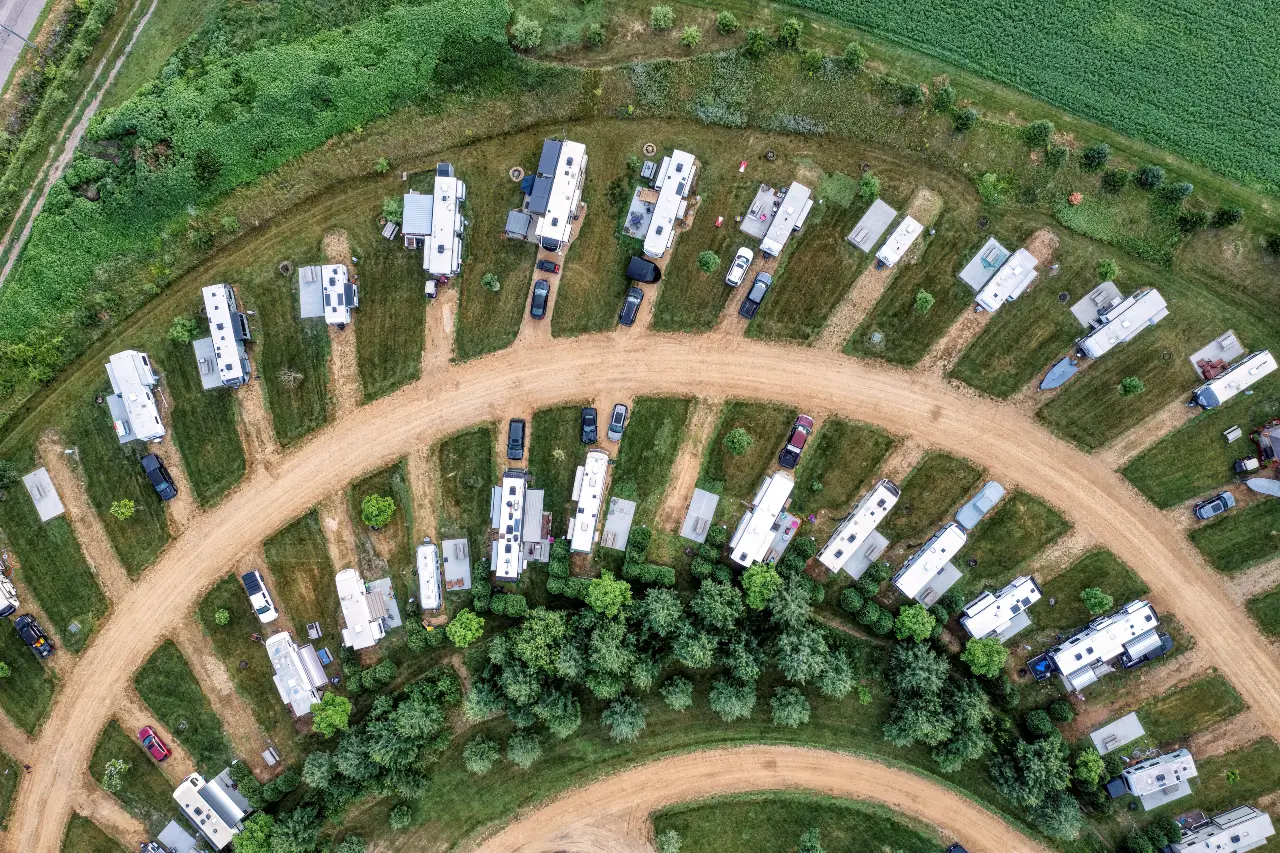
A state park can become your temporary home without the usual campsite bill. Campground hosts help visitors enjoy their stay while keeping the park clean and welcoming.
Your duties may include greeting new campers, answering questions, checking campsites, and reporting maintenance problems. Some parks also ask hosts to clean restrooms or help visitors during emergencies.
Florida State Parks offers one clear example. Its resident campground hosts receive a free campsite in exchange for at least 24 hours of volunteer service each week per campsite. The program allows stays of up to 16 weeks.
Couples or other approved campsite occupants can divide those hours. That can make the arrangement easier for retirees who prefer sharing responsibilities.
However, a free campsite does not always mean full hookups. Some parks offer electricity and water, while others provide access to a shared dump station.
Work Required: At least 24 hours weekly per campsite in Florida’s program.
Where to Apply: Florida State Parks volunteer portal.
Helpful Tip: Apply early for winter positions. Florida reports that some popular parks fill their winter volunteer schedules one or two years ahead.
2. National Park Campground Volunteer Jobs

Staying inside a national park can make RV travel more affordable while giving you access to beautiful surroundings. Instead of paying for a nearby campground, you help park staff manage the camping area.
National park hosts answer visitor questions, monitor campground conditions, and report safety concerns. You may also help visitors find their sites and remind them about park rules.
Great Smoky Mountains National Park has a documented campground host program. Its published requirements include 32 hours of service per week and a commitment of four to eight weeks.
In return, the park provides an RV campsite with full hookups for the approved host assignment. That can be valuable when nearby private campgrounds are expensive.
Still, this is a serious time commitment. You should ask whether the schedule includes weekends, evening duties, or emergency calls.
Work Required: 32 hours weekly in the Great Smoky Mountains example.
Campsite Benefit: A full hookup RV site.
Where to Apply: National Park Service volunteer programs and Volunteer.gov.
Helpful Tip: Ask whether the required hours apply to one person or the entire host team.
3. National Forest Campground Hosts

If you prefer quiet forests over busy tourist areas, national forest campgrounds may be worth checking. Many sites sit near lakes, hiking trails, and mountain roads.
As a campground host, you may check vacant sites, answer questions, collect litter, and report damaged facilities. You also help visitors follow campground rules.
The U.S. Forest Service has advertised seasonal host positions at locations such as Rattler Ford Campground. Its 2026 assignment required hosts to be present five days weekly, with some responsibilities outside regular service hours.
That last detail matters. A job may list a certain number of hours, but the host could still need to remain available during other periods.
Remote campgrounds may also have limited electricity, water, phone signals, or internet access. These conditions can affect your daily life even when the site itself costs nothing.
Work Required: Depends on the specific forest and assignment.
Where to Apply: Volunteer.gov and official U.S. Forest Service volunteer listings.
Helpful Tip: Check whether you need solar power, a generator, or a self-contained RV before accepting a remote position.
4. Wildlife Refuge Visitor Center Hosts

You can help protect wildlife without doing demanding outdoor labor all day. Some wildlife refuges need volunteers who enjoy talking with visitors.
Your main job may involve greeting guests, handing out maps, explaining walking trails, and answering questions about local wildlife. You might also help organize brochures or prepare the visitor center.
Eastern Shore of Virginia National Wildlife Refuge offers a useful example. Its resident volunteer program describes a minimum 20-hour weekly commitment in exchange for a free RV campsite with full or partial hookups.
This kind of work may suit retirees who have experience in customer service, teaching, or public speaking. You still need to be comfortable standing, talking, and dealing with visitors during busy periods.
Some refuge assignments also include cleaning or outdoor tasks. Ask for a full duty list instead of assuming the position involves only desk work.
Work Required: At least 20 hours weekly in the Eastern Shore example.
Where to Apply: U.S. Fish and Wildlife Service volunteer listings.
Helpful Tip: Mention customer service and communication experience when applying.
5. Historic Site and Museum Tour Hosts

You don’t have to spend your workamping days cleaning campsites. Some historic parks offer RV spaces to volunteers who help visitors learn about the past.
Your duties may include greeting museum guests, giving short tours, answering questions, and helping staff prepare exhibits. Some locations also need help opening facilities and organizing visitor materials.
Oregon’s Kam Wah Chung State Heritage Site has advertised interpretive host positions that include full hookup RV sites. Published assignments have described schedules of up to 28 hours weekly.
This work can be a good match for retired teachers, history fans, and people who enjoy meeting visitors. You may receive training about the site before speaking with guests.
However, tours may involve standing or walking for long periods. Some locations also require weekend shifts during busy months.
Work Required: Depends on the site, with published Oregon assignments reaching 28 hours weekly.
Where to Apply: Oregon State Parks volunteer opportunities.
Helpful Tip: Highlight any teaching, public speaking, or museum experience in your application.
6. Retreat Center and Group Camp Hosts

Some state parks have cabins, lodges, and group facilities used by schools, families, and organizations. These places need volunteers who can help guests settle in and keep facilities running smoothly.
As a retreat center host, you may welcome groups, explain facility rules, organize check-ins, and report maintenance needs. Light cleaning or help with meeting spaces may also be part of the job.
Washington State Parks officially includes retreat center hosts in its volunteer program. Its general host requirement is at least 28 hours of service per week for each approved host unit.
Group bookings can make the schedule different from regular campground hosting. You might have quiet weekdays followed by busy weekends when large groups arrive.
Before accepting an assignment, confirm whether the park provides an RV campsite with utilities. Some volunteer housing arrangements are not designed for recreational vehicles.
Work Required: At least 28 hours weekly per host unit under Washington’s standard program.
Where to Apply: Washington State Parks host program.
Helpful Tip: Ask for the expected group arrival schedule before agreeing to the position.
7. Marine Park and Boater Assistance Hosts
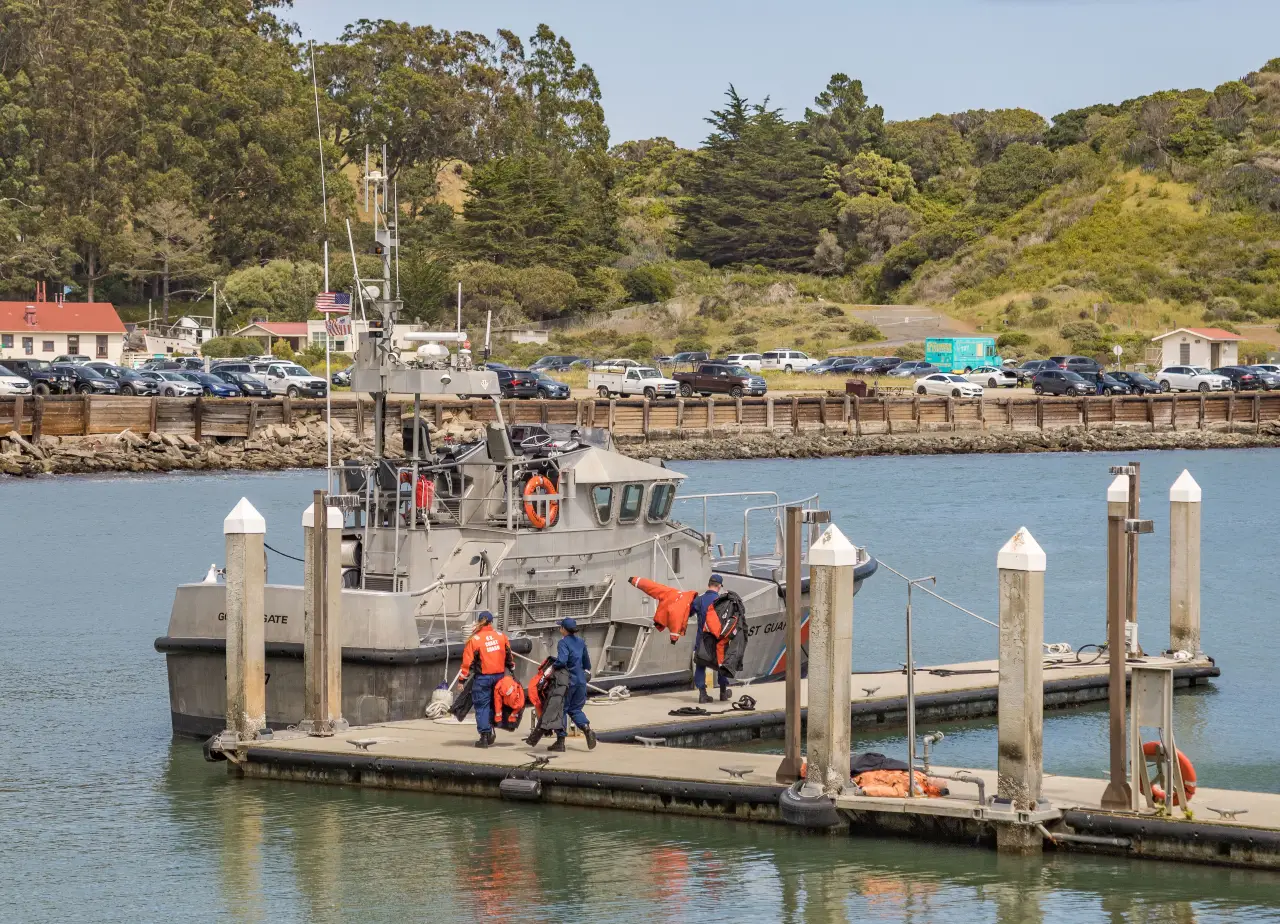
Waterfront parks offer another way to volunteer in scenic locations. Instead of helping RV campers, marine park hosts assist people arriving by boat.
Your duties may include greeting boaters, explaining available facilities, sharing weather information, and helping visitors learn about nearby attractions. You may also report safety concerns to park staff.
Washington State Parks recognizes marine park hosting as a separate volunteer category. Some assignments require stays of just one or two weeks, which is shorter than many traditional campground placements.
However, this opportunity has an important limitation. Some marine parks are reached mainly by water and may offer boat moorage rather than RV campsites.
That means you should never assume a marine volunteer opening includes parking for your motorhome or travel trailer.
Work Required: Varies by marine park and assignment.
Where to Apply: Washington State Parks.
Helpful Tip: Confirm that the exact location accepts RVs and provides an RV campsite before applying.
8. Park Maintenance and Repair Volunteers
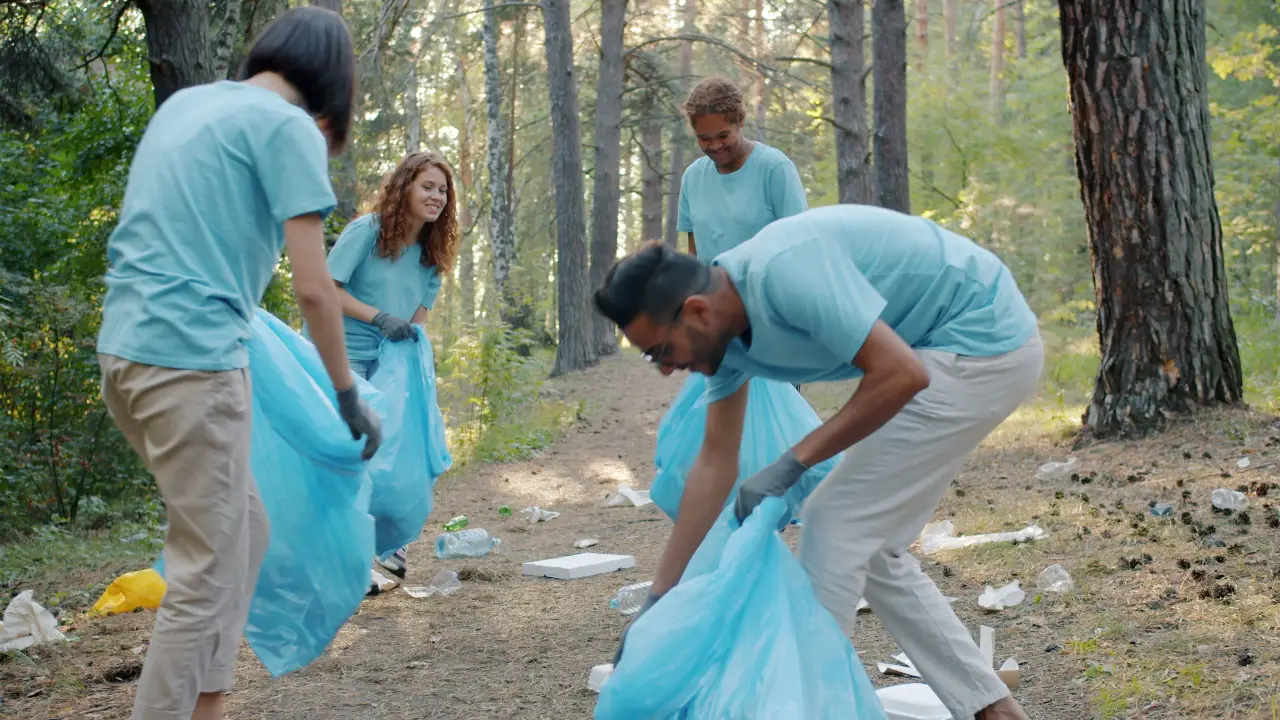
Basic repair skills can help you find workamping opportunities that other travelers may overlook. Parks need people who can handle small projects and keep public facilities in good condition.
Tasks may include painting, repairing signs, maintaining picnic areas, checking equipment, and handling simple building repairs. Some positions require more physical strength than visitor center jobs.
Cape May National Wildlife Refuge advertised a resident workcamper maintenance assignment for June through October 2026. The position provided an RV pad with water, sewer, and electrical connections.
Its published commitment was at least 24 hours weekly per person. That is important because two volunteers could be required to provide more total hours than a couple sharing one campsite requirement elsewhere.
You should also confirm who provides tools and safety equipment. Never accept work involving unfamiliar machinery without proper training.
Work Required: At least 24 hours per person weekly in the Cape May example.
Campsite Benefit: An RV pad with utility connections.
Where to Apply: U.S. Fish and Wildlife Service resident volunteer opportunities.
Helpful Tip: List painting, plumbing, carpentry, and repair experience if you have those skills.
9. Trail Maintenance Workamping Opportunities
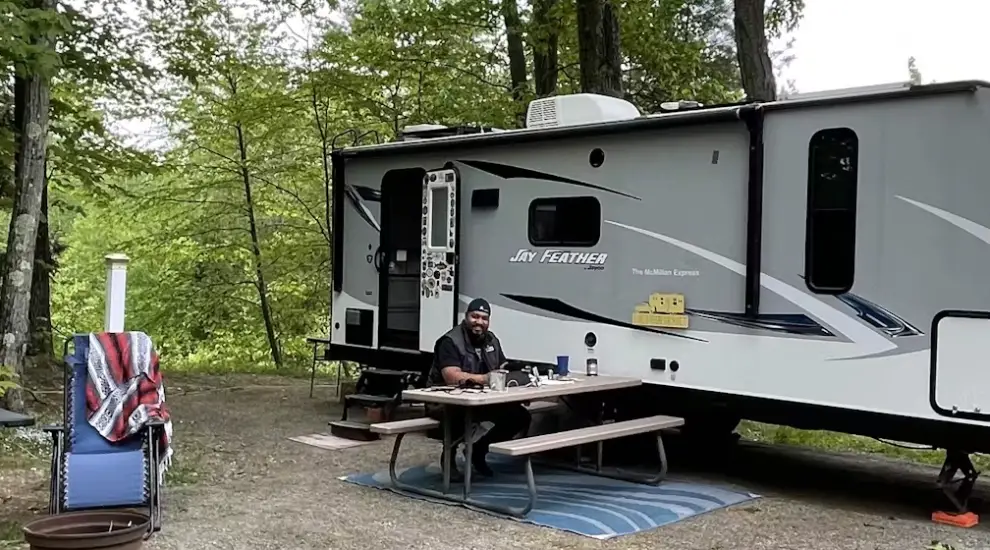
If you enjoy hiking, trail maintenance can turn time outdoors into useful volunteer work. Parks and refuges need help keeping paths safe and open for visitors.
Your tasks could include removing fallen branches, trimming vegetation, collecting litter, and checking trail signs. Some assignments also involve reporting erosion or damaged walkways.
The Cape May National Wildlife Refuge workcamper assignment included trail maintenance among its duties. The broader position offered an RV pad and required regular weekly service.
But trail maintenance is not always offered as a separate campsite exchange job. You may need to accept a general maintenance position that includes several outdoor tasks.
This work can involve heat, mud, insects, and uneven ground. Anyone with mobility concerns should ask about daily walking distances and lifting requirements.
Work Required: Depends on the host organization and the broader assignment.
Where to Apply: Volunteer.gov and wildlife refuge volunteer listings.
Helpful Tip: Ask what equipment is used and how physically demanding the work becomes during summer.
10. Landscaping and Native Garden Volunteers
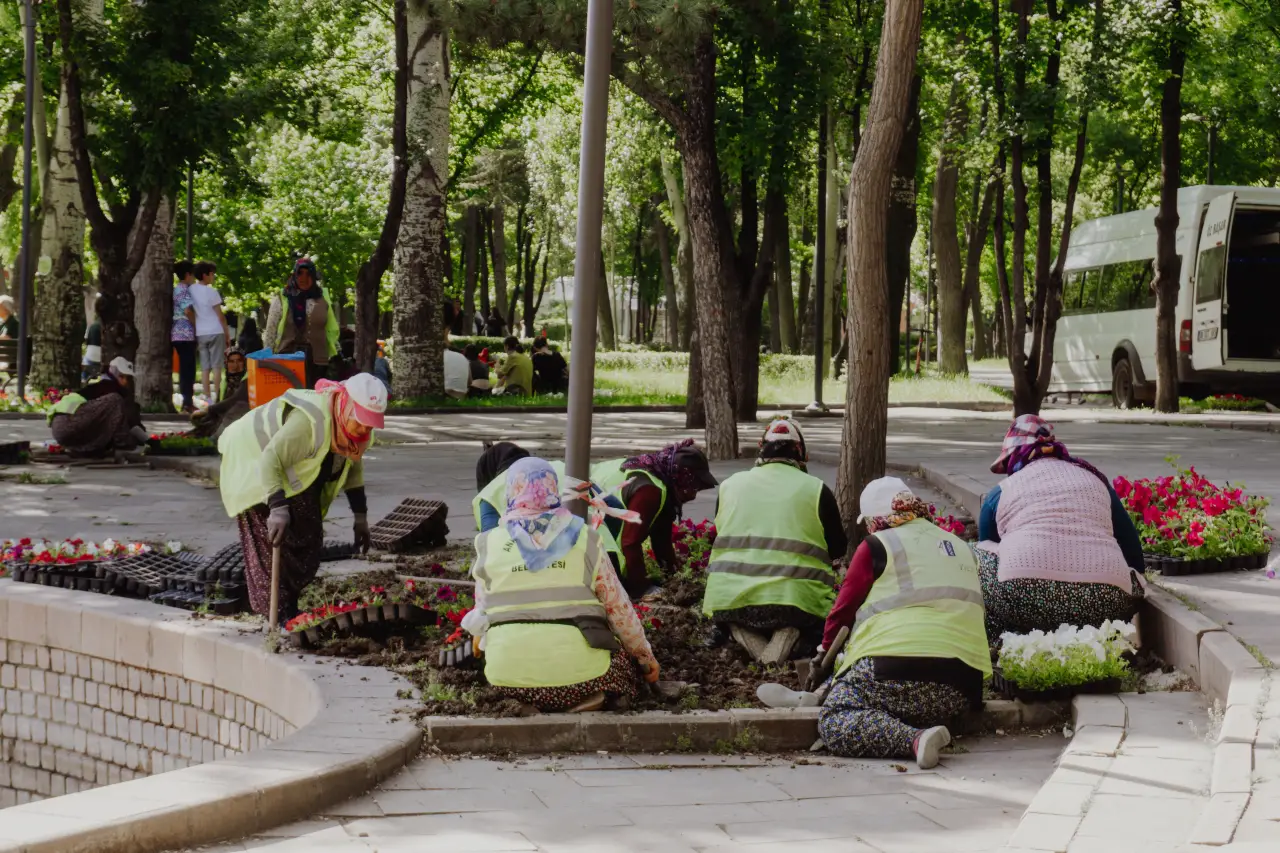
Gardening skills can be useful at state parks and wildlife refuges. Many public lands have native plant gardens, visitor areas, and maintained landscapes that need regular care.
Your work may involve watering plants, pulling weeds, spreading mulch, and caring for garden beds. Some assignments also include removing unwanted vegetation or helping maintain public spaces.
Canaan Valley National Wildlife Refuge recruited resident RV volunteers for its May through October 2026 season. Its duties included native garden care, light maintenance, visitor services, and other park support.
The published arrangement included an RV site with hookups and required 24 hours weekly per person.
This is a useful example of why you must read the full job description. Even if gardening is your favorite task, the refuge may need help with other work.
Work Required: 24 hours weekly per person in the Canaan Valley example.
Where to Apply: U.S. Fish and Wildlife Service volunteer opportunities.
Helpful Tip: Ask whether the work involves simple garden care or heavier grounds maintenance.
11. Nature Center Education Volunteers
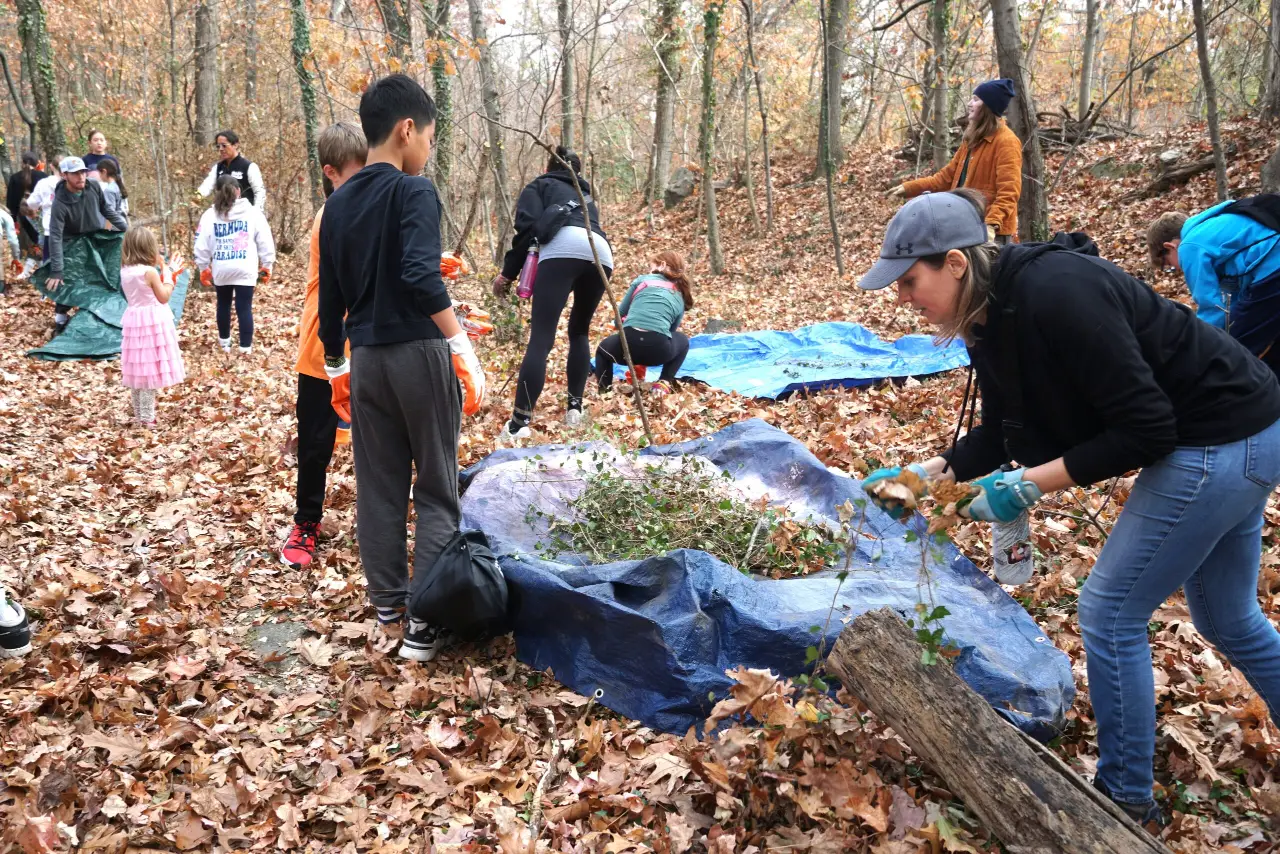
You can turn your interest in wildlife into useful work while staying near natural areas. Some parks need volunteers to help visitors learn about plants, animals, and conservation.
Your duties might include helping with educational displays, greeting school groups, assisting with nature activities, and answering common wildlife questions.
Canaan Valley National Wildlife Refuge included public education among the possible duties in its 2026 resident volunteer recruitment. Approved resident volunteers received RV accommodation as part of the broader program.
Education may be only one part of the assignment. The same volunteer could also help with visitor services, cleaning, or basic maintenance.
This kind of role may appeal to retired teachers or anyone comfortable speaking with groups. However, you should ask how much training the park provides.
Work Required: Based on the full resident volunteer agreement.
Where to Apply: U.S. Fish and Wildlife Service and state park education programs.
Helpful Tip: Share any experience with children, teaching, or public presentations.
12. Lighthouse and Interpretive Center Hosts
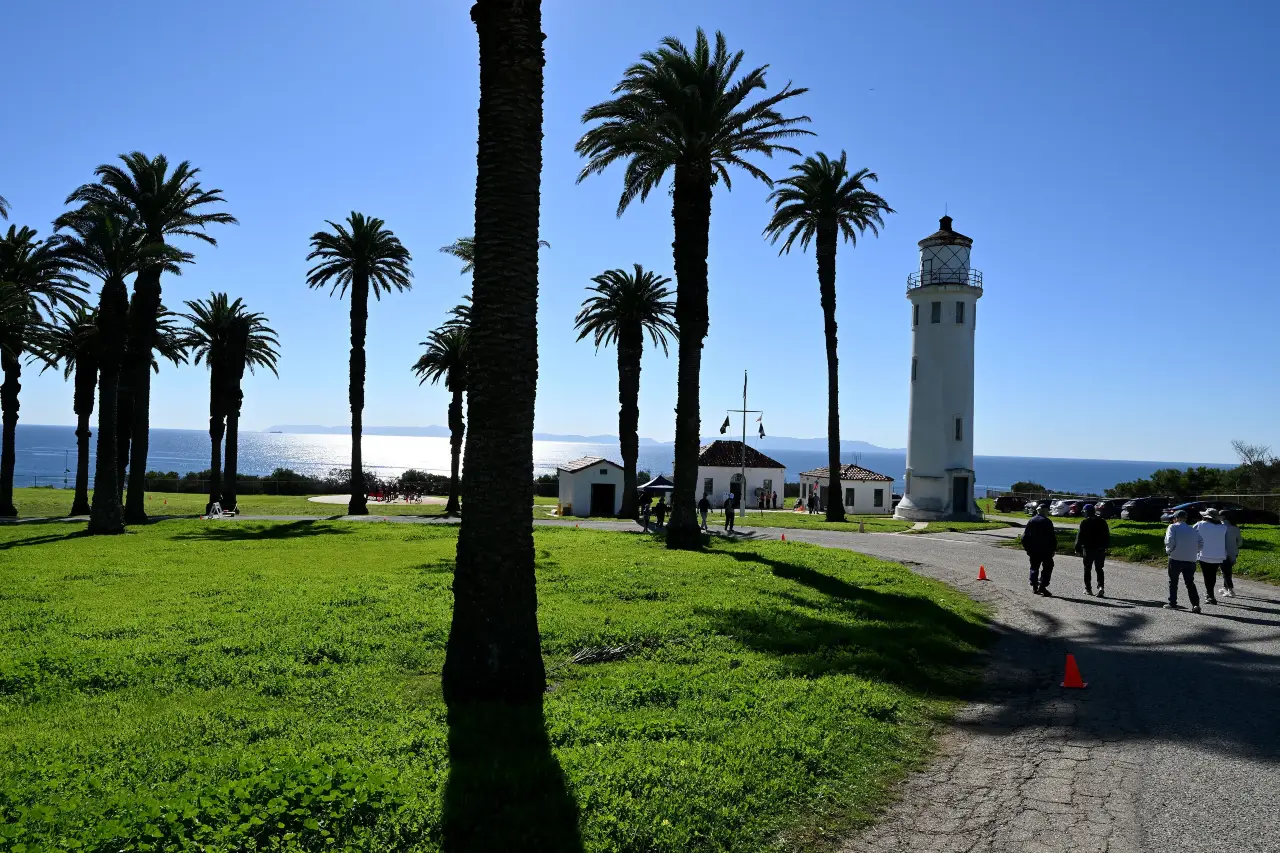
A historic lighthouse or coastal visitor center can offer a different kind of workamping experience. Instead of working around campsites, you help people enjoy an important local landmark.
Volunteers may guide visitors through exhibits, share historical facts, answer questions, and help open or close facilities. Some positions also involve gift shop duties.
Washington State Parks lists lighthouse and interpretive center hosts within its volunteer program. These assignments support visitor education and historic site operations.
The general Washington host program requires at least 28 hours weekly per host unit. Individual sites may have additional schedules or requirements.
However, not every lighthouse position comes with a traditional RV campsite. Some provide other forms of lodging, while others have no overnight accommodation.
Work Required: Depends on the position and park program.
Where to Apply: Washington State Parks interpretive host listings.
Helpful Tip: Confirm the RV site, utility connections, and vehicle size limits before making travel plans.
13. Campground Cabin and Yurt Cleaning Hosts

Cabin cleaning may offer a practical workamping option if you prefer set tasks over constant visitor contact. Parks with rental cabins and yurts need people to prepare them between guests.
Your responsibilities could include sweeping floors, cleaning surfaces, checking supplies, preparing sleeping areas, and reporting damage. The schedule may become busier when several guests leave on the same day.
Oregon State Parks has advertised cabin and yurt host arrangements requiring 20 to 25 hours weekly for an individual. Some assignments list 30 to 35 combined hours for a host pair.
That makes it important to check whether the advertised schedule applies to each worker or the entire team.
Cleaning cabins also requires bending, lifting supplies, and standing for long periods. A position that seems simple may still be tiring.
Work Required: Published Oregon assignments include 20 to 25 hours for solo hosts.
Where to Apply: Oregon State Parks volunteer host listings.
Helpful Tip: Ask how many cabins you will clean and whether laundry duties are included.
14. Campground Store and Gift Shop Hosts

A campground store can be a good place to use retail experience while enjoying RV living. These small shops often sell snacks, camping supplies, souvenirs, and everyday necessities.
Your duties may include stocking shelves, helping customers, operating a register, and keeping the sales area organized. You might also answer visitor questions or share park information.
Collier Memorial State Park in Oregon advertised a store and visitor center hosting position for its 2026 season. The assignment included retail and visitor support duties.
However, store work does not always come with a free campsite. Some jobs are paid positions, while others are part of a volunteer host program.
Ask about the exact compensation before accepting. You should also confirm whether handling cash, using a register, or working holidays is required.
Work Required: Set by the specific park or employer.
Where to Apply: State park volunteer portals and campground employment listings.
Helpful Tip: Mention past retail, cashier, or customer service experience.
15. Wildlife Refuge Office and Clerical Assistants

Not every workamping job involves outdoor labor. Some wildlife refuges need help with paperwork, office tasks, and routine visitor services.
Your work may include answering phones, organizing files, preparing brochures, recording information, or helping staff manage basic office duties.
U.S. Fish and Wildlife Service resident volunteer listings have included office and clerical responsibilities alongside other refuge work. Some resident arrangements provide an RV pad with utility connections.
These roles may suit retirees who previously worked in offices, schools, or administrative positions. Computer skills and clear communication can be useful.
But an office assignment may include outdoor chores or cleaning. You should ask how many hours are spent at a desk and whether the schedule changes during busy seasons.
Work Required: Depends on the resident volunteer position.
Where to Apply: U.S. Fish and Wildlife Service volunteer listings.
Helpful Tip: Include computer, scheduling, filing, and customer service skills in your application.
16. Wildlife Photography and Media Volunteers
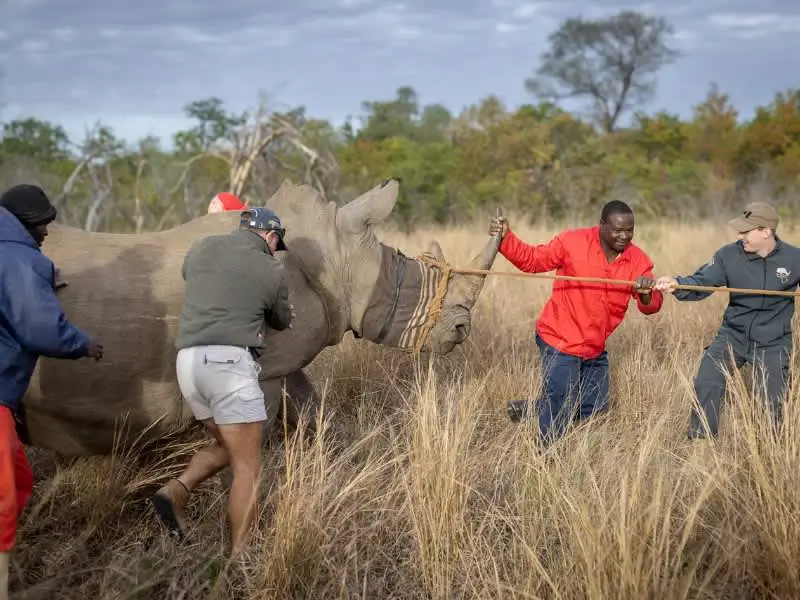
Photography skills may help you contribute to a wildlife refuge while staying in your RV. Some conservation programs need pictures for educational displays, visitor materials, and reports.
Your duties might include photographing wildlife, documenting volunteer projects, organizing image files, or helping staff prepare media materials.
U.S. Fish and Wildlife Service resident volunteer descriptions have included photography among their possible tasks. Certain resident volunteer programs also provide RV accommodations.
However, this does not mean every refuge offers a photography position with a free campsite. Photography may be a small part of a larger volunteer assignment.
Ask what equipment you need to bring and whether the refuge has rules about photographing wildlife. You should also confirm how many hours involve photography instead of general duties.
Work Required: Depends on the full volunteer assignment.
Where to Apply: Wildlife refuge volunteer programs and Volunteer.gov.
Helpful Tip: Prepare a small portfolio of wildlife, landscape, or event photographs before contacting a coordinator.
17. Wildlife Survey and Conservation Support

If you enjoy watching birds or studying nature, conservation support may be worth exploring. Wildlife refuges sometimes need volunteers to help staff collect information and protect natural habitats.
Tasks may include recording wildlife sightings, helping with approved surveys, checking habitat conditions, or supporting conservation projects.
Maxwell National Wildlife Refuge advertised a general volunteer opportunity for its 2026 fiscal year. The listed duties included wildlife surveys, and the resident arrangement provided an RV pad.
The program required 24 hours weekly per person. Volunteers could also be assigned other refuge tasks based on staff needs.
Some wildlife surveys require training, long walks, or working during early morning hours. Scientific tasks may also need supervision from qualified staff.
Work Required: 24 hours weekly per person in the Maxwell refuge example.
Where to Apply: U.S. Fish and Wildlife Service volunteer listings.
Helpful Tip: Ask whether the position requires field experience or offers training for beginners.
18. Campground Relief and Weekend Hosts
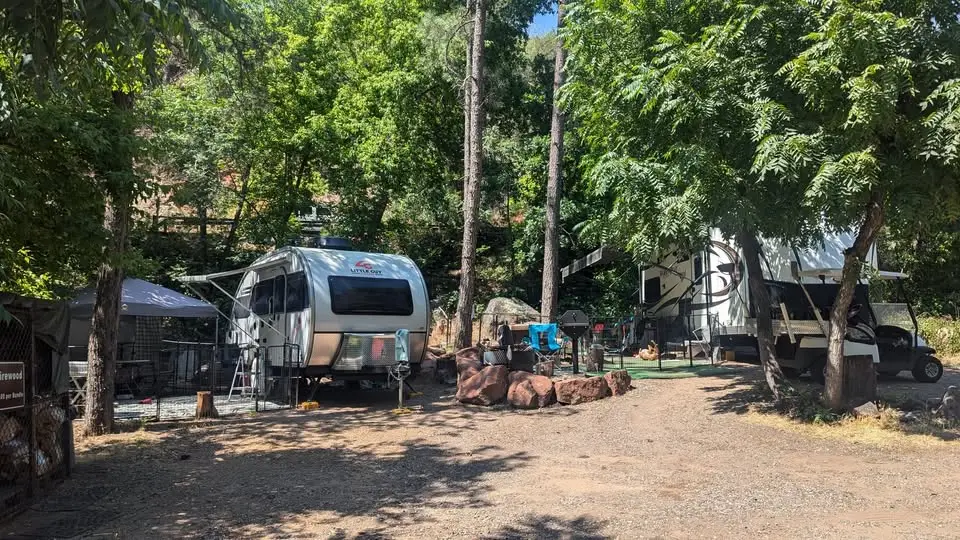
Some parks need extra help when their regular campground hosts take time off. Relief hosts fill those gaps and help keep campground operations running.
You may answer camper questions, check facilities, help with cleaning, or cover scheduled host shifts. The exact duties depend on which staff member or volunteer you replace.
Oregon’s Prineville Reservoir State Park published a 2026 campground relief assignment with a full hookup RV site.
The position described 20 to 25 hours weekly for an individual or 30 to 35 combined hours for a host pair.
Despite the name, relief hosting is not always occasional work. You may still have regular shifts spread across several days.
Work Required: Published Oregon schedules include 20 to 25 hours for solo hosts.
Campsite Benefit: Full hookup RV site in the Prineville Reservoir example.
Where to Apply: Oregon State Parks volunteer host listings.
Helpful Tip: Ask whether your days off are fixed or change from week to week.
19. Public Land Recreation and Campground Support Hosts

Public lands can offer some of the most scenic RV camping locations in the country. You may find opportunities near desert landscapes, recreation areas, and remote campgrounds.
Hosts usually help visitors, check facilities, report problems, and support daily campground operations. Some assignments also involve explaining local rules and encouraging safe recreation.
The Bureau of Land Management advertised a fall 2026 campground host assignment near Moab, Utah. The published schedule included 32 hours of work per week and a provided campsite.
However, that particular site did not offer direct water or electrical hookups.
This shows why a free campsite is not always the cheapest choice. You may still pay for generator fuel, water, sewage disposal, and other supplies.
Work Required: 32 hours weekly in the Moab example.
Where to Apply: Volunteer.gov and Bureau of Land Management volunteer opportunities.
Helpful Tip: Calculate the cost of living without hookups before accepting a remote position.
How Many Hours Do You Really Work for a Free Campsite?
The idea of doing a little work for free camping sounds appealing. But most established volunteer programs require a serious weekly commitment.
Some parks allow couples to share the total hours. Others require each person to work a set number.
Here are examples from published park and refuge programs.
| Program | Weekly Hours | Site Benefit |
|---|---|---|
| Eastern Shore of Virginia refuge | At least 20 | Free RV campsite |
| Tule Lake refuge 2026 posting | 21 | RV pad |
| Florida State Parks | 24 per campsite | Free campsite |
| Washington State Parks | 28 per host unit | Site with utilities |
| Great Smoky Mountains National Park | 32 | Full hookup RV site |
These numbers come from specific programs and should not be treated as a national average. Hours, duties, and benefits can change between locations.
You should also ask about time spent being available outside scheduled shifts. A park might expect you to answer questions or report emergencies even when you are not completing regular tasks.
For couples, Florida offers one useful arrangement. Its 24 weekly hours may be divided among approved people staying at the campsite.
Other programs may require hours from each person. That can make a major difference when deciding whether an assignment fits your retirement plans.
Before accepting any job, request the weekly schedule in writing. Make sure it states total hours, days off, and any additional duties.
How to Find and Apply for Workamping Jobs in 2026
Finding a good position starts with searching the right places. You can save time by focusing on official volunteer programs and established workamping job boards.
1. Start with Volunteer.gov. This federal website lists volunteer opportunities at national parks, wildlife refuges, national forests, and other public lands. Search for campground hosts, resident volunteers, or positions with RV accommodations.
2. Check state park volunteer portals. Florida, Oregon, and Washington publish host information and application instructions. Review each park’s requirements because programs can differ.
3. Explore Workamper. This service lists workamping opportunities from participating employers. Its free membership options can help you begin searching without paying for every feature.
4. Contact volunteer coordinators. If a park interests you, ask about future openings, seasonal schedules, and the next application period. A position advertised for 2026 may help you identify an employer recruiting for 2027.
5. Prepare a clear application. Include your RV length, availability, work experience, relevant skills, and whether you are applying alone or with another person.
Apply early when possible. Florida State Parks reports that popular winter volunteer positions may fill one or two years ahead.
Also, check the dates on every listing. A past posting can show what a program offers, but it does not prove that an opening is still available.
Is Free Camping Worth the Work? Calculate the Trade
A free campsite can reduce expenses, but the arrangement is not automatically a good deal. You need to compare the value of the campsite with your time and extra costs.
Start with the nightly price of a similar campsite near the same location. Multiply that amount by seven to estimate its weekly value.
For example, suppose a comparable campsite would cost $45 per night. Seven nights would cost $315.
Now assume the volunteer position requires 24 hours weekly. Divide $315 by 24, and the campsite provides about $13.13 in value for each hour of service.
| Example Calculation | Amount |
|---|---|
| Comparable nightly campsite price | $45 |
| Weekly campsite value | $315 |
| Weekly work requirement | 24 hours |
| Campsite value per work hour | $13.13 |
| Monthly value over 30 nights | $1,350 |
These figures are an example, not a national campground price average or an hourly wage.
You must also account for extra expenses. If electricity, fuel, internet, laundry, or water disposal costs more than expected, your actual savings will be lower.
Your time matters too. A position requiring 32 hours every week may leave less freedom for sightseeing and family activities.
The best arrangement should fit your budget, physical ability, and preferred lifestyle.
What Should You Confirm Before Accepting a Workamping Job?
A beautiful campsite photo can make an offer look perfect. But several small details can affect whether the position works for you.
Before accepting, ask the park manager or volunteer coordinator these questions.
- How many hours must you work each week? Confirm whether the requirement applies to each person or the campsite.
- What duties will you perform? Ask about cleaning, maintenance, lifting, and visitor assistance.
- Which hookups are provided? Confirm electricity, water, sewer, and dump station access.
- What are the RV size limits? Make sure your motorhome or trailer fits the assigned pad.
- Are pets allowed? Some parks have restrictions or limits on the number of animals.
- How long must you stay? Confirm the minimum commitment and your planned departure date.
- Are background checks required? Some programs require screening or training.
- Will you receive wages? Ask whether compensation includes only the campsite or also cash payment.
- Will you have regular days off? Check weekend shifts and emergency duties.
- What happens if you leave early? Ask whether there are any notice requirements.
There is also a financial issue worth checking. Some exchanges involving services and lodging can have tax or wage law consequences.
Volunteer programs and regular employment arrangements are not always treated the same way. If the offer includes wages or housing benefits, ask how the organization classifies the arrangement and whether any tax forms will be issued.
Get the important terms in writing before moving your RV. This can prevent costly misunderstandings after you arrive.
Frequently Asked Questions About Workamping Jobs
Can Retirees Get Workamping Jobs Without Experience?
Yes. Some campground host and visitor service positions welcome applicants with general customer service skills. However, maintenance, conservation, and technical roles may require experience or training.
Do All Workamping Jobs Include Free RV Hookups?
No. Some provide full hookups, while others offer electricity only, partial hookups, or a campsite without direct utilities. Always confirm the exact facilities.
Can Couples Divide the Required Work Hours?
Sometimes. Florida State Parks allows approved campsite occupants to divide its 24-hour weekly requirement. Other programs may require each person to complete a set number of hours.
Can You Workamp While Traveling With Pets?
Some programs allow pets, but their rules differ. Ask about pet limits, leash requirements, restricted areas, and whether animals can remain in the RV during work shifts.
How Early Should You Apply for a Workamping Job?
Apply several months before your desired arrival when possible. Popular winter locations can fill much earlier, especially in Florida and other warm weather destinations.
Do Workamping Jobs Always Pay Wages?
No. Some offer a campsite in exchange for volunteer service, while others provide wages, lodging, or both. Read the full offer before treating it as paid employment.
Final Thoughts on Finding the Right Workamping Job
Workamping jobs can make long-term RV travel more affordable, especially when campground fees take up a large part of your budget. You may also meet new people, learn useful skills, and spend more time in places you enjoy.
But the right position depends on more than getting a free campsite. You need to compare weekly hours, physical duties, utility hookups, and your stay length.
Start by choosing two or three jobs that fit your skills and interests. Then check official volunteer listings and contact the program coordinators about upcoming openings.
The best workamping jobs offer real campsite savings while leaving you enough time and energy to enjoy your RV lifestyle.