
You open the airline app and your stomach drops. Almost every good window and aisle seat looks unavailable, while the seats near the front come with extra fees. Suddenly, paying more starts to feel like the only way to avoid a miserable flight.
But the seat map does not always tell you the full story. Some seats may be restricted, reserved, priced differently, or held for certain passenger needs. Once you know what to check, choosing a better seat becomes much easier.
These 12 airplane seat tricks can help you avoid bad rows, find better positions, and decide when a seat fee is actually worth paying. Some tricks are about timing, while others depend on the aircraft, your connection, and what your body needs during the flight.
1. Check the Seat Map More Than Once
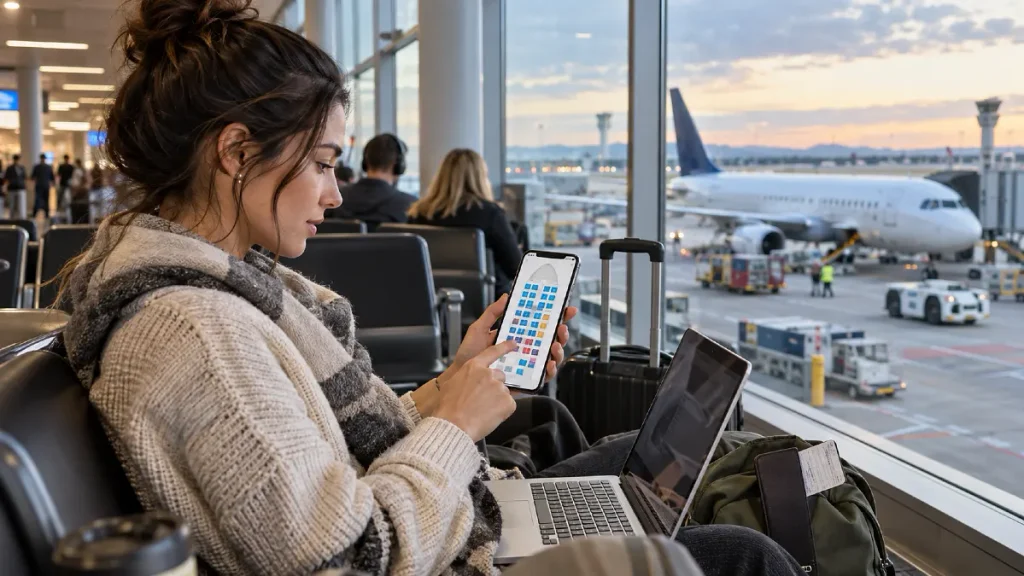
Do not choose your seat when you book and then forget about it. Seat availability can change as passengers cancel trips, switch flights, receive upgrades, or get new assignments. A poor seat today may not be your only option tomorrow.
Check the map when you first book, again when online check in opens, and once more before you leave for the airport. Some basic economy fares also receive seat assignments later, which can change what appears on the cabin map.
There is no universal secret hour when every airline releases its best seats. The smarter strategy is simply to keep checking. If your current seat is bad, looking again takes less than a minute.
2. Do Not Assume Every Unavailable Seat Is Taken
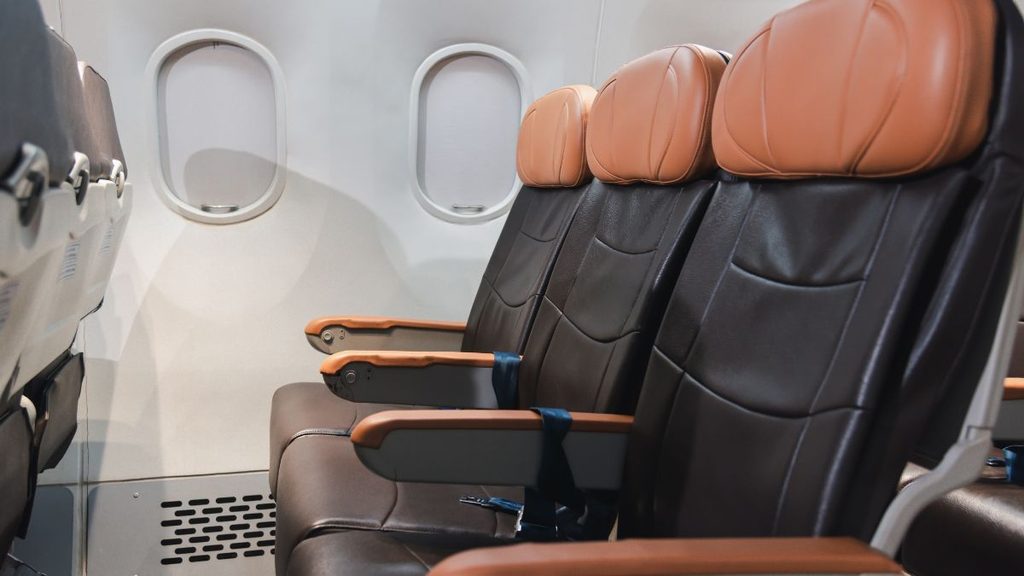
A gray or unavailable seat does not always mean another passenger is sitting there. Airlines may restrict seats because of fare rules, elite benefits, accessibility needs, or operational reasons. That means the map can look fuller than the actual passenger count suggests.
The U.S. Department of Transportation allows airlines to block certain seats for travelers who qualify for disability seating accommodations. Airlines can also reserve popular forward, aisle, exit row, or window seats for travelers who meet specific fare or status rules.
This does not mean every blocked seat will suddenly become free later. It simply means you should not panic the moment the map looks crowded. If your plans are flexible, check again before paying a large fee.
3. Verify the Exact Aircraft Before Paying for a Seat
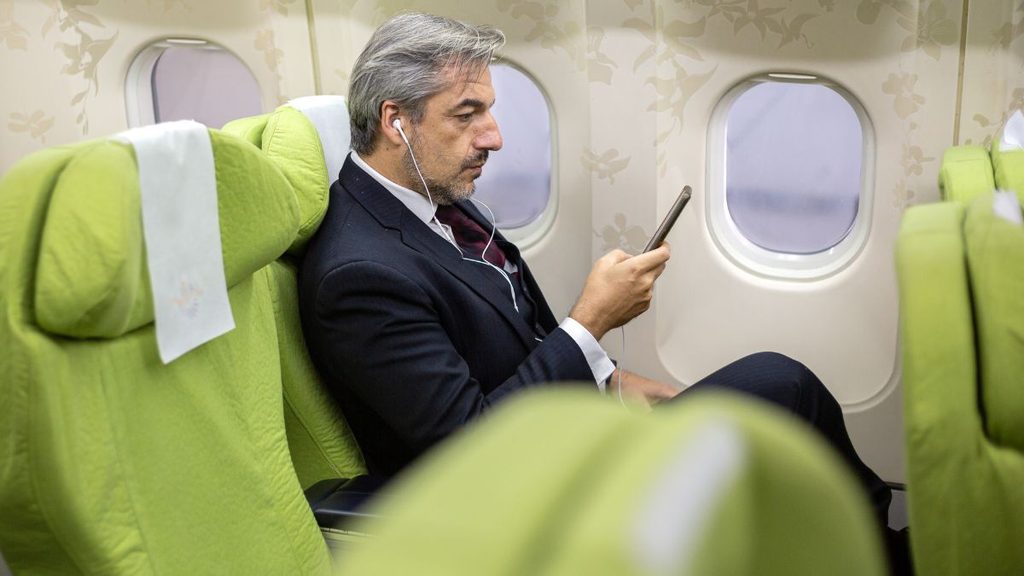
A seat can look perfect on the airline app while hiding an annoying problem. The window may be badly aligned, the row may sit beside a lavatory, or the seat may have less recline than you expected. A basic map often does not show every detail.
Start with the airline’s own seat map and then compare it with a detailed cabin layout from AeroLOPA or SeatMaps. These tools can help you check window positions, lavatories, galleys, seat width, row spacing, bassinets, recline, and power options.
The exact aircraft version matters too. One airline can use several layouts of the same aircraft model, so the same seat number may feel very different on another version. Always check the aircraft assigned to your actual flight.
4. Sit Near the Wings if Turbulence Bothers You
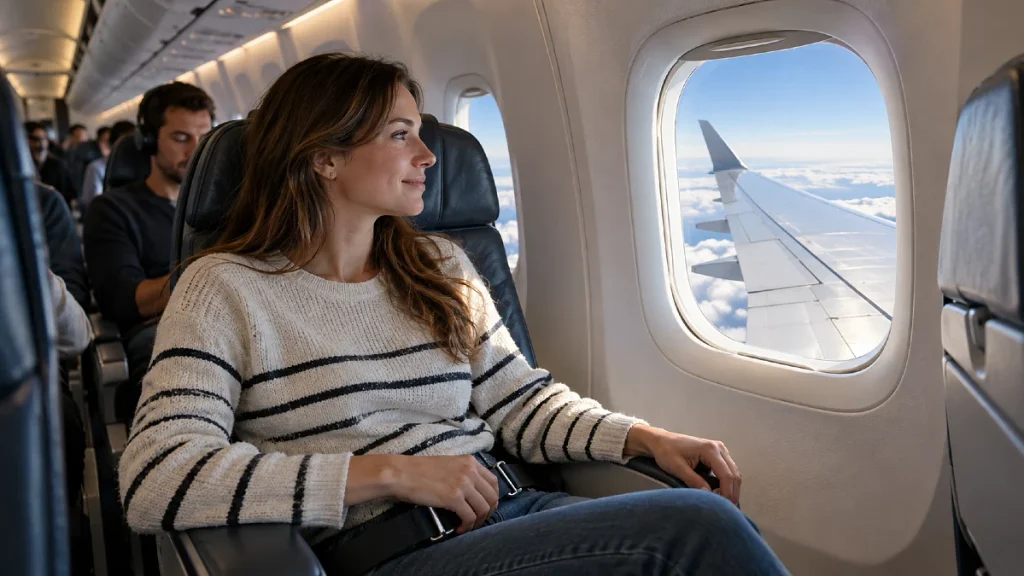
If aircraft movement makes you nervous or nauseous, try sitting closer to the wings. Mayo Clinic recommends choosing a seat near the front edge of the wing for travelers who deal with motion sickness. This part of the cabin often feels steadier than areas farther back.
You can also point the overhead air vent toward your face if nausea starts. Fresh moving air may make you feel more comfortable when the cabin becomes warm or stuffy.
This does not mean the wing area makes turbulence disappear. The aircraft still moves through the same air, and strong bumps can be felt throughout the cabin. Keep your seat belt fastened whenever you are seated.
5. Choose Window or Aisle Based Seat on the Flight
There is no single best airplane seat for every traveler. A window seat works well when sleep matters because you have a wall to lean against and fewer people moving beside you. It can feel more private during a long or overnight flight.
An aisle seat is better when you want easy movement. You can stand, stretch, visit the restroom, or enter the aisle without asking two strangers to move. The CDC also encourages movement during longer trips, and the aisle makes that much easier.
Think about what the flight requires before choosing. A window may be great for an overnight trip, while an aisle may be much smarter when you have a short connection. Function matters more than picking the seat people online call the best.
6. Sit Forward When You Have a Tight Connection
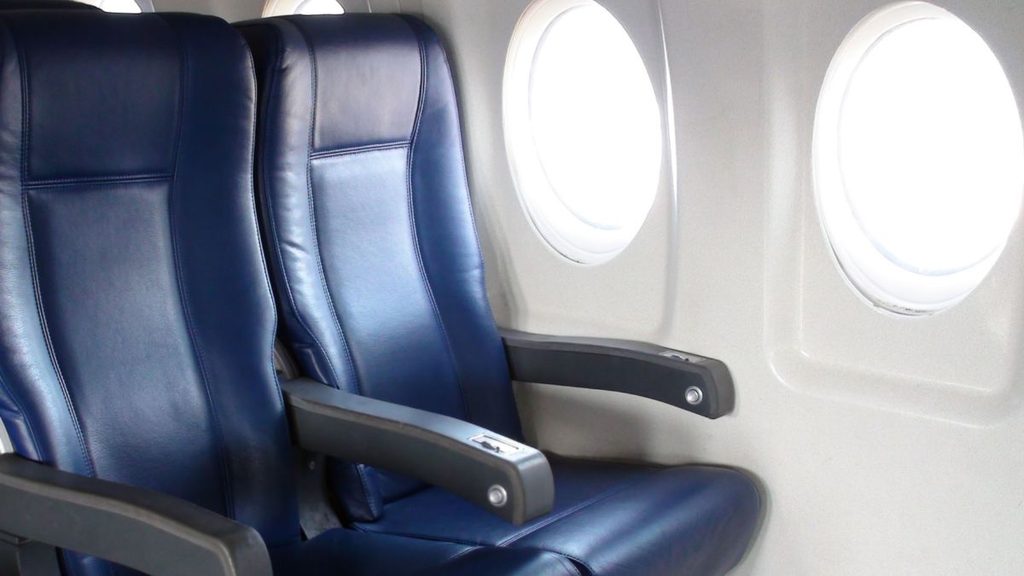
A forward seat can sometimes be worth paying for, especially when your connection is short. Passengers near the front usually enter the aisle before travelers sitting much farther back. That can give you useful extra time after landing.
Choose an aisle seat if possible. A window seat near the front can still leave you waiting for your rowmates to stand, collect their bags, and move into the aisle.
Do not believe claims that every row farther back adds an exact number of minutes. Deplaning speed changes with aircraft size, passenger behavior, baggage, and airport procedures. Still, sitting farther forward can help when your next gate closes soon.
7. Try the Window and Aisle Trick When Flying as a Couple

If you are traveling with someone, one popular trick is to book the window and aisle in a three seat row. This leaves the middle seat open between you. Since middle seats are usually less popular, there is a chance nobody takes it on a lighter flight.
If the middle stays empty, both travelers get more room. That can make a short economy flight feel much less cramped without paying for an extra seat.
But this trick is never guaranteed. If the flight fills, another passenger may be assigned the middle seat. You can politely offer that person the window or aisle if you want to sit together, but they have every right to keep their assigned seat.
8. Know What You Give Up With a Bulkhead Seat
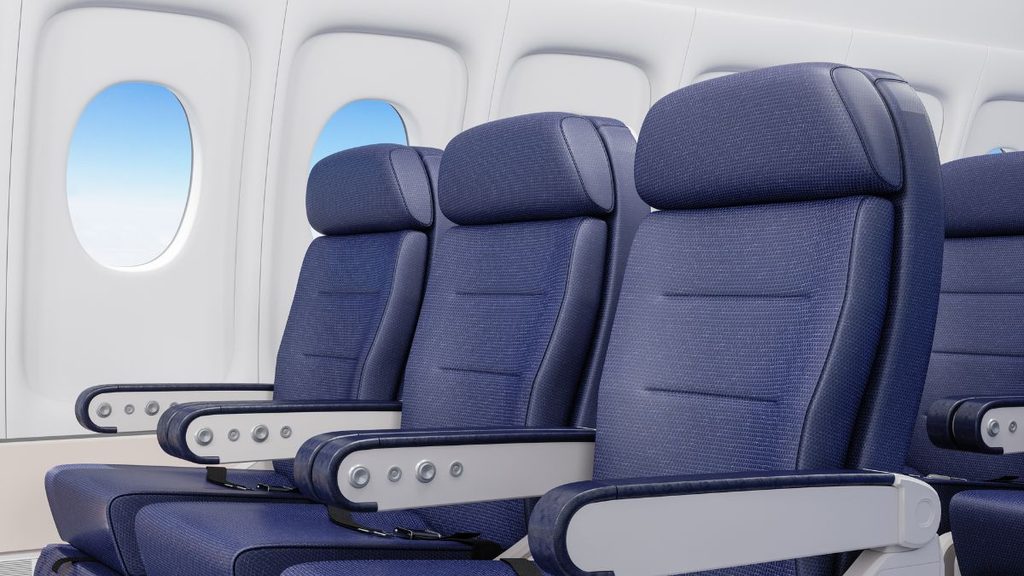
Bulkhead seats can look like an easy upgrade because there is no standard passenger seat directly in front of you. That means nobody can recline into your space. For some travelers, that alone makes the row attractive.
The tradeoff is storage. You may not have a normal underseat area, so your personal item may need to go in the overhead bin during taxi, takeoff, and landing. This can be annoying if you like keeping a bag at your feet.
Some long distance aircraft also place baby bassinets near bulkhead rows. Tray tables may fold out from the armrest as well, which can affect seat width or make the armrest fixed. Check the exact cabin layout before paying extra.
9. Look for a Movable Aisle Armrest
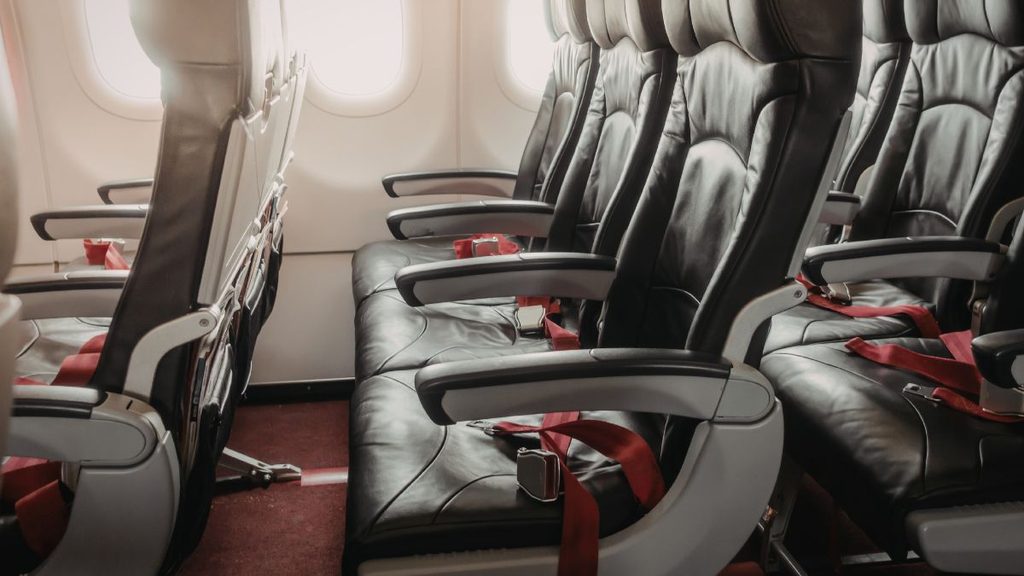
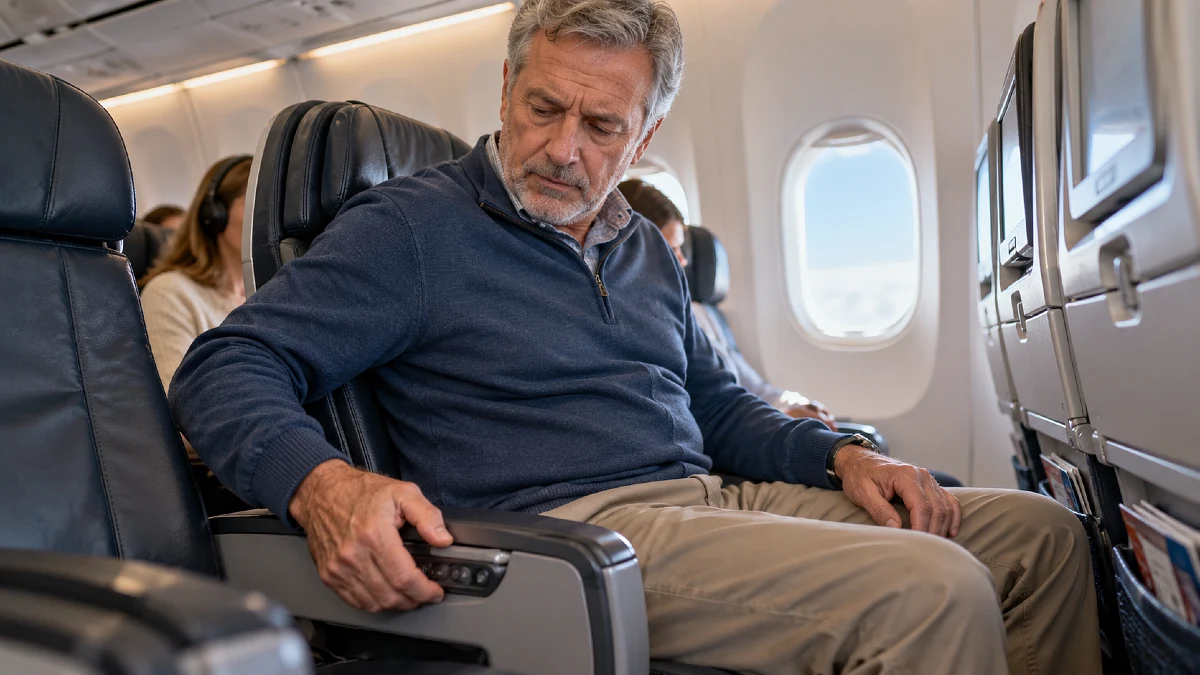
Some aisle armrests that look permanently fixed can actually lift. The release may be underneath the armrest or near the hinge, depending on the seat design. Many travelers never notice it because the control is not obvious.
There is a practical reason these armrests exist. U.S. accessibility rules require movable aisle armrests on many eligible airplane seats so passengers who need assistance can transfer more easily.
If the armrest moves, lifting it can make getting in and out of the row easier. Do not force it if it does not move, because some seats use fixed armrests. If you are unsure, ask a crew member.
10. Avoid the Back Row Unless It Fits Your Needs
The back row is not automatically terrible, but you should inspect it carefully before choosing it. Some rear seats sit close to lavatories and galleys, which can mean more traffic, doors opening, toilet noise, carts, and crew activity.
Some last rows may also have limited recline because a wall sits directly behind them. That can become uncomfortable on a long flight when the rows ahead can lean back but yours cannot.
There is also the issue of getting off the aircraft. Passengers near the rear normally leave after most travelers ahead of them. If you have a tight connection, the back row can make your situation harder.
11. Forget the Dress Nice for a Free Upgrade Myth
You may have heard that wearing a blazer or smart shoes increases your chances of being moved into business or first class. That idea sounds good, but normal complimentary upgrades do not work that way anymore.
Major airlines use published systems based on loyalty status, fare type, upgrade priority, and other account factors.
American Airlines and Delta both explain how their upgrade lists are processed. Your outfit is not part of those normal formulas, so dressing like a business traveler does not secretly push you to the top.
Operational seat moves can still happen when an airline needs to solve a problem. Being calm, polite, and flexible can make those conversations easier. But it should never be treated as a guaranteed upgrade trick.
12. Improve the Seat You Already Have
Sometimes the best airplane seat trick is improving the seat you already have. If the lower back area feels flat, roll up a light jacket and place it behind you for support. Small changes can make a standard economy seat feel much easier on your body.
Noise cancelling headphones can also make a big difference. They reduce engine and cabin sounds that can wear you down during a long flight, especially when you are trying to sleep or relax.
Keep small items such as your phone, charger, headphones, and water within easy reach. That prevents you from twisting around or opening the overhead bin again and again during the flight.
Movement matters on longer trips too. The CDC recommends getting up occasionally when it is safe and moving your calf muscles while seated. Staying in the same position for hours can leave your legs stiff and uncomfortable.
Compression socks may help some travelers, especially people with added blood clot risks. They are not a medical requirement for every passenger, so anyone with health concerns should ask a medical professional what makes sense for them.