
The Instagram-filtered world of van life has created a mythology that’s far removed from reality.
Social media perpetuates dangerous misconceptions about van life costs, challenges, and realities
12 specific lies backed by current data, real costs, expert insights, and honest experiences from actual van lifers
1. Van Life Is Cheaper Than Rent

This lie destroys more dreams than any other van life myth.
Van life costs 2025 range from $1,500 to $4,000+ per person each month. That’s often more expensive than rent in most U.S. cities. The experienced van life couple Stoke Loaf Van tracks every expense. Their reality? $4,000 per month for two people.
Solo van lifers report spending $945 to $1,084 monthly for basic living. But that’s just the start.
Here’s what van life actually costs each month:
- Fuel: $200-$800 (depending on how much you drive)
- Food: $250-$1,000 (tiny kitchens make cooking hard and expensive)
- Insurance: $100-$250 (RV policies cost way more)
- Campgrounds: $0-$900 (free camping isn’t always available)
- Phone/Internet: $50-$200 (you need multiple plans for coverage)
- Maintenance reserve: $200-$500 (things break constantly)
The hidden costs multiply fast. RV insurance runs $1,000-$2,000 annually. Your van loses value 15-20% per year instead of the normal 10-15% for regular cars. Breakdown repairs in remote areas cost $500-$14,000.
Sandy Vans research shows these monthly expenses add up quick. One van lifer’s transmission died in San Francisco. The repair quote would have “wiped out all our savings in one fell swoop.” They had to sell their van for parts instead.
Van life only saves money if you’re escaping rent above $3,000 monthly while staying ultra-cheap and barely traveling. For everyone else, you’re paying housing costs plus mobility expenses. That’s double spending, not savings.
The math is brutal when you factor in depreciation, insurance, and constant repairs. Most people discover van life costs match or exceed traditional housing when you account for the full financial picture.
Bottom line: Van life isn’t cheap living. It’s expensive living with wheels. The Instagram posts don’t show the $400 fuel bills or the $2,000 engine repairs that happen every few months.
2. You’ll Have Complete Freedom And Flexibility
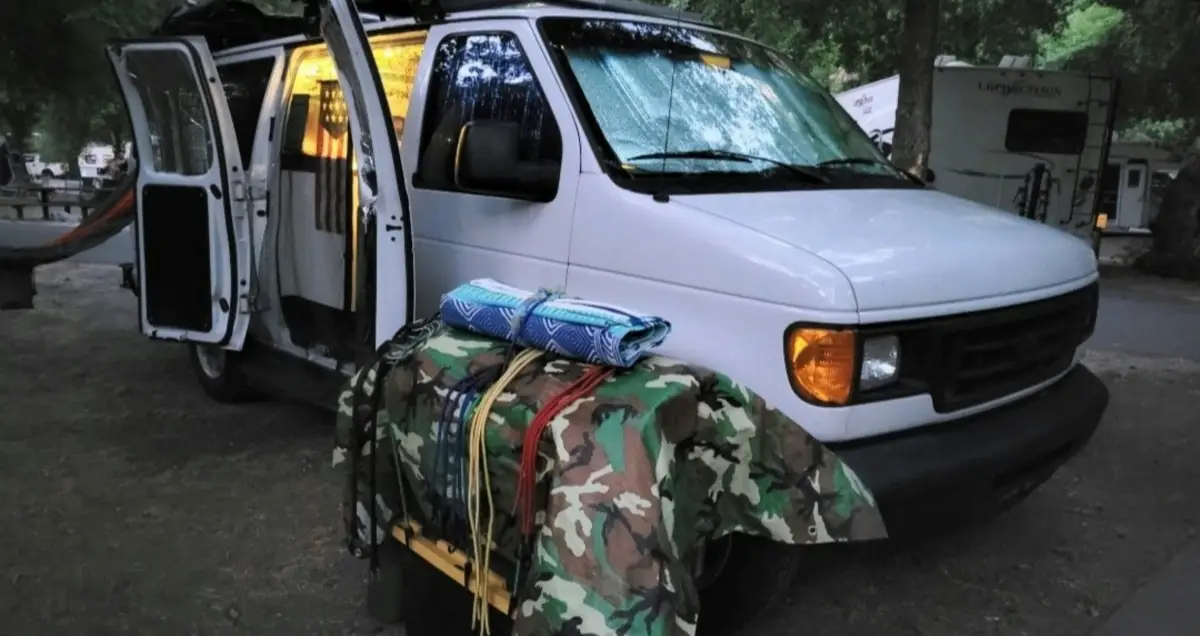
Van life promises ultimate freedom but delivers constant anxiety about basic survival needs.
Every single day requires planning for parking, water access, waste disposal, internet connectivity, and weather conditions. This creates mental work that traditional housing eliminates. You’ll spend hours daily just figuring out where to sleep legally.
Legal restrictions kill your van life freedom fast. Hawaii completely bans sleeping in vehicles. Florida enforces 3-hour maximum stays at rest areas. Tennessee allows only 2 hours. Maryland restricts you to 3 hours maximum. Popular destinations like San Francisco, Los Angeles, and Portland have strict overnight parking rules.
One Oregon Coast van lifer woke up to police banging on their van: “She issued a warning and told me to leave town. Driving Highway 101 at 1 AM desperately looking for somewhere to sleep is not comfortable.”
“The knock” creates constant stress. That’s van life slang for police encounters that can result in $500+ fines or getting your van towed. Even experienced van lifers describe this as ongoing anxiety that homeowners never face.
Weather and mechanical problems restrict movement more than people expect. Summer desert heat makes vans deadly with inside temperatures above 140°F. Winter mountain passes require special equipment and skills. Unexpected breakdowns can trap you for days in dangerous locations.
Even in remote Alaska, van lifers report “crazy difficulty finding free, legal, and private parking places.”
Your “freedom” to go anywhere becomes a narrow list of viable options based on laws, weather, and vehicle limits. You trade mortgage payments for daily stress about basic human needs like sleep and safety.
Real van life freedom means freedom from legal parking, freedom from comfortable temperatures, and freedom from reliable internet. That’s not the freedom most people want.
3. Van Conversions Are Affordable And Simple

Social media shows $15,000 DIY conversions, but these numbers are complete fantasy.
Professional van conversion costs range from $40,000 to $250,000+. DIY van builds typically cost $5,000-$25,000+ and almost always go over budget. A detailed 2025 DIY build from Katie Goes totaled £18,860 ($23,575). Just the electrical system cost £4,290.
Hidden conversion expenses include:
- Permits: $200-$1,000
- Specialized tools: $1,000-$3,000
- Multiple redesigns when your first attempt fails
- Professional help for complex electrical or plumbing work
- Backup systems after your original setup breaks
Many DIY builders discover they need better insulation, upgraded parts, and complete system rebuilds after their first attempt fails during real-world use.
Professional van conversion cost breakdown:
- Budget conversions: $8,998 for basic bed and electrical
- Mid-range: $30,000-$50,000 for kitchen and bathroom additions
- Luxury conversions: $100,000-$250,000+ for full amenities
These costs don’t include your base van, which ranges from $10,000-$75,000+ depending on age and condition.
The $15,000 Instagram conversions are misleading. They either skip major systems, use the cheapest possible parts, or don’t include labor costs. Real conversions that work for daily living cost way more.
Most people guess conversion costs wrong by 50-100%. Your “simple” DIY project becomes a complex construction job requiring plumbing, electrical, and carpentry skills you probably don’t have.
Van conversion reality: It’s not affordable, and it’s definitely not simple. Unless you’re a professional contractor with thousands in tools, expect to spend $25,000+ minimum for a livable conversion.
4. You Can Work Remotely From Anywhere

The digital nomad dream crashes hard against data reality.
Even “unlimited” cellular plans slow down after 50-100GB. Remote work professionals need 300GB+ monthly. Rural coverage stays spotty despite 5G expansion. Signal boosters can’t create internet from nothing.
Starlink promises solutions but creates new problems:
- $600 upfront equipment cost
- $135-$165 monthly service fees
- 5-50 Mbps speeds with frequent dropouts
- Needs clear sky views (trees block signals)
- Drains your battery fast
- East Coast performance suffers from too many users
One remote working van lifer explains van life internet reality: “Even though I have a maxed-out plan with phone, Jetpack, and 60GB of hotspot data, it’s still a constant mental burden. I take all Zoom meetings from my phone, which makes screen sharing awkward and impossible.”
Professional video calls become unreliable. Your career suffers when clients can’t count on consistent connectivity. Many van life remote workers discover they need backup locations like libraries, coffee shops, and coworking spaces.
That defeats the purpose of mobile independence. You’re not working from scenic mountaintops. You’re working from Starbucks parking lots and McDonald’s WiFi like everyone else.
Signal boosters help but can’t work miracles. If there’s no cell tower nearby, no equipment can fix that. Remote work van life means accepting that some days you simply can’t work because the internet doesn’t exist where you are.
The romantic idea of working from beautiful remote locations conflicts with the technical reality of modern work requirements. Most “remote work friendly” van life spots are actually just places with decent cell service and WiFi-enabled businesses nearby.
5. It’s Legal To Park And Sleep Anywhere

Van life legal reality is a confusing mess of conflicting laws that create daily anxiety.
While no federal law bans vehicle dwelling, the patchwork of state and local overnight parking laws creates legal uncertainty. The key distinction between “resting” (sleeping inside your vehicle) versus “camping” (setting up equipment outside) determines legality, but enforcement varies wildly.
State restrictions severely limit your options:
- Hawaii: Complete ban on vehicle sleeping statewide
- Florida: 3-hour limits at rest areas
- Tennessee: 2-hour maximum stays
- Maryland: 3-hour restrictions
Many states technically allow overnight parking, but local laws override state permissions. Cities and counties can ban what states allow. This creates legal confusion that puts you at risk.
Municipal enforcement creates constant stress. Even legal parking doesn’t guarantee safety from harassment. Police encounters happen regularly, and you have minimal Fourth Amendment protections compared to homeowners.
One Oregon Coast van lifer describes the reality: “I awoke in sheer panic to a cop banging on my van, flashlights peering through glass. She issued a warning and told me to leave town. Driving Highway 101 at 1 AM desperately looking for somewhere to sleep is not comfortable.”
“The knock” is van life slang for police encounters that can result in $500+ fines or getting your van impounded. Even experienced van lifers describe this as ongoing anxiety that homeowners never face.
Fourth Amendment privacy rights remain unclear for vehicle dwellers. Courts may need to change privacy doctrine as housing costs force more Americans into vehicles. This legal uncertainty creates vulnerability that traditional housing residents never experience.
You’ll spend significant time researching local laws, finding legal parking spots, and dealing with enforcement inconsistencies. Van life legal issues create daily anxiety about basic shelter needs.
The legal reality is simple: most places don’t want you there. Cities design laws to discourage vehicle dwelling, and enforcement targets van lifers even when they’re technically legal. Your home can be declared illegal overnight with a simple city council vote.
6. Van Life Is Instagram-Worthy Adventure 24/7

Social media shows the 5% highlights while hiding the 95% mundane reality.
Honest van life accounts reveal the truth: most nights are spent in Walmart parking lots, rest areas, and urban industrial zones. Not scenic mountaintop vistas.
Your real van life locations include:
- 24-hour laundromats for WiFi access
- Gas station parking lots for safety and lighting
- Cracker Barrel restaurants for tolerated overnight stays
- Home Depot lots for supply runs and security cameras
- Strip mall parking lots with decent lighting
One experienced van lifer admits: “Waking up in parking lots so often” rather than scenic destinations is the documented Instagram vs reality gap.
Privacy invasion becomes constant stress. Strangers peer into windows, ask nosy personal questions, and treat you like a tourist attraction. The romanticized lifestyle becomes a fishbowl existence where personal space and quiet alone time are nearly impossible.
People knock on your door at all hours. They want to see inside your van. They ask how much money you make. They take photos of you without permission. Your private life becomes public entertainment.
Content creation pressure adds serious stress. Many van life influencers quit when the demand to constantly produce engaging content conflicts with authentic living. The “Great Van Life Exodus of 2022” documented multiple popular YouTubers abandoning the lifestyle when reality couldn’t sustain their online personas.
Your Instagram feed shows sunset photos and cozy interior shots. Your reality is fluorescent parking lot lighting, strangers bothering you at dinner time, and the constant pressure to make your difficult life look amazing for social media.
Van life reality involves more Walmart parking lots than mountain sunrises. The adventure moments happen maybe 5% of the time. The other 95% is mundane survival in urban areas with good cell service and nearby bathrooms.
7. You’ll Build Amazing Communities Everywhere

Van life communities are mostly transient, preventing deep relationship formation.
While van life gatherings and meetups happen, constant movement means most interactions stay surface-level. Multiple long-term van lifers describe feeling “always on the outside looking in” and struggling with shallow conversations rather than meaningful connections.
Geographic factors limit community building. Popular van life destinations become overcrowded during peak seasons, creating competition for resources rather than cooperation. Off-season periods scatter the community across different climate zones, breaking social connections just as they begin forming.
One long-term van lifer describes the van life loneliness reality: “Until you’ve spent years wandering through towns only having superficial conversations with baristas at coffee shops and local bike mechanics, you don’t understand what it feels like to constantly be on the outside looking in.”
Established van life communities can be cliquish and protective of resources. Popular areas develop insider knowledge about parking, services, and opportunities that newcomers struggle to access. Social media groups provide information but can’t replace in-person support networks that traditional communities provide.
The mobility that promises community access often prevents the consistency needed for genuine relationships. You’re always the newcomer, always explaining yourself, always starting over socially. Just when you start connecting with people, it’s time to move on.
Most van life social interactions are transactional. You meet people who need something from you or vice versa. Deep friendships require time and stability that nomad social life doesn’t provide.
Van life community exists online more than in person. Real community requires showing up consistently for people, which is impossible when you’re always moving. You trade deep relationships for wide but shallow social networks.
8. Maintenance Costs Are Minimal After Conversion

Van life puts extreme stress on vehicles, creating maintenance costs that regular car ownership never encounters.
Constant weight from conversions, vibration from rough roads, and extended idling for power generation create van breakdown costs that destroy budgets. Your home and vehicle are the same thing, so when one breaks, everything breaks.
Conversion-specific failures multiply expenses:
- Custom electrical systems need specialized troubleshooting
- Plumbing parts fail from road vibration
- Interior fixtures need constant adjustment as screws loosen from movement
- Many van lifers describe daily maintenance routines just to keep systems working
Remote breakdown costs escalate quickly. Limited mechanic options in rural areas, higher labor rates for emergency service, and parts scarcity (especially for Mercedes Sprinters) create $500-$14,000 repair bills that can end van life instantly.
One couple’s transmission failure would have “wiped out all our savings in one fell swoop,” forcing them to sell their van for parts.
Van life maintenance includes costs regular car owners never face:
- Specialized RV insurance: $1,000-$2,000 annually
- Conversion system repairs that regular mechanics can’t fix
- Emergency towing for oversized vehicles: $200-$500+ per incident
- Parts scarcity driving up costs 50-100% over regular vehicles
Insurance complications add expense. Converted vans require specialized RV insurance policies. DIY conversions face coverage denials. Undeclared modifications can void policies entirely, leaving you with no coverage when disaster strikes.
Mercedes Sprinter parts are especially expensive and hard to find. What costs $200 to fix on a Ford Transit costs $800+ on a Sprinter due to parts scarcity and specialized labor requirements.
Your van isn’t just transportation. It’s your home, office, and storage facility. When it breaks down, your entire life stops until you can afford repairs. Most people budget $200-$500 monthly for maintenance reserves, but major failures can cost months of savings in a single repair bill.
9. You Can Live Comfortably In Small Spaces

Average van conversions provide about 50 square feet for all living functions. That’s less space than most prison cells. This tiny area must handle sleeping, cooking, working, storage, and personal hygiene needs 24/7 without escape options during bad weather.
Van life health impacts from space limitations include:
- Weight loss from cooking difficulties (one van lifer lost 25 pounds)
- Exercise elimination due to space constraints
- “Skinny fat” development from lack of activity
- Nutritional problems from skipping meals
One van lifer admits: “I often find myself skipping meals altogether” due to cooking being so complicated in tiny van life space. Social eating becomes impossible, eliminating an important part of human connection.
Relationship strain gets intense in small spaces. Couples report no privacy during fights, sharing 50 square feet 24/7, and different stress responses to van life challenges. No space for individual processing time or separate activities creates tension that traditional housing allows partners to resolve through physical separation.
Storage limitations force constant decisions about possessions. Every item must serve multiple purposes. Spontaneous purchases become impossible without getting rid of something else. This creates decision fatigue around even simple material needs like clothing or work equipment.
You can’t escape to another room when you need space. Your bedroom is your kitchen is your office is your living room, all crammed into 50 square feet.
Small space living sounds romantic until you try to cook dinner, take a work call, and change clothes in the same 6×8 foot area. There’s literally nowhere to go when you need alone time, privacy, or just want to spread out your stuff.
Physical activity becomes nearly impossible. You can’t do jumping jacks, yoga, or even basic stretching inside most vans. This leads to muscle loss, joint stiffness, and mental health problems from lack of movement.
The Instagram posts show cozy reading nooks and cute dinette setups. Van life health reality involves chronic back pain from hunching over, weight changes from poor nutrition, and relationship stress from never getting personal space.
10. Weather Challenges Are Manageable With Good Gear

Equipment failure rates spike in extreme conditions, regardless of quality or cost.
Desert heat above 115°F causes electronics failures, battery shutdowns, and interior temperatures reaching 140°F+ that become deadly within minutes. Air conditioning units, charge controllers, and inverters fail above 120°F despite being rated for those temperatures.
Van life weather reality in extreme heat:
- Interior temperatures hit 140°F+ even with ventilation
- Electronics shut down to prevent damage
- Batteries stop working in high heat
- Air conditioning systems fail when you need them most
- Stored food spoils in hours
- Plastic components warp and crack
Winter creates equally devastating challenges:
- Frozen plumbing systems burst pipes and crack tanks
- Propane regulators freeze, reducing gas flow
- Diesel heaters fail when fuel turns to gel in extreme cold
- Below -15°F, even maximum heating systems only reach 58°F inside
Real temperature impacts from experienced van lifers:
- Above 37°F: Standard heating works fine
- 37°F to 0°F: Need dry heat sources with 3-5x normal propane use
- 0°F to -15°F: Require backup heating systems to survive
- Below -15°F: Creates potentially deadly conditions even with proper equipment
Regional climate misconceptions prove dangerous. Desert nights can drop below freezing even when days hit 80°F+. Mountain weather changes fast regardless of forecasts. Humidity creates mold and mildew problems that destroy interiors and belongings.
Van heating limitations by temperature range:
- Most van heaters stop being effective below 0°F
- Propane consumption increases dramatically in cold weather
- Condensation becomes a serious problem requiring constant ventilation
- Extreme weather van life often means choosing between freezing or running out of fuel
One van lifer describes winter reality: “We woke up to everything frozen solid – our water, our waste tank, even our propane lines. The heater couldn’t keep up, and we were burning through $50 of propane every two days just to stay barely warm.”
Good gear helps, but it can’t defeat physics. When outside temperatures hit extremes, van life becomes survival mode regardless of how much money you spent on equipment.
11. Van Life Is Safer Than Traditional Housing
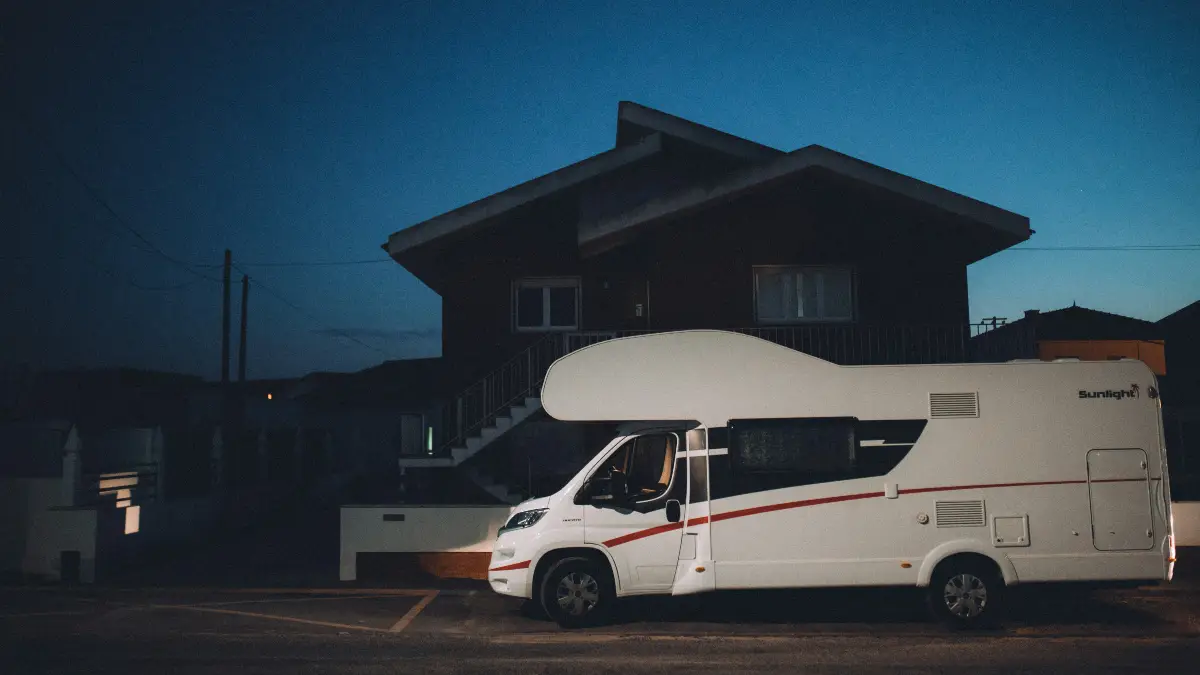
Academic research reveals high criminal victimization rates among nomad communities.
Vehicle dwellers have minimal Fourth Amendment privacy protections compared to homeowners, creating legal vulnerability during police encounters. UC Davis Law Review research documents significant safety challenges that van life content creators rarely discuss.
Physical van life safety challenges include:
- Sleeping in public spaces with no security systems
- Vulnerable to break-ins with all possessions accessible
- Limited escape options if threatened or attacked
- Exposure during mechanical breakdowns in dangerous areas
Solo female van life experiences report constant sleep anxiety and hypervigilance that traditional housing eliminates. One solo female van lifer describes: “I never sleep well because I’m always listening for footsteps, car doors, or people trying my door handle.”
Health emergency risks escalate in remote areas:
- No established healthcare providers who know your medical history
- Difficulty managing chronic conditions without pharmacy access
- Delayed emergency response times in rural locations
- Medication storage challenges in temperature extremes
Medical emergencies become more dangerous due to isolation from professional care. Van life security means accepting that help might be hours away when you need it most.
Weather-related safety issues include:
- Carbon monoxide poisoning from poor ventilation
- Hypothermia during heating system failures
- Heat stroke in summer breakdowns
- Dangerous driving conditions on unfamiliar mountain roads with heavy, high-profile vehicles
Break-in vulnerability factors multiply for van lifers:
- All your valuable possessions in one easily accessible space
- Predictable location patterns that criminals can learn
- No neighbors to call for help or witness crimes
- Inability to quickly move your “home” if area becomes unsafe
Traditional housing provides security systems, neighbors, emergency services, and legal protections that van life simply can’t match. Van life safety means accepting significantly higher personal risk in exchange for mobility.
12. Most People Love Van Life And Stick With It

Despite 63% growth from 1.9 million to 3.1 million participants, most van lifers quit within 2.5 years when initial excitement meets daily reality.
Academic research shows “surviving van life past 1 year is considered a worthy achievement,” with significant gaps between short-term enthusiasts and long-term practitioners. Van life statistics reveal that growth numbers hide high turnover rates.
Primary reasons people quit van life:
- Van life fatigue from daily logistics and planning
- Financial strain from unexpected costs and repairs
- Loneliness and social isolation from constant movement
- Space constraints affecting mental and physical health
- Health and safety concerns, especially for women
- Relationship stress from constant proximity and shared challenges
- Unmet expectations versus Instagram reality
- Life changes requiring stability (marriage, children, career advancement)
Success factors for long-term van life include:
- Adequate financial resources with substantial emergency funds
- Realistic expectations about daily challenges and costs
- Strong technical skills or reliable support networks for repairs
- Flexible personality types comfortable with uncertainty
- Often part-time rather than full-time commitment to van living
Demographic patterns reveal who succeeds versus who struggles:
- Success group: Retirees with stable income, established remote workers, entrepreneurs with location-independent businesses
- Struggle group: Young people doing gap years, job transitioners seeking temporary solutions, financially constrained individuals hoping for cheaper living, unprepared couples
Long-term van life requires specific circumstances that most people don’t have. You need significant savings, mechanical skills, flexible work, and personality traits that handle uncertainty well.
The numbers don’t lie: millions try van life, but most discover it’s not sustainable long-term. Social media shows the successful minority, not the majority who quietly return to traditional housing after realizing van life doesn’t solve the problems they expected it to solve.
Quit van life stories share common themes: unexpected expenses, social isolation, relationship strain, and the realization that freedom comes with hidden costs most people aren’t prepared to pay.