

Living in an RV can look like the perfect way to save money. You give up expensive housing, travel wherever you want, and enjoy beautiful places without paying for hotels. But once you start adding up the monthly bills, RV living may cost more than you expected.
Campground fees, fuel, insurance, and repairs can quickly eat into your savings. Then there are smaller expenses, such as propane, laundry, internet, and parking fees. Individually, they may not seem expensive, but together they can put real pressure on your budget.
In August 2026, the full time RV couple behind Journey With The Gs reported spending $7,351.69 in a single month. Their costs included vehicle payments, maintenance, camping, fuel, insurance, groceries, and entertainment. That is one couple’s actual spending, not a national average.
The good news is that many RV costs can be controlled with careful planning. Here are 19 monthly expenses that deserve attention, along with practical ways to keep more money in your pocket.
1. Campground Fees Can Become Your Biggest Monthly Expense
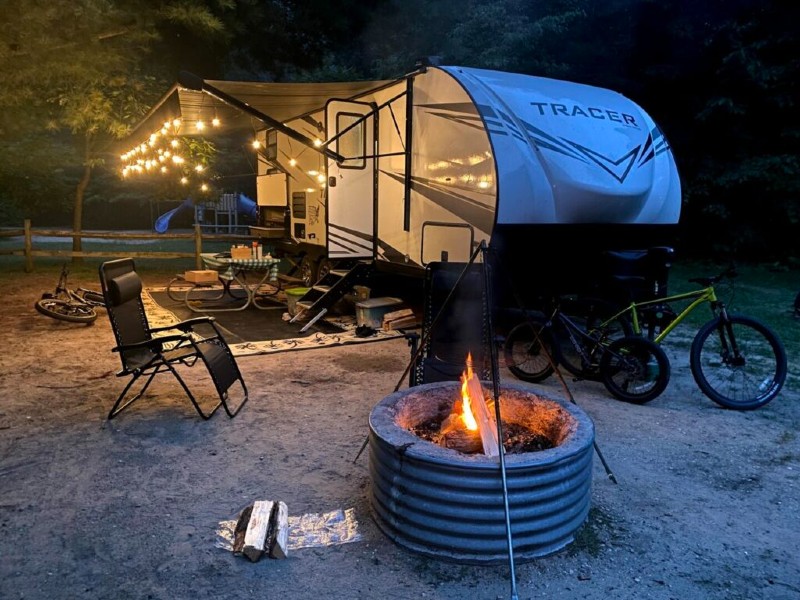
Finding a beautiful campground is exciting until you calculate what it costs to stay there for an entire month. A campsite charging $50 per night adds up to $1,500 over 30 nights, even before considering extra fees. Popular destinations and private RV resorts may charge considerably more.
Some campgrounds offer monthly rates that cost less than paying nightly fees. However, those prices may exclude electricity, taxes, or additional services. A 2026 RV cost guide from Blue Compass RV lists examples of private campground rates around $35 to $60 per night, with substantial differences between locations.
Ask at least three campgrounds for their full monthly price before booking. Traveling outside busy seasons and staying longer in one location can reduce accommodation costs.
2. RV Loan Payments Can Follow You for Years
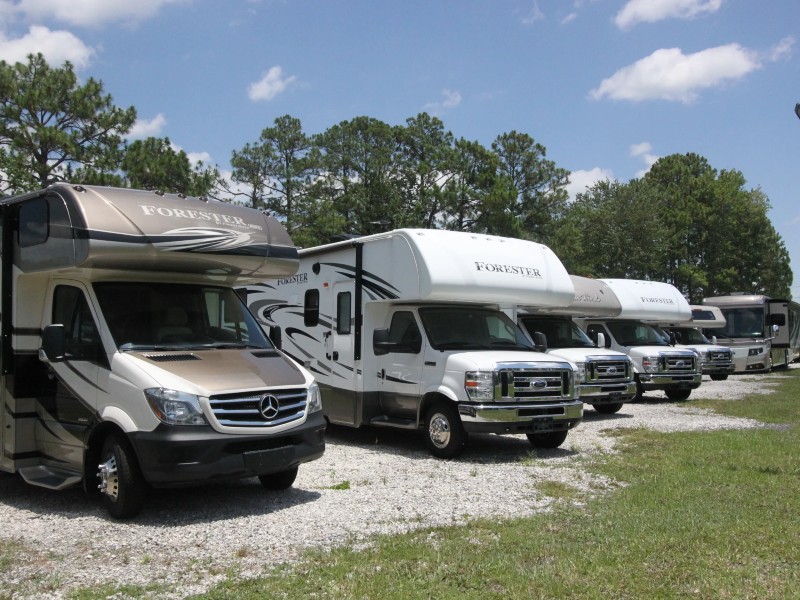
Buying an RV instead of a traditional house does not automatically eliminate monthly housing payments. Many travelers finance their motorhomes, travel trailers, or fifth wheels, creating a bill that continues regardless of how often they travel.
In August 2026, Journey With The Gs reported about $1,379 in combined monthly payments for their truck and RV. Their financing included a seven year truck loan and a twenty year RV loan. Long financing terms can make payments smaller, but they may also increase the total interest paid.
Compare the complete loan cost rather than looking only at the monthly payment. If possible, choose an affordable RV that meets your needs without requiring a large long term debt.
3. Gasoline and Diesel Costs Increase With Every Move
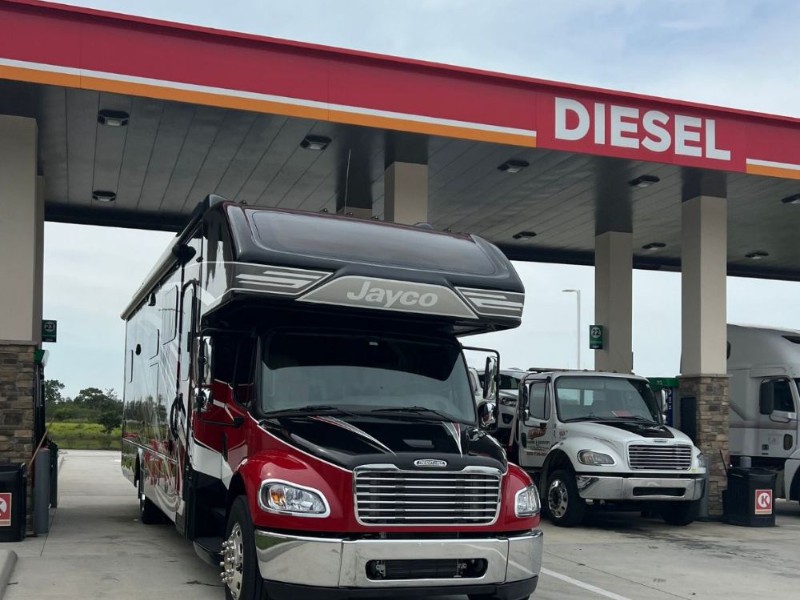
Traveling to new destinations is one of the best parts of RV living, but driving a large vehicle can quickly become expensive. Motorhomes and trucks pulling heavy trailers often use more fuel than ordinary passenger vehicles.
Your monthly fuel expense depends on how far you travel, your vehicle’s fuel economy, and local pump prices. In August 2026, Journey With The Gs spent $858.68 on fuel and diesel exhaust fluid while traveling across several western states. Their RV covered approximately 1,263 miles that month.
Plan shorter driving days and stay longer at destinations you enjoy. Track your actual miles per gallon so you can estimate fuel expenses before choosing a route.
4. Unexpected RV Repairs Can Destroy a Careful Budget
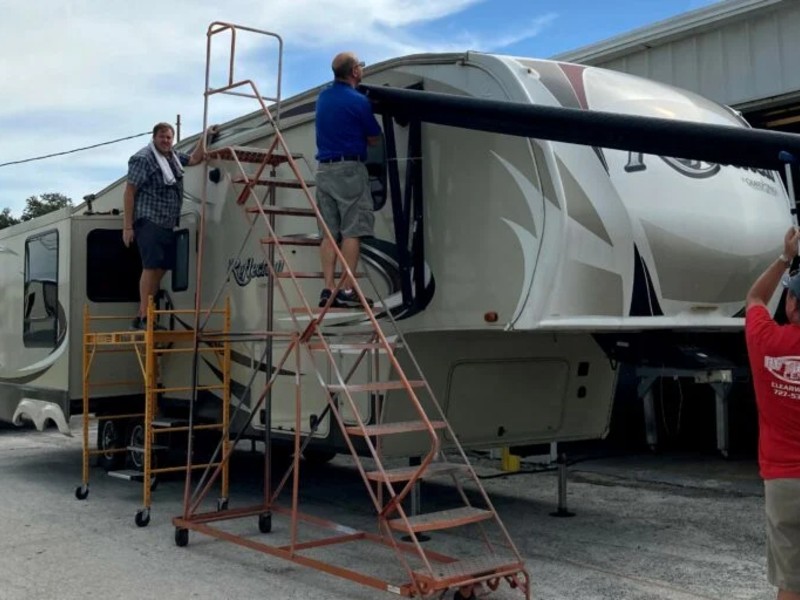
An RV combines the responsibilities of maintaining a home with those of maintaining a vehicle. Tires, plumbing, electrical systems, roof seals, appliances, and mechanical components all need attention.
Repairs can become especially expensive when several problems occur together. Journey With The Gs reported $1,401.99 in repairs, maintenance, and registration during August 2026. That month included two new RV tires and a replacement jack and motor.
Set aside money for maintenance every month, even when nothing breaks. Follow the manufacturer’s service schedule and inspect your RV regularly to catch small problems before they become expensive emergencies.
5. RV Insurance Is Another Bill You Cannot Ignore
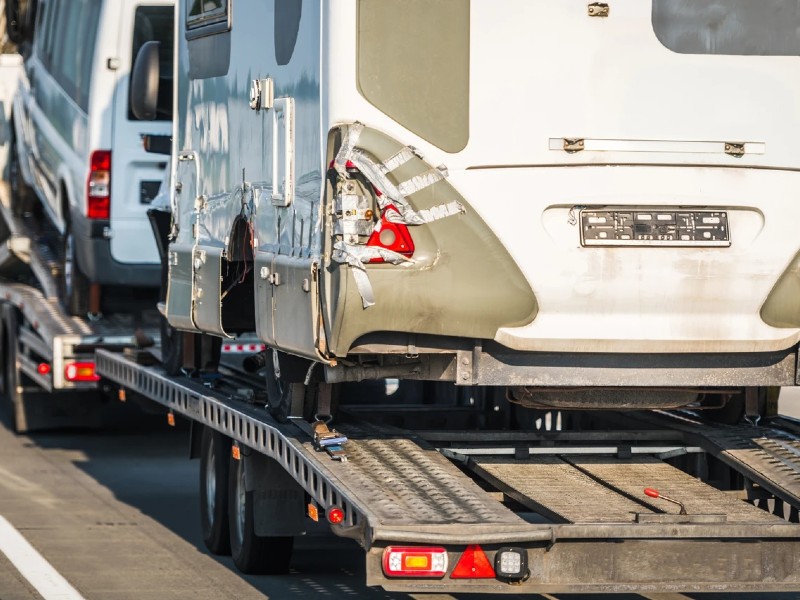
Insurance is easy to underestimate when you’re focused on campsite fees and fuel. But an RV used as a primary residence may need different coverage from one used only for occasional vacations.
Your premium depends on the RV type, value, driving history, coverage limits, location, and insurer. Full time liability protection and personal belongings coverage may also matter. In August 2026, Journey With The Gs paid a $579 annual RV insurance premium, which was a single annual payment rather than their normal monthly bill.
Get comparable quotes from insurers familiar with full time RV living. Divide annual premiums by 12 when preparing your budget so you are ready when the renewal bill arrives.
6. Health Insurance Can Take a Large Share of Your Income
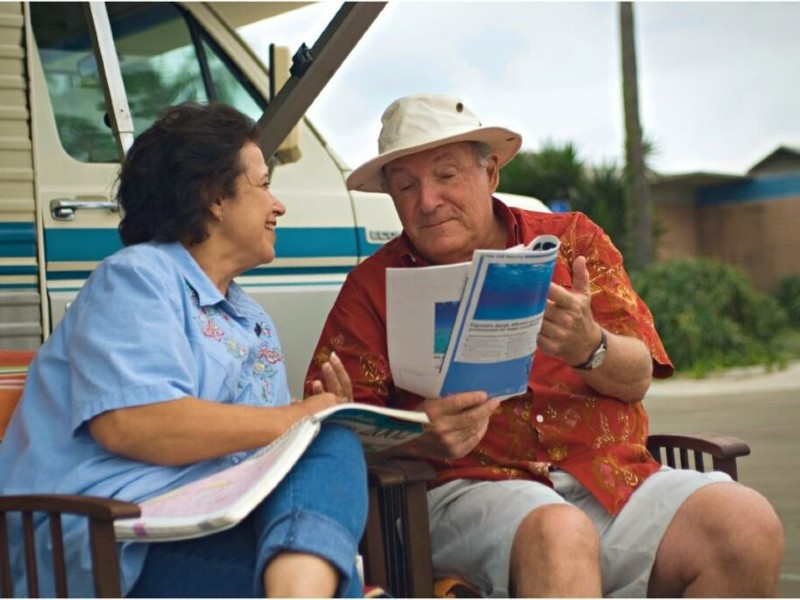
Living on the road does not remove the need for regular medical care. You still need coverage for doctor visits, prescriptions, emergencies, and other health services, even when you change states frequently.
Health insurance costs vary according to age, location, income, household size, and available coverage. Some plans have limited networks, which can make routine treatment more complicated when traveling. One full time RV couple reported a health insurance expense of $635.77 for August 2026.
Compare eligible insurance options carefully and check provider networks before choosing a plan. If you travel between states, confirm how routine care and emergency services are covered.
7. Mobile Internet Can Cost More Than Home Internet
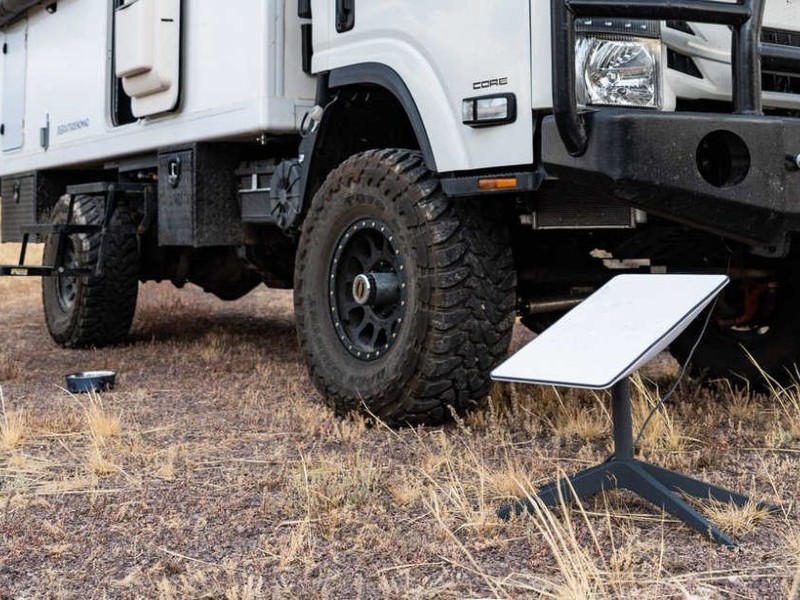
Working remotely from an RV sounds convenient, but reliable internet may require several services. Campground WiFi can be slow or unreliable, particularly when many guests connect at the same time.
Some travelers pay for multiple cellular plans, mobile hotspots, and satellite internet to improve coverage. These bills can add up quickly. Journey With The Gs spent $389.62 on phone and internet services in August 2026, including cellular and satellite connections.
Start with the service you actually need instead of subscribing to every available option. Check coverage before visiting remote areas and compare plans regularly to avoid paying for unused data.
8. Propane Costs Rise When the Weather Turns Cold
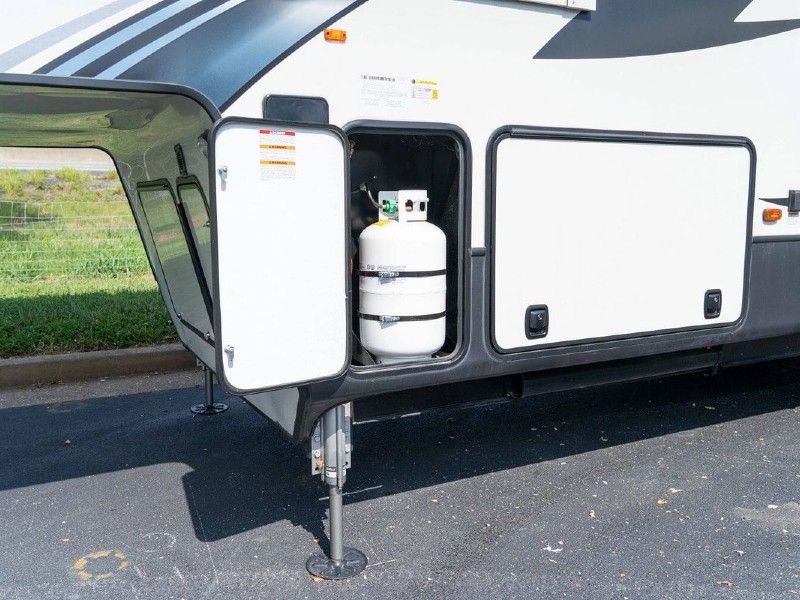
Propane is used in many RVs for heating, cooking, water heating, and certain appliances. During warm weather, you may use relatively little. But colder temperatures can increase consumption, especially when the furnace operates frequently.
The amount you spend depends on your RV’s insulation, heating equipment, outdoor temperatures, and local propane prices. Traveling through colder regions may lead to more frequent refills than expected.
Check weather forecasts before planning extended stays and maintain your heating system properly. Reduce drafts with suitable RV insulation products, but never block required ventilation or compromise propane appliance safety.
9. Electricity Charges Can Surprise Long Term Campers
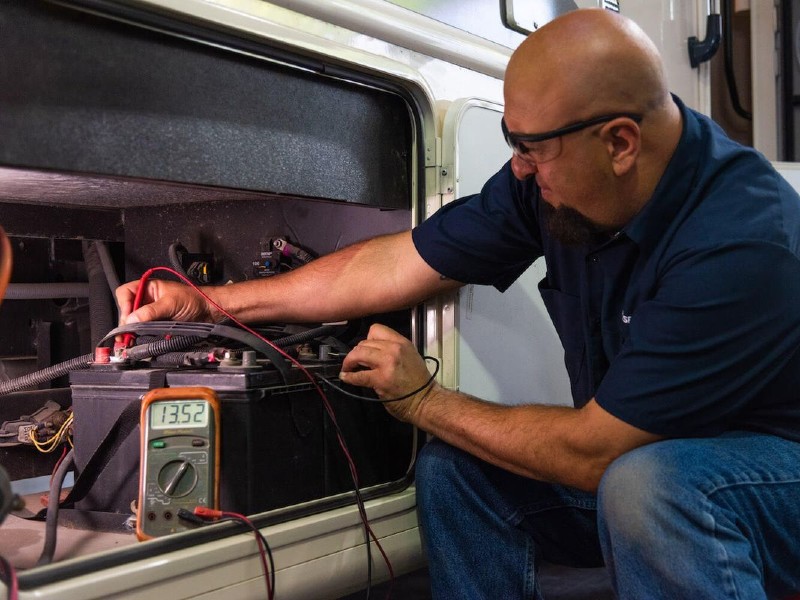
Some campgrounds include electricity in their nightly rates, making the cost easy to overlook. But monthly RV sites may charge separately for the electricity you use, which can make your final bill higher than the advertised parking rate.
Air conditioners, electric heaters, water heaters, and cooking appliances can increase consumption. Electricity costs also vary with climate, campground rates, and how much time you spend inside the RV.
Before booking a monthly campsite, ask whether electricity is included or metered. Request the actual rate per kilowatt hour and check for additional utility fees so you can compare campground prices fairly.
10. Groceries Can Cost More in Remote Travel Areas
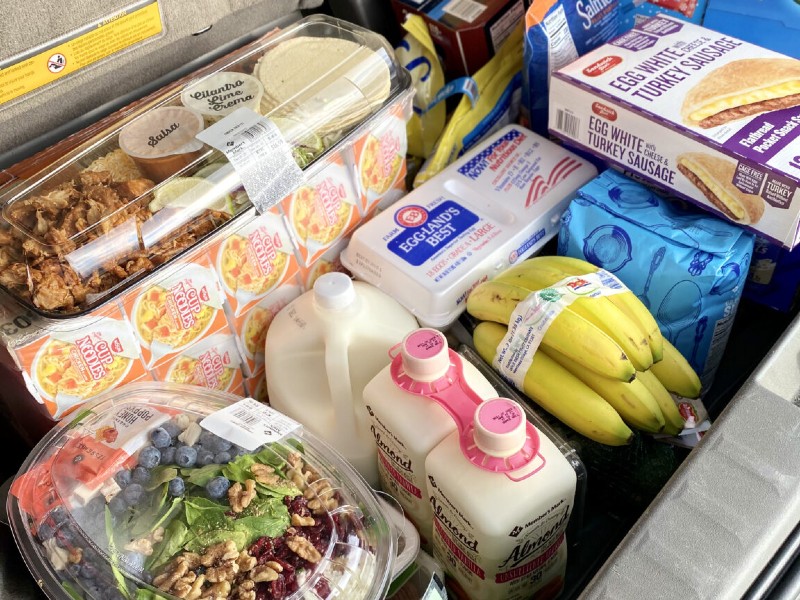
Cooking inside your RV can save money compared with eating at restaurants, but grocery shopping still requires planning. Limited refrigerator space and small cabinets can make buying larger quantities difficult.
Remote destinations may have fewer supermarkets, which can limit your choices and lead to higher prices for certain products. In August 2026, Journey With The Gs reported spending $427.81 on groceries after stocking up before traveling through areas with fewer familiar discount stores.
Plan several simple meals before shopping and compare prices when larger stores are available. Keep a short list of ingredients that work for multiple dishes to reduce food waste and unnecessary purchases.
11. Eating Out Can Quietly Drain Your Travel Budget

Visiting a new town often means wanting to try local restaurants, coffee shops, and roadside diners. These experiences are enjoyable, but frequent meals away from the RV can become expensive.
A couple spending $45 on dinner three times each week would spend about $540 over four weeks. Adding coffee, snacks, and occasional lunches could increase the total further. This is an example calculation, not an estimate of typical RV dining expenses.
Choose a weekly restaurant budget before arriving at a new destination. Enjoy one or two special meals and prepare the rest inside your RV when practical.
12. Laundry Expenses Add Up Without Your Own Machines
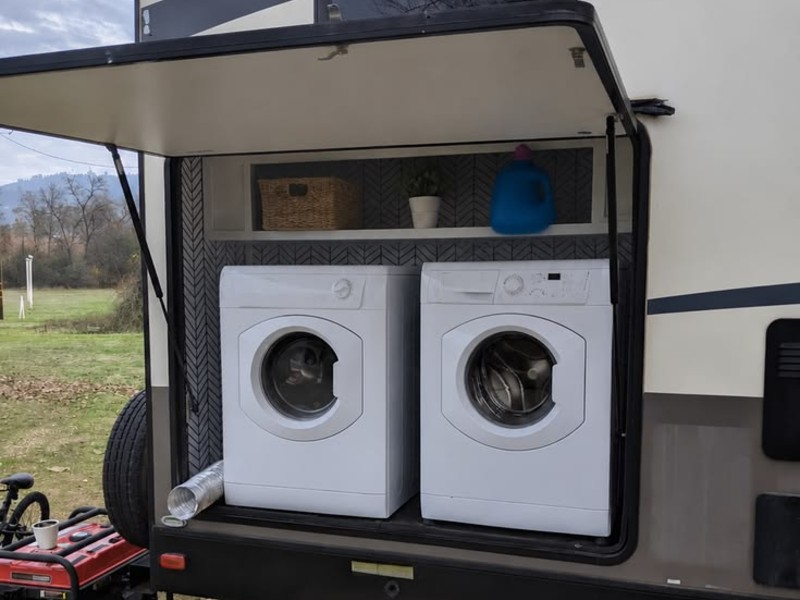
Many travel trailers and smaller motorhomes do not have washing machines or dryers. That means visiting campground laundry rooms or public laundromats becomes part of your regular routine.
The cost depends on local machine prices, how many people are traveling, and how often clothing needs washing. Large loads of towels and bedding may require additional machines, while some laundromats charge extra for larger dryers.
Check laundry prices before choosing a long term campground. Wash full loads when appropriate, avoid packing unnecessary clothing, and keep a small supply of detergent purchased at a reasonable price.
13. Campground Reservations and Cancellation Fees Cost Money
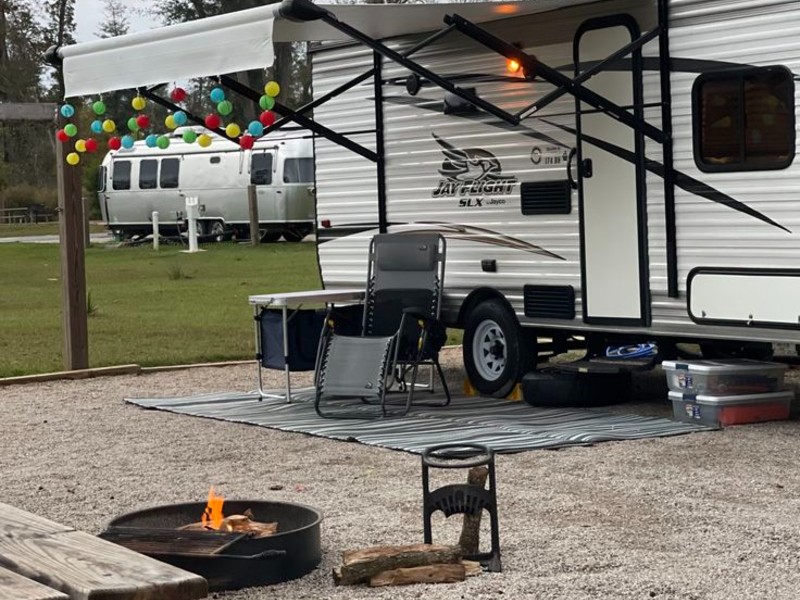
Making reservations helps secure your next campsite, but changing travel plans can create extra expenses. This is particularly frustrating when unexpected repairs, bad weather, or family emergencies force you to leave early.
Recreation.gov lists a standard $8 online reservation service fee for many camping bookings. Its policies also include possible change fees, cancellation charges, and forfeited camping fees depending on when a reservation is canceled. Individual facilities may have different rules.
Read the cancellation policy before paying and avoid booking more nonrefundable nights than you need. When possible, leave some flexibility in your travel schedule.
14. Campground Memberships Are Not Always Worth the Price
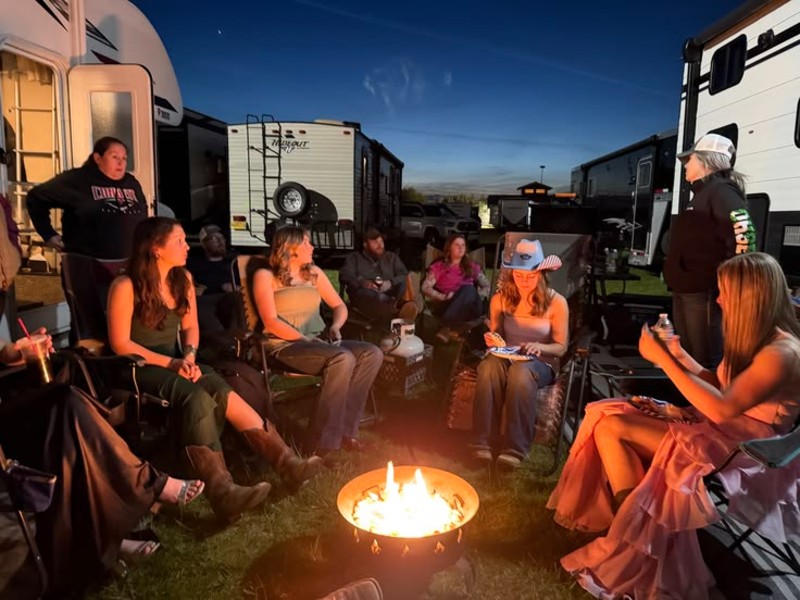
Camping memberships promise discounted stays and access to participating parks. For travelers who use them frequently, these programs can reduce accommodation expenses.
But memberships may include annual dues, enrollment charges, booking rules, and restrictions on eligible campgrounds. If you rarely stay at participating locations, you could end up paying for benefits you never use.
Calculate what you spent at participating campgrounds over the previous year. Compare the actual discounts you would receive against membership costs before renewing or purchasing another program.
15. Vehicle Registration and Taxes Can Catch You Off Guard

Your RV may be your home, but it remains a registered vehicle that can come with annual government fees. Depending on the state, registration charges, vehicle taxes, and inspection requirements may apply.
Travelers with both an RV and a tow vehicle or passenger car may have multiple registrations to maintain. Costs vary by vehicle type, value, weight, location, and applicable state rules. A large payment can become stressful if you have not planned for it.
Check the official registration requirements for your legal state of residence. Add annual charges to your budget and divide them into monthly savings amounts so renewal dates do not create surprises.
16. Roadside Assistance and Towing Can Become Expensive
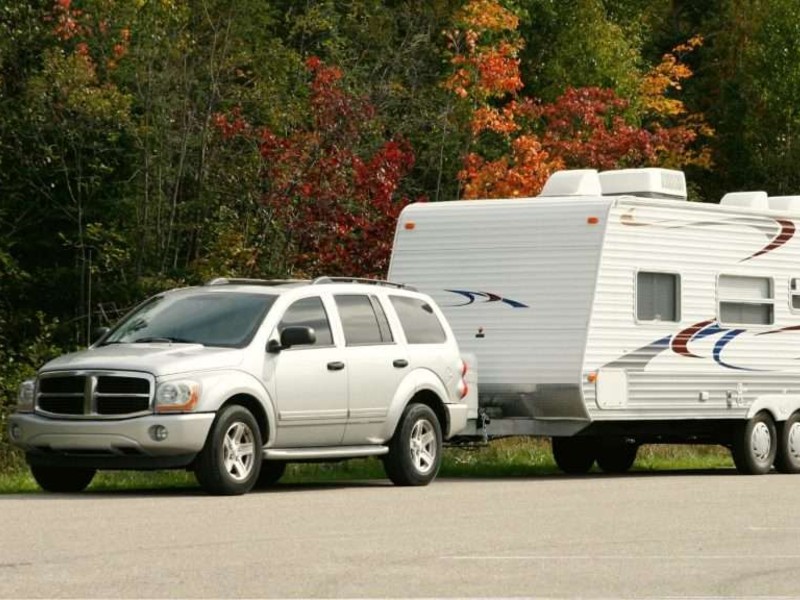
Breaking down on a remote highway is stressful enough without worrying about the cost of getting help. Large motorhomes and trailers may need special recovery equipment that ordinary roadside services cannot provide.
A roadside assistance plan can help with certain emergencies, but benefits and restrictions vary. Some programs have limits on towing distance, eligible vehicles, service locations, or the types of problems they cover.
Review roadside assistance plans before traveling and confirm that your exact RV and tow vehicle are covered. Check towing limits, exclusions, and service availability rather than choosing a plan based only on its advertised price.
17. Entertainment and Tourist Attractions Can Become Expensive
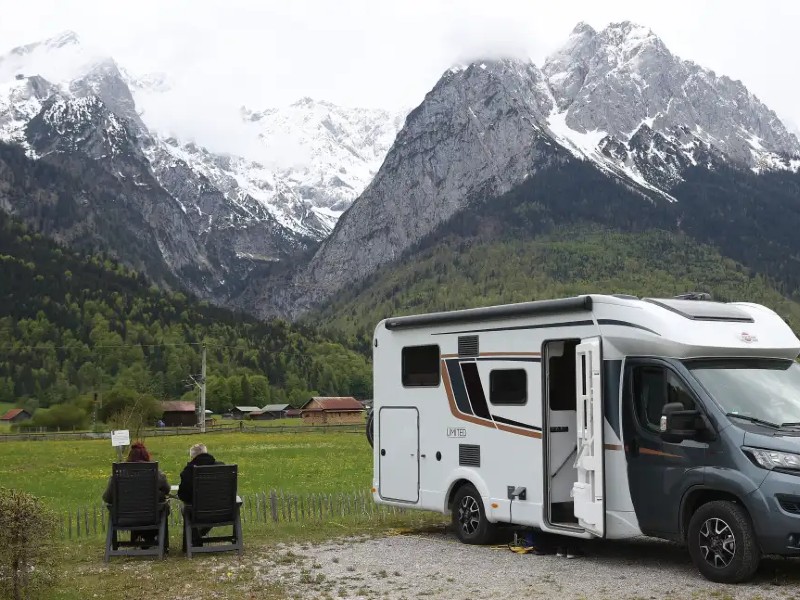
One reason people choose RV life is the opportunity to visit national parks, museums, historic towns, and popular attractions. But those experiences can come with admission fees, parking charges, tours, and other expenses.
In August 2026, Journey With The Gs spent $774.20 on entertainment, dining out, and recreational activities. Their spending was higher because they visited several tourist destinations. It shows how travel choices can affect the budget, although other travelers may spend far less.
Choose a few attractions that matter most and plan free activities around them. Hiking, public parks, local walking trails, and free community events can provide enjoyable experiences without constant spending.
18. Parking, Storage, and Extra Transportation Can Add Up
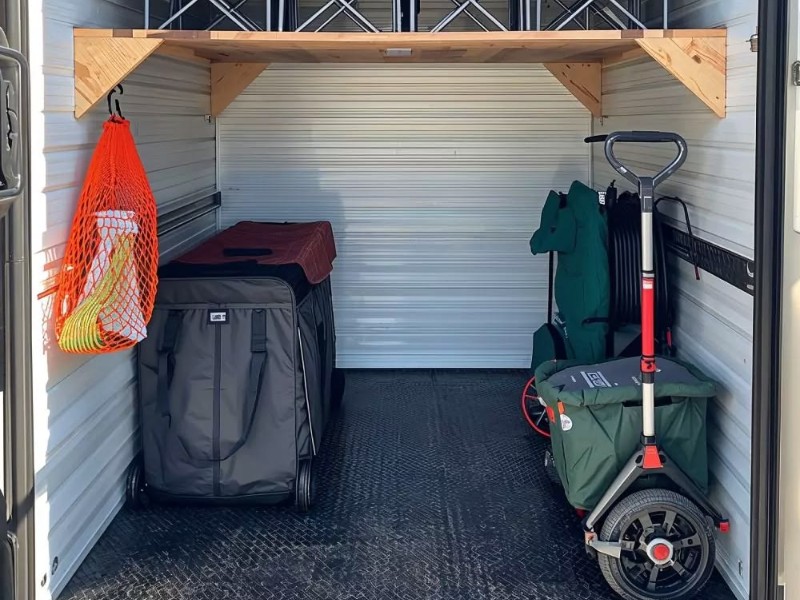
Your RV may carry everything you need, but there are situations when you still have to pay for additional transportation or storage. Some travelers use a second vehicle, pay for parking near attractions, or store equipment that will not fit inside the RV.
If you leave your RV at a repair shop or spend time away from it, you may also need temporary accommodation or a rental vehicle. These costs do not happen every month, but they can make certain months significantly more expensive.
Before buying an RV, think about how you will get around after reaching a campsite. Consider the total cost of maintaining another vehicle, using local transportation, or renting a car when needed.
19. Small Everyday Purchases Can Become a Hidden Budget Problem
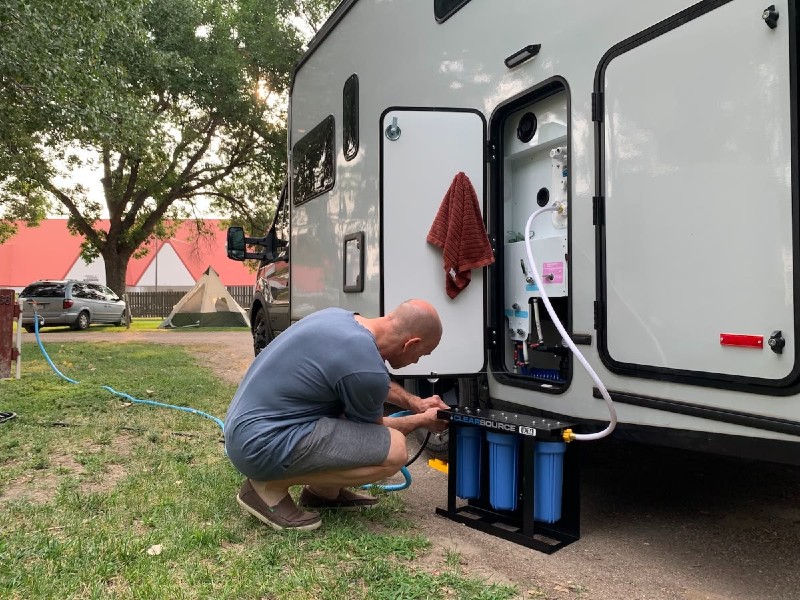
Some of the easiest expenses to overlook are the small purchases made throughout the month. Toilet paper, water filters, cleaning supplies, storage containers, replacement hoses, and convenience store snacks may not seem expensive individually.
But spending just $10 on extra items each day adds up to $300 over a 30 day month. In August 2026, Journey With The Gs recorded $309.56 in miscellaneous expenses, including shopping purchases that did not fit neatly into other budget categories.
Keep a separate budget category for small purchases and review it every week. Wait a day before buying nonessential accessories, especially when you already have something that performs the same task.