
Living in an RV full time sounds like the perfect way to escape expensive housing, boring routines, and the pressure of everyday life. You can wake up near mountains, spend winters somewhere warm, and travel whenever you want. But after months or years on the road, some RVers begin to miss things they never expected.
Campground bills keep arriving, repairs interrupt travel plans, and finding a good place to park can become exhausting. Even people who love the freedom of RV living sometimes wonder whether a permanent house would make life easier.
In June 2026, experienced RV travelers Barry and Darlene Nicholson discussed why some people are leaving full time RV living or choosing a permanent home base. Their discussion covered loneliness, family relationships, grandchildren, and changing priorities. The couple themselves decided to keep traveling, showing that the same lifestyle can work differently for different people.
There is no reliable national count showing how many full time RVers are moving back into houses. Still, their personal accounts reveal several reasons people reconsider life on the road. Here are 19 worth knowing before making your own decision.
1. RV Living Is Not Always Cheaper Than Owning a House

Many people move into RVs because they expect to save money. Without a traditional mortgage, property taxes on a house, or expensive home repairs, the lifestyle can look affordable. But RV payments, campsite fees, fuel, maintenance, and insurance can quickly change that picture.
In August 2026, the couple behind Journey With The Gs reported spending $7,351.69 in one month of full time RV living. Their expenses included vehicle costs, repairs, insurance, groceries, camping, and fuel. That is one household’s budget, not what everyone should expect to spend.
An RV can still be an affordable home, especially if you own it outright and travel slowly. Before choosing between an RV and a house, compare your complete yearly expenses rather than focusing on the monthly payment alone.
2. Campground Fees Keep Eating Into Monthly Budgets
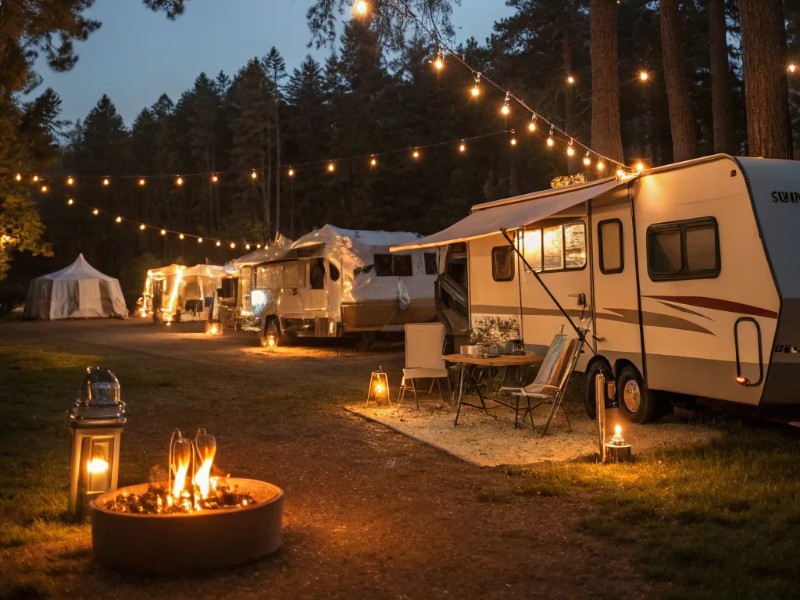
Finding a beautiful campground feels exciting until you start adding up the nightly charges. A campsite costing $50 per night would reach $1,500 over 30 nights. That is before any extra charges for electricity, pets, or other services.
Some private RV parks offer reduced monthly rates, while public campgrounds may have stay limits or limited hookups. Prices also depend on location, season, and the size of your RV. Staying near popular vacation destinations can make it harder to find affordable options.
If campground fees are becoming a problem, compare monthly rates at several parks before leaving an area. Staying longer in one place or using suitable public camping areas may help, but you should check local rules and available facilities first.
3. Fuel Costs Make Every Long Drive More Expensive
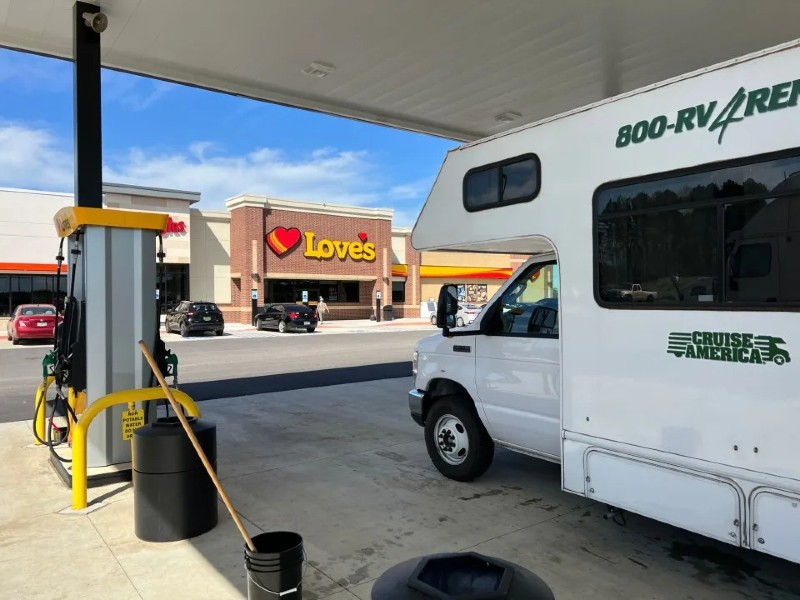
One of the biggest attractions of RV living is the freedom to visit new places. But every move comes with a fuel bill, and larger motorhomes or towing vehicles can use far more gasoline or diesel than an ordinary car.
According to the U.S. Energy Information Administration, the national average regular gasoline price was $4.354 per gallon during the week of October 5, 2026. At that price, a gas motorhome getting eight miles per gallon would spend about $544 traveling 1,000 miles. Actual costs depend on the vehicle, driving conditions, and fuel type.
Some travelers solve this problem by driving shorter distances and staying longer at each destination. Others decide they would rather live in a house and take occasional RV vacations without paying for constant travel.
4. Constant Repairs Turn Freedom Into Another Job
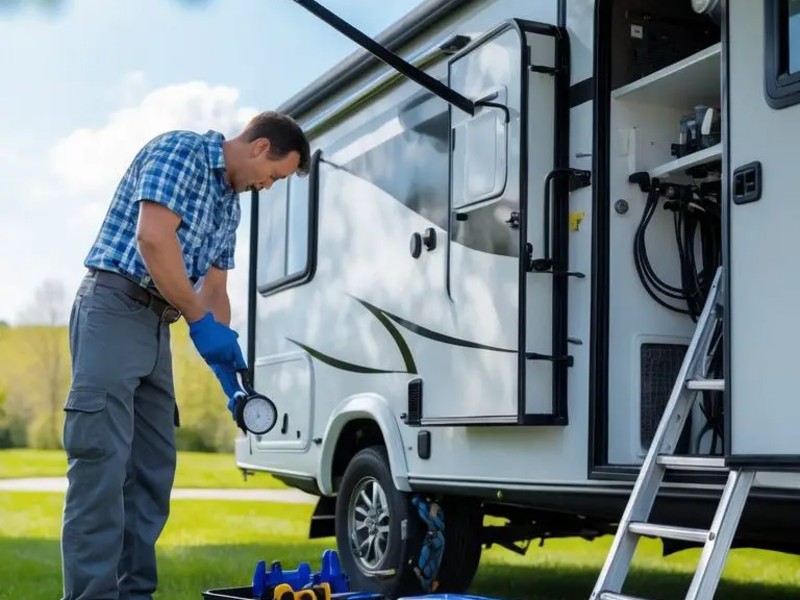
An RV is both a vehicle and a home, which means there are more systems that can cause problems. Roof seals, water pumps, air conditioners, tires, batteries, and plumbing all need regular attention. A broken part can affect your transportation and your place to sleep at the same time.
Journey With The Gs reported $1,401.99 in repairs, maintenance, and registration during August 2026. Expenses like these can make financial planning difficult, especially when several problems appear close together.
Older RVs can be particularly demanding, although newer models are not free from problems. Keeping a repair fund and following a maintenance schedule can help. However, some owners eventually decide they would rather maintain a house than keep fixing a home that also travels on highways.
5. Finding Available Campsites Takes Too Much Planning
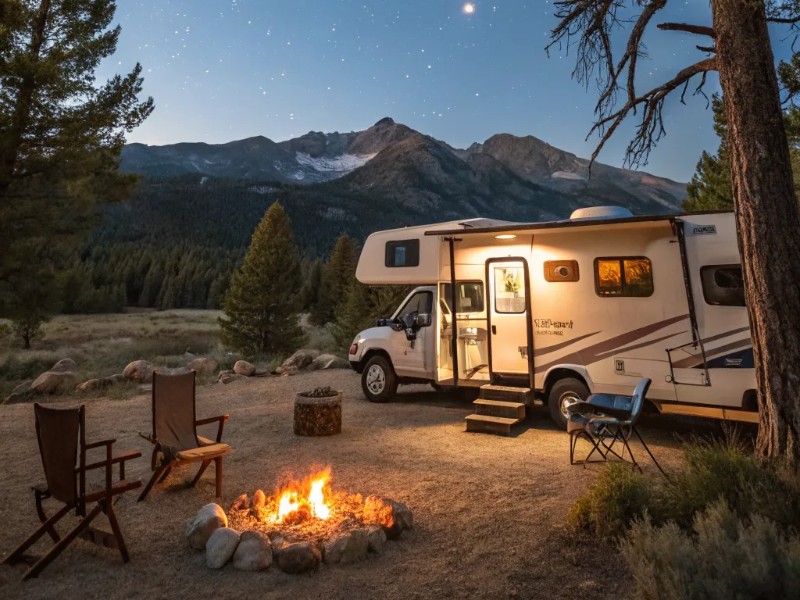
The idea of stopping wherever you want sounds wonderful, but RV travel often requires careful planning. Popular campgrounds can fill up during busy seasons, and large motorhomes may have fewer suitable parking options.
Every move can mean another round of searching for availability, checking RV length limits, comparing prices, and reading cancellation policies. Some travelers spend hours organizing their next few stops instead of enjoying the destination where they are staying.
Booking longer visits and traveling outside busy periods can reduce this pressure. But for people who are tired of making reservations, having a permanent driveway and a familiar place to sleep can feel like real freedom.
6. Bad Weather Makes Living in an RV More Stressful
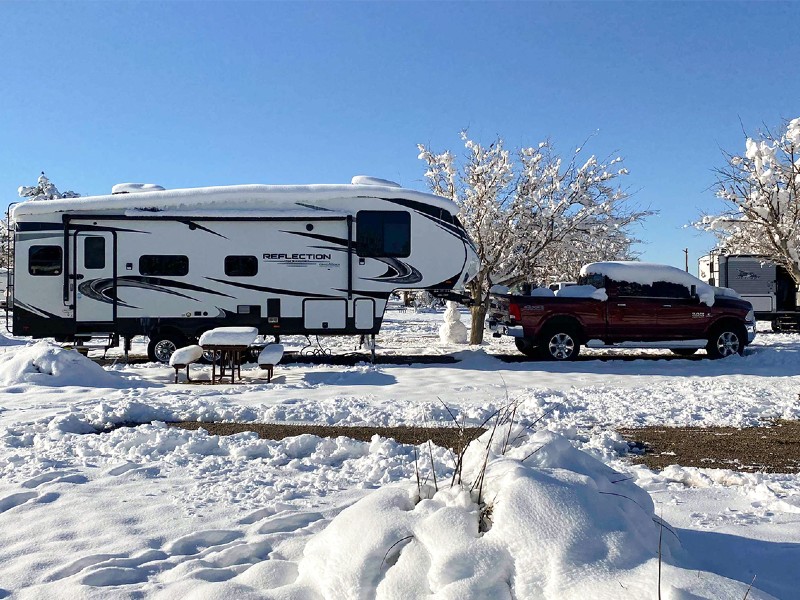
A rainy afternoon can feel peaceful inside an RV, but severe weather is a different matter. Strong winds, thunderstorms, extreme heat, and freezing temperatures can create problems that are difficult to manage in a small mobile home.
RV owners must pay attention to local weather alerts and know where to find safe shelter. During a tornado warning, for example, an RV is not a safe place to remain. Water pipes, holding tanks, and heating systems can also need extra care during freezing conditions.
You can reduce many weather problems by planning routes around seasonal conditions and preparing emergency supplies. Still, some people eventually prefer having a permanent home with stronger shelter, reliable heating, and fewer weather related travel decisions.
7. Small Living Spaces Become Harder to Enjoy Over Time
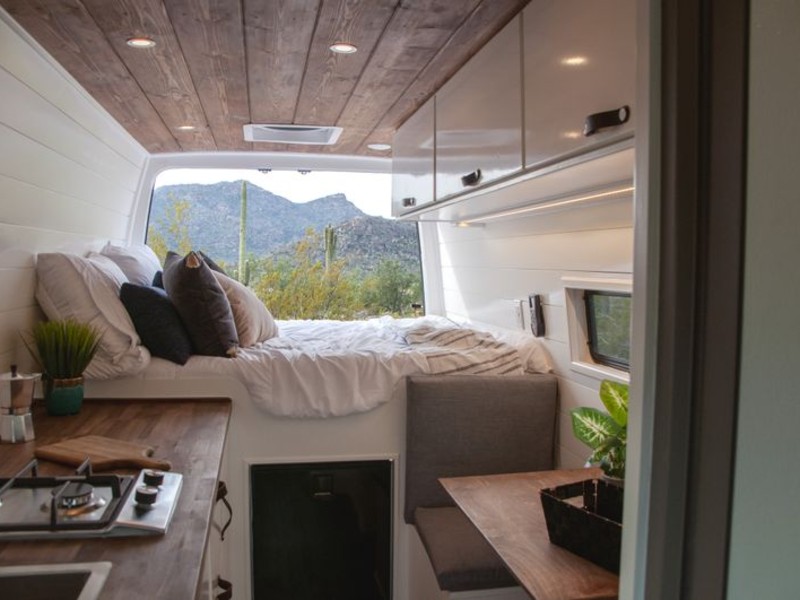
Living in a small RV can feel simple and comfortable when you first move in. But after years of sharing the same limited space, everyday activities may become harder. Cooking, working, relaxing, and sleeping often happen only a few feet apart.
Couples may struggle to find privacy, especially when one person wants quiet and the other needs to work or watch television. Storage can also become frustrating when there is little room for seasonal clothing, hobbies, or belongings with personal meaning.
Some RVers manage these challenges with better organization and outdoor living areas. Others discover they want separate bedrooms, a larger kitchen, or space for visiting family. A house offers those possibilities without needing to change locations.
8. Constantly Moving Starts Feeling Like Work

Travel days can be exciting, but they require more effort than many new RV owners expect. Before leaving, you may need to secure cabinets, disconnect utilities, check tires, prepare the route, and make sure everything is ready for the road.
After arriving, the process starts again. You park, level the RV, connect utilities, arrange your belongings, and prepare for the next few days. Repeating these tasks every week can eventually make travel feel more like a job than a vacation.
Slowing down often helps people rediscover the enjoyment of RV living. Spending a month in one location may provide the rest they need. But some travelers decide they would rather keep a permanent house and travel only when they feel excited about going somewhere.
9. Reliable Internet Is Still a Problem in Some Locations

Working from an RV allows people to earn money while traveling, but it also creates a serious need for dependable internet. Campground WiFi may struggle during busy periods, while mobile service can become weak in remote areas.
Satellite internet and multiple cellular connections can improve coverage, but they add equipment costs and monthly bills. Even with backup systems, some locations may not provide the connection needed for video meetings, large file transfers, or other work tasks.
Before booking a campground, remote workers should check recent reviews, cellular coverage, and available internet options. For people whose income depends on staying connected every day, a permanent home with reliable residential internet may be the easier choice.
10. Health Care Becomes Harder When You Keep Changing States

Traveling across the country can become complicated when you need regular medical care. Finding doctors, arranging appointments, filling prescriptions, and attending followup visits may require more planning than expected.
Health insurance adds another challenge because provider networks and coverage rules vary. Some plans offer more flexibility outside a home region than others. Emergency care and routine specialist visits may also be covered differently, depending on the insurance policy.
Before leaving your home area, contact your insurer and confirm which services are available at your destination. People who need frequent treatment may find it easier to live near familiar doctors and hospitals while taking shorter trips when their health allows.
11. Getting Older Can Make RV Travel Physically Demanding
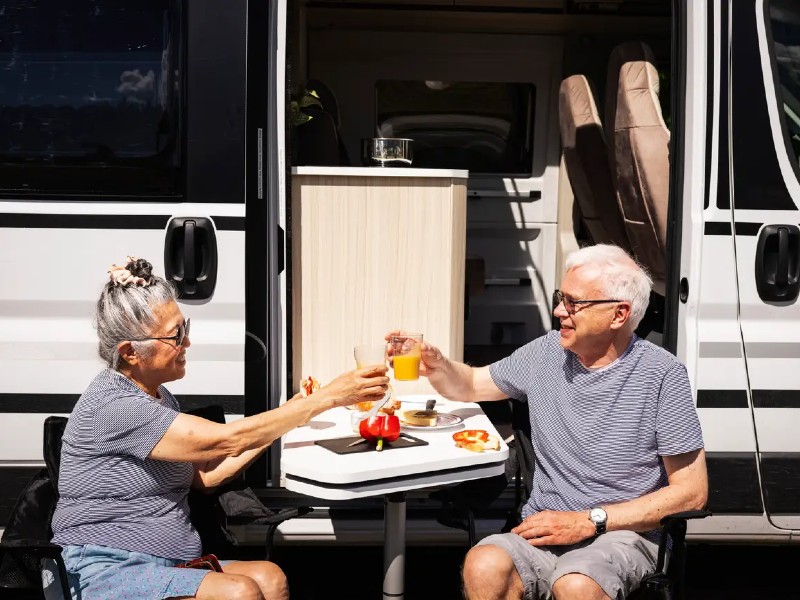
An RV that felt comfortable at 55 may become more difficult to use at 70. Climbing entry steps, lifting equipment, connecting sewer hoses, and moving around narrow spaces can require strength and balance that change with age.
Small bathrooms and raised beds may also create problems for people with limited mobility. Even simple activities can become tiring when every trip involves packing, driving, parking, and setting up camp.
Some RV owners make life easier by choosing accessible layouts, adding suitable handrails, and reducing travel days. Others prefer a house with fewer steps, a larger bathroom, and easier access to daily services. The right choice depends on physical needs rather than age alone.
12. Full Time Travel Can Feel Lonely Despite Meeting New People

RV parks can be friendly places where neighbors share meals, stories, and travel advice. But those friendships sometimes last only a few days before everyone heads to a different destination.
Over time, some travelers miss having friends they can see regularly. They may want familiar neighbors, weekly activities, or a community where relationships grow for years. Meeting new people does not always replace having close friends nearby.
In their June 2026 podcast, Barry and Darlene Nicholson discussed loneliness and community as reasons some RVers choose to leave the road. Staying in one region for several months can help build relationships, but a permanent home may make regular friendships easier to maintain.
13. Missing Children and Grandchildren Changes Priorities

Traveling across America may be a lifelong dream, especially after retirement. But being far from family can become difficult when grandchildren are growing up or older relatives need help.
Birthdays, school events, holiday dinners, and ordinary weekends together can start to feel more important than visiting another national park. Video calls help families stay connected, but they cannot replace every shared experience.
Some retirees solve this problem by spending part of the year near their children and traveling during other months. Others buy a house close to family and keep their RV for shorter vacations. This lets them enjoy travel without missing as much of everyday family life.
14. Children Sometimes Need More Stability Than RV Travel Allows
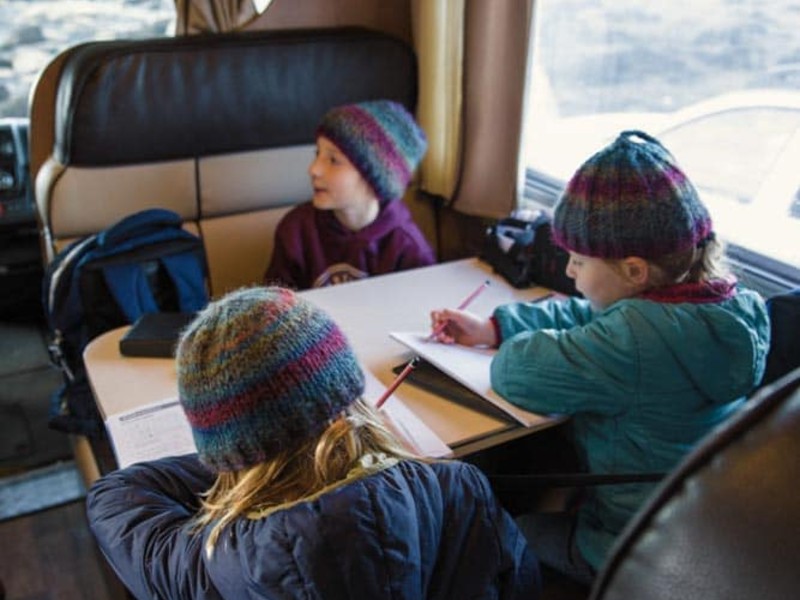
Traveling full time with children can offer valuable experiences. Families can visit historical places, explore national parks, and learn about different communities. But what works well for young children may become harder as they grow older.
Teenagers may want lasting friendships, organized sports, clubs, or regular social activities. Parents also need to balance education, work, travel planning, and household responsibilities. These demands can become difficult when the family changes locations frequently.
Some families continue traveling successfully through their children’s teenage years. Others choose a permanent home so everyone can build local routines. Parents should review their children’s changing needs rather than assuming that the same travel arrangement will always work.
15. RV Value Loss Makes Some Owners Reconsider the Investment
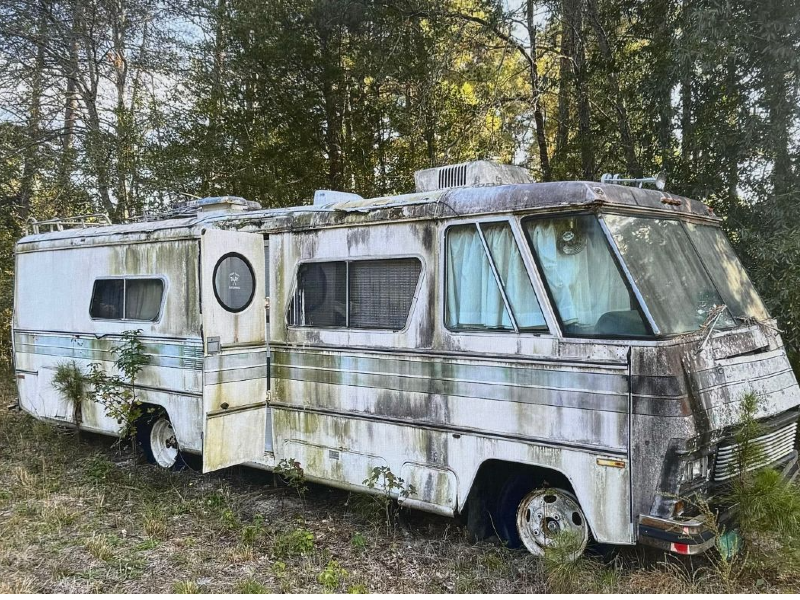
Buying an RV can require a large financial commitment, especially when purchasing a newer motorhome or luxury fifth wheel. Unlike many houses, RVs generally lose value as they age and accumulate wear.
This becomes a bigger concern when the owner still owes money on the RV loan. If the resale value is lower than the remaining loan balance, selling the vehicle may require additional money. Market demand, condition, maintenance records, and model popularity can all affect the price.
Before selling, compare current listings for similar RVs and request realistic dealer offers. Check your exact loan payoff amount and estimate selling expenses. These figures will help you see whether selling the RV makes financial sense or whether keeping it longer would be better.
16. Insurance and Other Hidden Costs Keep Adding Up
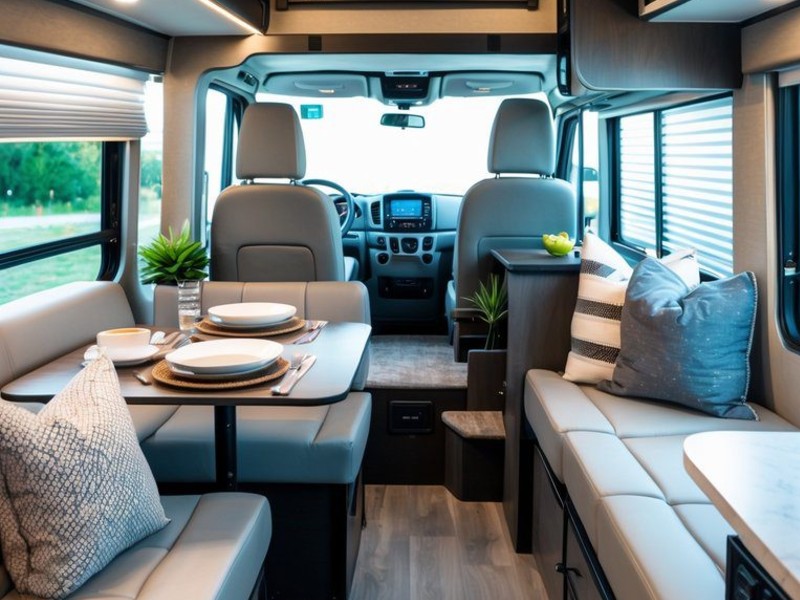
A monthly RV payment is easy to remember, but many smaller expenses can receive less attention. Vehicle insurance, registration, roadside assistance, storage, laundry, mobile internet, and replacement equipment can add up throughout the year.
Full time RV insurance also deserves careful attention because coverage needs may differ from those of an occasional vacation traveler. The right policy depends on how the RV is used, where it is kept, and which risks need protection.
Keep a record of every expense for at least three months, including bills that arrive only once a year. Divide annual charges into monthly amounts to get a clearer picture. You may discover that some costs can be reduced without giving up RV living altogether.
17. Parking Rules and Address Problems Make Simple Tasks Harder
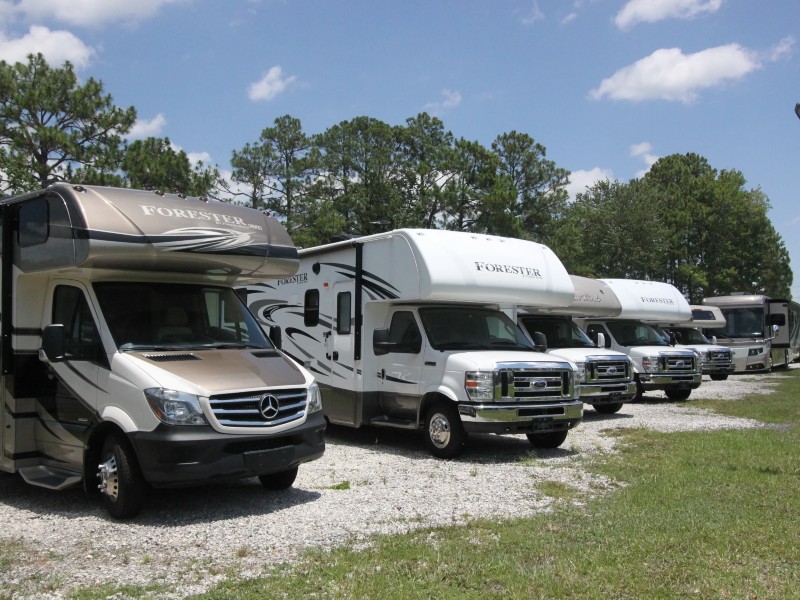
Owning an RV does not mean you can legally live in it anywhere you choose. Cities, counties, neighborhoods, and private campgrounds may have rules about long term RV parking and residential use.
Some people consider purchasing inexpensive land to avoid campground fees, but local zoning may restrict living in an RV on that property. Establishing legal residency can also involve requirements beyond having a mailing address. Vehicle registration, voting, taxes, and insurance may depend on specific state rules.
Before buying land or choosing a permanent RV location, contact the appropriate local authorities. Ask about occupancy restrictions, utility connections, and permit requirements. A house in an approved residential area may provide fewer uncertainties for people who want a fixed address.
18. Many Travelers Get Tired of Living Around RV Chores
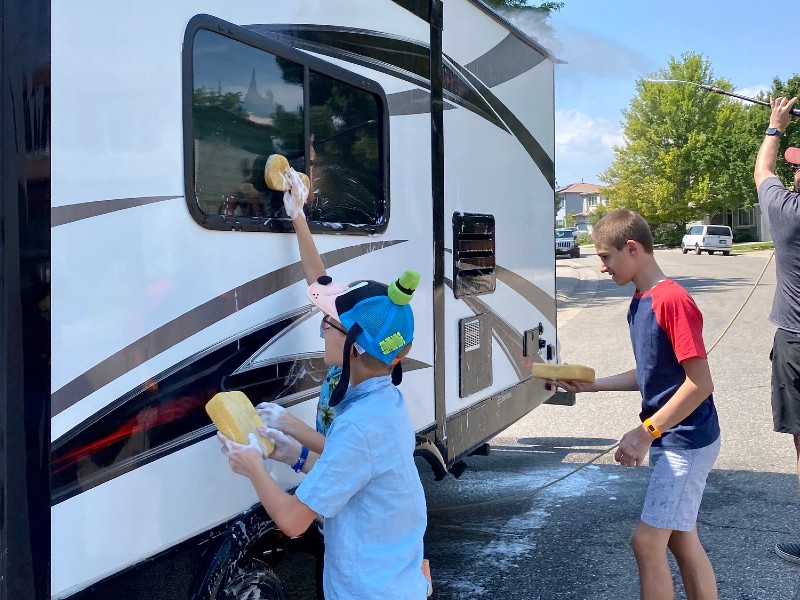
Small RV chores may seem easy when considered separately. Emptying holding tanks, checking propane, managing water supplies, and keeping batteries charged are ordinary parts of the lifestyle.
But doing these tasks repeatedly can become frustrating, especially when something stops working. Laundry may require a trip to another building, and limited kitchen space can make meal preparation more complicated. For some travelers, these small inconveniences gradually reduce their enjoyment.
One practical way to measure the problem is to track how much time you spend on RV chores over two weeks. If the work is taking away from the activities you enjoy, consider a longer stay with full hookups or a different RV setup. A permanent home may be another reasonable option.
19. Some RVers Simply Want a Permanent Place to Call Home Again
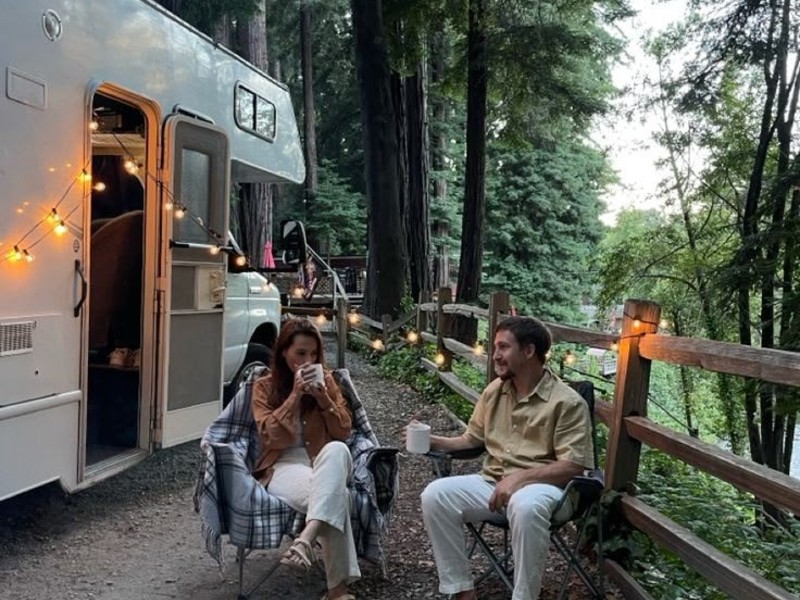
Sometimes people leave RV life without experiencing a major financial problem, health issue, or mechanical failure. Their goals simply change. After visiting favorite destinations and spending years traveling, they may begin to miss the comfort of a familiar place.
A permanent home offers room for gardening, hobbies, family visits, and friendships that continue throughout the year. It also gives people the freedom to leave their belongings behind when they take a trip, rather than bringing their entire home with them.
In December 2025, Kayla Mathieu shared her family’s decision to stop living in an RV after more than three years of full time travel. Their experience shows how a rewarding chapter can end when life priorities change. Buying a house does not mean someone has stopped loving travel.