
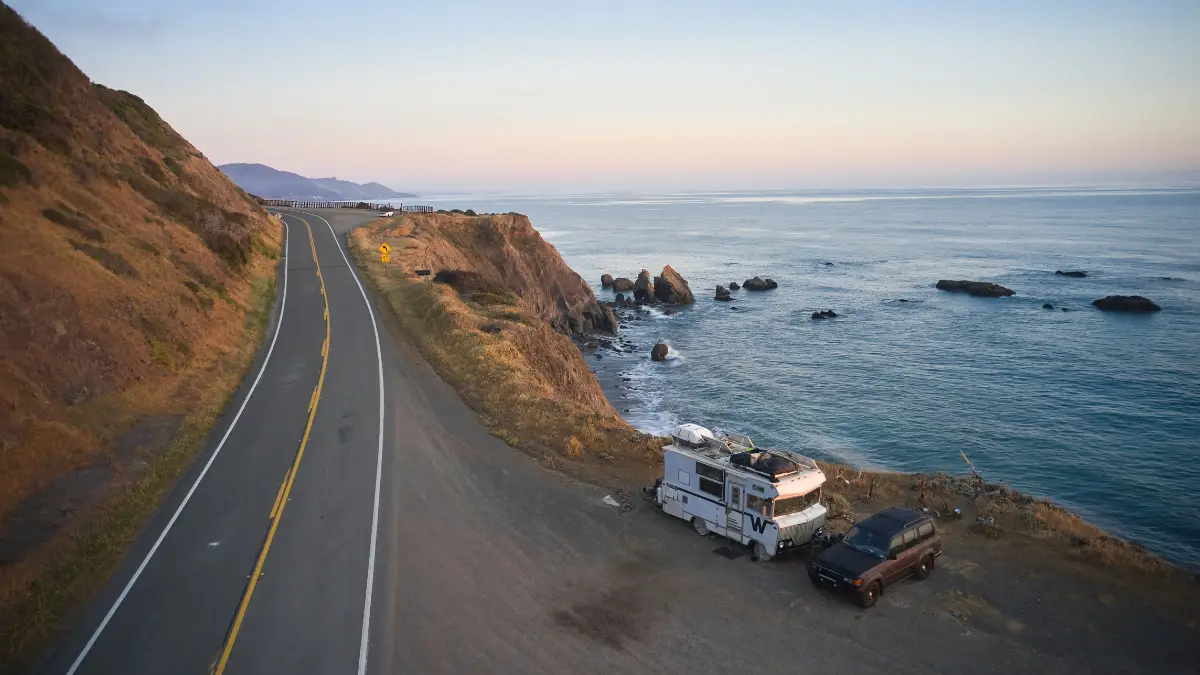
An RV gives you the freedom to travel across America, but choosing a state to call home can be surprisingly difficult. You might spend winter in Arizona, summer in Michigan, and several months exploring national parks. Yet you still need a legal address for your driver’s license, insurance, taxes, and important mail.
Choosing the wrong home base could leave you paying more for insurance, struggling to find medical care, or dealing with registration problems. Some states make life easier for full-time travelers. Others offer comfortable weather, affordable camping options, or access to family and familiar places.
The best states for full-time RV living depend on what matters most to you. This guide covers 23 states worth considering in 2026, including their benefits, drawbacks, and practical costs. You will also learn why your legal home state does not always have to be where you park your RV.
The 23 States Most Full-Time RVers Use as Home Base — and Why
What Makes a State a Good Home Base for Full-Time RVers?
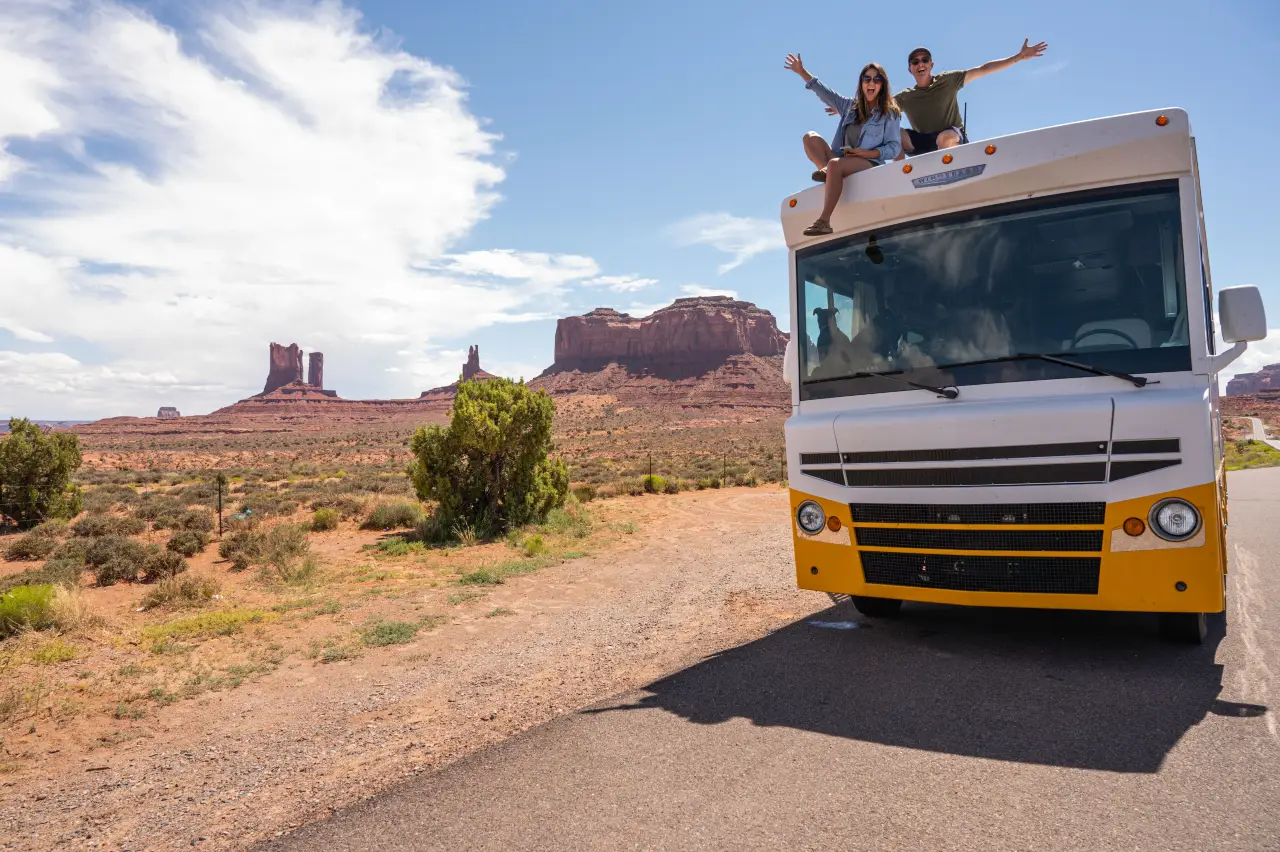
Your RV might be your house, but you still need a state that serves as your legal home. That state is called your domicile. It affects your driver’s license, vehicle registration, taxes, insurance, and voting rights.
Your domicile is different from where you temporarily park your RV. For example, you might legally live in Texas while spending several winter months at an Arizona campground. That can work when your legal records and personal ties support Texas as your actual home state.
Choosing a state with no personal income tax can help, but it does not guarantee lower living costs. You also need to consider vehicle fees, insurance premiums, healthcare coverage, and the cost of returning to that state.
The weather matters too. A state with beautiful summer camping might have freezing winters that make RV living difficult. Another state might offer warm winters but bring high summer temperatures or hurricane risks.
You should also consider where your family lives, where you receive medical care, and where you plan to return regularly. Those personal connections can matter when establishing legal residency.
Texas, Florida, and South Dakota are well known for serving full-time RV travelers. However, they are not your only choices. The following 23 states offer different advantages depending on whether you need a legal domicile, a seasonal base, or both.
1. Texas Makes RV Residency Easier With Established Services
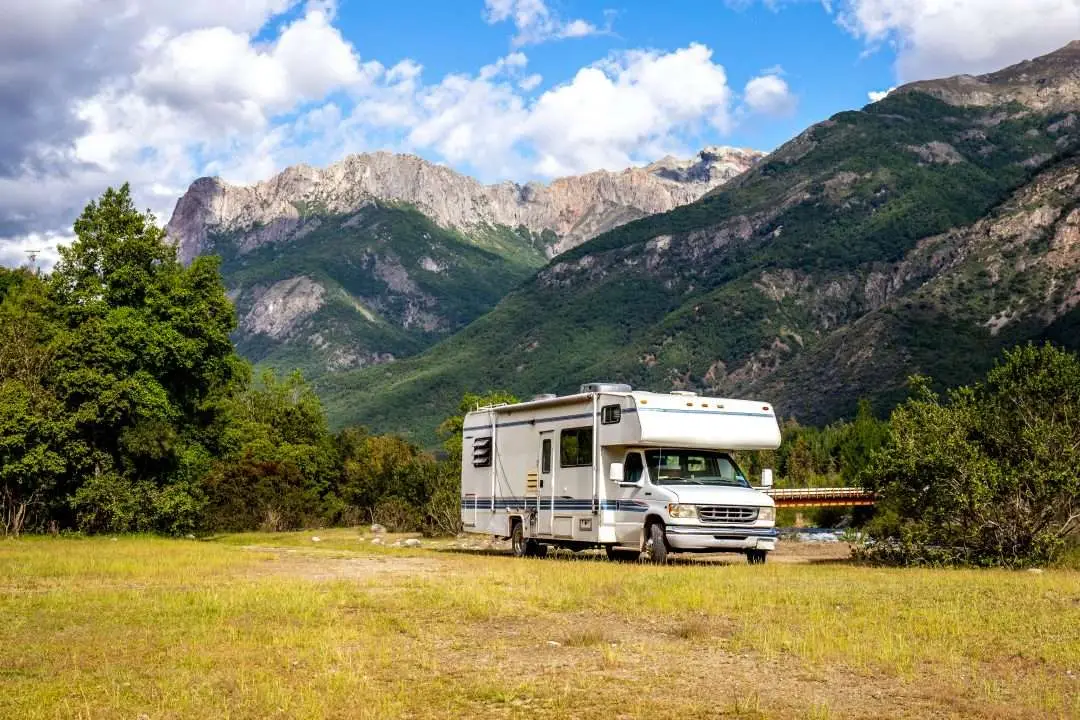
Texas is one of the most established choices for full-time RVers who need a legal home state. Livingston, in Polk County, is especially well known because the Escapees RV Club operates mail forwarding and other services for travelers there.
The state does not charge an individual income tax. That can be helpful if you receive retirement income or earn money while working remotely. Texas also offers several places to spend time between trips, including the Hill Country and Gulf Coast.
There are practical requirements to consider. New Texas residents generally have 30 days to register their vehicles. Most noncommercial vehicles no longer need annual safety inspections, but emissions tests still apply in certain counties.
Texas summers can be extremely hot, and insurance prices vary. Before choosing a Texas RV domicile, compare insurance quotes, registration fees, and the paperwork required in your county.
2. Florida Offers Warm Winters and Established RV Communities
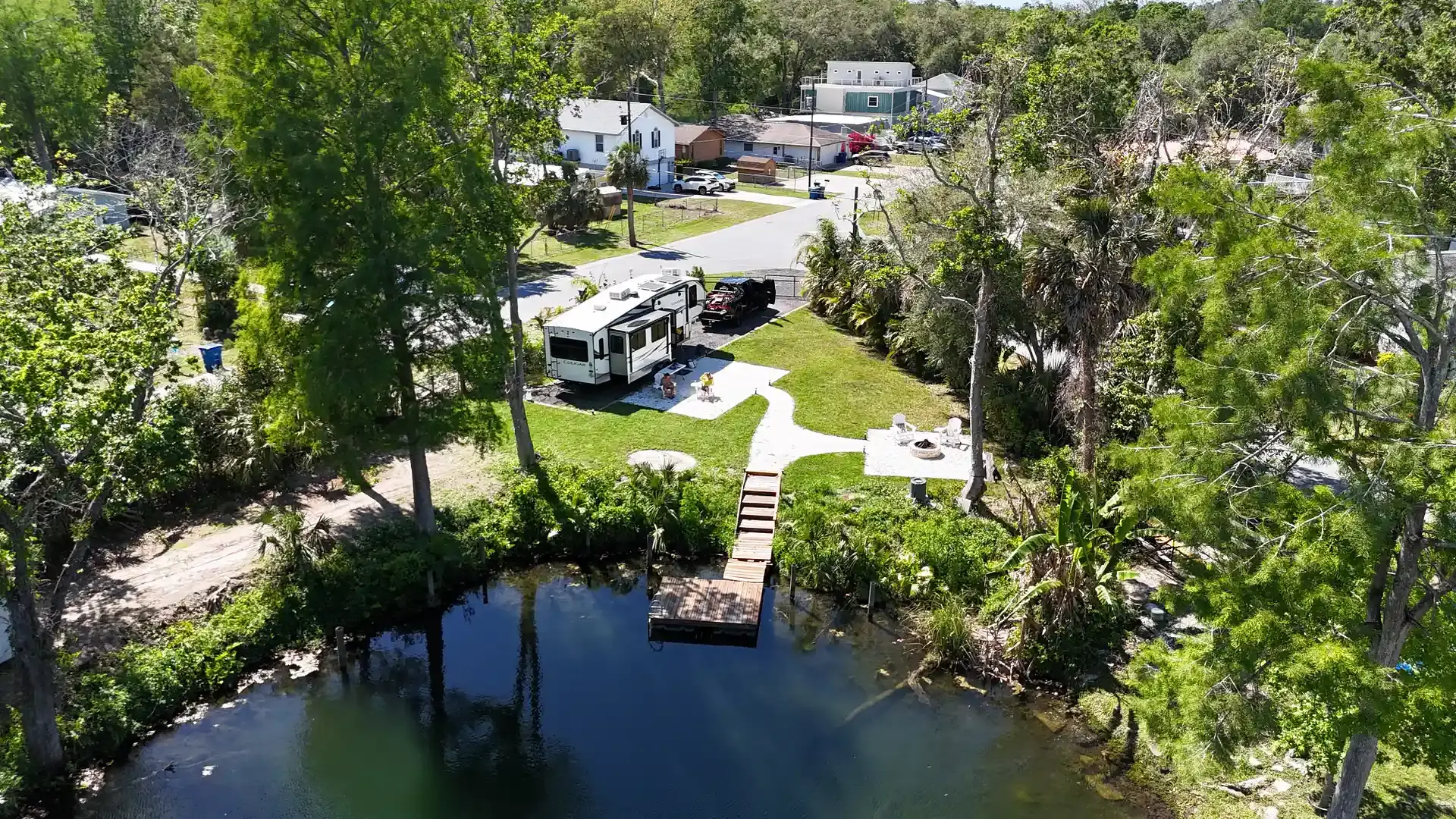
Florida works well for travelers who want warmer winters and an established community of RV owners. The state has many RV resorts, particularly in central Florida and along the Gulf Coast.
Bushnell is a familiar location for full-time travelers using Escapees mail forwarding services. Florida also has no individual state income tax, which may appeal to retirees and people earning income while traveling.
Another advantage is the number of communities built around seasonal RV living. Some parks offer longer stays, shared activities, and access to nearby stores and medical services.
However, Florida is not automatically an affordable choice. Popular winter destinations can charge higher campground rates, and hurricane exposure can affect insurance costs.
If Florida interests you, compare monthly park prices for winter and summer. Check your health insurance network and request a full-time RV insurance quote before changing your legal residence.
3. South Dakota Has Specific Residency Rules for Full-Time Travelers
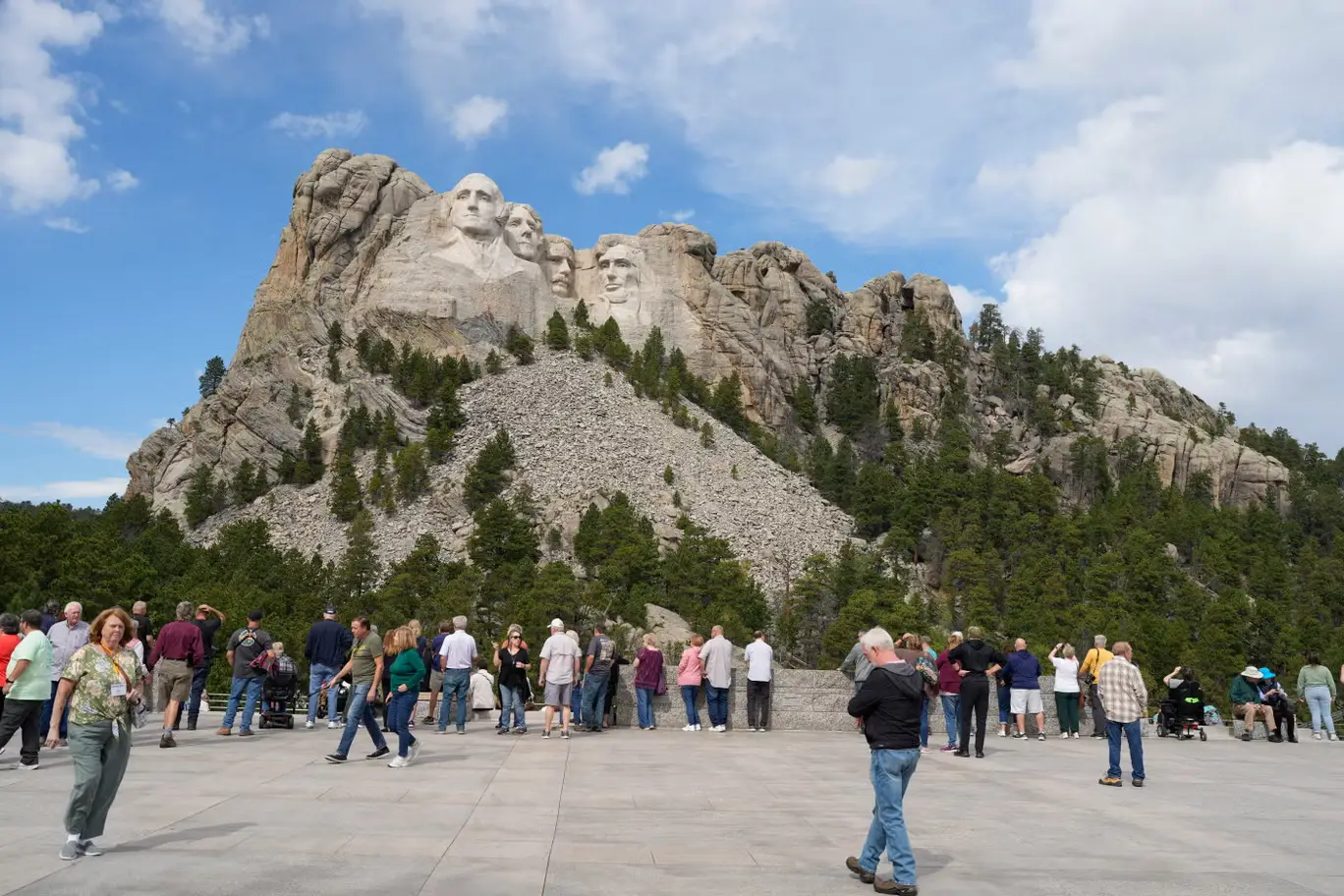
South Dakota has long attracted full-time RVers because it has no individual state income tax and offers a licensing process for qualifying travelers.
The state allows eligible full-time travelers to use personal mailbox services when they provide the required documents. These include a residency affidavit, proof of a personal mailbox address, and a receipt showing at least one overnight stay in South Dakota within the previous year.
However, South Dakota made an important voting change in 2026. People using only a commercial mailbox address without the required description of where they live may be limited to voting in federal elections. New voter registration rules also include proof of citizenship requirements.
The state’s winters are another concern. Freezing temperatures make year-round RV living challenging, especially in northern areas.
South Dakota may still work for travelers who have genuine ties to the state. Before choosing it, check the current driver’s license rules and confirm your voting eligibility with the appropriate county election office.
4. Arizona Gives RVers Comfortable Desert Winters
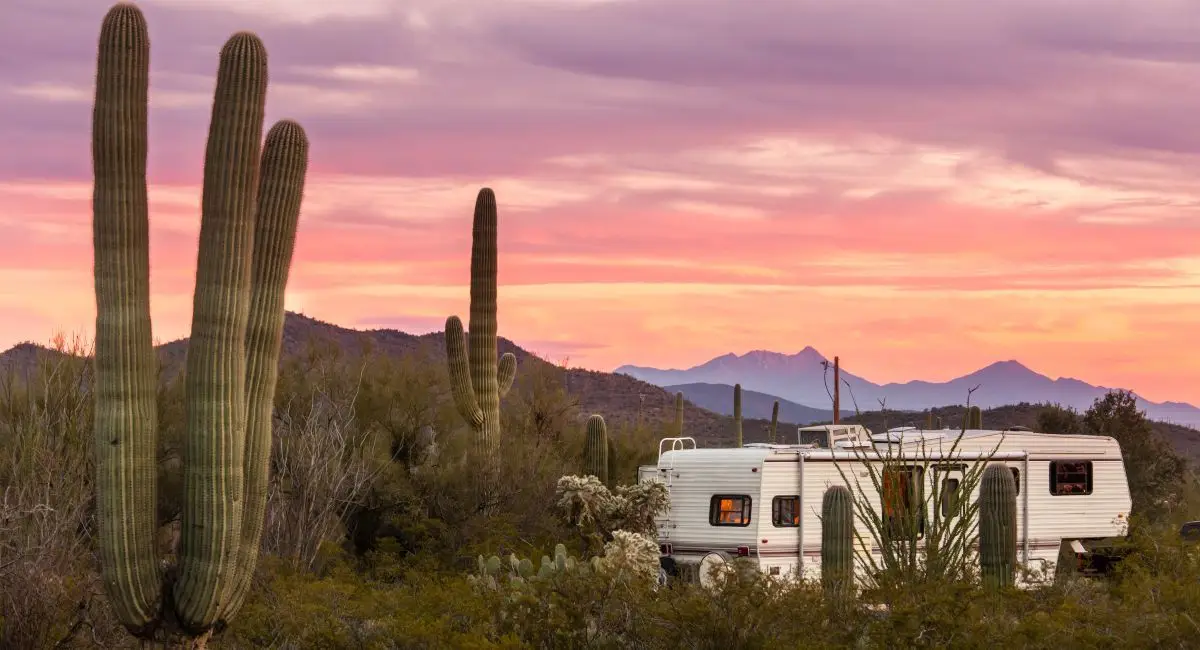
Arizona attracts RV travelers who want to escape freezing temperatures. Quartzsite and Yuma are especially familiar winter destinations, with campgrounds, RV services, and communities of seasonal visitors.
Quartzsite is known for its desert camping culture. Nearby public lands include designated areas where RVers can camp under specific rules and permit systems.
This can appeal to travelers who prefer simple living and do not need a resort with every service. However, public land is not automatically free or available for unlimited stays.
Arizona’s main drawback is its extreme summer heat. Desert temperatures can make living inside an RV uncomfortable and increase electricity use.
Arizona works especially well as a winter base. If you want to establish legal residency there, review the separate state requirements rather than assuming that seasonal camping makes you an Arizona resident.
5. California Offers Beautiful Camping but Higher Living Costs
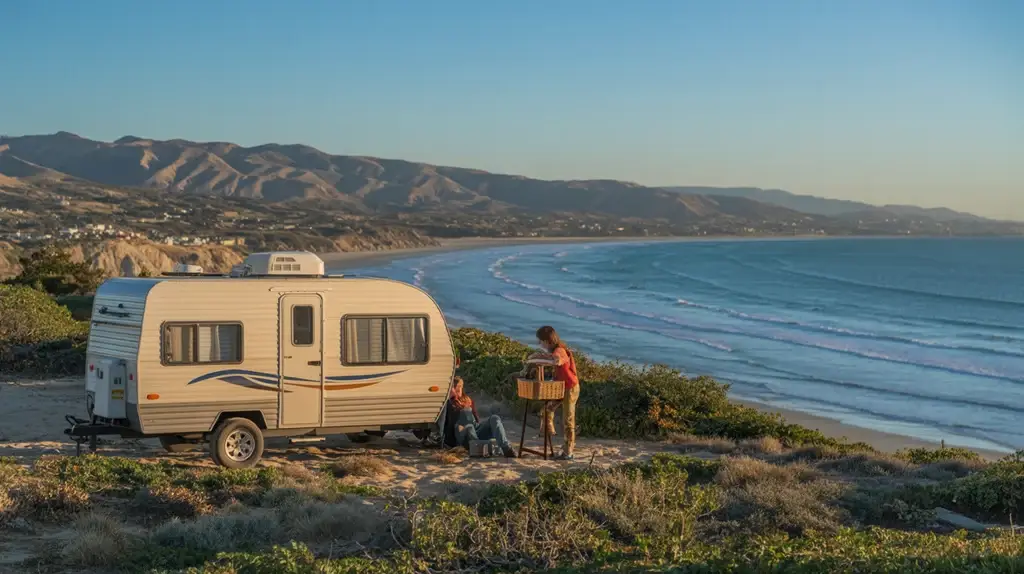
California gives RV owners access to beaches, mountains, forests, and deserts. You can spend time near the Pacific Coast or travel inland to places such as Yosemite and the Sierra Nevada.
The state also has a sizable population living in alternative housing. An analysis of 2024 Census estimates reported about 22,149 occupied homes in the combined boat, RV, and van category. This does not mean that all those homes are RVs or that their occupants travel full time.
California can be difficult for travelers trying to control expenses. Popular coastal campgrounds often have high demand, while state taxes and vehicle-related costs deserve close attention.
Rules about parking or living in an RV also differ by city and county. A campground stay does not always permit permanent residential use.
California is worth considering if you have family, employment, or strong personal ties there. Compare local costs before choosing it as your legal home.
6. Nevada Offers No State Income Tax and Desert Camping
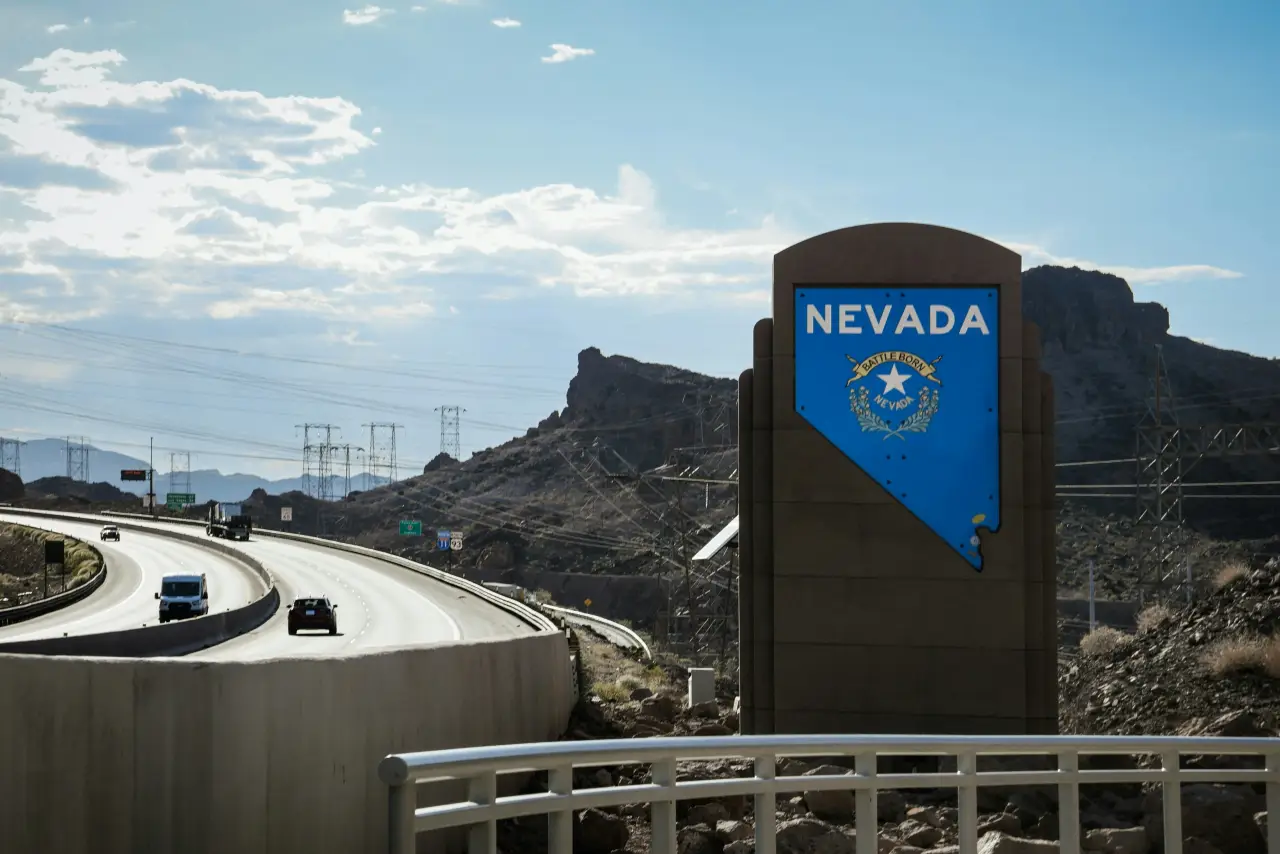
Nevada can appeal to RVers who enjoy desert landscapes and want a state without individual income tax. Las Vegas and surrounding communities provide access to stores, medical facilities, repair shops, and other services.
The state also has extensive public lands where travelers can find recreational camping opportunities. These areas can be useful for people who prefer quieter surroundings outside major cities.
However, summer heat is a serious drawback in southern Nevada. High temperatures can make air conditioning essential and increase electricity expenses.
Water availability and camping restrictions also deserve attention. Public lands have rules about where vehicles can stay and how long camping is allowed.
Before establishing Nevada residency, compare registration fees and insurance costs. Make sure the state genuinely fits your personal ties and plans rather than choosing it only because of the tax advantage.
7. Tennessee Combines Tax Benefits With Mountain Camping
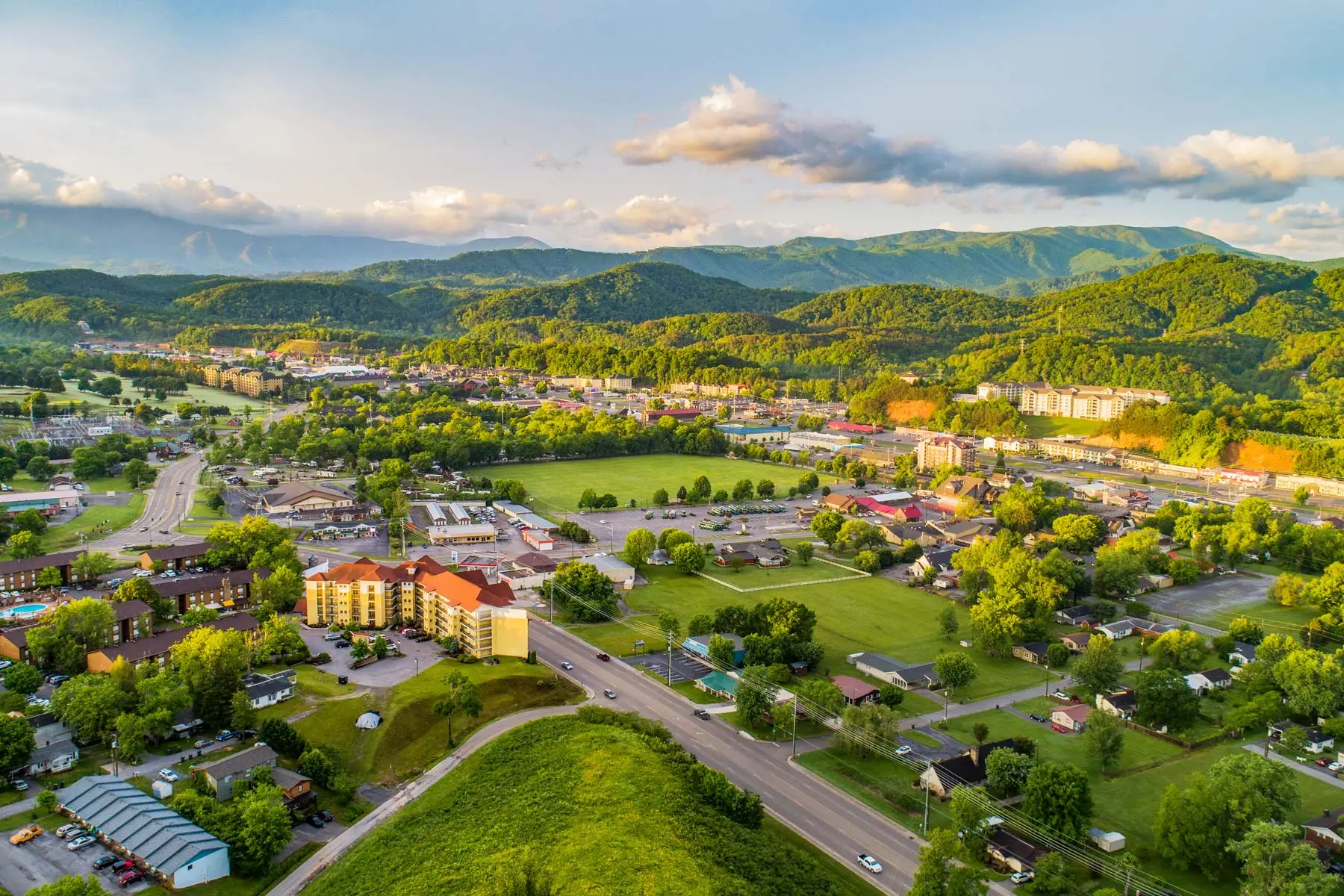
Tennessee is worth considering if you want access to mountains, forests, and several major travel routes. Eastern Tennessee is especially attractive for RVers who enjoy the Great Smoky Mountains.
The state does not charge an individual income tax. For some travelers, that can simplify their overall financial picture.
Tennessee also offers a mix of private campgrounds, state parks, and smaller communities outside major tourist areas. These locations give RV owners options for shorter visits and potentially longer stays where permitted.
However, campgrounds near popular attractions can become busy during holidays and peak travel seasons. Summers are also humid, and severe storms can affect travel plans.
If you want a Tennessee home base, compare campgrounds outside the busiest tourist towns. Check local rules for extended RV stays and confirm what documents you would need to establish legal residence.
8. Wyoming Offers Open Spaces and No Individual Income Tax
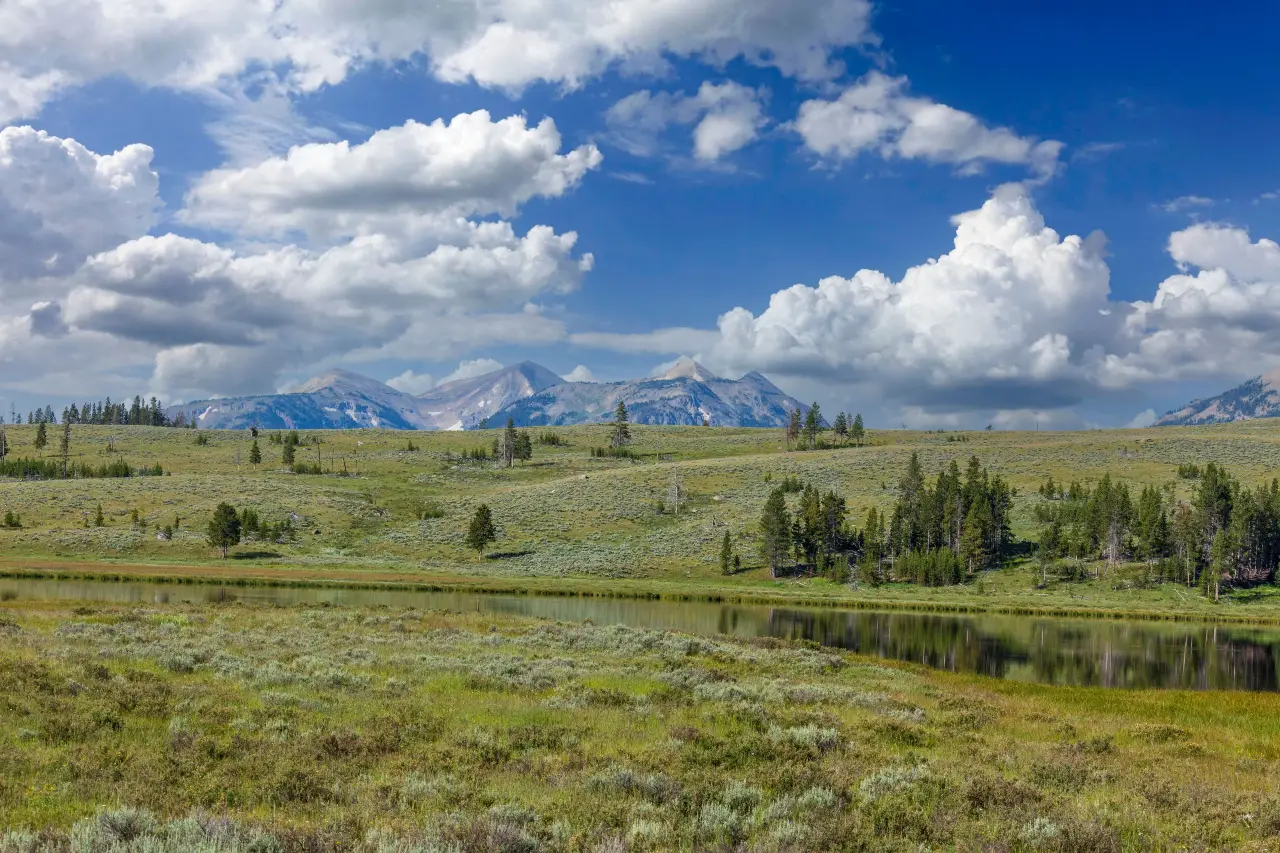
Wyoming appeals to RV owners who enjoy mountains, open landscapes, and outdoor recreation. It also has no individual state income tax.
The state provides access to famous destinations such as Yellowstone and Grand Teton National Parks. During the warmer months, RVers can explore scenic areas and spend time near forests, lakes, and small towns.
However, living in Wyoming throughout the year can be difficult in an RV. Winter temperatures are often severe, and strong winds can create problems for travel trailers and motorhomes.
Some rural areas also have limited medical services and long distances between repair shops or larger stores. That matters if you depend on regular healthcare or need quick access to supplies.
Wyoming may be a good choice if you already have strong ties there. Before committing, check local residence rules and make a realistic winter camping plan.
9. Washington Offers Cooler Summers and Northwest Scenery
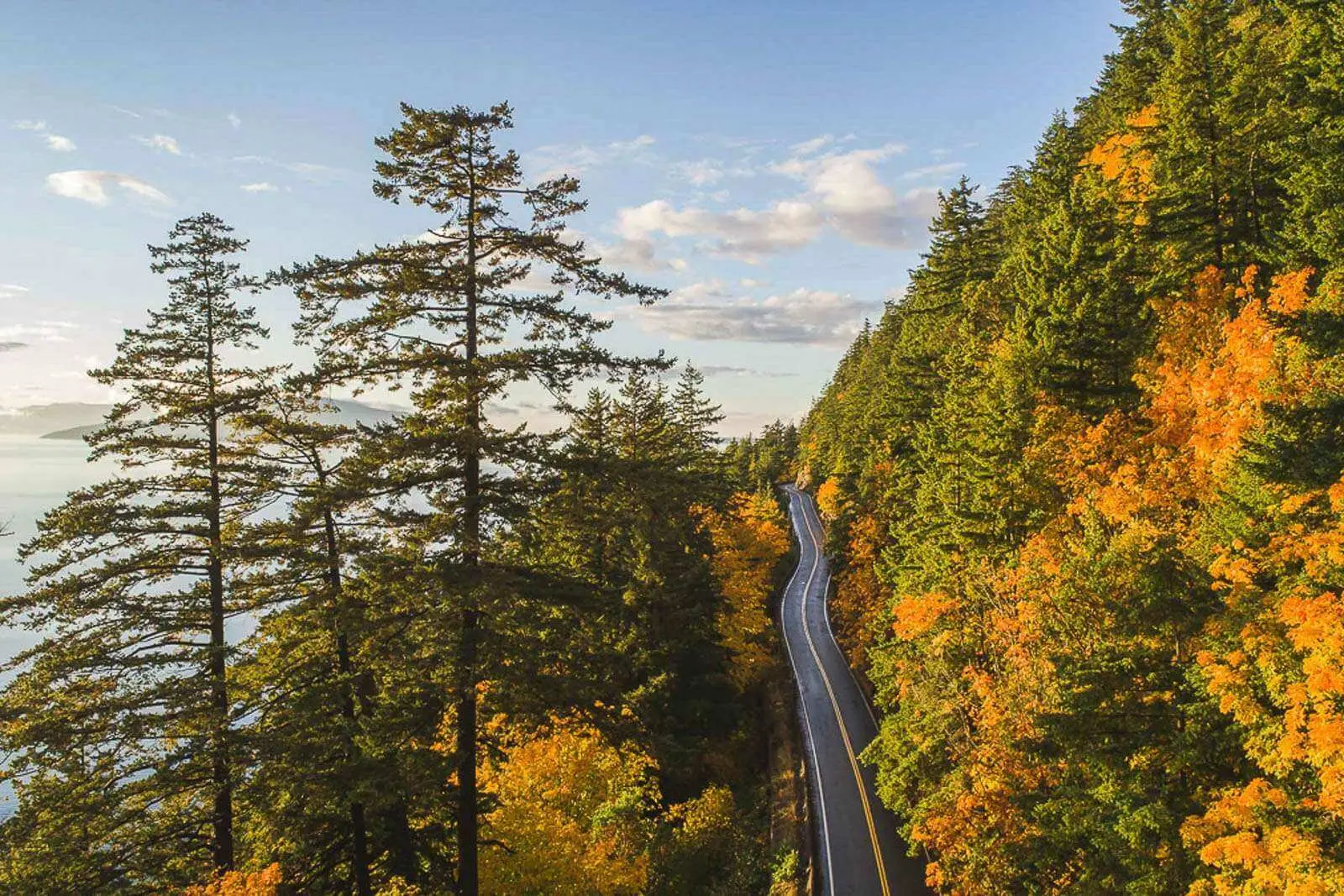
Washington can be a good seasonal base for RVers who want relief from summer heat. Western Washington offers coastal areas and forests, while eastern Washington has a drier climate.
The Cascade Mountains, Olympic Peninsula, and Puget Sound region provide many outdoor activities. You can choose between mountain recreation, waterfront camping, and visits to established towns.
Washington also has evidence of people living in alternative mobile housing. A secondary analysis of 2024 Census estimates reported about 12,076 occupied homes in the combined boat, RV, and van category.
However, Washington is not a simple tax-free choice for every resident. The state taxes certain capital gains, and housing costs can be high in western communities.
Wet weather can also create problems for RV owners during cooler months. If Washington interests you, compare summer campground rates and check whether long stays are permitted at your preferred park.
10. Oregon Gives RVers Coastal Camping and Mild Summers
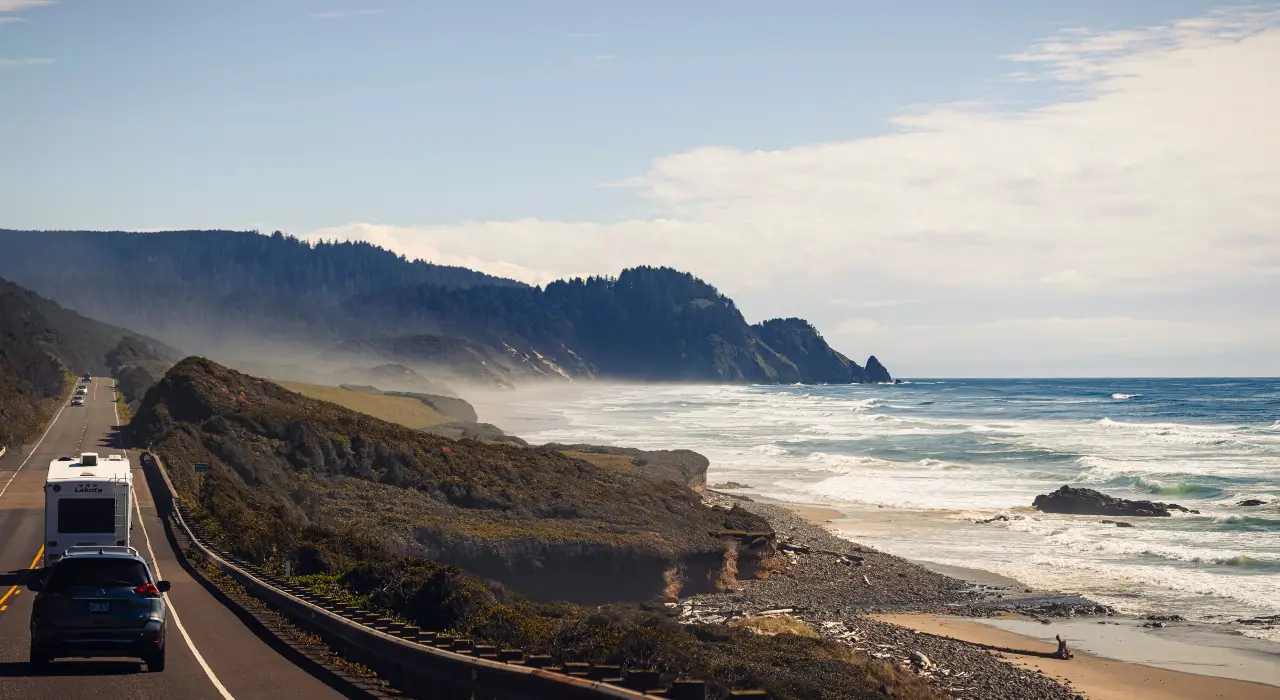
Oregon is attractive if you enjoy cool coastal air, forests, and scenic drives. The Oregon Coast has many destinations where RV travelers can visit beaches, small towns, and nearby hiking areas.
Summer conditions are often more comfortable than those in the hottest southern states. That makes Oregon useful for people who prefer spending warmer months outdoors.
However, popular coastal campgrounds can fill up during the summer travel season. State parks and private resorts may require advance reservations, especially around weekends and holidays.
Oregon also has an individual income tax, which matters if you are considering legal residency rather than a temporary visit. Wet winters can make camping less pleasant in some regions.
A practical approach is to compare inland and coastal campgrounds. Check monthly rates, reservation windows, and seasonal opening dates before choosing Oregon as your regular summer base.
11. North Carolina Offers Both Mountain and Coastal RV Living
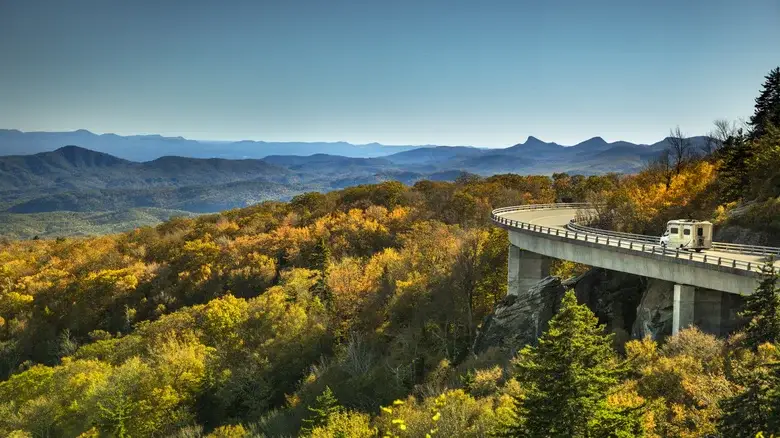
North Carolina gives RV travelers two very different landscapes. Western areas offer mountain views and cooler elevations, while eastern areas provide beaches and coastal communities.
The Blue Ridge region attracts people who enjoy scenic drives, hiking, and wooded campgrounds. Coastal destinations appeal to travelers who prefer beaches and milder weather outside the hottest months.
This variety can be useful when choosing where to spend different parts of the year. However, weather conditions and costs differ greatly between the mountains and the coast.
Coastal areas face hurricane and flooding risks. Mountain campgrounds may also have seasonal closures or restrictions during cold weather.
If you are considering North Carolina, compare at least two regions before making a decision. Look at monthly campground rates, medical services, and whether your preferred site allows extended residential stays.
12. South Carolina Has Coastal RV Parks and Mild Shoulder Seasons
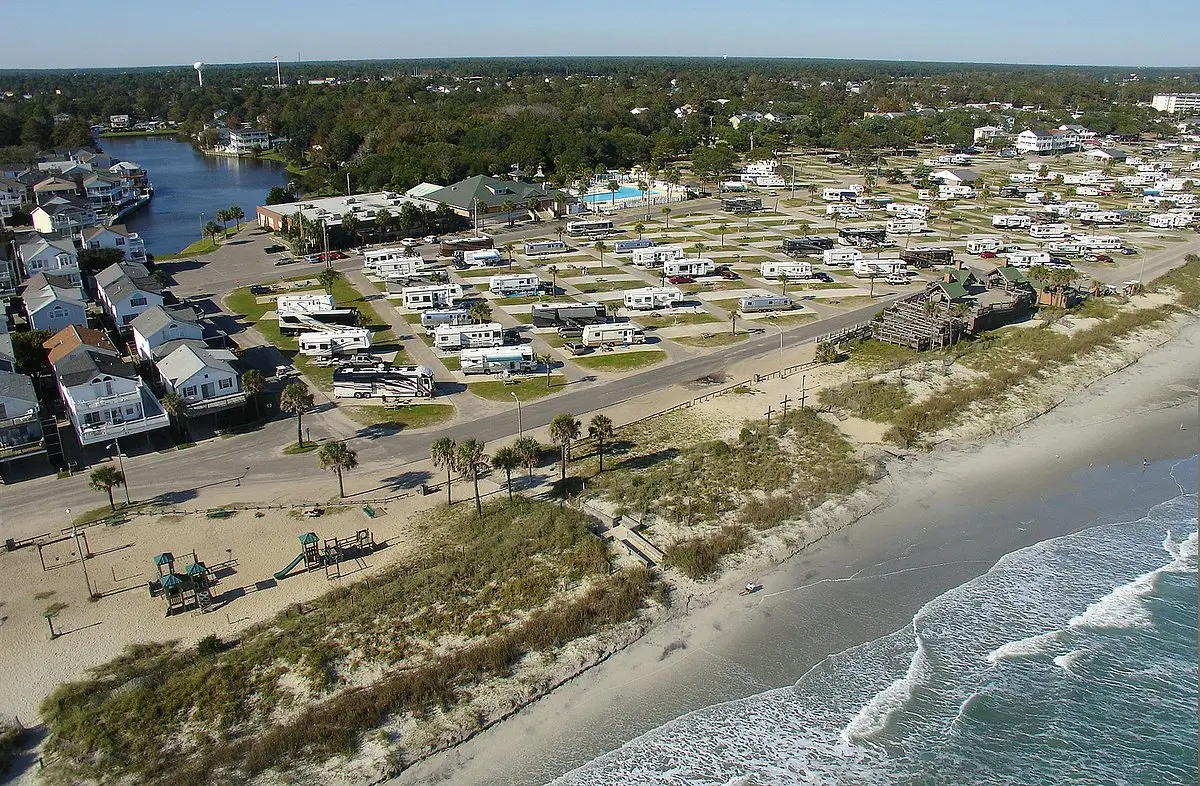
South Carolina attracts RV travelers who enjoy coastal destinations and smaller southern communities. Myrtle Beach is a familiar RV destination, with resorts and campgrounds serving vacationers and seasonal visitors.
The state’s coastal areas can offer pleasant weather during spring and fall. Inland locations may provide different options for travelers who want to avoid the busiest beach communities.
However, campground prices can rise during popular vacation periods. Coastal locations also face tropical storms, flooding, and hurricane risks.
Not every RV resort accepts full-time residents. Some parks limit the length of stays or operate under rules meant for vacation camping.
Before choosing South Carolina, ask campground managers about monthly rates, electricity charges, and maximum stay limits. You should also check local flood risks and verify the state’s requirements for vehicle registration and legal residency.
13. Georgia Offers Southern Travel Routes and Mountain Camping
Georgia can work for RVers who want to travel across the Southeast while staying close to major highways and established communities.
Northern Georgia offers mountains, lakes, and wooded campgrounds. Other parts of the state provide access to larger cities, medical centers, and important travel routes.
The state has a variety of public and private camping options, but availability depends on the season and location. Campgrounds near popular attractions may fill during holidays and weekends.
Georgia summers can be hot and humid. State income taxes and vehicle-related charges also need to be considered if you plan to establish residency.
A useful first step is to compare northern Georgia with smaller inland communities. Ask whether parks permit monthly stays and whether the site is approved for residential use.
14. Alabama Offers Gulf Coast Winters and Inland Alternatives
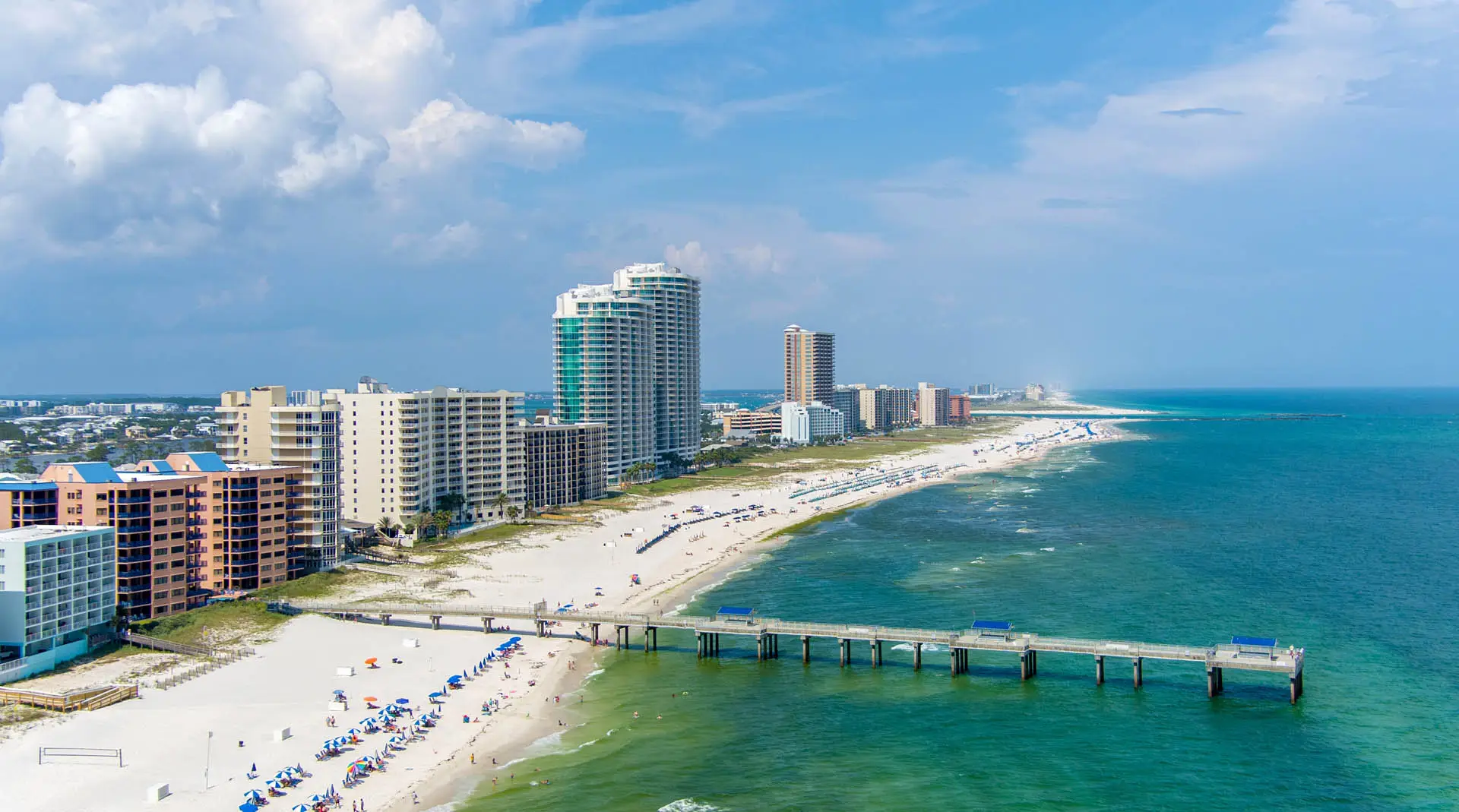
Alabama may appeal to RVers who want to spend winter near the Gulf Coast. Gulf Shores and Orange Beach attract travelers seeking coastal recreation and seasonal camping.
The state also offers lakes, forests, and smaller inland communities. These locations give RV owners alternatives to the busiest beach destinations.
Some travelers may find inland parks better suited to their budgets, but that depends on actual rates and available facilities. It is worth comparing several locations rather than assuming one part of Alabama is always cheaper.
The state’s biggest coastal concern is severe weather. Tropical storms and hurricanes can disrupt travel plans, while summer humidity can make RV living uncomfortable.
Before choosing Alabama, ask about monthly campground prices and storm policies. Check whether your insurance covers the risks associated with the location you choose.
15. New Mexico Gives RVers Desert Access and Different Climate Choices
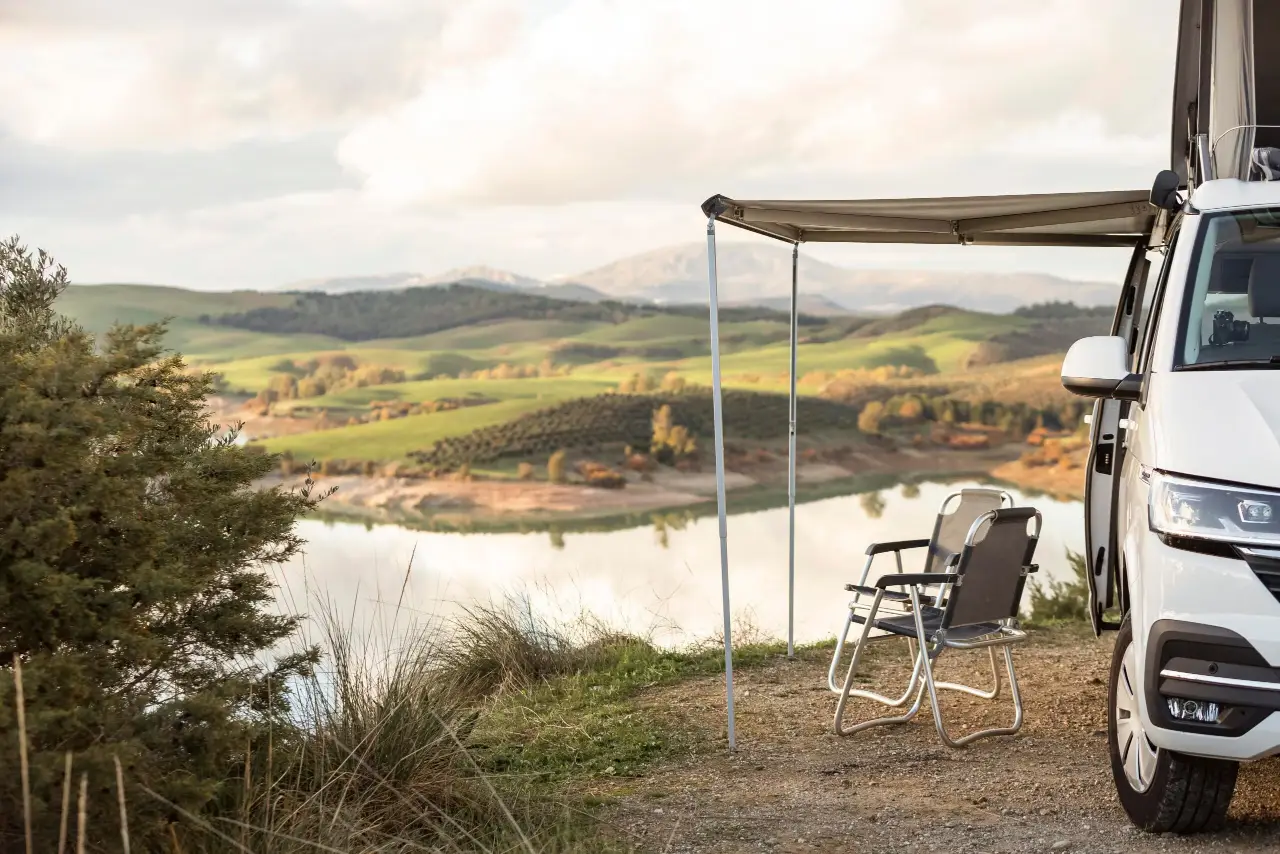
New Mexico attracts travelers who enjoy desert scenery, open landscapes, and outdoor recreation. Places around Las Cruces and Albuquerque provide access to different climates and services.
Elevation makes a major difference here. Lower desert areas can have hot summers, while higher locations may experience cooler temperatures and snowy winters.
The state also has public lands where recreational camping may be allowed. However, those areas have stay limits and other restrictions, so they should not be treated as permanent residential sites.
Some rural destinations are far from hospitals, grocery stores, and RV repair shops. That can become inconvenient if you plan to stay for several weeks.
If New Mexico appeals to you, compare locations by elevation and season. Check campground rules, water availability, medical access, and the cost of a private site when public land camping is unsuitable.
16. Colorado Provides Cooler Mountain Summers for RVers
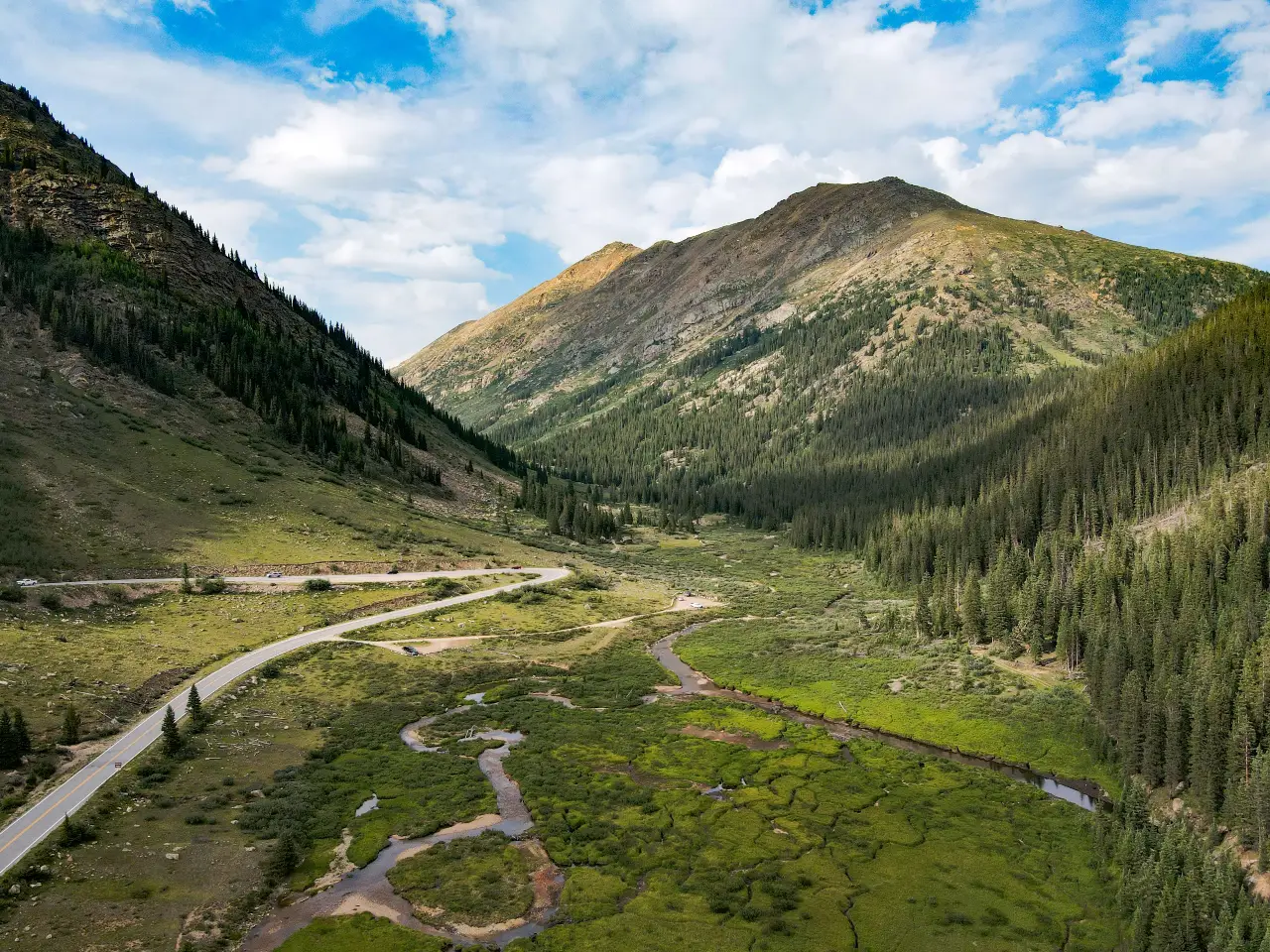
Colorado can be a useful summer destination when other parts of the country become too hot. Mountain towns, forests, and lakes attract RV travelers who enjoy hiking and outdoor recreation.
Higher elevations often offer cooler summer temperatures. This can make camping more comfortable for people who want to avoid intense heat.
However, mountain camping comes with practical limits. Some roads have steep grades, sharp turns, or vehicle length restrictions. Popular destinations can also have expensive campsites and limited availability.
Winter conditions are another challenge. Many mountain campgrounds operate seasonally, and freezing temperatures can affect RV plumbing and water systems.
Colorado is worth considering as a summer base if you enjoy mountain travel. Check road restrictions, campground opening dates, and RV size limits before booking a long stay.
17. Utah Offers Red Rock Camping and National Park Access
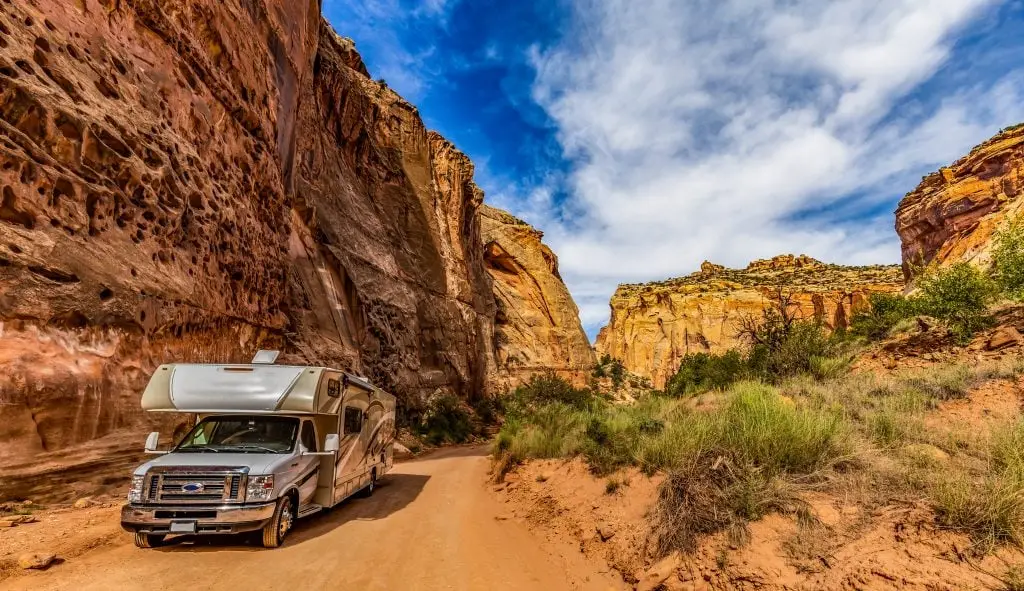
Utah is attractive to RV travelers who enjoy desert scenery, hiking, and national parks. Moab and St. George are familiar destinations, with access to dramatic landscapes and outdoor activities.
Spring and fall can be especially useful travel seasons in southern Utah. Temperatures are often more comfortable than during the hottest summer months.
However, popular destinations can become crowded. Campsites near major parks may require advance reservations, and some public camping areas have strict stay limits.
Summer heat can also be intense in lower desert regions. Campgrounds at higher elevations may have very different weather and seasonal opening dates.
If Utah is on your list, compare private RV parks with public campgrounds. Check reservation requirements, vehicle size limits, and access to water and dump stations before planning an extended stay.
18. Idaho Offers Lakes and Mountain Camping During Summer
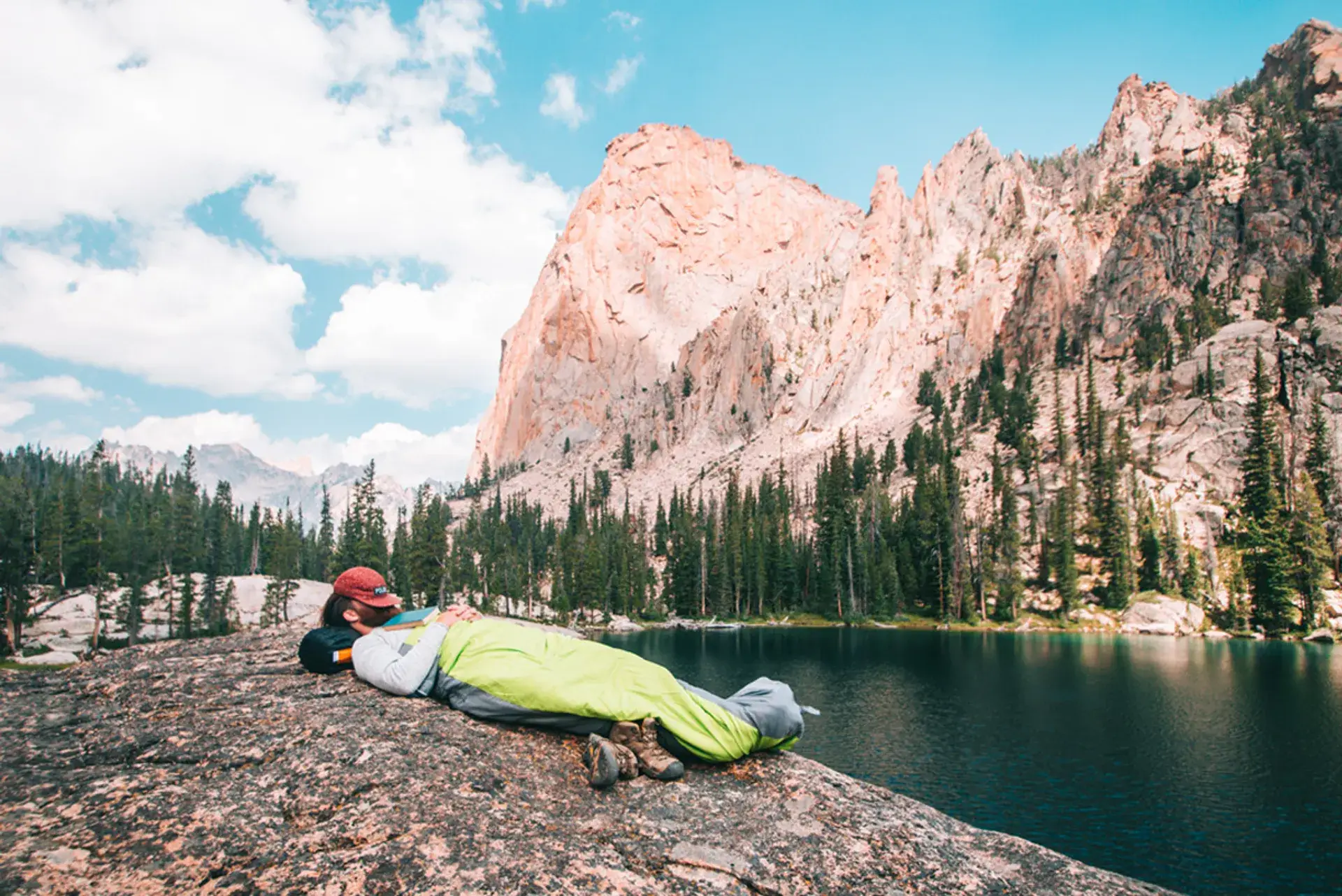
Idaho can appeal to RV owners who enjoy lakes, forests, and mountain scenery. Northern Idaho is known for its lakes, while areas around Boise provide access to stores, medical services, and major roads.
Summer camping can be a major advantage. Many outdoor destinations offer pleasant conditions for fishing, hiking, and spending time near the water.
However, Idaho’s winters can be harsh, especially at higher elevations. Some RV parks close during colder months, making year-round camping more difficult.
Long stays may also be restricted by campground policies or local rules. A park that accepts vacationers may not allow permanent RV residence.
Before choosing Idaho, check whether your preferred location stays open throughout the year. Compare nearby healthcare options and ask campground owners about monthly or seasonal contracts.
19. Montana Offers Scenic Summer Travel and Open Landscapes
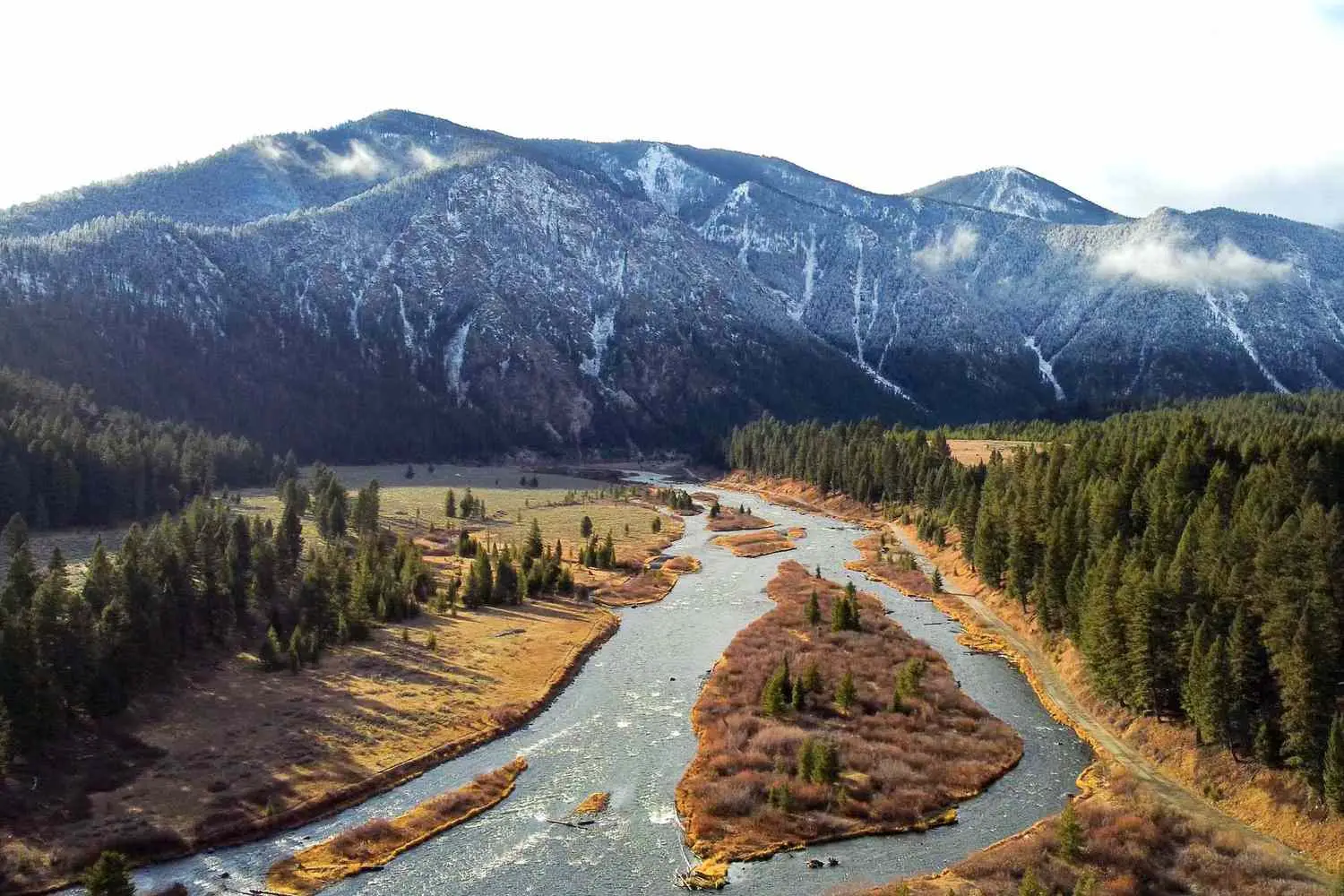
Montana is a strong seasonal choice for RVers who prefer mountain scenery and quieter surroundings. Areas near Glacier National Park attract travelers who want hiking, lakes, and scenic drives.
Summer is often the easiest time to explore the state by RV. Many campgrounds and recreational areas operate during the warmer months.
However, Montana’s long winters make year-round RV living challenging. Cold temperatures can freeze water lines, while snow and ice may limit access to certain roads.
Distance is another important factor. Some attractive camping locations are far from larger hospitals, grocery stores, or RV repair services.
Montana may work well as a summer base, especially if you enjoy rural travel. Before booking a long stay, check campground seasons, nearby services, and whether your RV can safely travel the roads leading to your destination.
20. Missouri Offers a Central Base for Traveling Across America
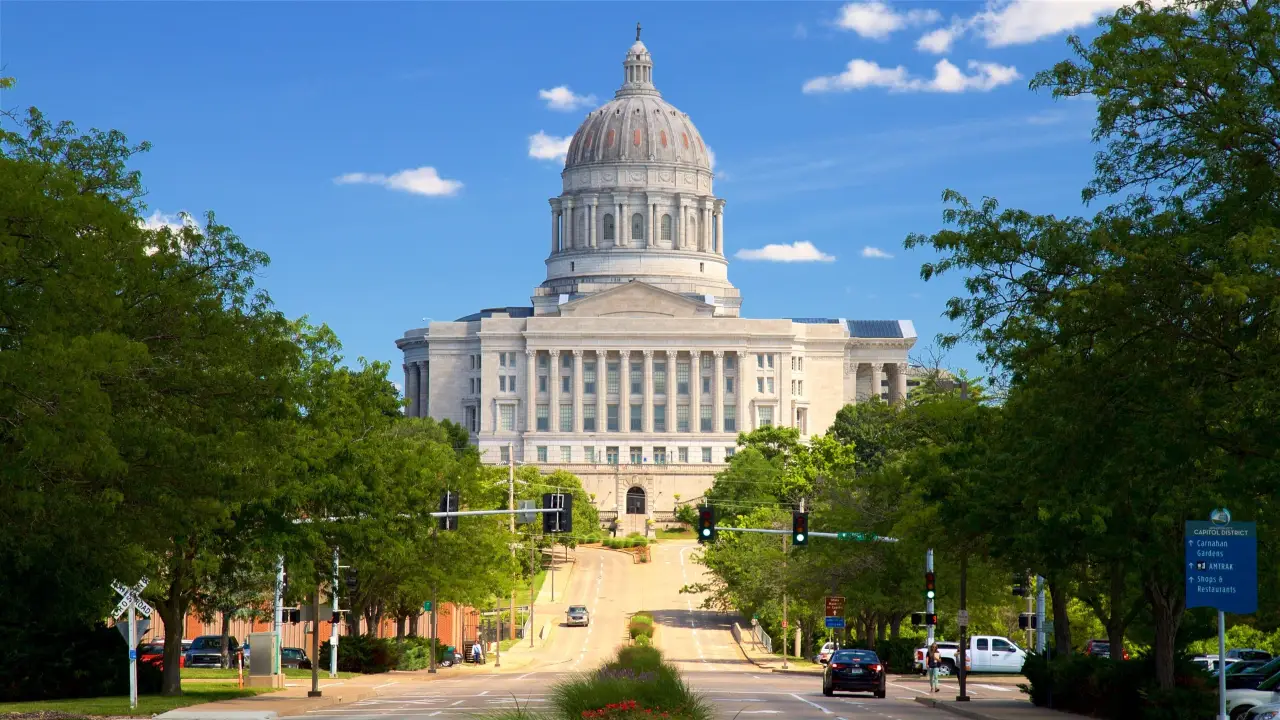
Missouri can be useful if you want a central location for trips across several regions. Its interstate highways connect travelers with destinations throughout the Midwest and South.
The Ozarks offer lakes, wooded areas, and outdoor recreation. Branson and surrounding communities also have RV parks serving vacationers and seasonal guests.
Missouri may interest travelers who prefer smaller towns instead of crowded resort destinations. However, you should compare actual monthly rates before assuming that a particular park is affordable.
Summers can be hot and humid, while severe thunderstorms and tornadoes are important safety concerns in some areas.
If Missouri is on your shortlist, look for campgrounds with the services you use most. Confirm whether the park operates throughout the year and provides a safe place to shelter during severe weather.
21. Oklahoma Makes Travel Between Regions Convenient
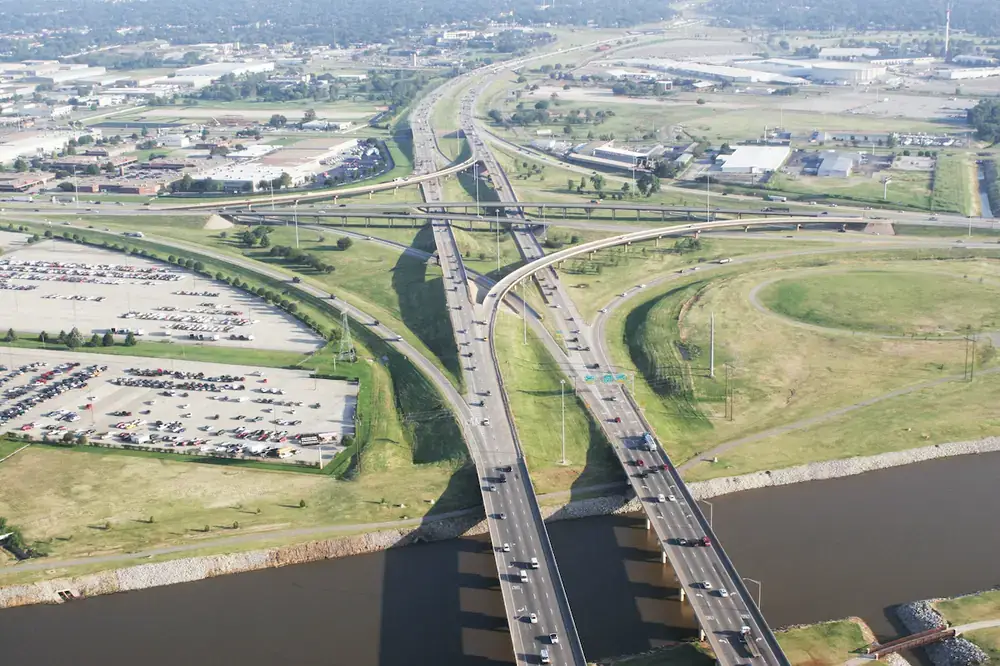
Oklahoma’s central location can appeal to RVers who travel between Texas, the Midwest, and western states. Major highways make it possible to reach several regions without always starting from the country’s edge.
The state has RV parks in and around larger cities as well as smaller communities. Some may offer monthly stays, but prices and availability need to be checked directly.
Weather is the biggest concern. Oklahoma experiences severe thunderstorms and tornadoes, particularly during certain parts of the year.
That matters because an RV provides little protection during a tornado. Travelers need to know where they can reach a sturdy shelter before storms arrive.
Oklahoma may be practical for people who value central travel access. Before booking an extended stay, ask about storm shelters, monthly site fees, and local rules for residential RV use.
22. Arkansas Offers Lakes, Forests, and Smaller Communities
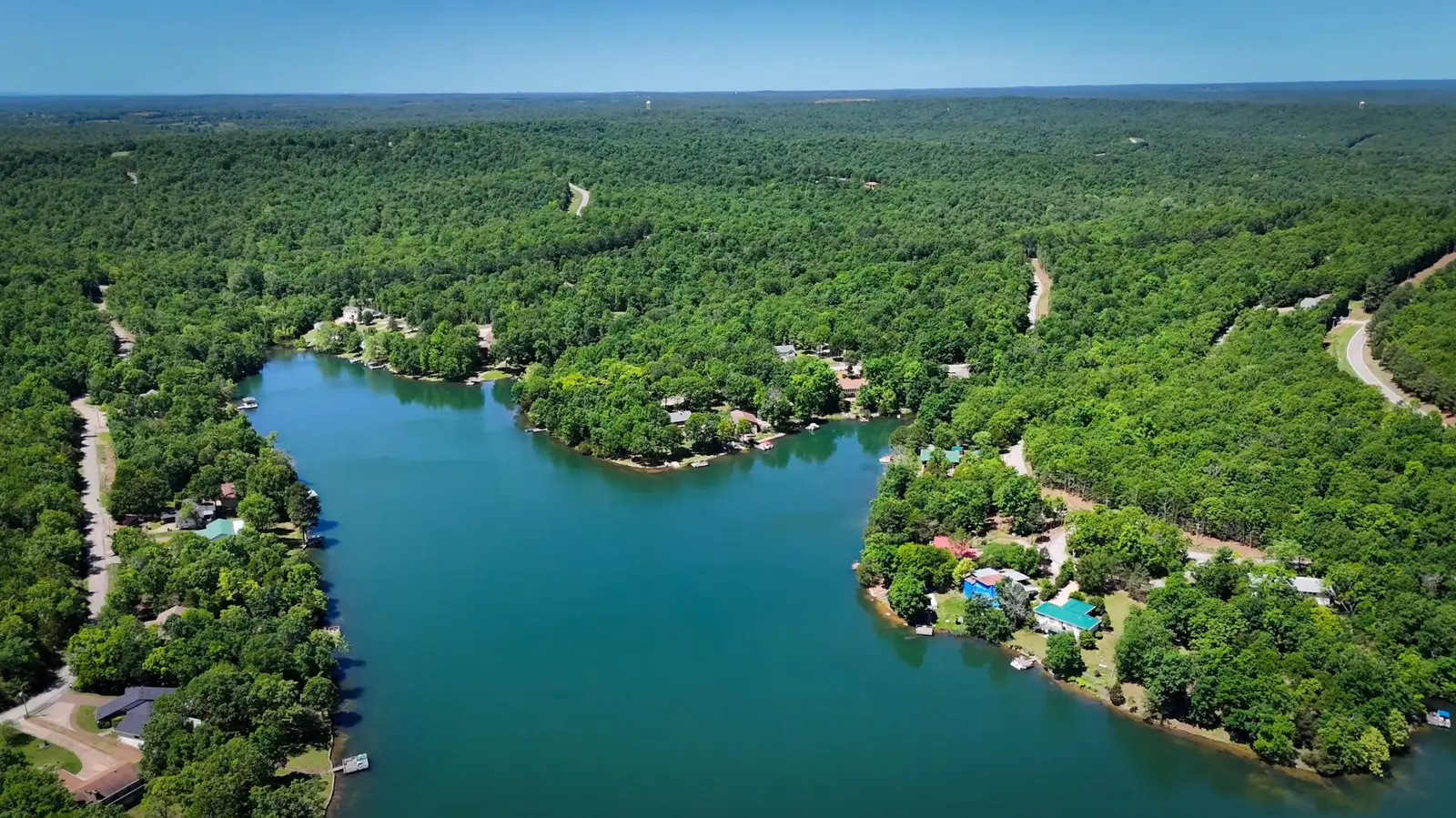
Arkansas is worth considering if you prefer wooded landscapes, lakes, and smaller towns. Areas around Hot Springs and the Ozark and Ouachita regions attract travelers interested in outdoor recreation.
The state has a mixture of private campgrounds, state parks, and recreational destinations. This gives RV owners several choices when planning shorter trips or seasonal stays.
However, a campground that welcomes visitors may not allow someone to live there permanently. Local rules can also limit RV occupancy on private land.
Arkansas summers are often hot and humid, and severe weather remains a concern. Medical facilities may be farther away in some rural areas.
If you want an Arkansas home base, compare private RV parks and local communities. Ask about monthly rates, electricity charges, and whether year-round occupancy is legally allowed.
23. Michigan Offers Beautiful Great Lakes Summer Camping
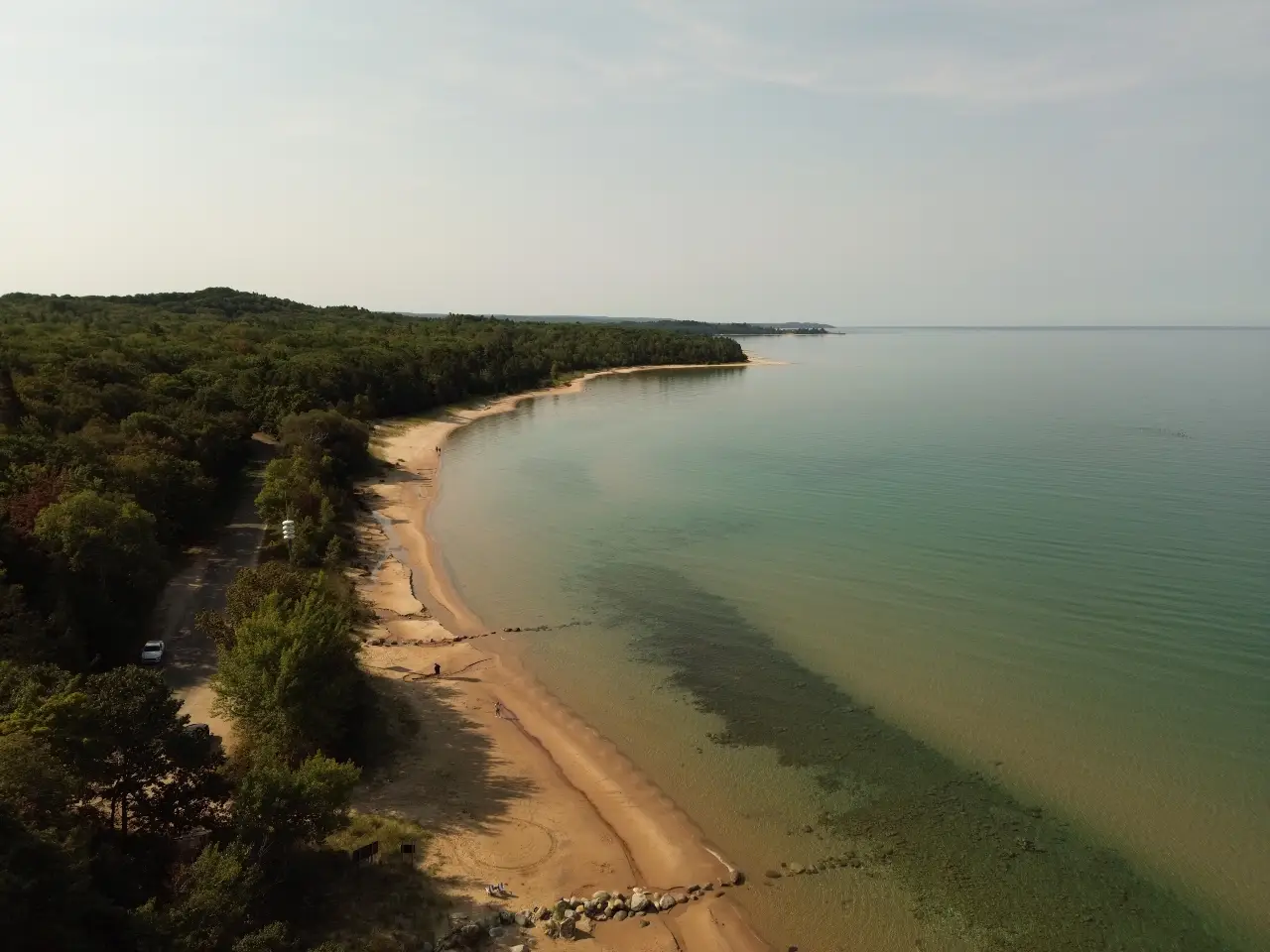
Michigan is attractive for RV owners who want lakefront scenery and outdoor recreation during summer. The Great Lakes, inland lakes, and wooded campgrounds provide many places to visit.
The Upper Peninsula is especially appealing to travelers who enjoy forests, waterfalls, and cooler summer weather. Other parts of the state offer access to beaches, small towns, and established services.
However, Michigan is much harder to use as a year-round RV base without winter preparation. Freezing temperatures, snow, and ice can create problems for plumbing, heating, and travel.
Many campgrounds also operate seasonally. A site available in July may close before winter begins.
Michigan works well for travelers planning a summer base. Check campground opening dates, seasonal contracts, and winter storage options before making it part of your annual travel schedule.
How Do Texas, Florida, and South Dakota Compare for RV Domicile?
Texas, Florida, and South Dakota have established services for full-time RV travelers. All three also lack an individual state income tax, which helps explain why they are often considered.
But they do not offer exactly the same experience. Your insurance costs, healthcare options, travel plans, and personal connections may make one state more suitable than another.
| Factor | Texas | Florida | South Dakota |
|---|---|---|---|
| Individual state income tax | None | None | None |
| Established RV mail services | Yes | Yes | Yes |
| Winter weather | Varies by region | Generally mild | Very cold |
| Main concern | Insurance and vehicle costs | Storms and insurance | Voting and residency rules |
| Main advantage | Established RV services | Warm winters | Traveler licensing process |
| Important check | County requirements | Insurance and healthcare | Licensing and voting documents |
Texas may suit someone who regularly returns to the state for medical care, family visits, or other personal reasons. Florida may fit a traveler who spends much of the winter there and wants access to established RV communities.
South Dakota has a specific process for qualifying full-time travelers, but its 2026 election rules deserve attention. A mailbox address alone may not establish eligibility to vote in state and local elections.
There is another important point. You do not have to choose one of these three states simply because other RVers use them. Your current home state may still be the better choice if you have strong ties, reliable healthcare, and manageable costs there.
Before making a change, request insurance quotes in each state. Compare vehicle fees, medical coverage, and the cost of returning for appointments or required paperwork.
What Hidden Costs Can Make an RV Home State Expensive?
A state with no income tax may sound like an easy way to save money. But taxes are just one part of the cost of full-time RV living.
Insurance can make a major difference. A policy designed for occasional camping may not provide the coverage you need when your RV is your main home. You should tell the insurer how you use the vehicle and ask about full-time coverage.
Registration fees, title costs, and applicable vehicle taxes can also affect your budget. These charges vary by state and sometimes depend on the value, weight, or type of vehicle you own.
Mail forwarding is another expense. You may pay for mailbox service, scanning, package handling, and shipping. Healthcare costs also matter, especially if your insurance plan has limited coverage outside its home network.
Campground fees often create the largest regular expense. A site that looks affordable for a week may have a different monthly rate, plus separate electricity charges.
What Could a Basic RV Home Base Cost Each Year?
The following example uses hypothetical expenses. These numbers are for planning only and are not verified national averages.
| Expense | Monthly cost | Annual cost |
|---|---|---|
| RV site | $750 | $9,000 |
| Electricity | $90 | $1,080 |
| Mail forwarding | $25 | $300 |
| Internet | $100 | $1,200 |
| Total | $965 | $11,580 |
This example leaves out fuel, food, insurance, repairs, taxes, and healthcare. Your real expenses could be much higher or lower depending on where you stay.
To make a useful comparison, request actual prices from campgrounds and insurers. Add every yearly expense before deciding which state offers the best value.
How Can You Establish Legal Domicile While Living in an RV?
You can live in an RV without owning a traditional house. However, you still need to establish a legal home state that matches your real circumstances.
A mailing address alone does not automatically establish domicile. States may consider where you regularly return, your personal ties, your official records, and your intent to make a place your home.
These six steps can help you prepare.
1. Choose a State That Fits Your Actual Life
Start with the state where you have the strongest personal connections. That might be where your family lives, where you visit doctors, or where you return between trips.
If you plan to change states, think about whether you can genuinely make the new state your legal home. Choosing a mailbox because it offers tax savings may not be enough.
2. Check Address and Mail Requirements
Find out what documents your chosen state accepts as proof of residence. Some full-time travelers use commercial mail forwarding services, but the rules differ.
Commercial mailbox providers may also require identity documents and USPS Form 1583. Ask exactly what address documents the provider can supply before signing up.
3. Update Your Driver’s License and Vehicle Records
Once you have properly established residency, follow the state’s rules for obtaining a driver’s license and registering your RV.
Check deadlines and required documents carefully. You may need identification, proof of insurance, registration papers, or other records.
4. Review Your Insurance and Healthcare Coverage
Tell your RV insurer that you live in the vehicle full time. Ask whether the policy covers personal belongings, liability, and the way you use the RV.
Your medical coverage needs similar attention. If you use a Marketplace health plan and move to a different state, you generally need to apply for a new plan in that state. Medicare and other insurance arrangements have different rules, so check your specific coverage.
5. Check Your Voting and Tax Obligations
Review the voting rules in your new state before registering. South Dakota is particularly important in 2026 because its rules distinguish some mailbox users from voters who meet the full state residency requirements.
You should also check whether your former state may still consider you a resident for tax purposes. A new driver’s license does not automatically settle every tax question.
6. Keep Records That Support Your Move
Save important documents showing your legal ties to the state. These may include your license, vehicle registration, insurance records, residence documents, and other relevant paperwork.
Keep your information consistent and accurate. If your circumstances are unusual, a qualified attorney or tax professional can help you review the rules before you make an expensive change.
Which RV Home Base Is Best for Your Lifestyle?
Which state solves your biggest problem? That is a better question than asking which state every other RVer prefers.
If you need an established domicile service, Texas, Florida, and South Dakota are useful places to start. If you want warm desert winters, Arizona, Nevada, and New Mexico may be more appealing.
Your preferred travel season also matters. Michigan, Idaho, and Montana offer summer destinations, while Colorado and Utah appeal to travelers who enjoy mountain and desert recreation.
Use this table to narrow your choices.
| Your main priority | States to compare |
|---|---|
| Established RV domicile services | Texas, Florida, South Dakota |
| Warm desert winters | Arizona, Nevada, New Mexico |
| Cooler summer camping | Michigan, Idaho, Montana |
| Southern travel routes | Georgia, Alabama, Tennessee |
| Mountain recreation | Colorado, Utah, Wyoming |
| Pacific Northwest summers | Oregon, Washington |
| Central travel access | Missouri, Oklahoma, Arkansas |
These suggestions reflect geography and practical travel needs. They do not rank states by the number of full-time RV residents.
Start by choosing three states that match your needs. Then compare their official residency rules, insurance costs, healthcare options, campground fees, and seasonal weather.
You may discover that one state works best for legal residency while another is where you want to spend most of the year. Those choices can differ, as long as you handle your legal domicile and other obligations correctly.
Final Thoughts on Choosing Your RV Home Base
Finding a good RV home base takes more than choosing a state with pleasant weather or low taxes. You need a place that fits your insurance, healthcare, travel habits, and legal responsibilities. Small details like vehicle registration and mail service can make a big difference over time.
Texas, Florida, and South Dakota remain established domicile choices for full-time travelers. Other states, including Arizona, Michigan, and Colorado, offer valuable seasonal living options. The best states for full-time RV living depend on your needs, not a single national ranking.
Before changing your residence, shortlist three states and compare the real expenses. Check their official rules and ask for written insurance quotes. A little preparation now can help you avoid costly problems later.