

Your bedroom may have a narrow path beside the bed, a lamp you cannot reach, or a bathroom down the hall. Those small frustrations deserve a second look when you plan for recovery after a medical emergency away from home.
Consider a U.S. road trip that takes you 400 miles from your own bed. If you need hospital care, your planning list could grow to include extra nights nearby, a safe ride home, and help once you arrive.
How much should you set aside? Start with your coverage and the care you need. The distance alone does not give you a reliable total.
This guide walks you through 11 checks, from hospital bills to recovery at home. It uses 2026 Medicare amounts where a fixed figure applies. Other costs need a quote for your location and needs.
1. Check Your Medicare Travel Coverage Before a Trip

Knowing which coverage you have gives you a useful starting point for estimating costs.
With Original Medicare, you can use doctors and hospitals that take Medicare across the United States. That access is described in the official Medicare & You 2026 handbook.
Medicare Advantage needs a closer look. For example, an HMO generally requires providers in its network, with exceptions that include emergency care and urgent care outside your area. Later appointments may follow different rules. Medicare’s HMO guidance explains those limits.
Before leaving, save your plan’s member services number. Check the emergency care section of your 2026 Evidence of Coverage.
Ask what happens if you need another appointment before you can return home. Record the answer and any call reference number.
This article focuses on domestic travel. If your route crosses a border, check separate coverage rules. Medicare says it usually does not cover care outside the United States, with limited exceptions.
2. Learn Which Medical Emergency Ambulance Rides Are Covered

A covered ambulance ride depends on your medical needs and the destination.
Medicare Part B covers ground ambulance transport when another vehicle could endanger your health and the trip meets its rules. Coverage generally extends to the nearest appropriate facility that can provide the care you need.
Under Original Medicare, you pay 20% of the Medicare approved amount after meeting the Part B deductible. Other insurance may reduce your share. Medicare’s ambulance coverage page explains these terms.
That percentage uses the amount Medicare approves. It is not automatically 20% of whatever appears on the first bill.
Once the emergency has passed, keep the ambulance bill with your other claim records. Check the pickup point, destination, and date.
A separate trip back to your hometown needs its own coverage check. Do not treat approval for the emergency ride as approval for every later trip.
During an active emergency, call 911. Save billing questions for after help is on the way.
3. Separate Hospital Bills From Doctor Charges
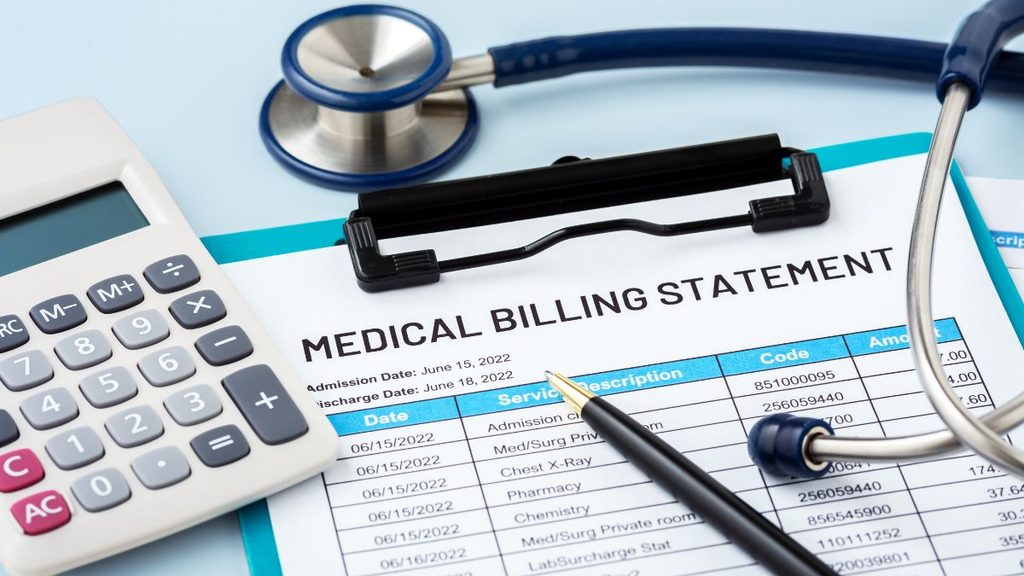
Your emergency room visit can involve more than one payment.
Under Original Medicare, you may owe a copayment for the emergency department visit and for hospital services. Doctor services generally carry a separate 20% share of the Medicare approved amount after the Part B deductible.
There is an important exception. If you enter the same hospital as an inpatient for a related condition within three days, Medicare treats the emergency visit as part of that stay for these hospital copayments. Medicare’s emergency department guide explains the rule.
When paperwork arrives, organize it by provider. Keep hospital charges separate from doctor and ambulance charges.
For each bill, record:
- The date of care.
- The provider’s name.
- What insurance paid.
- The amount listed as your responsibility.
If a charge seems repeated, ask the billing office to explain it before paying that item. Give the office the exact date and service in question so staff can check the right claim.
4. Check the Deductible on Inpatient Hospital Bills

A hospital deductible is one part of your cost estimate.
For 2026, the Original Medicare Part A inpatient hospital deductible is $1,736 per benefit period. It is not a single yearly deductible. CMS’s 2026 Medicare cost announcement confirms the amount.
A benefit period starts when you enter a hospital or skilled nursing facility as an inpatient. It ends after 60 days in a row without inpatient hospital care or skilled care in a skilled nursing facility. Medicare’s cost guide explains how this affects payments.
Before adding the full deductible to your budget, check whether you already met it for the current benefit period. Then check what your Medigap or other supplemental policy pays.
If you have Medicare Advantage, use your plan’s hospital payment terms.
Keep separate doctor charges on your checklist. A figure for the hospital stay does not tell you what every provider will charge or what your other coverage will pay.
5. Find Out How Observation Changes Hospital Bills

Ask this question while you are still in the hospital: Am I an inpatient or an outpatient?
Sleeping in a hospital bed does not settle the answer. You can stay overnight under observation and still be an outpatient. Inpatient status requires a formal admission order.
That difference affects hospital billing. It can also affect whether Medicare covers a later stay in a skilled nursing facility.
If you receive observation services for more than 24 hours, the hospital must give you a Medicare Outpatient Observation Notice, often called a MOON. Medicare’s hospital status guidance explains the notice.
Ask a staff member to walk you through it. Keep your copy with your discharge papers.
Before agreeing to a care plan after the hospital, ask the discharge planner to check how your status affects coverage. Write down the facility being proposed and the coverage decision.
If someone else is helping with your paperwork, share the notice with them too. They will need it when reviewing bills.
6. Budget for Extra Nights After a Medical Emergency

Track the cost of staying near the hospital separately from the cost of treatment.
Your list might include a room for your spouse, meals, parking, laundry, or rides between the hotel and hospital. Enter only costs that apply to your situation.
Before extending a hotel booking, ask about a patient or family rate. For a real example, Mayo Clinic’s Rochester lodging guide notes that many local hotels offer discounts to Mayo patients.
Ask your hospital whether it has a similar lodging list. A lower rate is not guaranteed.
Check three details before booking:
- The total price after taxes and fees.
- The cancellation terms if your discharge date changes.
- Whether transport to the hospital is included.
If you have travel insurance, ask whether these expenses qualify under your policy. Keep the receipts while the insurer reviews them.
Record refunds separately. That gives you a clearer view of what you actually spent when the trip is over.
7. Price the Trip Home After a Medical Emergency

Getting home needs a plan that fits your condition.
Start with the care team. Ask when you can travel, which type of transport is suitable, and whether you need someone with you. Use those answers when requesting quotes.
For planned transport, ask the provider to list the full charge in writing. Include the pickup point, destination, type of vehicle, staff support, and any extra fees.
Then ask your insurer what it will cover. Medicare’s ambulance rules focus on medically needed transport to an appropriate facility. Being far from home does not, by itself, establish coverage for the trip back.
Check the car, too. If you drove to your destination, decide who can bring it home and whether that creates another expense.
Keep approval records beside the transport quote. Compare the two before booking a planned service.
If the plan changes, request a revised price so your budget reflects the actual arrangement.
8. Check Medicare Travel Coverage for Prescriptions

Finding a pharmacy in your plan’s network can help you avoid paying more than necessary.
Medicare drug plans contract with pharmacies. Some also have preferred pharmacies that charge members less than other stores in the network.
Outside the network, you may have to pay the full price. If that happens, keep your receipt and ask the plan whether it will repay part of the cost. Medicare’s pharmacy guide explains these differences.
Before leaving the hospital, ask which nearby pharmacy can fill your discharge prescriptions. Have your insurance information ready.
Check that the store has the medicine and will be open when you arrive. If there is a price or supply problem, ask the pharmacist to contact the care team.
Do not change a prescribed dose to stretch your supply.
Put the pharmacy receipt in your expense record. Note whether you paid a plan copayment or paid the full amount while waiting for a claim decision.
9. Price Skilled Nursing After a Medical Emergency

A stay in a skilled nursing facility needs a separate coverage check.
Under Original Medicare, eligibility generally includes a qualifying inpatient hospital stay and a need for daily skilled care. Exceptions to the hospital stay rule can apply.
For covered care in 2026, the daily patient share is:
- Days 1 through 20: $0 after any applicable Part A deductible.
- Days 21 through 100: $217 a day.
- After day 100: All costs.
You do not pay the Part A deductible again if you already paid it during the same benefit period. Medicare Advantage can have different copayments, including during the first 20 days. Medicare’s skilled nursing guide provides the details.
These day limits do not guarantee that every day will qualify for coverage.
Ask the facility to explain your expected share and what happens if coverage ends. Check supplemental insurance, too.
Before choosing a facility near home, confirm both admission arrangements and the cost of getting there.
10. Budget for Help During Recovery at Home

List the help you need by task before you price it.
Covered home health services can include skilled nursing and therapy when Medicare’s conditions are met. But Medicare does not pay for round the clock home care, meal delivery, or household services unrelated to your care plan.
It also does not cover personal care alone when that is the only help you need. Medicare’s home health guide explains the limits.
Write down who will handle meals, laundry, bathing help, shopping, and appointments. Ask each person what they can realistically do.
For paid help, request the hourly rate and any minimum booking. Add the likely number of visits to your budget.
Check equipment before buying it yourself. Medicare Part B can cover certain medically needed equipment prescribed for home use, subject to its rules. Medicare’s equipment guide lists examples such as walkers and hospital beds.
Ask the supplier to confirm coverage and your share before delivery.
11. Prepare Your Bedroom for Recovery at Home

Start with changes that make the room easier to use.
The National Institute on Aging recommends keeping lights and a phone near the bed. It also advises removing throw rugs and keeping furniture and cords out of walking paths.
Ask someone to check these areas before you return:
- The route from the bedroom door to the bed.
- The path between the bed and bathroom.
- The light switch or lamp you can reach from bed.
- A reachable place for your phone.
Use an existing lamp if it works well in that spot. If you need automatic lighting, one example is the GE Light Sensing LED Night Light from Jasco, which turns on when the room gets dark.
Check placement and light levels in your own room. A product feature is not proof that it meets your recovery needs.
Ask your care team about bed access and any equipment before buying new furniture. Begin your budget with what you actually need to change.
Build Your Medical Emergency Cost Checklist Today
Your most useful cost estimate starts with your own plan, care needs, and travel arrangements.
Make one list for medical charges. Make another for lodging, transport, household help, and bedroom changes. Record what you paid, what insurance is reviewing, and what has been refunded.
Before your next trip, save your plan contacts and check how you would get help at home. If Medicare terms are unclear, your State Health Insurance Assistance Program can help you review coverage questions.