

Social media makes RV life look like one long vacation. You see beautiful mountain views, peaceful lakeside mornings, cozy camper interiors, and couples enjoying coffee outside their motorhomes. What those pictures rarely show is everything that happens before and after the camera comes out.
Behind those perfect travel moments are campground bills, unexpected repairs, limited privacy, and days spent dealing with problems instead of exploring. Even experienced RV travelers admit that living on the road comes with challenges that are difficult to explain in a short video.
According to the RV Industry Association’s 2025 owner study, about 8.1 million American households own an RV. But owning an RV for vacations is very different from living in one throughout the year.
The RV lifestyle can still be rewarding, and many people genuinely enjoy it. But if you are thinking about making an RV your permanent home, these 19 realities deserve just as much attention as the beautiful photographs.
1. Those Beautiful Campsites Are Not Always Easy to Find

Social media often shows an RV parked beside a peaceful lake or surrounded by mountains. What you rarely see is the time spent finding that location, checking road conditions, and making sure the vehicle can actually reach it. Some attractive camping spots also have restrictions that prevent overnight stays.
Popular campgrounds may require reservations well in advance, especially during busy travel periods. Larger RVs can have fewer suitable sites, while places with electric, water, and sewer connections may be harder to book at short notice.
Before choosing a destination, check the campground’s size limits, road access, facilities, and reservation rules. A beautiful photograph does not tell you whether the location is practical for your particular RV.
2. RV Living Can Cost Much More Than Social Media Suggests

Many RV influencers talk about saving money by giving up a traditional house. That is possible, but it depends heavily on where you stay, how often you travel, and whether your RV is financed. An expensive motorhome can create monthly costs that surprise new owners.
In August 2026, the full time RV couple behind Journey With The Gs reported spending $7,351.69. Their expenses included vehicle payments, repairs, campground fees, fuel, insurance, and everyday purchases. Their experience is one example, not the average cost of RV living.
Some travelers spend much less by staying in inexpensive locations and avoiding frequent moves. The smart approach is to prepare a complete budget before buying an RV, including money for emergencies and repairs.
3. Your Home Can Break Down in the Middle of a Trip

A breakdown is inconvenient when you drive an ordinary car, but it can become a much bigger problem when the vehicle is also your home. Engine trouble, tire damage, electrical failures, and problems with RV equipment can interrupt an entire trip.
Repairs may require specialized parts or technicians who understand your particular RV. Depending on the problem, you might need to change campgrounds, arrange transportation, or find temporary accommodation while the work is completed.
The same couple who shared their August 2026 budget reported spending $1,401.99 on repairs, maintenance, and registration that month. Keeping emergency savings and arranging suitable roadside assistance can make these situations easier to manage.
4. Emptying Waste Tanks Is Part of Everyday Life

Those cozy RV bathroom photos rarely show what happens when the waste tanks become full. Unlike most traditional homes, many RVs have holding tanks that need regular attention. Depending on your setup, you may have to empty them at a campground sewer connection or designated dump station.
Managing these systems involves more than simply connecting a hose. You need to monitor tank levels, use the equipment correctly, and keep everything clean. Poor maintenance can lead to unpleasant odors, clogs, or leaks.
Learning proper tank care before your first trip can prevent many problems. Still, dealing with wastewater is one of those everyday responsibilities that seldom appears in glamorous RV travel videos.
5. A Small Space Can Make Everyday Arguments Feel Bigger

A compact RV can look warm and inviting in carefully edited photographs. But living in that same space every day with another person can test your patience. There may be little room to be alone when someone is cooking, working, or watching television.
Small disagreements can feel harder to escape when you share a kitchen, bathroom, bedroom, and living space. Rainy weather can make things more difficult because everyone may spend most of the day indoors.
Couples can reduce tension by agreeing on quiet hours, dividing chores, and spending time on separate activities. Before committing to full time RV living, try sharing a small camper for several weeks rather than judging the experience from a weekend vacation.
6. Bad Weather Can Turn a Perfect Campsite Into a Problem
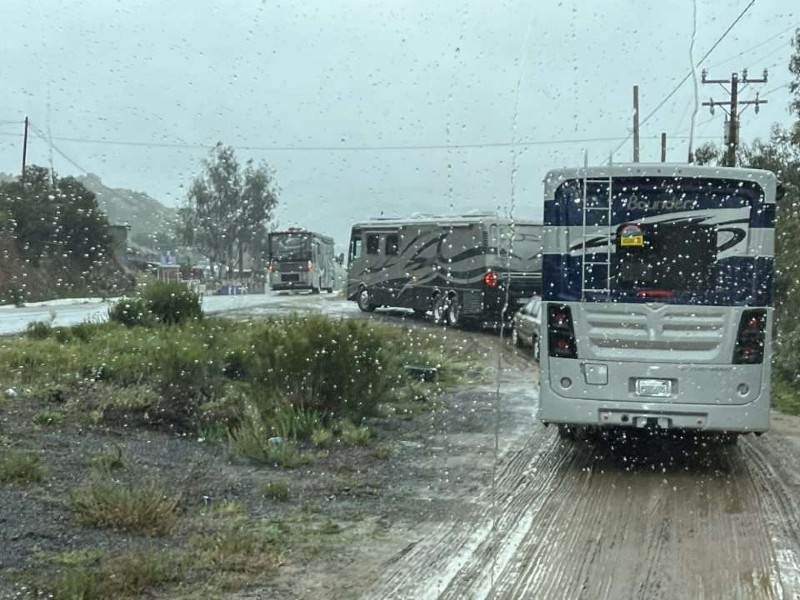
Sunny campsite photographs make outdoor living look easy. But thunderstorms, strong winds, freezing temperatures, and extreme heat can quickly change the experience. An RV offers less protection from severe weather than a well built permanent structure.
During dangerous storms, you may need to leave your RV and find suitable shelter. The National Weather Service advises people in mobile homes to seek a stronger building during tornado threats. RV travelers should take these warnings seriously.
Before arriving at a campground, find out where the nearest safe shelter is located. Keep weather alerts active and prepare an emergency plan. These precautions matter much more than getting the perfect photograph of your campsite.
7. Travel Days Can Be More Exhausting Than Enjoyable
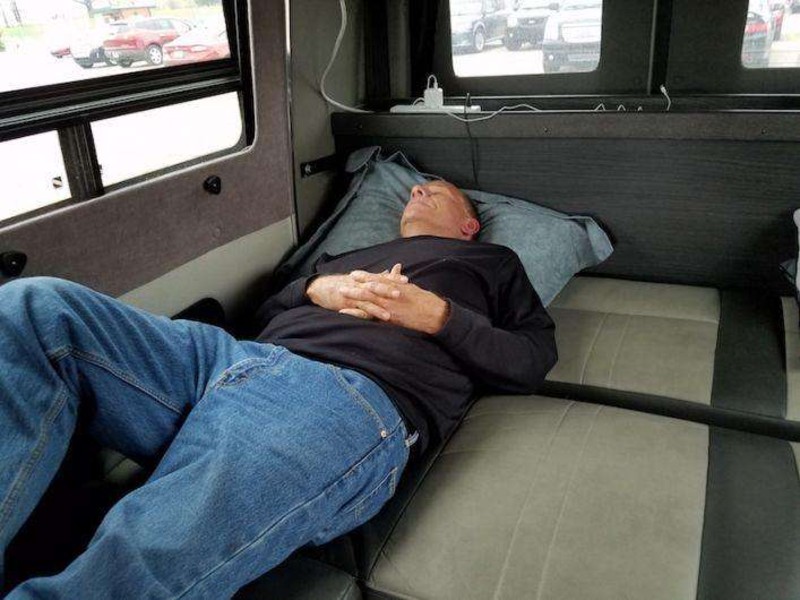
A short video showing an RV driving down a scenic highway can make traveling look relaxing. What it leaves out is the work involved in preparing a large vehicle for another day on the road.
Before leaving, you may need to secure your belongings, disconnect utilities, check the tires, inspect the hitch, and plan your route. After several hours of driving, you still have to park, level the RV, connect everything again, and prepare for the night.
Frequent travel can become tiring, especially when you are also working or caring for children. Many experienced travelers prefer staying longer in each location because it gives them more time to enjoy the places they visit.
8. Finding Reliable Internet Can Become a Daily Problem

Working beside a beautiful lake sounds wonderful until your internet connection disappears during an important meeting. Remote RV workers often depend on cellular service, campground WiFi, or satellite internet to stay connected.
The problem is that coverage varies from place to place. A campground may advertise WiFi, but that does not guarantee a connection strong enough for video calls or large uploads. Backup services can improve reliability, although they increase monthly expenses.
Journey With The Gs reported $389.62 in phone and internet expenses during August 2026, including cellular and satellite services. Before booking a remote location, check recent coverage reports and have a backup plan if your income depends on internet access.
9. Doing Laundry Can Take Up Half Your Day

You rarely see influencers filming the hours spent waiting for washing machines. Many smaller RVs do not have their own washer and dryer, which means laundry becomes another task that requires planning.
You may need to visit a campground laundry room or drive to a public laundromat. Machines can be occupied, and some facilities may be far from where you are parked. Washing bedding and large towels can be especially inconvenient when storage space is limited.
Checking laundry facilities before booking a long stay can make life easier. Some travelers choose RVs with laundry appliances, but these take up space and may need suitable water, drainage, and electrical connections.
10. You Can Feel Lonely Even When You Travel Everywhere
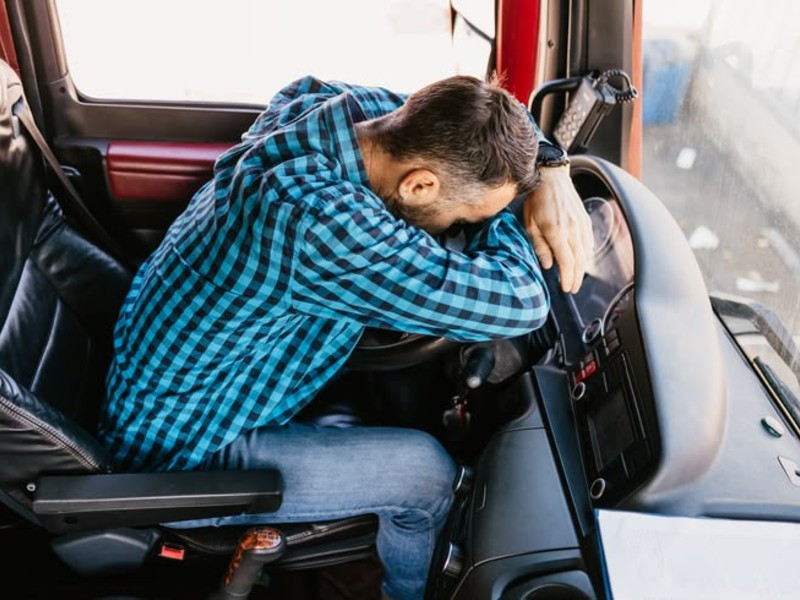
RV life creates opportunities to meet interesting people from different places. Campgrounds often have friendly neighbors, shared activities, and conversations that make travel enjoyable. But many of these connections last only until someone leaves for their next destination.
Living on the road can make it difficult to maintain close friendships. You may miss having neighbors who know you well, friends you can meet every weekend, or a community where you feel familiar and accepted.
Staying in one place for several months can help build deeper relationships. Regular calls with family and planned visits with friends also matter. Beautiful destinations are enjoyable, but they do not automatically replace meaningful personal connections.
11. Grocery Shopping Can Become Surprisingly Complicated
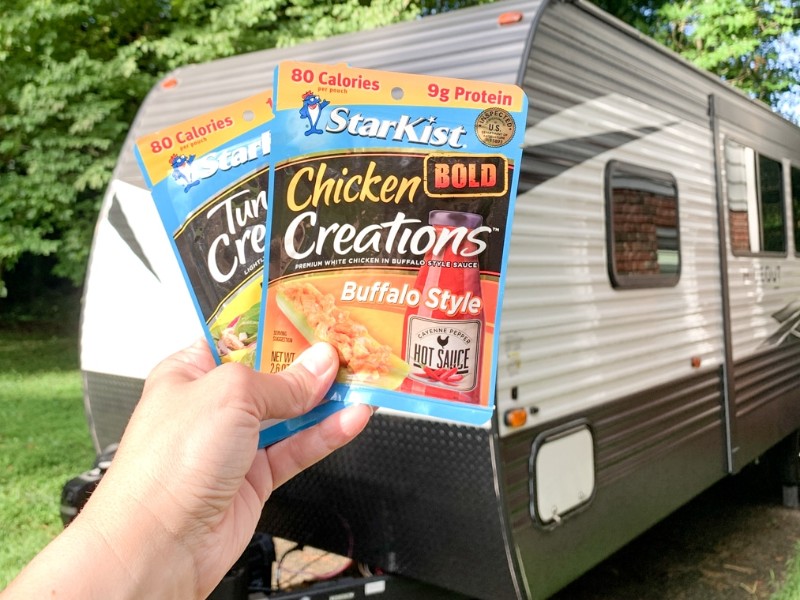
Social media frequently shows delicious meals prepared inside stylish camper kitchens. What those videos rarely show is the planning required when refrigerator space, freezer capacity, and food storage are limited.
Buying groceries in unfamiliar towns can also be inconvenient. You may not know where the nearest affordable supermarket is located, and remote camping areas may have few options. Stocking up becomes difficult when you have limited room for fresh food.
Planning meals around available storage can save money and reduce waste. Keeping a small supply of basic ingredients also helps when you are far from a grocery store. RV cooking can be enjoyable, but it often requires more planning than the pictures suggest.
12. Privacy Is Not Guaranteed at Every Campground
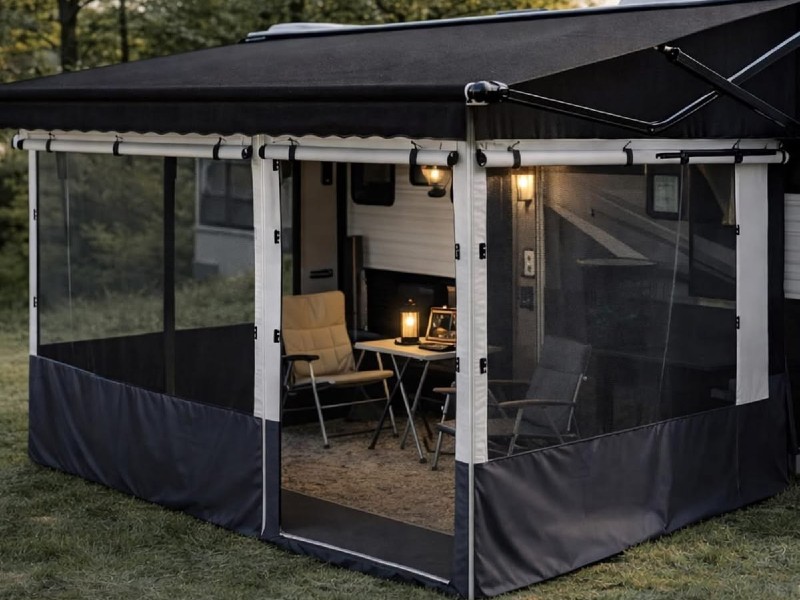
Those peaceful campsite pictures can create the impression that RV travelers always have wide open spaces. In reality, some commercial campgrounds place vehicles close together, leaving little room between neighboring campers.
You may hear conversations, televisions, barking dogs, generators, or vehicles arriving late at night. Bright exterior lights can shine into your windows, and outdoor seating areas may be only a few feet apart.
Before booking, look at campground maps and recent visitor photographs rather than relying only on promotional images. If privacy matters to you, ask about site spacing, quiet hours, and locations farther from busy roads or shared facilities.
13. Finding Medical Care Away From Home Takes Planning

Travel photographs usually focus on adventures rather than doctor appointments. But people living in RVs still need routine medical care, prescriptions, dental appointments, and treatment for unexpected health problems.
Finding appropriate care may become harder when you regularly cross state lines. Health insurance networks can vary, and a doctor who accepts your plan in one state may not participate in the same network elsewhere.
Before spending several months away from home, contact your insurance provider and verify your coverage. Identify nearby medical facilities and arrange routine appointments when possible. A little planning can prevent an ordinary health concern from becoming a major travel problem.
14. Keeping an RV Comfortable Takes Constant Attention

A well designed RV interior looks comfortable in photographs, but maintaining a pleasant indoor temperature can be difficult. Large windows, thin walls, and changing outdoor conditions can make the living area heat up or cool down quickly.
Air conditioning and heating equipment require electricity or fuel, depending on the system. During very hot or cold weather, these systems may work harder than expected. Moisture can also collect inside an RV, especially when cooking, showering, or drying wet clothing.
Ventilation, suitable insulation, and regular equipment maintenance can make a difference. Before choosing an RV, consider where you plan to travel and whether its heating and cooling systems are appropriate for those conditions.
15. Constant Planning Can Take Away the Feeling of Freedom

The idea of traveling without a fixed schedule attracts many people to RV living. But full time travelers often need to organize where they will sleep, how they will get there, and what services will be available when they arrive.
Some campgrounds charge reservation fees, and changing plans may create additional costs. Recreation.gov lists an $8 online reservation service fee for many campsite bookings, while cancellation and modification rules depend on the facility.
Travel becomes easier when you leave room for unexpected changes. Keeping a flexible schedule and avoiding too many consecutive travel days can reduce stress. Sometimes the freedom people want comes from having fewer plans rather than visiting more places.
16. RV Repairs May Force You to Change Your Entire Schedule
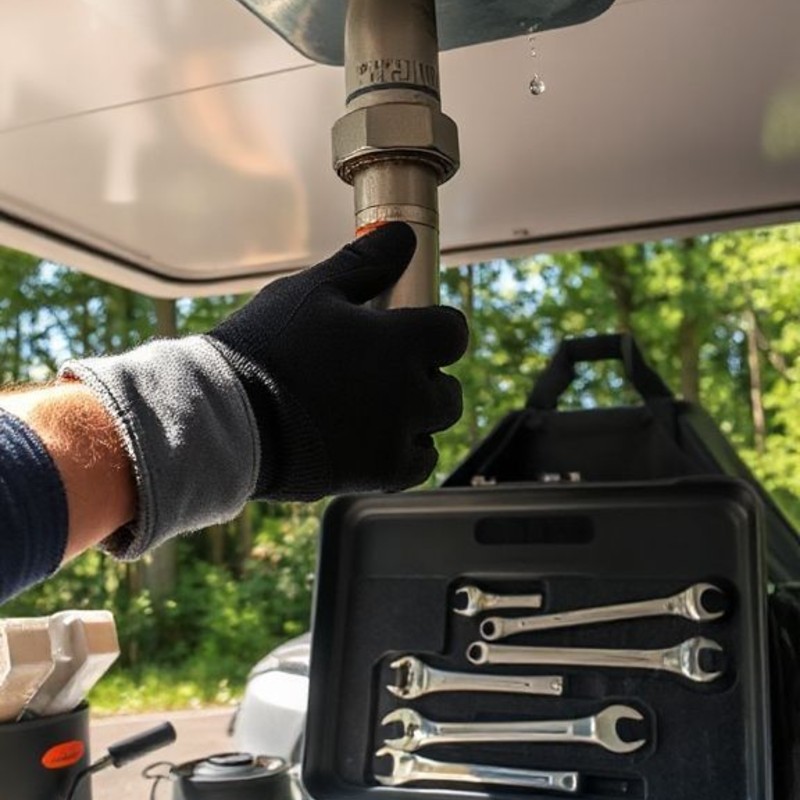
When something breaks in a traditional house, you can often continue living there while arranging repairs. In an RV, certain problems may affect your ability to travel, sleep comfortably, or use basic facilities.
A damaged leveling system, electrical failure, or serious plumbing leak can keep you in one location longer than planned. If a replacement part is unavailable, you may need to extend your campsite reservation or find another place to stay.
In August 2026, Journey With The Gs reported paying to extend a campground stay while waiting for a replacement jack and motor. Their experience shows why it helps to keep extra money and several flexible days available when planning RV travel.
17. Social Media Rarely Shows the Boring Days

Online RV content often features national parks, scenic highways, outdoor meals, and exciting destinations. But full time RV living also includes ordinary days spent cleaning, paying bills, doing paperwork, grocery shopping, and sitting indoors.
Some days are simply uneventful. You might spend the morning answering work emails and the afternoon waiting for laundry. There may be no impressive scenery or exciting activity worth sharing online.
That does not mean RV living is disappointing. It means the lifestyle includes regular responsibilities just like living in a house. Before moving into an RV, think about whether you would enjoy the ordinary days, not just the vacations.
18. Beautiful RVs Can Lose Value While You Are Still Paying for Them

Luxury motorhomes and modern camper interiors can look impressive online. But a polished interior does not mean the vehicle will maintain its purchase value. RVs generally lose value as they age, although the amount depends on the model, condition, and market.
This matters especially when someone buys an expensive RV with a long loan. If the remaining loan balance is higher than the amount the vehicle could sell for, the owner may need additional money to pay off the debt.
Before purchasing, compare used RV prices, financing terms, and realistic maintenance expenses. Consider how long you plan to keep the vehicle and what might happen if your lifestyle changes. An attractive RV can still be a poor financial fit for your situation.
19. Sometimes You Just Want a Place That Feels Permanent

Perhaps the least discussed part of full time RV living is how personal priorities can change. After months or years of moving between destinations, some travelers begin to miss having a familiar neighborhood and a place where they can settle.
They may want a garden, a larger kitchen, room for hobbies, or regular gatherings with family. Others simply become tired of packing up their belongings whenever it is time to move. Wanting stability does not mean their travel experiences were a mistake.
Some people choose to buy a house and keep an RV for vacations, while others settle into a favorite campground for longer periods. The best decision is the one that supports your daily life, health, relationships, and finances.