
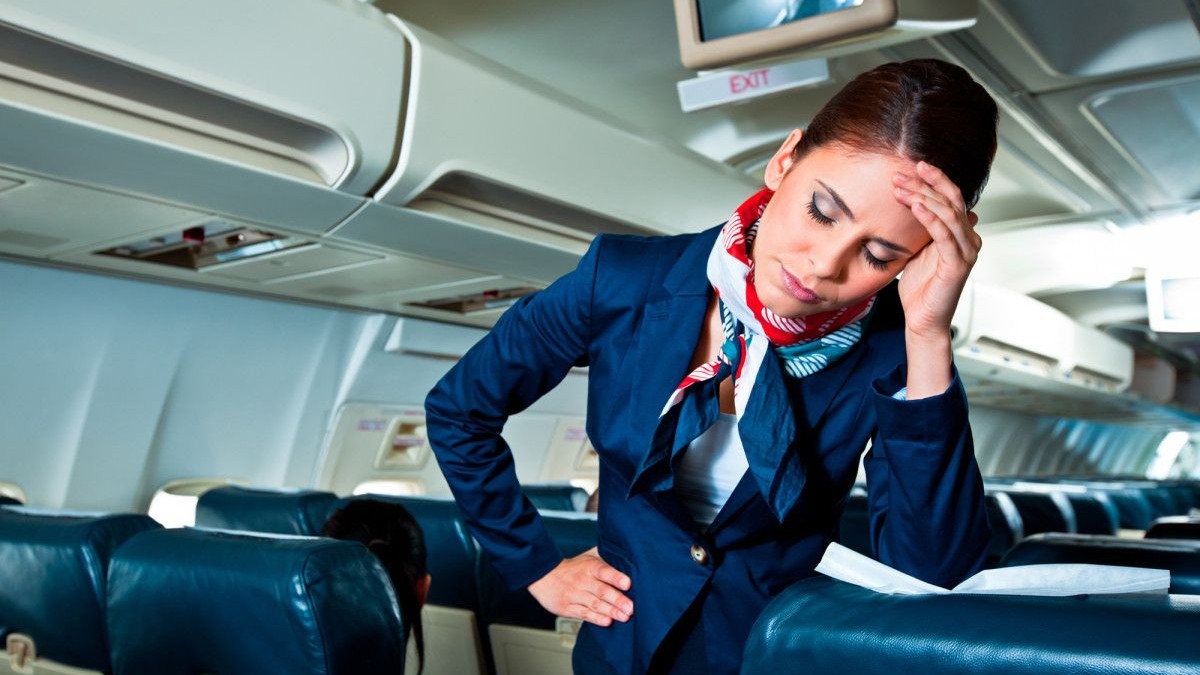
Most travelers assume their cabin etiquette goes completely unnoticed as they slide into their seats and plug in their headphones. In reality, seasoned flight crews develop a sharp radar for the subtle habits that make their demanding shifts smoother or infinitely more stressful.
Some behaviors are harmless annoyances, while others can create safety issues or make the crew’s job harder. Ignoring instructions, blocking the aisle, getting up at the wrong time, or taking over shared spaces can all stand out.
This list breaks down 21 things flight attendants notice about passengers, why these behaviors matter, and what you can do differently on your next flight. You may already know most of them. Number 9, though, might hit a little closer to home.
1. Ignoring Boarding Instructions Creates Extra Work
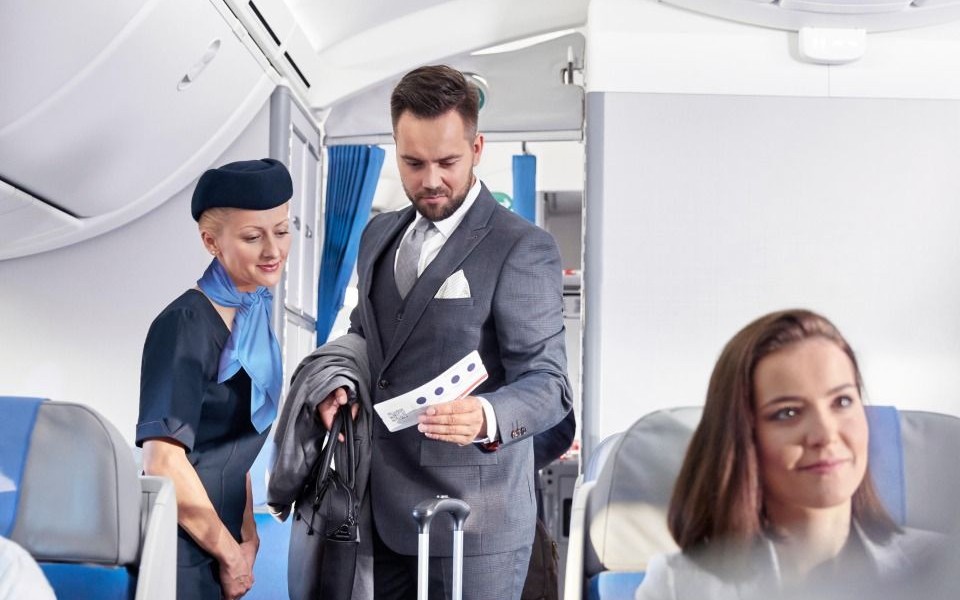
Boarding seems simple, but the first few minutes set the tone for the entire flight. You hate standing in line forever. When you block other passengers or stand in the aisle too long, you slow down the whole plane.
Aviation experts point out that boarding time affects airline schedules. Good passenger behavior on flights keeps the cabin moving smoothly. A faster boarding process helps everyone, including the crew.
2. Complaining Before the Flight Even Starts
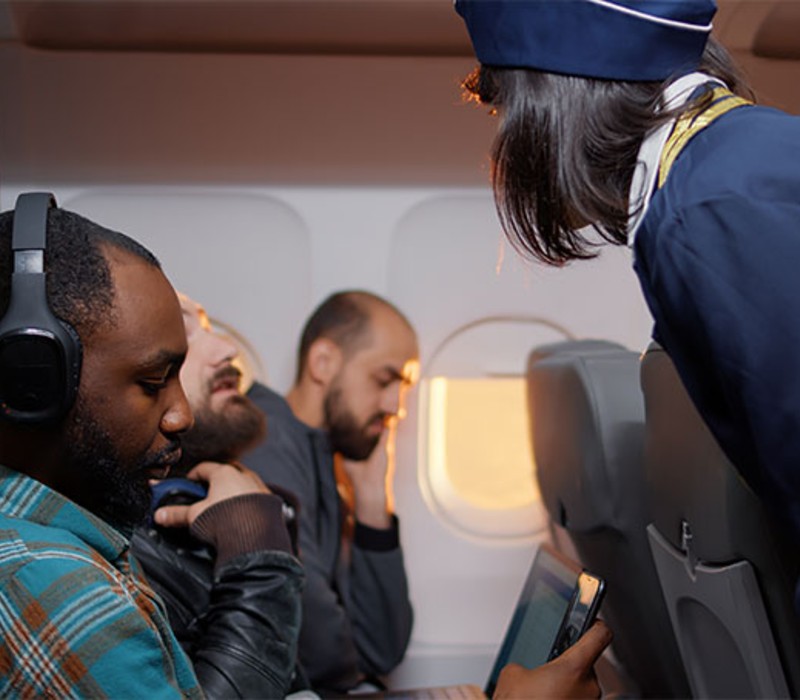
Crew members often deal with frustration they did not cause. Delays, bad weather, and maintenance issues are completely outside their control.
Department of Transportation airline complaint reports and airline customer service studies show that tensions run high during delays. Stay cool and pose a direct inquiry instead of shouting.
3. Taking Too Long With the Overhead Bin
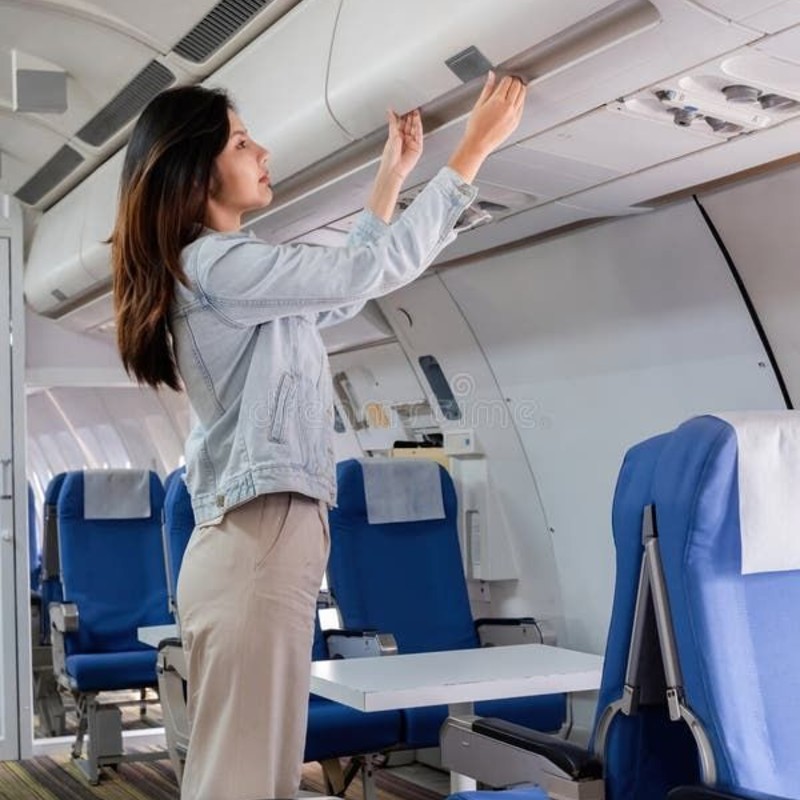
Everyone wants to bring their favorite items on board. But overhead space is shared with everyone else. Bringing bags that are too large ruins the process. Major airlines like American Airlines and United Airlines have strict size rules for carry-on luggage.
Ignoring these rules makes you end up rearranging your luggage over and over. This takes up space meant for other travelers and leaves people who board late with nowhere to put their jackets or bags.
4. Ignoring the Seat Belt Sign
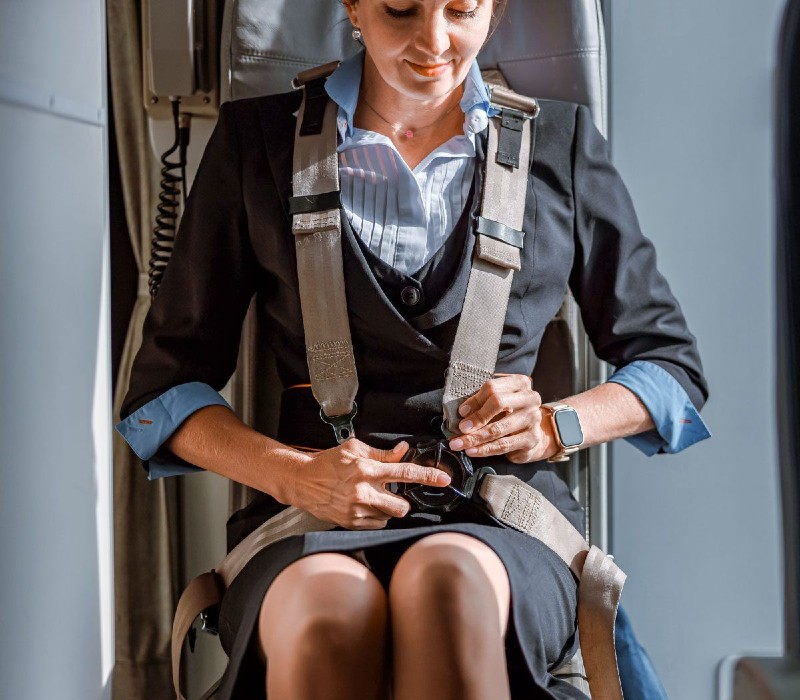
When flying, ignoring the seat belt sign is one of the most hazardous things to do on a plane. Turbulence can happen suddenly and without warning, sometimes referred to as clear-air turbulence, leaving passengers vulnerable to unexpected jolts.
Seat belts significantly reduce injury risk by keeping travelers securely anchored to their seats during severe altitude shifts. So do adhere to this key life-saving rule the next time you board a plane!
5. Being Rude During Small Requests
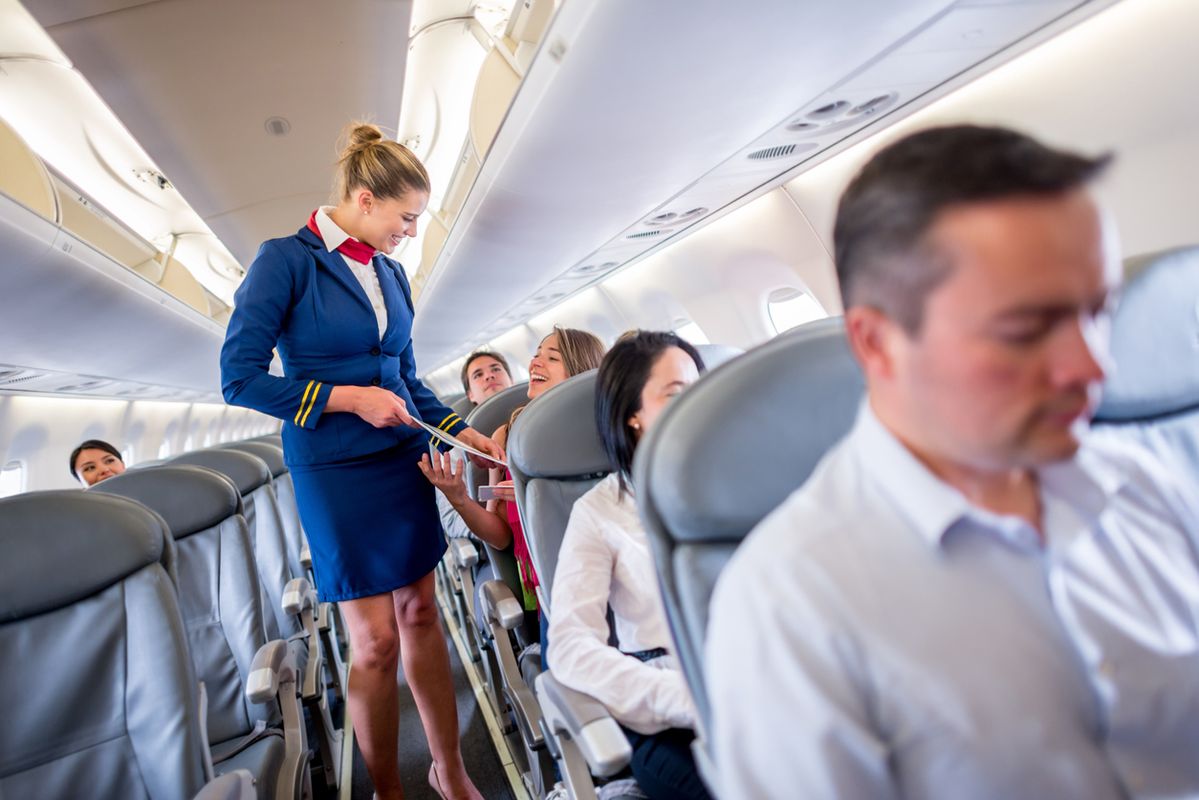
Snapping your fingers or yelling at the crew wrecks the atmosphere. You might ask, Could I get some water when you have a moment? Or you could just yell, Hey, I already requested water!
The first choice shows respect. The second option discourages others from wanting to be around you. Being nice usually leads to better teamwork. When you are nice to the crew, they are happy to assist you.
6. Getting Up Too Many Times During Service
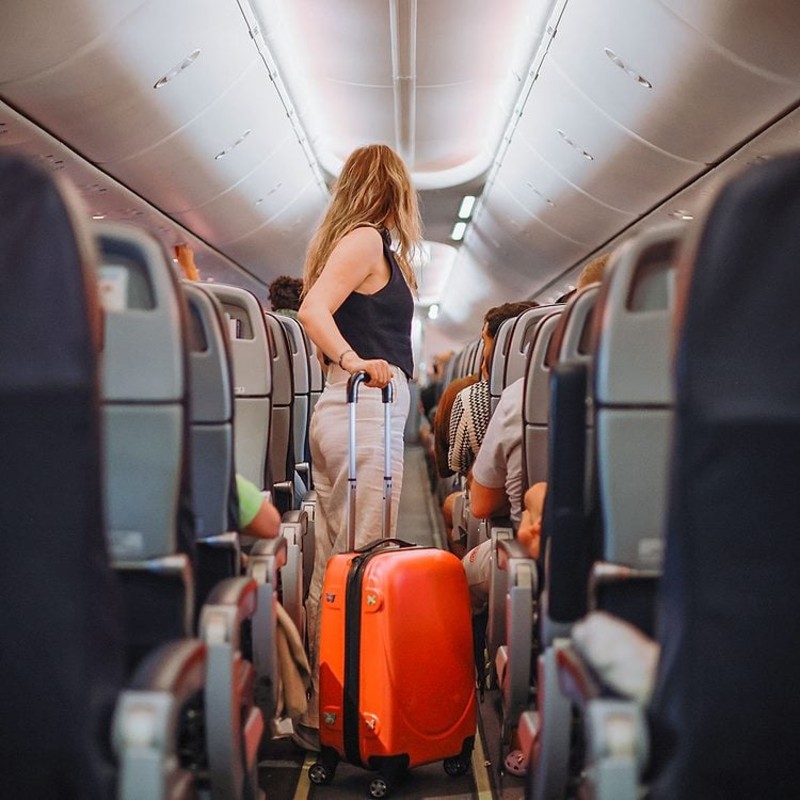
Getting up too many times during service creates a major headache for everyone. Walking the cabin during drink service blocks the heavy carts. Narrow airplane aisles are tough to share.
When you stand up while flight attendants are serving, you make it hard for them to pass. This slows down the entire beverage cart and traps other passengers in their rows.
7. Pressing the Call Button for Small Things
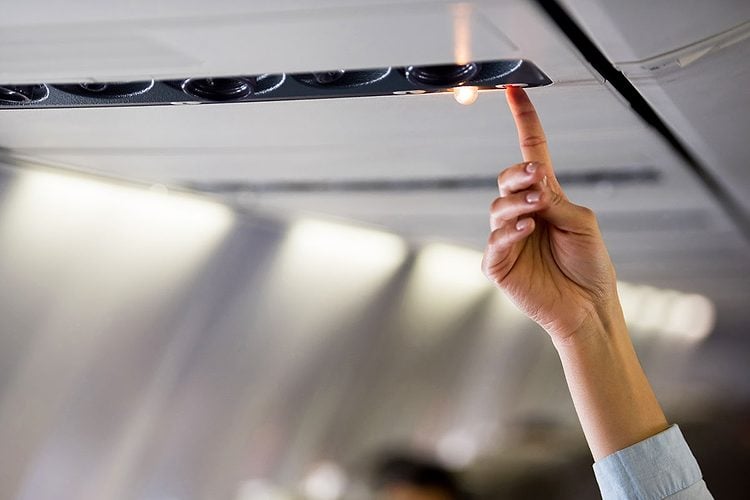
You need something right now but pressing the call button for small things causes problems for the cabin crew. Travel publications and airline passenger etiquette discussions point out when you should actually use it.
Good reasons include medical needs, safety concerns, or urgent help. Poor reasons include asking about arrival time persistently or wanting someone to throw away your trash immediately. Save the button for real emergencies.
8. Ignoring Personal Space
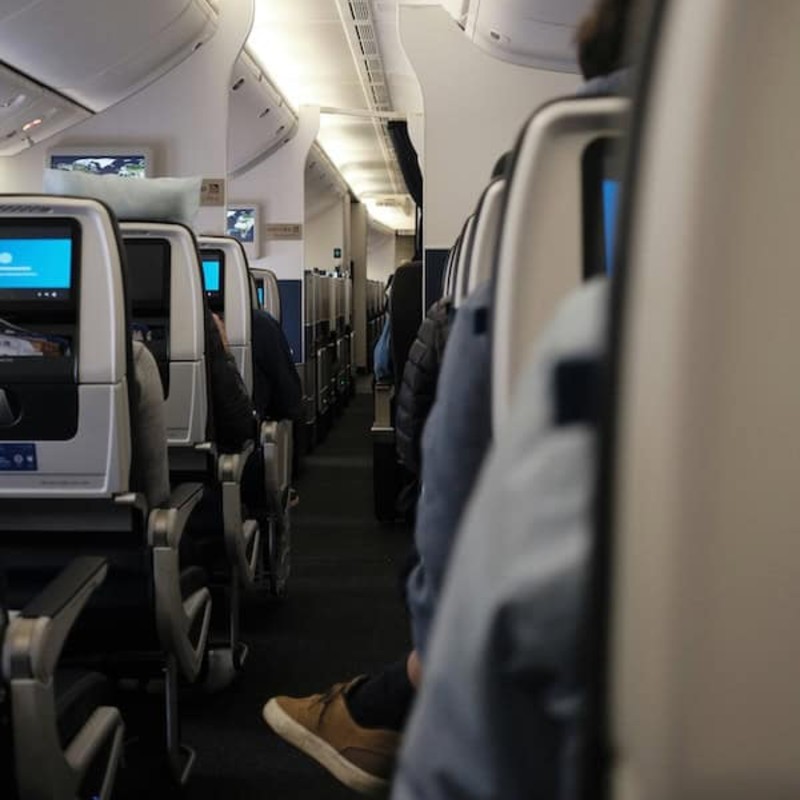
Airplane rows are tight. Shared spaces require a bit of teamwork. If you start hogging both sides or let your elbows cross the boundary, you steal room from the person next to you.
Keeping your arms, legs, and bags in your own zone makes the flight better for everyone. A little courtesy goes a long way when you are stuck in close quarters.
9. Treating Flight Attendants Like Servers
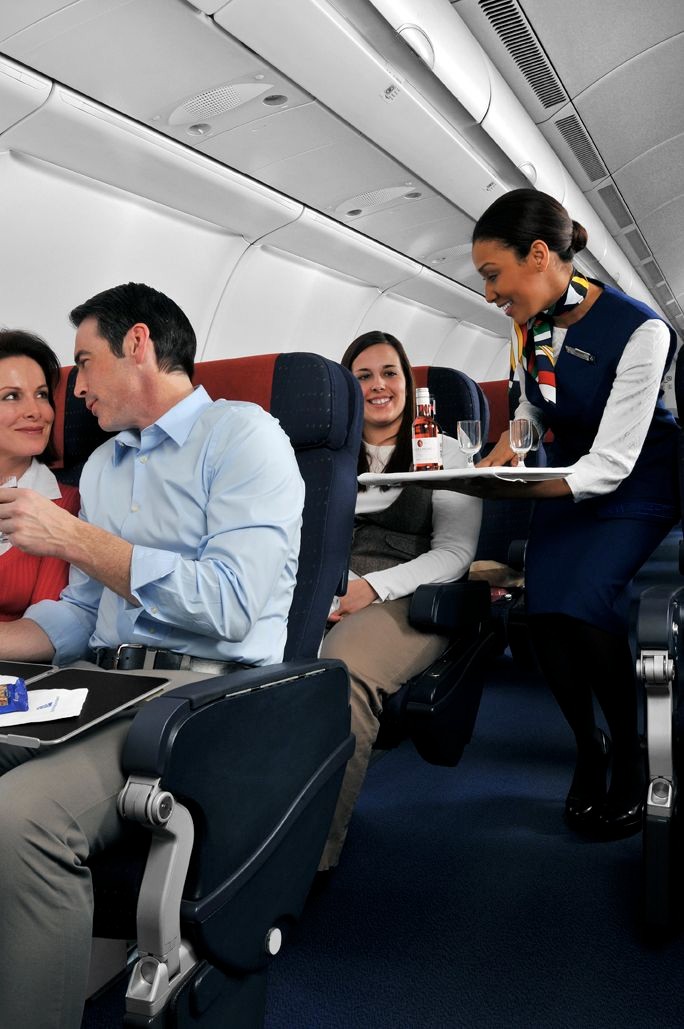
You might think cabin crew are just there to bring you snacks. But treating them like waiters overlooks their main job. Cabin staff are responsible for safety first. Serving food is only a small part of what they do. Emergency duties always come before your extra cup of water.
Federal Aviation Administration guidelines show that flight attendants are trained safety experts. Understanding these responsibilities helps explain why flight attendant duties go far beyond serving passengers.
10. Ignoring Safety Demonstrations
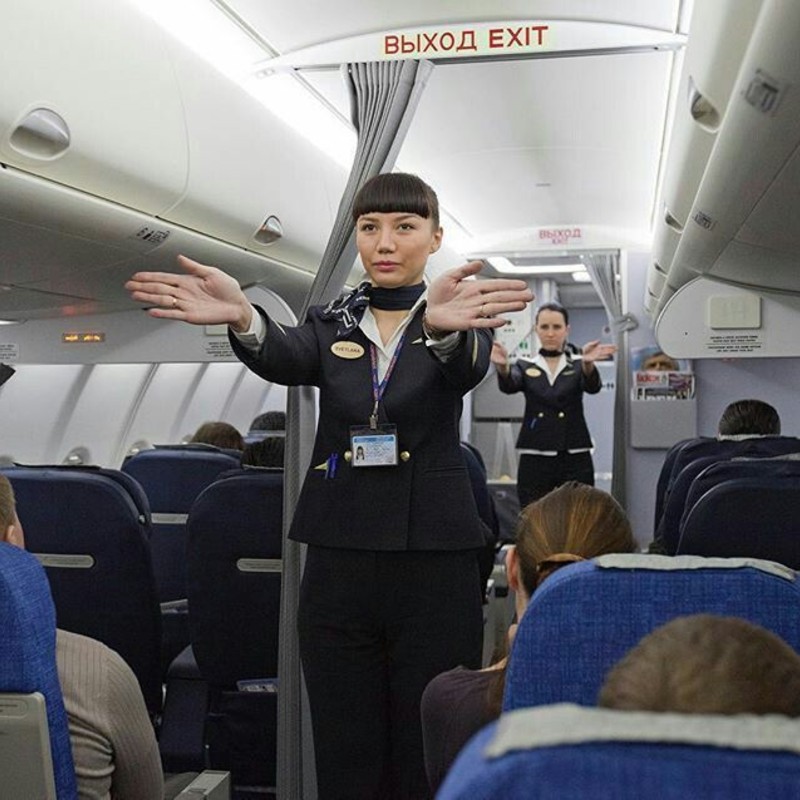
Ignoring safety demonstrations is a dangerous mistake. According to Federal Aviation Administration (FAA) passenger safety guidance, paying attention is critical because emergency exits vary across different planes.
Equipment differs by aircraft, meaning the life vest or oxygen mask on this flight might not work the same way as your last trip! The safety cards exist for a reason and give you exact steps for a safe evacuation.
11. Bringing Strong Smells Into The Cabin
Heavy perfume can trigger severe asthma attacks or headaches for sensitive passengers. Strong food smells can also bother people trapped in tight rows.
Good airplane passenger etiquette means thinking about allergies and sensitivities. Shared air circulation systems carry strong scents across the entire cabin quickly. Keeping your meals mild and skipping heavy sprays protects everyone around you.
12. Letting Children Run The Cabin
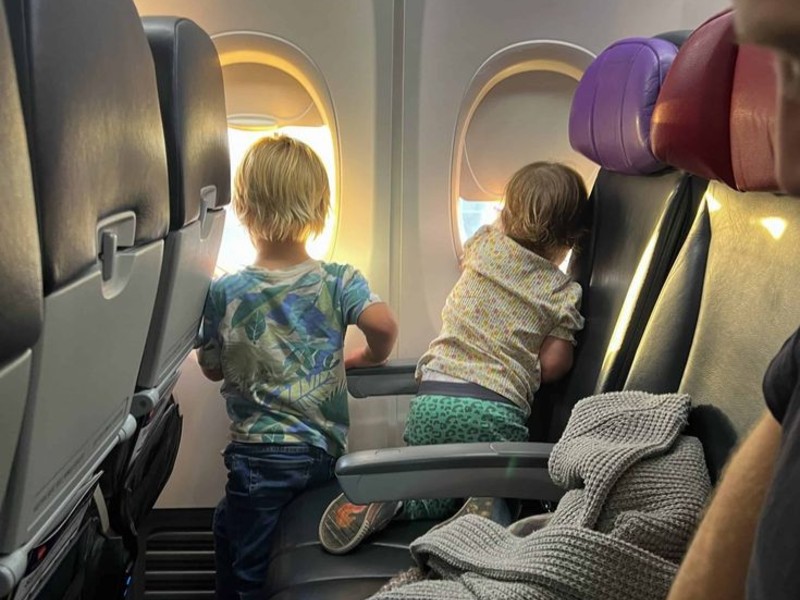
Flight attendants understand that traveling with children can be challenging. Kids get excited, tired, and uncomfortable during long flights. A child asking questions, moving around with a parent, or needing extra help is normal.
The problem starts when children move freely through the cabin without supervision. Running in the aisle can create safety risks, especially when flight attendants are pushing service carts or carrying hot drinks.
13. Drinking Too Much Before Or During A Flight

Alcohol can reduce judgment and make some people react differently than they normally would. Flight attendants are trained to manage safety concerns, not handle avoidable conflicts caused by excessive drinking.
Passengers are strictly prohibited from drinking alcohol on board unless it is served by the airline. Furthermore, serving intoxicated individuals is banned for safety reasons.
14. Standing Up Before The Plane Stops
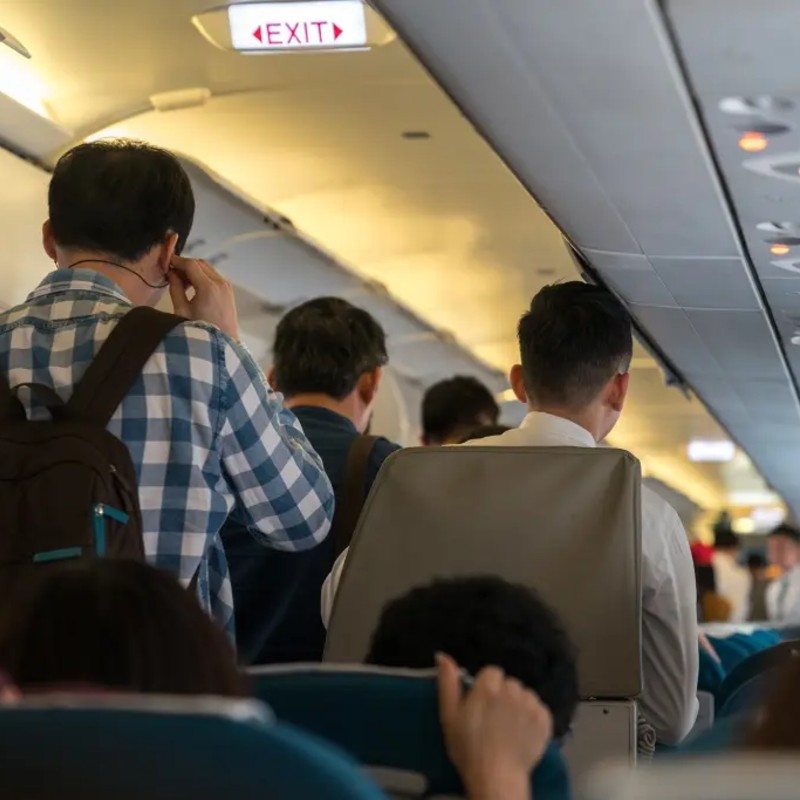
Ignoring crew instructions to remain seated also slows down the deplaning process. When you pop up early, you block others in your row from moving smoothly and crowd the narrow aisle.
Staying seated until the fasten seat belt sign turns off keeps everyone safe. Patience ensures an orderly exit for all passengers waiting to get off the plane.
15. Leaving Trash Everywhere
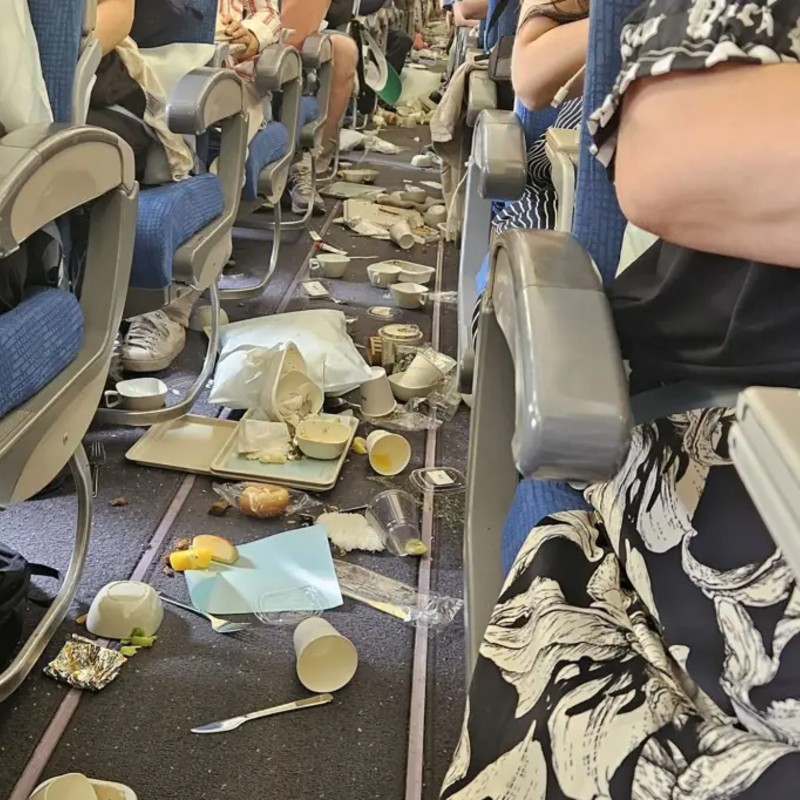
Taking care of your trash is just basic manners. Leaving trash everywhere creates extra work for the cleaning crew. Cabin cleanup happens between flights on tight schedules.
You can return your headphones to the flight attendants when they collect them. Keep wrappers and napkins together instead of stuffing them into seat cracks and hand your trash to the crew during service.
16. Ignoring The Final Boarding Call
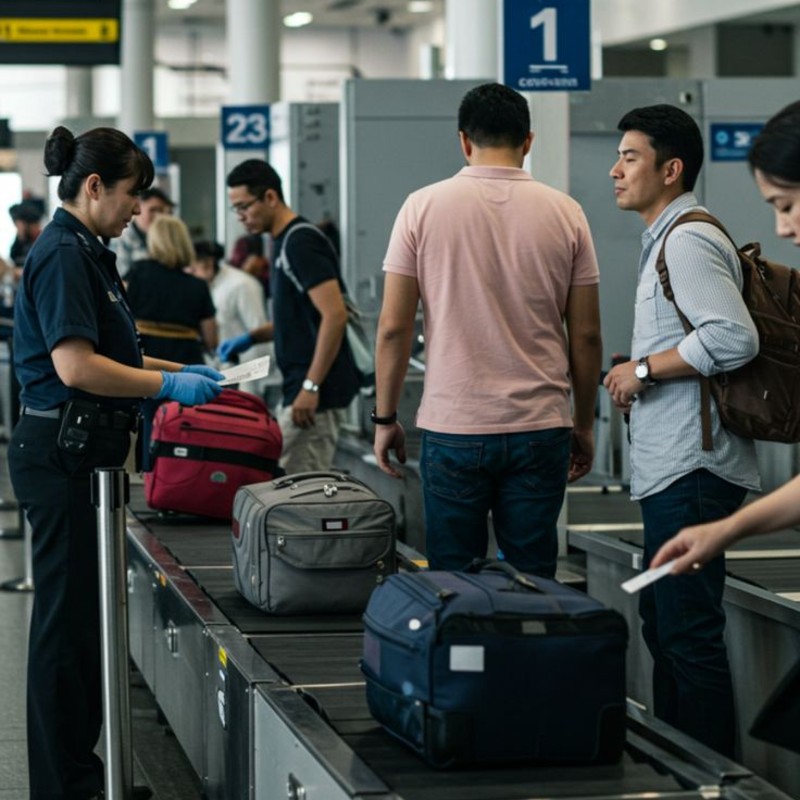
Missing a final boarding call is one of the habits flight attendants notice because it creates stress for everyone involved. Many passengers assume a few extra minutes will not matter, but airlines follow strict schedules to keep flights moving on time.
When a passenger does not respond to repeated calls, airline staff may need to search the airport, delay closing the aircraft door, or remove checked bags if the person does not arrive.
17. Expecting Special Treatment Without Asking Politely
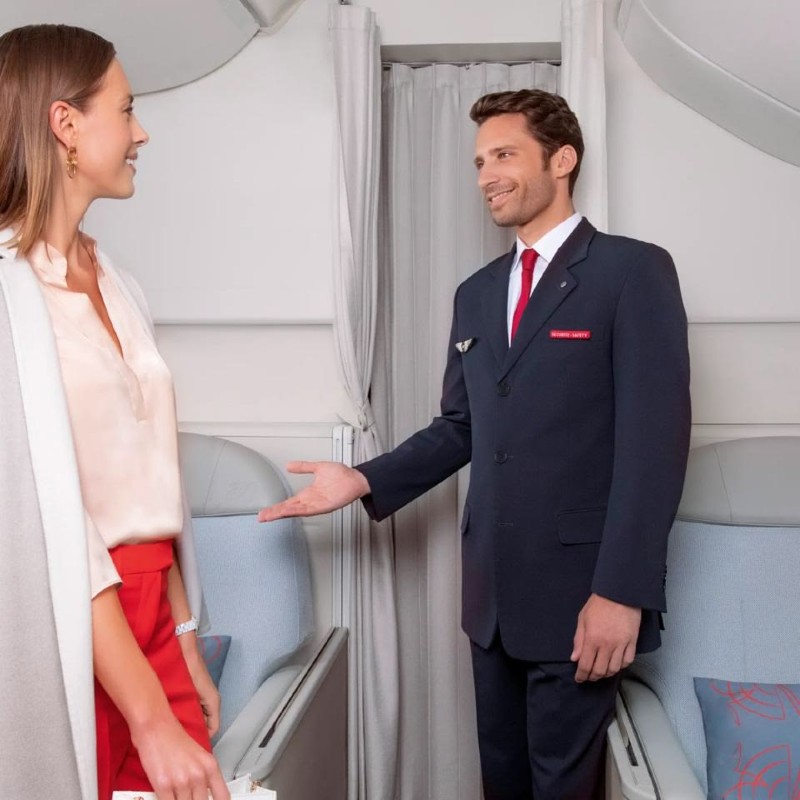
Crew members often notice when someone demands a special favor as if it is guaranteed. For example, a passenger may insist on changing seats after boarding or request extra items before other passengers are served.
A polite request usually creates a better conversation. Saying, “Is there any chance I could change seats if something is available?” is very different from saying, “You need to move me.”
18. Blocking Emergency Equipment Areas

Most passengers do not think twice about where they place their bags or personal items, but flight attendants pay close attention to areas around emergency equipment.
If a passenger may place a backpack near an exit row because there is extra floor space. During normal flight, it may seem harmless, but emergency areas are designed to stay open so passengers and crew can move without obstacles.
19. Walking Barefoot In The Cabin
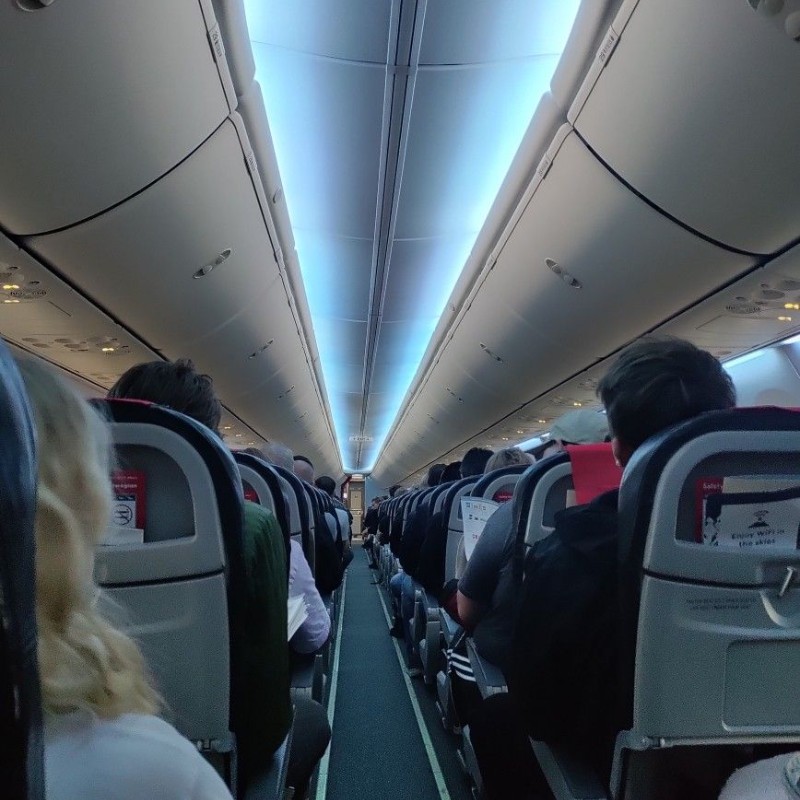
It’s understandable that one might want to stretch in a 14 hour long flight but walking barefoot….? Is it really a great way to loosen up your muscles? Airplane floors are notoriously dirty, collecting spills, germs, and debris between deep cleanings.
Stepping out without shoes exposes you to bacteria. It also presents safety hazards like sharp items on the floor or sticky messes. An absolute nightmare for the cabin crew!
20. Ignoring Crew Announcements
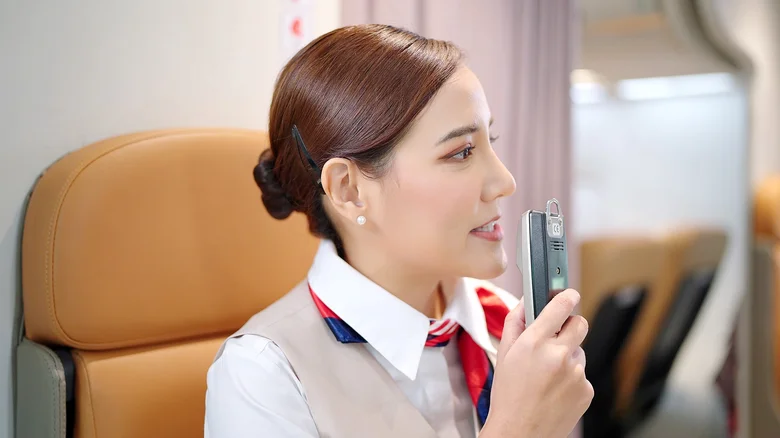
Imagine that you just put on your headphones and zone out as soon as you board, leading you to miss the crew announcements. Cabin staff share vital updates about gate changes, connecting flights, and emergency procedures over the intercom.
When you tune them out, you miss critical information that affects your travel plans. Missing a gate update or schedule change creates stress for you and extra work for the staff.
21. Forgetting Flight Attendants Are Human
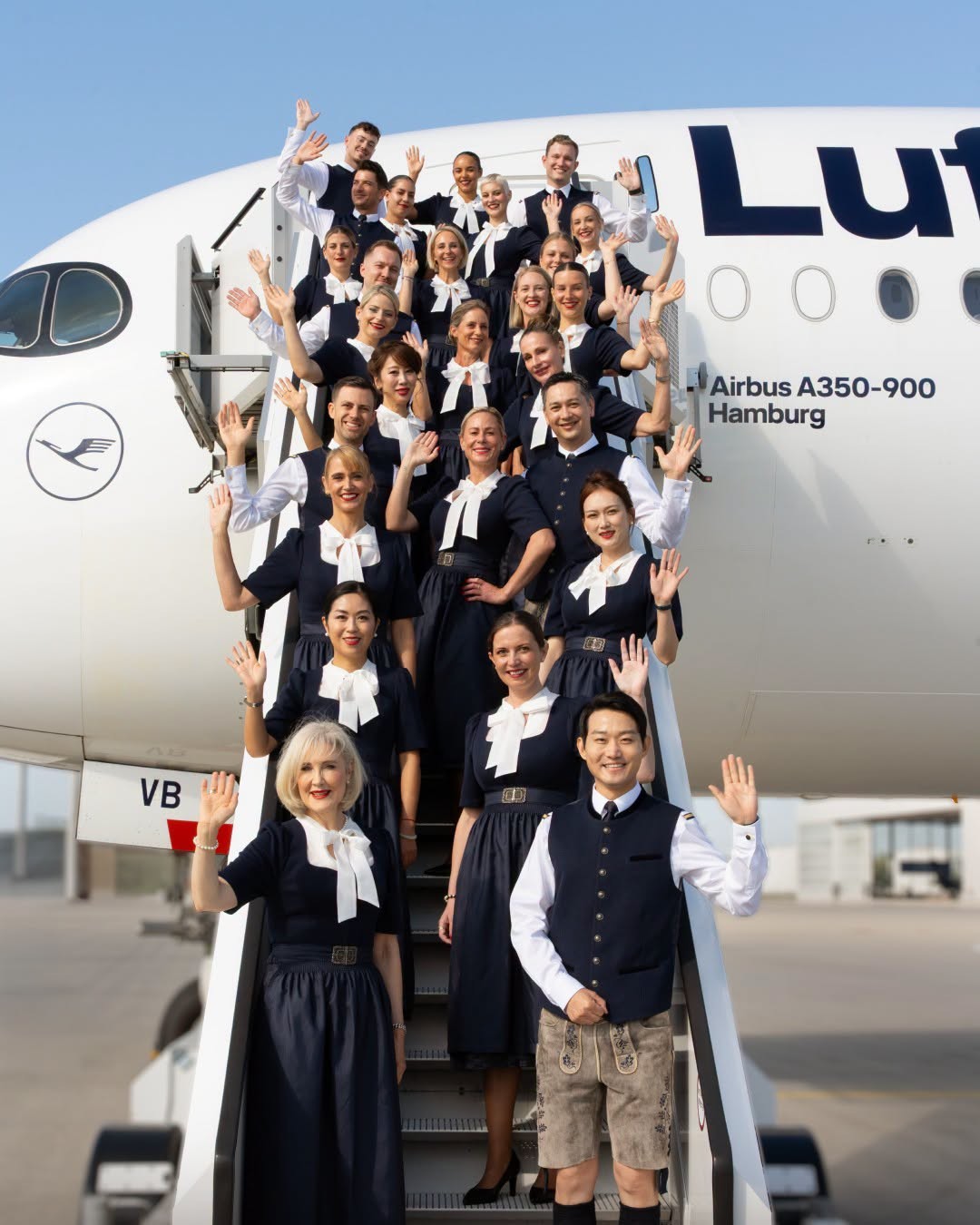
After dealing with thousands of passengers, flight attendants will always notice one simple thing: kindness. Crew members are there to help, but they also work long hours, manage unexpected problems, and handle many requests at the same time.
The problem is not asking for help. Passengers need assistance, and that is part of the job. The issue comes when travelers forget basic respect.