
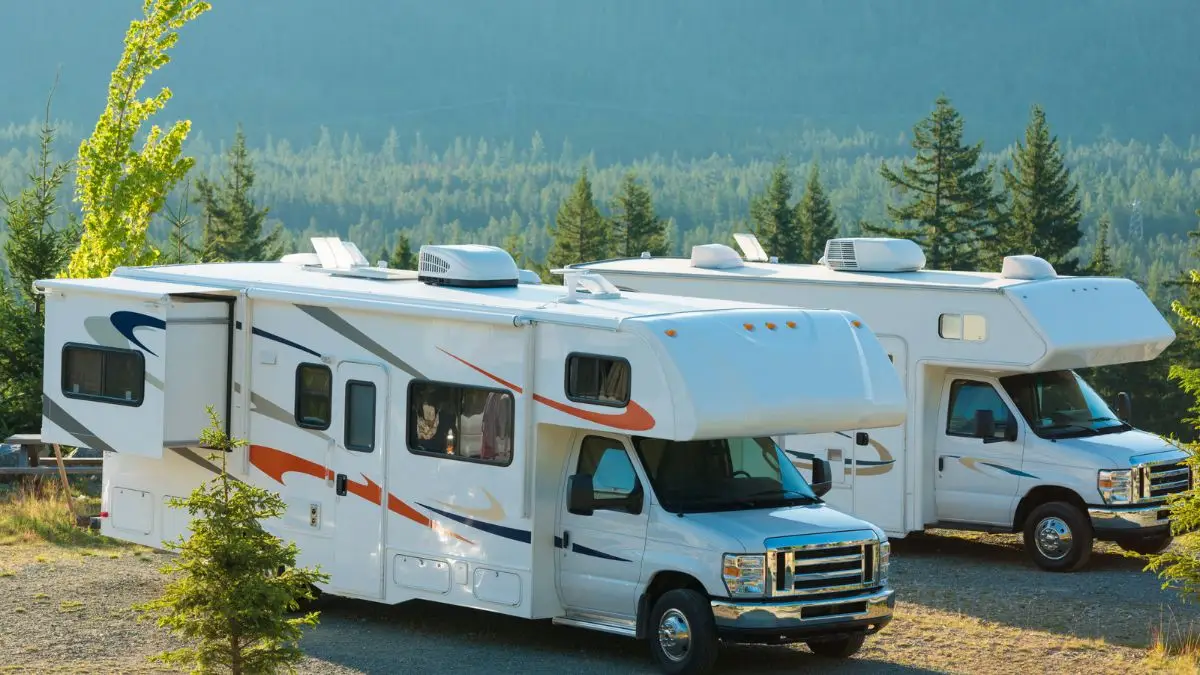
A motorhome can sit in your driveway for weeks without moving, yet it can still cost you money every single day. Insurance, storage, loan payments, and maintenance bills keep coming, even when you are not traveling.
And in 2026, some motorhome costs have become harder to ignore. According to AAA, the national average price of regular gasoline reached $4.27 per gallon on October 22, 2026. That makes long trips more expensive for heavy fuel users.
But fuel is only part of the problem. The real cost of owning a motorhome includes expenses many buyers overlook until they receive the bills. These costs can be especially frustrating for retirees living on a fixed income.
Not every expense has increased in 2026. Some prices depend on your location, motorhome type, and travel habits. Still, knowing where your money goes can help you avoid unpleasant surprises.
Here are 16 motorhome expenses that can stretch your budget, along with practical ways to keep them under control.
Why Owning a Motorhome Costs More Than Ever: 16 Expenses Driving It Up

1. Motorhome Purchase Prices Can Leave You With a Larger Financial Commitment
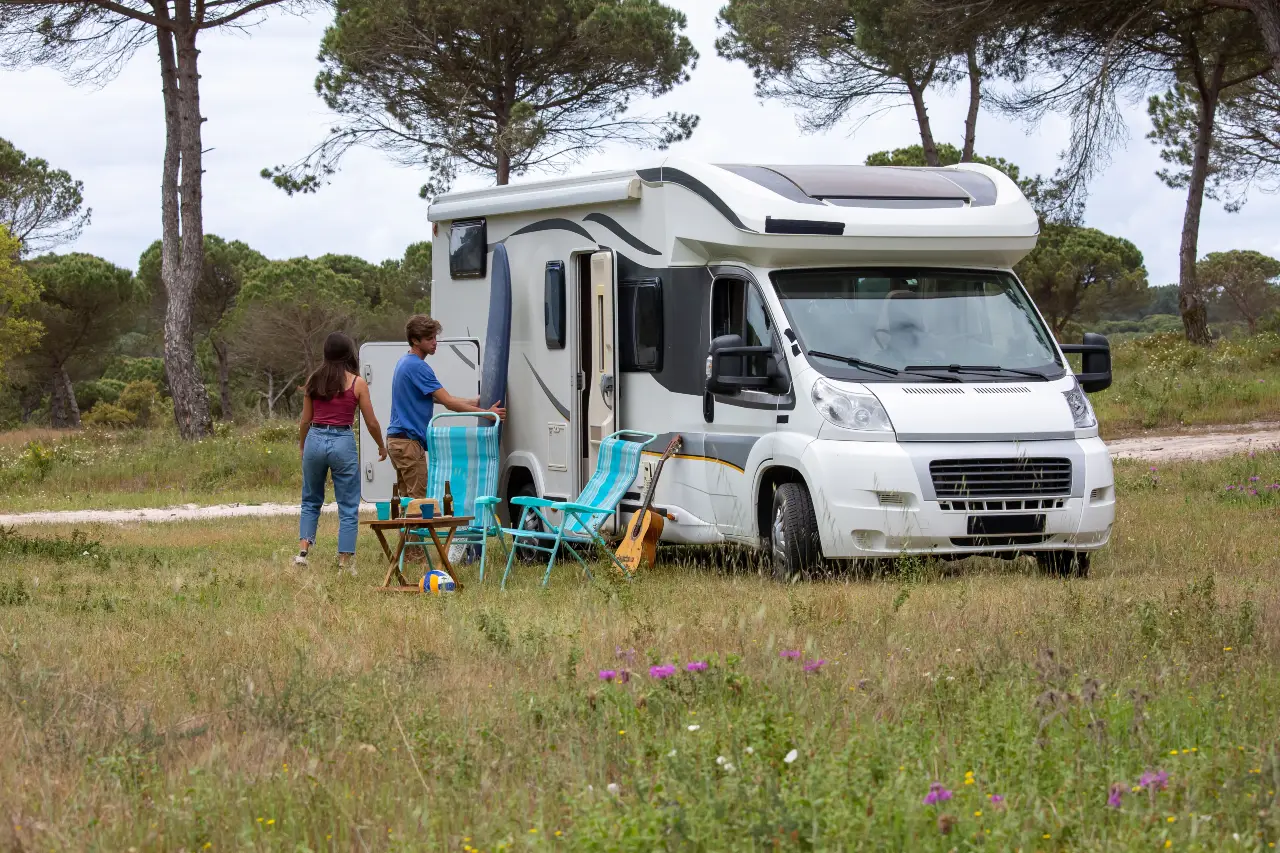
The price printed on a motorhome’s windshield is rarely what you ultimately pay. Taxes, dealership fees, optional equipment, and financing can push the total well beyond the advertised price.
Motorhomes also come in very different price ranges. A large Class A model usually costs more than a smaller Class B camper van or a modest Class C motorhome. Features, age, condition, and mileage also affect the asking price.
However, buyers should not assume every motorhome has become more expensive in 2026. The RV Industry Association reported that motorhome shipments fell 11.7% in August 2026 compared with August 2025. That measures shipments to dealers, not retail prices, but it shows that market conditions are changing.
A slower market may give some buyers more room to negotiate. Dealers might offer discounts on older inventory or vehicles that have remained unsold for months.
Before buying, request a written quote showing the full price. Include sales tax, preparation fees, documentation charges, and optional equipment.
Compare several similar motorhomes instead of accepting the first offer. A lower purchase price can save money on financing and may reduce the amount you lose when selling later.
2. RV Loan Interest Can Add Thousands to the Total Price
A manageable monthly payment can make an expensive motorhome seem affordable. But the loan behind that payment may cost much more than you expect.
RV loans can stretch across many years. Longer repayment periods usually reduce monthly payments but increase total interest when the rate stays the same.
Consider an example involving an $80,000 loan repaid over 15 years.
| Loan interest rate | Approximate monthly payment | Total interest |
|---|---|---|
| 7% | $719 | $49,400 |
| 10% | $860 | $74,800 |
These are calculated examples, not actual lender offers. They assume fixed rates and regular monthly payments without extra fees.
The difference between the two rates adds more than $25,000 in interest over the loan’s life. That is money you cannot spend on travel, repairs, or retirement needs.
A large loan also creates another risk. Your motorhome may lose value faster than you repay what you owe.
What you can do: Compare offers from banks and credit unions. Review the interest rate, loan fees, total repayment amount, and early payoff rules before signing anything.
If possible, make a larger down payment or choose a shorter loan that still fits your budget.
3. Motorhome Insurance Can Be a Serious Yearly Expense
Insurance can become frustrating when your motorhome spends most of the year parked. You might travel only a few weeks, yet you still need suitable coverage.
According to Progressive, its average annual motorhome insurance premium was $1,052 in 2024. This is historical company data, not a nationwide insurance average for 2026.
Your actual premium may be much higher or lower. Motorhome value, driving history, location, coverage limits, and annual usage can all affect the price.
Insurance needs also change depending on how you use your motorhome. Someone who lives in an RV full-time may need different coverage from someone who takes occasional weekend trips.
Before renewing, check whether your policy includes damage to the motorhome, liability protection, personal belongings, and emergency assistance.
Also review how the insurer would value your vehicle after a major loss. Some policies pay based on its current market value, while others offer different valuation terms.
What you can do: Request at least three quotes using the same coverage limits and deductibles. This makes the comparison fair.
Avoid reducing important coverage simply to save a small amount. A serious accident or major loss could cost far more than the premium difference.
4. Gas and Diesel Prices Make Every Long Trip More Expensive

A long motorhome trip can turn into a major fuel expense before you reach your destination. Even a modest change in fuel prices can add hundreds of dollars to your travel budget.
On October 22, 2026, AAA reported a national average of $4.27 for regular gasoline. The Energy Information Administration reported a national average of $6.276 for highway diesel on October 19.
These figures show why fuel deserves special attention in a motorhome budget.
Consider a planned trip covering 2,000 miles.
| Motorhome example | Assumed fuel economy | Estimated fuel cost |
|---|---|---|
| Gasoline motorhome | 8 MPG | $1,068 |
| Diesel motorhome | 10 MPG | $1,255 |
These calculations use the published October fuel prices. The fuel economy figures are examples, not guaranteed results for particular motorhomes.
Your actual cost can change with vehicle weight, road conditions, driving speed, and time spent in traffic. Using a fuel-powered generator can add another expense.
The easiest way to control fuel spending is to reduce unnecessary miles. Staying longer at each campground can help you enjoy a destination without constantly driving.
What you can do: Calculate expected gallons before leaving home. Check regional fuel prices, plan fuel stops, and avoid carrying unnecessary weight.
Drive at a safe, steady speed and keep tires properly inflated according to the vehicle’s specifications.
5. Campground Fees Can Rival a Monthly Housing Bill
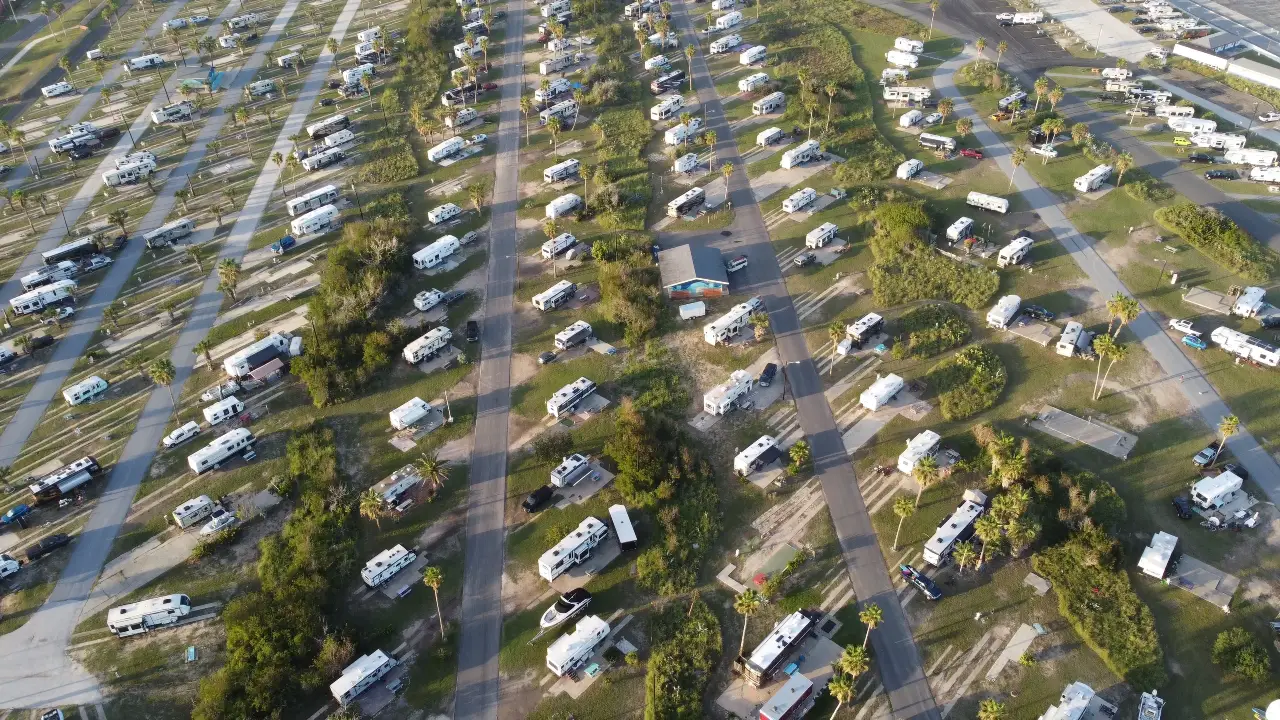
A campground charging $65 per night may look affordable compared with a hotel. But staying for 20 nights would cost $1,300 before taxes or extra charges.
For people who travel often, campground fees can become one of the largest motorhome expenses.
Rates depend on location, season, available hookups, and the type of campground. A private resort near a popular attraction may cost much more than a basic public campsite.
Sites with electricity, water, sewer connections, and extra space can also carry higher prices. Some parks charge additional fees for pets, extra vehicles, or certain services.
The advertised nightly rate may not include everything. Reservation fees, taxes, and utility charges can change the final bill.
Longer stays sometimes offer better value. Some campgrounds provide weekly or monthly rates that cost less than paying the standard nightly price.
However, monthly sites may charge separately for electricity. Always check the full price before committing.
What you can do: Compare the final cost of several campgrounds for the same dates. Ask about longer stay discounts and included utilities.
State parks and other public campgrounds may offer lower rates, although availability and RV size limits can be an issue.
6. Motorhome Storage Costs Money Even When You Stay Home
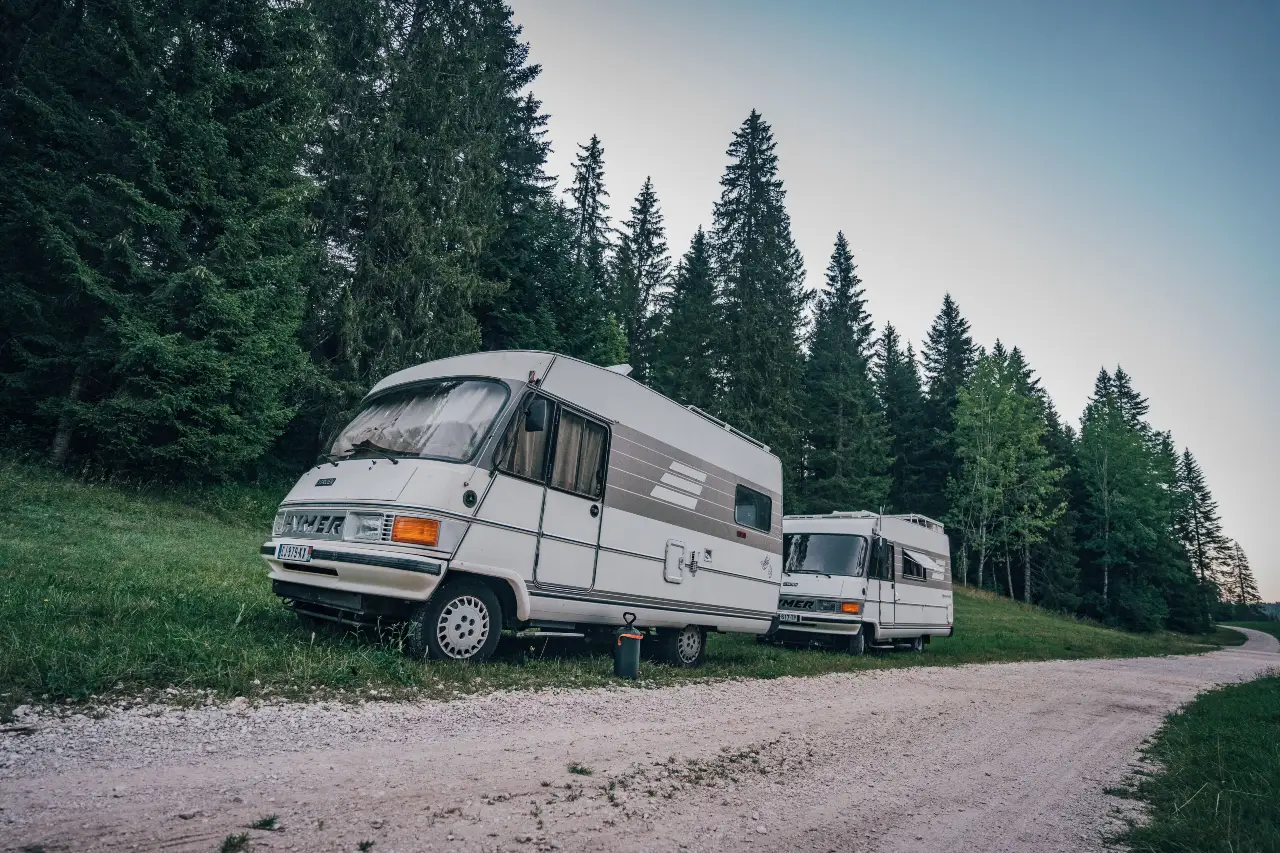
A motorhome may spend more time parked than traveling. Unfortunately, parking it somewhere safe can create another monthly bill.
Some homeowners have enough driveway space to keep their motorhome at home. Others face neighborhood rules, limited parking, or restrictions from homeowners associations.
These owners may need to rent a dedicated storage space.
A storage cost guide updated in September 2026 lists typical uncovered storage prices of roughly $30 to $150 per month. Covered spaces are estimated at $75 to $250, while enclosed and climate-controlled storage can cost more.
These are broad estimates. Actual prices depend on location, motorhome size, security, and available services.
A storage facility charging $200 each month adds $2,400 to your yearly costs. That expense continues even if you take only one short trip.
Some facilities charge extra for electricity, vehicle washing, or special access. Longer motorhomes may also require larger spaces that cost more.
What you can do: Compare at least three local storage facilities. Check security, access hours, contract terms, and protection from weather.
If storing the motorhome at home is allowed, consider whether that option can reduce costs without creating safety or parking problems.
7. Routine Motorhome Maintenance Adds Up Every Year

Owning a motorhome means maintaining both a vehicle and a small living space. That creates more work than caring for an ordinary car.
The engine needs oil changes, filters, fluids, and other scheduled service. Brakes, suspension parts, and cooling systems also need attention.
Inside the living area, you have plumbing, electrical equipment, water systems, and appliances to maintain. Some motorhomes also have generators and slide rooms that need regular care.
These expenses do not disappear just because you drive fewer miles.
Many maintenance tasks are based on both time and mileage. An engine or generator may need service after a certain period, even if it has not been used much.
The cost of service depends on the chassis, engine, location, and work required. Large diesel motorhomes can have different service needs from smaller gasoline models.
Skipping maintenance may save money today, but it can lead to expensive trouble later. A neglected cooling system or worn belt could leave you stranded during a trip.
What you can do: Follow the schedules in your motorhome, chassis, and equipment manuals. Keep a record of every service.
Before a long trip, check tires, fluid levels, lights, batteries, and other items recommended by the manufacturer.
8. Roof Leaks and Water Damage Can Turn Into Major Repairs

A small water stain near your motorhome ceiling might seem harmless. But moisture can spread into walls, flooring, and hidden wooden structures.
Roof damage is particularly expensive when a leak continues unnoticed.
Sealant around vents, skylights, roof edges, and other openings can wear out. Water may enter through a small gap and travel before becoming visible inside.
Camping World’s October 2026 roof repair guide provides general market estimates of $150 to $700 for small sealant repairs. It also lists leak repairs at roughly $200 to $2,000 or more, depending on the work required.
These are estimates drawn from outside repair providers, not guaranteed prices. Serious structural damage can cost much more.
Waiting too long often makes the repair more difficult. Water can damage insulation, cause wood to soften, and create conditions where mold may develop.
What you can do: Inspect roof seals according to the manufacturer’s instructions. Look for cracked sealant, stains, soft areas, and signs of moisture around windows and vents.
Use products approved for your specific roof material. If you find soft decking or a leak you cannot locate, hire a qualified technician rather than covering the problem with more sealant.
9. Motorhome Tires Are Expensive Even When They Look Good
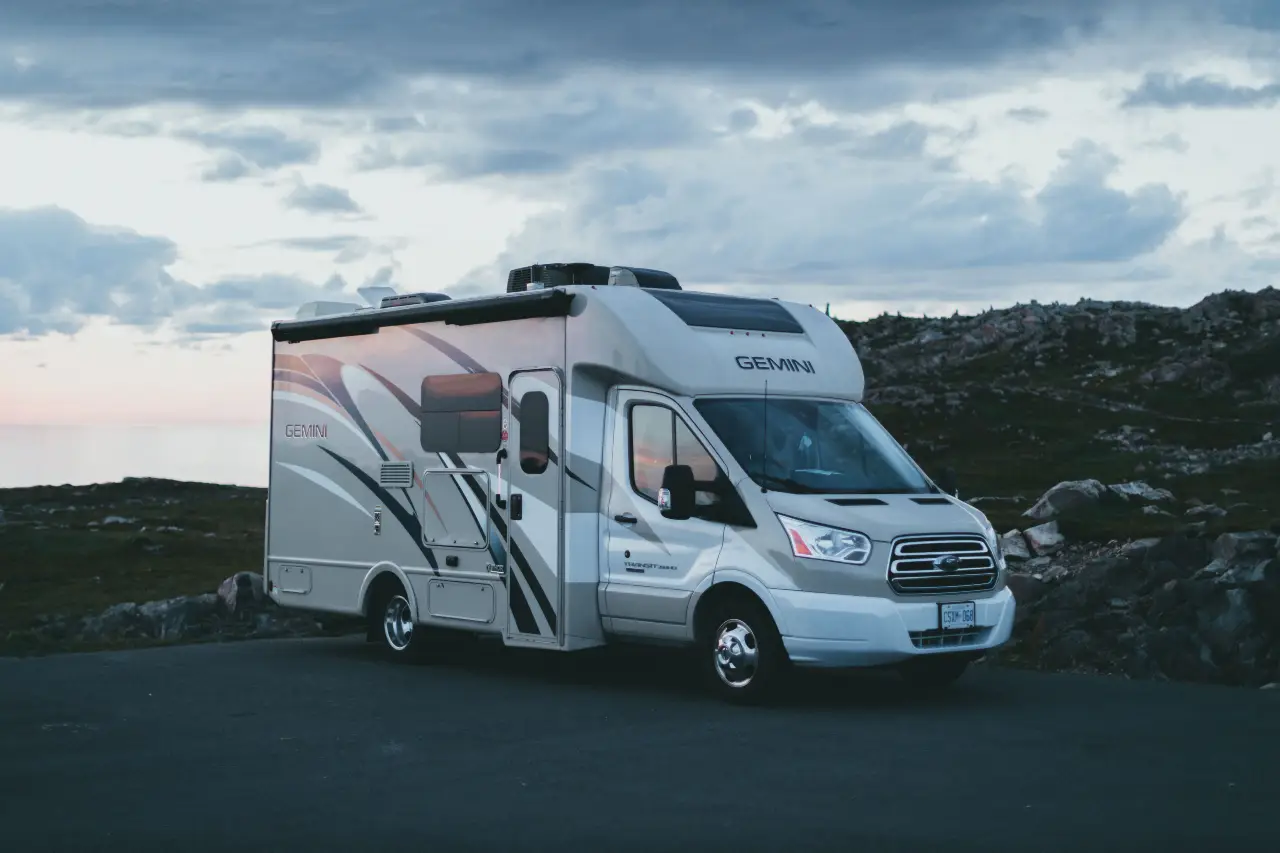
Motorhome tires can look almost new while becoming less reliable with age. This surprises owners who drive only a few thousand miles each year.
Unlike ordinary tread wear, tire aging can happen while a motorhome sits in storage.
Sunlight, heat, weather exposure, poor inflation, and long periods of inactivity can affect tire condition. Heavy loads and improper tire pressure create additional problems.
Larger motorhomes may use commercial tire sizes that cost more to purchase and install. Some models have six tires, while others have a different setup.
Replacing several tires at once can become a serious expense.
Goodyear provides tire aging guidance that includes replacement recommendations for its products. However, owners should follow the instructions for their actual tire brand and model.
Do not judge tire safety by tread depth alone. Sidewall damage, cracks, irregular wear, and age deserve attention.
What you can do: Check the tire identification code to find its manufacture date. Inspect tires regularly and have a qualified tire professional assess damage or aging concerns.
Use tire pressures based on the vehicle’s load and manufacturer guidance. When budgeting, obtain a complete replacement quote that includes installation, balancing, and other charges.
10. Generator and Electrical Repairs Create Extra Bills
A motorhome generator can make camping more comfortable when outside electricity is unavailable. But it is another engine that requires care.
Generators need scheduled oil changes, filters, inspections, and other work based on their model. Some manufacturers also recommend regular exercise to keep the unit working properly.
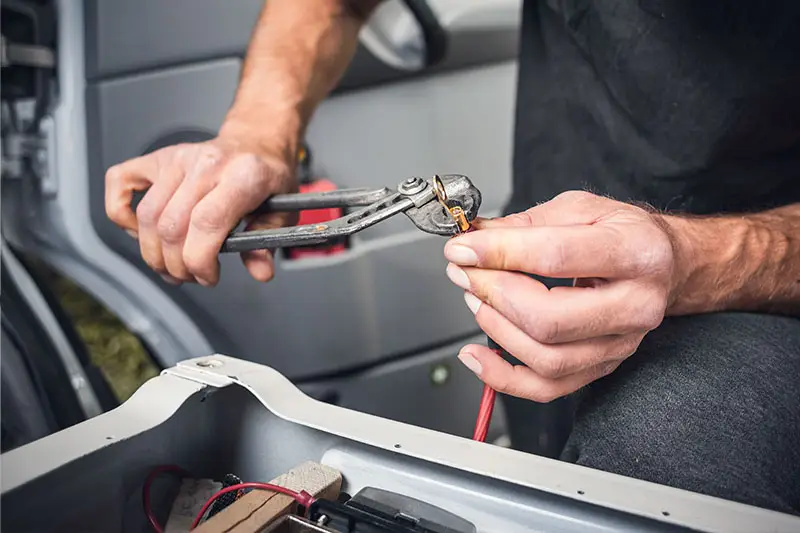
Electrical systems create additional expenses. Batteries eventually need replacement, and equipment such as converters, inverters, and charging systems can develop problems.
A weak battery may cause starting or appliance trouble. Faulty electrical equipment can also affect air conditioning, refrigeration, or lighting.
The final repair cost depends on the failed part, labor involved, and whether the technician must travel to your location.
Modern motorhomes can have complicated electrical systems. Replacing one component without identifying the real problem may waste money.
What you can do: Follow your generator’s maintenance schedule and check battery condition regularly.
Before spending heavily on electrical upgrades, have the existing system checked. Use a qualified technician for repairs involving dangerous electrical connections or equipment you cannot safely service.
11. Registration, Taxes, and Inspection Fees Add to Ownership Costs

The purchase price is not the last amount you pay the government for your motorhome. Depending on where you live, registration and other vehicle fees may recur each year.
Some states calculate registration costs based on vehicle value, weight, age, or type. Others have different fee structures.
Sales or use taxes can also add a large expense when purchasing a motorhome. Certain states may require inspections or other steps before registration or renewal.
These rules vary widely across the United States. A fee quoted by an owner in another state may have little value when estimating your own bill.
Late renewals can create extra charges. They may also prevent you from legally using the motorhome until the paperwork is corrected.
For retirees considering a move, vehicle registration is worth including in a broader comparison of living costs. But registering an RV in another state is not simply a matter of choosing the lowest fee.
What you can do: Check your state motor vehicle department for current fees and deadlines.
Before purchasing, ask for an estimate of sales tax, title charges, registration, and any required inspections. Keep renewal dates on your calendar to avoid unnecessary penalties.
12. Depreciation Can Be the Biggest Cost You Never Pay Monthly

Depreciation is one of the easiest motorhome expenses to overlook because no bill arrives in your mailbox.
It means your motorhome becomes worth less than you paid for it. The loss becomes clear when you decide to sell or trade the vehicle.
For example, suppose you buy a motorhome for $120,000 and later sell it for $85,000. You have lost $35,000 in value before considering transaction costs.
This is a hypothetical example, not a typical depreciation rate.
Actual resale values depend on the motorhome’s make, model, age, condition, mileage, and demand. Maintenance records and signs of water damage can also affect what buyers are willing to pay.
A motorhome can lose value while the owner continues making loan payments. That creates a problem if the remaining loan balance is higher than the amount the vehicle can sell for.
Buying used may reduce the amount of early depreciation you personally absorb. However, an older motorhome can bring greater repair risks.
What you can do: Compare current values of similar used motorhomes before buying. Review the condition and maintenance history carefully.
If you already own one, compare a realistic resale estimate with your loan payoff amount before trading or selling.
13. Roadside Assistance and Emergency Towing Need Their Own Budget
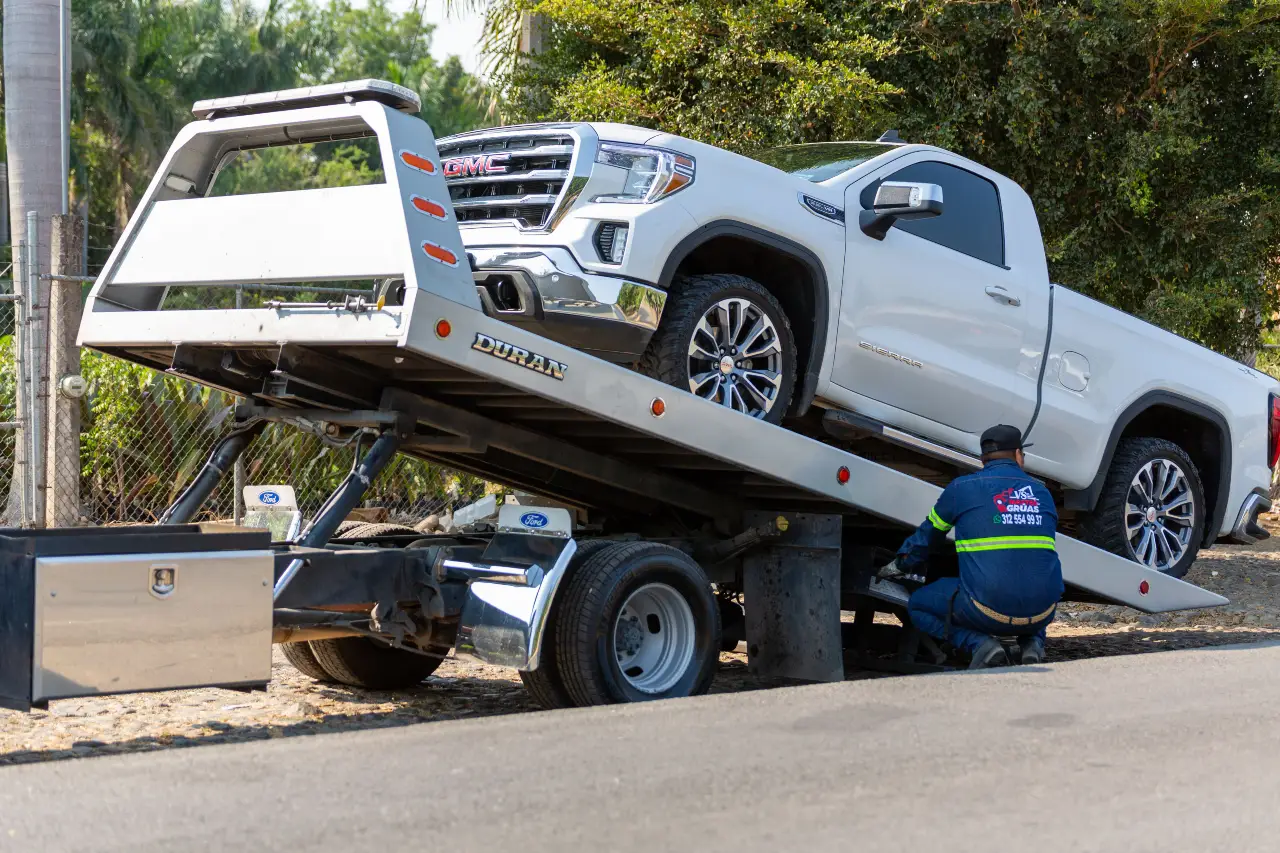
A breakdown in an ordinary car is inconvenient. A breakdown in a large motorhome can be much harder to manage.
Some motorhomes require towing equipment designed for heavy vehicles. Finding a suitable service provider may take time, especially in remote areas.
An emergency can also create expenses beyond the mechanical repair. You might need temporary lodging, transportation, or a mobile technician.
Roadside assistance plans can help, but coverage varies. Some services cover certain types of RVs while excluding others.
For example, Good Sam advertised its Platinum RV roadside assistance plan at an introductory rate of $79.95 annually in 2026. That price includes an automatic renewal discount, and the regular renewal price can be higher.
Coverage terms also matter. A plan may include towing but leave the owner responsible for parts, repair labor, or certain extra services.
What you can do: Read the plan details before purchasing. Make sure your motorhome’s class, size, and weight are covered.
Keep emergency contact numbers and policy information where you can find them quickly. A separate emergency fund can help pay expenses that roadside coverage does not include.
14. Toll Roads, Parking, and Park Fees Create Surprise Travel Costs

A road trip can include many charges that never appear in your original fuel budget.
Toll roads sometimes charge larger vehicles differently from ordinary cars. Motorhomes with extra axles or a vehicle being towed may face higher fees.
Parking can also become difficult around busy attractions and large cities. Some facilities restrict oversized vehicles or charge special rates.
National park entrance fees deserve attention as well.
In 2026, the National Park Service lists its standard annual America the Beautiful pass at $80 for eligible United States residents and $250 for nonresidents.
However, older Americans may qualify for a much cheaper option. Citizens and eligible residents aged 62 or older can purchase an annual Senior Pass for $20 or a lifetime Senior Pass for $80.
The Senior Pass may also reduce certain camping and other amenity fees, although discounts do not apply everywhere.
What you can do: Check official toll calculators before choosing a route. Confirm parking availability for your motorhome’s length.
If you visit national parks often, check which entrance pass you qualify for and whether it would save money compared with paying separate entry fees.
15. Water, Propane, Dump Stations, and Hookups Create Repeating Bills

Small camping expenses can become surprisingly large when they repeat for several weeks.
Propane is a common example. Depending on your motorhome, it may be used for cooking, heating, water heating, or other equipment.
Laundry, fresh water, and waste disposal can also cost money. Some campgrounds include these services in the site price, while others charge separately.
Electricity is another detail worth checking. Short visits often include electrical hookups, but some monthly sites bill power based on actual use.
During hot or cold weather, electricity or propane use may rise because heating and cooling systems work harder.
Dump stations may charge a fee if you are not staying at the campground. Public facilities and travel centers can have different rules.
None of these charges automatically make RV travel unaffordable. The problem comes when owners forget to include them in their plans.
What you can do: Ask what the campsite rate includes before booking. Record your propane purchases, laundry spending, utility charges, and dump station fees for one month.
That gives you a realistic amount to use when planning longer trips.
16. Internet, Extra Equipment, and Comfort Upgrades Raise the Final Bill

Buying a motorhome often starts a second round of shopping. Owners discover accessories and services they did not include in the purchase budget.
Some purchases are necessary for safe and practical use. Others are conveniences that can make travel more enjoyable but are not required.
Common examples include water filters, electrical surge protection, leveling equipment, extra batteries, solar panels, and improved internet access.
Internet is particularly important for people who work remotely or spend long periods traveling. But plans that provide enough data for daily use can add another recurring bill.
For example, a $100 monthly internet plan would cost $1,200 over a full year. That is only a sample calculation, not a standard industry price.
Accessories can also create ongoing replacement costs. Filters wear out, batteries age, and electrical equipment sometimes needs repair.
The mistake is buying everything before discovering what you actually need.
What you can do: Make two shopping lists. Put safety and necessary operating equipment on the first list. Place comfort upgrades on the second.
Use your motorhome for several trips before making expensive changes. You may discover that some upgrades offer little value for the way you travel.