

Buying an RV can feel like the expensive part is over once you make the down payment. Then the other bills start showing up. Fuel costs more than expected. The campground charges another fee. Storage is needed at home. A small roof seal needs attention. Then there are insurance, maintenance, gear, repairs, and loan interest.
These RV money traps hit new owners especially hard because many costs are easy to miss before the first trip. That matters because first-time buyers are now a large part of the RV market. The RV Industry Association reports that 36 percent of current RV owners are first-time owners.
The goal here is not to make RV ownership sound scary. It is to make your RV ownership costs easier to predict. These 13 first-time RV owner mistakes can quietly drain your budget. Most can also be prevented with a little planning.
1. Compare The Full Loan Cost Before You Sign

A low monthly payment can make an expensive RV look affordable. This is one of the easiest RV money traps to miss. A dealer can lower the payment by stretching the loan across more years. Your monthly bill drops, but the total interest can climb.
RV financing is common. RVIA reports that 27 percent of surveyed owners used dealer financing. Another 20 percent used private financing. Its latest lender survey found an average amount financed of $61,261 for new RV purchases and $59,266 for used RV purchases among reporting lenders.
Before signing, write down these numbers:
- RV purchase price
- Down payment
- Amount financed
- Interest rate
- Number of monthly payments
- Total amount you will repay
- Total interest cost
Suppose two people each finance $50,000.
One gets a 10-year loan at 7 percent. The payment is about $581 per month. Total interest is roughly $19,665. Another gets a 15-year loan at 9 percent. The payment falls to about $507. But total interest rises to roughly $41,284.
Those rates are only examples. They are not RV industry averages. The important point is simple. The smaller payment can be the more expensive deal. Get quotes from more than one lender before you enter the dealership. Compare the full cost of optional warranties and dealer extras separately.
2. Check Payload Before You Buy A Bigger Trailer

Your truck may advertise a large towing number. That does not mean every trailer below that number is a good match. Payload can become the real limit. Payload is the weight your vehicle can carry. That includes people, pets, cargo, the hitch, and the weight the trailer places on the truck.
Ford’s 2026 towing guide says passengers, cargo, hitch weight, and trailer tongue or kingpin weight all count when checking vehicle limits. Ford also warns that the truck must stay within its GVWR and rear axle rating.
GVWR means the maximum safe rated weight of the vehicle. These numbers matter because a truck can reach its payload or rear axle limit before reaching the big towing number shown in an advertisement.
Before buying a trailer, do five things.
- Look at the weight labels on your actual truck.
- Check the trailer’s GVWR.
- Include people, pets, tools, hitch gear, and cargo.
- Use the towing guide for your exact vehicle setup.
- Weigh the loaded truck and trailer at a public scale.
Do not base the decision on an empty trailer weight alone. Water adds weight. Food adds weight. Camping gear adds weight. Bikes, generators, tools, and propane add weight.
The trailer you tow on vacation may weigh much more than the trailer you saw sitting empty at the dealership. Getting this right can also keep you from buying another tow vehicle after you discover your current one does not fit the RV you bought.
3. Pay For An Independent Inspection Before You Own The Problems

A shiny RV can still hide expensive trouble. This applies to used RVs. It can also apply to new ones. A dealer walkthrough often teaches you how systems work. An independent inspection has a different job. The inspector is looking for problems before those problems become yours.
Current guidance from the National RV Inspectors Association lists areas such as water intrusion, roof condition, sealants, electrical systems, propane systems, tires, safety equipment, and structural parts as important inspection points.
Water deserves special attention. A small leak can enter around a roof seam, window, vent, or other opening. The visible mark inside may be much smaller than the damage behind the wall. An inspection cannot promise that nothing will ever break.
It can give you more information before you sign the final paperwork. That information can help you ask for repairs. It may help you negotiate. In some cases, it may give you a reason to walk away. Ask for the inspection before final payment when possible.
Also ask the inspector to check:
- Roof and exterior seals
- Signs of past water damage
- Tire age and condition
- Electrical systems
- Propane systems
- Appliances
- Slides and leveling systems
- Safety alarms
- Undercarriage and frame areas
4. Buy Only The Gear You Need For Trip One

New RV owners are hit with shopping lists from every direction. A video says you need one gadget. A Facebook group recommends another. An online store shows a long list of RV essentials. Soon you can spend hundreds or even thousands of dollars before sleeping in the RV once.
Most first-year owners do not yet know how they will camp. You may think you need a large solar setup. Then you discover that most of your trips have electric hookups. You may buy an expensive outdoor cooking setup.
You may fill every cabinet with organizers before you know which cabinets you actually use. Recent RV owner discussions make the same point. In an August 2026 RVLiving thread, experienced owners recommended treating the first few trips as practice and spending on basic maintenance before buying piles of gadgets.
Use three buying stages.
Stage one: Buy what keeps the RV safe and usable.
That may include wheel chocks, the correct water equipment, sewer equipment, basic tools, a tire pressure gauge, and electrical gear that matches your RV.
Stage two: Camp once before buying comfort upgrades.
Write down what annoyed you during the trip. Fix real problems instead of guessing what might become a problem.
Stage three: Wait several trips before major upgrades.
This is especially helpful for solar systems, large battery upgrades, satellite internet gear, major storage projects, and expensive outdoor equipment. You can also use a simple 72-hour rule.
If an optional RV item goes into your online cart, wait three days before buying it. If you still know exactly why you need it, then consider the purchase.
5. Match Your Insurance To How You Really Use The RV

Having insurance does not always mean you have the right insurance. RV coverage can change based on the type of RV and how you use it. A motorhome is different from a travel trailer. A weekend RV is different from an RV used as a main home.
Progressive says full-time RV coverage may be needed when an RV is used as a permanent residence. It describes full-time use as living in a motorhome or travel trailer for more than six months of the year.
Extra protection may include personal liability, medical payments, and other coverage related to living in the RV. Don’t assume your normal auto policy covers every RV loss.
Ask your insurer specific questions.
- Is the RV covered while parked at a campground?
- Are my belongings covered?
- What happens if I use the RV for many months each year?
- What roadside help is included?
- How far will the policy pay to tow a large RV?
- What is my deductible?
- Is the RV covered while stored?
- What water or roof damage is excluded?
- Does my policy fit a trailer or motorhome?
- Do I need different coverage if this becomes my main home?
Insurance prices depend on many factors. The RV, location, driving history, coverage, deductibles, and amount of use can all matter. So avoid articles that promise one normal RV insurance price.
6. Spend Small On Maintenance Before Repairs Get Big

RV maintenance is easy to delay because the RV may still look fine. That can be an expensive habit. Your RV moves, shakes, sits in the sun, gets wet, and faces large temperature changes. Roof seams and exterior seals can slowly crack or pull apart.
Manufacturers take these checks seriously. Keystone recommends checking exterior seals at least twice each year. It recommends checking the roof about every three months.
Tiffin’s 2026 Allegro Red guidance also says seals around doors, windows, vents, slides, and exterior seams should be checked at least twice each year. Its manual says roof seams should be inspected for cracking or peeling.
Your RV may have a different maintenance schedule. Use your owner’s manual as the main guide.
Create a calendar for:
- Roof checks
- Exterior seal checks
- Tire checks
- Battery care
- Plumbing care
- Slide maintenance
- Safety alarm testing
- Propane system service
- Winter preparation
- Engine and chassis service when applicable
Do not wait for something to fail before saving for repairs. Create a maintenance fund. There is no honest single amount that fits every RVer. A newer travel trailer used six weekends per year will have different costs from an older diesel motorhome driven across the country.
Check upcoming service needs. Price tires and major scheduled work. Then save a little each month. Small maintenance is easier to budget than a surprise repair.
7. Budget Fuel With Your Real Towing MPG
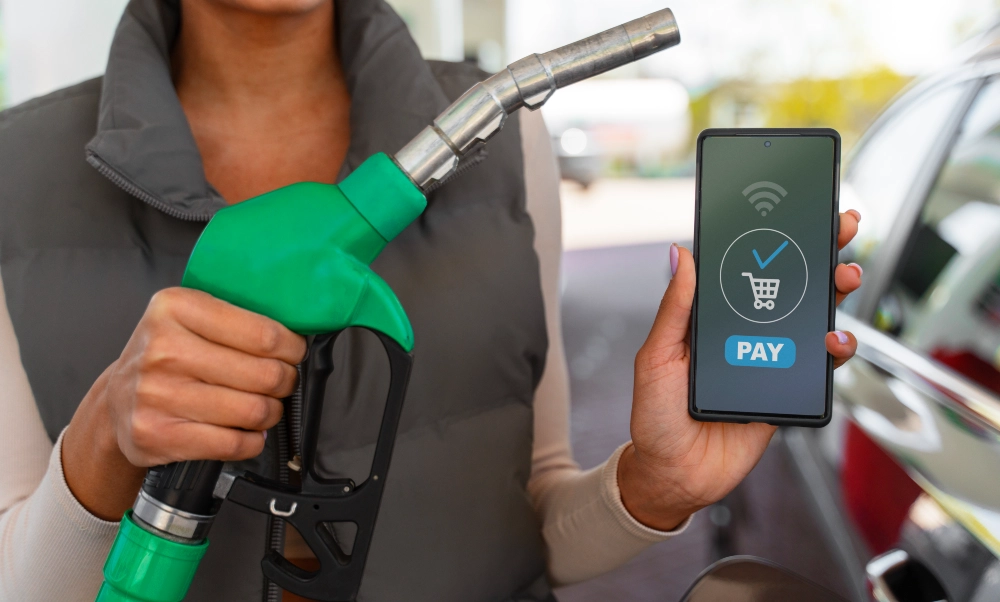
Fuel can break an RV travel budget fast. This matters even more when pump prices are high. On August 30, 2026, AAA listed the national average at about $4.08 per gallon for regular gasoline and $5.60 for diesel. Prices can change quickly and vary greatly by state.
Do not build your trip budget from your truck’s normal highway mileage. Towing changes fuel use. A tall trailer creates more wind resistance. Heavy loads matter. Hills matter. Speed matters. Headwinds can matter too. Use your own towing MPG after you collect enough real trip data.
The basic fuel formula is:
Trip miles divided by towing MPG, then multiplied by fuel price.
Suppose you plan to travel 1,200 miles.
At 10 MPG, you need about 120 gallons.
At $4.08 per gallon, that is roughly $490.
At 8 MPG, you need about 150 gallons.
The same route would cost about $612 at that fuel price.
That is a difference of more than $120 from one MPG assumption.
Also budget for driving after you reach camp.
You may need fuel for:
- Grocery runs
- Sightseeing
- Detours
- Generator use
- Mountain routes
- Tolls
- Diesel exhaust fluid where required
Build three fuel estimates before a long trip. Use a good case, a normal case, and a costly case. If the trip still fits your budget in the costly case, you have more room for surprises.
8. Slow Down Your Route To Cut Several Costs At Once

Trying to see everything can make RV travel expensive. Moving every night or every other night means more driving. More driving means more fuel. It can also mean more tolls, more campground changes, more reservation activity, and more wear on the RV.
You also spend more of your trip setting up and packing again. Try measuring cost per destination, not just cost per day. Suppose you drive 250 miles to a campground and stay one night. The next morning you pay the fuel cost again.
Now compare that with driving 250 miles and staying four nights. You still paid to reach the area, but you get more time from that travel cost. Slower travel also gives you time to find groceries, repair small problems, do laundry, and rest without pushing those tasks into another travel day.
Look for:
- Three to seven night stays
- Weekly campground rates
- Longer stays when the math works
- Shorter travel days
- Several stops within one region
Weekly and monthly campground prices are not always cheaper. Some parks charge extra for electricity. Some discounts may apply only to nightly stays. Compare the total bill before booking. The goal is not to move slowly forever. The goal is to stop spending money just because your route says you must move again tomorrow.
9. Mix Campground Types Instead Of Paying Premium Rates Every Night

A full-service RV resort can be great. Paying resort prices every night can also crush a long trip budget. You have more choices. Depending on your destination, those choices may include private RV parks, state parks, federal campgrounds, county parks, city campgrounds, and legal public land camping.
Some travelers also use approved overnight stops. The important word is approved. Do not assume you can stay overnight anywhere with a large parking lot. Local laws may block overnight RV parking. A business may also have its own rules. Always ask when permission is required.
Public land also has rules. Free camping can still have stay limits, permits, fire restrictions, road limits, and other requirements. Build your campground budget before leaving home.
For example, you might plan several nights at a simple public campground and then book one night at a full-service campground when you need laundry and hookups. That is only an example. Your best mix depends on your RV, comfort level, route, weather, and need for electricity or water.
Look at the whole stay. A cheap campsite 30 miles away from everything may cost more once you include fuel. A more expensive site near your planned activities may be the better value. Cheap does not always mean better. But paying premium prices without comparing alternatives is one of the easiest RV money traps to fix.
10. Track Cancellation Deadlines Before Fees Eat Your Budget

A campground reservation can cost money even when you never sleep there. New RVers often plan aggressive routes. The RV needs a repair. Someone gets sick. Travel takes longer than expected. Now several reservations need to move.
Recreation.gov currently charges an $8 online reservation service fee for many campsites. Its general policy also lists a $10 change fee for certain date changes and a $10 cancellation fee for camping reservations.
Late cancellation of an individual campsite can also mean losing the first night’s camping fee. One change does not sound terrible. Several changes across a long trip can add up. Create a simple reservation record.
For every campground, save:
- Arrival date
- Total amount paid
- Cancellation deadline
- Change fee
- Cancellation fee
- Amount that cannot be refunded
- Campground phone number
Pay special attention to the cancellation deadline. Most travelers track the arrival date. The deadline that protects your refund can matter just as much. Also avoid booking several backup campsites unless you have a clear reason. A flexible trip can save money. An overbooked trip can turn every change of plans into another fee.
11. Make Every Membership Prove It Can Pay For Itself
RV memberships can save money. They can also become another pile of yearly bills. The mistake is buying memberships because other RVers recommend them. Your route may be completely different from theirs. As of August 2026, Good Sam lists its Standard membership at $39 per year.
Benefits include a 10 percent discount on nightly rates at participating Good Sam campgrounds and selected fuel savings. Passport America lists a one-year membership at $49 and advertises 50 percent discounts at participating campgrounds. Campground rules and restrictions still matter. Do the math before buying.
Annual membership cost divided by realistic savings per stay equals the number of stays needed to recover the fee. Suppose a membership costs $49. You find three planned campgrounds where you would realistically save $20 per stay.
Three stays would save $60. In that case, the membership may make sense. But do not calculate using campgrounds you will never visit.
Check:
- Participating campgrounds on your route
- Dates when the discount applies
- Stay limits
- Booking rules
- Other restrictions
- Renewal settings
A membership that saves another RVer hundreds of dollars could save you nothing. Make the membership prove its value using your actual travel plan.
12. Budget For The RV Even When It Sits Still
Many new owners calculate what an RV costs during vacation. Then the RV comes home. The bills do not stop.
You may still have:
- Loan payments
- Insurance
- Registration
- Storage
- Winter preparation
- Battery care
- Maintenance
- Repairs
- Security costs
- Tire replacement later
Storage can be a major surprise if the RV cannot stay at your home. Extra Space Storage’s June 2026 guide shows how wide the range can be. It lists RV storage from about $35 to $582 per month, depending on storage type, size, location, and other factors.
Its broader RV storage page lists an average around $123 per month, stressing that price depends heavily on location and protection level. Do not use those numbers as your personal budget. Call storage facilities near your home before buying the RV.
Also check local rules. Some homeowners associations and cities limit driveway or street RV parking. Build two RV budgets. The first is your RV moving budget.
That includes fuel, campsites, tolls, food changes, and travel costs. The second is your RV parked budget. That includes payments, insurance, storage, registration, maintenance, and seasonal care. This shows the real 12-month cost of ownership.
13. Use Three Checklists To Prevent Expensive Setup Mistakes
Some of the costliest RV mistakes happen in seconds. You are tired. People are waiting behind you. Rain starts. You rush. Then you drive away with a window open, forget a connection, hit something while backing, or damage the truck during hitching. These mistakes are real.
In May 2026, RV Lifestyle published a video about eight mistakes the creators said cost them about $26,000 over the years. Their examples included putting diesel exhaust fluid into the wrong tank, a hitch and tailgate mistake, campsite damage, backing problems, and a broken window after skipping a departure check.
These are their personal costs, not national averages. That distinction matters. You should not assume every setup mistake costs thousands. But a checklist costs almost nothing.
Create three checklists.
Departure checklist
Check windows, doors, awnings, steps, vents, jacks, hookups, cabinets, loose items, lights, tires, and hitch connections.
Arrival checklist
Check the campsite for branches, posts, utility boxes, slopes, and other obstacles.
Use a spotter when backing if one is available.
Set the RV up in the same order each time.
Fuel stop checklist
Know the correct fuel.
Know where the correct fill opening is located.
Check your remaining range before leaving remote areas.
Also keep your RV’s height, length, width, and key weight figures where the driver can see them.
Do not rely on memory when you are tired.
Five calm minutes before moving can be far cheaper than one rushed mistake.
Build Your First Year RV Budget Before The Next Trip
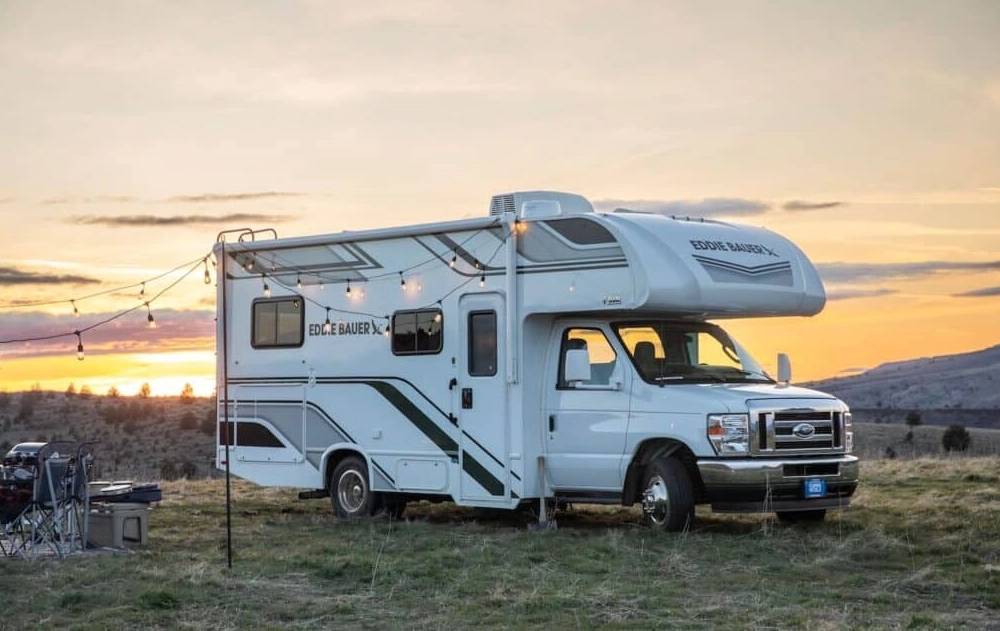
Most first-year RV surprises do not come from one huge bill. They come from many small costs that were never added together. Start with the big decisions. Buy an RV your budget can support. Match the trailer to the tow vehicle. Get the right insurance. Inspect the RV before you take on its problems.
Then control the repeating costs. Maintain the RV early. Track fuel with real towing MPG. Compare campsites. Watch cancellation dates. Slow the travel pace when it saves money. Finally, protect yourself from simple mistakes with repeatable checklists.
Before your next trip, divide your RV budget into four groups: fixed ownership costs, travel costs, maintenance and repairs, and emergency costs. Track what you actually spend after every trip. That is how you avoid the RV money traps that make the first year much more expensive than it needs to be.