

Traveling abroad should bring new experiences, not costly lessons from clever strangers. Yet Americans often stand out through accents, habits, clothing, and unfamiliarity with local customs.
20 Scammers use that moment of uncertainty to create pressure, confusion, or false trust. A friendly helper may demand money, a taxi driver may inflate the fare, or a fake officer may ask for your wallet.
Knowing the common tricks makes you harder to fool. Most schemes lose their power when you stay calm, protect your belongings, and use one firm word: no. The following examples reveal what these traps look like in real life.
How Can Americans Stay Alert Abroad?
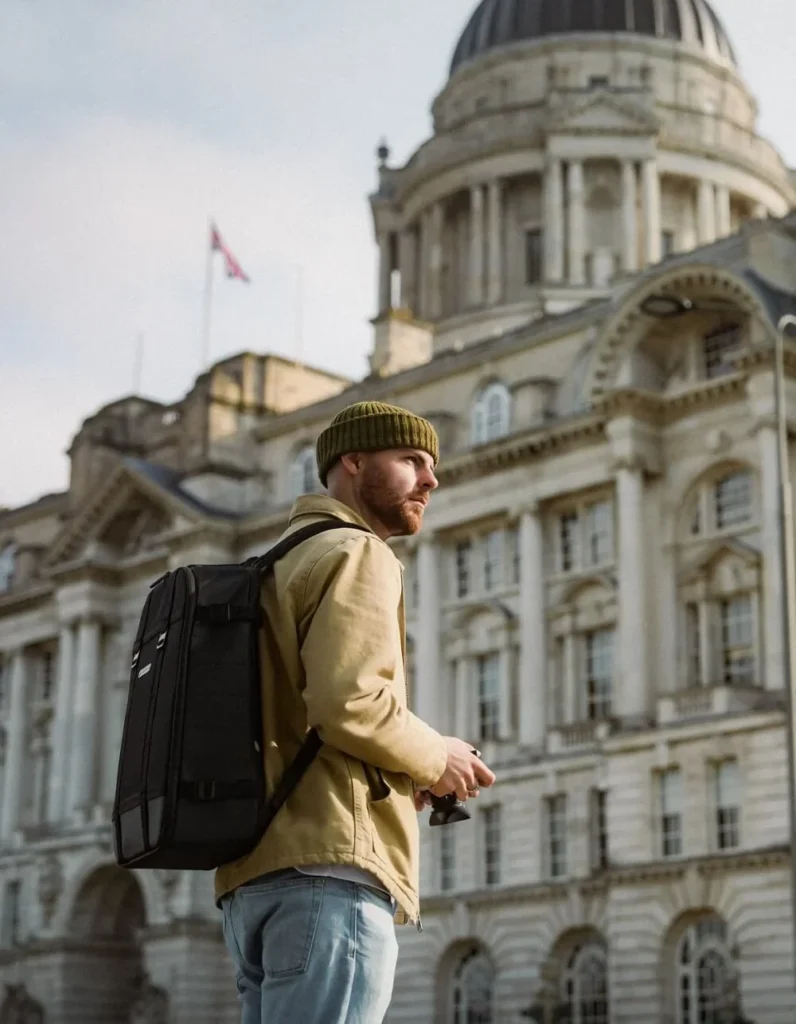
International travel creates exciting opportunities, but unfamiliar places can make visitors easy targets. Accents, clothing, payment habits, and confusion about local customs may quickly attract scammers.
Common tricks often begin with a friendly offer, urgent request, or unexpected distraction. Travelers may face inflated taxi fares, fake police checks, dishonest currency exchanges, or strangers asking for financial help.
Most scams succeed when a person feels rushed or embarrassed. Staying calm, questioning unusual requests, and keeping valuables secure can prevent a small encounter from becoming an expensive mistake.
• Recognize common scams before leaving home
• Confirm prices before accepting goods or services
• Keep passports, cards, and cash out of sight
• Refuse help that feels forced or suspicious
• Leave immediately when pressure begins
1. Fake Airport Transfer Scam
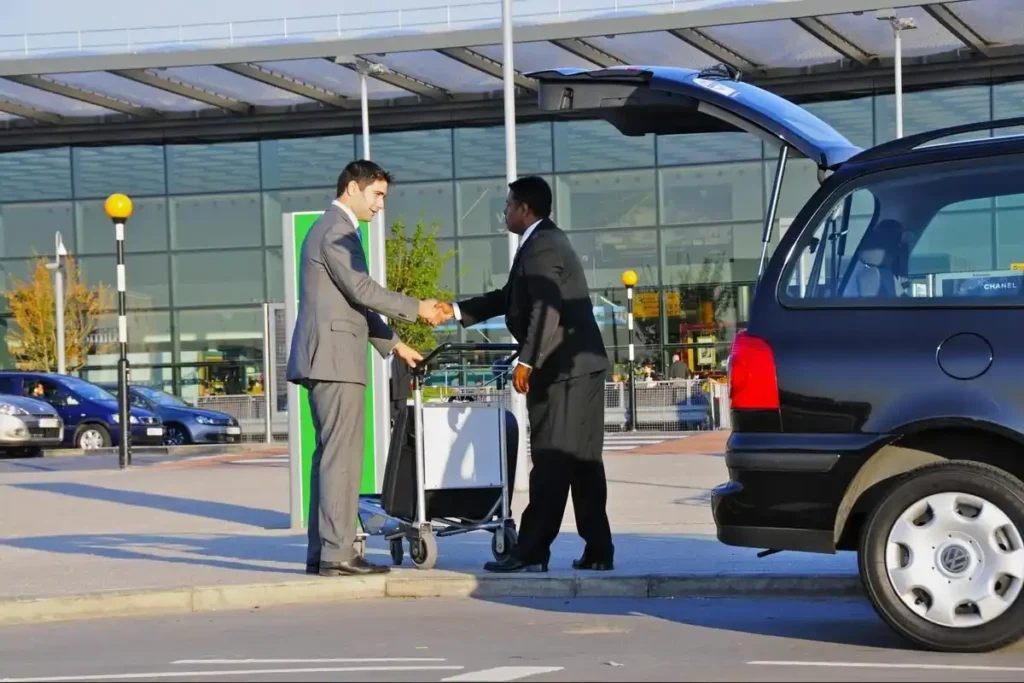
After a long flight, travelers may accept help from a driver who claims to work for an airport transfer company. The driver may use a similar company name, pretend the original booking was canceled, or say the agreed price has changed.
Once the luggage is loaded, the traveler can be taken on a longer route and charged an excessive fare. Confirming the driver’s name, vehicle details, and booking number before entering the car can prevent this scam.
2. The Friendly Photographer Trick

A stranger near a landmark may offer to take a photograph of a couple, family, or solo traveler. After receiving the camera or phone, the person may demand payment, refuse to return the device, or run into a crowded street.
Some scammers work with a partner who distracts the traveler while valuables are removed from a nearby bag. Visitors should ask another tourist, an employee, or a licensed guide when they need help taking a photograph.
3. Fake Attraction Tickets
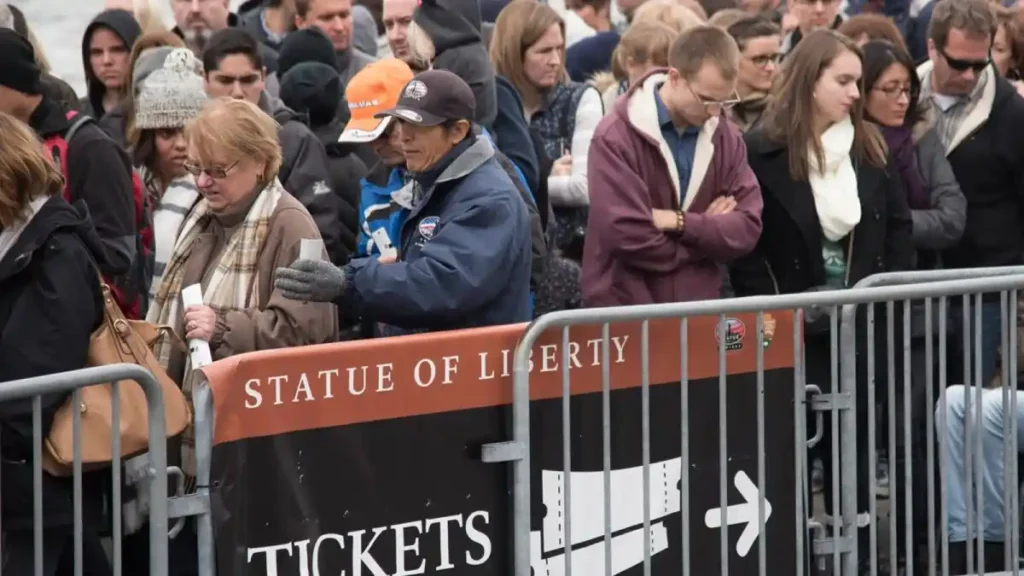
Unofficial ticket sellers often wait outside famous landmarks, museums, ferry terminals, and crowded tourist attractions. They may claim that the official ticket office is closed or that their special pass allows visitors to skip a long line.
The tickets can be fake, expired, overpriced, or valid only for a different time and date. Buying admission through the attraction’s official website or authorized ticket counter provides far better protection.
4. The Helpful Stranger Distraction

Travelers reading a map or checking directions can appear confused and become easy targets for organized scammers. A friendly stranger may offer assistance, point at the map, or insist on walking the group to its destination.
While everyone is focused on the conversation, an accomplice may open a backpack or remove a wallet from an exposed pocket. Genuine help is possible, but tourists should keep their bags closed and remain aware of the people standing around them.
5. The Friendly Local Bar Scam

A welcoming stranger may start a conversation and invite a traveler to a nearby bar for a drink. Once inside, the stranger orders expensive beverages, disappears, or claims to have forgotten a wallet.
The traveler then receives a heavily inflated bill and may face pressure from staff or security guards when questioning the total. Checking menu prices before ordering and avoiding bars selected by an unknown person can reduce the risk.
6. Fake Hotel Payment Requests

Scammers may contact hotel guests while pretending to work at the reception desk, reservation office, or booking service.
They often claim that a payment failed, a reservation is about to be canceled, or the guest’s card details must be confirmed immediately.
The request may arrive through a phone call, text message, email, or fake booking page.
Travelers should contact the hotel directly through its official number before providing card details or personal information.
7. The Free Public Wi-Fi Trap
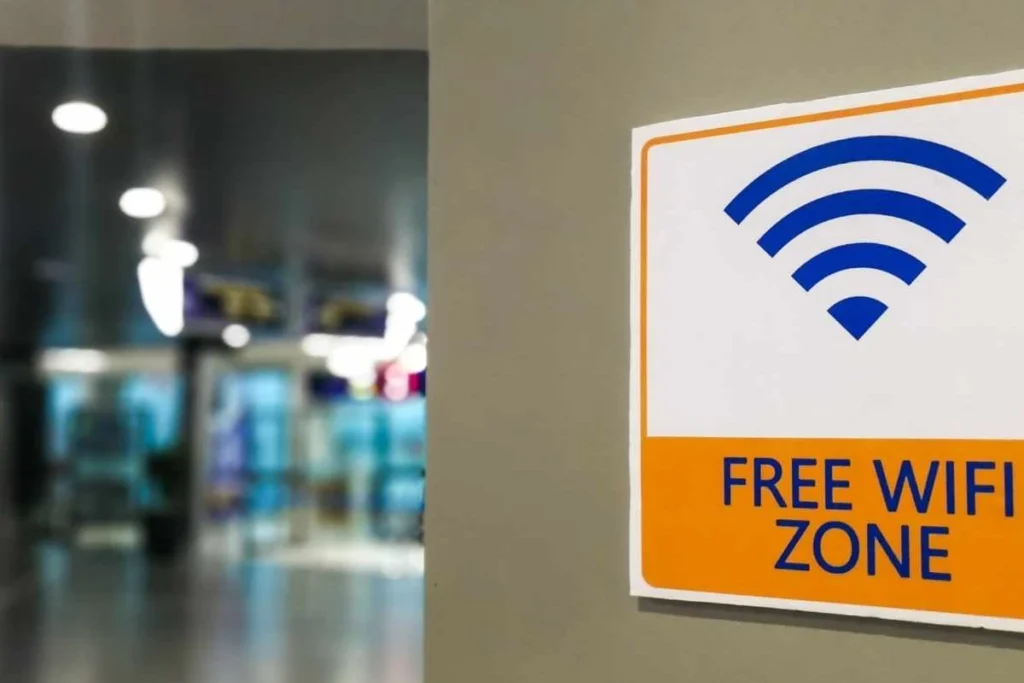
Free Wi-Fi at airports, cafés, hotels, and shopping centers can be convenient, but fake networks may appear beside legitimate ones. A scammer can create a hotspot with a convincing name and wait for travelers to connect without checking its source.
Information entered on the network, including passwords and payment details, may then be exposed. Guests should confirm the correct network with an employee and avoid accessing banking accounts through unsecured public Wi-Fi.
8. The Found Ring Scam

In this common street scam, a stranger pretends to find a ring near a tourist’s feet and asks whether it belongs to them. After the traveler says no, the stranger offers the ring as a gift or claims it must be valuable.
The person then requests money for food, good luck, or a supposed reward and may become persistent. The ring is usually inexpensive, and the safest response is to decline it and continue walking.
9. Rental Car Damage Charges
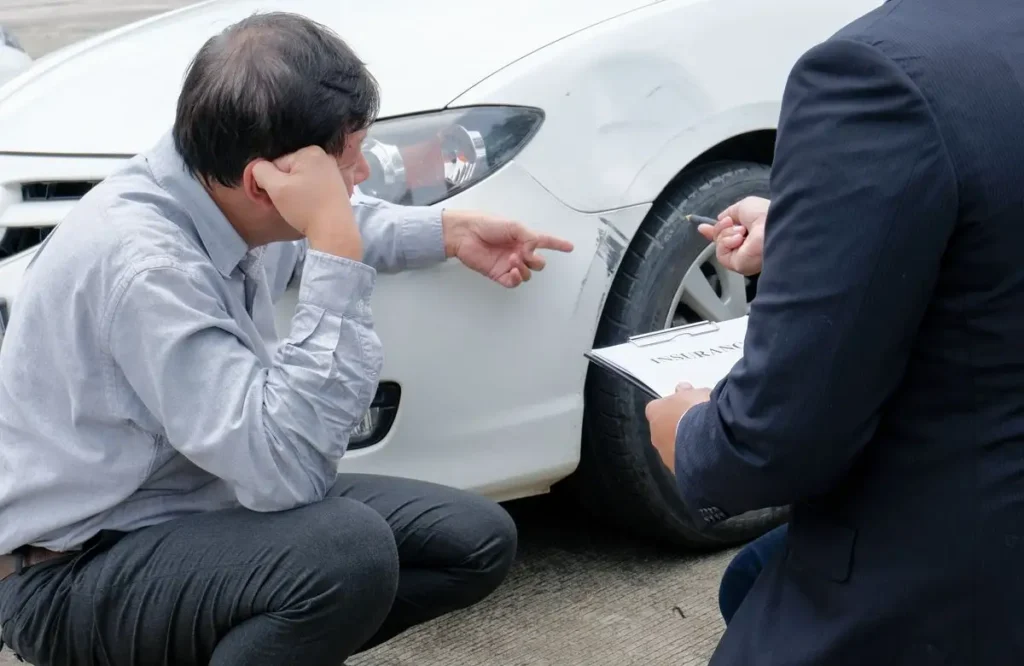
Some rental car customers are blamed for scratches, dents, or mechanical problems that existed before they collected the vehicle. The damage may be difficult to notice in a dark parking area or may not be recorded correctly on the rental agreement.
When the car is returned, the company or agent can demand a large repair payment. Travelers should photograph every side of the vehicle, including the wheels, windshield, roof, and interior, before leaving the collection area.
10. The Unlicensed Tour Guide Scam

An unlicensed guide may approach visitors near a landmark and offer a private tour for a low price. The person may provide false information, demand additional fees halfway through the tour, or take the group to shops that pay commissions.
In some cases, travelers are left far from their original meeting point unless they pay for transportation back. Booking through a recognized company and checking identification can help visitors avoid unreliable guides.
11. Dishonest Currency Exchange

Currency exchange counters may advertise an attractive rate while hiding commissions and service charges in the final amount. Some workers count money quickly, use confusing calculations, or place smaller notes beneath larger ones.
Travelers unfamiliar with the local currency may leave without realizing they received less money than expected. Comparing rates, counting every note at the counter, and requesting a printed receipt can help expose unfair transactions.
12. The Inflated Restaurant Bill
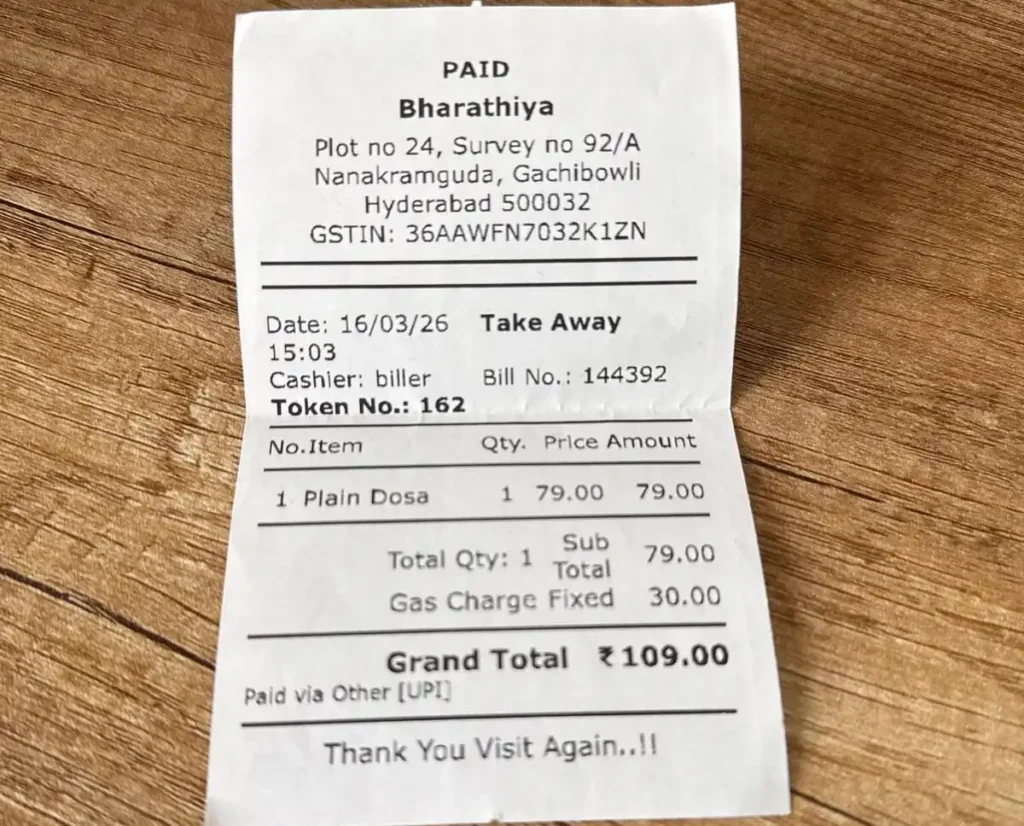
Tourists sometimes receive restaurant bills containing dishes they never ordered, hidden seating fees, or unusually expensive drinks.
A menu without clear prices can make it difficult to challenge the final total, especially when staff remove it after the order is placed.
Some establishments also bring bread, water, or snacks without explaining that each item carries a charge.
Travelers should review menu prices beforehand and check every line on the receipt before paying.
13. The Fake Petition Distraction
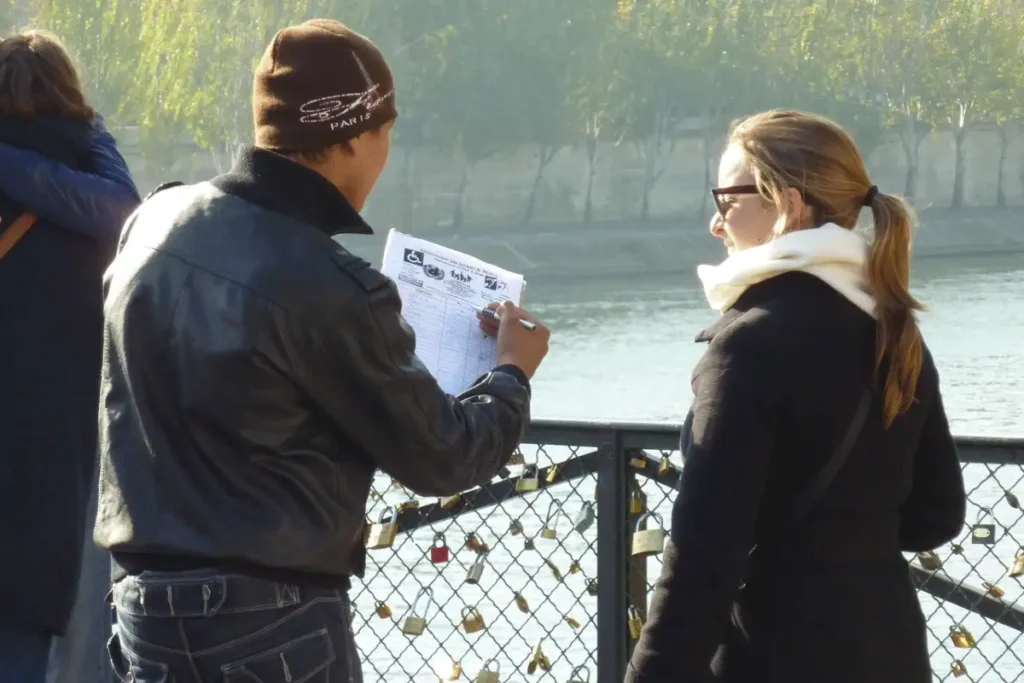
A person carrying a clipboard may approach tourists and ask them to sign a petition for a charity or social cause. After receiving a signature, the person may demand a donation or use the clipboard to hide a hand reaching into a bag.
An accomplice can also take advantage of the conversation to steal from the distracted traveler. Visitors should avoid handing over personal details and keep valuables secured whenever strangers gather closely around them.
14. The Free Rose Scam

A flower seller may place a rose in a traveler’s hand and insist that it is a gift. Once the flower has been accepted, the seller demands payment and may follow the person who tries to return it.
Couples are often targeted because the seller uses embarrassment or romantic pressure to encourage payment. Travelers can avoid the confrontation by keeping their hands down, declining firmly, and refusing to accept any supposedly free item.
15. Shoulder Bag Pickpocketing

Shoulder bags can become easy targets when they are left open or carried behind the body in crowded areas. A pickpocket may bump into the traveler, spill something on their clothing, or create another distraction before reaching inside the bag.
The theft can happen within seconds and may not be noticed until the traveler needs a wallet or phone. Carrying the bag across the body and keeping it closed in front offers stronger protection.
16. The ATM Assistance Scam
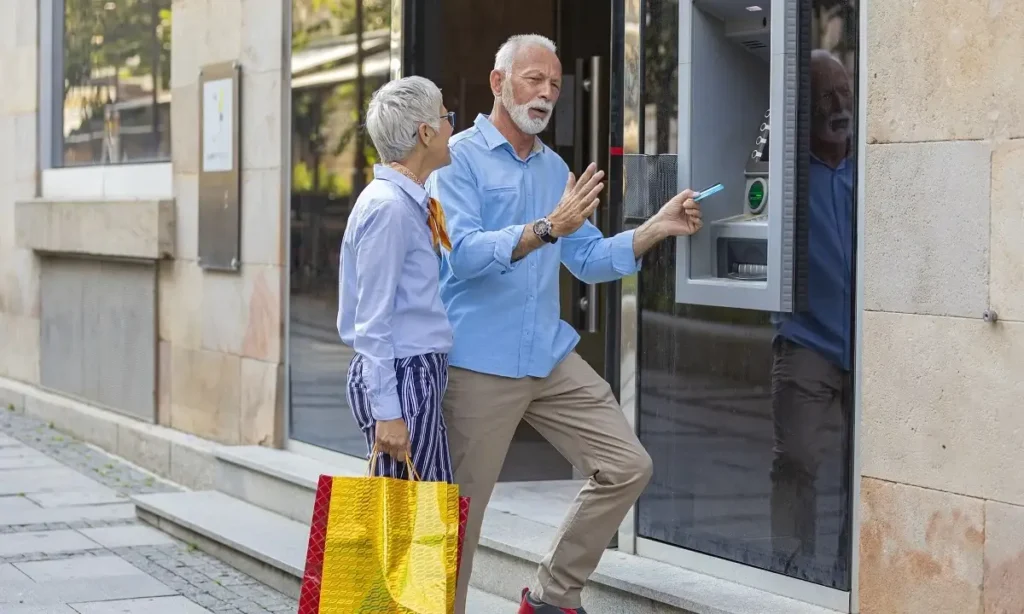
Travelers using an unfamiliar cash machine may be approached by someone offering help with the language, card, or payment process.
The person may watch the traveler enter a PIN, switch the bank card, or direct them to a machine fitted with a skimming device.
Other scammers claim the ATM kept the card and offer to call a fake support number. Using machines inside banks and refusing help from strangers can reduce the chance of theft.
17. Fake Police Officers

Scammers dressed as police officers may stop travelers and accuse them of carrying counterfeit money or breaking a local rule. They can ask to inspect a passport, search a wallet, or collect an immediate fine in cash.
The official-looking uniform and confident behavior make many visitors afraid to question the request. Travelers can ask to see identification and request that any inspection or payment take place at the nearest police station.
18. The Friendship Bracelet Scam

A street seller may begin tying a bracelet around a tourist’s wrist before the person has agreed to buy it. Once the bracelet is secured, the seller demands payment and may loudly accuse the traveler of stealing if they refuse.
The close contact can also distract the visitor while an accomplice reaches into a pocket or bag. Keeping a comfortable distance and declining before the bracelet is attached can prevent the situation from escalating.
19. The Rigged Taxi Meter
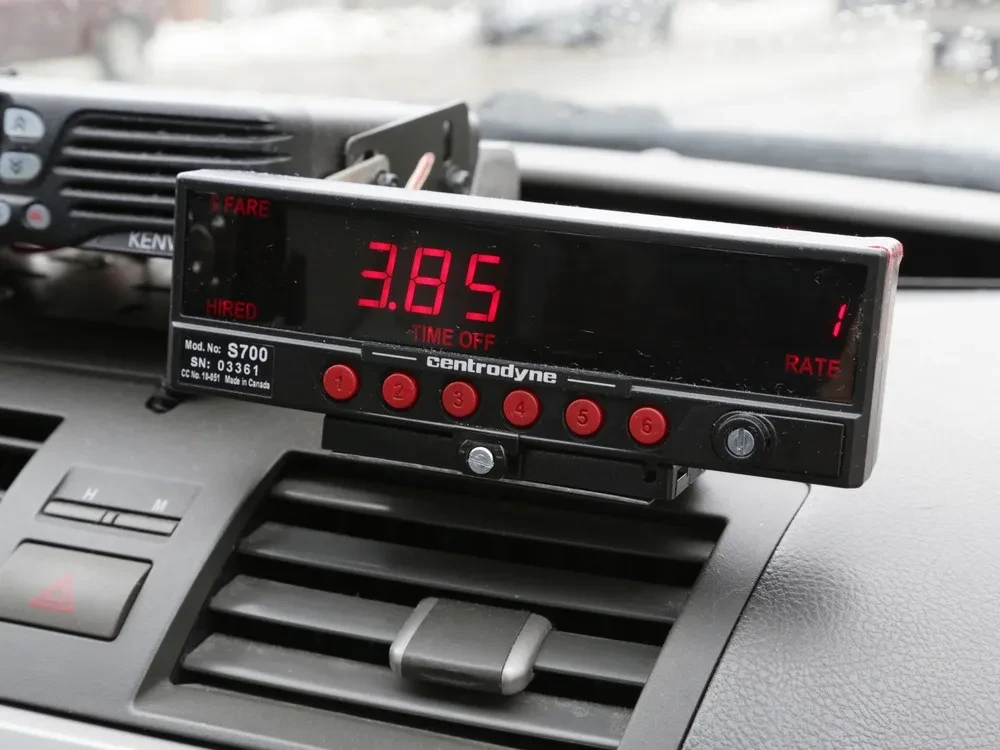
A dishonest taxi driver may use a modified meter that increases the fare much faster than the official rate. Other drivers take unnecessary detours, add false luggage fees, or claim that a higher nighttime tariff applies during the day.
Visitors unfamiliar with local roads and prices may struggle to challenge the final amount. Using a licensed taxi stand, confirming the expected fare, and following the route on a phone can provide useful protection.
20. Pickpocketing on Public Transportation
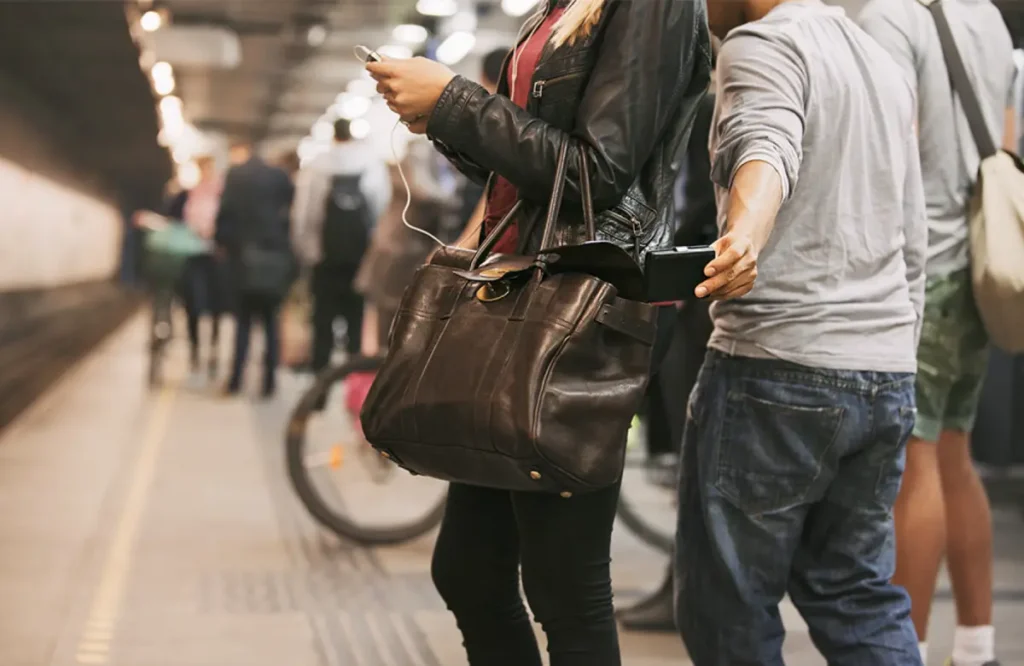
Crowded buses, trains, and underground stations create ideal conditions for pickpockets because passengers regularly stand close together. Thieves may block a doorway, push during boarding, or work in groups to surround a distracted traveler.
Phones, wallets, passports, and bags placed near the body’s side or back are common targets. Keeping valuables in closed front compartments and remaining alert during boarding can make theft much more difficult.