

Opening up social media reveals glowing campfires, mountain backdrops, and effortless nomadic living. The reality behind the lens is often a leaking black water tank in pouring rain.
The full-time RV living reality is not a permanent vacation. It is a total lifestyle swap with unique challenges. Before you sell your house or invest your savings, you need an honest assessment of what day-to-day living requires.
Paying attention to these RV life warnings will help you avoid costly mistakes. Here are nine clear signs that nomadic living might not fit your life, along with the actual costs of RV living you can expect.
9 Signs You’re Not Cut Out for RV Life (Most People Ignore #3)

1. You Panic When Things Break

RVs are basically rolling homes enduring a constant earthquake. Every mile down the highway vibrates pipes, loosens electrical connections, and rattles appliances. Things will break on your rig. It is never a matter of if, but when.
If you rely on handymen for simple household fixes, you will struggle on the road. Service centers stay backed up. Average RV repair wait times at major dealerships stretch from four to eight weeks during peak season. Waiting two months for a slide-out repair leaves you stranded or living in a broken rig.
Fix It Yourself.
Keep Rolling.
Basic DIY RV repair skills can turn a roadside problem into a quick fix. Know your systems, carry the right tools, and handle common failures before they become emergencies.
Carry Essential Tools
Keep a multimeter, plumbing tape, silicone sealant, and a full socket set ready in your storage bay.
Master Basic Systems
Before setting out, understand your 12V DC system, 120V AC breakers, and propane lines.
Handle Water Problems
Learn to diagnose and clear pump clogs yourself so a small plumbing problem doesn’t stop the entire trip.
Protect the RV
Know how to replace water heater anode rods and reseal roof seams before leaks cause expensive damage.
Ask yourself: Are you willing to spend a Saturday knee-deep in a storage bay troubleshooting a water pump failure?
2. You Expect RV Living to Be Cheaper Than a House

Many people leap into nomadic life assuming it will solve their financial stress. The math rarely works out that easily. Monthly site rentals at popular coastal or mountain parks regularly run $1,200 to $1,800 plus electricity.
Combine that with high fuel consumption, specialized insurance, and rapid vehicle depreciation. The costs of RV living quickly match or exceed those of a standard apartment.
Initial setup costs catch newcomers off guard. Proper weight-distribution hitches, heavy-duty surge protectors, sewer hoses, and solar upgrades require thousands of dollars upfront. Proper budgeting for RV life requires a substantial emergency fund.
THE HIDDEN
ROAD-TRIP BILL
Your monthly RV budget goes beyond the obvious. These three categories can quietly add up when you’re living life on the road.
CAMPGROUND FEES
Watch for peak-season surcharges and metered electric bills that push your stay higher.
FUEL & TRANSIT
A heavier rig, steep terrain, and wind resistance can dramatically increase fuel use.
MAINTENANCE FUND
Prepare for tire replacements, roof seals, and unexpected appliance parts.
If your main goal is saving money, staying in a low-cost traditional home is often far smarter.
3. You Cannot Function Without Consistent High-Speed Internet

Losing internet access stops your workday instantly if you plan on working remotely from an RV. Signal reliability is the absolute top dealbreaker for modern nomads.
Starlink changed the game, but it is not magic. Satellite obstruction data shows a single tall pine tree can drop your connection every few minutes. That drops your Zoom call instantly.
Cellular dead zones cover vast areas near national parks and public lands. Relying on a single phone hotspot will leave you stranded without work.
Stay Connected
Off The Grid.
Reliable RV internet isn’t luck. Build your setup around redundancy, stronger hardware, and smarter route planning.
Use Multiple Carriers
Don’t rely on one network. Carry hotspots from two different cellular carriers for built-in connection redundancy.
Invest In Hardware
Mount high-gain cellular antennas on the roof and pair them with a dual-SIM router for stronger, smarter connectivity.
Map Your Stops
Before booking a campsite, check cellular coverage maps and planning tools such as Campendium to avoid dead zones.
Consider the full-time RVing pros and cons carefully. If missing a single client call ruins your job security, living on the move adds massive stress.
4. You Need Generous Personal Space for Mental Clarity

The average American home spans roughly 2,200 square feet. The average full-time RV offers less than 300 square feet of usable interior space.
Living in small spaces forces a radical adjustment. Rainy weather will lock you inside for days. You will bump elbows with your partner, step over pets, and convert your dining table into an office every single morning.
Clutter accumulates instantly. Leaving three items on a counter makes the whole living area look dirty.
Average US House:  [ 2,200 sq. ft. ]
Typical Travel RV: [ 250 sq. ft.   ]
Privacy disappears inside a rig. Interior walls are paper-thin, and doors rarely block sound. This setup reveals the full-time RV living reality very fast. If you need a quiet room to recharge, small-space living will exhaust you.
5. You Hate Handling Waste and Rig Sanitation
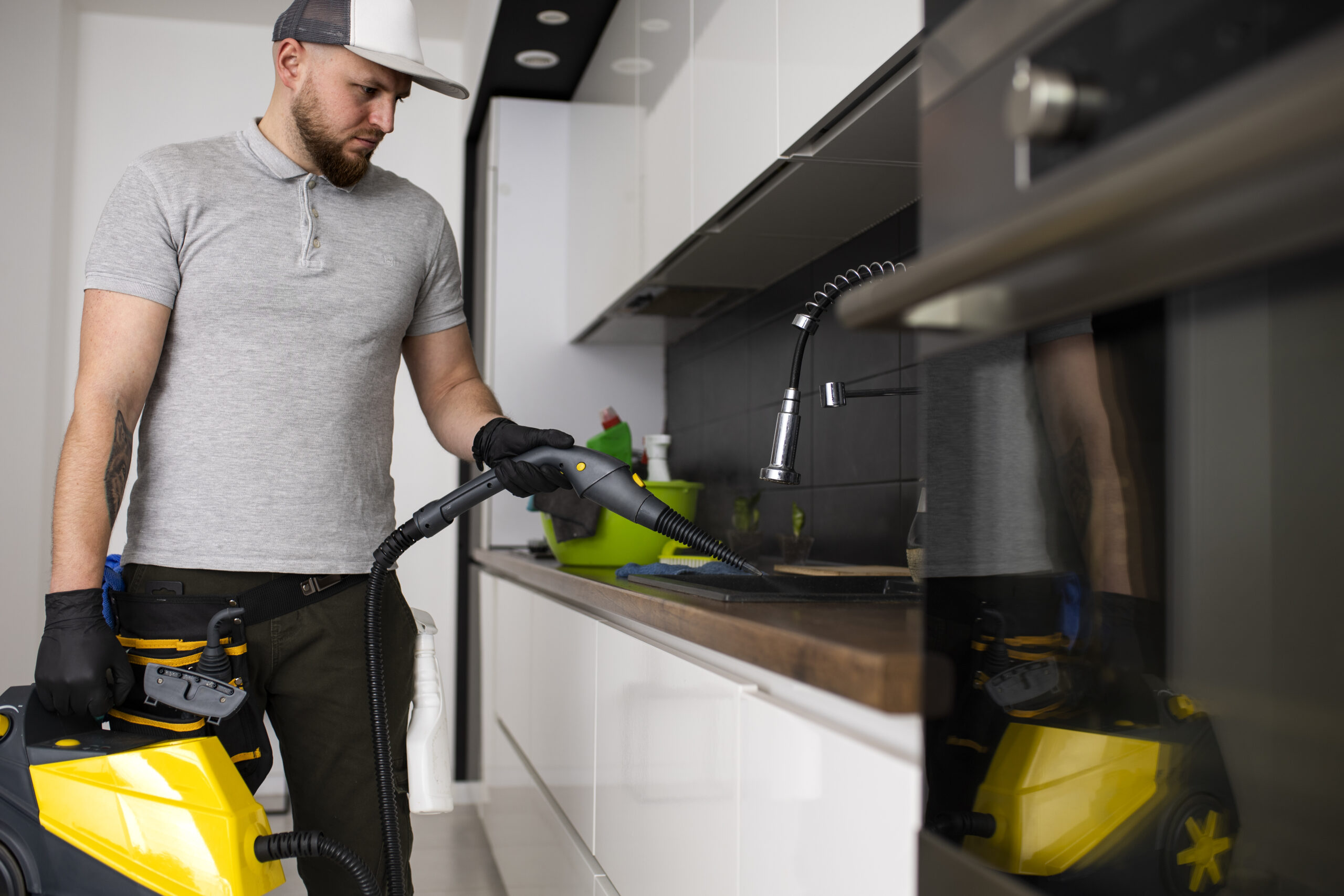
There is no sugarcoating this topic. You become your own sanitation worker when you live in a rig.
Black tanks hold human waste. Gray tanks hold sink and shower water. You must manually dump, flush, and sanitize these tanks every five to seven days. Macerator pumps jam, sewer hoses split, and tank sensors constantly misread levels due to residue buildup.
Keep the Black Tank Flowing Clean
Proper tank maintenance helps prevent sewage odors, buildup, and messy backups inside your RV living space.
01 — Secure the Hose
Connect black hoses securely and use clear elbow adapters so you can visually confirm that the flow is clearing.
02 — Flush Thoroughly
Flush the black tank thoroughly before closing valves to help prevent waste buildup inside the tank.
03 — Treat + Add Water
Add tank treatment chemicals with plenty of water to help break down solids and keep the system cleaner.
If handling waste valves or clearing a clogged drain makes you gag, this lifestyle will challenge you daily.
6. You Need Fixed Routines and Predictable Schedules
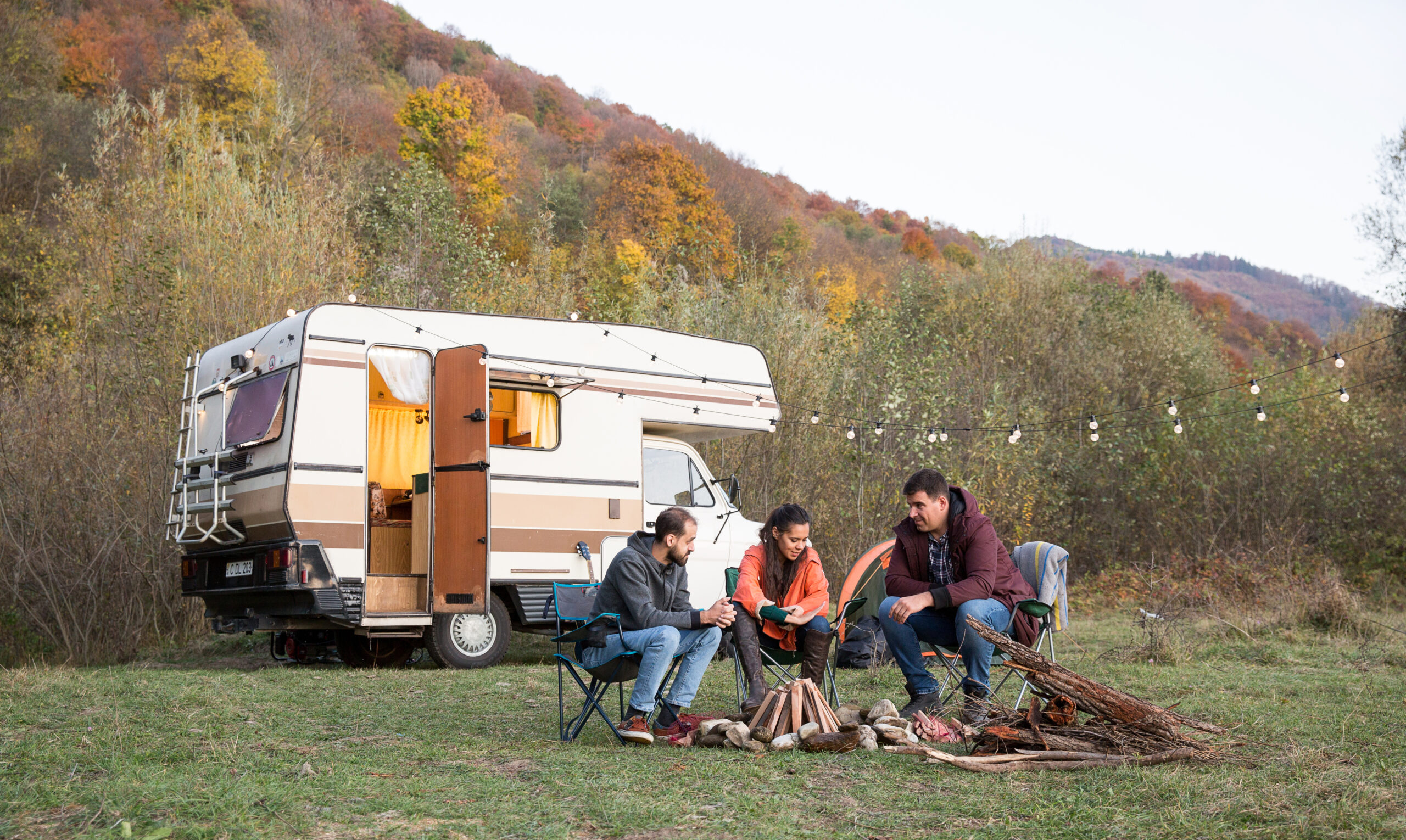
Spontaneity sounds great until you cannot find a place to park for the night. State and national park campsites open booking windows six to twelve months in advance. Prime spots fill up within seconds.
Living on the road requires endless logistics. Finding propane refills, potable water, dump stations, and laundromats takes hours out of your week. Bad weather, high winds, or sudden closures force last-minute route adjustments.
Plan The Road Ahead
Successful RV travel isn’t just about the destination—it’s about staying ahead of bookings, route changes, and rig maintenance.
Book Main Stops Early
High-demand destinations fill quickly, so reserve major stops 6–12 months ahead to secure the places you really want to visit.
Map Your Backup Locations
Weather can change your route without warning. Keep secondary destinations ready so you can adapt without losing valuable travel time.
Schedule Maintenance Days
Don’t squeeze essential chores between adventures. Block dedicated days for errands, cleaning, and rig checks to keep the journey running smoothly.
If changing plans on short notice stresses you out, the constant movement will tire you out quickly.
7. Isolation and Frequent Goodbyes Take a Toll

Moving every few weeks makes building deep relationships difficult. You leave friends behind repeatedly. Making connections on the road takes constant effort.
Missing family birthdays, holidays, and milestones is common. Video calls cannot fully replace physically being there. Loneliness ranks high among the reasons full-timers quit within two years.
BUILD YOUR RV COMMUNITY
Join Nomadic Clubs
Connect with Xscapers, Escapees, and other national groups that organize regular meetups for RV travelers.
Attend Regional Rallies
Spend a full week at caravan events where shared adventures make it easier to meet fellow travelers.
Stay Longer, Connect Deeper
Choose monthly campsite stays instead of moving every weekend and give friendships time to grow.
Consider the full-time RV living reality before selling your home. Moving away from your support system can leave you feeling isolated.
8. You Get Stressed Driving Large Vehicles

Driving a 40-foot motorhome or towing a heavy fifth wheel is stressful. You share the road with semi-trucks while navigating crosswinds, steep mountain passes, and narrow gas station lanes.
Standard navigation apps like Google Maps can lead you down dangerous roads. Standard phone apps do not account for low bridge clearances or propane bans in tunnels.
Standard GPS: Bridge height ignored  --> High risk of impact
RV Navigation: Route filtered by height/weight --> Safe travel pathTow Smart.
Travel Safe.
Three simple habits that help you navigate confidently, protect your rig, and handle tight parking situations before the real adventure begins.
01 — Navigate For Your Rig
Use specialized RV navigation and enter your height, length & weight so routes account for your vehicle’s real dimensions.
02 — Know Your Clearance & Tires
Measure from the ground to the top of your AC unit for exact clearance, and install TPMS to catch slow tire leaks early.
03 — Practice Parking First
Before traveling, practice backing into tight spaces in an empty parking lot. Build confidence before dealing with crowded campgrounds.
If towing thousands of pounds causes you anxiety, long travel days will burn you out quickly.
9. You Expect Vacation Vibes Instead of Everyday Chores
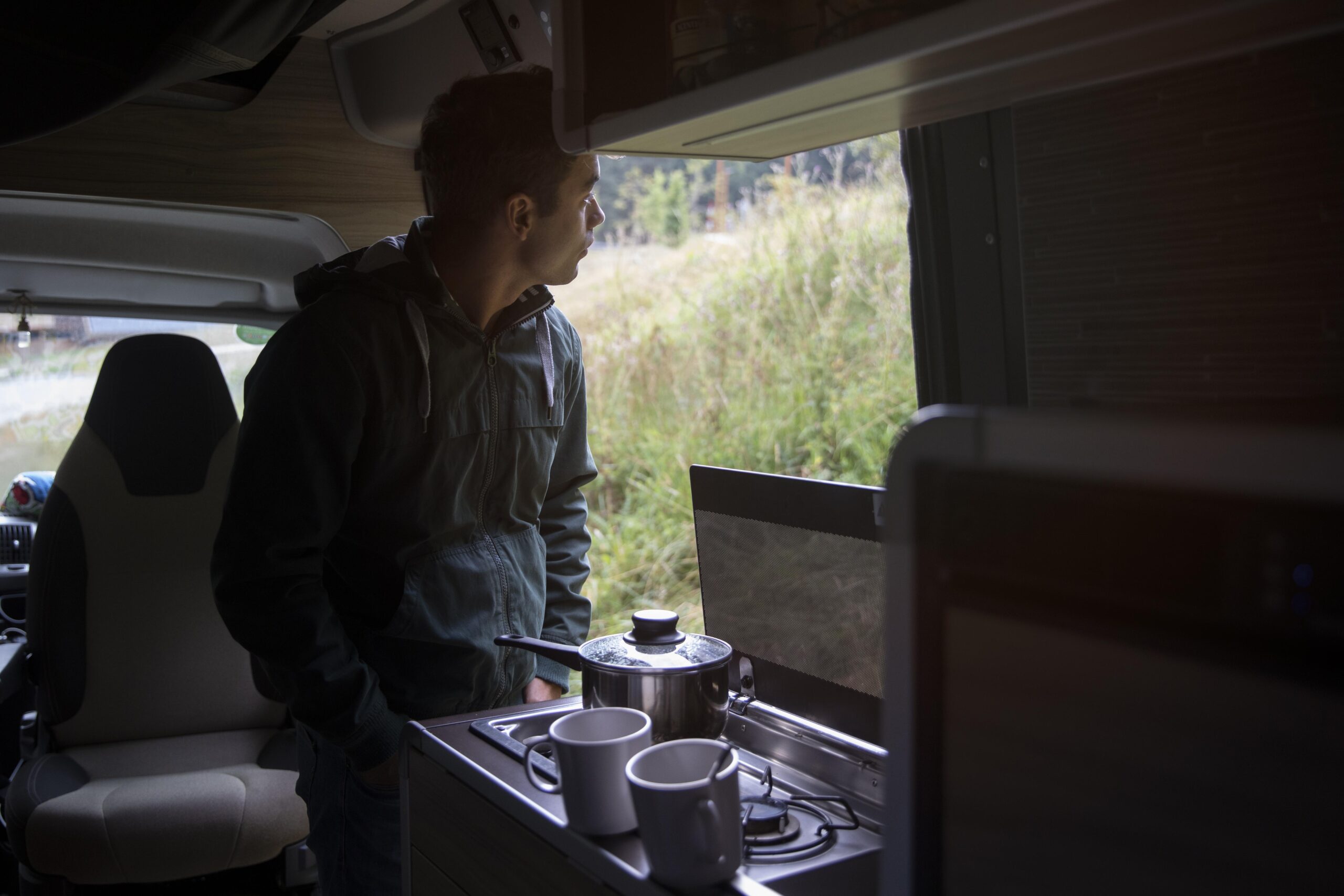
Living in an RV does not eliminate adult responsibilities. Chores take longer in a small space. Daily tasks consume up to 20% more time in a rig due to smaller appliances and limited space.
Laundromats mean hauling heavy bags across town. Cooking requires prepping ingredients in tight spaces and washing dishes by hand to save fresh water. Dust and dirt enter through open windows constantly, forcing you to sweep daily.
Vacation RVing:  Eating out, relaxing, ignoring chores
Full-Time RVing: Cooking in tight spaces, finding laundromats, constant cleaning
Experiencing the full-time RV living reality firsthand will show you if you are ready. Taking this test drive saves you money, stress, and regret before making a major life change.