
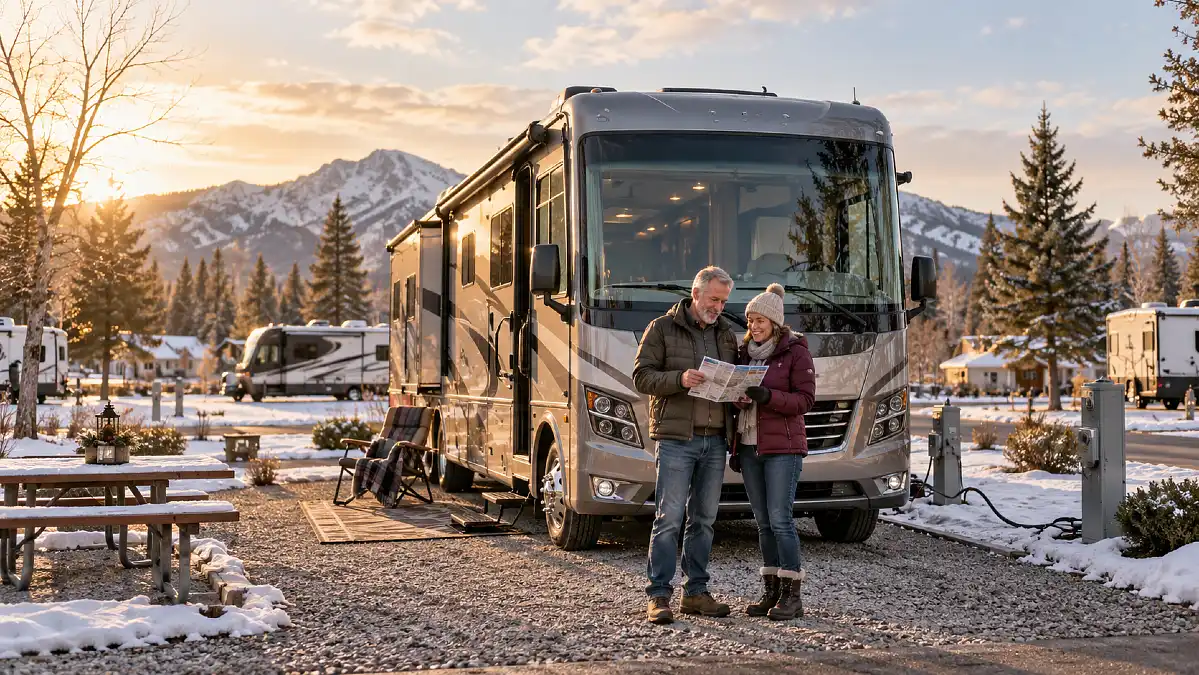
A winter RV park can look perfect when you are scrolling through photos. The monthly rate seems fair, the sites look roomy, and the listing promises full hookups, Wi Fi, laundry, and warm winter weather.
Then you arrive and find out electric is extra. The pool you expected to use is closed. Your second vehicle costs more, packages cannot be delivered, and the Wi Fi barely reaches your site.
Those things may be small during a two night visit. During a month long stay, they can affect your budget and your daily routine almost every day.
That is why you should look past the advertised monthly price. A good winter RV camping setup depends on utilities, site size, weather plans, internet, propane, park rules, and cancellation terms.
Before paying a deposit for a monthly RV park stay, ask these 11 questions.
1. What Will This Winter RV Park Actually Cost Me?
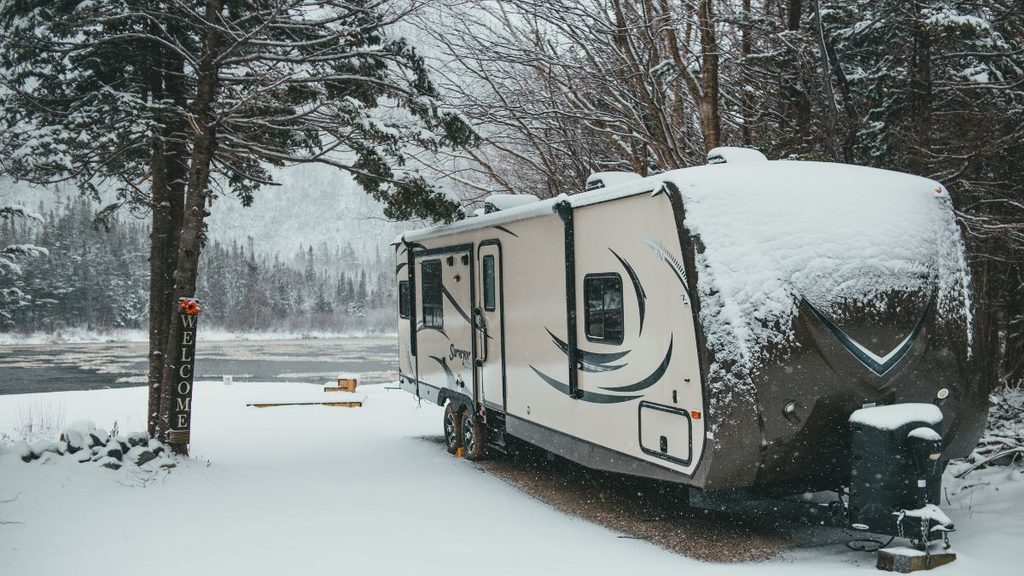
Start with the number that matters most: the total cost of the month, not the rate shown in large print.
A monthly price may cover your site and basic hookups while leaving several other charges outside the advertised rate. Ask the park to tell you everything you may pay from arrival through departure.
Ask about:
- Electricity
- Taxes
- Reservation fees
- Security deposits
- Extra vehicles
- Storage
- Premium site charges
- Pet fees
- Extra people
- Site selection fees
Current 2026 pricing shows how much the details can change the math. Tucson/Lazydays KOA lists winter monthly sites starting at $1,175, but metered electricity is extra. Orlando Southwest KOA lists winter rates starting at $1,070 for a back in site and $1,195 for a pull through site.
You do not need a complicated spreadsheet. Ask the park one simple question:
“If I stay for exactly 30 days, what could appear on my final bill besides the monthly site rate?”
That answer makes comparing two parks much easier.
2. Is Electricity Included or Metered Separately?
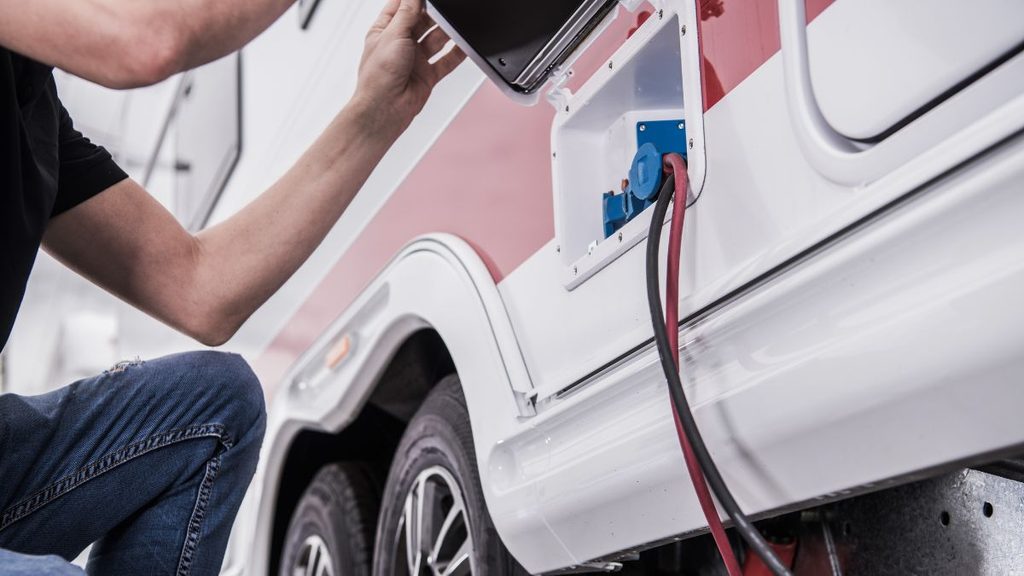
This question deserves its own place on your checklist because winter electricity use can be different from a mild weather stay.
Some parks bundle electricity into the monthly rate. Others meter each monthly site and bill you separately.
Albuquerque North KOA says its monthly rates include electric, water, sewer, cable TV, Wi Fi, and trash. Bakersfield KOA lists its monthly rate separately from metered electricity.
Ask the park:
- Is electricity included?
- If not, how is it priced?
- When is the meter read?
- Is there an extra electric service fee?
- How and when do I pay the bill?
- Can you show me a recent sample bill with personal details removed?
The last question is especially useful if you plan to use electric heaters.
Do not assume another RVer’s bill will match yours. A small trailer in mild Arizona weather can use very different amounts of power from a large motorhome during freezing nights.
You simply want enough information to build a realistic budget.
3. Will My Exact RV Fit the Monthly Site?
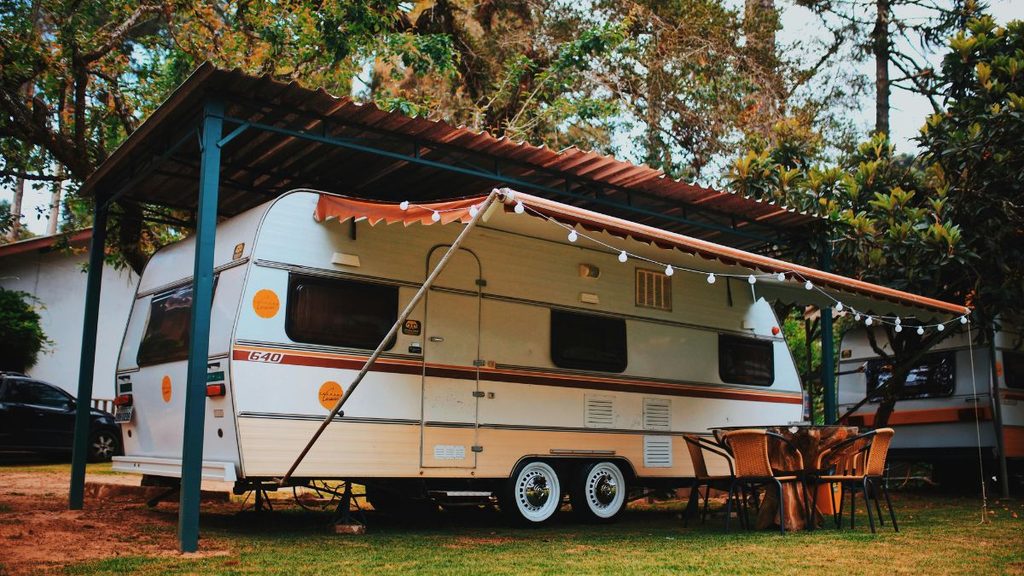
A campground can be big rig friendly while still having smaller sites in its monthly section.
That detail matters.
Rockport/Corpus Christi KOA lists extended stay sites with concrete pads up to 105 feet long. Benson KOA says some sites popular for monthly stays are best suited to RVs measuring 30 feet or less.
Give the park your actual measurements, including anything that changes how much room you need.
Tell them:
- RV length
- RV height
- Number of slides
- Which sides the slides open on
- Tow vehicle or towed car
- Additional vehicle
- Desired electrical service
Then ask for the dimensions of the exact site being assigned to you.
You should also ask where the water, sewer, and electrical pedestal sit in relation to your RV.
A long site is less useful if your sewer hose barely reaches the connection or your slide opens against a tree.
If possible, ask for a current photo of the actual site.
4. What Happens to Water and Sewer When Temperatures Freeze?

This question matters even in places marketed as winter destinations.
Arizona, New Mexico, Texas, California, and other popular winter states can still get freezing nights in some areas.
Your RV also matters. KOA’s cold weather RV guidance notes that some RV plumbing is protected inside heated spaces while other tanks, pipes, drains, and valves may sit exposed underneath the RV. KOA also advises disconnecting and draining drinking water and sewer hoses as temperatures approach freezing.
Ask the campground what guests are expected to do when a freeze is coming.
Questions should include:
- Do you require a heated drinking water hose?
- Are outdoor faucets protected from freezing?
- Does the park shut off water during severe cold?
- Can sewer hoses remain connected?
- Does the park have rules about pipe insulation?
- Who is responsible if the site’s water connection freezes?
Do not wait until the first freezing night to learn the park’s system.
You want to know what equipment you need before you arrive and what steps the campground expects you to take.
5. What Happens When Snow, Ice, or a Power Outage Hits?
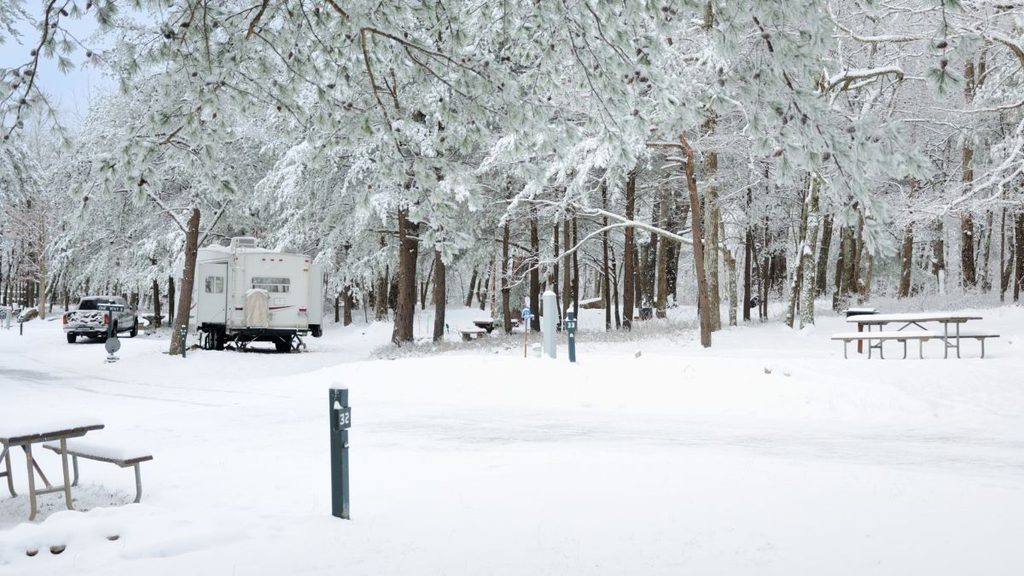
A sunny campground photo tells you very little about what happens during bad winter weather.
Ask about the park’s actual storm plan.
Palmer KOA in Alaska, for example, specifically says snow removal is included with its winter monthly stays. That is useful information because it tells guests who handles at least part of the winter work.
FEMA warns that winter storms can bring extreme cold, freezing rain, snow, ice, and high winds. These storms can also disrupt heat, power, and communication services.
Ask:
- Who clears park roads?
- Are individual sites cleared?
- Are icy roads treated?
- What happens if water is shut off?
- Is there an emergency phone number after office hours?
- Are generators permitted?
- Where is the nearest safe place during severe weather?
Never assume generator use is allowed. Valdez KOA, for example, states that generators are not permitted anywhere in its campground.
The right time to learn that rule is before an outage.
6. Which Amenities Are Actually Open During My Winter Stay?
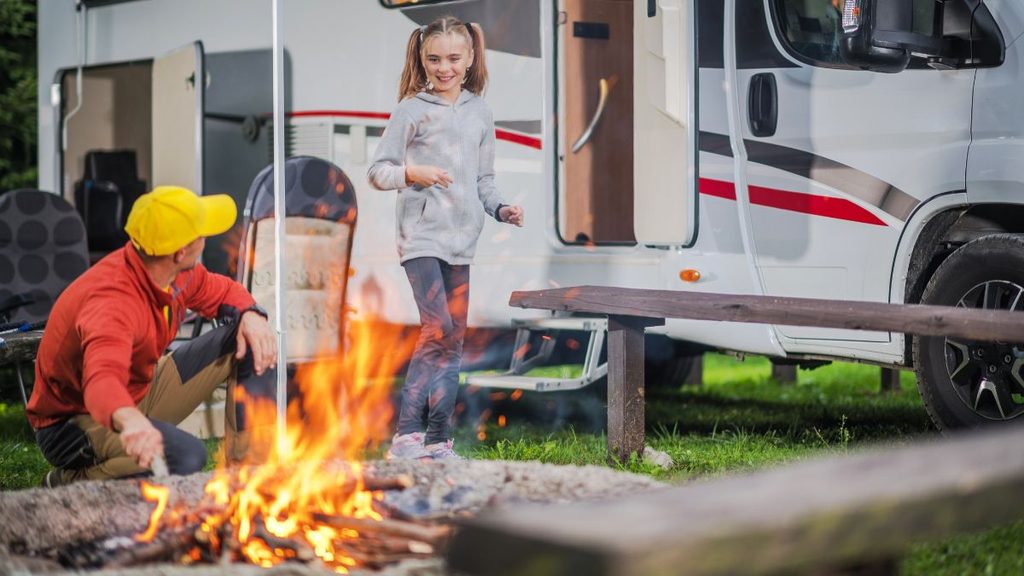
A campground website may show a pool, store, hot tub, clubhouse, laundry room, showers, and activity areas.
That does not mean every one of them will be open in January.
Sun Outdoors states that certain amenities can close seasonally, for repairs, or for maintenance.
Lake Tahoe KOA provides another useful example. Its campground page says the camp store closes in winter, although staff can open it for guests when needed.
Instead of asking, “What amenities do you have?” ask:
“Which amenities will be open during the exact dates of my reservation?”
Pay close attention to the things you expect to use every week.
For a month long stay, laundry may matter far more than a swimming pool. A warm shower building may matter more than a recreation room.
Also ask about operating hours. A laundry room that closes early may be less convenient than a basic 24 hour facility.
7. Can I Refill Propane Without Moving My RV?
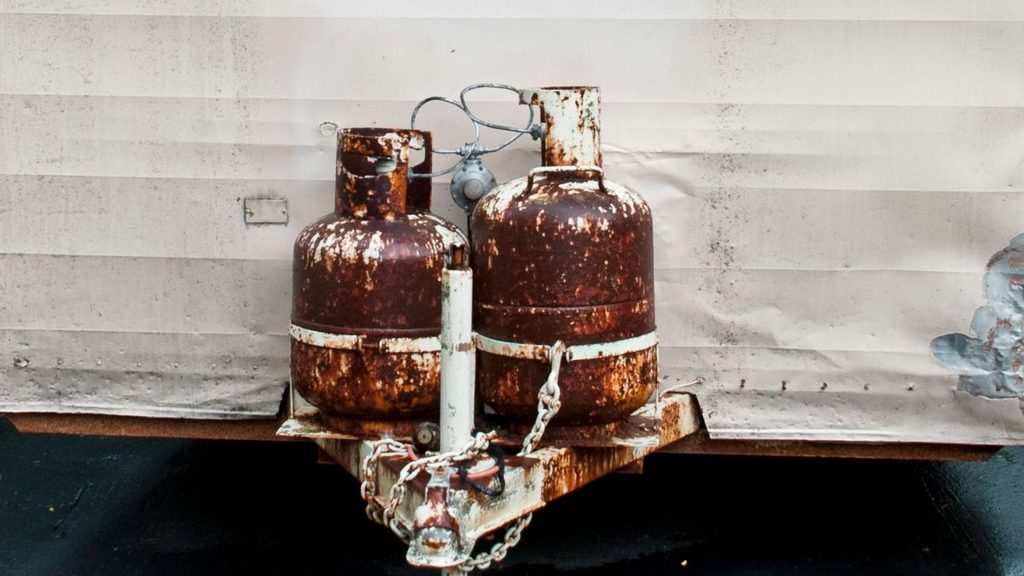
Cold weather can make propane a regular part of daily RV life, especially if your furnace uses it.
So check the refill plan before you settle into your site.
Albuquerque North KOA lists an on site propane dispensing station for monthly guests. Lake Tahoe KOA also says propane refills are available for extended stay guests.
If the campground does not sell propane, ask where the closest refill station is.
Then ask one more question:
Can I refill without moving the RV?
That matters if your motorhome’s propane tank is built into the coach.
Some travelers with towable RVs can simply remove portable cylinders. A motorhome owner may have to move the entire rig unless mobile propane delivery is available.
Also check winter opening hours. A nearby propane supplier is less helpful if it closes before you finish work or shuts down during a storm.
8. Is the Internet Good Enough at My Exact Site?
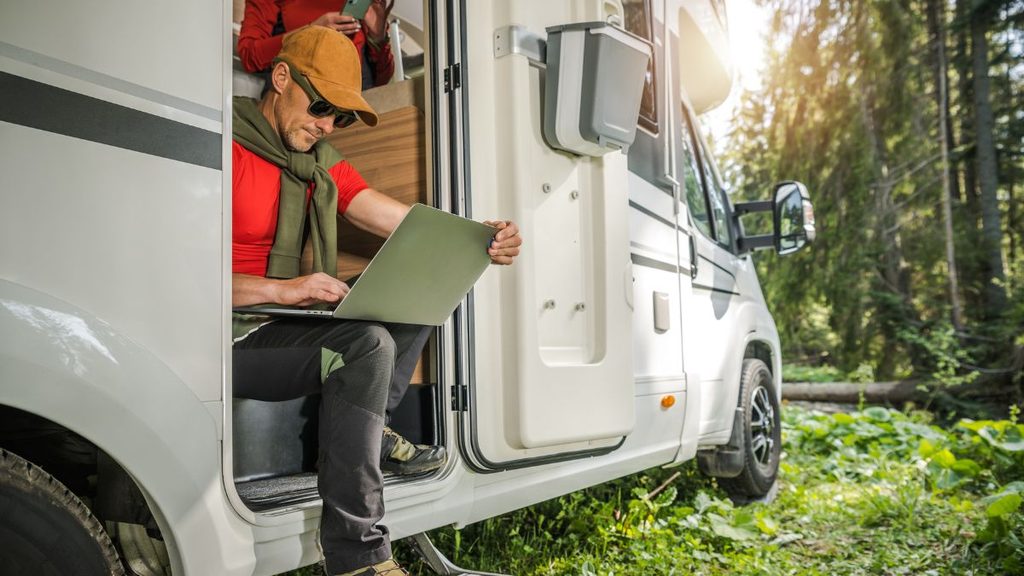
“Free Wi Fi” does not tell you whether you can join a video call at 10 a.m.
It also does not tell you what happens when dozens of other winter guests start streaming at night.
Ask how the connection performs in the section where monthly guests stay.
If you rely on cellular data, the FCC National Broadband Map can help you compare reported mobile coverage from different providers. But the FCC makes an important point: its mobile maps describe expected coverage outdoors or in a moving vehicle.
They do not show indoor coverage, and actual results can vary because of terrain, network demand, equipment, and other factors.
For remote work, ask the campground for more than “yes, we have Wi Fi.”
Ask:
- Does Wi Fi reach my site?
- Are there data limits?
- Is there a faster paid option?
- Which cell carriers work best?
- Can someone run a speed test near my assigned site?
If your job depends on internet access, plan a backup connection.
Satellite internet such as Starlink Roam is one current option designed for travelers and RV users, though service plans, site obstructions, and pricing should be checked before relying on it.
9. Can I Receive Mail and Packages for a Month?

This small detail can become frustrating during a long stay.
Do not assume the campground office accepts deliveries.
Policies can be very different from one park to another.
Valdez KOA allows guests to receive mail and packages, but it provides specific instructions for USPS, FedEx, and UPS deliveries.
Concrete/Grandy Creek KOA has a much tighter rule. Its published policy says the campground accepts only medication and emergency RV parts, and qualifying RV parts packages carry a $5 pickup fee. Other mail is returned.
Ask what happens with:
- USPS mail
- Amazon orders
- UPS deliveries
- FedEx deliveries
- Prescription medication
- Large RV parts
Also ask how packages are stored and how quickly you need to collect them.
For a short weekend trip, none of this may matter. Over 30 days, it can matter a lot.
10. Which Park Rules Could Change My Daily Routine?
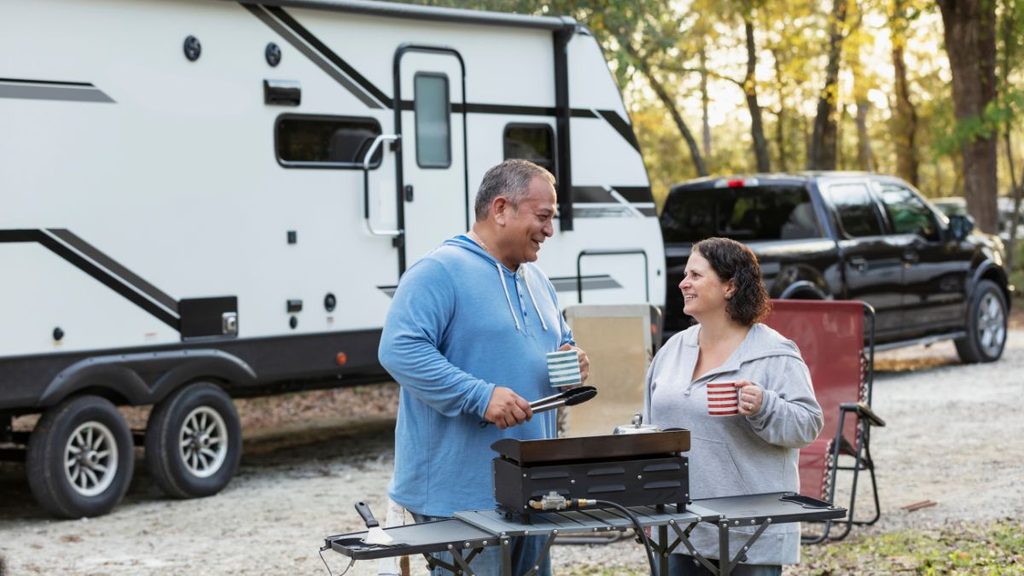
Monthly guests often use a campsite differently from people staying for two nights.
You may have a second vehicle, outdoor furniture, bikes, work gear, a pet, or extra storage.
Ask for the written rules before booking.
Benson KOA, for example, says its rates are based on one vehicle per site and lists an additional daily charge for extra vehicles.
Valdez KOA states that guests cannot run generators or wash RVs and vehicles at their sites.
Rules worth checking include:
- Extra vehicles
- Visitor parking
- Pets
- Outdoor rugs
- Storage containers
- RV skirting
- Heated hoses
- Generators
- Vehicle washing
- RV washing
- Package deliveries
- Quiet hours
Some parks may also have rules about RV condition or age. If that information is not clearly published, ask before sending photos, paperwork, or a deposit.
A rule does not automatically make a park bad.
You simply need to know whether its rules fit how you plan to live for the month.
11. What Happens If I Cancel, Leave Early, or Change My Dates?

Do not leave the cancellation policy until the final screen of checkout.
A monthly reservation can have very different terms from a nightly stay.
Sun Outdoors currently states that guests staying 30 nights or longer can receive a full deposit refund when cancellation happens at least 45 days before scheduled arrival. Its published policy also says cancellations later than that can result in loss of the required deposit, and no refund is given after check in.
Deposit amounts also vary widely between parks.
Rock Springs KOA lists a $200 security deposit for monthly stays. Palmer KOA lists a $900 refundable deposit with its October through April monthly rate. Orlando Southwest KOA lists a $100 deposit for its long term sites.
Before paying anything, ask:
- Is my deposit refundable?
- What is the cancellation deadline?
- What happens if I leave early?
- Can I change my arrival date?
- Can I extend the stay?
- Could I be moved to another site?
- When is the deposit returned?
Get important answers in writing.
A phone conversation is useful. A written confirmation gives you something clear to check later.
The Best Winter RV Park Is the One With Fewer Surprises
Booking a month at a winter RV park is different from reserving a campsite for a weekend. You will notice every utility problem, internet dead spot, package rule, extra fee, and cold morning much more after several weeks.
So compare more than monthly prices.
Check what electricity costs, confirm your exact site, ask about freezing weather, verify winter amenities, test your internet options, and read the cancellation terms before paying the deposit.