
Living in an RV sounds simple until you start dealing with the little problems that come with it. A cabinet swings open while you’re driving, your shower runs out of hot water, or you spend twenty minutes searching for something buried in a storage compartment. These problems may seem small, but they can make everyday life surprisingly frustrating.
The good news is that you don’t need an expensive renovation or a brand new motorhome to make RV living more comfortable. Many useful improvements involve affordable accessories, better organization, and simple habits that take only a few minutes.
In 2026, RV owners have access to practical tools for monitoring tire pressure, protecting electrical systems, managing water, and finding campsites. But the most helpful changes are often the ones that solve problems you face every day.
Whether you’re living in your RV full time or taking weekend trips, these 21 small RV upgrades and habits can help you save time, reduce stress, and spend more of your day enjoying the road.
1. Add a Water Pressure Regulator Before Your Next Campground Stay
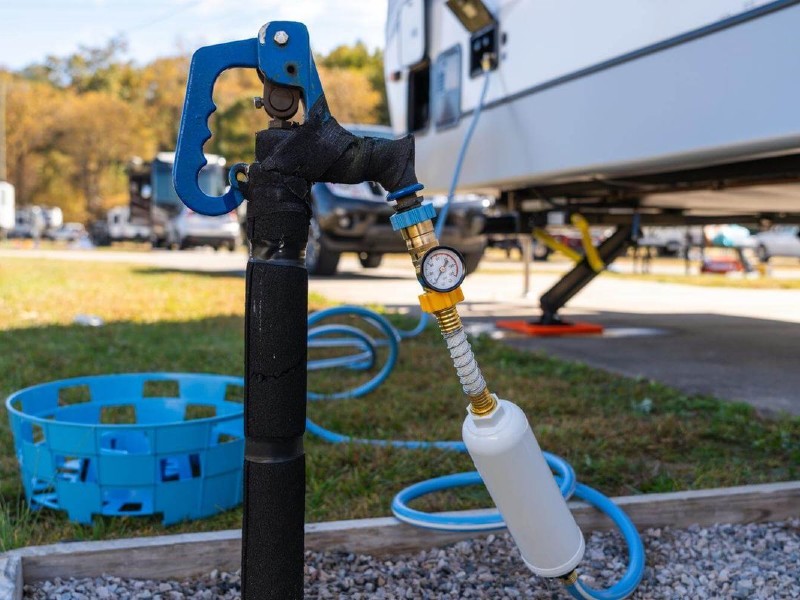
Campground water pressure can vary significantly from one location to another. When the pressure is too high, it can damage plumbing connections and create leaks inside your RV. A small water pressure regulator helps protect your water system from these problems.
Choose a regulator designed for RV use and connect it according to the manufacturer’s instructions, often at the campground faucet. An adjustable model with a gauge allows you to monitor the pressure and follow your RV manufacturer’s recommended limits.
Make checking your water connection part of your normal campsite setup. Also turn off the campground water supply when leaving your RV unattended for an extended period. These simple habits can help prevent expensive water damage.
2. Use a Proper RV Electrical Protection Device at Every Hookup
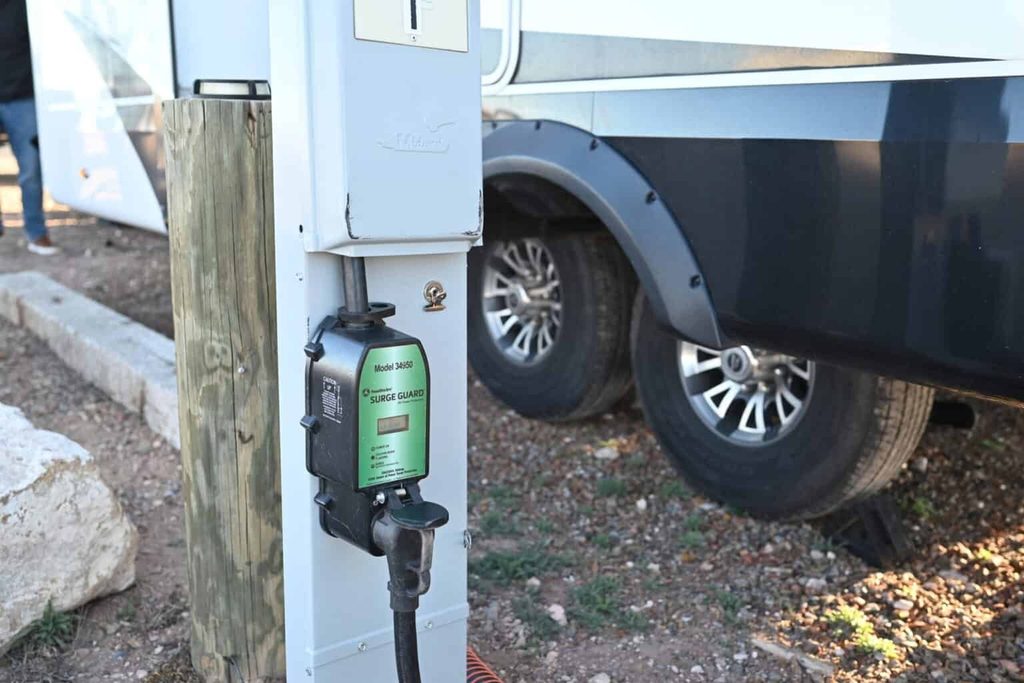
Plugging into campground electricity might seem straightforward, but not every electrical pedestal is in good condition. Low voltage, wiring problems, and power surges can damage appliances or create safety hazards.
An electrical management system designed for RVs can monitor certain electrical faults and disconnect power when conditions become unsafe. Make sure the device is suitable for your RV’s 30 amp or 50 amp electrical connection.
Before connecting, inspect the campground outlet and your power cord for visible damage. Never use a damaged connection or bypass a warning from your protection device. A proper electrical setup protects equipment that could cost far more to replace.
3. Install Motion Sensor Lights Inside Dark Storage Compartments
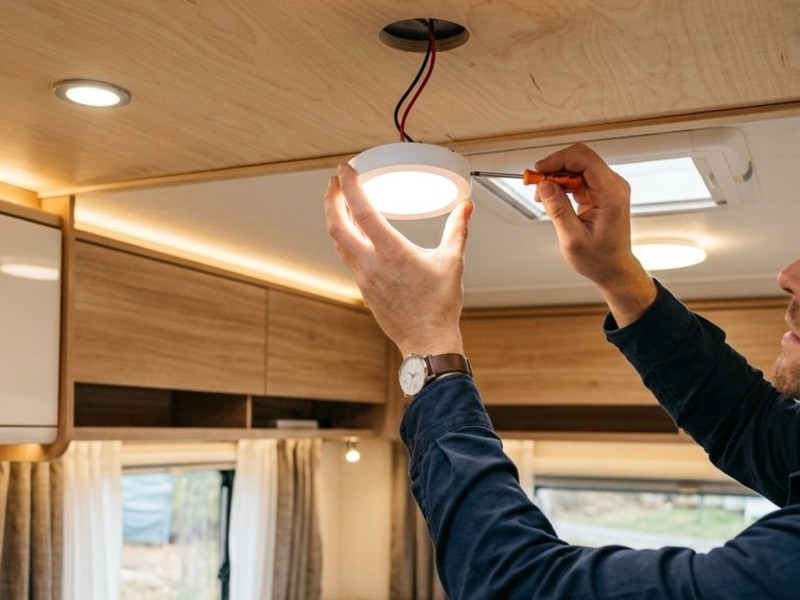
Searching through a dark storage compartment can be frustrating, especially when you arrive at a campground after sunset. Many RVs have limited lighting inside cabinets, closets, and exterior storage areas.
Small battery powered motion sensor lights can solve this problem without requiring new wiring. They turn on automatically when you open a cabinet or reach into a storage compartment, making it easier to find what you need.
Look for compact lights that attach securely and do not interfere with cabinet doors. Rechargeable models can reduce battery replacements, while removable mounting strips make installation easier. Place them where they cannot fall or become loose during travel.
4. Keep a Written Checklist for Every Travel Day

Forgetting one small task before driving can cause a much bigger problem later. A storage door left open, an unsecured cabinet, or a forgotten water hose can quickly turn a normal travel day into an expensive mistake.
Create a simple checklist covering electrical hookups, water connections, sewer hoses, tires, windows, cabinets, steps, and exterior storage doors. Include any special instructions for your RV, such as slide room or leveling system procedures.
Keep the checklist near the driver’s seat or save it on your phone. Go through it before every departure, even when you feel confident about the process. A familiar routine is useful, but a written reminder helps prevent things from being overlooked.
5. Replace Weak Cabinet Latches Before They Become a Problem
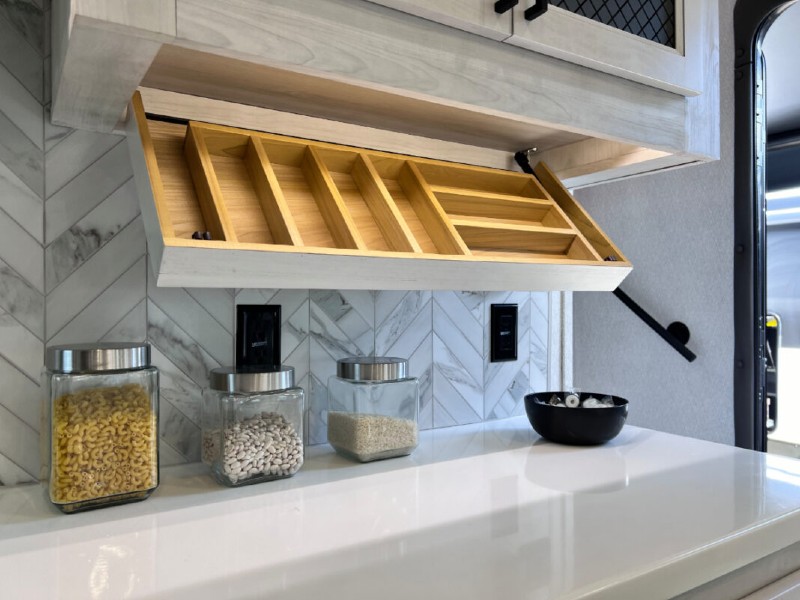
Cabinets that stay closed while parked may open when your RV turns sharply or travels over a rough road. This can send dishes, food containers, and other belongings across the floor.
Stronger cabinet catches or replacement latches can help keep your belongings secure. Some RV owners also use drawer locks or storage dividers to prevent items from moving around inside cabinets.
Choose hardware that suits your cabinet material and does not interfere with normal use. Test every latch before traveling, especially on cabinets holding heavier objects. Keep heavy items low and secure because a closed cabinet door alone may not prevent injuries.
6. Add a Shower Head With a Pause Button to Save Water
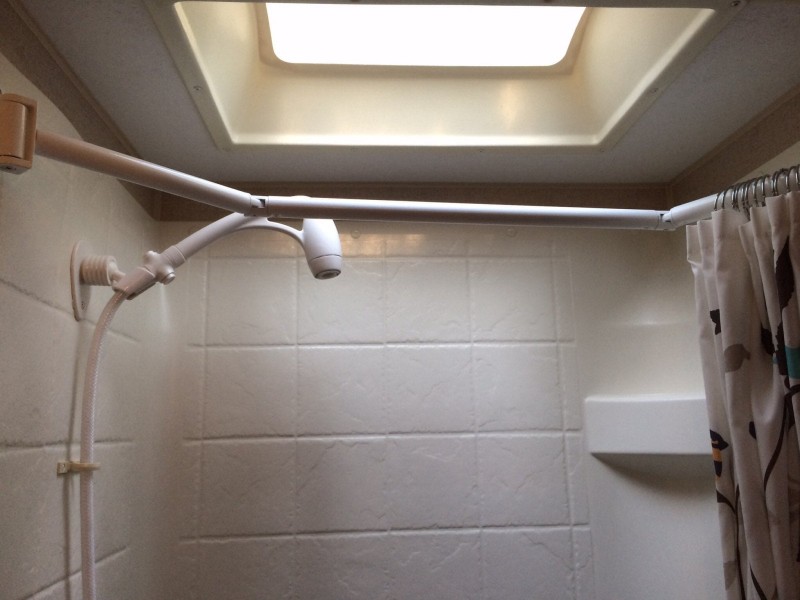
RV showers can use more water than expected, especially when you’re camping without a direct water connection. A long shower can drain the fresh water tank and fill the gray water tank much faster than you planned.
A compatible shower head with a pause or shutoff feature can help reduce water use while you’re applying soap or shampoo. Some models also offer adjustable spray settings that make a small RV shower more comfortable.
Check the fitting size and your RV’s plumbing requirements before replacing the shower head. The pause feature may still allow a small amount of water to flow, so use the normal faucet controls when you finish showering. This small change can help make limited water supplies last longer.
7. Keep Separate Containers for Fresh Water and Sewer Equipment
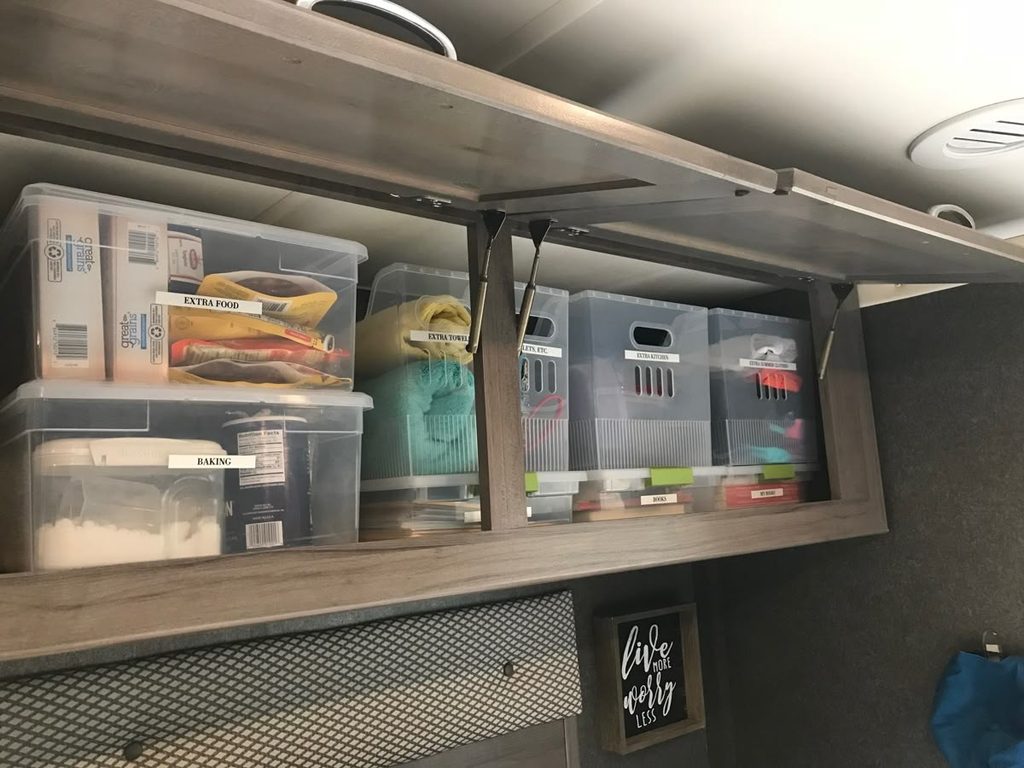
Fresh water hoses and sewer equipment should never share the same storage space without proper separation. Storing everything together can create contamination risks and make campsite setup more unpleasant than necessary.
Use clearly labeled containers for drinking water supplies and wastewater equipment. Keep hoses, fittings, gloves, and cleaning tools in their assigned locations so you never confuse them during a hurried departure.
Clean and dry equipment according to its instructions before storing it. Avoid placing sewer supplies near drinking water connections or food storage areas. Having a simple storage system makes setup faster and helps protect your fresh water supply.
8. Use Leveling Blocks to Make Uneven Campsites More Comfortable
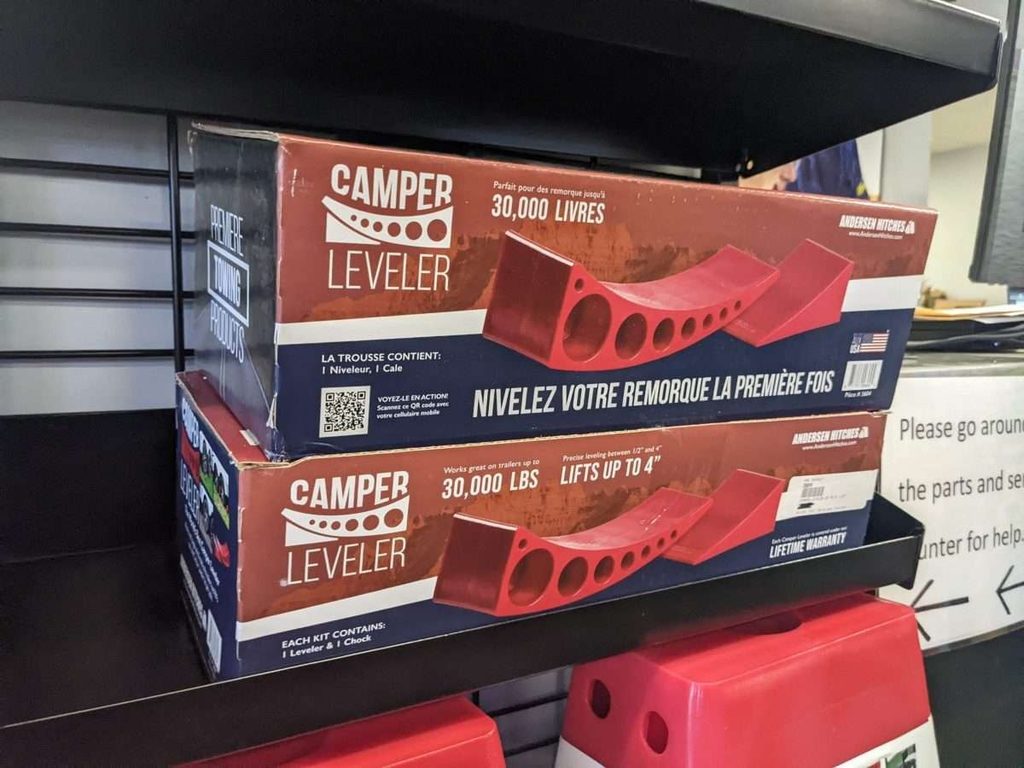
Even a campsite that looks flat can leave your RV leaning to one side. This can make sleeping uncomfortable, cause doors to swing, and interfere with the proper operation of some RV equipment.
Suitable leveling blocks help position your RV on uneven ground. Use a bubble level or leveling system to check the vehicle before settling in, and follow the correct procedure for your motorhome or trailer.
Remember that leveling and stabilizing are different tasks. Stabilizer jacks are generally not designed to lift the RV unless the manufacturer specifically says otherwise. Always use appropriate wheel chocks and follow the manufacturer’s setup instructions.
9. Create a Dedicated Place for Keys, Wallets, and Small Essentials
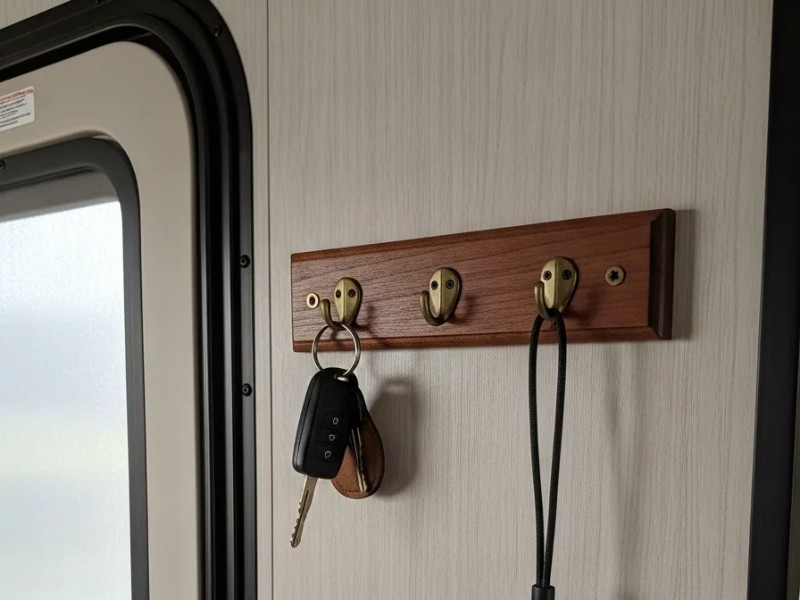
Small personal items have a way of disappearing inside an RV. Keys end up under cushions, sunglasses get buried in storage bins, and wallets are placed somewhere different every time you stop.
A small organizer near the entrance can solve much of this frustration. Choose one with separate spaces for everyday essentials, but secure valuables out of sight when the RV is unattended.
Get into the habit of returning items to the same place after every use. This saves time when you’re getting ready to leave and reduces the stress of searching through cabinets before an appointment or early departure.
10. Upgrade Your RV Mattress Before Spending Money on Decorations
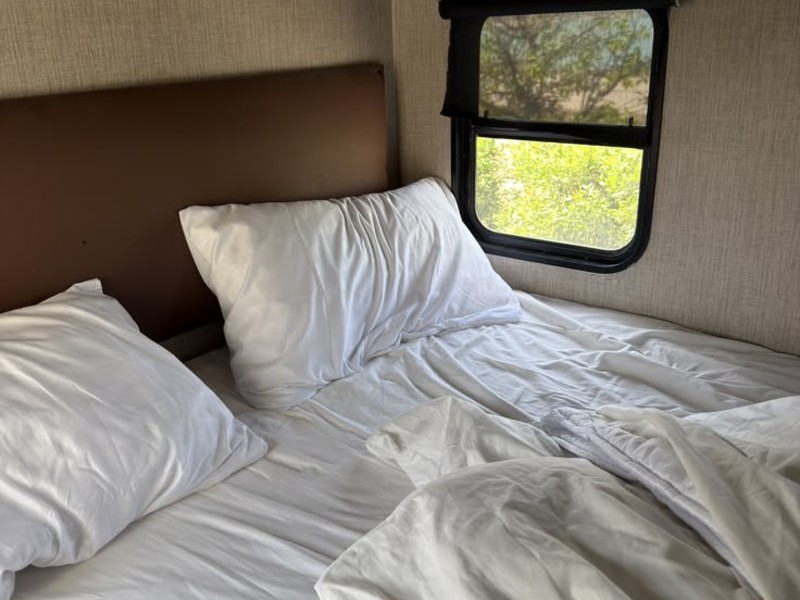
A beautiful camper interior means very little if you wake up tired every morning. Some factory RV mattresses offer limited support, especially after years of use.
A suitable mattress topper may improve comfort without requiring a complete replacement. If your mattress is badly worn, consider replacing it with a model that fits your bed platform and available space.
Check the mattress dimensions carefully because some RV beds use shorter or unusual sizes. Also consider the weight of the replacement and whether it affects storage access. Better sleep can make travel days and everyday activities much more enjoyable.
11. Add Non Slip Liners to Cabinets and Drawers
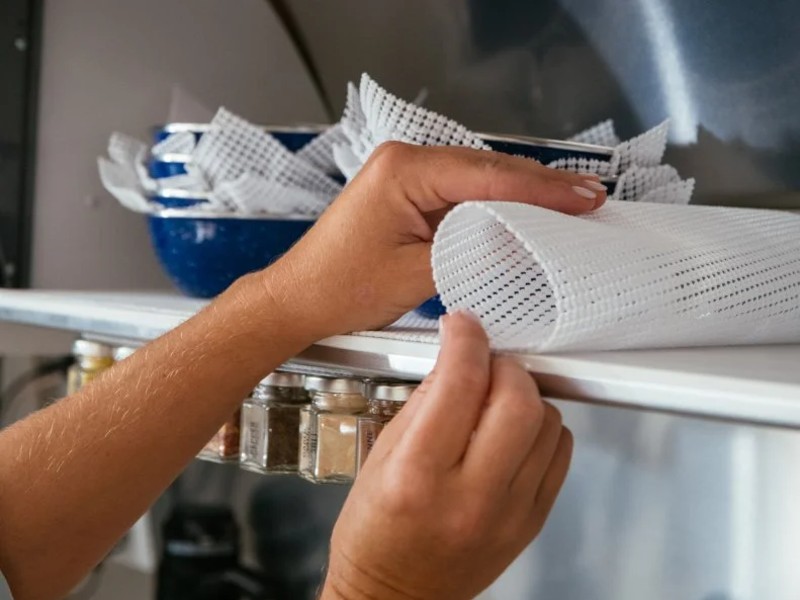
Dishes, cookware, and food containers can slide around as your RV travels. Even when cabinet doors stay closed, items may bump into each other and create noise or damage.
Non slip shelf liners can reduce movement inside cabinets and drawers. They are inexpensive, easy to cut to size, and useful for protecting surfaces from everyday scratches.
Choose liners that are suitable for the material beneath them and clean them regularly. For fragile or heavy items, use dividers or secure storage containers as well. Shelf liners improve organization, but they do not replace proper restraints during travel.
12. Keep a Small Tool Kit Where You Can Reach It Easily
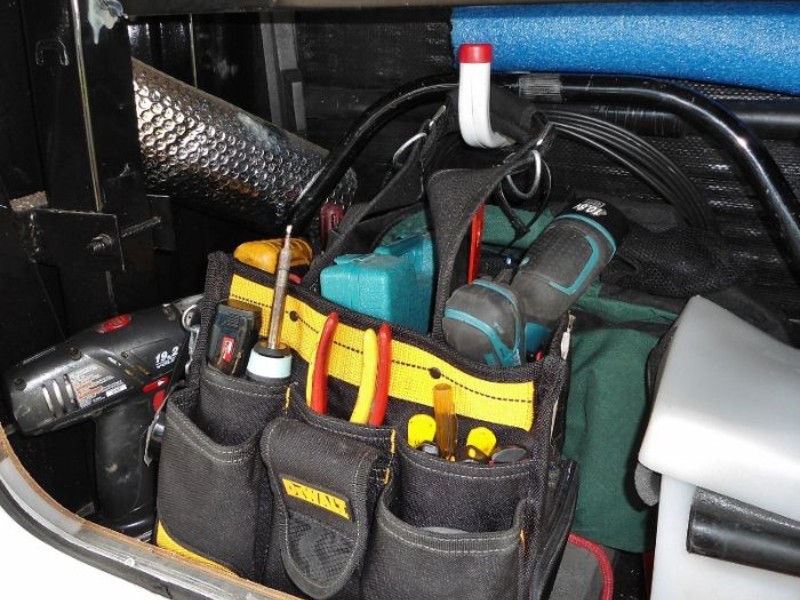
A loose cabinet screw or leaking hose connection should not require emptying an entire storage compartment. Having basic tools nearby makes small maintenance tasks easier to handle.
A practical RV tool kit might include screwdrivers, pliers, adjustable wrenches, a flashlight, work gloves, a tire pressure gauge, and tools specific to your vehicle. Keep a few manufacturer approved spare parts that you know how to install safely.
Store the kit in one secure location and return everything after each repair. Leave electrical, propane, brake, and other high risk work to qualified technicians when needed. The goal is to handle simple problems quickly without creating larger ones.
13. Use a Tire Pressure Monitoring System for More Peace of Mind
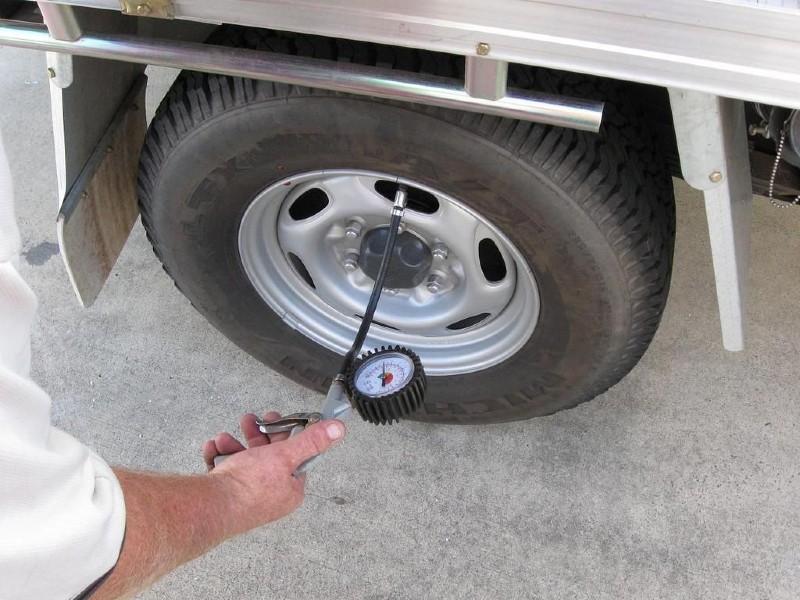
RV tires carry substantial loads, and incorrect tire pressure can affect handling, tire wear, and safety. Checking tires before leaving is important, but conditions can change during a long drive.
A compatible tire pressure monitoring system can provide warnings about pressure changes and, on some systems, tire temperature. The RV Industry Association approved a requirement in April 2026 for tire pressure monitoring systems on towable RVs beginning with manufacturers’ 2028 model year production.
You can consider an aftermarket system for an existing RV, provided it is suitable for your vehicle and tire setup. Continue checking cold tire pressures, tire condition, load ratings, and vehicle weight limits. Electronic alerts are helpful, but they do not replace regular inspections.
14. Plan Your Route Around RV Size Instead of Following Ordinary GPS
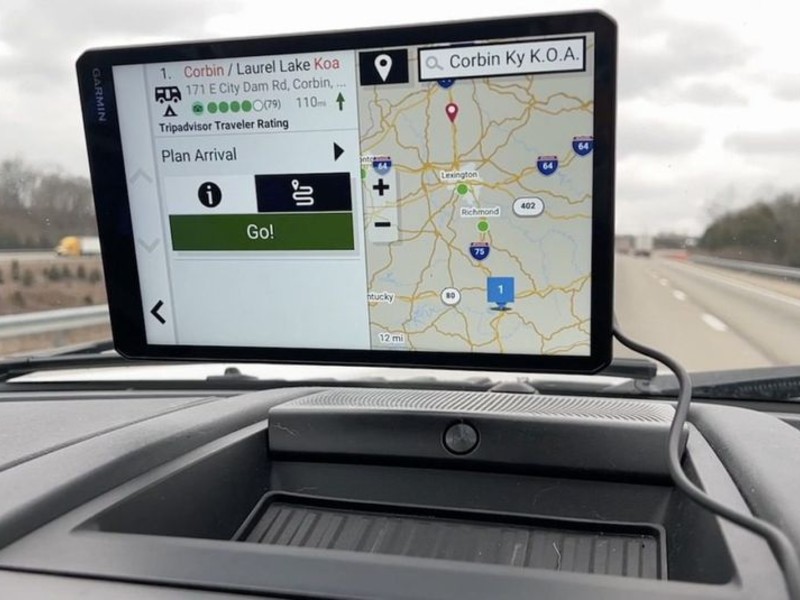
A route that looks perfect on your phone may include a low bridge, narrow road, steep grade, or restricted area unsuitable for your RV. Finding that problem after you’ve already started driving can be stressful.
Use route planning software that allows you to enter your RV’s height, length, weight, and other important dimensions. Check planned roads against official restrictions, signs, and current road information before departure.
Keep a record of your vehicle’s measurements near the driver’s seat. Do not rely on an app alone because mapping information can be incomplete or outdated. A few minutes of route checking can prevent an uncomfortable situation far from home.
15. Use the Recreation.gov App to Make Campsite Planning Easier
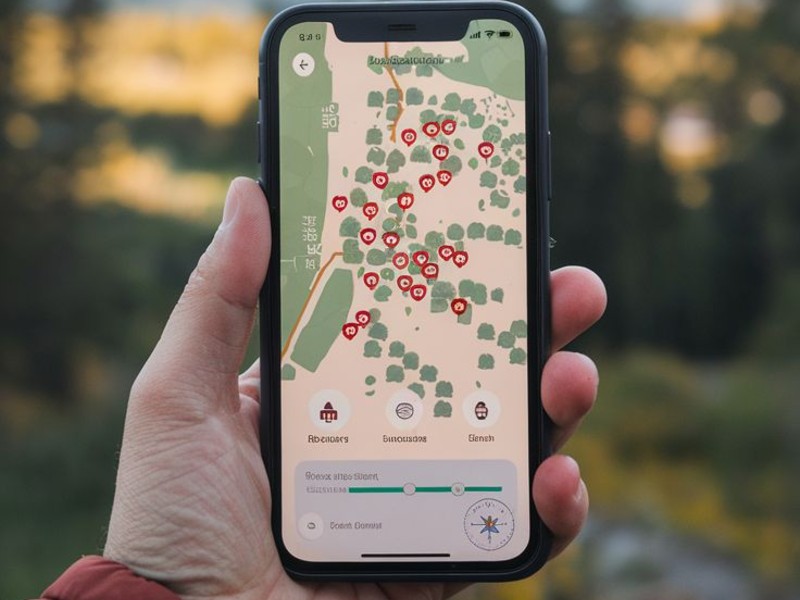
Finding a suitable campsite can take longer than expected when you are traveling through unfamiliar areas. You may need to compare locations, check available dates, review campground facilities, and confirm whether your RV will fit.
The Recreation.gov mobile app allows travelers to search participating public campgrounds, review maps and campsite information, and manage reservations. It also supports availability alerts for certain booked locations, although receiving an alert does not guarantee a reservation.
Save several possible campsites along your route instead of depending on one location. Confirm the site’s size limits, arrival rules, services, and fees before booking. Having backup options gives you more flexibility when plans change.
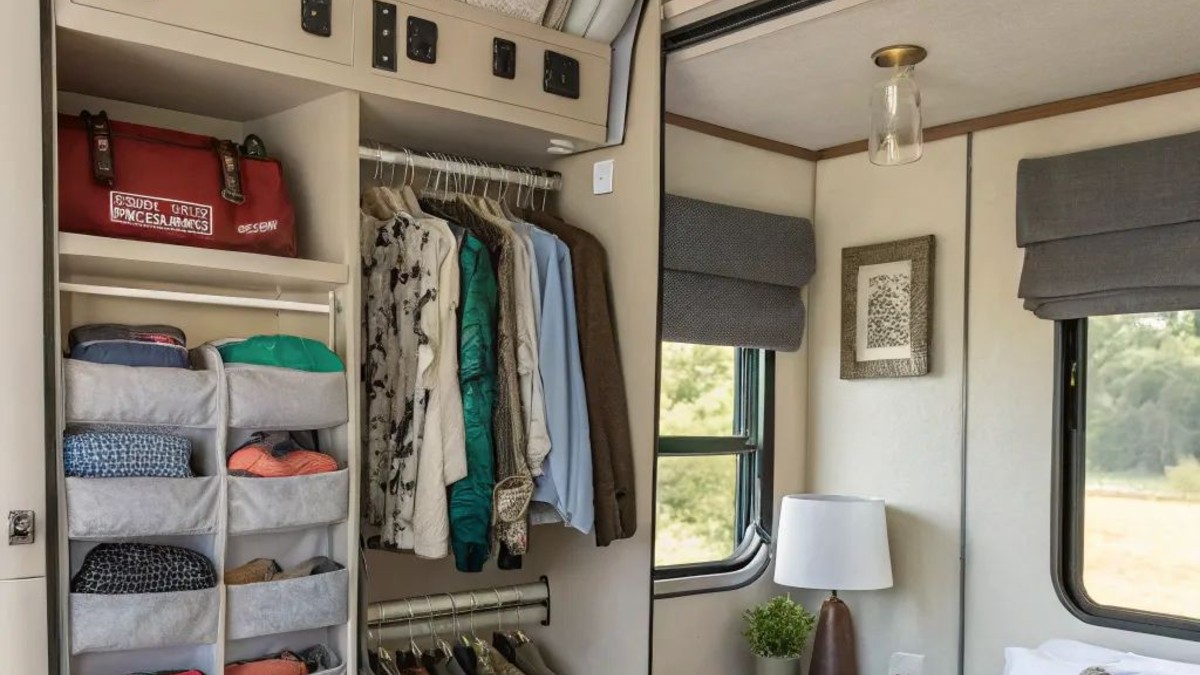
16. Install Hooks and Organizers Where Clutter Builds Up
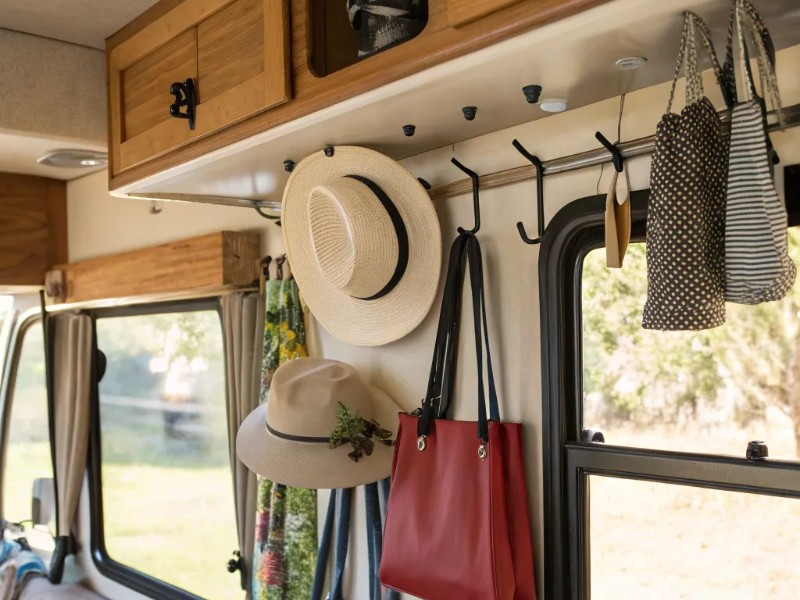
Limited storage is one of the most common frustrations inside a small RV. Jackets pile up on chairs, towels end up on the bed, and everyday items collect on the kitchen counter.
Wall hooks, cabinet door organizers, and compact hanging storage can help keep belongings off the floor. Focus on the places where clutter appears most often rather than installing organizers everywhere.
Choose lightweight products and secure them without damaging wiring, plumbing, or structural components behind the walls. Avoid hanging heavy objects where they could fall during travel. A little organization makes a small living area feel more comfortable without adding unnecessary furniture.
17. Keep a Simple Record of Repairs and Maintenance

It is easy to forget when you last checked a roof seal, replaced a filter, or serviced an appliance. These small details matter because RVs have both vehicle maintenance needs and household systems to look after.
Create a maintenance record with dates, mileage, work completed, parts replaced, and upcoming service tasks. You can use a notebook or spreadsheet, whichever you are more likely to update.
Review the record before long trips and follow the maintenance schedule provided by your RV and equipment manufacturers. Keeping receipts and photographs can also help when dealing with repairs, warranties, or a future sale. This habit takes little time but makes maintenance easier to manage.
18. Use a Portable Laundry Bag That Fits Your Storage Space
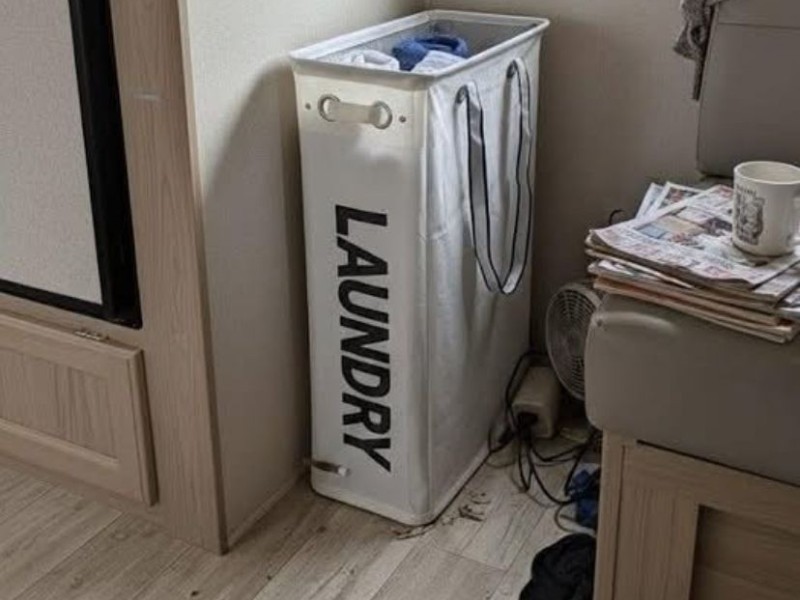
Laundry can quickly create clutter when several people share a small RV. Dirty clothes may end up on the bathroom floor or inside cabinets when there isn’t a convenient place to store them.
A collapsible laundry basket or hanging laundry bag can keep clothing in one location without taking up too much space. Choose a design that fits your floor plan and can be carried easily to a campground laundry room.
Make laundry part of your normal weekly routine instead of waiting until every piece of clothing is dirty. Washing smaller loads when facilities are available can reduce the need for extra clothing and help keep your storage areas organized.
19. Check Your Tank Levels Before They Become a Problem
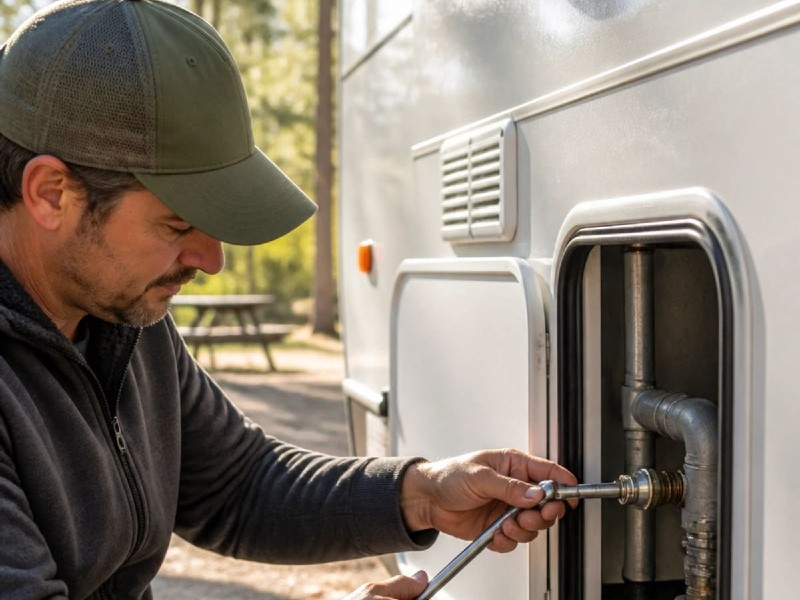
Running out of fresh water or filling a wastewater tank can create an unpleasant surprise, especially when you’re camping away from hookups. These problems are easier to prevent when you pay attention to how quickly your household uses water.
Check tank levels regularly and learn how your RV’s monitoring system works. Sensors can sometimes give inaccurate readings because of residue or other problems, so compare readings with your actual water use.
Create a simple habit of checking the fresh water, gray water, and black water tanks each morning when camping without full hookups. Use designated dump stations and follow the manufacturer’s tank care instructions. Regular checks make water management more predictable.
20. Spend More Time at Each Destination Instead of Moving Constantly
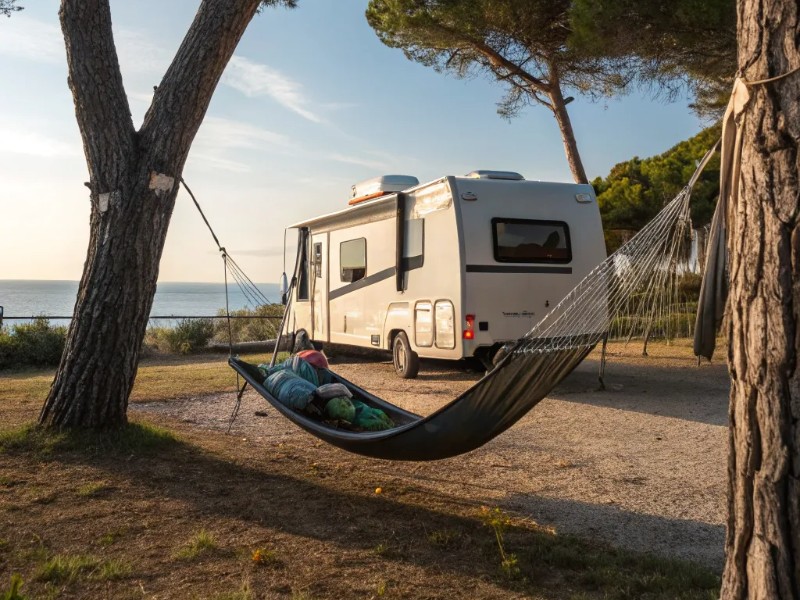
One of the easiest ways to make RV life less stressful does not require buying anything. Simply spending more nights in one location can reduce packing, driving, setup work, and travel related expenses.
Frequent moves can make it difficult to enjoy a destination because you are always preparing for the next stop. Staying longer gives you time to explore nearby attractions, find local services, and settle into a comfortable daily routine.
Try planning a week or two at a destination rather than moving every couple of days, where campground rules and your schedule allow. You may discover that traveling slowly makes the experience feel more relaxing while reducing fuel use and the number of travel days.
21. Follow a Simple 10 Minute Evening Reset Routine
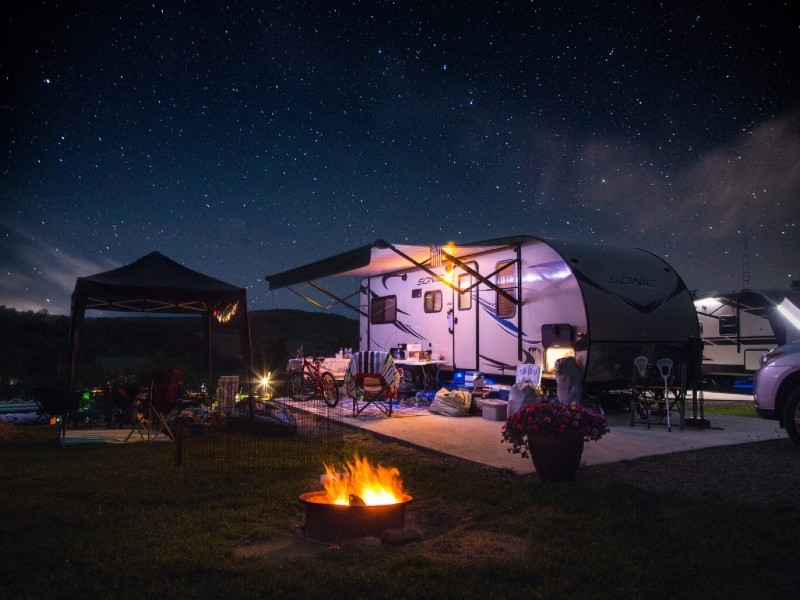
Small messes can make an RV feel crowded much faster than a larger house. Shoes collect near the door, dishes remain in the sink, and everyday belongings gradually take over the limited counter space.
Spend ten minutes each evening putting items away, wiping counters, checking the next day’s plans, and making sure walkways remain clear. You can divide the tasks between family members so one person does not handle everything.
Keep this routine simple enough to follow even after a tiring travel day. A clean and organized camper is easier to live in, and you can start the next morning without dealing with yesterday’s mess.