
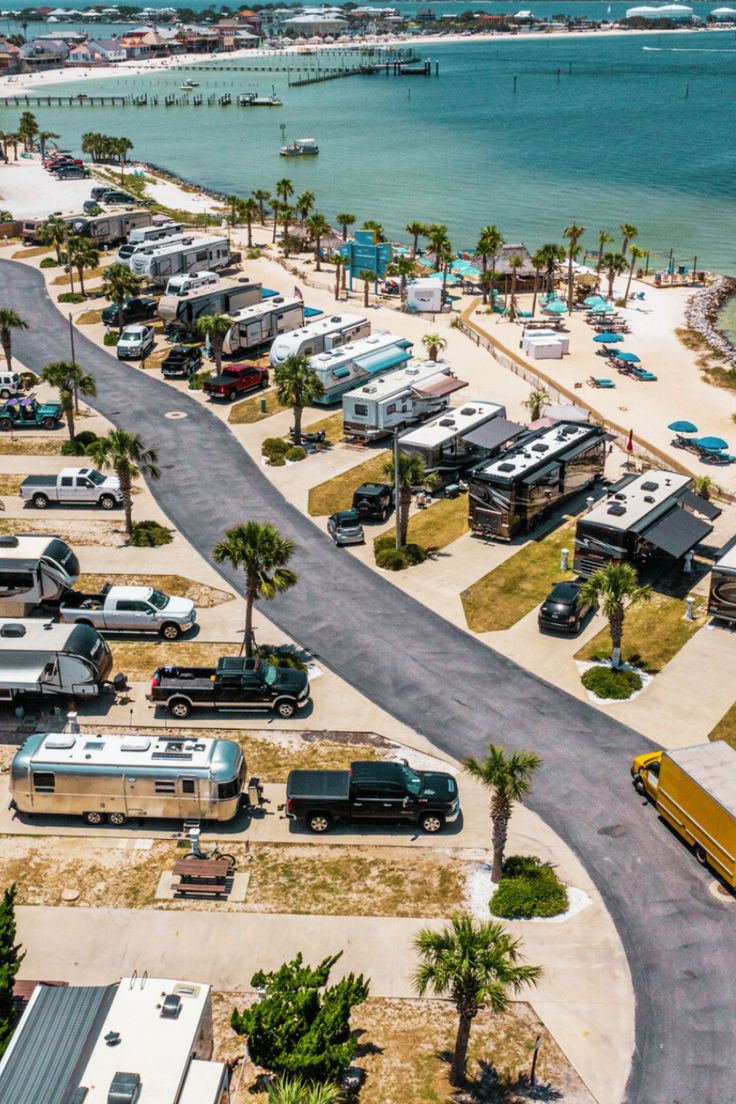
Finding a safe place to sleep can become one of the most frustrating parts of van life. You might spend hours driving, find a quiet parking lot, and think you’ve finally found somewhere to rest. Then you notice a sign banning overnight parking, or someone knocks on your window and asks you to leave.
The problem is that a parking space isn’t automatically a legal place to sleep. Rules change between cities, states, public lands, and private businesses. Even a location that welcomed overnight travelers last year may have different restrictions in 2026.
Fortunately, there are more options than crowded RV parks and expensive campgrounds. Some public lands allow free overnight camping, certain businesses welcome travelers with permission, and private property owners offer affordable places to stay.
Here are 19 places worth checking when you need somewhere to park your van overnight, along with the rules that can help you avoid fines, unwanted attention, and wasted travel time.
1. Walmart Parking Lots May Allow Overnight Stays With Permission
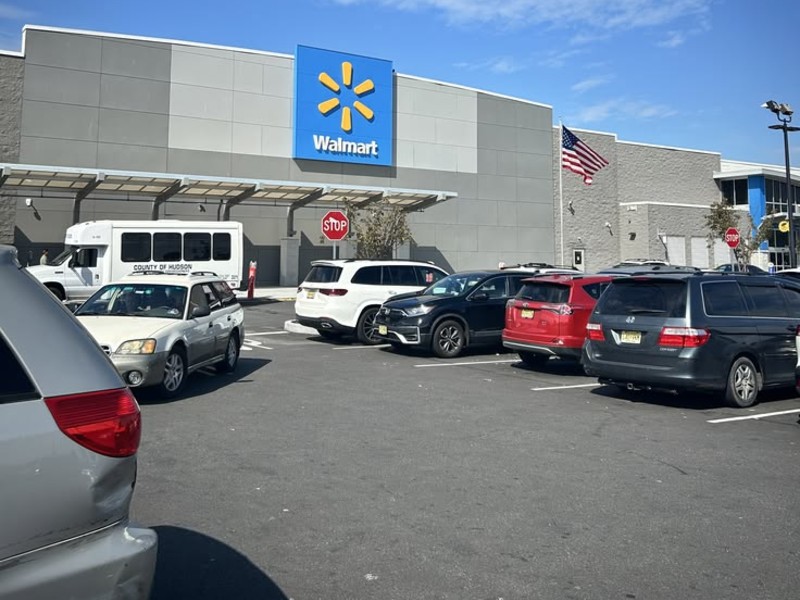
Walmart is one of the best known overnight parking options among road travelers, but you cannot assume every store allows it. Some locations welcome RVs and camper vans, while others restrict overnight parking because of local laws, property agreements, or limited parking space.
Walmart’s official policy says individual store managers decide whether RV parking can be accommodated, subject to available space and local regulations. The company recommends contacting store management before arriving for an overnight stay.
Call the store and ask whether sleeping in your van overnight is allowed, not simply whether you can park there. If permission is granted, ask where to park, avoid blocking customers, and leave the area clean when you depart.
2. Bureau of Land Management Can Offer Free Camping
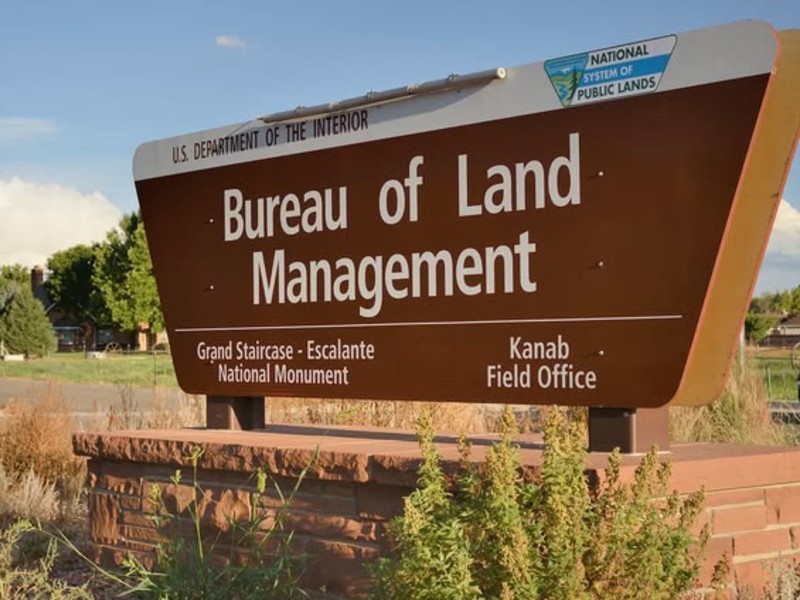
Some of the most useful overnight parking options are on public lands managed by the Bureau of Land Management, commonly called BLM. These areas are especially common across the western United States and may provide spacious camping locations away from busy towns.
The BLM allows dispersed camping on many of its lands unless restrictions apply. A common limit is 14 days within a 28 day period, although local field offices may have different rules. Dispersed camping is intended for temporary recreation, not permanent residence.
Check the local BLM office’s maps, access roads, camping restrictions, and current closures before driving in. Stay on permitted routes and previously used camping areas, and never assume that every piece of open desert is public land.
3. National Forest Roads May Lead to Legal Overnight Campsites
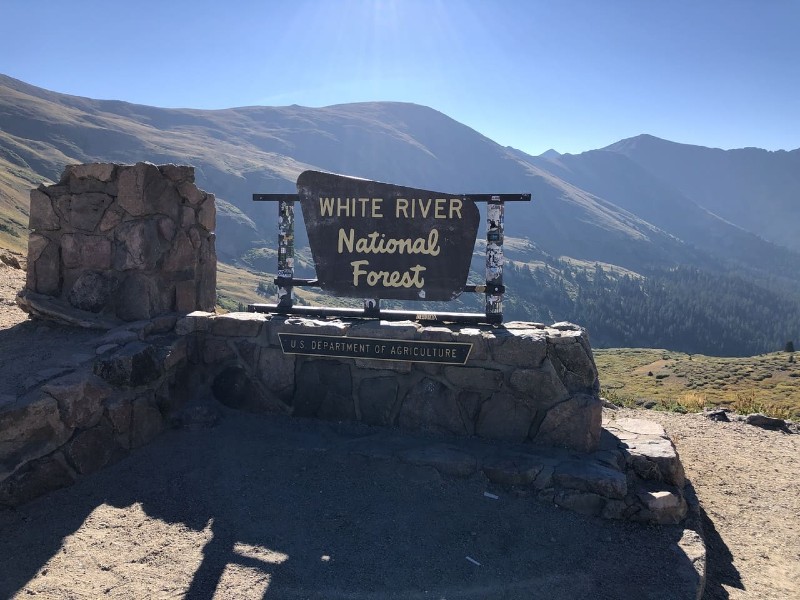
National forests can provide excellent places for travelers who enjoy quiet surroundings and don’t need campground hookups. Many forests permit dispersed camping in selected areas outside developed campgrounds, often at no camping fee.
However, not every forest road allows overnight camping. Some areas are closed to protect wildlife, water sources, or sensitive land. The U.S. Forest Service also has specific rules about where motor vehicles may travel and park.
Before visiting, contact the local ranger district and request information about legal vehicle camping areas. Ask for the current Motor Vehicle Use Map and verify that your chosen access route is suitable for a van.
4. Highway Rest Areas Can Be Useful for Sleeping During Long Drives
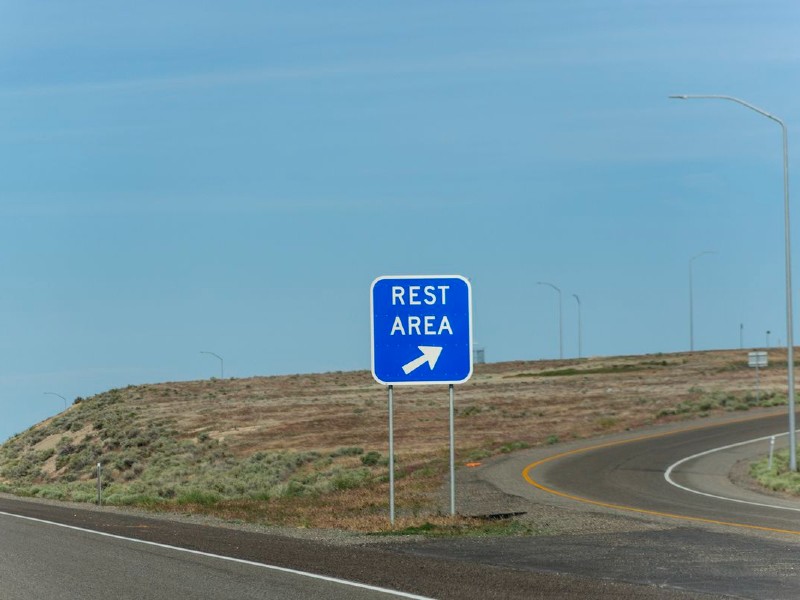
When you’re exhausted after hours of driving, a highway rest area may seem like the simplest place to stop. Many have bathrooms, lighting, and parking spaces designed for travelers who need a break.
However, rules differ significantly by state. Some rest areas permit overnight parking or extended rest periods, while others limit how long a vehicle may remain or prohibit overnight stays. Being allowed to rest inside a vehicle does not necessarily mean camping is permitted.
Check the state transportation department’s rules and read the signs when you arrive. Keep the stop focused on rest rather than setting out chairs, cooking equipment, or an outdoor campsite. If the location prohibits your intended stay, choose another option.
5. Love’s RV Stops Offer Designated Overnight Parking
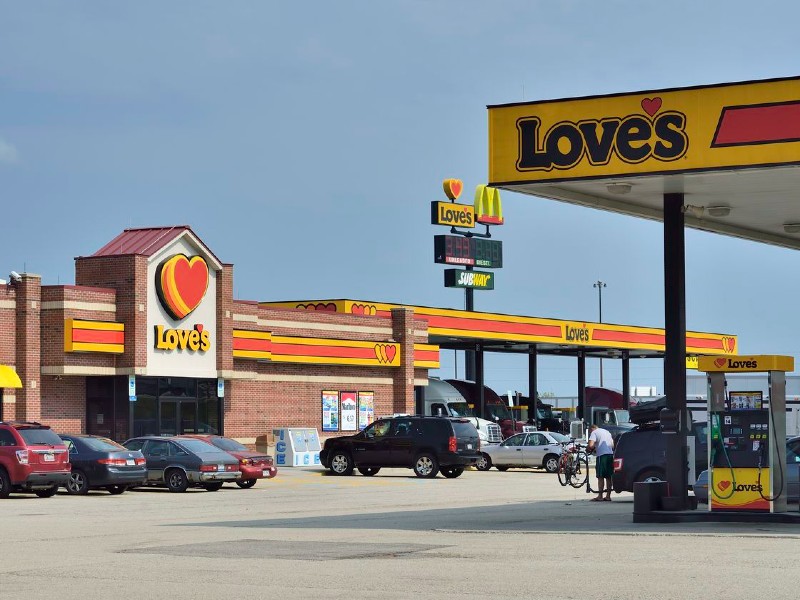
Truck stops can be useful during long journeys, but travelers often overlook locations with actual RV facilities. Love’s operates RV Stops and hookup locations designed to accommodate recreational vehicles, including suitable camper vans.
According to Love’s, its network includes dedicated RV facilities at selected travel stops, with amenities that may include electricity, water, sewer connections, and other services. Availability and facilities depend on the specific location.
Search for a Love’s RV Stop along your route and check whether it accepts your vehicle and offers overnight reservations. Do not assume that an ordinary fuel station parking space includes permission to sleep there, and keep truck parking spaces available for drivers who need them.
6. Casino Parking Areas Sometimes Welcome Camper Vans
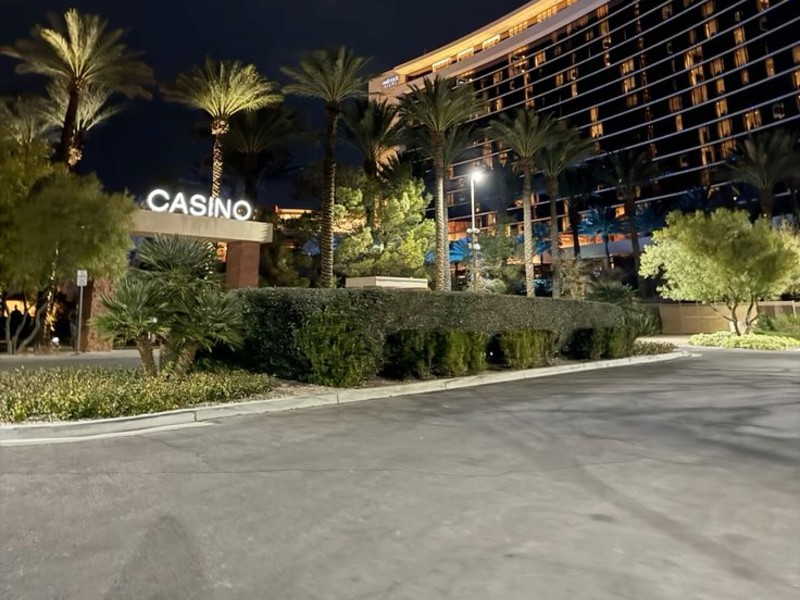
Some casinos, particularly those with RV facilities or large designated parking areas, allow travelers to stay overnight. These locations can be useful when you need a place near a town rather than a remote campsite.
Permission depends entirely on the property. Some casinos offer paid RV sites, while others may allow limited parking without hookups. Security procedures, registration requirements, and stay limits can also differ.
Contact the casino before arriving and ask specifically about overnight stays in camper vans. If permission is granted, follow the designated parking instructions and avoid treating an ordinary customer parking space like a campsite.
7. Cracker Barrel Locations May Permit One Night of Parking
Cracker Barrel is another business that RV travelers frequently consider for overnight stops. Some restaurant locations have larger parking spaces that can accommodate recreational vehicles, making them convenient during road trips.
But the presence of RV sized parking spaces does not guarantee permission to sleep overnight. Local restrictions, parking agreements, and store management decisions can prevent stays at particular restaurants.
Call the restaurant directly before making plans. Ask whether your van may remain overnight and where management wants you to park. If the location allows it, keep your stay brief and respect the restaurant’s normal business operations.
8. County Fairgrounds May Have Affordable Overnight RV Sites
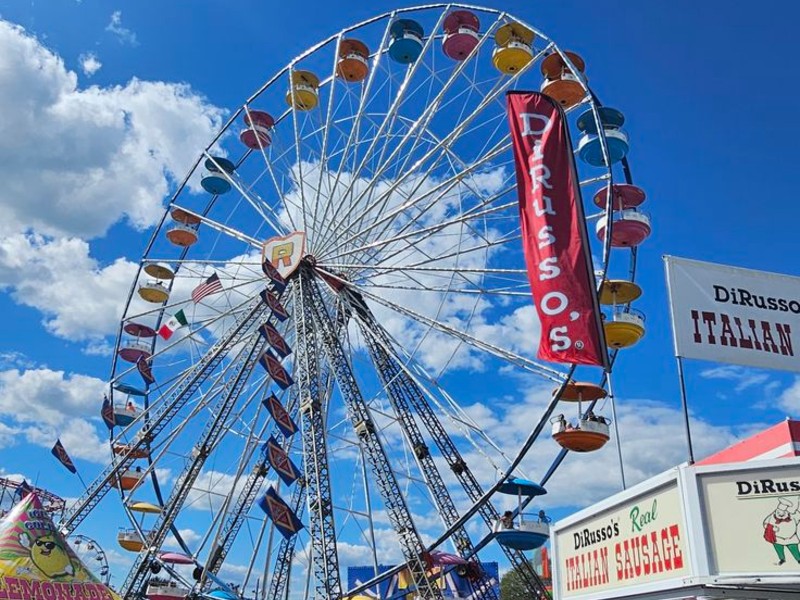
County fairgrounds are easy to overlook because most people associate them with agricultural shows, concerts, and local events. Some also operate RV camping areas throughout much of the year.
For example, Cleveland County Fairgrounds in Oklahoma lists RV sites with electrical hookups, water, and sewer service at $35 per night. Its official rules explain that stays are offered on a first come, first served basis, without long term occupancy
Search for county fairgrounds near your planned route and check their official websites. Ask whether camper vans are accepted and whether special events affect availability. A fairground can provide a practical overnight stop without the atmosphere of a large commercial RV resort.
9. State Park Campgrounds Offer a Reliable Legal Option
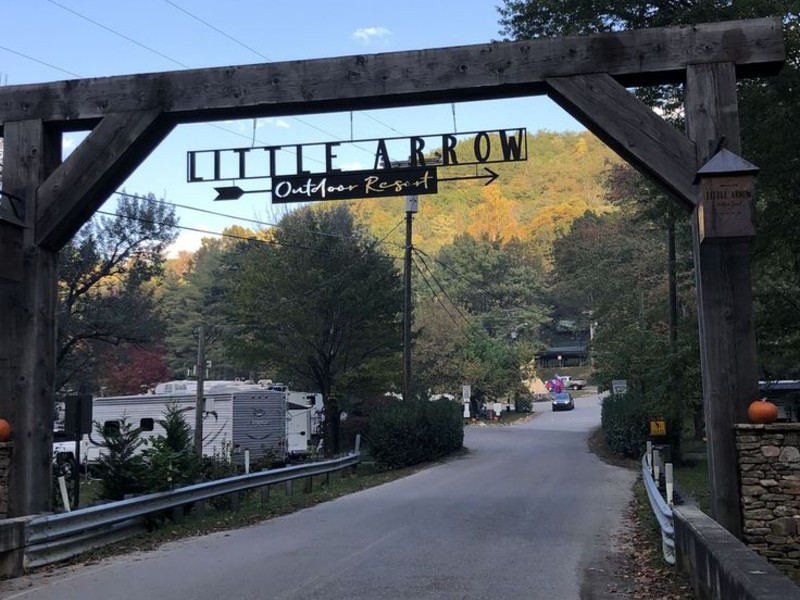
State parks are often associated with tents and traditional family camping, but many also provide sites suitable for camper vans. Depending on the park, facilities may include bathrooms, showers, drinking water, and electrical connections.
These are designated camping areas, so you can sleep in your vehicle when your booking and the park’s rules permit it. However, paying for park admission does not automatically allow overnight parking in picnic areas, trailhead lots, or other day use locations.
Visit the state park system’s official website and search for vehicle compatible campsites. Confirm whether the park accepts your van’s size and sleeping setup, then book the appropriate campsite instead of relying on an ordinary parking area.
10. U.S. Army Corps of Engineers Campgrounds Are Worth Checking
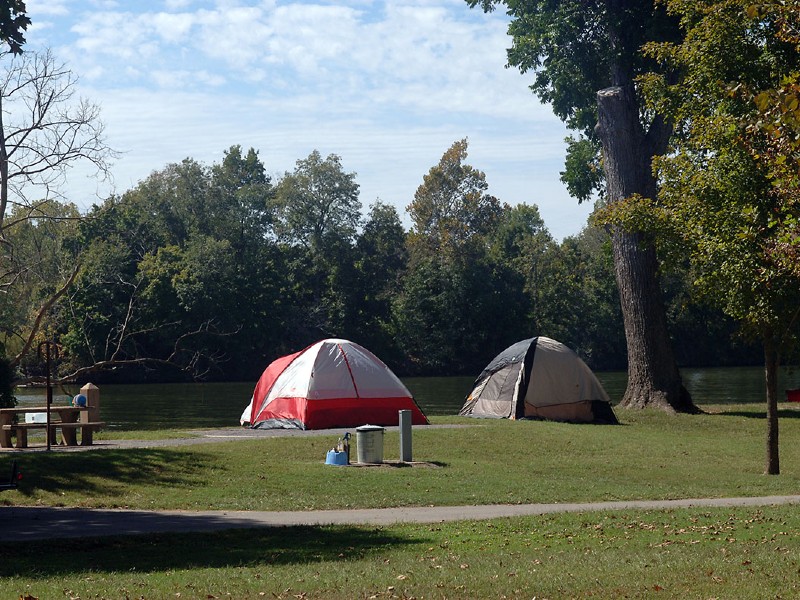
Many travelers pass lakes and reservoirs without realizing that the U.S. Army Corps of Engineers manages campgrounds at numerous recreation areas. These locations can be attractive alternatives to private campgrounds.
The Corps’ Mobile District reports operating 64 campgrounds with more than 6,300 campsites across Alabama, Georgia, and Mississippi. Facilities vary, with some locations offering RV hookups and others providing basic camping areas
Search Recreation.gov or the local Corps district website for campgrounds near your route. Check site restrictions, seasonal closures, and reservation requirements before arriving. Many facilities require an actual campsite reservation rather than allowing overnight stays in general parking areas.
11. Hipcamp Lets You Book Overnight Parking on Private Land
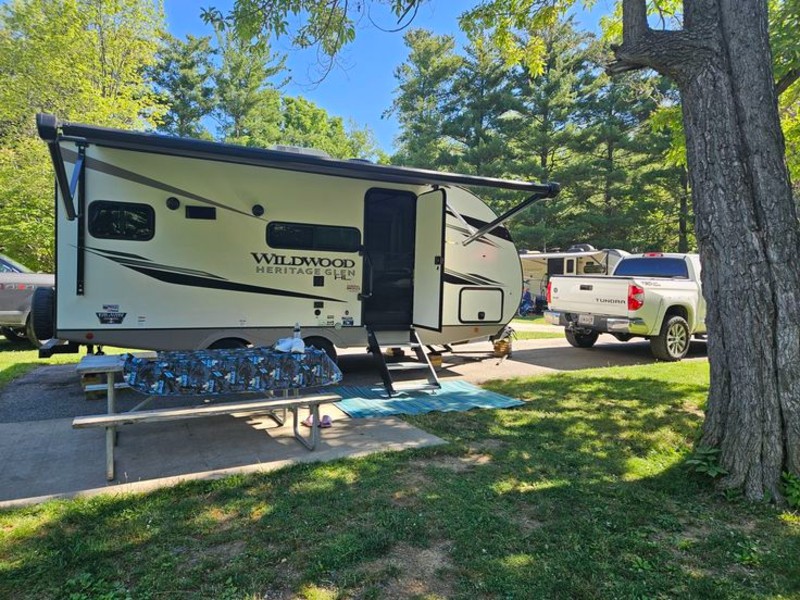
You don’t always need a traditional campground to spend a legal night in your van. Some private landowners allow travelers to book designated camping spots on farms, wooded properties, and other outdoor spaces through Hipcamp.
Hipcamp lists privately managed camping areas where hosts set their own prices, rules, and facilities. Some properties welcome camper vans without hookups, while others require vehicles to be self contained or have their own toilets.
Use the vehicle and camping filters to find a suitable site, then read the complete listing before booking. Check road conditions, bathroom access, arrival instructions, and whether sleeping inside your particular van is permitted.
12. Farms and Orchards Sometimes Welcome Overnight Travelers
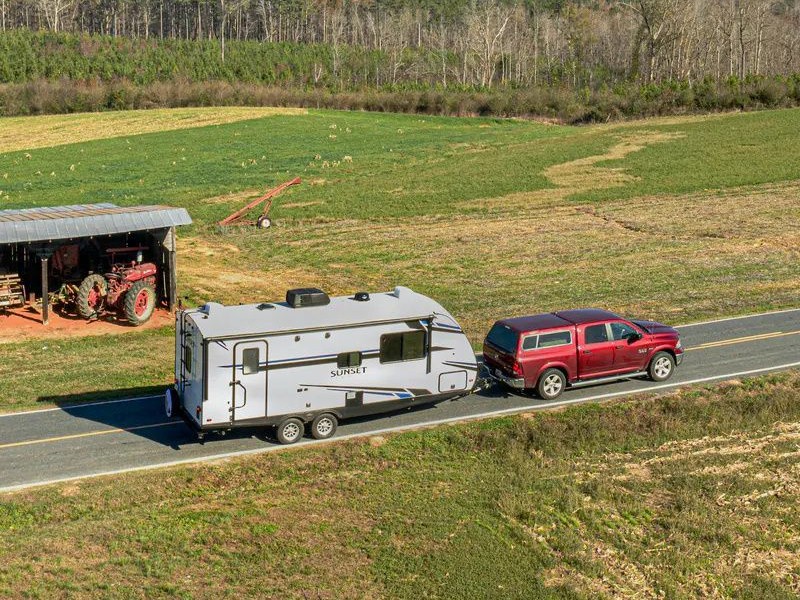
A working farm or orchard might not look like a normal overnight parking location, but some owners welcome visiting RV travelers. These stays can offer a quieter setting than a highway parking lot.
Harvest Hosts connects qualifying travelers with farms and other participating businesses. Its host program generally provides one night without a camping fee, while guests are encouraged to support the business through purchases. The program requires a membership and a qualifying self contained vehicle.
Before requesting a stay, confirm that your van meets the program’s requirements. Ask about arrival times, parking surfaces, pets, and available facilities. Do not assume that every farm accepts overnight visitors without an approved arrangement.
13. Museums and Other Attractions May Offer Overnight Stays
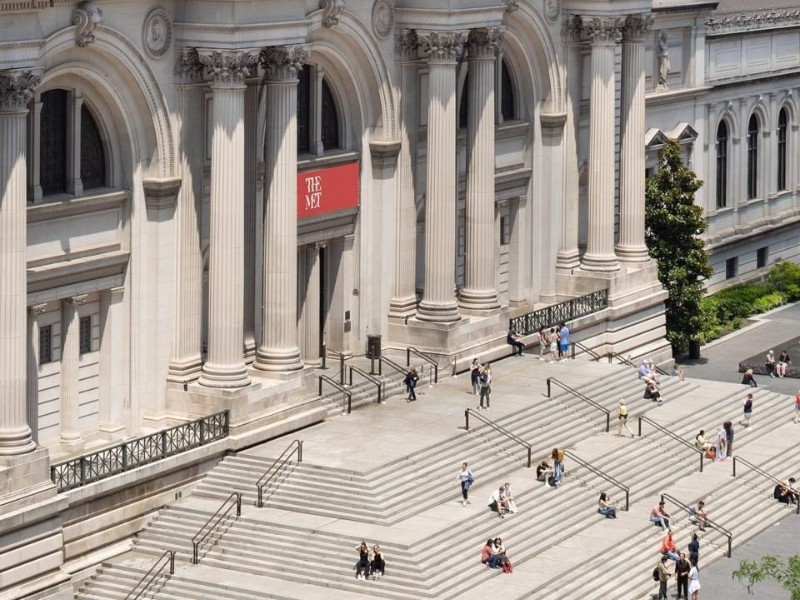
Museums may seem like unusual places to spend the night, but certain attractions participate in organized overnight RV hosting programs. These locations can give travelers access to interesting places while providing an approved parking area.
Harvest Hosts includes museums and other attractions among its participating businesses. A confirmed stay generally allows members to park in a designated area, but the host decides which vehicles can be accommodated and what facilities are available.
Search the program’s directory rather than arriving at a random museum parking lot. Confirm your booking, follow the host’s instructions, and check whether your van qualifies. Permission to visit an attraction during the day is not permission to sleep there overnight.
14. Some Golf Courses Have Overnight Parking for RV Travelers
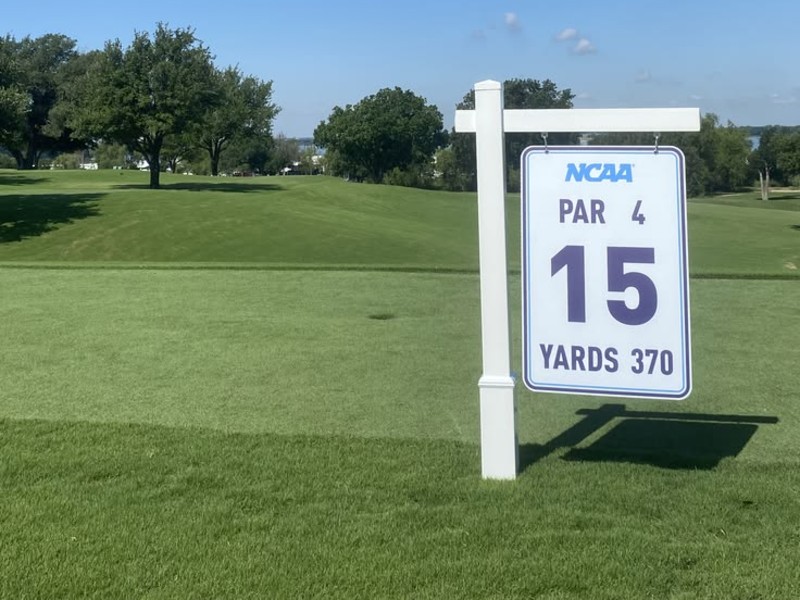
Golf courses often have spacious grounds and parking areas, but most travelers would never think of them as places to sleep. Certain courses participate in RV hosting programs and allow approved members to stay overnight.
These stays are generally intended for qualifying recreational vehicles rather than ordinary passenger cars. Participating properties may limit arrival times, vehicle sizes, and parking locations, and they usually do not provide campground services.
Look for golf course hosts through a program such as Harvest Hosts and check the individual listing. Ask whether your camper van is eligible and whether you need to reserve ahead. Never assume a golf course parking lot is available just because it is empty after closing.
15. Boondockers Welcome Connects Travelers With Private Hosts
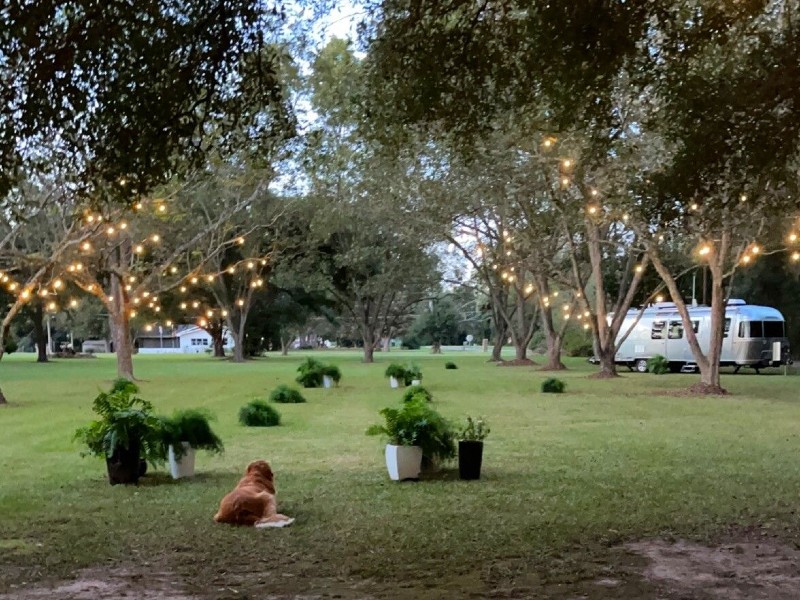
Sometimes the easiest overnight option is a parking space offered by someone who already enjoys RV travel. Boondockers Welcome connects members with private hosts willing to accommodate qualifying recreational vehicles.
According to the program’s 2026 host guidance, participating hosts can offer between one and five consecutive nights without a camping fee. Optional services may carry charges, and each stay must follow the host’s rules and local laws.
Check the membership requirements and make sure your van meets the accepted vehicle standards before requesting a stay. Contact the host in advance, explain your arrival plans, and respect their property. This can be a useful option when you want a quieter place away from commercial parking lots.
16. Friends and Family Driveways Can Work With the Right Permission
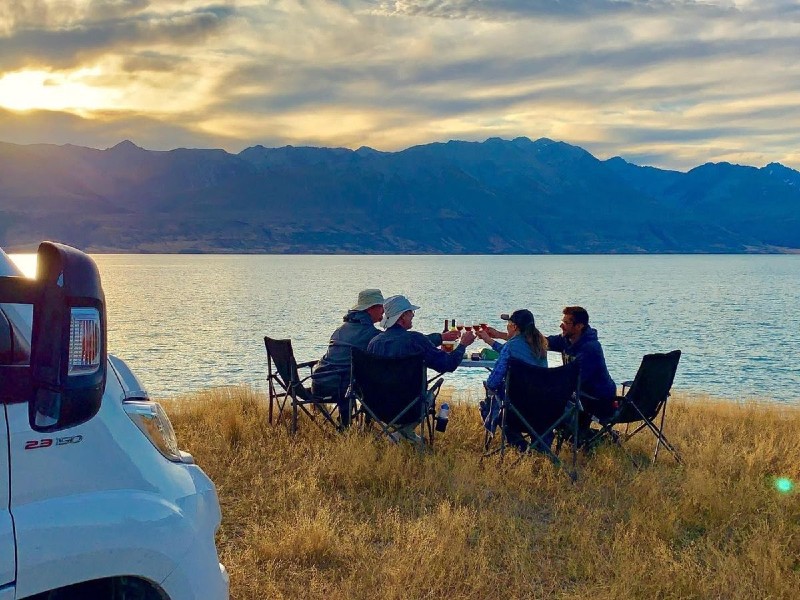
Staying in a friend’s driveway sounds like one of the simplest overnight parking options. It may also save money and give you an opportunity to visit someone without booking a campground.
However, the homeowner’s permission is not always enough to make sleeping in a van legal. Some cities restrict overnight vehicle occupancy on residential property, while homeowners associations or rental agreements may have additional rules.
Ask your host to check local parking and occupancy requirements before you arrive. Make sure your van fits without blocking sidewalks, driveways, or public streets. If the location allows overnight vehicle stays, agree on the length of your visit and any bathroom or utility arrangements in advance.
17. Municipal Campgrounds Are Easy to Miss
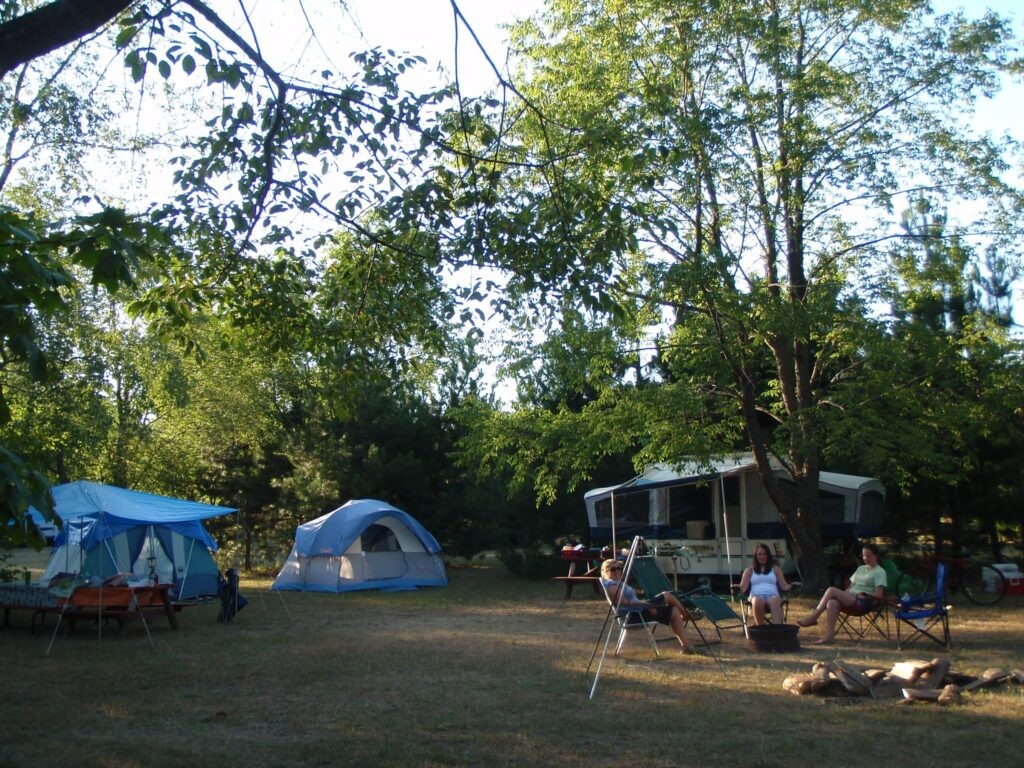
Small towns sometimes operate campgrounds that receive much less attention than national parks and major RV resorts. These facilities may be located beside city parks, community lakes, or local recreation areas.
Some municipal campgrounds provide basic overnight sites, while others offer electrical hookups, water, and bathrooms. Rules and prices depend on the town, and certain locations operate only during warmer months.
Search the town’s official parks and recreation website for municipal camping facilities. Contact the responsible office to confirm that overnight vehicle camping is permitted. Do not confuse a city campground with an ordinary public park, where staying overnight may be prohibited.
18. Tribal Campgrounds May Offer Another Legal Place to Stay
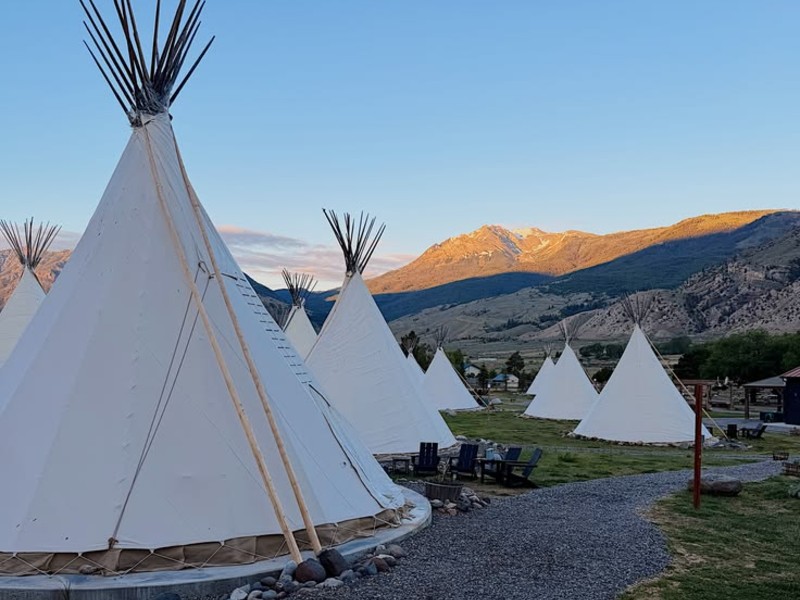
Tribal lands can include campgrounds and recreation facilities operated by tribal governments or authorized businesses. Some offer camping near lakes, forests, and attractions that travelers may overlook when planning their routes.
But tribal land is not automatically open to public camping or overnight parking. Access rules, permits, fees, and restrictions are set by the appropriate tribal authority, and certain roads or areas may be closed to visitors.
Look for official campground information published by the tribal government or authorized operator. Reserve an approved site and follow the property’s rules. Never rely on an app pin or an empty parking area as evidence that overnight camping is permitted.
19. Small Private RV Parks Can Be a Better Last Minute Option
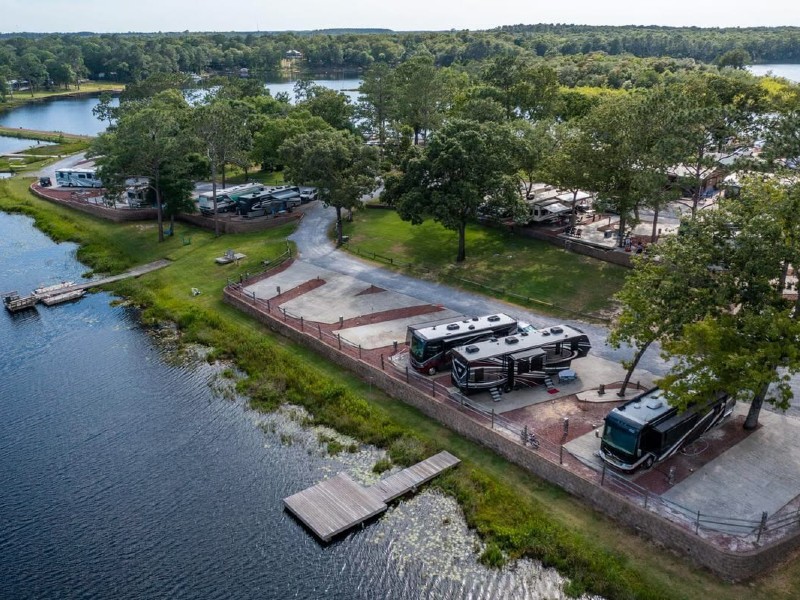
When free parking options fall through, a small private RV park may be the easiest way to secure a legal overnight stay. These businesses can be especially useful near towns where sleeping in public parking lots is restricted.
Some parks have simple overnight sites designed for travelers passing through, while others offer full hookups and longer stays. Prices, minimum stays, facilities, and vehicle acceptance policies vary.
Search for independent RV parks along your route and call before arriving. Ask whether they accept camper vans, including vans without built in toilets if that applies to you. A modest paid campsite may be worth the expense when it provides clear permission, a place to sleep, and basic facilities.